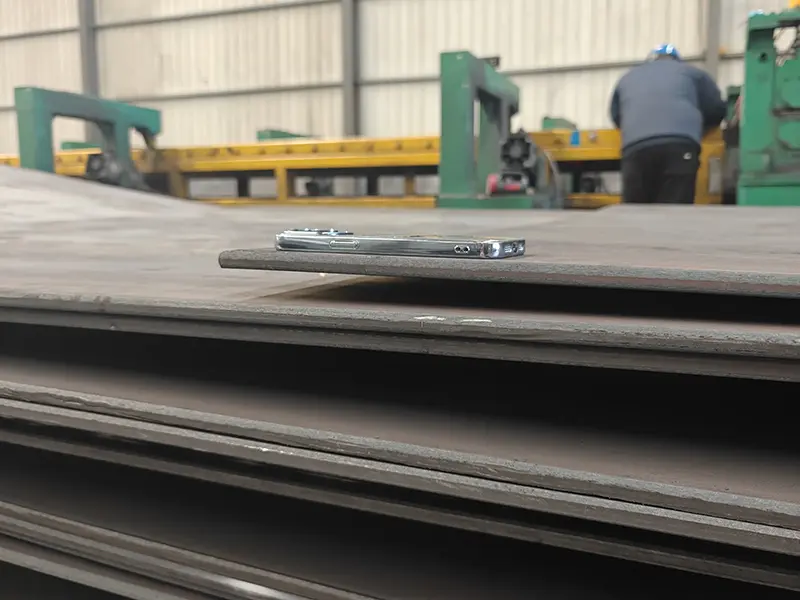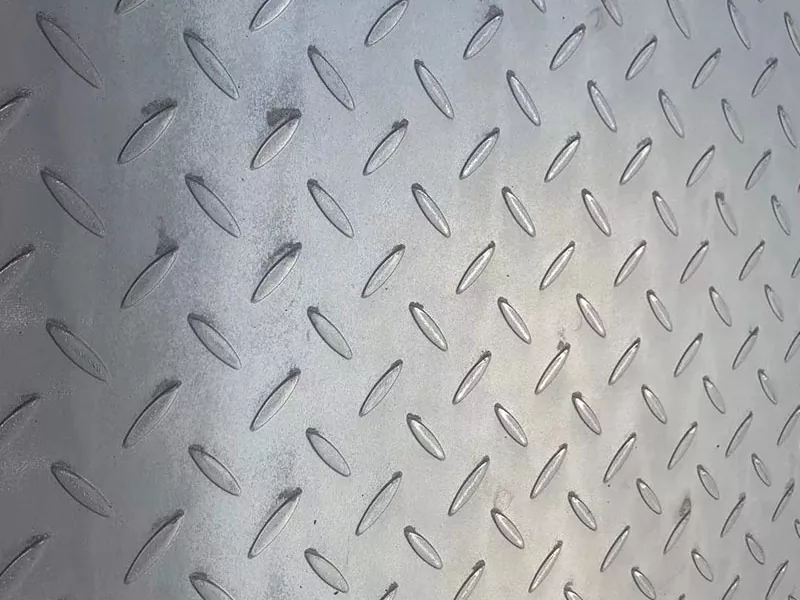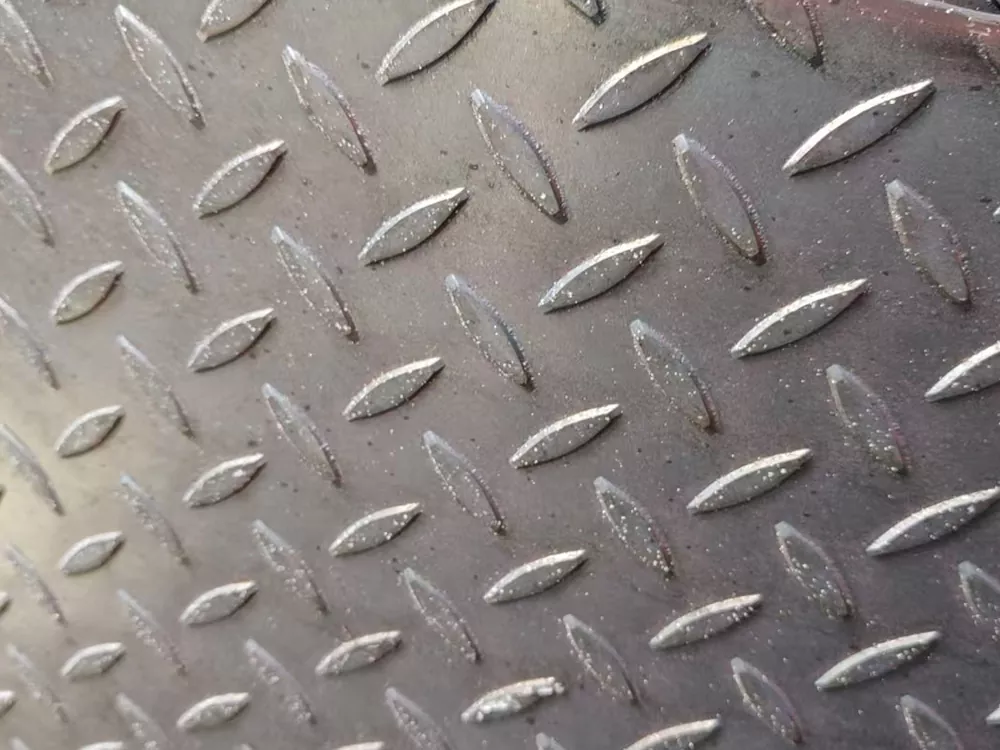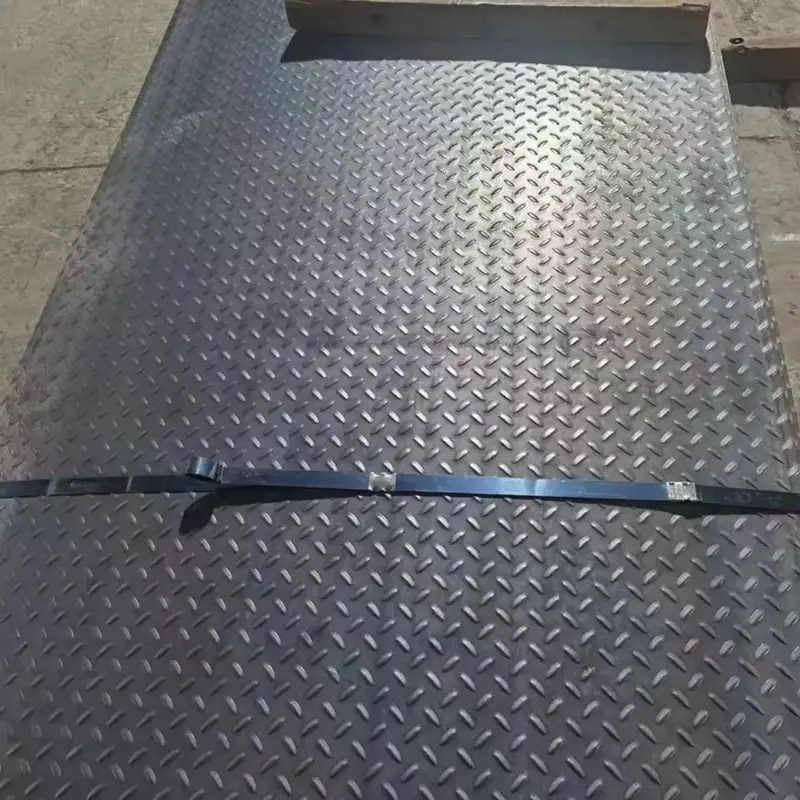
Why Is Wear Resistant Hot Rolled Heavy Steel Plate Structural Essential for Demanding Industrial Applications
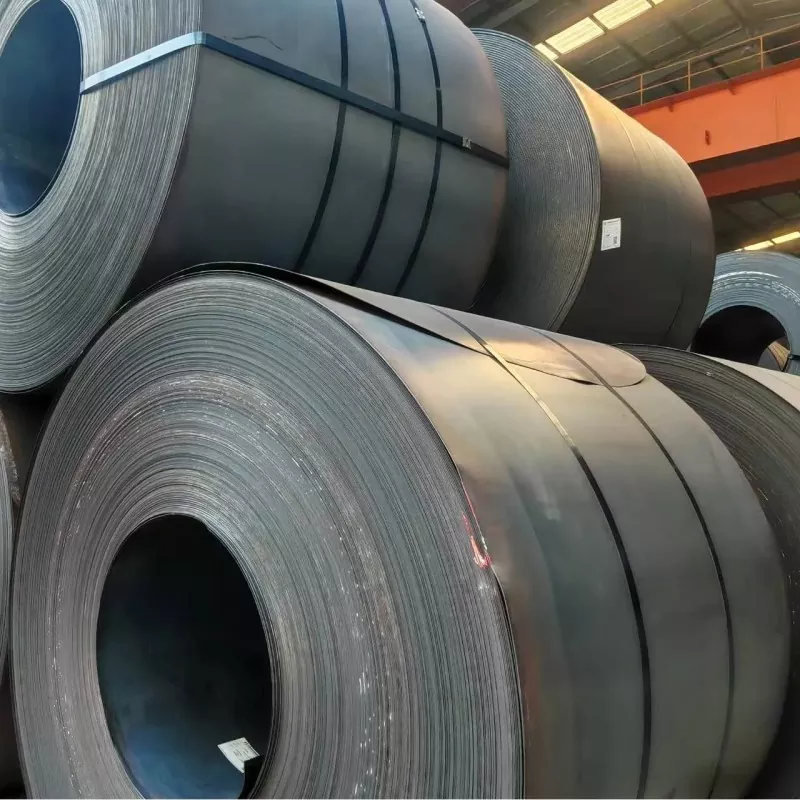
When industrial equipment must withstand continuous abrasion, impact, and heavy mechanical loads, material selection directly affects service life and maintenance costs. Sanhe supplies Wear Resistant Hot Rolled Heavy Steel Plate Structural designed to provide a practical balance of hardness, strength, toughness, and fabrication performance for demanding applications such as mining, material handling, construction machinery, crushers, and transport equipment.
Wear-resistant steel plate is engineered for environments where ordinary structural steel can lose thickness rapidly under repeated contact with abrasive materials. By combining hot-rolled production with carefully controlled hardness and mechanical properties, wear-resistant heavy plate can help reduce material loss, extend component replacement intervals, and improve equipment availability. This article explains how wear-resistant hot rolled heavy steel plate works, reviews key specifications and hardness grades, explores major industrial applications, and provides practical guidance for selecting the right grade. It also examines fabrication considerations such as cutting, bending, and welding, helping engineers, purchasing teams, and equipment manufacturers make more informed material decisions.

Table of Contents
- Why Does Wear Resistance Matter in Heavy Steel Structures?
- How Does Wear Resistant Hot Rolled Heavy Steel Plate Work?
- What Are the Key Product Specifications?
- What Are the Main Advantages?
- Where Is Wear-Resistant Heavy Steel Plate Used?
- How Should Buyers Choose Between Different Hardness Grades?
- What Should Buyers Know About Cutting, Bending, and Welding?
- How Can You Select the Right Plate for a Project?
- Why Consider Sanhe as a China Steel Supplier?
- Frequently Asked Questions
- Conclusion
Why Does Wear Resistance Matter in Heavy Steel Structures?
Heavy industrial equipment often operates under conditions that ordinary carbon steel is not designed to withstand for long periods. Materials such as ore, gravel, coal, sand, rock, and recycled aggregates can repeatedly strike, slide across, or scrape against steel surfaces. Over time, this abrasive interaction removes material from the working surface.
Once the steel becomes too thin, the component may require repair or replacement. For large machines, replacing a worn liner, hopper, chute, or truck body can involve significant labor and equipment downtime.
Wear Resistant Hot Rolled Heavy Steel Plate Structural addresses this challenge by using a harder steel structure designed to slow material loss. Instead of simply increasing the thickness of conventional steel, engineers can select a wear-resistant grade according to the actual operating conditions.
This approach can provide several practical benefits:
- Improved resistance to abrasive wear.
- Longer service intervals for wear components.
- Reduced frequency of replacement and maintenance.
- Better protection for structural components exposed to material flow.
- Potentially lower lifecycle costs in demanding applications.
How Does Wear Resistant Hot Rolled Heavy Steel Plate Work?
The performance of wear-resistant plate is largely determined by the relationship between hardness, strength, and toughness. Higher hardness helps the surface resist scratching and gouging, while sufficient toughness helps the plate withstand impact without excessive cracking.
For example, NM360 is typically supplied within a hardness range of approximately 360–400 HBW, while NM400 is commonly around 400–450 HBW. According to Sanhe's product information, these grades are designed for demanding wear applications, with the appropriate choice depending on the operating environment and fabrication requirements.
Hardness, however, should not be considered independently. A material that is harder is not automatically the best choice for every application. Equipment exposed to severe impact may require a carefully balanced combination of hardness and toughness rather than simply selecting the highest available hardness grade.
In practical engineering, the selection process should therefore consider:
- Type and size of abrasive material.
- Sliding abrasion versus impact abrasion.
- Operating temperature.
- Expected service hours.
- Required plate thickness.
- Fabrication and forming requirements.
- Welding and machining conditions.
What Are the Key Product Specifications?
Technical specifications allow engineers and procurement teams to compare materials objectively. Sanhe's NM360/NM400 wear-resistant plate range provides a useful reference for typical performance parameters.
| Parameter | Typical Specification |
|---|---|
| Steel Grade | NM360 / NM400 |
| Standard | GB/T 24186 |
| Hardness | NM360: 360–400 HBW; NM400: 400–450 HBW |
| Yield Strength | NM360: ≥750 MPa; NM400: ≥900 MPa, typical |
| Tensile Strength | NM360: ≥1,100 MPa; NM400: ≥1,200 MPa, typical |
| Elongation | ≥14% |
| Typical Thickness | 6–50 mm |
| Typical Width | 1,500–2,500 mm |
| Typical Length | 6,000 / 12,000 mm; cut-to-size available |
| Cutting Options | Plasma, flame, or water-jet cutting according to drawings |
Actual values should always be confirmed against the selected grade, applicable standard, purchase specification, and material test documentation before production or fabrication.
What Are the Main Advantages?
Choosing the appropriate wear-resistant heavy plate can provide advantages beyond simple surface hardness. For industrial buyers, the value of the material is closely connected with equipment reliability, fabrication efficiency, and total operating cost.
1. Enhanced Abrasion Resistance
The primary function is to slow down thickness loss caused by repeated contact with abrasive materials. This is particularly important for liners, chutes, hoppers, buckets, and truck bodies.
2. High Mechanical Strength
Wear-resistant grades can combine high hardness with substantial strength, helping components withstand demanding mechanical loads while maintaining structural integrity.
3. Longer Component Service Life
When correctly selected for the working environment, wear-resistant plate can reduce the frequency of component replacement and contribute to longer maintenance intervals.
4. Flexible Processing
Heavy plate can be supplied in standard sizes or processed according to fabrication drawings. Cut-to-size services can reduce workshop preparation and material handling requirements.
5. Better Lifecycle Economics
The initial price of wear-resistant steel is only one part of the purchasing decision. Reduced downtime, fewer replacement operations, and longer component life can be more important when calculating total cost of ownership.
Where Is Wear-Resistant Heavy Steel Plate Used?
Wear Resistant Hot Rolled Heavy Steel Plate Structural is particularly suitable for equipment and structures exposed to repeated abrasion and impact.
| Industry | Typical Applications | Primary Requirement |
|---|---|---|
| Mining | Chutes, hoppers, silo liners | Abrasion and impact resistance |
| Construction Machinery | Loader buckets, excavator wear parts | Hardness and mechanical durability |
| Material Handling | Conveyor skirt boards, impact beds | Resistance to continuous material contact |
| Crushing & Screening | Crusher and screen liners | Severe abrasion resistance |
| Transportation | Dump truck and trailer body liners | Wear and impact resistance |
| Cement & Recycling | Processing equipment and liners | Long-term wear performance |
These applications have one common characteristic: the steel surface is repeatedly exposed to materials capable of causing abrasion, impact, or both.
How Should Buyers Choose Between Different Hardness Grades?
International wear-resistant steel products are commonly identified using hardness-related designations such as AR400, AR450, and AR500. Generally, a higher number indicates a higher nominal hardness level. AR500, for example, is normally harder than AR400.
However, purchasing decisions should not be based solely on the hardness number. Excessive hardness may influence forming, machining, cutting, and welding requirements. In applications involving substantial impact, toughness can be equally important.
A practical comparison can be summarized as follows:
- AR400: A useful balance for many general abrasion applications where fabrication and toughness remain important.
- AR450: Provides a higher hardness level for more demanding wear conditions.
- AR500: Suitable for severe abrasion applications where high hardness is a major design requirement.
The actual choice should be based on the equipment's operating conditions, applicable material standard, plate thickness, fabrication process, and expected service life.
What Should Buyers Know About Cutting, Bending, and Welding?
Wear-resistant steel can be fabricated, but processing requirements may differ from those of ordinary structural plate. As hardness increases, cutting, forming, and welding may require greater attention to process control.
Cutting
Depending on thickness, grade, equipment, and project requirements, plasma, flame, and water-jet cutting can be used. Sanhe supports customized cutting according to customer drawings, which can be particularly useful for wear liners and replacement components.
Bending and Forming
Wear-resistant plate can be formed when the grade, thickness, equipment capacity, and bending radius are properly considered. Higher-hardness material generally requires greater forming force and an appropriate bending radius.
Welding
Welding procedures should be determined according to steel grade, plate thickness, carbon equivalent, joint design, and service conditions. Higher-hardness grades may require controlled welding conditions and, depending on the material specification, suitable preheating procedures.
For critical structures, fabricators should always follow the applicable welding procedure specification and the steel manufacturer's technical recommendations.
How Can You Select the Right Plate for a Project?
For procurement teams, the most reliable approach is to provide the supplier with actual operating information instead of requesting a generic “hardest” plate.
- Identify the abrasive material: Determine whether the equipment handles sand, gravel, ore, coal, rock, or recycled material.
- Evaluate wear type: Establish whether sliding abrasion, gouging, impact, or a combination is dominant.
- Confirm thickness: Match plate thickness to structural requirements and expected wear allowance.
- Select the hardness level: Balance abrasion resistance with toughness and fabrication requirements.
- Define fabrication processes: Confirm whether the plate must be cut, bent, drilled, machined, or welded.
- Specify inspection requirements: Determine whether MTCs, hardness testing, ultrasonic testing, or third-party inspection is required.
- Consider logistics: Confirm dimensions, cut-to-size requirements, packaging, and delivery schedule before placing a bulk order.
This process helps avoid a common procurement mistake: selecting a material based only on nominal hardness while overlooking impact conditions, fabrication limitations, and lifecycle performance.
Why Consider Sanhe as a China Steel Supplier?
Sanhe Steel has supplied steel products since 2008 and provides steel plate, medium and heavy plate, hot-rolled products, wear-resistant steel, and customized processing services. Its published product information states that the company maintains more than 10,000 tons of inventory and serves customers across Southeast Asia, Europe, the Middle East, and the Americas.
For international buyers, supplier capability is particularly important when purchasing heavy wear-resistant plate. Sanhe supports cutting and processing according to drawings, while its product information also highlights material documentation and third-party inspection options for international projects.
For larger engineering orders, buyers can also evaluate the supplier according to several practical criteria:
- Availability of required grades and thicknesses.
- Material traceability and test documentation.
- Cut-to-size and customized processing capability.
- Inspection and quality-control arrangements.
- Packaging suitable for heavy international transportation.
- Experience serving industrial and engineering customers.
- Ability to support repeat and bulk procurement.
Frequently Asked Questions
Q1: What is Wear Resistant Hot Rolled Heavy Steel Plate Structural?
It is a hot-rolled steel plate developed primarily for applications exposed to repeated abrasion, impact, and heavy mechanical loads. Compared with conventional structural steel, it generally provides higher hardness and improved resistance to material loss.
Q2: What does AR500 mean?
AR500 is a commonly used wear-resistant steel designation associated with a nominal hardness level of approximately 500 HBW. Exact chemical composition, mechanical properties, and testing requirements depend on the applicable specification.
Q3: Is AR500 always better than AR400?
No. AR500 offers higher hardness and can be advantageous under severe abrasion, but AR400 may provide a better overall balance of toughness, fabrication, and weldability for certain applications. The working environment should determine the selection.
Q4: Can wear-resistant heavy steel plate be welded?
Yes. However, welding procedures should be selected according to the steel grade, thickness, carbon equivalent, joint design, and applicable technical requirements. Higher-hardness grades may require additional process control.
Q5: Can wear-resistant plate be bent?
Yes, depending on the grade, thickness, bending radius, and forming equipment. Because higher-hardness plate can require greater forming force, the recommended bending conditions should be confirmed before fabrication.
Q6: Can Sanhe provide cut-to-size wear-resistant steel plate?
Yes. Sanhe's published product information indicates that plasma, flame, and water-jet cutting can be provided according to customer drawings and project requirements.
Conclusion
Wear Resistant Hot Rolled Heavy Steel Plate Structural can be an effective material solution for equipment exposed to abrasive materials, repeated impact, and demanding mechanical loads. The key to successful application is not simply choosing the hardest steel available, but selecting the right combination of hardness, toughness, thickness, strength, and fabrication performance for the actual working environment. With suitable grade selection and professional processing, wear-resistant heavy plate can help extend component service life, reduce maintenance frequency, and improve equipment availability. If you are sourcing wear-resistant steel plate for mining, construction machinery, material handling, transportation, or other heavy-duty applications, contact us at Sanhe to discuss your required grade, dimensions, processing needs, inspection requirements, and customized steel plate solution.
Related News
- How Can Wear Resistant Hot Rolled Heavy Steel Plate Structural Solutions Improve Durability in Demanding Projects
- How Can Hot Rolled Steel Plate for Marine Offshore Use Improve Structural Safety and Service Life
- Why Is High Strength S235JR Medium and Heavy Plate a Smart Choice for Structural Engineering Projects
- How Can Galvanized Floor Diamond Plate Improve Safety, Durability, and Long-Term Project Performance
- Why Is Hot Rolled Checkered Steel Plate for Platforms a Smart Choice for Safe and Durable Industrial Flooring
- What Makes SGCC Hot Dip Galvanized Steel Sheet a Reliable Choice for Corrosion-Resistant Industrial Applications
Leave me a message