Comparison of welding performance between low carbon steel and high carbon steel
The weldability of steel plate primarily depends on its chemical composition. Among all elements, carbon exerts the most prominent influence; the carbon content directly decides the steel's weldability. Most other alloy elements impair welding performance, yet their negative effects are far weaker than carbon.
Generally, low-carbon steel boasts favorable weldability and seldom demands special processing techniques. Basic electrodes and appropriate preheating are only necessary for low-temperature welding, thick plates or high-standard construction. If carbon and sulfur contents of low-carbon steel reach near the upper limit, operators shall adopt premium low-hydrogen electrodes, carry out preheating and post-heating, choose reasonable groove profiles and lower the fusion rate to stop hot cracks.
Medium carbon steel is prone to cold cracks during welding. Higher carbon content leads to stronger quenching hardening tendency in the heat-affected zone and higher cold crack risk, which worsens weldability. Rising carbon content in base metal increases carbon concentration inside weld metal. Together with sulfur's adverse impacts, hot cracks easily emerge on weld seams. Therefore, crack-resistant basic electrodes paired with preheating and post-heating are required to reduce crack risks for medium carbon steel welding.
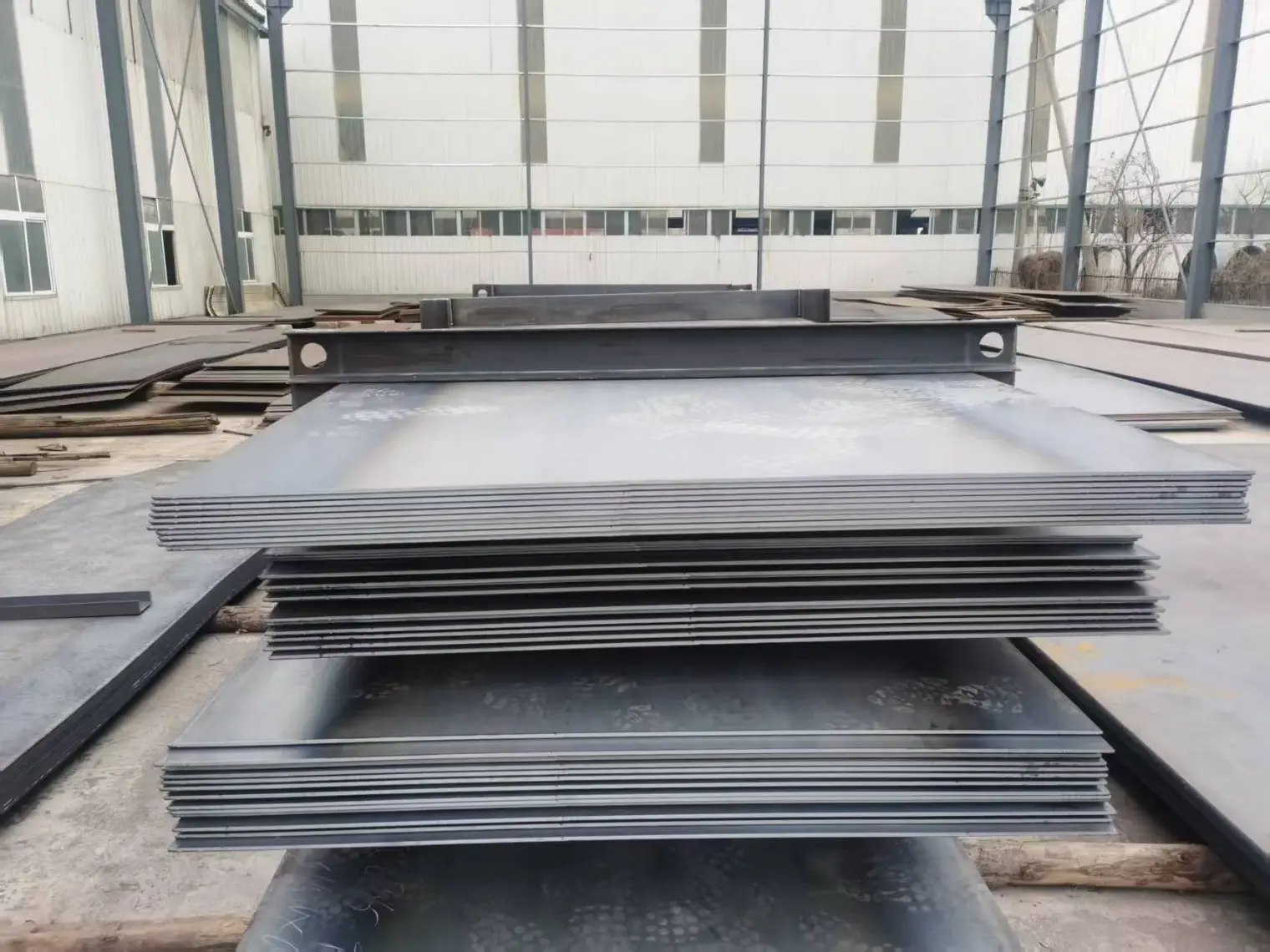
High carbon steel has the worst weldability due to its high carbon content. Welding generates large residual stress, and the heat-affected zone shows strong quenching hardening tendency as well as high cold crack formation risk. Hot cracks develop more easily here than on medium carbon steel. For this reason, high carbon steel is rarely used for general welded structures and only applied to casting repair welding or surfacing welding. Tempering treatment must be conducted after welding to release internal stress, stabilize metal microstructure, avoid cracks and optimize weld performance.
Related News
- Why Is High Strength S235JR Medium and Heavy Plate a Smart Choice for Structural Engineering Projects
- How Can Galvanized Floor Diamond Plate Improve Safety, Durability, and Long-Term Project Performance
- Why Is Hot Rolled Checkered Steel Plate for Platforms a Smart Choice for Safe and Durable Industrial Flooring
- What Makes SGCC Hot Dip Galvanized Steel Sheet a Reliable Choice for Corrosion-Resistant Industrial Applications
- How Can Wear Resistant Hot Rolled Heavy Steel Plate Structural Improve Service Life in Demanding Industrial Applications
- Why Is Wear Resistant Hot Rolled Heavy Steel Plate Structural Essential for Demanding Industrial Applications
Leave me a message