Why use hot-dip galvanized pipes for fire fighting?
History and advantages of hot-dip galvanizing
The hot-dip galvanizing technique came out in the mid-18th century. It developed from the hot tin plating process. To this day, it is still one of the most common and effective ways to prevent steel from rusting.
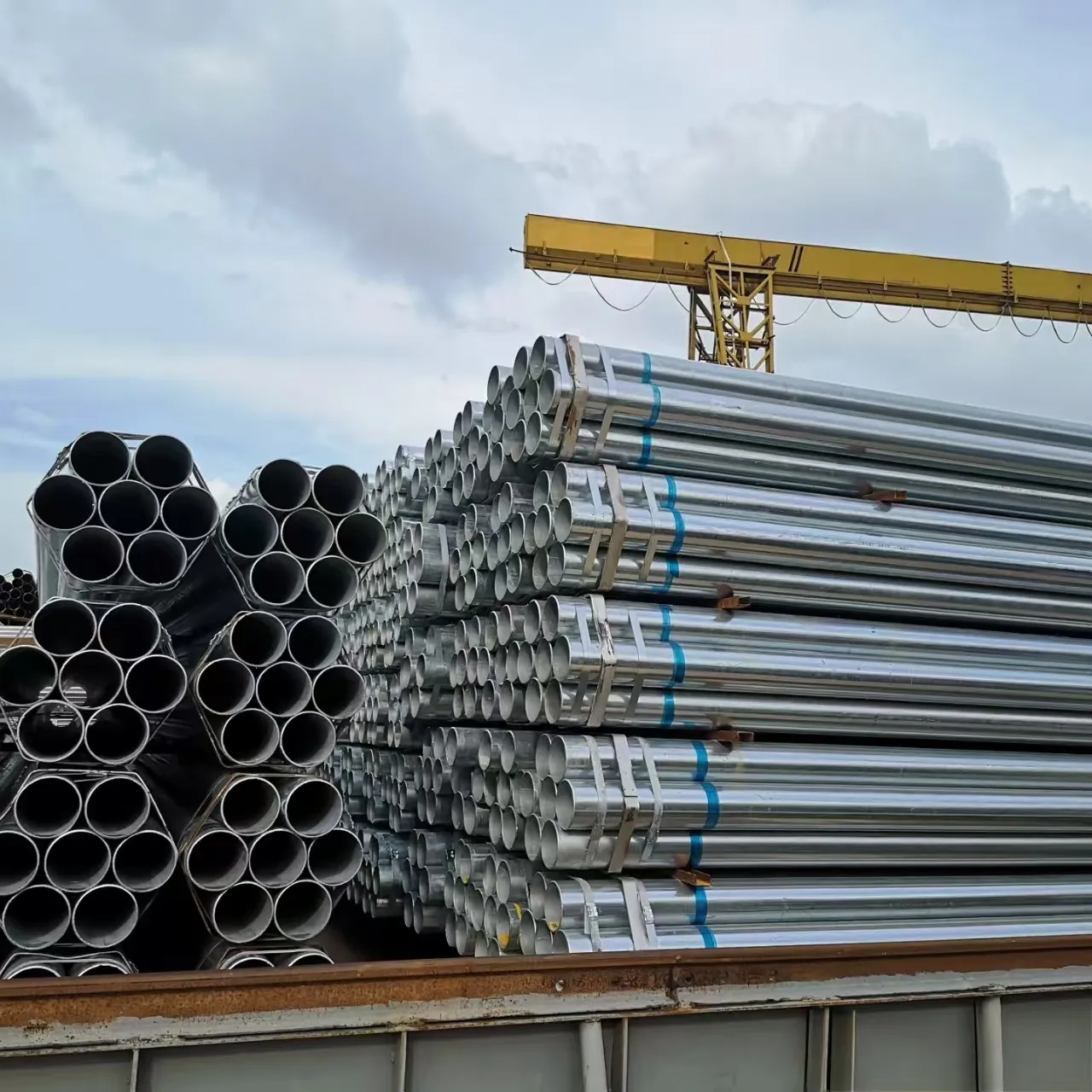
How galvanized coating protects steel pipes
The zinc coating protects steel pipes in two ways. First, it acts as a barrier to keep air and moisture away from the pipe surface and stop corrosion. Second, the zinc will corrode first to shield the steel inside. Ordinary welded pipes, even with oil or paint coating, cannot match the anti-rust performance of hot-dip galvanized pipes.
Differences between hot-dip galvanized pipes and cold-galvanized pipes
Hot-dip galvanizing coats the whole pipe by dipping it into molten zinc, forming a thick and firm zinc layer. Cold galvanizing uses electrolysis to form only a thin film on the surface.
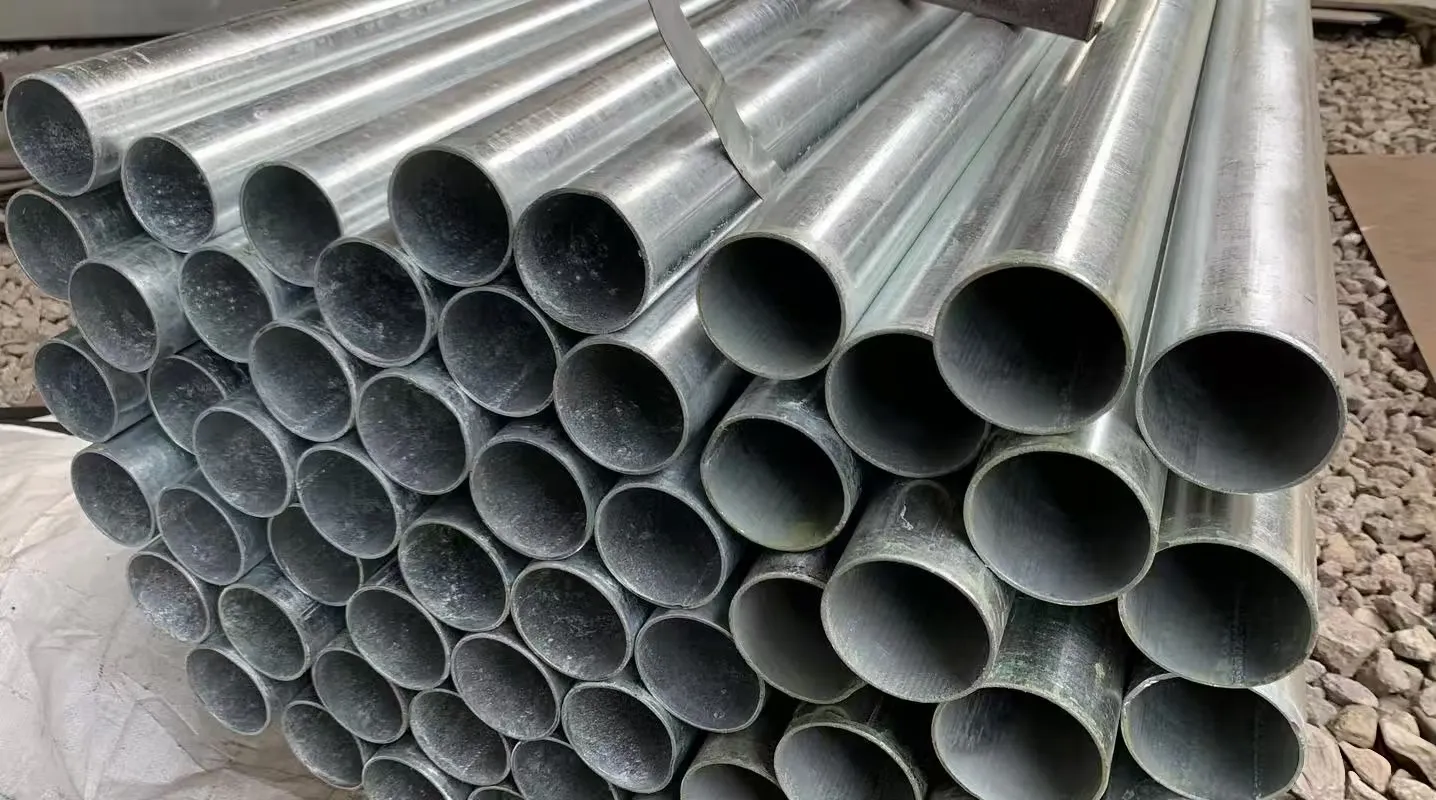
A thicker zinc layer means better protection. Hot-dip galvanized pipes have a much thicker coating. Their anti-rust ability is dozens of times stronger than cold-galvanized pipes.
Related News
- How Can Galvanized Floor Diamond Plate Improve Safety, Durability, and Long-Term Project Performance
- Why Is Hot Rolled Checkered Steel Plate for Platforms a Smart Choice for Safe and Durable Industrial Flooring
- What Makes SGCC Hot Dip Galvanized Steel Sheet a Reliable Choice for Corrosion-Resistant Industrial Applications
- How Can Wear Resistant Hot Rolled Heavy Steel Plate Structural Improve Service Life in Demanding Industrial Applications
- Why Is Wear Resistant Hot Rolled Heavy Steel Plate Structural Essential for Demanding Industrial Applications
- How Does Cold Rolled Steel Plate Improve Manufacturing Performance?
Leave me a message