How Can Marine Grade Medium and Heavy Plate Improve Shipbuilding Safety and Structural Reliability
Article Summary: Marine Grade Medium and Heavy Plate is a critical material for shipbuilding, offshore engineering, and marine structural fabrication. It must deliver dependable strength, toughness, weldability, and verified compliance with applicable marine standards. Sanhe provides steel plate supply and processing solutions to support demanding industrial and marine projects. This guide explains how to evaluate material grades, select plate thickness, verify quality documentation, and make informed purchasing decisions for long-term structural performance.
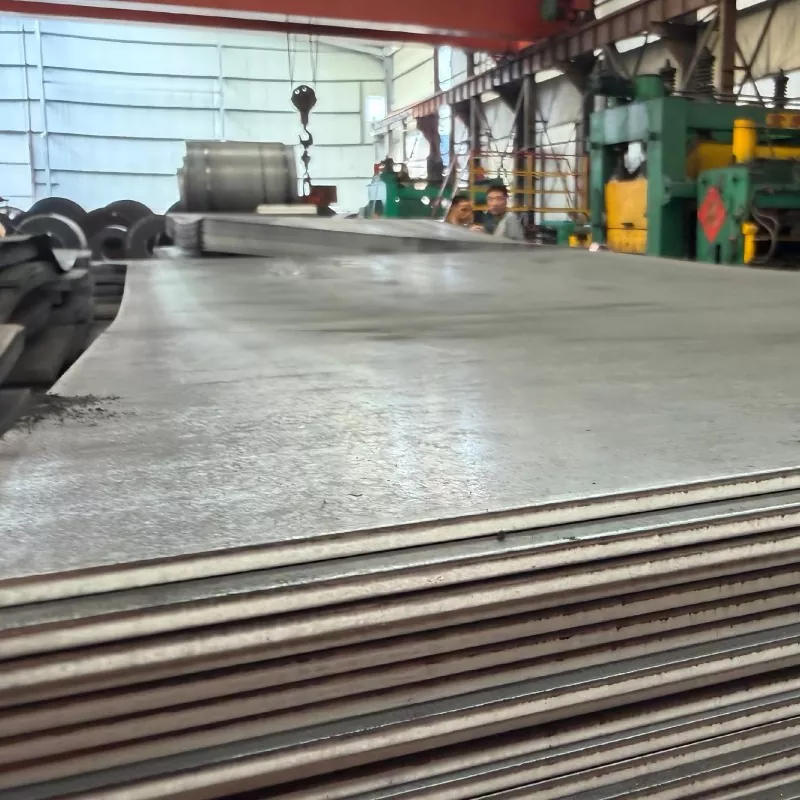
Table of Contents
1. What Is Marine Grade Medium and Heavy Plate?
2. Where Is Marine Steel Plate Used?
3. Which Properties Matter Most?
4. How Should You Select Grades and Thicknesses?
5. How Can You Verify Quality and Certification?
6. What Should Buyers Know About Fabrication?
7. How Do You Choose a Reliable Supplier?
1. What Is Marine Grade Medium and Heavy Plate?
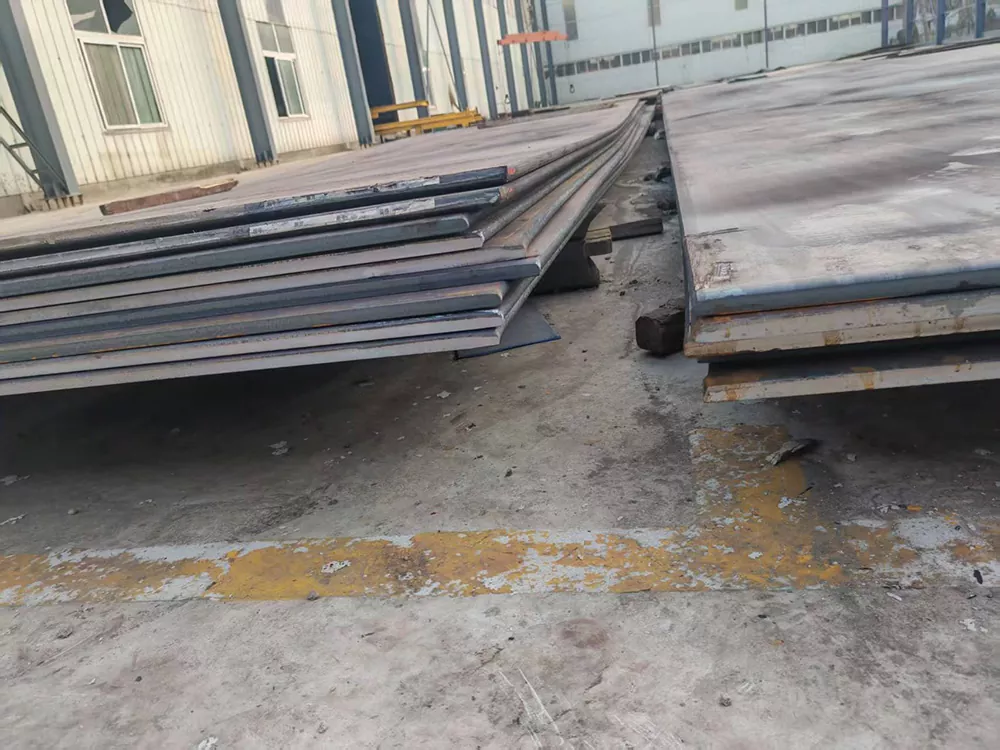
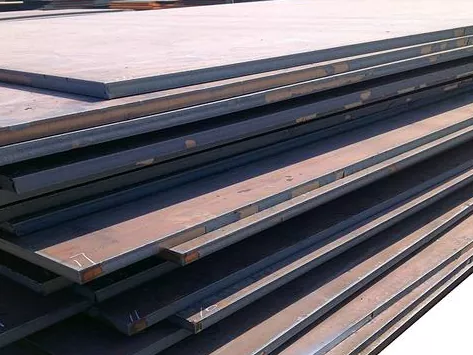
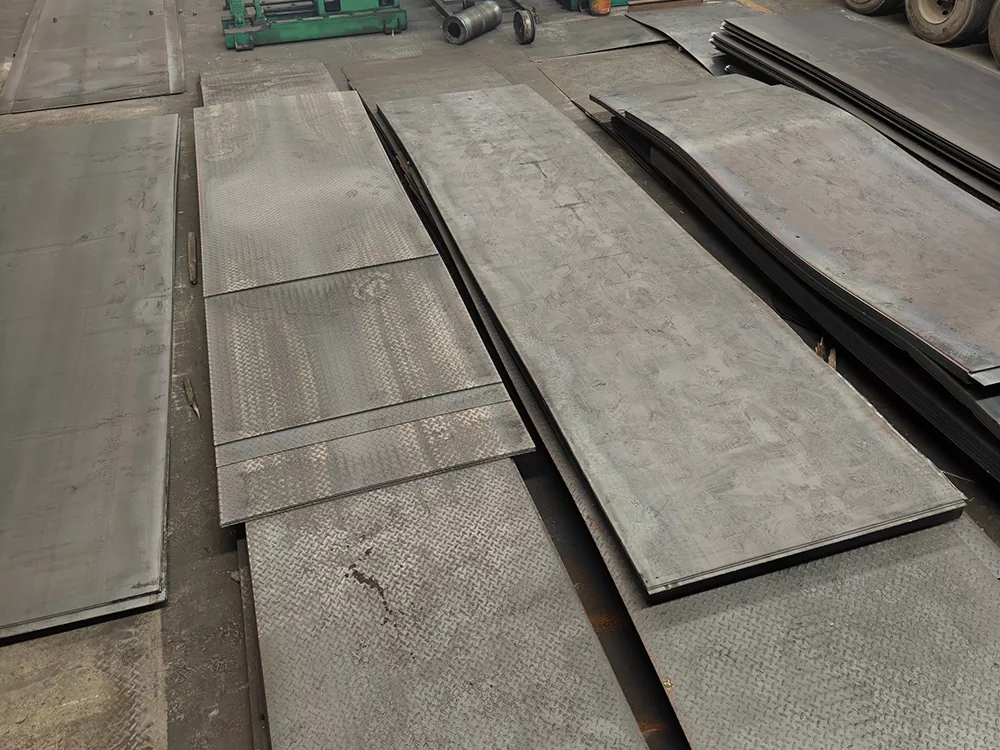
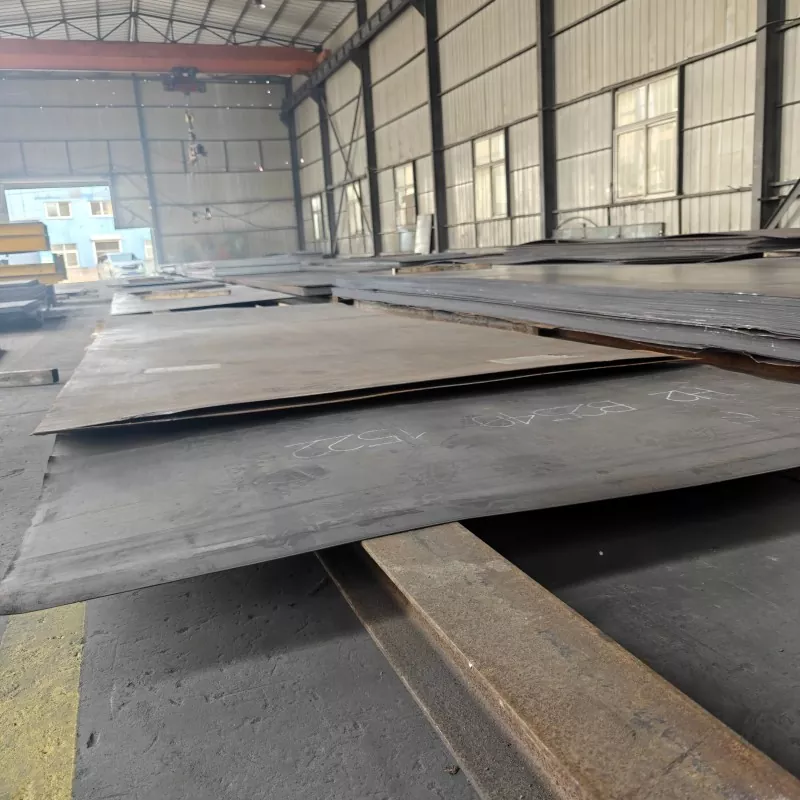
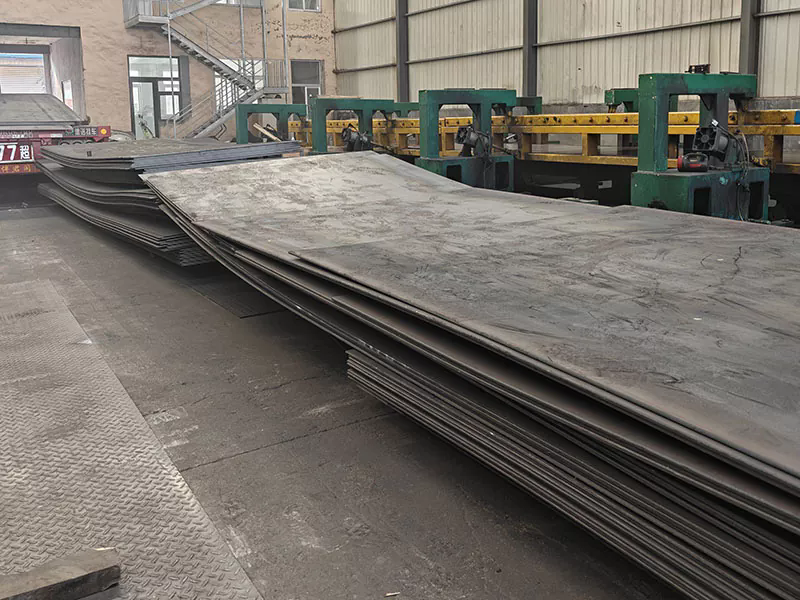
Marine Grade Medium and Heavy Plate refers to steel plate selected for ship structures, offshore installations, and other marine applications where strength, toughness, and dependable fabrication performance are essential. Unlike ordinary structural steel used in relatively controlled environments, marine structural plate must be evaluated against the combined demands of seawater exposure, fluctuating loads, vibration, temperature changes, and long service periods.
Medium and heavy plates are particularly important in load-bearing structures because their thickness and mechanical properties help engineers design components capable of withstanding demanding operating conditions. Depending on the vessel or offshore project, these materials may be used in hull sections, decks, bulkheads, stiffened structures, and supporting frameworks.
Sanhe offers steel plate supply and processing solutions for industrial applications, including marine-related projects. Buyers should confirm the exact marine grade, applicable classification requirements, dimensions, and inspection documentation before placing an order. The product designation alone does not establish suitability for every vessel or offshore structure.
For additional product information, visit the Marine Grade Medium and Heavy Plate product page.
2. Where Is Marine Steel Plate Used?
Marine steel plate supports a wide range of structural and fabrication requirements. Its final application determines the required strength, thickness, toughness, corrosion protection, and inspection criteria.
- Ship hull construction: Plate is used in shell structures, bottom sections, side plating, and other load-bearing areas. Material selection must account for structural stresses and the applicable ship design rules.
- Decks and bulkheads: Marine plate helps form working decks, internal divisions, and structural reinforcements that contribute to vessel integrity.
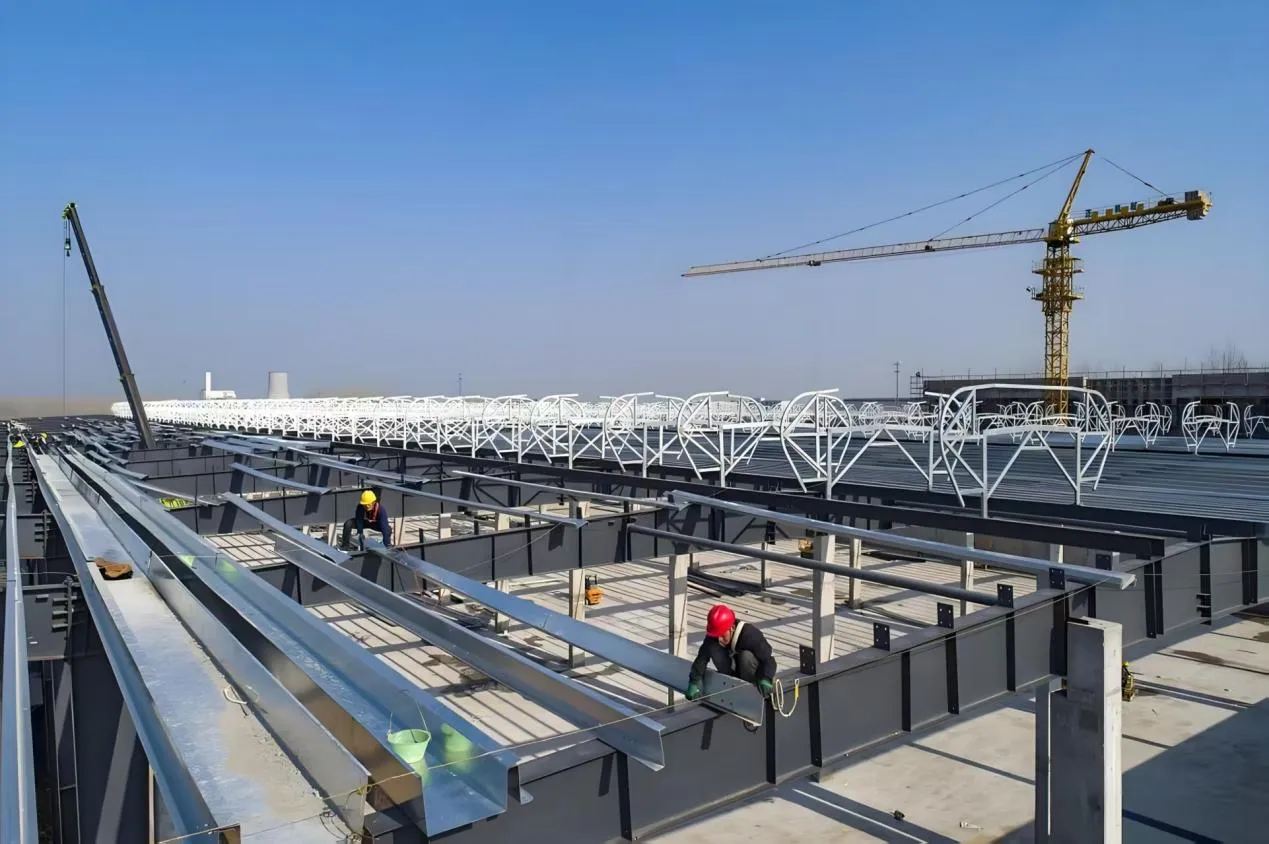
- Offshore platforms: Heavy plate can be incorporated into supporting structures, equipment foundations, access platforms, and other engineered components exposed to challenging environments.
- Marine equipment fabrication: Steel plate is processed into frames, brackets, machinery supports, and structural assemblies according to approved drawings.
- Port and coastal infrastructure: Suitable structural plate can be used in equipment supports, loading facilities, and other engineered steel structures exposed to humid or saline conditions.
Each application has different performance priorities. A hull plate exposed to cyclic loading, for example, may have different toughness and fatigue considerations from a stationary equipment foundation. Engineers should therefore specify the service conditions before selecting a material.
3. Which Properties Matter Most?
The performance of Marine Grade Medium and Heavy Plate depends on more than nominal thickness. Buyers should assess mechanical properties, chemical composition, manufacturing consistency, and suitability for the intended service environment.
Strength and Load-Bearing Capacity
Yield strength and tensile strength help determine how steel responds to applied loads. Selecting an appropriate strength level can support structural efficiency, but a higher strength value does not automatically make a plate suitable for every marine application. Design calculations must also consider stiffness, buckling, fatigue, and the consequences of local damage.
Impact Toughness
Marine structures may encounter impact loads, low temperatures, and dynamic stresses. Impact toughness requirements should match the specified grade, plate thickness, design temperature, and relevant classification rules. Where required, Charpy V-notch impact testing provides evidence of performance at a specified test temperature.
Weldability and Formability
Shipbuilding involves extensive cutting, forming, and welding. Chemical composition, carbon equivalent, thickness, joint geometry, and fabrication conditions all influence welding behavior. Appropriate plate selection can help reduce fabrication difficulties, but welding procedures must still be qualified and followed by trained personnel.
Corrosion Protection
Saltwater and marine atmospheres can accelerate corrosion. Conventional marine structural steel is not necessarily stainless or inherently immune to seawater corrosion. Coatings, protective systems, drainage design, maintenance, and appropriate material selection all contribute to service life.
For related marine applications, buyers can also review Sanhe's shipbuilding steel plate solutions.
4. How Should You Select Grades and Thicknesses?
Choosing the correct steel plate starts with the engineering specification rather than a price comparison alone. Marine projects may require specific grades approved under a recognized classification society's rules, with defined mechanical properties, impact requirements, and traceability documentation.
Depending on the project and governing specification, buyers may encounter marine steel designations associated with classification societies such as ABS, BV, CCS, DNV, and Lloyd's Register. These designations are not automatically interchangeable. Confirm the exact grade and approval requirements with the responsible engineer or classification society.
| Selection Factor | What to Evaluate | Why It Matters |
|---|---|---|
| Steel grade | Specified grade and governing standard | Defines required material performance and acceptance criteria |
| Plate thickness | Engineering drawings and design calculations | Affects load capacity, buckling resistance, forming, and welding |
| Impact toughness | Required test temperature and acceptance value | Supports performance under specified low-temperature or impact conditions |
| Dimensions | Thickness, width, length, and tolerances | Helps reduce cutting waste and fit-up problems |
| Certification | Material test certificates and required approvals | Provides traceability and evidence of compliance |
| Surface protection | Coating system and preparation requirements | Helps manage corrosion risks during service |
Thickness should never be selected simply because a heavier plate appears safer. Excessive thickness may increase weight, material cost, welding volume, and fabrication time. Insufficient thickness can compromise structural performance. The correct specification balances engineering requirements, fabrication constraints, and lifecycle cost.
5. How Can You Verify Quality and Certification?
Quality verification is especially important for marine projects because material defects or documentation gaps can create costly delays during fabrication, inspection, and vessel delivery.
Before purchasing Marine Grade Medium and Heavy Plate, establish a clear inspection and documentation plan. Depending on the project specification, the following checks may be required:
- Material test certificates: Review heat or batch identification, chemical composition, mechanical test results, and the stated material standard.
- Classification documentation: Confirm whether the plate requires approval or certification from a particular marine classification society.
- Dimensional inspection: Verify thickness, width, length, flatness, and relevant dimensional tolerances.
- Surface examination: Check for unacceptable defects, damage, scale conditions, or other issues that could affect fabrication.
- Additional nondestructive testing: Arrange ultrasonic testing or other examinations where required by the design, purchase order, or applicable standard.
- Traceability: Ensure material markings and documentation remain linked throughout cutting, processing, storage, and assembly.
It is important to distinguish general quality management certification from product-specific marine approval. A supplier's ISO certification, for example, does not by itself prove that a particular plate has received the classification approval required for a vessel.
Buyers can consult the Sanhe certification information page and request documentation applicable to their specific order. Always verify the scope, validity, and applicability of the certificates before procurement.
6. What Should Buyers Know About Fabrication?
Even correctly specified steel can create production problems when cutting, forming, welding, and handling are not coordinated with the project requirements. Fabrication planning should begin before the plate arrives at the shipyard or processing facility.
Cutting and Edge Preparation
Plates may require shearing, flame cutting, plasma cutting, or other methods according to thickness, shape, and dimensional tolerances. Cutting procedures should account for heat input, edge quality, distortion, and any requirements for post-cut inspection.
Welding and Heat Control
Welding procedures should be compatible with the specified steel grade and thickness. Preheating, consumable selection, heat input, interpass temperature, and inspection requirements must follow the approved welding procedure and applicable project rules. Do not assume that every marine plate can be welded using the same parameters.
Forming and Dimensional Control
Curved hull sections and complex structural assemblies may require plate bending or rolling. The forming method must preserve the required material properties and avoid unacceptable cracking, thinning, or distortion. Inspection after forming may be necessary for critical components.
Storage and Handling
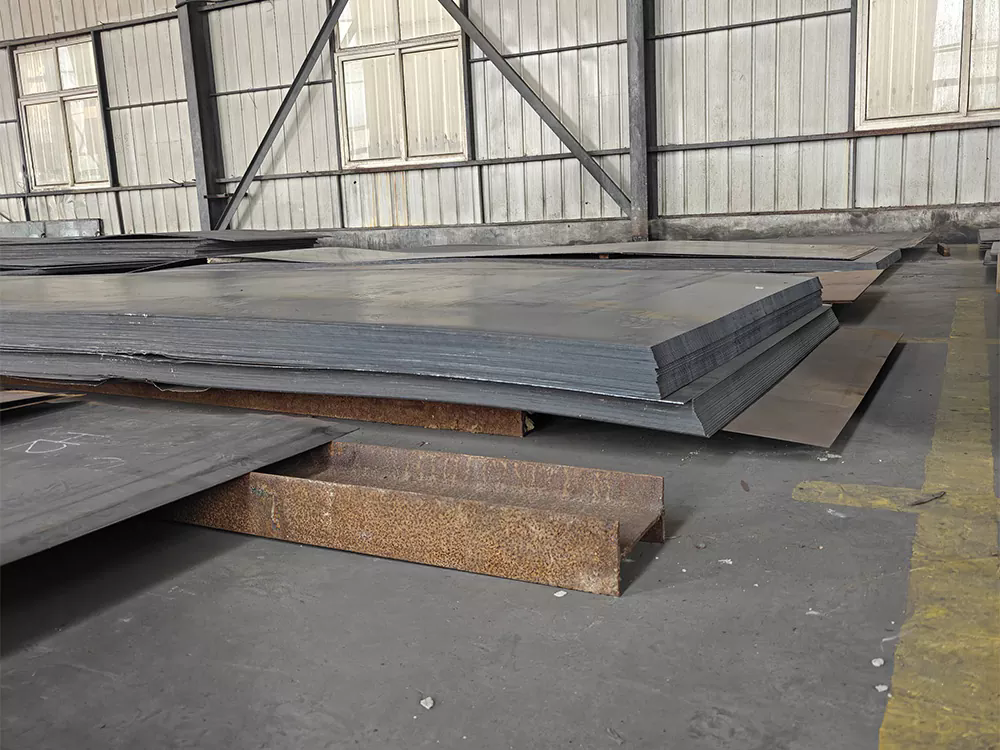
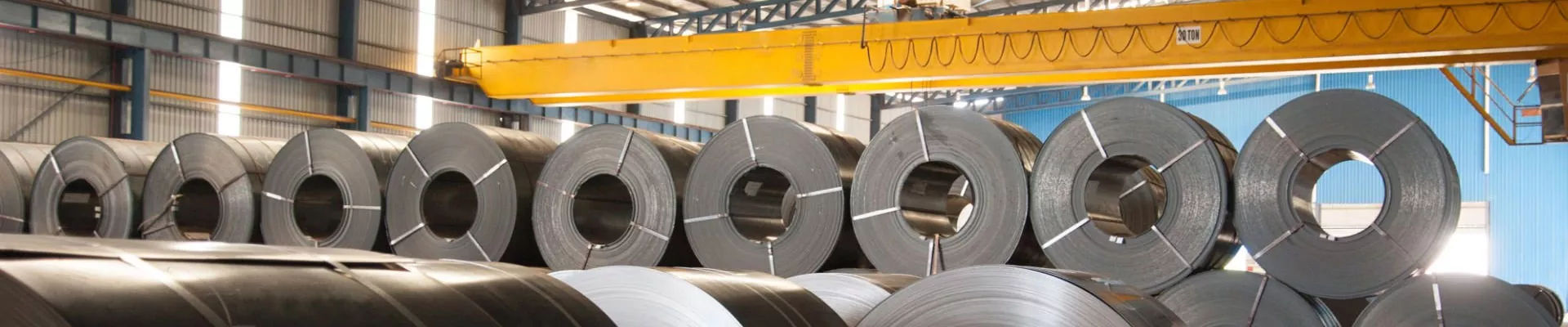
Marine steel plate should be stored and handled to minimize contamination, mechanical damage, and uncontrolled corrosion. Clear identification and suitable protection are particularly important when multiple grades or thicknesses are processed simultaneously.
7. How Do You Choose a Reliable Supplier?
A dependable supplier should provide more than a competitive quotation. For marine applications, procurement teams need clear specifications, traceable documentation, predictable processing, and reliable communication throughout the order.
Evaluate potential suppliers using the following checklist:
- Can the supplier confirm the requested grade, governing standard, and thickness range?
- Can it provide the material certificates and marine approvals required by the project?
- Are cutting, leveling, dimensional inspection, and other processing services available when needed?
- Can the supplier explain lead times, minimum order quantities, packaging, and shipping arrangements?
- Will it maintain material identification and traceability after processing?
- Can it provide inspection records and coordinate additional testing when specified?
Sanhe Steel supplies medium and heavy steel plate and offers processing options for project-specific requirements. Buyers can explore its steel plate product range to understand the available product categories and processing services.
For an accurate quotation, provide the requested grade, standard, thickness, dimensions, quantity, delivery destination, and required inspection documents. If the plate is intended for a classed vessel or offshore structure, identify the classification society and approval requirements at the inquiry stage.
8. Frequently Asked Questions
Q1: What is Marine Grade Medium and Heavy Plate?
Marine Grade Medium and Heavy Plate is steel plate specified for shipbuilding, offshore structures, and related marine engineering applications. Its required properties depend on the intended service, applicable standards, structural design, and classification requirements.
Q2: Is marine grade steel plate resistant to seawater corrosion?
Marine structural steel is selected for demanding service conditions, but ordinary marine-grade carbon steel is not automatically corrosion-proof. Protective coatings, maintenance, appropriate design, and suitable material selection are important for managing seawater corrosion.
Q3: How do I choose the right plate thickness?
Use the thickness specified by the engineering drawings and structural calculations. The decision should account for applied loads, buckling, fatigue, forming requirements, welding procedures, and the applicable marine standard rather than thickness alone.
Q4: Which certifications should buyers request?
Requirements depend on the vessel, project specification, and classification society. Buyers may need material test certificates, heat traceability, classification approval, impact test results, and additional inspection records. Confirm the exact requirements before ordering.
Q5: Can Marine Grade Medium and Heavy Plate be cut to custom dimensions?
Custom cutting may be available depending on the supplier's processing capabilities, plate grade, thickness, and drawing requirements. Confirm tolerances, edge preparation, inspection, and delivery conditions with the supplier before production.
Q6: What information should I provide when requesting a quotation from Sanhe?
Provide the steel grade, applicable standard, thickness, width, length, quantity, intended application, delivery destination, and required certificates. Include classification society requirements and any special testing or processing instructions to help Sanhe assess the order accurately.
9. Conclusion
Marine Grade Medium and Heavy Plate plays an important role in the strength, reliability, and fabrication performance of shipbuilding and offshore structures. Choosing the right material requires a coordinated assessment of steel grade, thickness, toughness, weldability, corrosion protection, inspection, and certification. By defining technical requirements early and verifying material documentation before shipment, buyers can reduce procurement risks and support more efficient project execution. Sanhe provides steel plate supply and processing solutions for industrial buyers seeking specifications tailored to their project needs. If you are sourcing marine steel plate for shipbuilding, offshore engineering, or marine structural fabrication, contact us to discuss your required specifications, documentation, processing options, and quotation.
Related News
- How Can Wear Resistant Hot Rolled Heavy Steel Plate Structural Solutions Improve Durability in Demanding Projects
- How Can Hot Rolled Steel Plate for Marine Offshore Use Improve Structural Safety and Service Life
- Why Is High Strength S235JR Medium and Heavy Plate a Smart Choice for Structural Engineering Projects
- How Can Galvanized Floor Diamond Plate Improve Safety, Durability, and Long-Term Project Performance
- Why Is Hot Rolled Checkered Steel Plate for Platforms a Smart Choice for Safe and Durable Industrial Flooring
- What Makes SGCC Hot Dip Galvanized Steel Sheet a Reliable Choice for Corrosion-Resistant Industrial Applications
Leave me a message