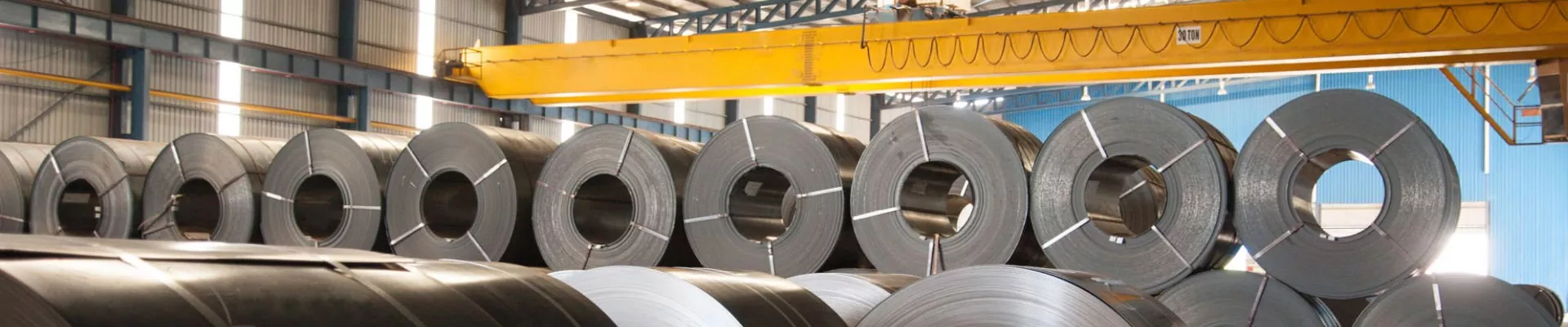
China's Steel Industry Transformation: Replacing Traditional Scale Dividends with Quality Dividends
Over the past two months, the domestic steel market has exhibited a structural divergence characterized by "intense competition in mass-market products under pressure and strong demand for high-end special steels," vividly demonstrating that China's steel industry has completely moved beyond the era of relying solely on production expansion and low-price competition for scale, and has fully entered a new phase focused on quality dividends driven by high-quality customized steel products and technical support services. The article addresses the core challenges faced by purchasers of engineering, machinery, and export-oriented steel products, providing an objective overview of the industry's thriving transformation and upgrading process.
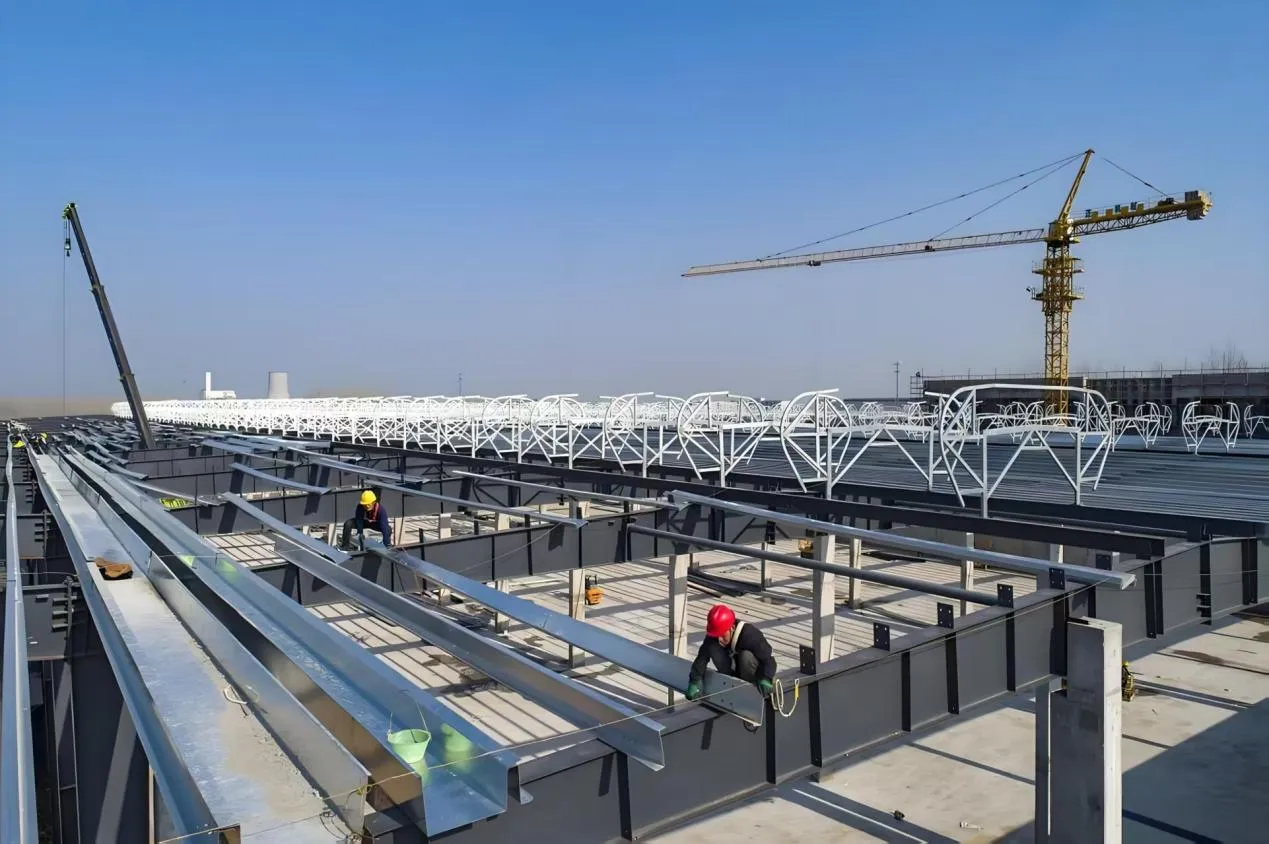
Multiple pain points on the procurement side have become prominent: the market shortcomings of the extensive-scale era have been fully exposed.
From May to July 2026, the real estate sector's continued weakness, ten consecutive price hikes for raw coke, and obstacles to low-end general steel exports created a triple pressure that plunged steel buyers into severe operational challenges—ultimately becoming the key driver behind the industry's departure from its era of scale-driven growth.
1. Prices of low-end general materials fluctuate unpredictably, leading to uncontrolled procurement costs.
Standardized low-end steel products such as rebar and ordinary hot-rolled coils have long been plagued by internal competition within established production capacities. Over the past two months, spot prices have experienced significant volatility, with Shanghai rebar prices plunging to a low of 3,170 yuan per ton. Traders 'stockpiling practices often result in paper losses exceeding 100,000 yuan; manufacturers face dual pressures: steel raw material costs have risen by 10%, while downstream finished product prices can only be adjusted modestly, continuously squeezing profit margins. The industry's previous strategy of relying on unlimited capacity expansion and low-price volume sales has proven entirely ineffective in providing procurement parties with stable cost expectations.
2. The performance of ordinary steel varies significantly, leading to increased overall losses in production processes.
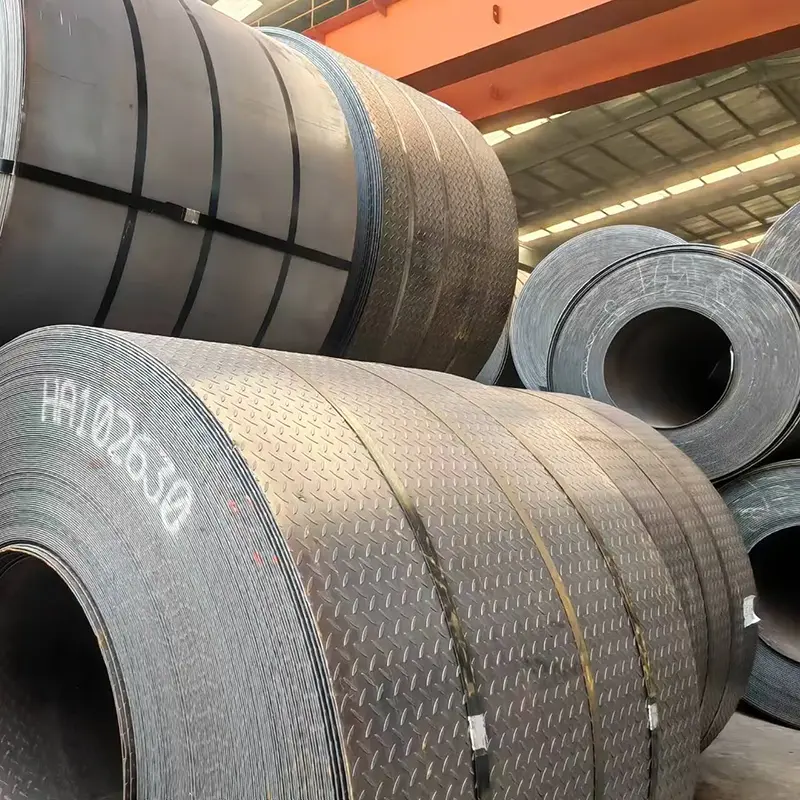
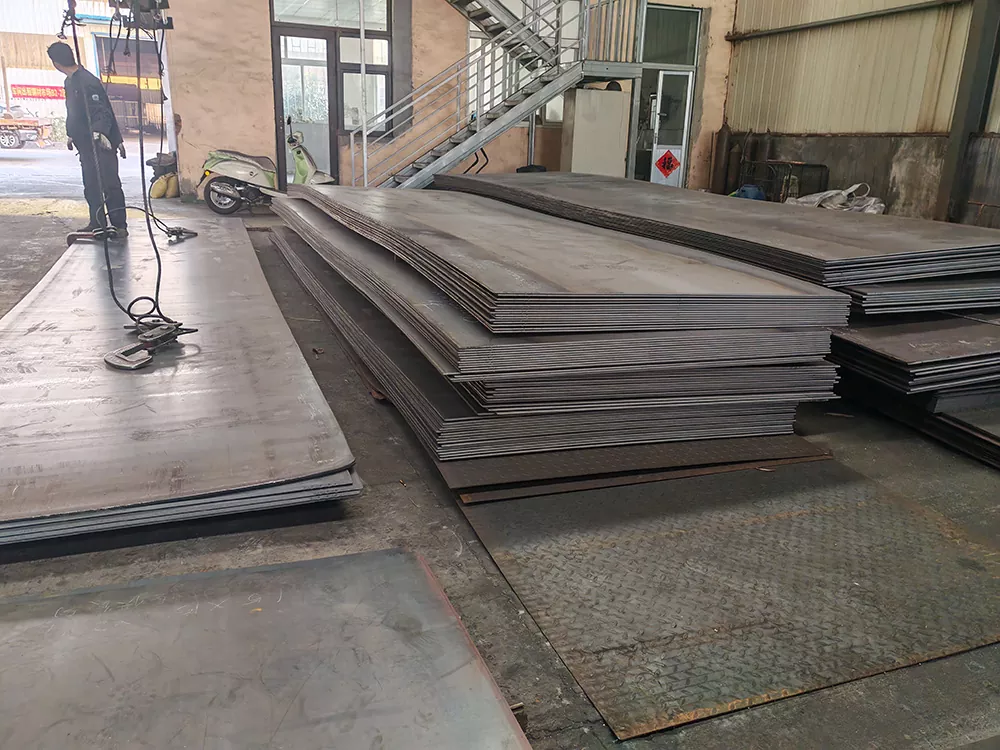
A large number of ordinary steel plates produced by small and medium-sized steel mills exhibit significant dimensional tolerances, excessive impurity levels, and inadequate low-temperature impact performance. Engineering and heavy industry purchasers have reported that after bulk purchases of these plates, issues such as welding cracks, bending fractures, and low-temperature brittle fractures outdoors occur frequently; for small-scale or sporadic applications, materials can only be procured in full sheets or coils, resulting in a scrap loss rate exceeding 10% and additional costs for cutting, rework, and waste disposal. Although the unit price of steel appears low, this severely dilutes overall project profitability. Particularly for projects exported to the EU and Northern Europe, ordinary steel cannot meet EN international standard requirements, posing risks of rejection upon delivery and substantial claims.
3. There is an oversupply of homogeneous general-purpose steel products, while high-end special steel products are scarce.
Over the past two months, national steel social inventories have risen by more than 20% year-on-year, with most of the excess stock consisting of low-end products such as construction rebar and ordinary hot-rolled coils; however, there remains persistent supply shortages for specialized S355 medium-to-thick steel plates used in wind power, offshore engineering, container manufacturing, and construction machinery, as well as low-temperature controlled rolling steel. Many foreign trade enterprises and new energy factories purchasing high-end steel face challenges including lengthy delivery cycles, inability to mass-produce custom specifications, and lack of supporting flaw detection and normalizing services. Traditional steel mills focus solely on production volume expansion and are reluctant to invest in developing high-end production lines, resulting in a severe structural mismatch between supply and demand.
4. The single sales model fails to meet the requirements of a modern procurement process.
In the past, steel mills were solely responsible for delivering finished steel products to manufacturers, lacking comprehensive one-stop services such as custom-length cutting, non-destructive testing, anti-corrosion pretreatment, and material certification. Buyers had to coordinate separately with cutting plants, testing agencies, and logistics providers, making cost negotiations for materials of various types and specifications extremely complex; overseas export projects additionally required obtaining third-party quality inspection certificates (e.g., 3.2) and CE compliance documentation. This cumbersome process often led to significant project delays for small and medium-sized purchasing enterprises.
Comprehensive Industrial Transformation: Abandoning scale expansion, we will unlock new growth opportunities through high-quality products
In response to structural market challenges, leading domestic steel companies have actively phased out low-end production capacity over the past two months. Through centralized blast furnace maintenance and deliberate reductions in general steel product output, they have fully redirected production capacities and R&D resources toward high-end specialty steels. By leveraging superior quality, advanced technology, and customized services, they have established a new competitive edge, driving robust high-quality development across the industry.
(1) The supply side has proactively reduced quantity while improving quality, putting an end to the vicious competition characterized by low-price rivalry.
From May to July this year, China's crude steel production continued to decline year-on-year. Steel mills have voluntarily conducted maintenance on blast furnaces and reduced output of low-end general steel products, shifting away from relying on capacity expansion to capture market share. The industry has reached a consensus: to abandon the old approach of "compensating for volume with price" and instead leverage differentiated high-end steel products to command quality premiums. At the policy level, new regulations mandating 1.5:1 reduction replacement ratios were implemented, requiring the phasing out of outdated and inefficient production capacities while encouraging enterprises to transition toward producing special steels for wind power, offshore engineering, and new energy applications, thereby preventing disorderly capacity expansion through top-level design measures.
(2) Breakthroughs in mass production of high-end special steel technologies, precisely addressing core procurement needs
Over the past two months, major steel companies have reported a steady stream of successful mass production and export orders for new products, with high-value-added steel plates emerging as the key driver of industry growth.
1. All grades of European Standard S355 Medium Heavy Plate have been fully localized in China.
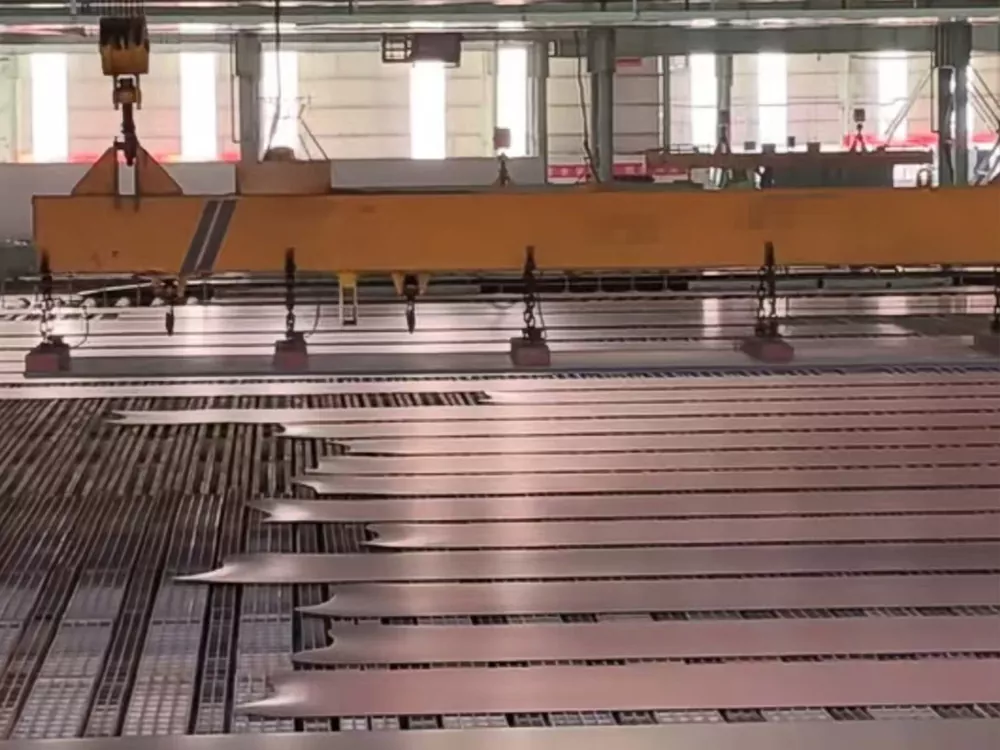
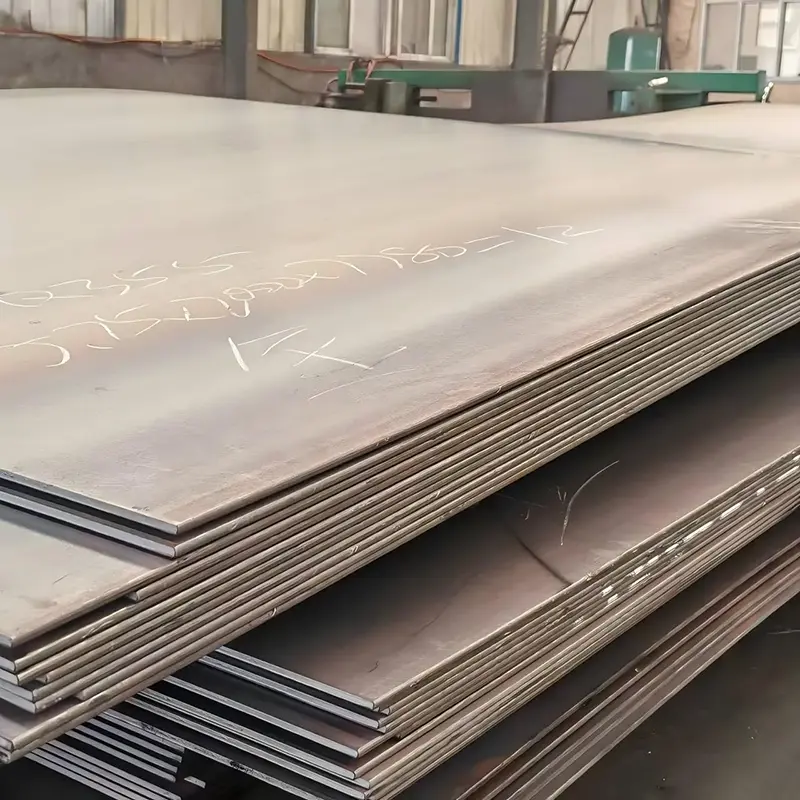
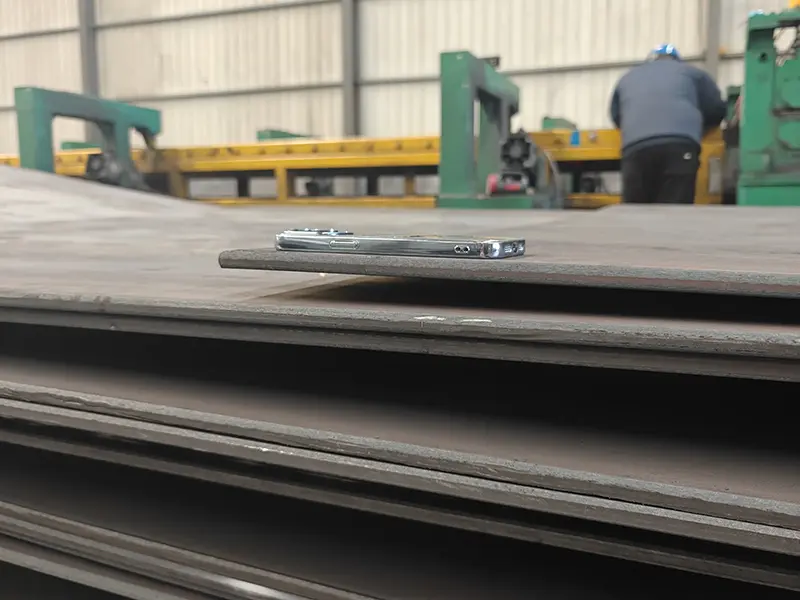
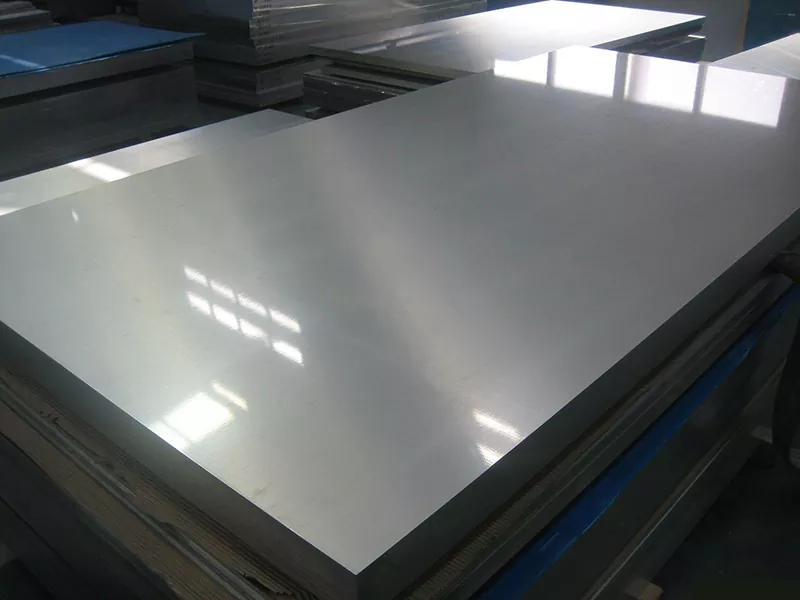
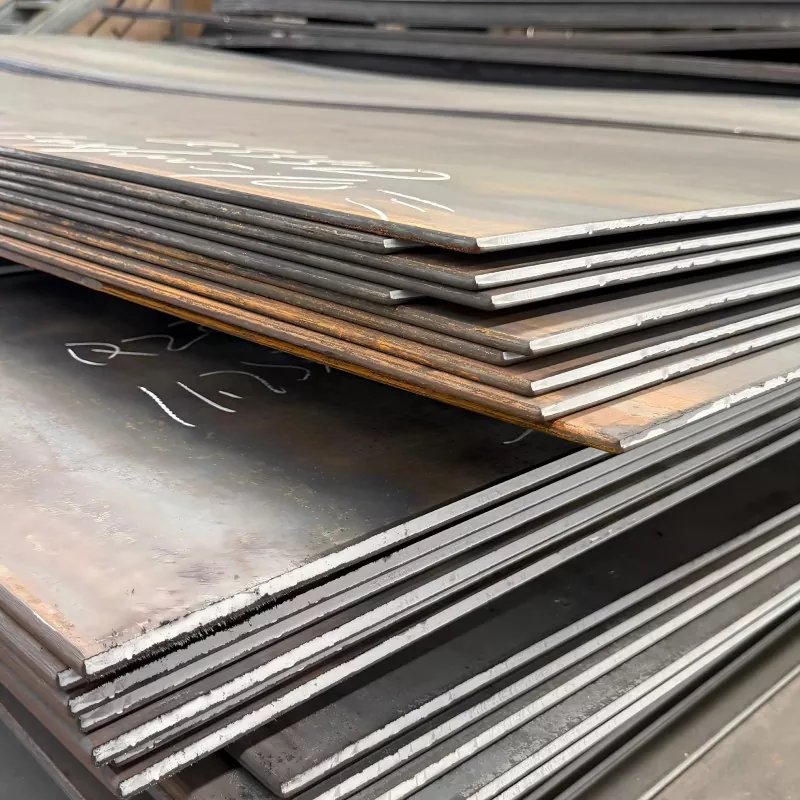
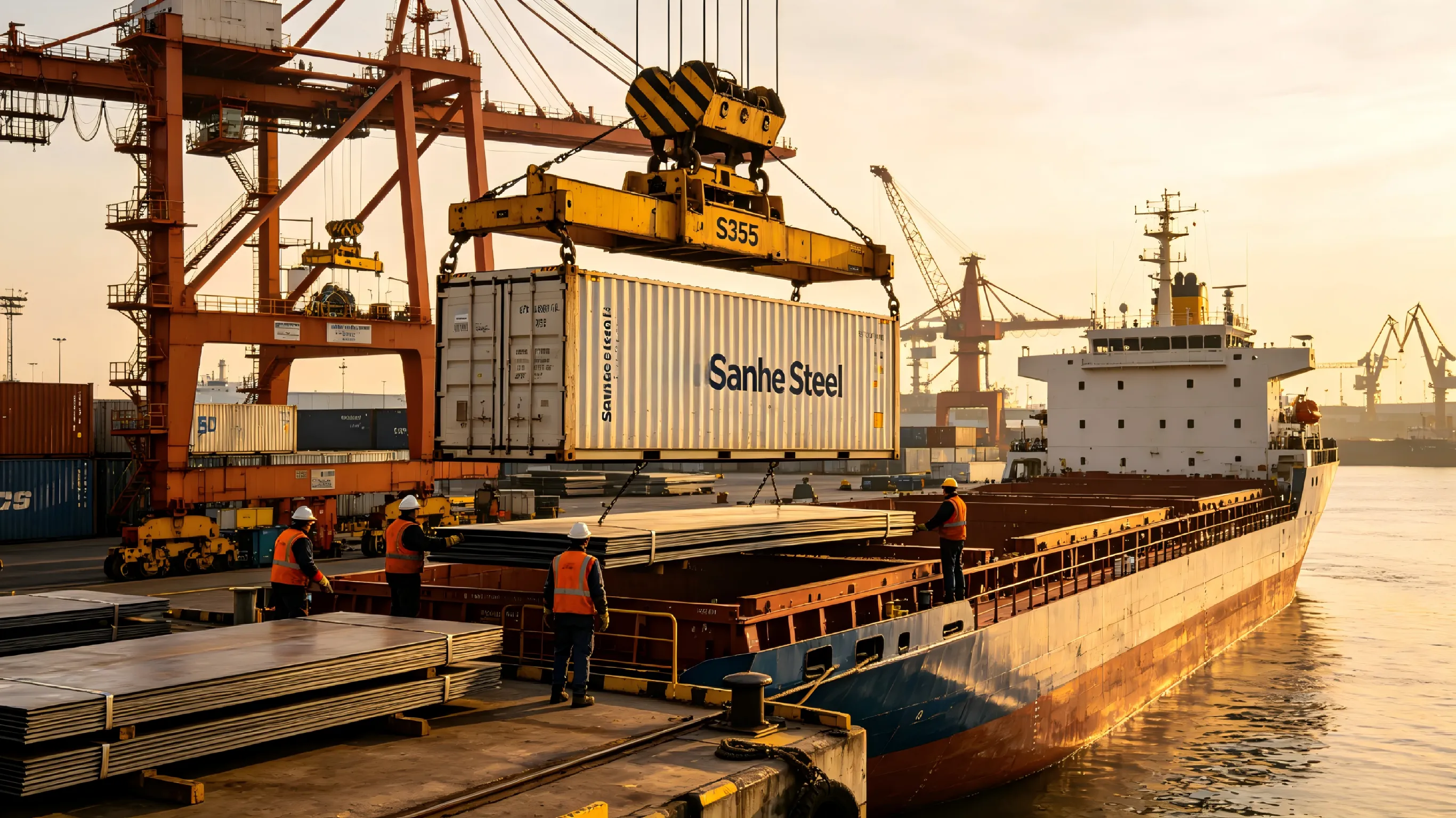
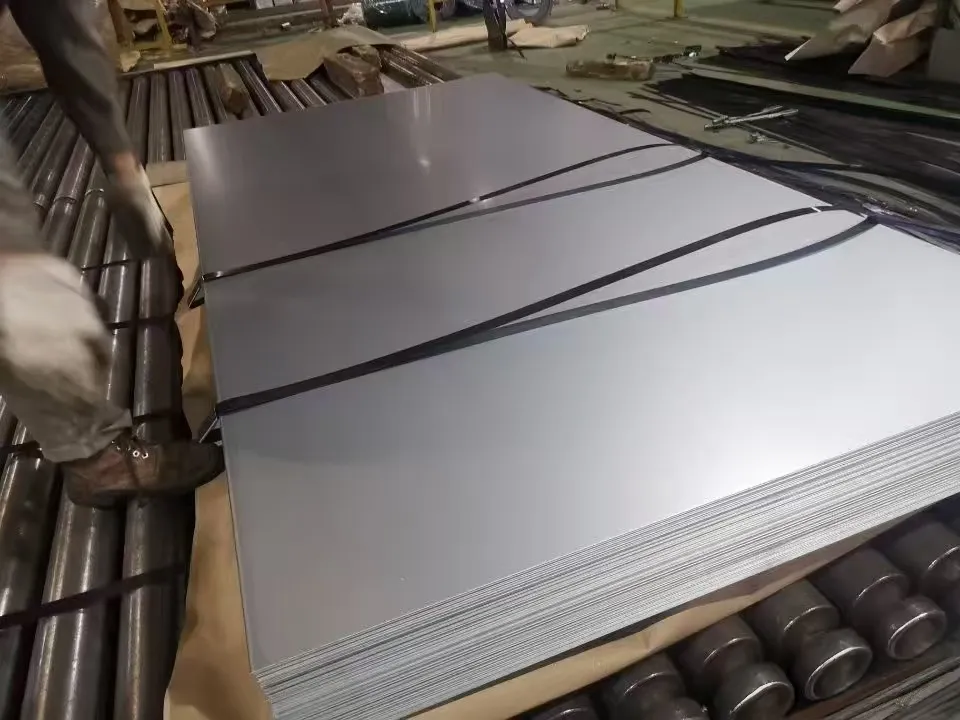
Companies such as Nangang, Wugang, and Sanhe Steel Plate have achieved stable mass production of the full range of medium-to-thick plates including S355JR/J0/J2/NL/ML, utilizing TMCP (Thermal Mechanical Controlled Rolling) and normalizing processes. The dimensional tolerances, low-temperature impact toughness, and internal flaw detection parameters of these plates fully comply with the EU EN10025 standard. S355ML steel at ultra-low temperatures of-50°C has been exported in bulk to overseas refining and wind power projects along the Belt and Road, completely breaking the monopoly of foreign steel suppliers. When purchased by construction machinery manufacturers and container plants, this series of plates reduces welding losses, eliminates the need for secondary heat treatment, and lowers overall material costs by 15%.
2. Production capacity for new energy and offshore engineering specialty steel continues to expand.
Chongqing Steel, Nanjing Steel, and Sanhe Steel Plate have successfully achieved mass production of the S355J2Z35 steel plate specifically designed for offshore wind power applications, capable of withstanding extreme conditions such as high salt spray and severe low temperatures. High-strength steels dedicated to automotive structural components and temperature-controlled enclosures for energy storage systems have been delivered consistently, significantly boosting the domestic production rate of materials used in wind turbine towers and new energy vehicle manufacturing. From May to July, demand for high-end steel plates remained strong, with the price spread between coils and sheets stabilizing at 200 yuan per ton; the profitability resilience of steel plate manufacturers far exceeded that of general construction steel producers.
3. The quality control system has been comprehensively upgraded, with a one-stop supporting service now fully established.
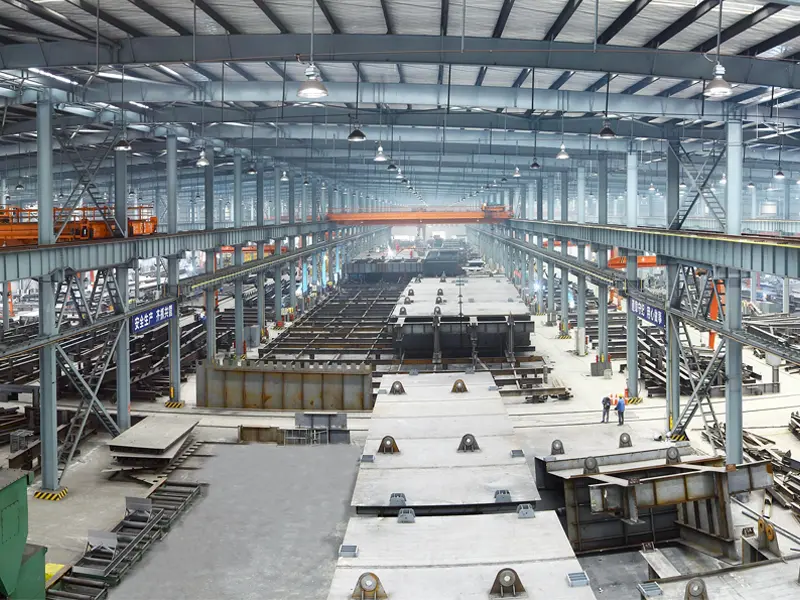
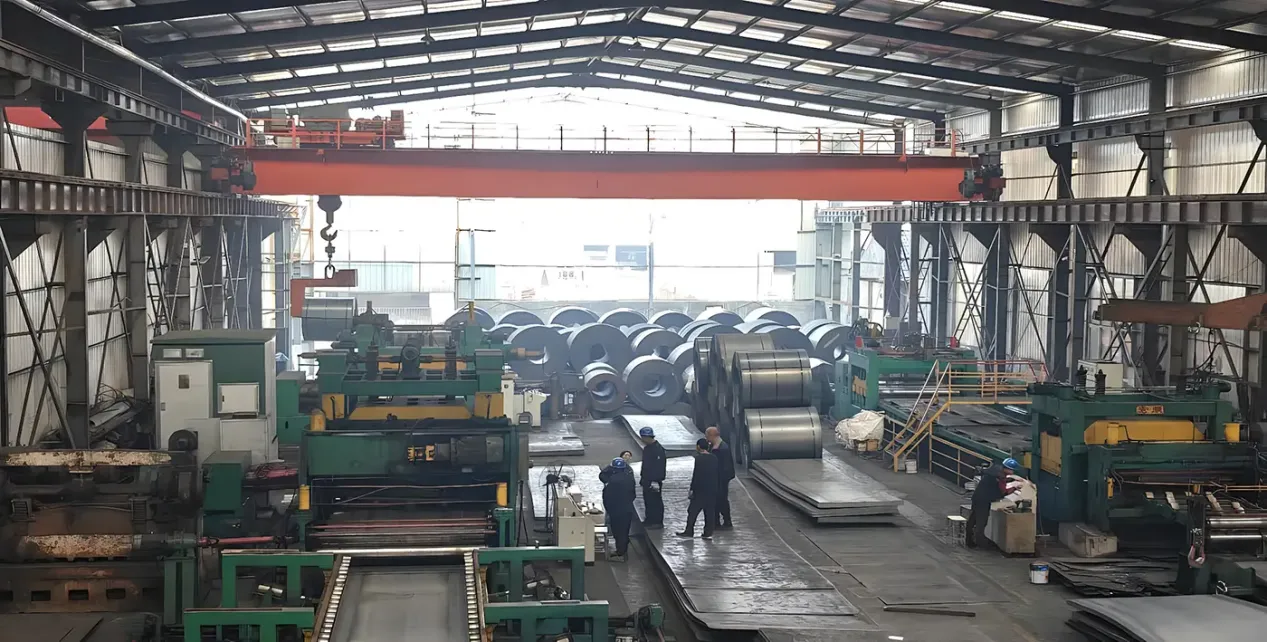
All steel production plants are equipped with fully automated inspection, shot blasting, and precision cutting lines, offering customized services including zero-cut length customization, Z-axis performance testing, and pre-rust removal/corrosion prevention treatments based on procurement requirements. Products leave the factory with standard EN10204 Grade 3.1/3.2 material certificates and CE export compliance documentation, eliminating the need for additional coordination with third-party testing agencies for international orders. For small-batch, multi-specification fragmented purchase orders, we provide consolidation and net material processing services, significantly reducing waste materials for engineering enterprises and addressing key procurement challenges.
(3) Optimization of export structure: High-end steel has become a new driver of foreign trade growth
Over the past two months, China's exports of low-end construction steel have declined year-on-year, while those of high-end specialty steels for wind power, construction machinery, and containers have maintained steady growth. The previous strategy of relying on low-cost general-purpose steel to capture overseas markets has been completely reversed; now domestic steel mills secure orders for high-end infrastructure and equipment projects in the EU, Southeast Asia, and the Middle East by leveraging stable product quality and comprehensive technical support, resulting in a significant increase in the added value of steel exports and reducing reliance on volume-driven expansion for export share.
(4) Reconfiguration of industrial profitability logic: Quality dividends replace scale dividends
Over the past two months, the market has clearly exhibited a divergent pattern: more than 60% of steel mills primarily producing ordinary rebar and low-end hot-rolled coils are operating at a loss, whereas companies specializing in special medium-thick plates and high-end structural steel continue to remain profitable. The industry's profit model has fundamentally shifted: instead of relying on large-scale production volumes to spread costs, they now secure stable quality premiums through superior performance, customized services, and end-to-end supply chain integration. With sustained recovery in downstream sectors such as new energy, construction machinery, and high-end equipment manufacturing, long-term demand for high-end steel products remains robust, continuously expanding opportunities for high-quality industrial development.
Realization of Transformational Value: A Win-Win Situation for Both Supply and Demand, Marking a Long-Term Positive Turn for the Steel Industry
By shifting from scale expansion to quality-driven upgrades and addressing development challenges for both steel mills and steel buyers, the industry has flourished overall.
1. For purchasers: From "falling into low-price traps" to "achieving high quality at lower costs".
High-end custom steel products deliver stable performance, significantly reducing costs associated with rework, scrap disposal, and after-sales claims. The comprehensive one-stop service covering cutting, inspection, and certification documentation eliminates the time and financial burdens of coordinating with multiple parties. With a consistent supply of high-quality steel, this solution addresses material shortages for overseas exports and specialized equipment projects; even when steel prices rise slightly, the overall project cost decreases markedly.
2. For the steel industry: Overcome low-price competition and unlock long-term growth potential.
The industry has broken free from the cycle of low-end overcapacity and price wars, establishing core competitiveness through technological innovation and quality control. Emerging sectors such as wind power, energy storage, offshore engineering, and new energy vehicles continue to drive demand for high-end steel, further bolstered by certification premiums for green, low-carbon steel under the "dual carbon" goals. This has enabled the industry's growth to transcend reliance on real estate demand alone, paving a clear path toward diversified and high-quality development.
3. Long-term industrial prospects: Quality upgrading creates a positive cycle
As domestic manufacturing continues to move towards higher-end development and overseas infrastructure projects increasingly impose stricter quality standards on steel, the demand for high-quality special steels will steadily expand. Domestic steel companies are continuously increasing R&D investment, improving comprehensive supporting services throughout the entire production process, and enhancing the international competitiveness of domestically produced steel. China's steel industry has officially moved beyond the phase of being "large but not strong," leveraging its robust quality advantages to achieve a long-term, stable, and prosperous development trajectory.
Related News
- How Can Wear Resistant Hot Rolled Heavy Steel Plate Structural Solutions Improve Durability in Demanding Projects
- How Can Hot Rolled Steel Plate for Marine Offshore Use Improve Structural Safety and Service Life
- Why Is High Strength S235JR Medium and Heavy Plate a Smart Choice for Structural Engineering Projects
- How Can Galvanized Floor Diamond Plate Improve Safety, Durability, and Long-Term Project Performance
- Why Is Hot Rolled Checkered Steel Plate for Platforms a Smart Choice for Safe and Durable Industrial Flooring
- What Makes SGCC Hot Dip Galvanized Steel Sheet a Reliable Choice for Corrosion-Resistant Industrial Applications
Leave me a message