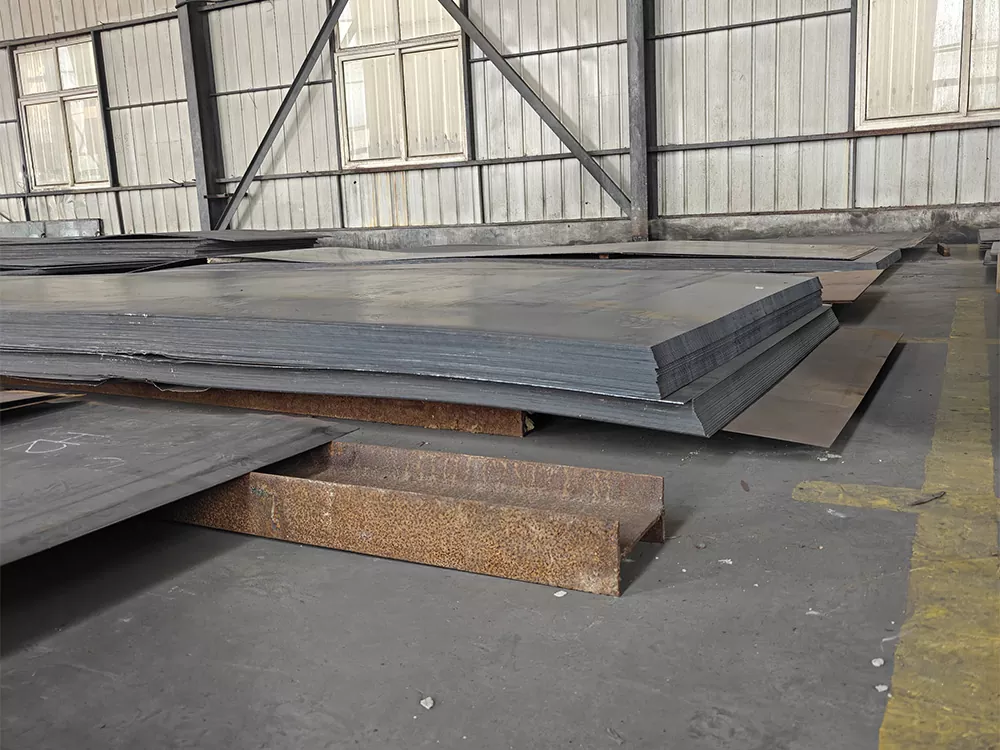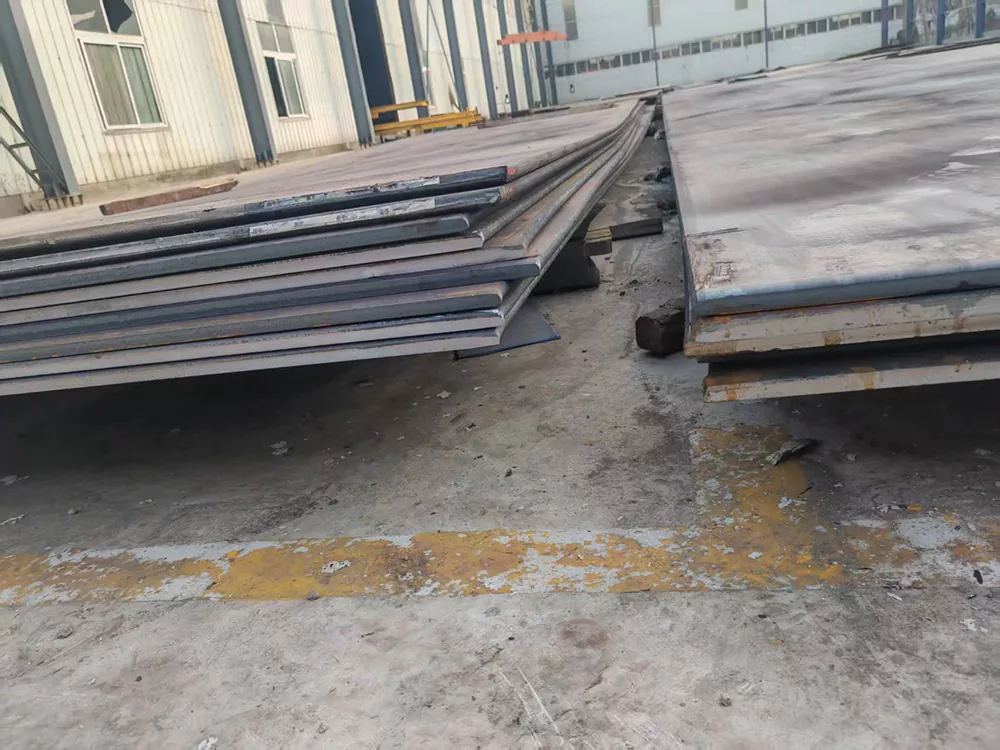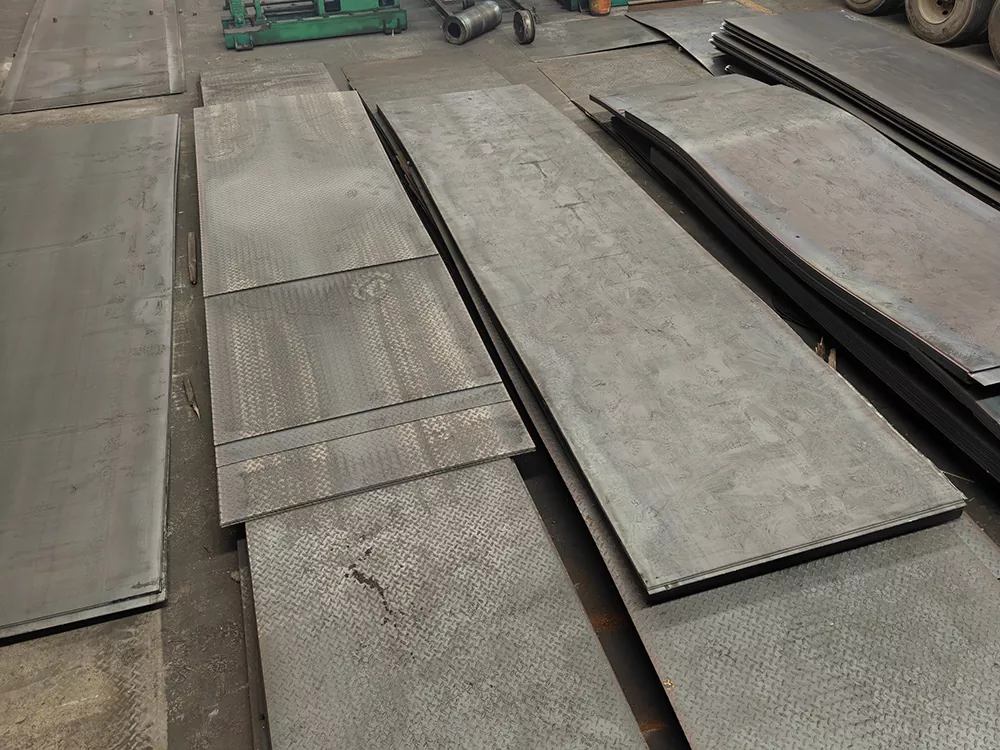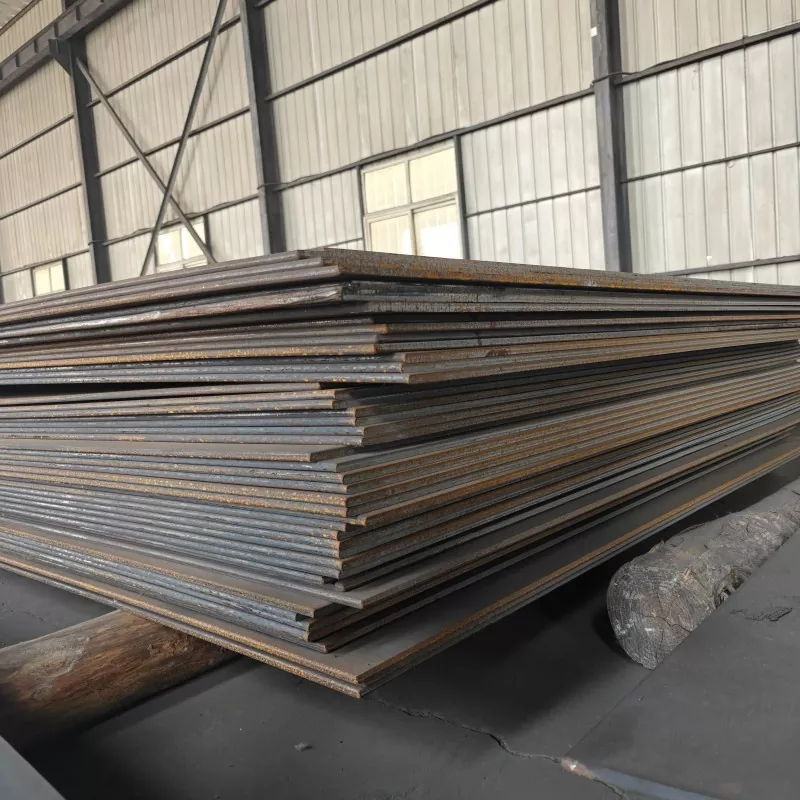
How Does Cold Rolled Steel Plate Improve Manufacturing Performance?
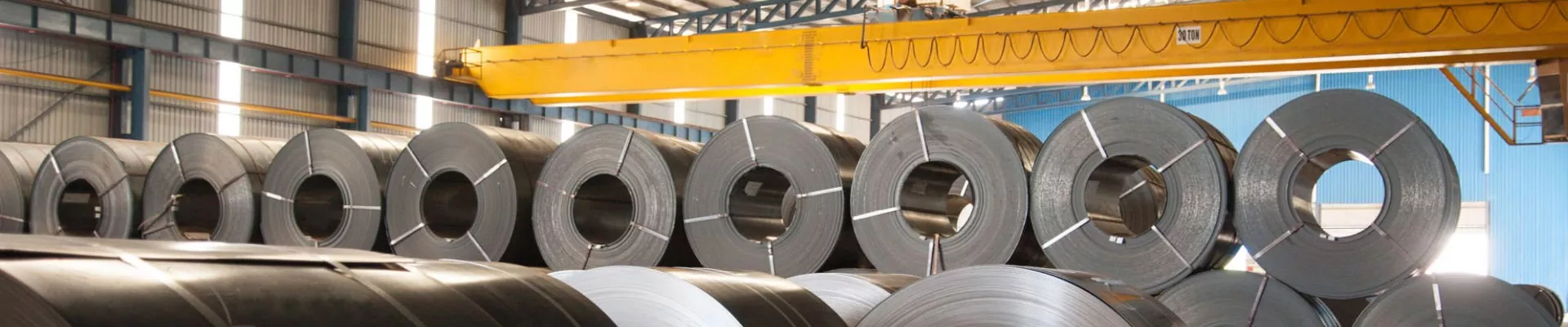
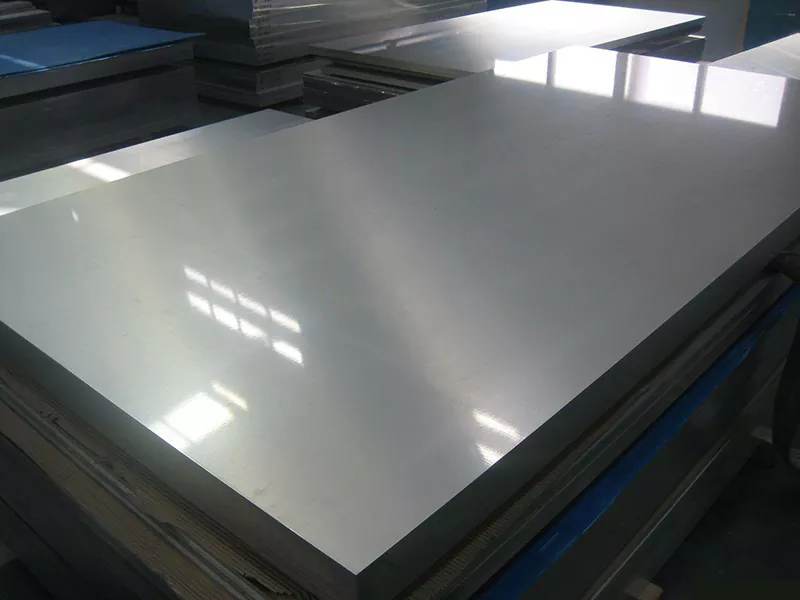
Article Summary: Cold Rolled Steel Plate is widely selected when manufacturers need a combination of dimensional accuracy, smooth surface quality, reliable forming performance, and consistent mechanical properties. Unlike hot-rolled material, cold-rolled steel is processed through controlled rolling and finishing operations that help achieve tighter tolerances and a cleaner surface. These characteristics make it suitable for automotive components, household appliances, electrical cabinets, precision equipment, furniture, sheet-metal fabrication, and many other applications. This article explains how Cold Rolled Steel Plate is produced, how to select the right grade and thickness, which problems it can solve, and how Sanhe Steel supports customized material requirements.
Article Outline
- Why Cold Rolled Steel Plate Matters in Modern Manufacturing
- How Cold Rolled Steel Plate Is Produced
- What Properties Make Cold Rolled Steel Plate Valuable?
- How to Choose the Right Cold Rolled Steel Plate
- Cold Rolled Steel Plate Grade Selection
- Thickness and Width Considerations
- Surface Finish and Protection Options
- Major Applications of Cold Rolled Steel Plate
- How Sanhe Steel Supports Cold Rolled Steel Plate Requirements
- Common Purchasing Problems and Practical Solutions
- Quality Inspection Before Delivery
- FAQ
- Conclusion
Table of Contents
- Why Cold Rolled Steel Plate Matters in Modern Manufacturing
- How Cold Rolled Steel Plate Is Produced
- What Properties Make Cold Rolled Steel Plate Valuable?
- How to Choose the Right Cold Rolled Steel Plate
- Cold Rolled Steel Plate Grade Selection
- Thickness and Width Considerations
- Surface Finish and Protection Options
- Major Applications of Cold Rolled Steel Plate
- How Sanhe Steel Supports Cold Rolled Steel Plate Requirements
- Common Purchasing Problems and Practical Solutions
- Quality Inspection Before Delivery
- Frequently Asked Questions
- Conclusion
Why Cold Rolled Steel Plate Matters in Modern Manufacturing
Manufacturers rarely choose steel only by price. The material must also fit the forming process, equipment capability, surface requirements, dimensional tolerances, production volume, and final application. A material that looks inexpensive at the purchasing stage can become costly if it creates excessive scrap, requires additional surface treatment, or causes dimensional problems during fabrication.
Cold Rolled Steel Plate addresses many of these manufacturing challenges. Its controlled processing helps produce a relatively smooth and uniform surface together with accurate dimensions. These characteristics are particularly useful where steel components will be stamped, bent, welded, painted, assembled, or exposed as a visible surface.
For manufacturers producing large quantities of sheet-metal components, consistency is especially important. Stable thickness and predictable forming behavior allow production teams to establish repeatable processing parameters rather than continuously adjusting equipment for material variations.
Sanhe Steel provides Cold Rolled Steel Plate for applications that require different combinations of thickness, grade, surface condition, processing performance, and dimensional requirements. The company also supports customized processing such as cutting, slitting, and leveling according to project needs.
How Cold Rolled Steel Plate Is Produced
The term “cold rolled” does not mean that steel is manufactured without heat at every stage. Instead, it generally refers to rolling performed at or near room temperature after the initial hot-rolling stage. The cold-rolling process is used to refine dimensions, surface characteristics, and material properties.
A typical production route can include the following stages:
- Hot-rolled substrate preparation: Steel coil produced through hot rolling is prepared for subsequent processing.
- Surface cleaning: Oxides and contaminants are removed so that the material can undergo controlled cold rolling.
- Cold reduction: The strip passes through rolling equipment at controlled temperatures to achieve the required thickness.
- Annealing: Heat treatment can restore desirable ductility and modify the material structure after cold reduction.
- Leveling: Controlled leveling improves flatness and prepares the material for downstream fabrication.
- Inspection and finishing: Dimensions, surface condition, mechanical characteristics, and other specified requirements are checked before shipment.
The exact production route depends on the steel grade, thickness, surface requirement, and intended application. For customers, the key benefit is that the manufacturing process can be matched to the performance required by the finished component.
What Properties Make Cold Rolled Steel Plate Valuable?
Cold Rolled Steel Plate is often selected when a project requires more than basic structural strength. Its manufacturing characteristics provide several practical benefits.
| Property | Manufacturing Benefit | Typical Requirement |
|---|---|---|
| Dimensional accuracy | Supports repeatable fabrication and assembly | Precision components and sheet-metal parts |
| Smooth surface | Improves appearance and finishing results | Appliance panels and visible housings |
| Uniform thickness | Reduces variation during forming | Stamping and automated production |
| Formability | Facilitates bending, pressing, and stamping | Complex sheet-metal components |
| Consistent quality | Improves production stability | High-volume manufacturing |
These characteristics do not mean every cold-rolled product is automatically suitable for every application. Grade, temper, thickness, surface quality, and processing requirements must still be evaluated together.
How to Choose the Right Cold Rolled Steel Plate
Selecting material only according to nominal thickness is a common purchasing mistake. A better approach is to start with the finished component and work backward toward the material specification.
Before placing an order, consider the following factors:
- End-use environment: Determine whether the material will be used indoors, outdoors, in humid conditions, or in a controlled industrial environment.
- Forming method: Identify whether the component will be bent, stamped, deep drawn, laser cut, welded, or machined.
- Required strength: Match yield strength, tensile strength, and elongation to the application.
- Surface requirements: Decide whether the surface will be painted, coated, polished, protected with film, or left exposed.
- Dimensional tolerance: Establish acceptable thickness, width, length, and flatness tolerances before production.
- Production volume: High-volume applications may benefit from material supplied in dimensions that minimize trimming and scrap.
- Storage and transportation: Consider whether temporary oil protection or other surface protection is required.
This approach reduces the risk of buying material that technically meets a basic specification but performs poorly in the actual manufacturing process.
Cold Rolled Steel Plate Grade Selection
Different grades provide different balances of strength, ductility, formability, and cost. The appropriate grade depends heavily on the manufacturing operation.
| Grade Category | General Characteristics | Potential Applications |
|---|---|---|
| SPCC | General-purpose cold-rolled material with balanced processing performance | Sheet-metal parts, furniture, general fabrication |
| SPCD | Better forming characteristics for stamping operations | Stamped components and appliance parts |
| SPCE | Higher formability for demanding drawing operations | Deep-drawn components and precision parts |
| Q195/Q235 categories | Common engineering and structural applications | Supports, equipment components, and fabricated structures |
Grade designations and mechanical requirements should always be confirmed against the applicable purchasing specification and governing standard. When the application involves demanding forming or safety-critical components, buyers should provide the supplier with detailed technical requirements rather than relying on a grade name alone.
Thickness and Width Considerations
Thickness affects far more than material weight. It influences stiffness, forming behavior, cutting performance, welding parameters, component weight, and final production cost.
For example, thin Cold Rolled Steel Plate can be advantageous for lightweight housings and precision components, while thicker material may be more appropriate for equipment supports and structural sheet-metal parts.
| Thickness Range | Typical Characteristics | Possible Uses |
|---|---|---|
| 0.2–0.5 mm | Lightweight and suitable for detailed forming | Electronic housings and precision hardware |
| 0.6–1.5 mm | Balanced strength and workability | Appliances, furniture, automotive components |
| 1.6–3.0 mm | Higher stiffness for fabricated components | Equipment supports and larger sheet-metal parts |
| Above 3.0 mm | Used when additional section thickness is required | Special equipment and heavy-duty fabrication |
Width should also be considered carefully. Ordering material close to the required production width can reduce trimming, handling, and material waste. Sanhe Steel can support customized width requirements for different production situations.
Surface Finish and Protection Options
Surface condition can directly affect the appearance, coating performance, storage life, and downstream processing cost of steel.
Depending on the intended use, available approaches can include:
- Bright surface: Appropriate where a clean and visually attractive steel surface is important.
- Matte or textured surface: Useful where a particular visual or functional surface characteristic is desired.
- Phosphated surface: Can support corrosion protection and improve coating adhesion in suitable applications.
- Oiled surface: Provides temporary protection during storage and transportation.
- Protective film: Helps reduce scratching and contamination when the surface will remain visible.
The correct choice depends on how long the steel will be stored, how it will be transported, what fabrication processes follow, and whether the final component will be painted or otherwise coated.
Major Applications of Cold Rolled Steel Plate
The combination of surface quality, dimensional control, and forming performance makes Cold Rolled Steel Plate suitable for a broad range of industries.
1. Household Appliances
Refrigerators, washing machines, air-conditioning equipment, and other appliances often require steel with a clean surface and consistent dimensions. Cold-rolled material can be processed into panels, housings, brackets, internal components, and other parts.
2. Automotive Manufacturing
Automotive production requires materials that can meet demanding forming and dimensional requirements. Suitable cold-rolled grades can be used for selected body components, interior parts, brackets, and other fabricated components.
3. Electrical Equipment
Electrical cabinets, distribution boxes, control enclosures, and equipment housings often require accurate dimensions and reliable fabrication performance. Cold Rolled Steel Plate can be cut, bent, punched, and welded into these structures.
4. Metal Furniture
Office furniture, storage cabinets, shelving systems, desks, and other products rely on sheet steel that can be formed efficiently while maintaining a clean appearance. Appropriate surface treatment can further support painting or decorative finishing.
5. Precision Equipment
Instrument housings, equipment covers, brackets, and precision sheet-metal components benefit from material with controlled thickness and surface condition.
6. Building and Interior Applications
Cold-rolled material can also be incorporated into selected architectural and interior components where dimensional consistency, appearance, and ease of fabrication are important.
How Sanhe Steel Supports Cold Rolled Steel Plate Requirements
Choosing the right steel supplier is about more than obtaining a quotation. Consistent production, clear specifications, inspection capability, packaging, and customization can all influence the total cost of a project.
Sanhe Steel focuses on Cold Rolled Steel Plate manufacturing and provides different grades, thicknesses, widths, and surface conditions for industrial customers. Its production approach includes controlled rolling, annealing, leveling, and quality inspection to help maintain stable product characteristics.
For customers with specific fabrication requirements, Sanhe Steel can also support processing such as cutting, slitting, and flattening. This can reduce the amount of secondary preparation required after delivery and make the material easier to introduce into an existing production line.
When evaluating a supplier, buyers should ask for the relevant material specifications, inspection documentation, dimensional requirements, packaging details, and production lead time before confirming an order. These details provide a clearer basis for comparing suppliers than unit price alone.
Common Purchasing Problems and Practical Solutions
| Common Problem | Possible Cause | Practical Solution |
|---|---|---|
| Material does not form consistently | Grade or mechanical properties are not matched to the process | Select a grade according to the actual forming operation |
| Surface scratches after transportation | Insufficient packaging or protection | Specify suitable protective packaging or film |
| Excessive cutting waste | Material dimensions do not match the production layout | Discuss customized width and cutting requirements |
| Rust develops during storage | Moisture exposure or inadequate temporary protection | Improve storage conditions and specify suitable surface protection |
| Assembly dimensions vary | Inadequate dimensional control | Define tolerances clearly before production |
Quality Inspection Before Delivery
A professional purchasing process should include more than visual inspection. Depending on the application and agreed specification, buyers may evaluate:
- Thickness and width measurements
- Length and dimensional tolerances
- Flatness and shape
- Surface cleanliness and visible defects
- Mechanical properties
- Chemical composition where specified
- Formability requirements
- Surface protection condition
- Packaging integrity
- Material identification and traceability
For larger or technically demanding orders, inspection requirements should be agreed before manufacturing begins. This helps prevent misunderstandings about acceptable tolerances and quality expectations.
Frequently Asked Questions
What is Cold Rolled Steel Plate?
Cold Rolled Steel Plate is steel that has undergone controlled cold-reduction processing after hot-rolled substrate preparation. The process helps improve dimensional accuracy, surface condition, and consistency for applications requiring more precise material characteristics.
What is the difference between cold-rolled and hot-rolled steel?
Hot-rolled steel is primarily processed at elevated temperatures and is commonly used where large structural dimensions and general strength are the main priorities. Cold-rolled steel undergoes additional processing at or near room temperature, generally providing better dimensional control and a smoother surface.
Is Cold Rolled Steel Plate suitable for stamping?
Yes. Appropriate cold-rolled grades can provide good stamping and forming performance. However, the correct grade should be selected according to the depth and complexity of the forming operation.
How should Cold Rolled Steel Plate be stored?
Steel should be stored in a dry, clean environment protected from direct water exposure and condensation. Proper packaging, ventilation, handling, and temporary corrosion protection can help reduce storage-related surface problems.
Can Cold Rolled Steel Plate be customized?
Yes. Depending on the supplier and production capability, customers may request customized thickness, width, length, surface condition, grade, cutting, slitting, or leveling. Requirements should be confirmed before production.
What industries use Cold Rolled Steel Plate?
Common applications include automotive manufacturing, household appliances, electrical equipment, furniture, precision instruments, metal fabrication, building components, and various industrial equipment applications.
How can I choose the correct thickness?
Start with the finished component's required strength, stiffness, forming method, weight limitations, and dimensional design. The correct thickness should then be confirmed with the applicable material standard and manufacturing process.
Why is surface quality important?
A controlled surface can improve appearance, painting, coating, forming, and downstream processing. It can also reduce the need for additional surface preparation when the material specification is correctly matched to the final application.
Conclusion
Cold Rolled Steel Plate is an important material for manufacturers that need reliable dimensional control, smooth surface characteristics, stable thickness, and predictable processing performance. Its value becomes especially clear in applications involving stamping, bending, precision fabrication, painting, welding, and automated assembly.
The best material choice depends on more than the product name. Grade, thickness, width, surface condition, mechanical properties, forming method, storage environment, and final application should all be evaluated together. A detailed specification at the purchasing stage can prevent many common problems, including excessive waste, forming defects, surface damage, corrosion during storage, and inconsistent assembly.
Sanhe Steel provides Cold Rolled Steel Plate solutions for a wide range of industrial requirements, with options for different grades, dimensions, surface conditions, and processing needs. By matching the material specification to the actual manufacturing process, customers can improve production consistency while controlling material and processing costs.
Looking for a reliable Cold Rolled Steel Plate solution for your next project? Contact Sanhe Steel to discuss your required grade, thickness, width, surface finish, processing requirements, and delivery needs. Contact us today for a professional quotation and a solution tailored to your application.
Related News
- Why Is High Strength S235JR Medium and Heavy Plate a Smart Choice for Structural Engineering Projects
- How Can Galvanized Floor Diamond Plate Improve Safety, Durability, and Long-Term Project Performance
- Why Is Hot Rolled Checkered Steel Plate for Platforms a Smart Choice for Safe and Durable Industrial Flooring
- What Makes SGCC Hot Dip Galvanized Steel Sheet a Reliable Choice for Corrosion-Resistant Industrial Applications
- How Can Wear Resistant Hot Rolled Heavy Steel Plate Structural Improve Service Life in Demanding Industrial Applications
- Why Is Wear Resistant Hot Rolled Heavy Steel Plate Structural Essential for Demanding Industrial Applications
Leave me a message