How Does Shipbuilding Hot Rolled Carbon Steel Checkered Plate Improve Safety and Durability on Marine Vessels
In modern shipbuilding, selecting reliable flooring materials is essential for ensuring crew safety, structural stability, and long-term operational efficiency. Sanhe specializes in supplying Shipbuilding Hot Rolled Carbon Steel Checkered Plate, combining dependable hull structural steel grades with raised anti-slip patterns designed for demanding marine environments. From weather decks and engine rooms to stairways and access platforms, these steel plates provide a practical solution for shipyards, marine engineering contractors, and industrial vessel manufacturers seeking reliable material performance.
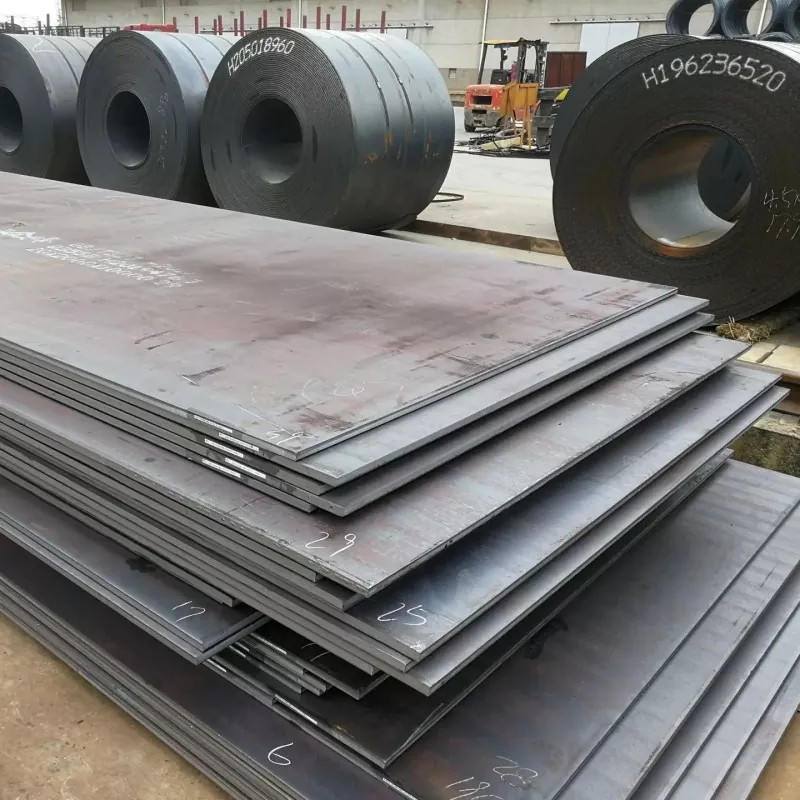
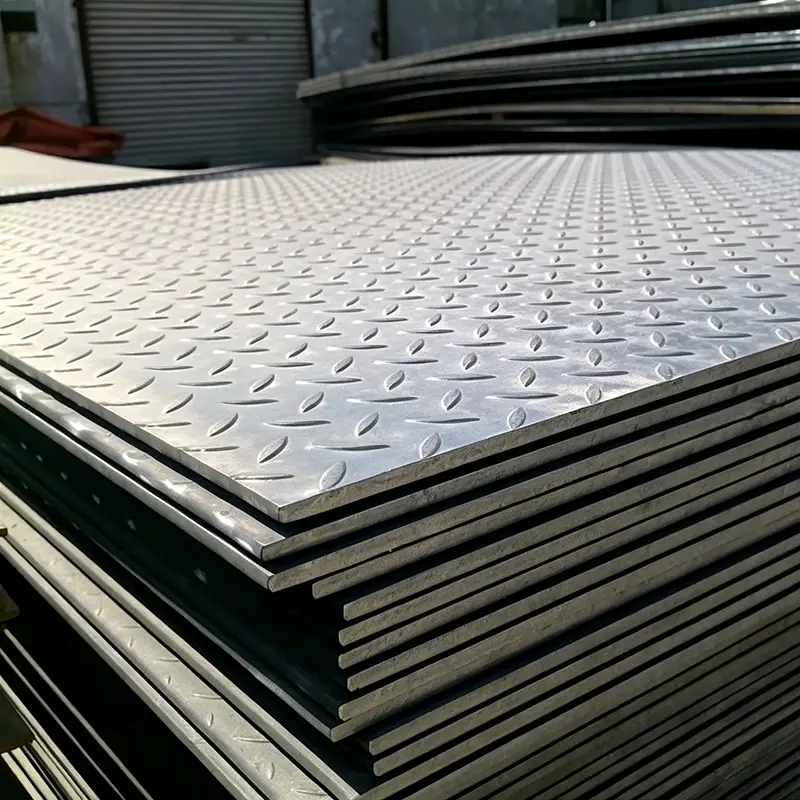
Shipbuilding Hot Rolled Carbon Steel Checkered Plate is an important material for marine flooring and structural applications where strength, durability, and slip resistance are essential. Manufactured from shipbuilding-grade carbon steel with raised surface patterns, it provides a functional walking surface while maintaining the mechanical properties required for marine construction.
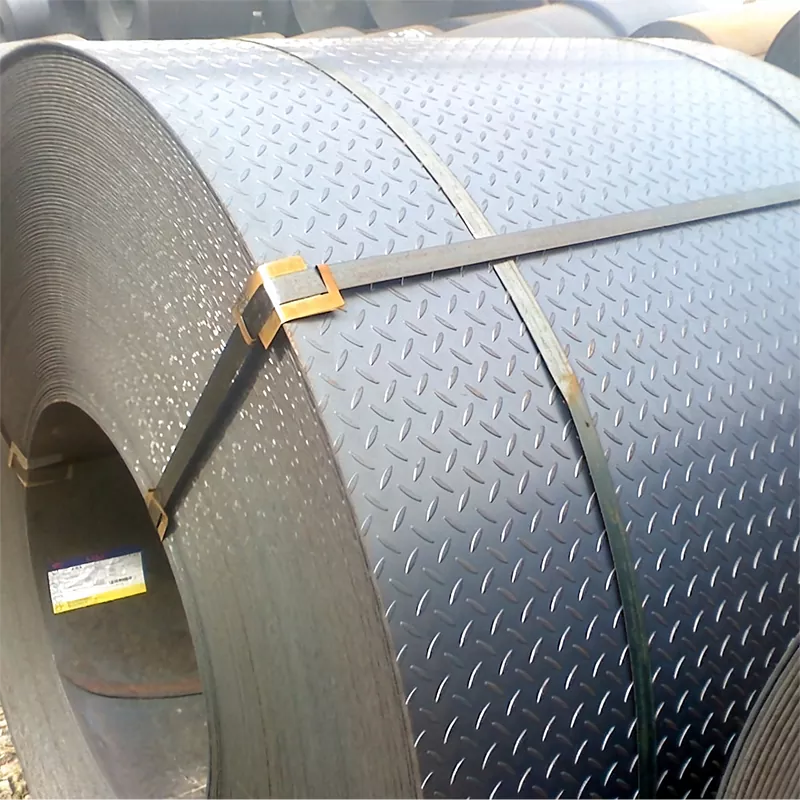
Table of Contents
1. What Is Shipbuilding Hot Rolled Carbon Steel Checkered Plate?
2. Key Features and Performance Advantages
3. Available Steel Grades and Checkered Patterns
4. Technical Specifications and Dimensions
5. Main Applications in Shipbuilding
6. Why Slip Resistance Matters in Marine Environments
7. Quality Control and Marine Certification
8. Surface Treatment and Maintenance Recommendations
9. How to Choose a Reliable Checkered Plate Supplier
10. Frequently Asked Questions
1. What Is Shipbuilding Hot Rolled Carbon Steel Checkered Plate?
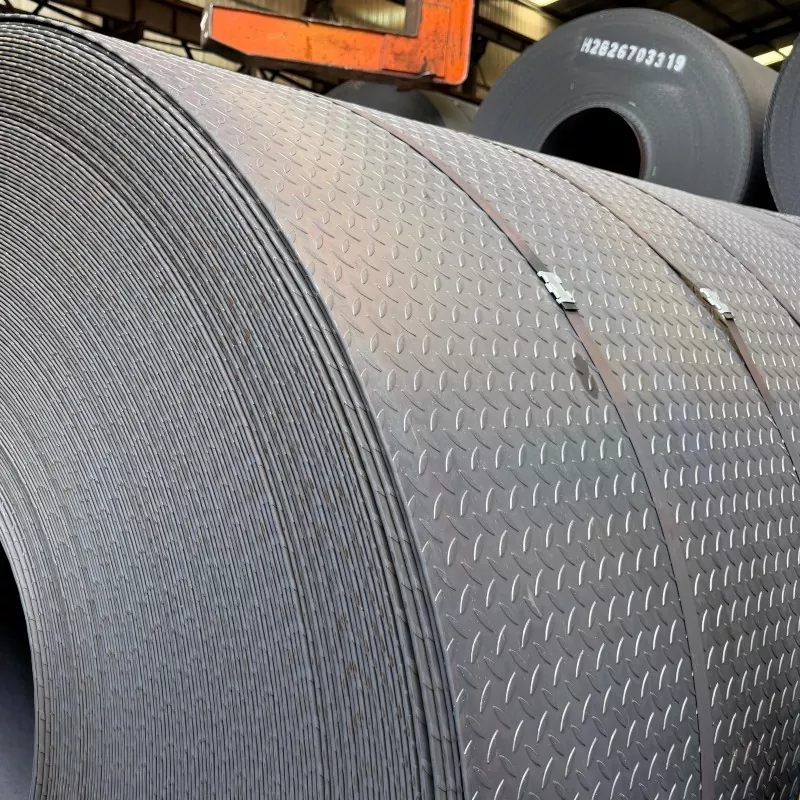
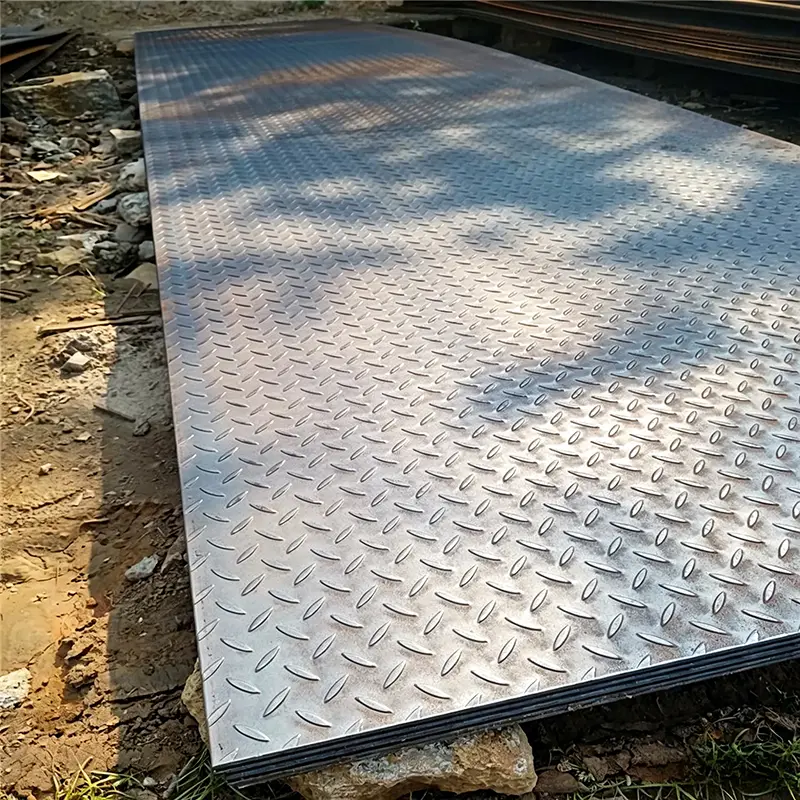
Shipbuilding Hot Rolled Carbon Steel Checkered Plate is a specialized steel product manufactured by incorporating raised patterns into the surface of hot-rolled carbon steel plate. Unlike ordinary flat steel sheets, its textured surface provides additional traction, making it particularly suitable for walking areas exposed to moisture, oil, and other slippery substances.
The material combines two essential functions: structural support and anti-slip performance. Its base material is selected according to shipbuilding requirements, while the raised surface pattern provides a more secure footing for crew members and maintenance personnel.
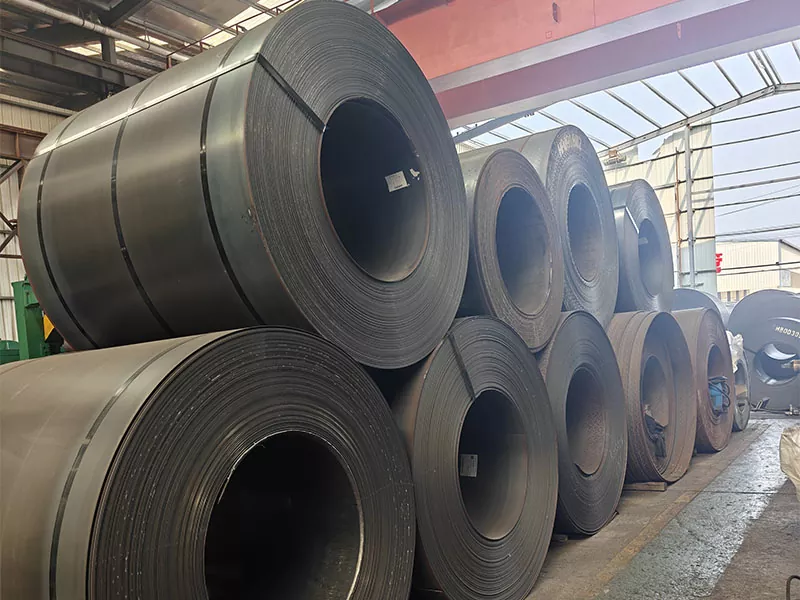
During production, the checkered pattern is formed through rolling, creating a durable textured surface that remains integrated with the steel plate. This manufacturing approach makes the product suitable for demanding applications where mechanical strength and surface functionality must work together.
Depending on vessel design and project requirements, this material can be used for:
- Marine weather decks and walking platforms.
- Engine room and machinery compartment flooring.
- Ship stair treads and ladder access platforms.
- Maintenance walkways and inspection platforms.
- Tank tops, hatch covers, and selected cargo area flooring.
For additional material options, buyers can explore Sanhe's shipbuilding steel plate solutions to compare different marine structural steel requirements.
2. Key Features and Performance Advantages
Choosing the right marine steel flooring material requires evaluating more than its appearance. Mechanical properties, surface geometry, dimensional accuracy, and certification documentation all influence the product's suitability for shipbuilding projects.
2.1 Reliable Structural Strength
The base material is available in conventional and high-strength shipbuilding steel grades. These grades provide mechanical performance suitable for different vessel structures and operating conditions. Selecting the correct grade helps ensure that the finished plate meets the engineering requirements of its intended installation location.
2.2 Integrated Anti-Slip Surface
The raised patterns increase surface texture and provide additional traction under normal marine working conditions. This feature is particularly valuable in engine rooms, exterior walkways, and maintenance areas where water, oil, or sea spray may create slippery conditions.
2.3 Flexible Manufacturing Specifications
Shipyards frequently work with different vessel designs and fabrication drawings. Therefore, the availability of multiple thicknesses, widths, lengths, and pattern configurations helps simplify material procurement and fabrication planning.
2.4 Multiple Surface Treatment Options
Depending on the intended operating environment, plates can be supplied with black hot-rolled surfaces, transit oil protection, shop primer, or hot-dip galvanizing. The appropriate treatment should be selected according to the vessel's coating system and exposure conditions.
2.5 Fabrication Compatibility
Carbon steel checkered plates can be processed through suitable cutting, welding, and installation procedures. Proper fabrication planning helps maintain dimensional accuracy and prevents unnecessary damage to the raised surface during handling and assembly.
3. Available Steel Grades and Checkered Patterns
Steel grade selection directly influences the mechanical properties and service suitability of marine flooring materials. Different vessel locations may require different strength levels, particularly when structural loading, temperature conditions, and classification requirements vary.
Sanhe offers several shipbuilding steel grades for checkered plate applications, including conventional-strength and high-strength options.
| Steel Grade | Pattern Options | Typical Application |
|---|---|---|
| Grade A / B | Teardrop, Diamond, 5-Bar | Deck plating, walkways, stair treads |
| Grade D / E | Teardrop, Diamond, 5-Bar | Weather decks and cold-route vessels |
| AH32 / AH36 | Diamond, 5-Bar | Higher-load deck areas and platforms |
| DH32 / DH36 | Diamond, 5-Bar | Marine decks and platforms requiring low-temperature performance |
Common Checkered Pattern Designs
Pattern selection is another important consideration when purchasing shipbuilding steel plates. Different designs provide different surface characteristics and should be matched with the intended operating environment.
- Teardrop Pattern: Features raised teardrop-shaped projections that provide directional surface traction. It is commonly considered for walkways, stair treads, and access areas.
- Diamond Pattern: Uses raised diamond-shaped projections to provide multidirectional surface texture. It is suitable for general industrial and marine flooring applications.
- 5-Bar Pattern: Features groups of five raised bars with drainage spaces between pattern groups. It is a practical option for wet working environments and machinery spaces.
When specifying a product, buyers should evaluate the base steel grade and surface pattern together rather than treating them as independent purchasing decisions.
4. Technical Specifications and Dimensions
Understanding product specifications helps engineering teams determine whether a particular plate can satisfy structural drawings, fabrication requirements, and marine classification rules.
The following table summarizes the standard supply ranges available for Sanhe's Shipbuilding Hot Rolled Carbon Steel Checkered Plate.
| Specification | Available Range or Options |
|---|---|
| Steel Grades | A, B, D, E, AH32, AH36, DH32, DH36 |
| Plate Thickness | 2.5 mm – 16 mm |
| Pattern Height | 1.0 mm – 1.5 mm |
| Pattern Types | Teardrop, Diamond, 5-Bar |
| Standard Widths | 1,000 mm / 1,250 mm / 1,500 mm / 1,800 mm |
| Length | 2,000 mm – 12,000 mm |
| Surface Options | Black Hot Rolled, Oiled, Painted, Hot-Dip Galvanized |
| Quality Documents | Mill Test Certificate, Classification Certificates as Required |
These specifications provide flexibility for different marine engineering projects. However, the final dimensions and mechanical requirements should always be confirmed against the approved construction drawings and applicable classification rules.
Important Parameters to Confirm Before Ordering
Before placing an order, procurement teams should verify the following details:
- Required shipbuilding steel grade and impact testing requirements.
- Nominal plate thickness and pattern height.
- Plate width, length, and cutting tolerances.
- Required pattern configuration and surface friction criteria.
- Surface treatment and corrosion protection requirements.
- Applicable classification society and inspection documentation.
Accurate specification confirmation reduces material mismatches, minimizes fabrication delays, and improves purchasing efficiency.
5. Main Applications in Shipbuilding
Shipbuilding Hot Rolled Carbon Steel Checkered Plate is used in various vessel areas where a combination of mechanical durability and improved walking-surface traction is required.
5.1 Weather Decks and Exterior Walkways
Weather decks are continuously exposed to rain, sea spray, and changing environmental conditions. Checkered steel plates provide a textured surface for crew movement and routine maintenance activities. Their structural grade and thickness must be selected according to the vessel's engineering design.
5.2 Engine Rooms and Machinery Spaces
Engine rooms contain pumps, engines, pipelines, and auxiliary equipment. Lubricating oil, cleaning water, and other fluids can create slippery working conditions. A suitable checkered pattern helps improve footing in these operational areas.
5.3 Stairways and Access Platforms
Ship stairways and ladder platforms require durable walking surfaces that support frequent movement. Teardrop and diamond patterns are commonly considered for these applications, depending on the direction of movement and installation design.
5.4 Catwalks and Inspection Platforms
Maintenance personnel frequently access tanks, cofferdams, and technical compartments through narrow platforms. Checkered plates provide a practical flooring solution for these areas, helping improve accessibility and operational convenience.
5.5 Hatch Covers and Cargo Areas
Selected hatch cover structures, tank tops, and cargo handling areas may also incorporate checkered steel plates. Material selection should consider equipment loads, cargo handling methods, and the specific structural requirements of the vessel.
6. Why Slip Resistance Matters in Marine Environments
Slip resistance is one of the most important functional considerations when selecting marine flooring materials. Unlike ordinary indoor industrial environments, vessels frequently experience water accumulation, salt spray, oil contamination, and changing weather conditions.
A properly selected checkered plate helps provide additional traction through its raised surface geometry. Nevertheless, actual slip performance depends on several factors beyond the pattern name alone.
Factors Influencing Anti-Slip Performance
- Pattern Geometry: Raised projections influence how footwear contacts the plate surface.
- Pattern Height: The height of the raised features affects surface texture and should be verified against the order requirements.
- Surface Contamination: Oil, grease, mud, and marine deposits can reduce traction.
- Drainage Conditions: The arrangement of raised patterns and surrounding drainage systems affects water accumulation.
- Surface Wear: Repeated foot traffic and equipment movement may gradually reduce the effectiveness of raised patterns.
Sanhe provides checkered plate with a pattern height of approximately 1.0–1.5 mm. Where a project specifies a particular friction coefficient, the relevant measurement should be agreed upon and recorded during inspection rather than inferred from the pattern configuration.
For shipyards, combining appropriate plate selection with regular cleaning, drainage management, and surface inspections is essential for maintaining safe working conditions.
7. Quality Control and Marine Certification
Quality assurance is a critical purchasing consideration for shipbuilding materials. Marine steel plates must satisfy the applicable technical requirements, and documentation must correspond to the actual material supplied.
For classification-related projects, the steel grade, chemical composition, mechanical properties, and inspection requirements should be verified against the relevant classification society rules and approved purchase specifications.
Quality Assurance Measures
Sanhe supports marine steel plate procurement with documentation and inspection arrangements designed to facilitate project acceptance.
- Mill Test Certificates: A material test certificate is supplied for each batch to document the relevant material information.
- Classification Certification: Classification society certification can be arranged according to project and contractual requirements.
- Third-Party Inspection: Independent inspection can be coordinated when specified by the purchaser.
- Surface Inspection: Pattern height and relevant surface characteristics can be checked against agreed acceptance criteria.
- Pre-Shipment Documentation: Inspection records, packing lists, and export documents are prepared to support delivery and receiving procedures.
Classification requirements should be confirmed before production. Buyers should not assume that a general commercial steel grade automatically satisfies the requirements for a certified marine structural component.
8. Surface Treatment and Maintenance Recommendations
Although carbon steel offers reliable structural performance, its surface requires appropriate protection when exposed to moisture and corrosive marine conditions.
Available Surface Treatment Options
| Surface Treatment | Main Characteristics | Typical Considerations |
|---|---|---|
| Black Hot Rolled | Original hot-rolled surface | Suitable when further surface preparation or coating is planned |
| Oiled Surface | Temporary protection during storage and transportation | Oil removal may be required before coating or welding |
| Shop Primed | Provides a prepared protective coating layer | Should be compatible with the final coating system |
| Hot-Dip Galvanized | Zinc coating for additional corrosion protection | Coating requirements and fabrication compatibility should be confirmed |
Recommended Maintenance Practices
Regular maintenance helps preserve the functional condition of checkered steel flooring throughout a vessel's service life.
- Clean plate surfaces regularly to remove salt deposits, oil, grease, and accumulated debris.
- Inspect raised patterns for mechanical damage, excessive wear, or flattened areas.
- Check coating integrity and repair damaged protective layers according to the approved maintenance procedure.
- Pay special attention to drainage areas where water and contaminants may accumulate.
- Replace severely worn sections when their structural condition or anti-slip performance no longer meets operational requirements.
Maintenance frequency should be determined by the vessel's operating environment, traffic intensity, inspection findings, and applicable safety procedures.
9. How to Choose a Reliable Checkered Plate Supplier
Finding a dependable manufacturer is just as important as selecting the correct steel grade. In international shipbuilding procurement, suppliers must demonstrate the ability to deliver consistent material specifications, reliable documentation, and practical technical support.
Consider the following factors when evaluating potential suppliers:
- Product Specialization: Choose manufacturers familiar with shipbuilding steel grades and marine checkered plate requirements.
- Specification Flexibility: Confirm whether the supplier can provide the required thickness, width, length, and pattern configurations.
- Quality Documentation: Verify the availability of mill test certificates and applicable classification documents.
- Processing Capabilities: Evaluate whether cutting, oiling, priming, and galvanizing services are available.
- Delivery Reliability: Review production lead times, inventory availability, packaging standards, and shipping arrangements.
- Technical Communication: A professional supplier should be able to clarify grade selection, technical specifications, and inspection requirements before order confirmation.
Sanhe Steel provides shipbuilding hot rolled carbon steel checkered plate solutions for marine engineering and industrial procurement projects. Its supply services include customized dimensions, multiple surface treatments, batch documentation, and classification-related inspection arrangements.
For customers comparing different marine steel products, the company's checkered steel plate product range and hot rolled plate solutions offer additional reference points for material selection.
10. Frequently Asked Questions
Q1: What is the main purpose of Shipbuilding Hot Rolled Carbon Steel Checkered Plate?
A: Its primary purpose is to provide durable marine flooring with an anti-slip surface. It is commonly used for ship decks, engine room floors, stairways, walkways, and maintenance platforms where both structural performance and improved traction are important.
Q2: What thicknesses are available for shipbuilding checkered steel plates?
A: Sanhe offers thicknesses ranging from 2.5 mm to 16 mm. The appropriate thickness depends on structural calculations, installation location, loading conditions, and vessel design requirements.
Q3: Which steel grades are suitable for marine checkered plate applications?
A: Available grades include A, B, D, E, AH32, AH36, DH32, and DH36. Conventional-strength grades are suitable for various standard marine applications, while high-strength grades can be selected for applications requiring higher mechanical performance. Final selection should follow the approved engineering specification.
Q4: Which checkered pattern is best for ship engine rooms?
A: The 5-bar pattern is commonly considered for wet and oily working areas because its raised bar groups leave spaces between them for drainage. However, actual performance depends on surface contamination, maintenance, and the specified anti-slip requirements.
Q5: Can checkered steel plates be customized according to shipbuilding drawings?
A: Yes. Sanhe supports different plate dimensions and processing requirements. Standard width options include 1,000 mm, 1,250 mm, 1,500 mm, and 1,800 mm, while lengths range from 2,000 mm to 12,000 mm. Specific cutting dimensions and tolerances should be confirmed when placing an order.
Q6: Does Sanhe provide classification society certificates?
A: Classification society certification can be arranged according to the applicable project requirements and purchase agreement. Mill test certificates are supplied with each batch, while third-party inspection can also be coordinated when required.
Q7: What surface treatments are available for marine carbon steel checkered plates?
A: Available options include black hot-rolled surfaces, oil protection, shop priming, and hot-dip galvanizing. The appropriate treatment depends on the vessel's operating environment, storage conditions, and final coating requirements.
Q8: How long does delivery take for Sanhe shipbuilding checkered plates?
A: According to the product supply information, standard stock orders generally ship from Qingdao within 7–15 days, while certified orders typically require 15–35 days. Actual lead times depend on steel grade, specifications, certification arrangements, order quantity, and production scheduling.
11. Conclusion: Choose the Right Marine Checkered Steel Plate for Your Project
Selecting the right Shipbuilding Hot Rolled Carbon Steel Checkered Plate is essential for achieving reliable flooring performance, improving workplace traction, and supporting the demanding requirements of modern marine construction. Steel grade, plate thickness, pattern geometry, surface treatment, and certification documentation should all be evaluated together to ensure the material matches its intended application.
With multiple shipbuilding steel grades, flexible dimensional options, several anti-slip patterns, and value-added surface treatments, Sanhe Steel supports shipyards, marine contractors, steel distributors, and engineering companies with practical material supply solutions. Whether you are sourcing deck plates, engine room flooring, stair treads, or customized marine steel components, choosing a supplier with appropriate manufacturing and quality assurance capabilities can make a meaningful difference to your project.
Looking for a dependable manufacturer of shipbuilding hot rolled carbon steel checkered plate? Contact Sanhe Steel today to discuss your required steel grade, plate dimensions, surface pattern, certification standards, and delivery schedule. Our team is ready to provide technical assistance and a competitive quotation tailored to your project. For detailed specifications and customized supply solutions, contact us and let Sanhe Steel support your next marine engineering project with reliable steel plate solutions.
Related News
- What Makes 6mm Hot Rolled Steel Plate for Industrial Applications the Smart Choice for Your Next Project
- What Makes Q355 Hot Rolled Plate for Construction the Smart Choice for Load-Bearing Steel Structures
- How Can Hot Rolled Wear Resistant Mild Carbon Steel Plate Improve Equipment Durability and Reduce Industrial Operating Costs
- How Can Marine Grade Medium and Heavy Plate Improve Shipbuilding Safety and Structural Reliability
- How Can Wear Resistant Hot Rolled Heavy Steel Plate Structural Solutions Improve Durability in Demanding Projects
- How Can Hot Rolled Steel Plate for Marine Offshore Use Improve Structural Safety and Service Life
Leave me a message
News Recommendations