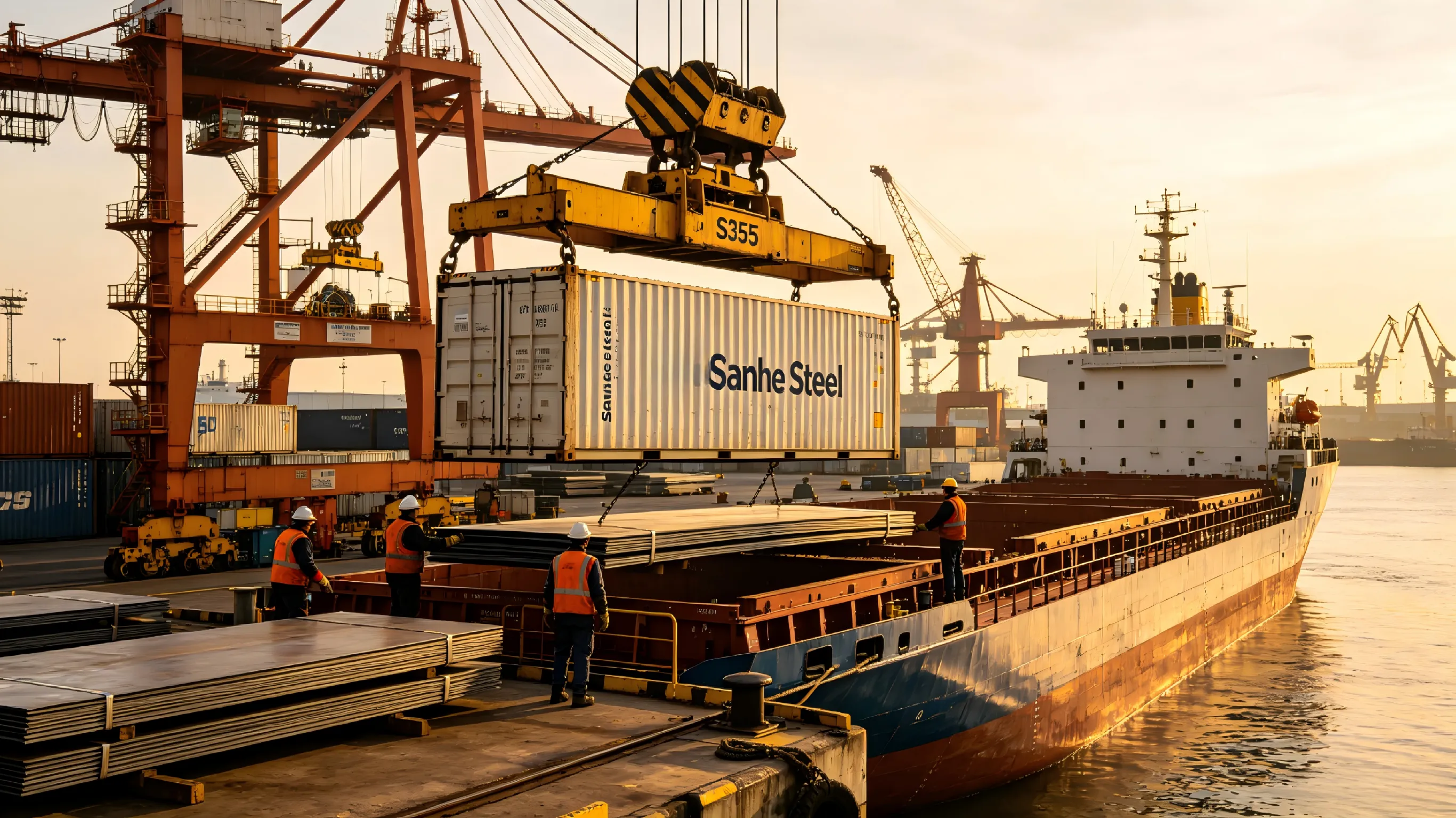
How Can Hot Rolled Steel Plate for Marine Offshore Use Improve Structural Safety and Service Life
Sanhe supplies Hot Rolled Steel Plate for Marine Offshore Use for demanding shipbuilding and offshore engineering projects, with thickness options from 6 mm to 80 mm and support for DNV, ABS, and LR classification requirements, subject to the applicable product documentation and project specifications.
Marine and offshore structures must withstand substantial loads, wave-induced movement, changing temperatures, humid conditions, and prolonged exposure to salt-laden air. Selecting the right steel plate is therefore essential for structural reliability, fabrication efficiency, and long-term maintenance planning. Hot rolled steel plate for marine offshore use offers a practical foundation for hull structures, decks, offshore platforms, support components, and other engineered applications. Buyers should evaluate steel grade, thickness, impact toughness, weldability, inspection requirements, and classification approvals before placing an order. Sanhe provides marine-oriented hot rolled steel plate with a stated thickness range of 6–80 mm and support for DNV, ABS, and LR classification requirements. Understanding these factors helps engineers and procurement teams specify suitable materials while balancing project safety, cost, and delivery requirements.
Table of Contents
- What Is Hot Rolled Steel Plate for Marine Offshore Use?
- Why Is Material Selection Important in Marine Environments?
- Key Performance Characteristics of Marine Steel Plate
- Major Shipbuilding and Offshore Applications
- Specifications and Purchasing Considerations
- Quality Control, Testing, and Classification Requirements
- How to Choose a Reliable Marine Steel Plate Supplier
- Frequently Asked Questions
- Conclusion: Make a Better Steel Procurement Decision
What Is Hot Rolled Steel Plate for Marine Offshore Use?
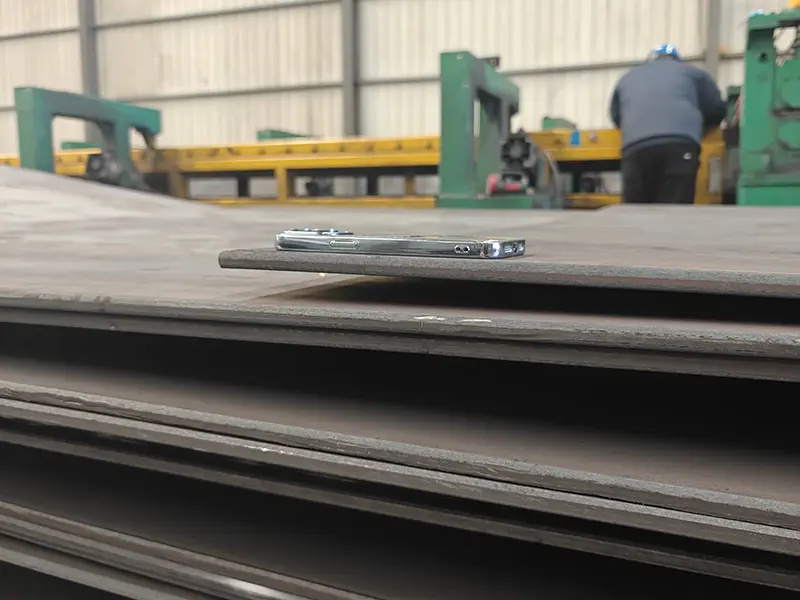
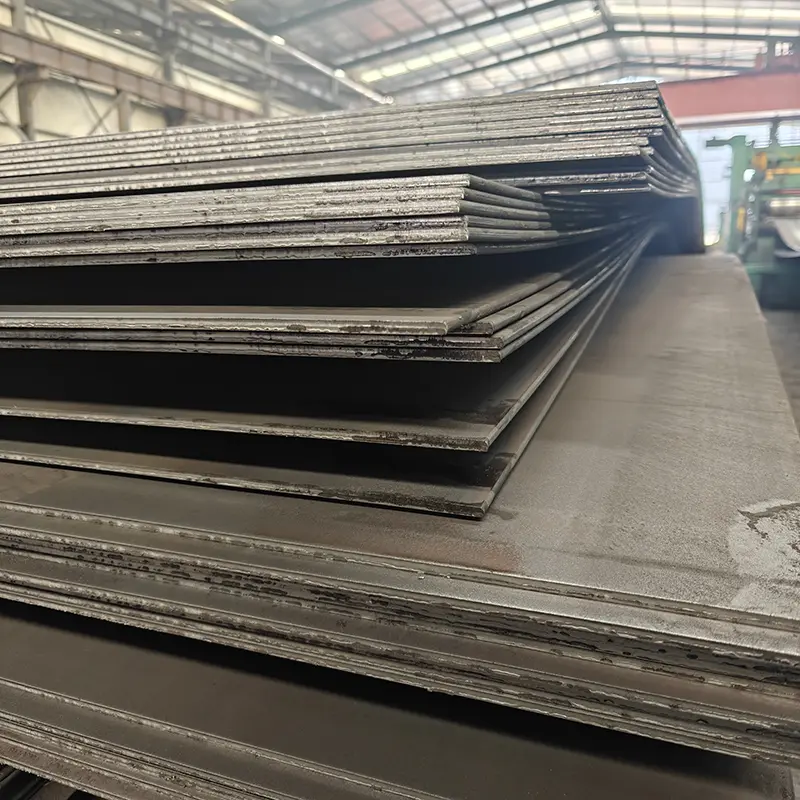
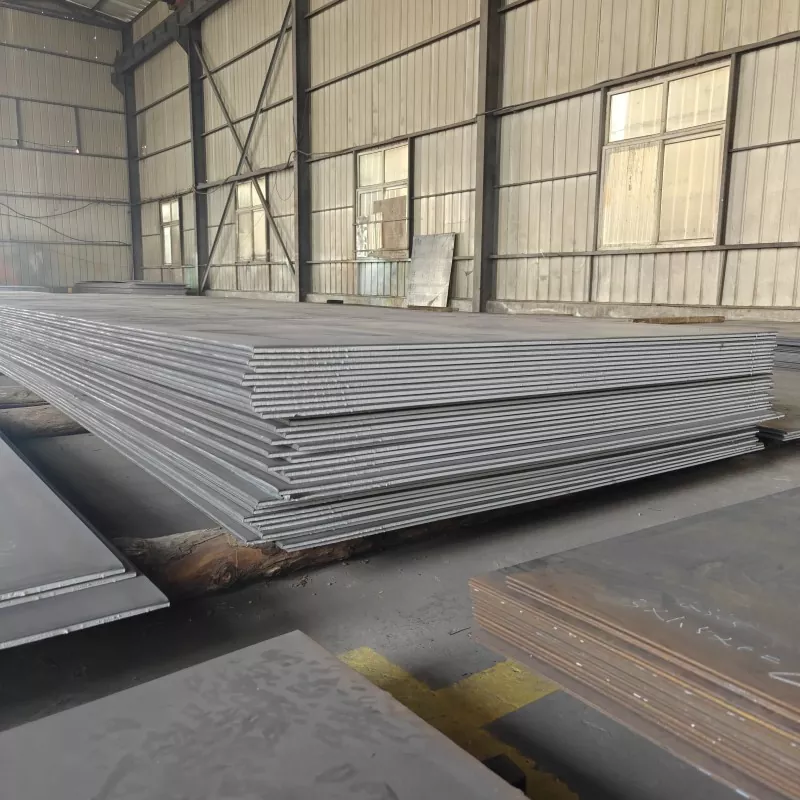
Hot rolled steel plate is produced by heating steel and passing it through rolling equipment at elevated temperatures. This manufacturing process makes it possible to produce plates in a broad range of thicknesses and dimensions for heavy structural fabrication.
When intended for marine and offshore applications, the plate must meet the mechanical, chemical, dimensional, and inspection requirements established for its intended service. Ordinary structural steel should not automatically be treated as an approved marine-grade material simply because its thickness and strength appear suitable.
Hot rolled steel plate for marine offshore use is commonly considered for:
- Ship hull structures and deck components.
- Offshore platform frames and supporting structures.
- Marine equipment foundations and structural reinforcements.
- Fabricated sections exposed to demanding operational loads.
- Selected coastal and offshore infrastructure components.
Material selection should begin with the approved engineering drawings, applicable construction standards, and service conditions. These documents determine whether conventional-strength steel or a higher-strength, impact-tested grade is appropriate.
For product-specific information, buyers can review Sanhe's hot rolled steel plate for marine offshore use.
Why Is Material Selection Important in Marine Environments?
Marine structures experience combinations of environmental and mechanical stresses that differ from those encountered in many land-based projects. Waves, wind, cyclic loading, vibration, temperature changes, and corrosive atmospheric conditions can affect the performance of structural materials over time.
1. Structural loads and fatigue
Ship hulls and offshore platforms experience repeated loading during operation. Steel grade, plate thickness, joint design, and welding quality must work together to provide the required strength and fatigue performance. Engineers should consider stress concentrations around openings, stiffeners, welded joints, and other structural transitions.
2. Corrosion exposure
Salt spray and seawater can accelerate corrosion when steel is not adequately protected. Hot rolled steel is not inherently immune to corrosion, so a suitable protection system is important. Depending on the structure, this may include marine coating systems, compatible primers, cathodic protection, drainage provisions, and scheduled inspections.
3. Temperature and impact requirements
Offshore structures may operate in cold climates or experience significant temperature variation. The specified grade and delivery condition should provide the required impact toughness at the design temperature. Where low-temperature performance is critical, the relevant impact test temperature and acceptance criteria must be confirmed before procurement.
In short, choosing steel based only on price or nominal thickness can create avoidable fabrication and service risks. The material must be suitable for the complete operating environment.
Key Performance Characteristics of Marine Steel Plate
When assessing marine structural steel, engineers should consider several properties together rather than treating any single characteristic as a guarantee of performance.
Strength and load-bearing capability
Yield strength and tensile strength influence how a plate responds to applied loads. A suitable grade helps the structure meet design requirements without unnecessary material weight. However, a higher-strength grade is not always the best choice; toughness, weldability, fatigue behavior, and fabrication procedures must also be considered.
Weldability and fabrication performance
Shipbuilding and offshore construction involve extensive cutting, forming, and welding. Chemical composition, carbon equivalent, plate thickness, heat input, and preheating requirements can affect weld quality. The approved welding procedure should be compatible with the supplied grade and actual production conditions.
Thickness consistency and dimensional accuracy
Reliable dimensions support accurate fit-up, assembly, and welding. Thickness tolerances, flatness, edge quality, and plate dimensions should match the fabrication drawings and relevant product standards. Appropriate incoming inspection helps prevent avoidable cutting waste and assembly delays.
Corrosion protection compatibility
Long-term performance depends on the combined effect of the steel substrate, surface preparation, coating system, environmental exposure, and maintenance program. Buyers should confirm whether the ordered plate requires a particular surface condition or additional processing before coating and fabrication.
Major Shipbuilding and Offshore Applications
Marine-grade hot rolled steel plate can support different structural functions depending on its approved grade, dimensions, and project requirements.
Ship hulls and decks
Hull plating and deck structures must transfer operational loads while accommodating repeated movement and vibration. Engineers select grades and thicknesses according to vessel design, structural location, loading conditions, and applicable classification rules.
Offshore oil and gas platforms
Offshore platforms use steel plates in selected load-bearing frames, equipment supports, access structures, and other fabricated components. Material traceability and compliance with the project's technical specifications are particularly important when components form part of a safety-critical structure.
Offshore wind infrastructure
Offshore wind projects require structural steel for selected foundations, transition structures, platforms, and supporting equipment. These components can experience cyclic loads and demanding environmental exposure, making grade selection, fatigue design, welding quality, and corrosion protection essential considerations.
Marine repair and refurbishment
Steel plate is also used to replace damaged sections, reinforce selected structures, and support scheduled vessel maintenance. Replacement material must be compatible with the original design or an approved repair specification. Dimensional accuracy and timely delivery can help reduce fabrication delays and vessel downtime.
Specifications and Purchasing Considerations
Before ordering hot rolled steel plate for marine offshore use, buyers should establish a clear specification that covers dimensions, grade, mechanical properties, certification, testing, and delivery conditions.
The following table summarizes the product information publicly stated by Sanhe and the principal items procurement teams should confirm.
| Parameter | Published Product Information | What Buyers Should Confirm |
|---|---|---|
| Product type | Hot rolled marine and offshore steel plate | Approved material designation and intended application |
| Thickness | 6–80 mm | Required nominal thickness and applicable tolerances |
| Classification approvals | DNV, ABS, and LR are stated for the product | Current certificates, approved grades, scope, and validity |
| Steel grade | Confirm against the project specification | Exact grade, standard, chemical composition, and strength |
| Mechanical properties | Subject to the specified grade and product standard | Yield strength, tensile strength, elongation, and impact toughness |
| Dimensions | Confirm with the supplier | Width, length, thickness tolerance, flatness, and cutting requirements |
| Inspection documents | Agree on documentation before ordering | Material test certificates, traceability, and any required third-party reports |
| Surface protection | Specify according to project requirements | Surface condition, preparation, coating compatibility, and corrosion protection |
Important: The published thickness range and references to classification societies do not establish that every grade, dimension, or batch automatically meets every marine standard. Request documentation for the exact product being purchased.
A practical purchasing checklist
- Identify the governing design code and classification society requirements.
- Specify the exact grade and product standard rather than requesting generic marine steel.
- Define impact toughness and test temperatures where required.
- Confirm plate dimensions, quantity, cutting tolerances, and delivery condition.
- State the requirements for material certificates, heat numbers, and traceability.
- Agree on non-destructive testing and third-party inspection before production.
- Clarify packaging, export documentation, delivery schedule, and acceptance criteria.
Quality Control, Testing, and Classification Requirements
Quality assurance for marine steel is not limited to checking the plate's appearance. The inspection plan should demonstrate that the supplied material conforms to the purchase order, approved drawings, and applicable technical standards.
Material and mechanical testing
Depending on the specified standard and grade, testing may include chemical composition analysis, tensile testing, elongation measurement, and impact testing. The required tests and acceptance limits should be established before production and recorded in the relevant inspection documentation.
Ultrasonic testing and internal quality
For plates or structural components subject to internal soundness requirements, ultrasonic testing may be specified to detect certain internal discontinuities. The inspection standard, coverage, acceptance level, and reporting requirements should be agreed in advance. Ultrasonic testing is not automatically required for every plate; the project specification determines its applicability.
Classification and traceability
Classification societies establish rules and approval procedures for relevant marine materials and structures. Buyers should verify that the certificate applies to the precise grade, thickness, manufacturing route, and production batch being supplied. Heat-number traceability helps connect delivered plates with their supporting inspection records.
For a marine project, a clear documentation package reduces uncertainty during incoming inspection, fabrication approval, and final project review.
How to Choose a Reliable Marine Steel Plate Supplier
Supplier selection should balance technical compliance, supply reliability, processing capability, and communication. A low quotation may not represent the best overall value if the material lacks the documentation or properties required by the project.
Evaluate technical responsiveness
A qualified supplier should be able to review the requested grade, dimensions, standard, certification requirements, and inspection scope. Clear answers at the quotation stage can prevent costly misunderstandings later.
Review processing and delivery capabilities
Cut-to-size processing can reduce material waste and simplify workshop operations when the service is compatible with the approved fabrication plan. Confirm available dimensions, cutting tolerances, edge requirements, packaging, and delivery timing before placing the order.
Verify documents before shipment
Request relevant certificates and inspection records for review. If the project requires third-party inspection or approval by a classification society, establish the inspection hold points and document submission schedule in the purchase order.
Sanhe's published product information identifies a 6–80 mm thickness range and references DNV, ABS, and LR classification approvals for its marine offshore plate offering. Buyers can use the product page to initiate a technical inquiry and confirm the current supply scope.
Frequently Asked Questions
1. What is hot rolled steel plate for marine offshore use?
It is steel plate intended for marine or offshore structural applications and specified to meet the relevant material, mechanical, inspection, and classification requirements. Suitability depends on the exact grade, dimensions, service conditions, and governing project standard.
2. What thicknesses are available from Sanhe?
Sanhe's published product information states a thickness range of 6–80 mm. Confirm the required dimensions, available grades, tolerances, and production schedule directly with the supplier before ordering.
3. Does marine steel plate need corrosion protection?
In most exposed marine applications, an appropriate corrosion protection strategy is necessary. Depending on the design, this may involve protective coatings, surface preparation, cathodic protection, and planned inspection and maintenance. The required system should be selected for the actual exposure conditions.
4. What do DNV, ABS, and LR approvals mean?
DNV, ABS, and Lloyd's Register are classification organizations associated with marine and offshore safety and technical requirements. Buyers should verify the current certificate, approved product scope, grade, thickness, and batch documentation rather than relying solely on a general reference to an organization.
5. What documents should buyers request?
Depending on the contract, buyers may need a material test certificate, chemical and mechanical test results, heat-number traceability, dimensional inspection records, applicable classification certificates, and third-party inspection reports. The required document list should be agreed upon before production.
6. How should buyers select the right steel grade?
Start with the engineering specification and identify the required strength, impact toughness, operating temperature, weldability, thickness, and applicable standard. Have the design engineer or responsible technical authority approve any proposed material substitution before procurement.
Conclusion: Make a Better Steel Procurement Decision
Hot rolled steel plate for marine offshore use is an important material option for shipbuilding, offshore platforms, and demanding marine structures. Successful procurement requires more than selecting a thickness: buyers must verify the steel grade, mechanical properties, welding requirements, corrosion protection strategy, dimensional tolerances, and documentation needed for the project.
Sanhe offers marine offshore steel plate with a published thickness range of 6–80 mm and stated support for DNV, ABS, and LR classification requirements. By confirming the precise product scope, certification status, inspection plan, and delivery conditions before ordering, project teams can make better-informed purchasing decisions and reduce avoidable material risks.
Planning a shipbuilding, offshore platform, or marine infrastructure project? Contact Sanhe to discuss your required steel grade, plate dimensions, classification documentation, inspection needs, and delivery schedule. Visit the product page and contact us for a quotation and product-specific technical information tailored to your project requirements.
Related News
- How Can Wear Resistant Hot Rolled Heavy Steel Plate Structural Solutions Improve Durability in Demanding Projects
- Why Is High Strength S235JR Medium and Heavy Plate a Smart Choice for Structural Engineering Projects
- How Can Galvanized Floor Diamond Plate Improve Safety, Durability, and Long-Term Project Performance
- Why Is Hot Rolled Checkered Steel Plate for Platforms a Smart Choice for Safe and Durable Industrial Flooring
- What Makes SGCC Hot Dip Galvanized Steel Sheet a Reliable Choice for Corrosion-Resistant Industrial Applications
- How Can Wear Resistant Hot Rolled Heavy Steel Plate Structural Improve Service Life in Demanding Industrial Applications
Leave me a message