News

Why Is High Strength S235JR Medium and Heavy Plate a Smart Choice for Structural Engineering Projects

2026-10-10 0 Leave me a message

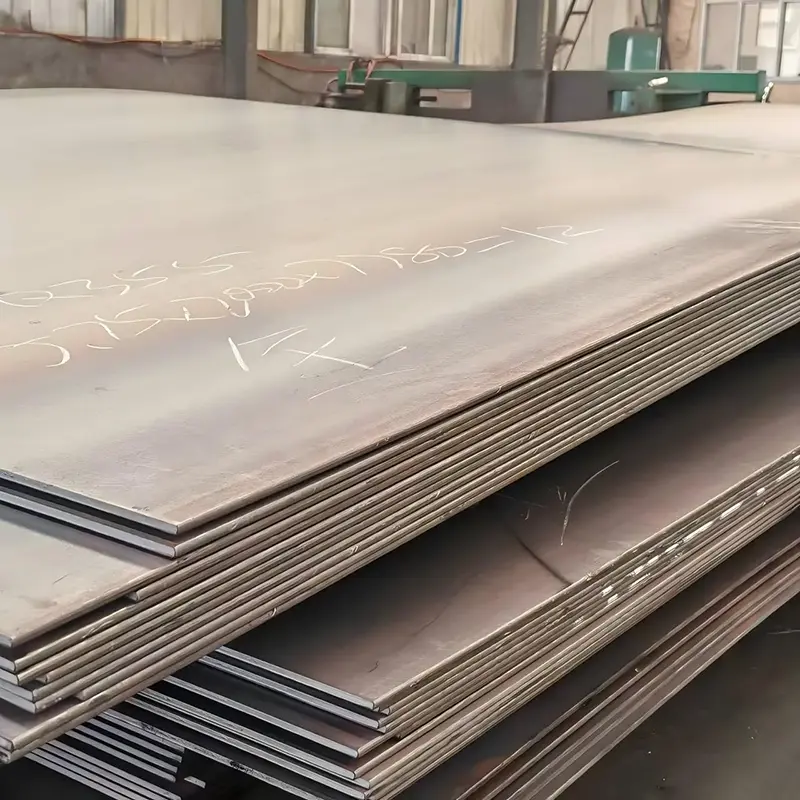
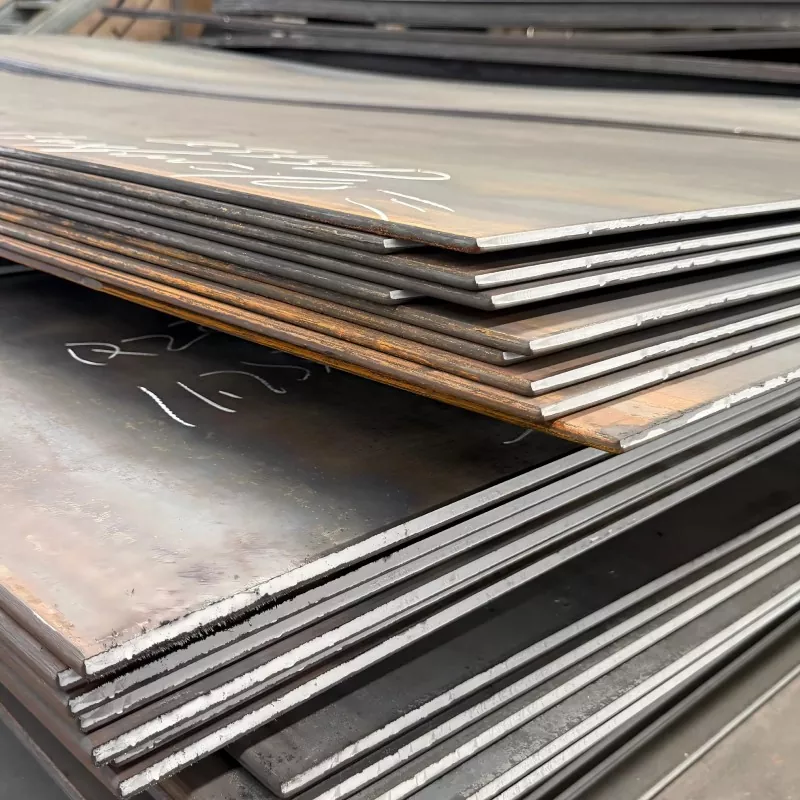
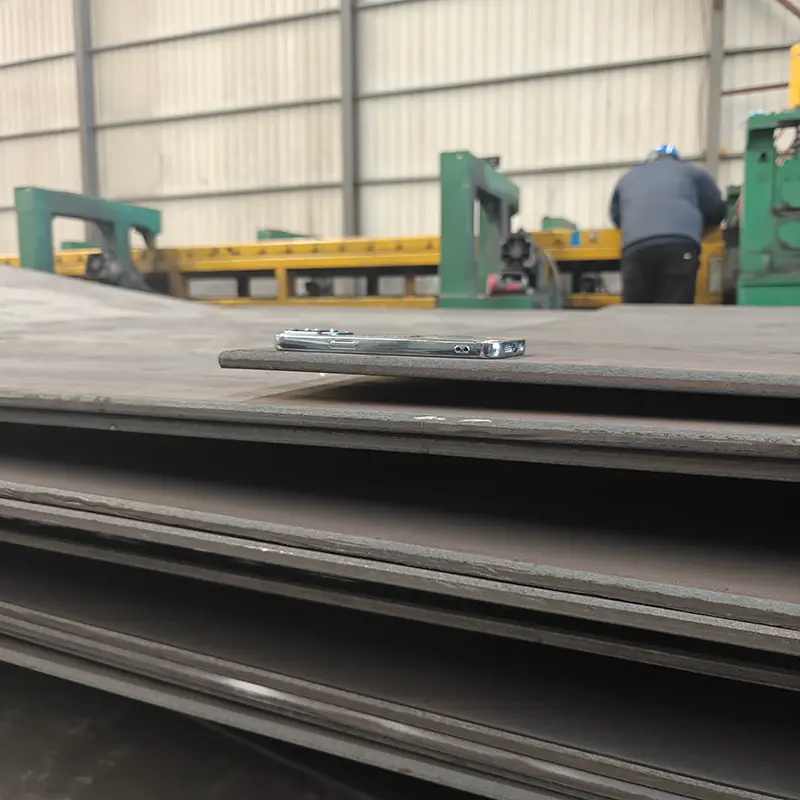
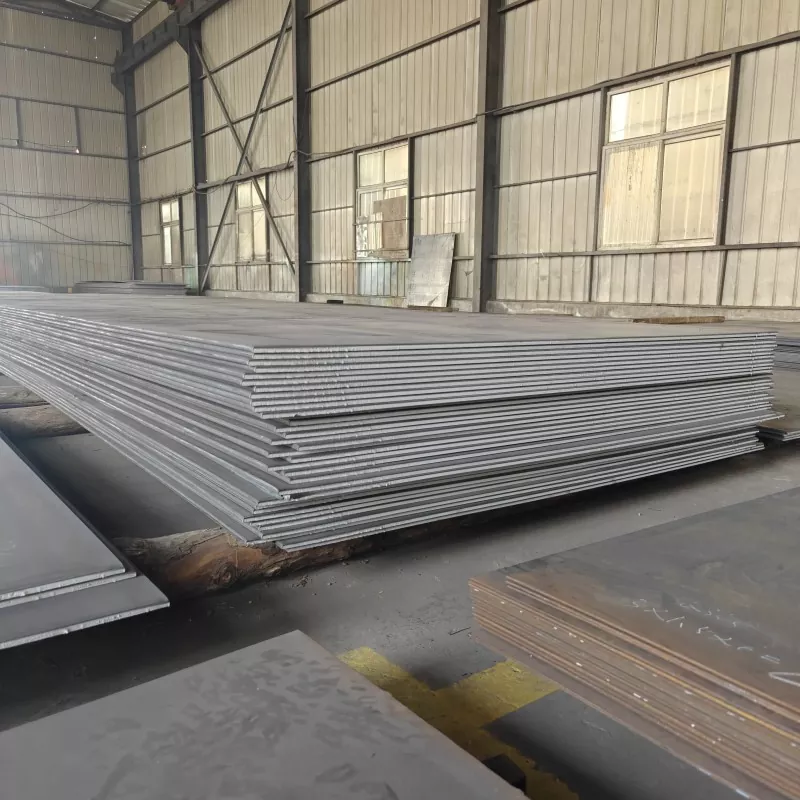
Sanhe supplies High Strength S235JR Medium and Heavy Plate for construction, machinery manufacturing, and industrial steel fabrication. Combining dependable structural performance with practical weldability and flexible processing options, S235JR steel plate is a versatile solution for projects requiring reliable load-bearing components and efficient fabrication.

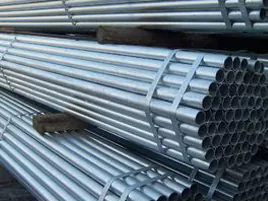
High Strength S235JR Medium and Heavy Plate is a European structural steel product commonly used in fabricated components, machinery bases, industrial equipment, and building structures. Specified under EN 10025-2, S235JR offers a minimum yield strength of approximately 235 MPa for applicable thickness ranges and a balance of strength, ductility, and weldability. Its practical processing characteristics make it suitable for cutting, drilling, bending, and welding when the correct procedures are followed. This guide explains its key properties, application scenarios, thickness selection, fabrication considerations, and purchasing requirements to help engineers, fabricators, and procurement teams make informed material decisions.

High Strength S235JR Medium and Heavy Plate

Table of Contents

  1. What Is High Strength S235JR Medium and Heavy Plate?
  2. What Are Its Key Mechanical Properties?
  3. Why Choose S235JR Steel Plate?
  4. Where Is S235JR Medium and Heavy Plate Used?
  5. How Should You Select the Right Plate Thickness?
  6. What Fabrication Factors Should You Consider?
  7. How Does S235JR Compare with Other Structural Steel Grades?
  8. What Should Buyers Check Before Ordering?
  9. Frequently Asked Questions
  10. Get a Customized Steel Plate Solution

What Is High Strength S235JR Medium and Heavy Plate?

S235JR is a non-alloy structural steel grade specified in the European standard EN 10025-2. It is widely used in general structural fabrication because it offers a practical combination of strength, ductility, and manufacturing flexibility.

The designation provides useful information about the material. The letter "S" indicates structural steel, while "235" refers to the nominal minimum yield strength of 235 MPa for thinner product ranges under the applicable standard. The "JR" designation identifies a specified Charpy impact energy requirement of 27 J at +20°C.

High Strength S235JR Medium and Heavy Plate is suitable for fabricators that require substantial steel sections for load-bearing structures and industrial components. Its actual mechanical properties depend on product thickness, delivery condition, and the applicable specification, so buyers should verify the relevant standard and mill documentation before production.

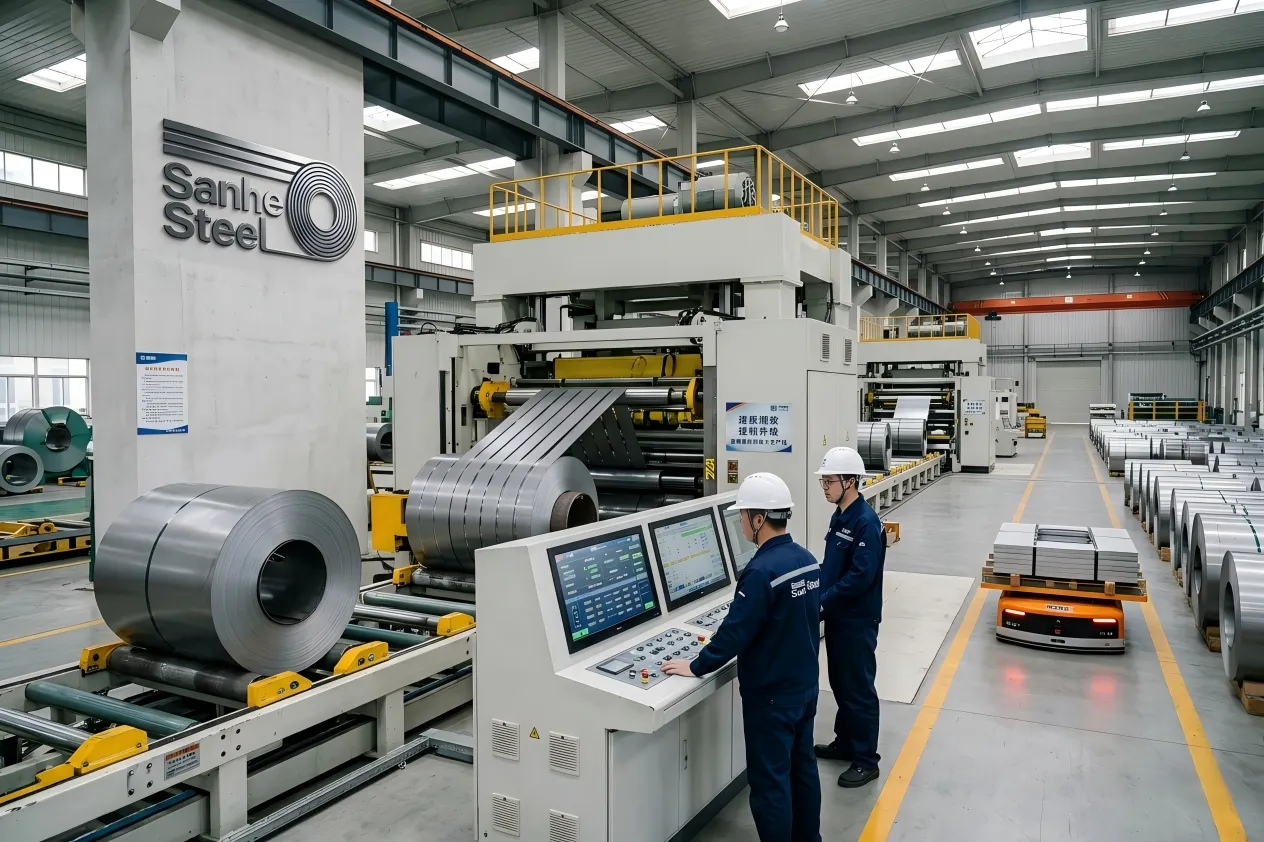
Sanhe provides medium and heavy plate with standard and customized dimensions, including cutting services according to order requirements. For additional material options, buyers can explore the medium and heavy steel plate range.


What Are Its Key Mechanical Properties?

Material properties determine whether a steel plate can satisfy structural calculations, fabrication requirements, and project-specific acceptance criteria. S235JR is commonly selected for general engineering applications where dependable strength and conventional processing characteristics are important.

Property Typical or Specified Value Engineering Significance
Steel grade S235JR Identifies a European structural steel grade
Applicable standard EN 10025-2 Defines relevant technical delivery requirements
Minimum yield strength Approximately 235 MPa for thicknesses up to 16 mm Supports structural design and load calculations
Tensile strength Typically 360–510 MPa Indicates resistance to tensile loading before fracture
Impact toughness designation JR: 27 J at +20°C Provides a specified impact-test requirement
Fabrication suitability Generally suitable for conventional cutting, forming, and welding Supports efficient manufacturing workflows

Important: The values above are general reference figures, not a substitute for a product-specific material certificate. Minimum yield strength requirements vary with thickness. Confirm the applicable edition of EN 10025-2, the ordered dimensions, and the manufacturer's test documentation before using these figures in engineering calculations.


Why Choose S235JR Steel Plate?

1. Reliable Structural Performance

S235JR offers a practical strength level for many conventional load-bearing components. It is often selected for fabricated frames, support plates, brackets, stiffeners, and other parts where engineers need predictable material behavior without specifying a higher-strength grade unnecessarily.

2. Practical Weldability

Its composition and structural-steel characteristics generally support conventional welding processes. Suitable procedures, joint preparation, consumable selection, and inspection remain essential, especially for thick sections, restrained joints, and safety-critical assemblies.

3. Flexible Cutting and Processing

Medium and heavy plate can be processed into components that match project drawings. Depending on thickness and the required tolerance, common operations include plasma cutting, oxy-fuel cutting, drilling, shearing, machining, and forming.

4. Efficient Material Utilization

Ordering plate in appropriate dimensions can reduce unnecessary offcuts and simplify downstream fabrication. Cut-to-size supply is particularly useful when a project requires repeated base plates, connection components, or custom-shaped structural parts.

5. Flexible Procurement Options

Sanhe supports standard and customized plate dimensions according to order requirements. Buyers can discuss cutting specifications, surface condition, documentation, inspection arrangements, and shipment terms before confirming a purchase.
Where Is S235JR Medium and Heavy Plate Used?

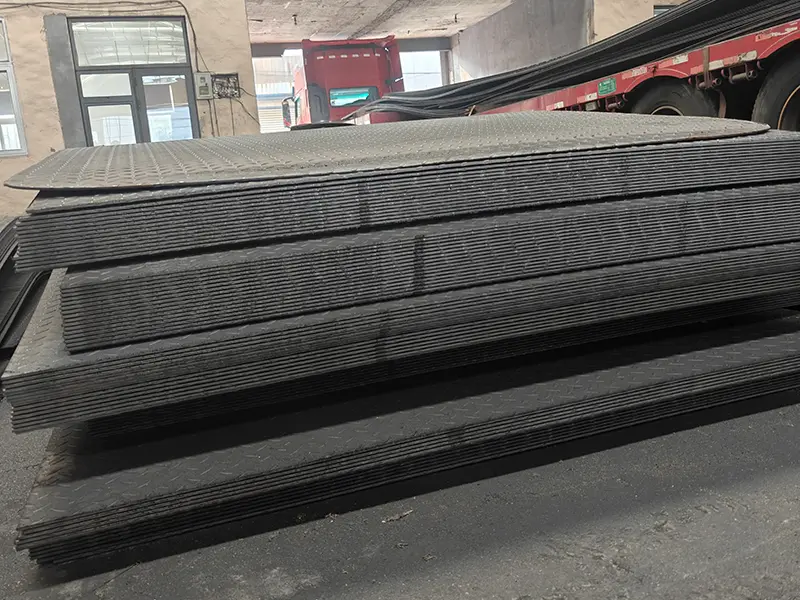
Because of its combination of strength and processability, S235JR is used across a range of structural and industrial manufacturing sectors. Final suitability depends on design calculations, operating conditions, and the applicable project standards.

Construction and Structural Engineering

  • Steel building components and structural connections.
  • Base plates, gussets, stiffeners, and support brackets.
  • Industrial platforms, frames, and general fabricated structures.

Machinery and Equipment Manufacturing

  • Machine bases and welded equipment frames.
  • Support structures for hydraulic and mechanical equipment.
  • Fabricated housings, mounting plates, and reinforcement components.

Industrial Fabrication

  • Hopper walls and ductwork components.
  • General-purpose welded assemblies.
  • Custom structural parts produced from engineering drawings.

Storage and Material Handling

S235JR may be considered for selected tank structures, handling equipment, and support systems when the design code permits the grade. For tanks, pressure-containing equipment, or other regulated applications, the specified design standard and material approval requirements must take precedence over a general grade recommendation.


How Should You Select the Right Plate Thickness?

Plate thickness affects load capacity, stiffness, total component weight, fabrication cost, and transportation requirements. Selecting the thickest available plate is not necessarily the best solution. The correct dimension must follow engineering calculations and the conditions under which the finished component will operate.

Project Requirement Selection Consideration Information to Confirm
General structural fabrication Balance strength, stiffness, and ease of fabrication Design loads and connection details
Equipment frames Consider vibration, deflection, and support spacing Operating loads and fatigue conditions
Base plates Evaluate load distribution and local stresses Anchor layout and foundation interface
Heavy welded assemblies Account for joint design and fabrication sequence Welding procedure and dimensional tolerances
Custom-cut components Optimize plate nesting and material utilization Detailed drawings and cutting tolerances

Before placing an order, provide the supplier with the required grade, thickness, width, length, quantity, and any special processing instructions. When project loads exceed the intended capacity of S235JR, an engineer should assess whether a higher-strength grade, such as S355JR, is more appropriate.


What Fabrication Factors Should You Consider?

Correct fabrication helps preserve dimensional accuracy and the intended performance of the finished steel component. A suitable manufacturing plan should address the following factors.

Cutting and Edge Quality

Flame, plasma, or laser cutting may be appropriate depending on the plate thickness, geometry, available equipment, and required edge quality. Cutting parameters should be selected to minimize excessive dross, dimensional variation, and unwanted heat effects. Edges requiring welding or precision assembly may need additional preparation.

Bending and Forming

Bending feasibility depends on thickness, material condition, bend direction relative to the rolling direction, tooling, and the required radius. Avoid relying on a universal minimum bending radius for every plate. Confirm the material specification and test the proposed procedure when the application demands tight tolerances or severe forming.

Welding and Joint Preparation

Clean joint surfaces, suitable consumables, correct welding parameters, and appropriate inspection procedures are important for dependable joints. Thick sections and highly restrained connections may require additional process controls. Follow the approved welding procedure for the specific project.

Dimensional and Surface Inspection

Before fabrication or installation, verify plate thickness, width, length, flatness, edge condition, and surface quality against the purchase specification. For demanding projects, define inspection methods and acceptance criteria before manufacturing begins.


How Does S235JR Compare with Other Structural Steel Grades?

Different structural steel grades serve different engineering needs. S235JR is a common choice for general structures, while higher-strength alternatives may be appropriate when load capacity, weight reduction, or other project requirements justify their use.

Steel Grade Common Standard General Strength Level Typical Selection Consideration
S235JR EN 10025-2 235 MPa minimum yield strength for applicable thinner sections General structural fabrication and conventional load-bearing components
S275JR EN 10025-2 275 MPa minimum yield strength for applicable thinner sections Applications requiring a higher specified yield strength
S355JR EN 10025-2 355 MPa minimum yield strength for applicable thinner sections Higher-strength structural applications where design permits

These figures are grade-level reference values for thinner products; the required minimum yield strength and other properties can change with thickness and delivery conditions. The JR impact designation is also not interchangeable with the requirements of other toughness grades. Consult the relevant standard and project specification when comparing alternatives.

For projects requiring a higher strength level, review Sanhe's S355 Medium Heavy Plate as a possible alternative. Grade substitution should be approved by the responsible engineer and verified against applicable design requirements.


What Should Buyers Check Before Ordering?

Choosing a suitable steel plate supplier involves more than comparing the price per ton. Clear specifications and documentation help reduce procurement risk and prevent misunderstandings during fabrication and delivery.

Use the following checklist when requesting a quotation for High Strength S235JR Medium and Heavy Plate:

  • Material grade and standard: State S235JR and the applicable EN 10025-2 requirements.
  • Dimensions: Specify thickness, width, length, quantity, and dimensional tolerances.
  • Mechanical properties: Identify project-specific requirements and the relevant acceptance criteria.
  • Inspection documents: Confirm whether a mill test certificate, such as EN 10204 Type 3.1 documentation, is required and available for the ordered material.
  • Processing services: Clarify cutting, leveling, edge preparation, or other requested operations.
  • Surface condition: Specify acceptable surface quality and any required coating or corrosion-protection treatment.
  • Inspection arrangements: Agree on inspection scope, sampling, and third-party verification before production or shipment.
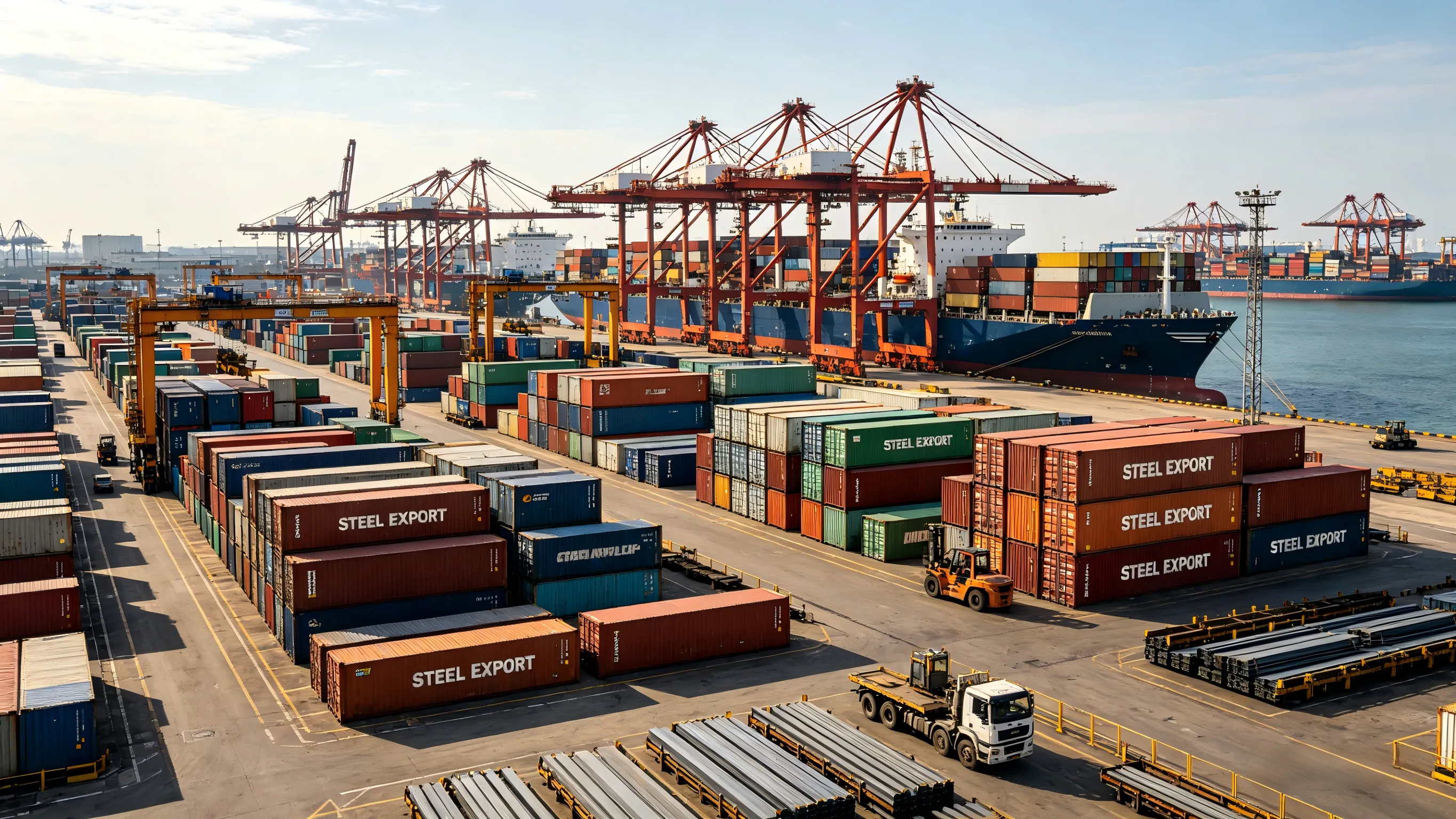
  • Packaging and logistics: Confirm stacking protection, cargo securing, shipping terms, delivery schedule, and required export documents.

Sanhe offers plate supply and processing options for buyers who need standard stock dimensions or customized sizes. For more information about its broader product portfolio, visit the steel plate product range.


Frequently Asked Questions

1. What is High Strength S235JR Medium and Heavy Plate used for?

It is commonly used in structural steel fabrication, machinery frames, equipment bases, support plates, brackets, stiffeners, and other general industrial components. The specific application must meet the relevant design and material requirements.

2. What is the minimum yield strength of S235JR steel plate?

The minimum yield strength is approximately 235 MPa for product thicknesses up to 16 mm under the applicable EN 10025-2 requirements. The specified minimum decreases for some thicker sections, so the ordered thickness and standard must be checked.

3. Is S235JR suitable for welding?

Yes. S235JR is generally suitable for conventional structural welding. The appropriate welding procedure depends on thickness, joint design, restraint, service conditions, and the applicable fabrication code.

4. Can Sanhe supply customized plate dimensions?

Sanhe can discuss standard and customized plate dimensions, including cut-to-size processing, according to project requirements and order confirmation. Buyers should provide drawings, dimensional tolerances, quantities, and processing details when requesting a quotation.

5. Can material test certificates and third-party inspections be arranged?

Material test documentation and third-party inspection arrangements can be discussed according to the order requirements. Confirm the required certificate type, inspection agency, test scope, and acceptance criteria before placing the order.

6. How should I choose between S235JR and S355JR?

S235JR is commonly used for general structural applications, whereas S355JR provides a higher specified yield strength for applicable thickness ranges. The best option depends on design loads, member dimensions, toughness requirements, fabrication procedures, and total project cost. Any grade substitution should be approved by the responsible engineer.


Get a Customized Steel Plate Solution from Sanhe

Selecting the right structural steel plate can improve fabrication efficiency, support reliable project performance, and help control material costs. Sanhe supplies High Strength S235JR Medium and Heavy Plate with standard and customized sizing options for construction, machinery manufacturing, and industrial fabrication. Whether you need a quotation for bulk plate orders, cut-to-size components, material documentation, or shipment planning, our team can discuss your specifications and project requirements. Visit the High Strength S235JR Medium and Heavy Plate product page for more information, or contact us today to request a quotation and identify a suitable steel plate solution for your next project.

Related News
Leave me a message
X
We use cookies to offer you a better browsing experience, analyze site traffic and personalize content. By using this site, you agree to our use of cookies. Privacy Policy
RejectAccept