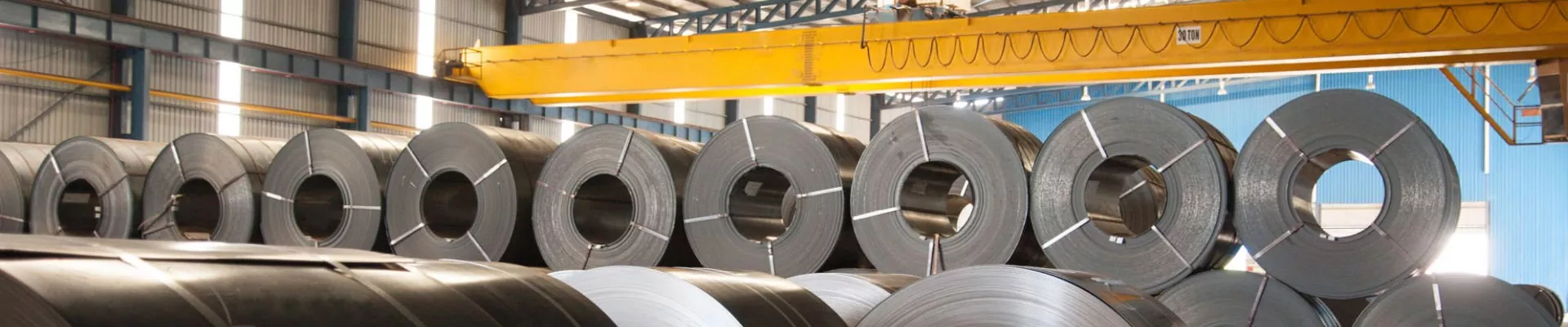
How Can Wear Resistant Hot Rolled Heavy Steel Plate Structural Improve Service Life in Demanding Industrial Applications
Article Summary: Sanhe Steel supplies Wear Resistant Hot Rolled Heavy Steel Plate Structural for applications where abrasion, impact, and heavy mechanical loads can accelerate steel deterioration. With typical thicknesses of 6–50 mm, hardness options such as NM360 and NM400, and cutting services including plasma, flame, and water-jet processing, the material can be selected and fabricated according to actual operating conditions.
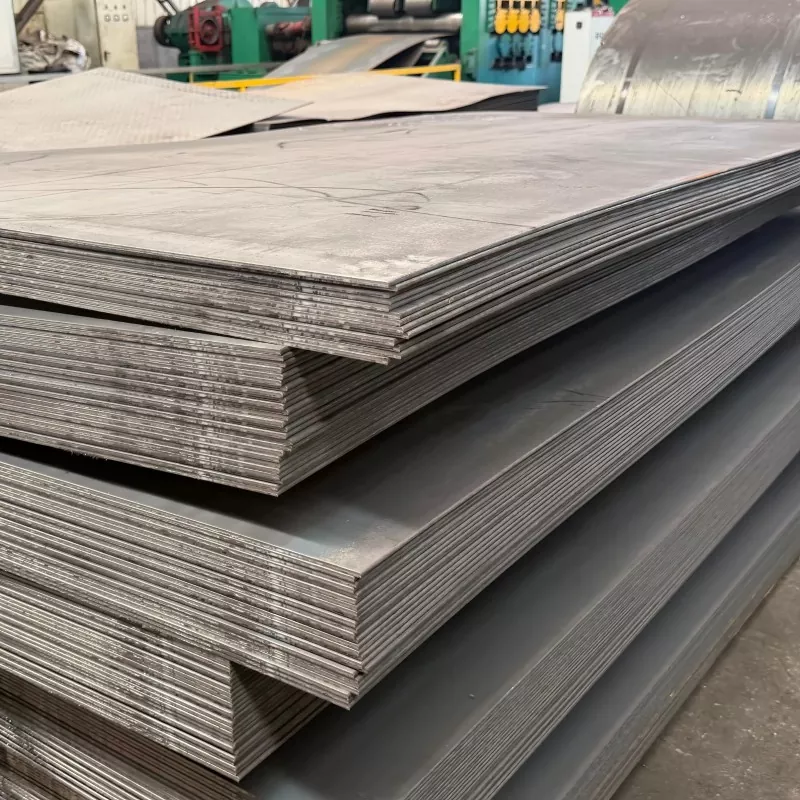
Table of Contents
Why Does Wear Resistance Matter in Heavy Steel Structures?
How Does Wear Resistant Hot Rolled Steel Work?
What Specifications Should Buyers Evaluate?
Where Is Wear-Resistant Heavy Plate Commonly Used?
How Should the Right Hardness Grade Be Selected?
What Should Be Considered During Cutting, Welding, and Forming?
What Can a Mining Equipment Application Demonstrate?
How Can You Source the Right Wear-Resistant Plate?
Why Does Wear Resistance Matter in Heavy Steel Structures?
In mining, aggregate processing, cement production, recycling, construction equipment, and bulk material handling, steel components can experience continuous contact with abrasive materials. Sand, gravel, ore, coal, and other hard particles can gradually remove material from the working surface. When this wear becomes excessive, equipment may require unplanned maintenance, replacement parts, or production downtime.
That is where wear-resistant steel becomes an important engineering choice. Instead of simply increasing the thickness of conventional structural steel, engineers can select a plate with a higher hardness level designed to slow material loss under defined operating conditions.
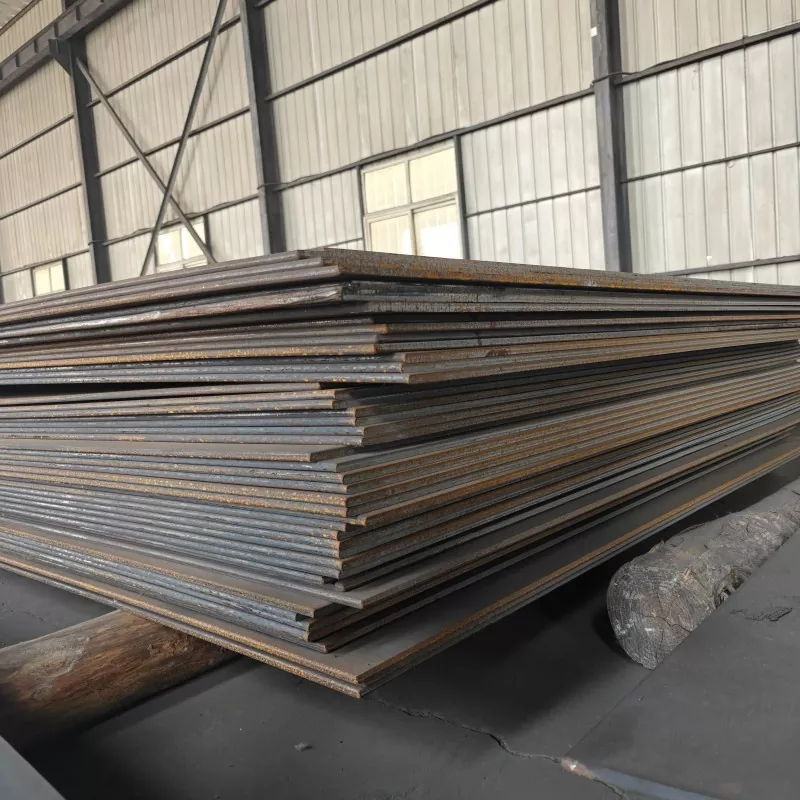
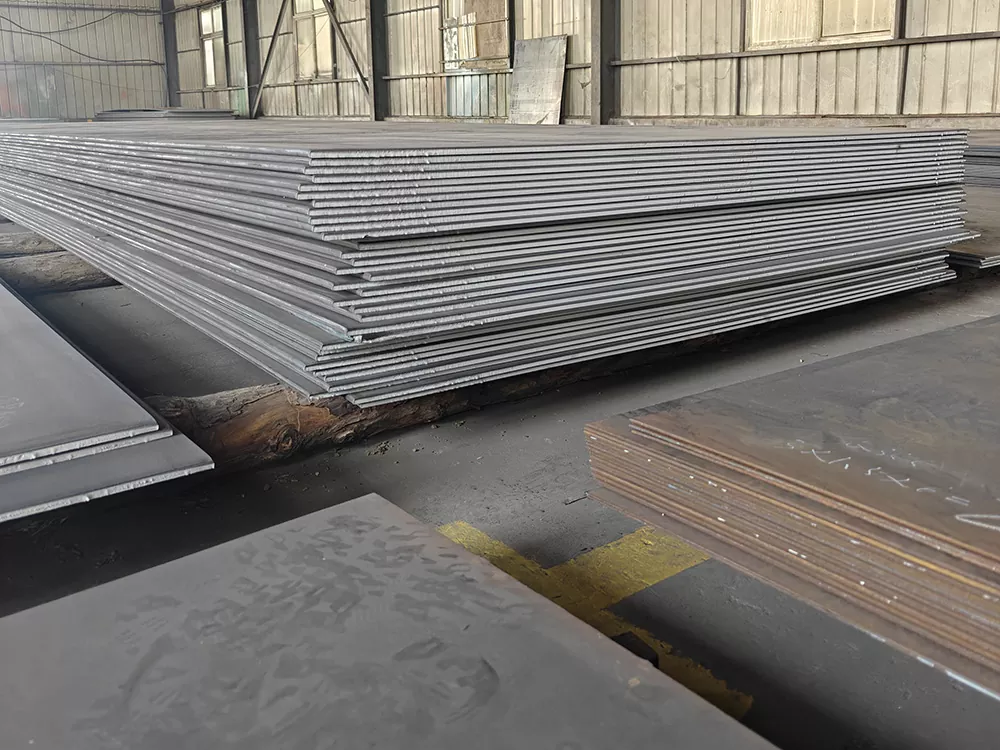
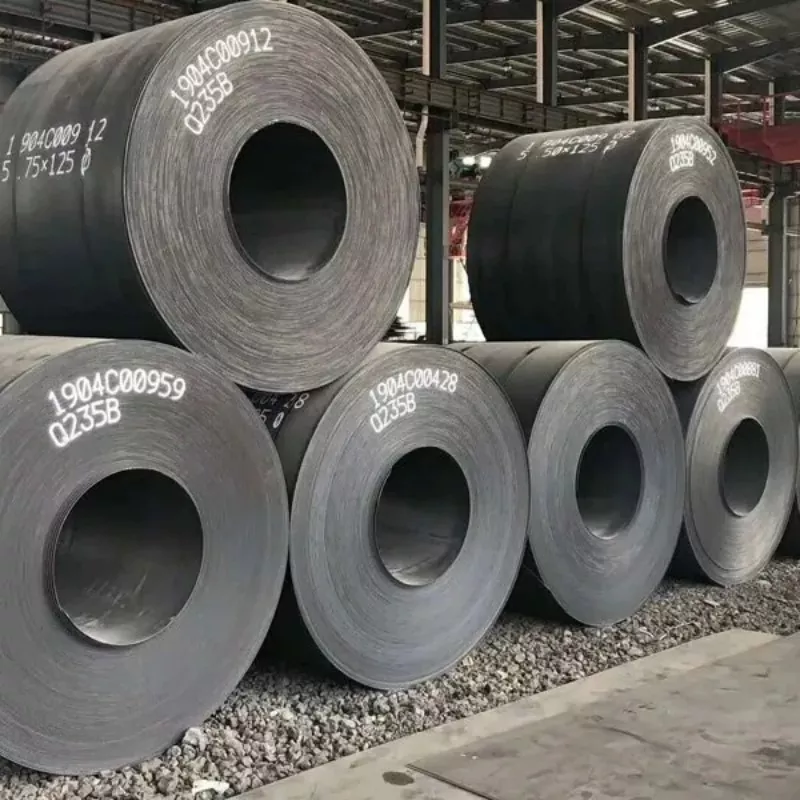
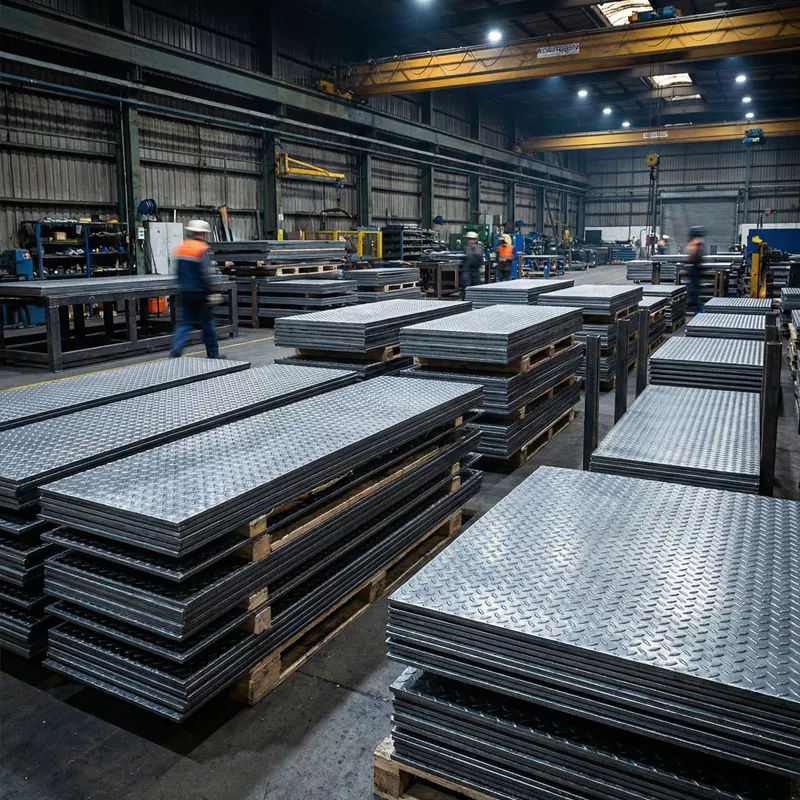
Wear Resistant Hot Rolled Heavy Steel Plate Structural combines the advantages of hot-rolled heavy plate with a wear-resistant steel composition and hardness profile. Depending on the selected grade, hardness can reach approximately 400–500 HBW, making the material suitable for components exposed to repeated abrasion and impact.
- Reduces the rate of surface material loss
- Supports longer replacement intervals
- Provides a practical balance of hardness and toughness
- Suitable for heavy-duty industrial equipment
- Can be cut and processed according to fabrication drawings
How Does Wear Resistant Hot Rolled Steel Work?
The performance of wear-resistant plate is not based on hardness alone. In real industrial conditions, the material must withstand the specific combination of sliding abrasion, impact, mechanical stress, and fabrication requirements.
Hardness Resists Abrasive Contact
Hardness is one of the most important indicators when steel is exposed to repeated scratching, gouging, and sliding contact. A harder working surface can reduce the speed at which abrasive particles remove steel.
Toughness Helps Handle Impact
Extreme hardness without sufficient toughness can create fabrication and service challenges. Heavy equipment may receive sudden impacts from falling rocks, aggregate, or other materials. A suitable wear-resistant grade therefore needs to maintain sufficient toughness while providing the required abrasion resistance.
Material Selection Determines Actual Performance
For example, NM360 typically has a hardness range of 360–400 HBW, while NM400 is commonly specified at 400–450 HBW. The appropriate choice depends on the application rather than simply selecting the highest hardness available.
What Specifications Should Buyers Evaluate?
When purchasing heavy wear-resistant steel plate, buyers should evaluate more than the nominal product name. Thickness, hardness, width, length, mechanical properties, applicable standards, and processing requirements can all influence whether the plate is suitable for a particular project.
| Parameter | Typical Specification | Why It Matters |
|---|---|---|
| Grade | NM360 / NM400 | Determines hardness and application suitability |
| Standard | GB/T 24186 | Provides a reference for wear-resistant structural steel requirements |
| Hardness | NM360: 360–400 HBW; NM400: 400–450 HBW | Indicates resistance to abrasive surface damage |
| Yield Strength | NM360 ≥750 MPa; NM400 ≥900 MPa, typical | Supports structural load-bearing performance |
| Tensile Strength | NM360 ≥1,100 MPa; NM400 ≥1,200 MPa, typical | Indicates resistance to tensile loading |
| Thickness | 6–50 mm, typical | Allows selection based on structural and wear requirements |
| Width | 1,500–2,500 mm | Influences material utilization and fabrication efficiency |
| Length | 6,000 / 12,000 mm or cut to size | Supports different fabrication layouts |
| Cutting | Plasma / flame / water-jet | Enables customized plate processing |
Actual mechanical properties and dimensional tolerances should always be confirmed against the specific grade, standard, purchase specification, and inspection requirements of the project.
Where Is Wear-Resistant Heavy Plate Commonly Used?
The combination of hardness, strength, and toughness makes wear-resistant heavy plate useful in equipment where ordinary steel can suffer accelerated surface deterioration.
- Mining equipment: chute liners, hoppers, buckets, and material-transfer components
- Crushing equipment: crusher liners and screen components exposed to repeated impact
- Construction machinery: loader buckets, excavator wear parts, and shovels
- Transportation: dump truck and trailer body liners carrying abrasive materials
- Conveying systems: conveyor skirt boards and impact beds
- Industrial plants: cement, aggregate, recycling, and bulk-material handling equipment
The ideal grade varies according to whether the dominant wear mechanism is sliding abrasion, impact abrasion, or a combination of both.
How Should the Right Hardness Grade Be Selected?
AR400, AR450, and AR500 are widely recognized wear-resistant steel designations in international markets. Generally, the numerical designation relates to the nominal hardness level, with higher numbers indicating higher hardness.
However, higher hardness does not automatically mean better overall performance. A component exposed to severe impact may require a better balance between hardness and toughness, while a component exposed primarily to sliding abrasion may benefit from a harder grade.
| Working Condition | Important Consideration | Typical Selection Direction |
|---|---|---|
| Light to moderate abrasion | Cost and general durability | Moderate hardness grade |
| Heavy sliding abrasion | Surface hardness and wear rate | Higher wear resistance may be preferred |
| Severe impact | Toughness and crack resistance | Balance hardness with impact performance |
| High fabrication requirements | Cutting, bending, and welding | Consider grade-specific processing requirements |
Before ordering, buyers should provide the supplier with information about the abrasive material, impact intensity, operating temperature, expected service hours, current plate grade, thickness, and fabrication process.
What Should Be Considered During Cutting, Welding, and Forming?
Wear-resistant plate can be processed for customized applications, but its higher hardness means that fabrication should be planned according to the selected grade and thickness.
Cutting
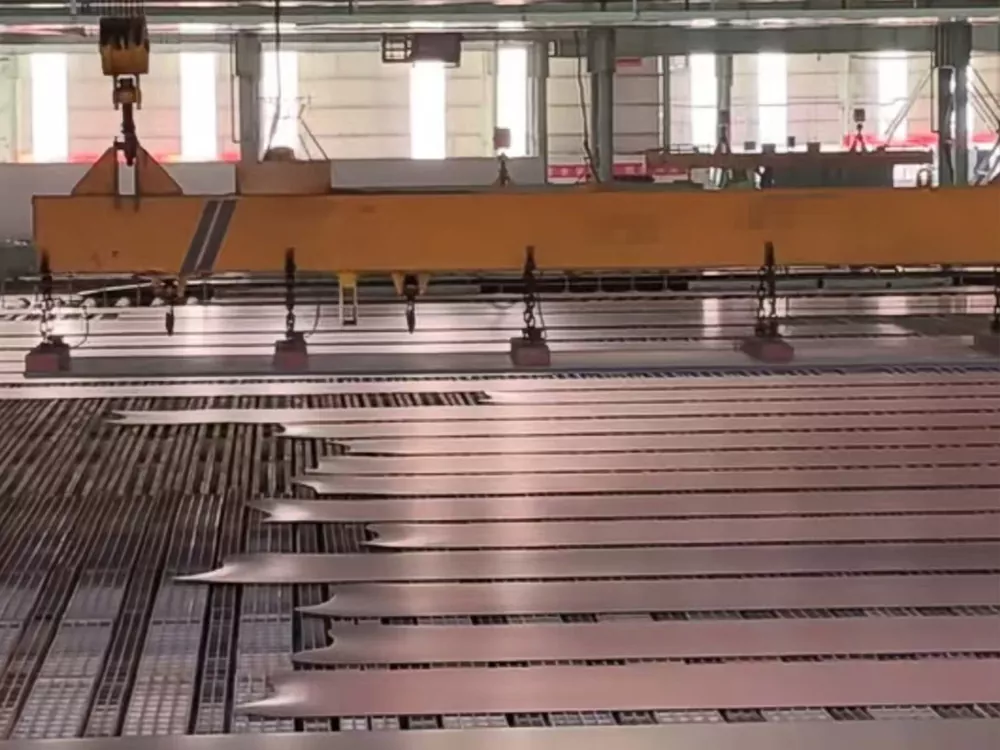
Plasma, flame, and water-jet cutting can be used according to the material specification and required geometry. CNC cutting to drawings can help manufacturers reduce secondary workshop processing and improve dimensional consistency.
Welding
Welding procedures should account for the steel grade, plate thickness, carbon equivalent, joint design, preheating requirements, and controlled heat input. Higher-hardness grades may require more carefully controlled welding conditions.
Bending and Forming
Wear-resistant plate can be formed when the grade and thickness permit it, but higher-hardness steel generally requires greater forming force and an appropriate bending radius. Fabricators should confirm recommended forming parameters before production.
What Can a Mining Equipment Application Demonstrate?
A practical application can help illustrate why material selection matters. In one Southeast Asian mining-equipment application, a manufacturer producing aggregate crusher liners had previously used ordinary low-alloy steel. Rapid wear resulted in more frequent replacement and equipment downtime.
The project subsequently used 72 tons of wear-resistant plate supplied by Sanhe Steel, with part of the material processed into pre-cut liner blanks according to the customer's drawings. Internal hardness and ultrasonic inspection were conducted, while third-party inspection was completed before shipment.
After approximately 10 months of field operation, the customer reported improved component service life and reduced equipment downtime. The project demonstrates an important procurement principle: the value of wear-resistant steel should be evaluated according to total operating cost, replacement frequency, fabrication workload, and service conditions—not simply the initial price per ton.
FAQ
Q1: What is Wear Resistant Hot Rolled Heavy Steel Plate Structural?
It is a hot-rolled heavy steel plate developed for applications requiring resistance to abrasion, impact, and mechanical loading. It generally has higher hardness than conventional structural steel and is used in demanding industrial equipment.
Q2: What is AR500 steel plate?
AR500 is a commonly used wear-resistant steel designation associated with a nominal hardness of approximately 500 HBW. Exact chemical, mechanical, dimensional, and testing requirements depend on the applicable specification.
Q3: Is AR500 always better than AR400?
No. AR500 generally provides higher hardness and can be advantageous in severe abrasive conditions, while AR400 may offer a more suitable balance of toughness and fabrication performance for certain applications. Selection should be based on the actual working environment.
Q4: Can wear-resistant steel plate be welded?
Yes. Welding is possible, but the procedure should be determined according to the grade, thickness, carbon equivalent, joint configuration, preheating requirements, and welding consumables.
Q5: Can wear-resistant plate be bent?
Yes, where the selected grade and thickness permit forming. Because higher-hardness plate requires greater forming force, the recommended bending radius and fabrication parameters should be confirmed before processing.
Q6: Can Sanhe Steel cut wear-resistant plate to size?
Yes. Sanhe Steel supports customized cutting and processing, including plasma, flame, and water-jet cutting according to customer drawings and project requirements.
How Can You Source the Right Wear-Resistant Plate?
Choosing the right heavy wear-resistant plate requires more than comparing hardness values. The abrasive material, impact level, plate thickness, fabrication method, operating environment, expected service life, and inspection requirements should all be considered together.
With more than 16 years of industry experience since 2008, Sanhe Steel supplies wear-resistant and other steel products for mining, construction, energy, transportation, and industrial applications. The company also supports customized cutting and processing, helping buyers receive material prepared for their fabrication requirements.
If you are comparing NM360, NM400, AR400, AR450, AR500, or other wear-resistant grades, contact us with your required grade, thickness, dimensions, application, and processing needs to discuss a suitable steel plate solution and obtain a project-specific quotation.
Related News
- What Makes SGCC Hot Dip Galvanized Steel Sheet a Reliable Choice for Corrosion-Resistant Industrial Applications
- Why Is Wear Resistant Hot Rolled Heavy Steel Plate Structural Essential for Demanding Industrial Applications
- How Does Cold Rolled Steel Plate Improve Manufacturing Performance?
- What Should You Know About Steel Plate Bending and Forming Before Ordering?
- How to Select the Right Wear-Resistant Plate?
- How Does Hot Rolled Plate Support Modern Industrial Manufacturing?
Leave me a message