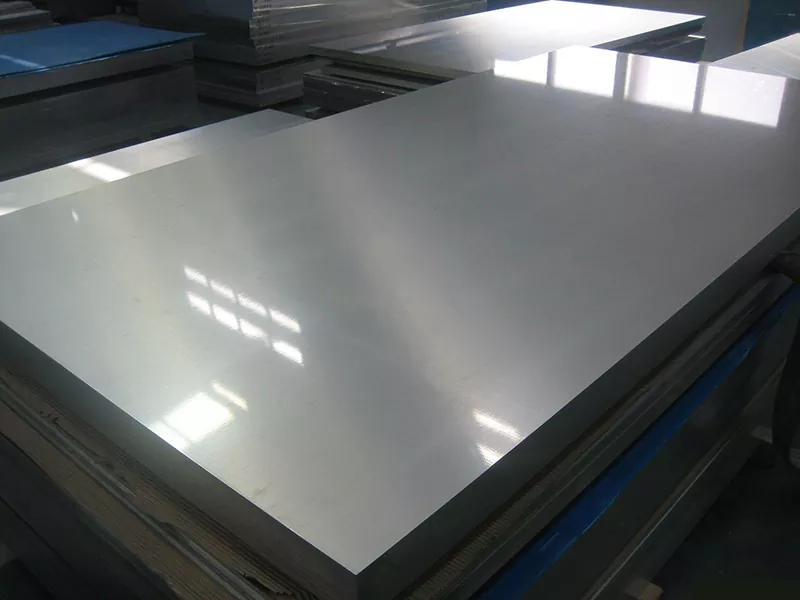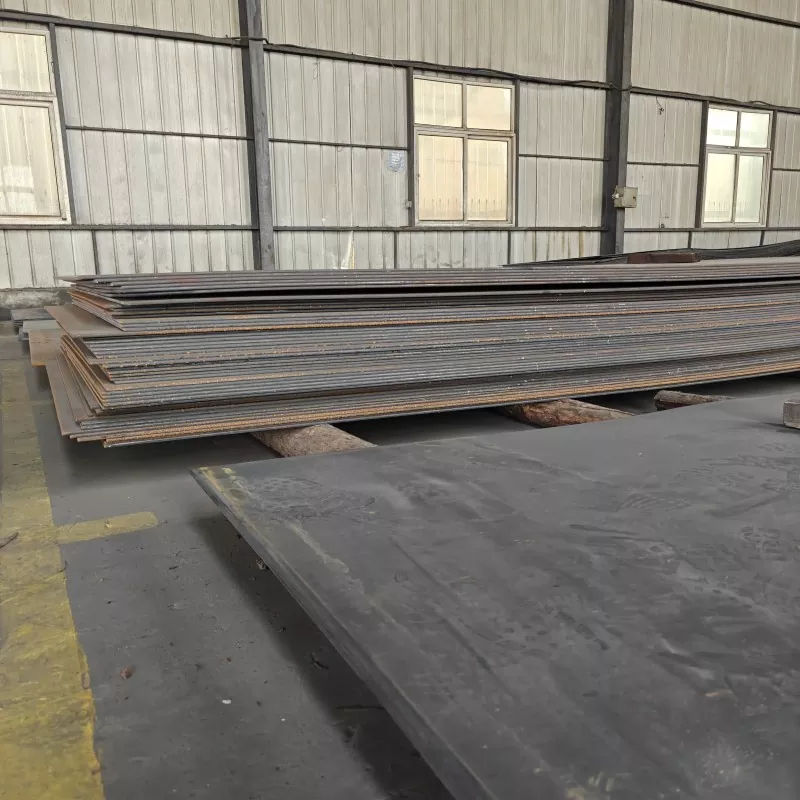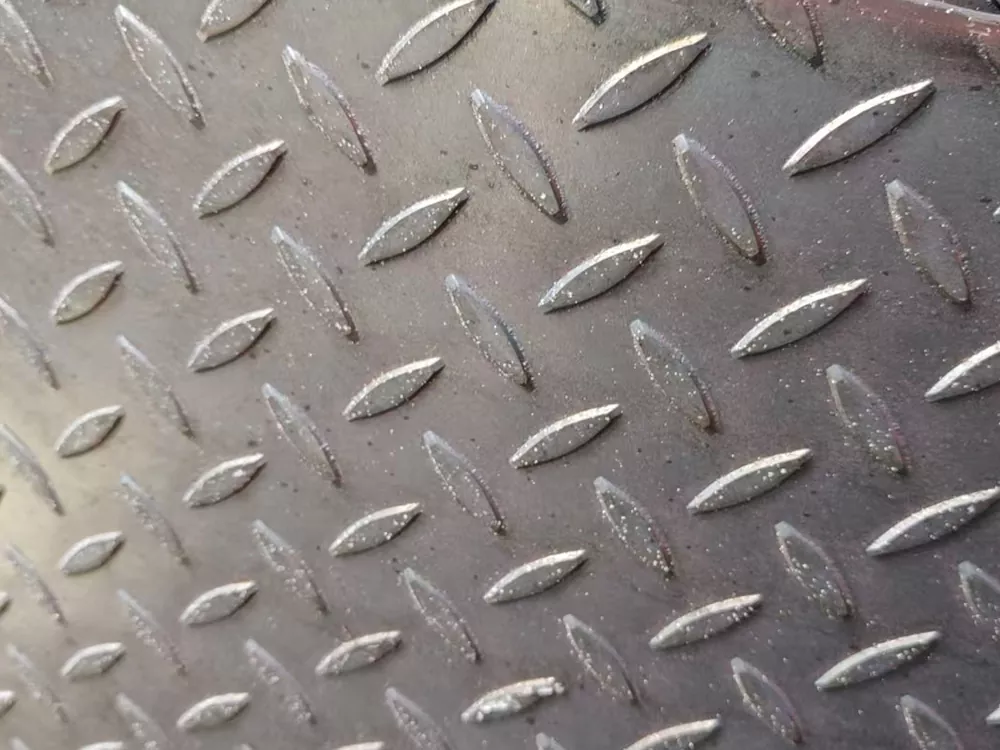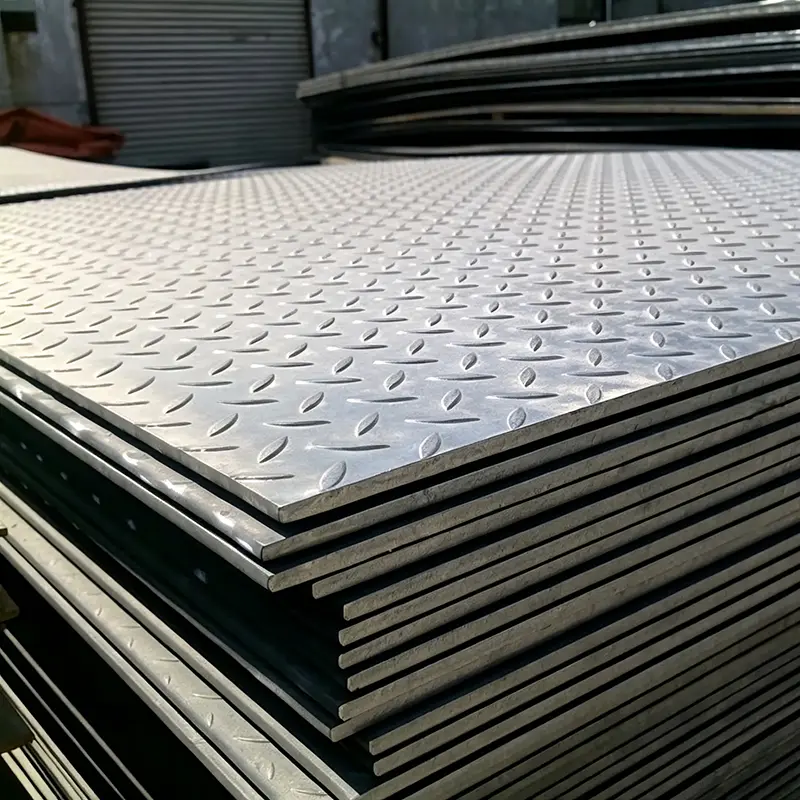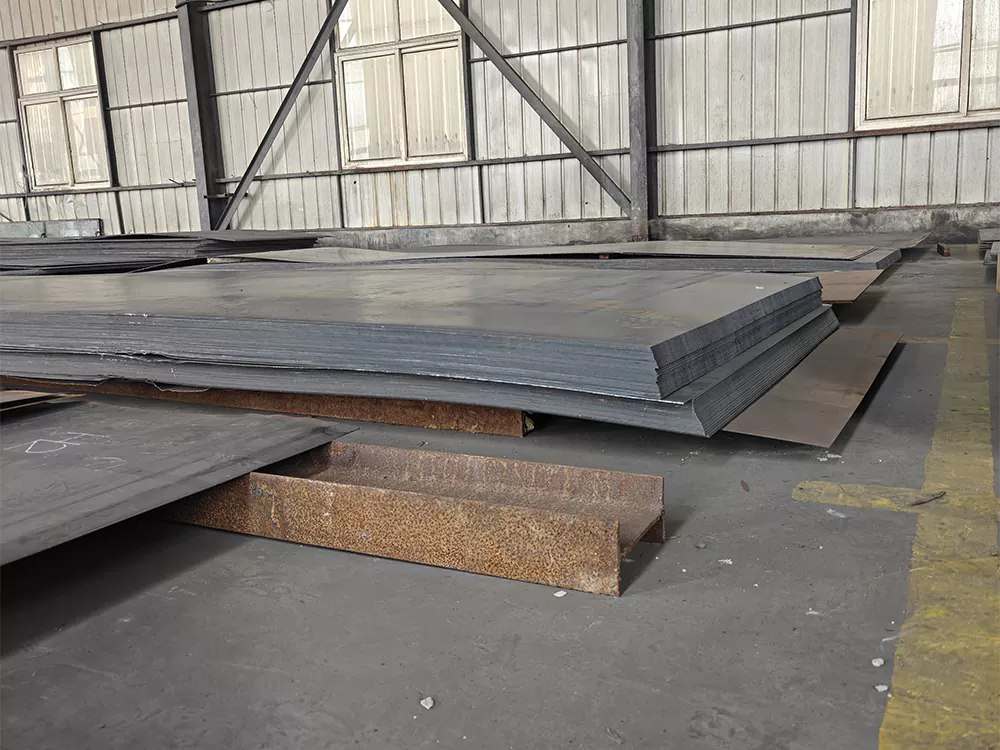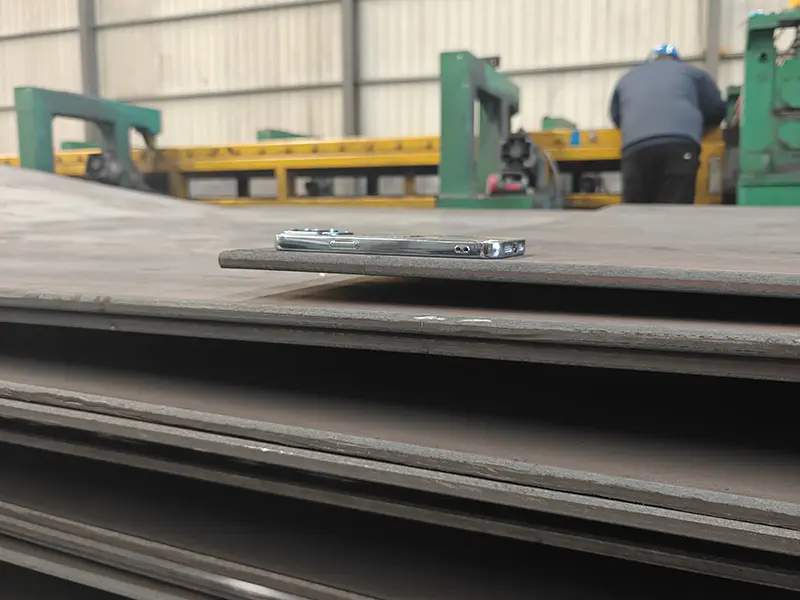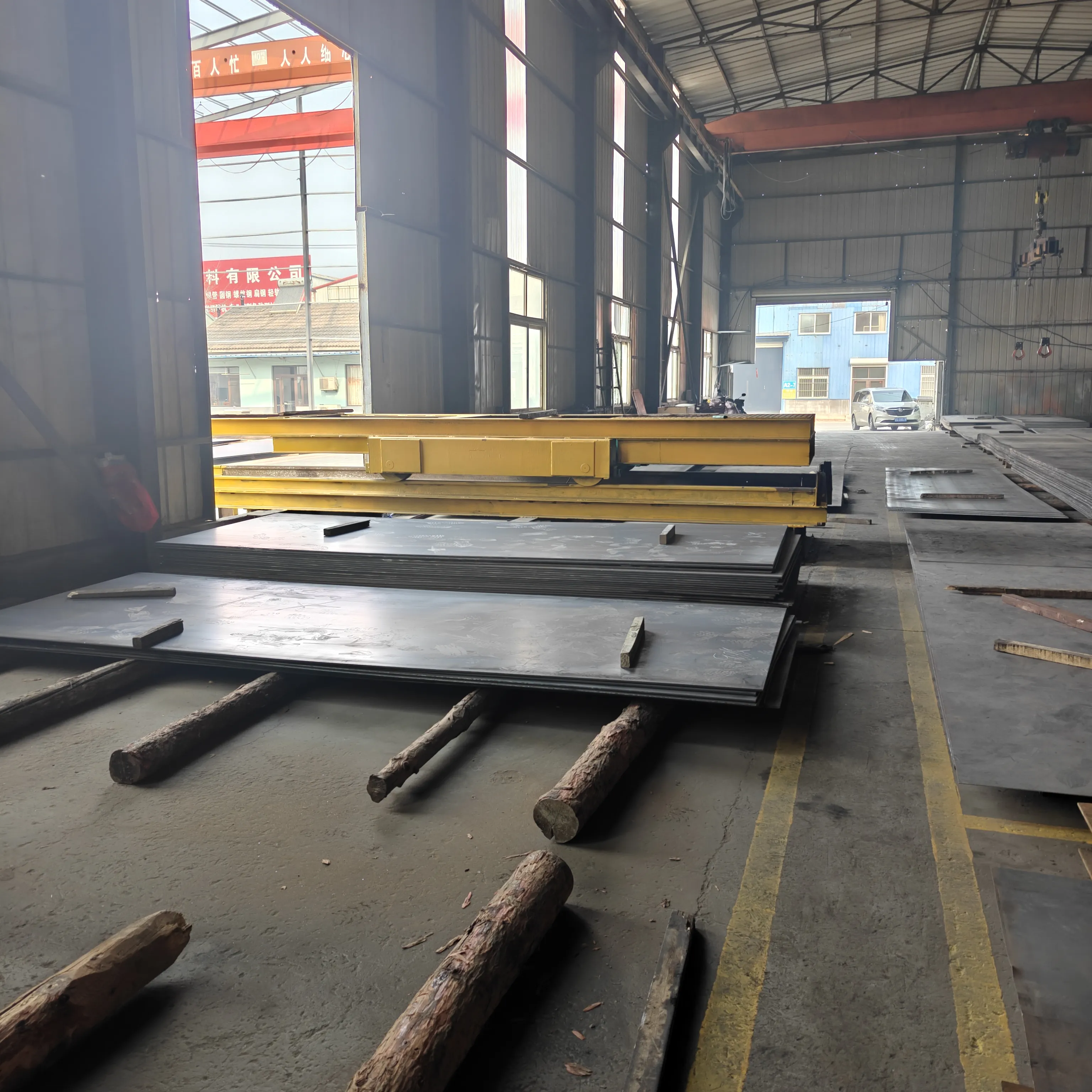
Sanhe is a China-based steel supplier and manufacturer providing SGCC Hot Dip Galvanized Steel Sheet for industrial structures, machinery, transportation equipment, outdoor facilities, and other applications where mechanical performance and corrosion protection are both important. By combining a selected steel substrate with a protective zinc coating, galvanized sheet can provide a practical balance between durability, fabrication performance, and resistance to atmospheric corrosion.
Article Summary: SGCC Hot Dip Galvanized Steel Sheet is designed around two key functions: the mechanical properties of the steel substrate and the corrosion protection provided by the zinc layer. Because steel grade, thickness, dimensions, coating requirements, and processing conditions can vary according to the application, buyers should evaluate the complete specification rather than selecting material based on the galvanized surface alone. This guide explains its structure, advantages, specifications, applications, processing considerations, and quality inspection requirements.
Table of Contents
- What Is SGCC Hot Dip Galvanized Steel Sheet?
- How Does the Zinc Coating Protect Steel?
- What Specifications Should Buyers Consider?
- What Are the Main Performance Benefits?
- Where Is Galvanized Steel Sheet Used?
- What Should Buyers Know About Cutting and Processing?
- How Is Galvanized Steel Sheet Quality Inspected?
- Why Consider Sanhe for Galvanized Steel Supply?
- FAQ
What Is SGCC Hot Dip Galvanized Steel Sheet?
SGCC Hot Dip Galvanized Steel Sheet refers to galvanized steel products supplied according to a specified material system, where the steel substrate is protected by a zinc coating. It should not automatically be treated as one universal mechanical grade. The final performance depends on the selected base steel, production standard, coating specification, thickness, and intended application.
The basic structure is straightforward: a steel substrate provides the required strength, hardness, forming characteristics, and load-bearing performance, while the zinc coating provides additional protection against atmospheric corrosion. This combination makes galvanized steel particularly useful when untreated steel would require an additional corrosion-protection process.
For engineering procurement, buyers should define the required steel grade according to the actual working conditions. Structural components, machinery parts, transportation equipment, and outdoor assemblies may have significantly different requirements for yield strength, tensile strength, elongation, hardness, impact performance, and corrosion protection.
How Does the Zinc Coating Protect Steel?
The zinc coating performs a different function from the steel substrate. While the substrate determines most mechanical characteristics, zinc acts as a protective layer between the steel and the surrounding environment.
One important advantage of galvanization is that zinc can provide sacrificial protection when the coating is locally damaged. This helps slow corrosion at exposed areas under suitable environmental conditions. As a result, galvanized steel can be particularly practical for structures and components exposed to rain, condensation, humidity, or normal outdoor atmospheric conditions.
However, corrosion resistance should always be evaluated against the actual environment. Coastal salt spray, industrial chemicals, continuous moisture, and aggressive acidic or alkaline conditions can accelerate zinc consumption. For demanding environments, buyers may need a higher coating specification or an additional protective system.
- Provides a physical barrier between steel and the atmosphere.
- Offers sacrificial protection where localized coating damage occurs.
- Helps reduce the risk of atmospheric corrosion.
- Can reduce maintenance requirements in suitable environments.
- Allows steel components to combine structural performance with surface protection.
What Specifications Should Buyers Consider?
When purchasing galvanized steel, focusing only on the product name is not enough. A technically complete inquiry should identify the substrate grade, dimensions, zinc coating requirement, processing method, inspection standard, and intended application.
| Specification | Typical Requirement | Why It Matters |
|---|---|---|
| Product | SGCC Hot Dip Galvanized Steel Sheet | Defines the basic galvanized product type |
| Base Material | High-strength or high-hardness steel | Determines core mechanical performance |
| Steel Grade | Customized according to project requirements | Affects yield strength, tensile strength and elongation |
| Thickness | Customized | Influences structural capacity and fabrication |
| Width / Length | Customized | Supports project dimensions and material utilization |
| Surface | Galvanized zinc coating | Provides corrosion protection |
| Zinc Coating | According to applicable standard | Influences corrosion protection performance |
| Processing | Cutting, shearing, leveling | Allows material to match fabrication requirements |
| Inspection | MTC / third-party inspection | Provides traceability and quality verification |
Buyers should also distinguish between the base steel thickness and the total measured thickness. The steel substrate is the primary contributor to structural capacity, while the zinc coating adds comparatively little thickness. For precision projects, specifying the required substrate thickness can help prevent misunderstandings during procurement.
What Are the Main Performance Benefits?
Corrosion Protection
The zinc layer helps protect the underlying steel from atmospheric exposure. This makes galvanized sheet useful for outdoor and humid environments where uncoated steel could require frequent maintenance or an additional coating system.
Mechanical Performance
The mechanical properties come primarily from the selected substrate. Depending on the project specification, buyers can require a suitable high-strength, structural, or specialized steel grade to achieve the required combination of strength, hardness, ductility, and impact performance.
Practical Fabrication
Galvanized steel can be supplied with processing services such as cutting, shearing, and leveling. This allows buyers to coordinate material sourcing and preparation through one supply chain, potentially reducing additional processing steps after delivery.
Long-Term Maintenance Considerations
By protecting the steel substrate from normal atmospheric corrosion, galvanization can help reduce the frequency of surface maintenance. Actual service life still depends on exposure conditions, coating specification, component design, and maintenance practices.
Where Is Galvanized Steel Sheet Used?
The combination of steel strength and zinc-based corrosion protection makes galvanized sheet suitable for a broad range of industrial and outdoor applications. The correct grade should always be selected according to the actual load, environment, fabrication method, and service conditions.
- Industrial structures: supports, frames, protective panels, and fabricated assemblies.
- Machinery: equipment components, housings, structural parts, and protective structures.
- Transportation: transportation equipment and components exposed to outdoor environments.
- Agricultural equipment: machinery and fabricated parts exposed to humidity and weather.
- Outdoor equipment: components requiring additional protection against atmospheric corrosion.
- Construction: selected structural and auxiliary components where galvanized protection is required.
For heavy abrasion involving sand, rock, ore, or other abrasive materials, a general high-strength galvanized material should not automatically be considered a dedicated wear-resistant steel. In such cases, the abrasive medium, impact level, operating temperature, and expected service life should be evaluated before selecting the grade.
What Should Buyers Know About Cutting and Processing?
Processing requirements become increasingly important as steel thickness and hardness increase. Cutting speed, heat input, tooling, dimensional tolerance, and edge treatment should be considered before production.
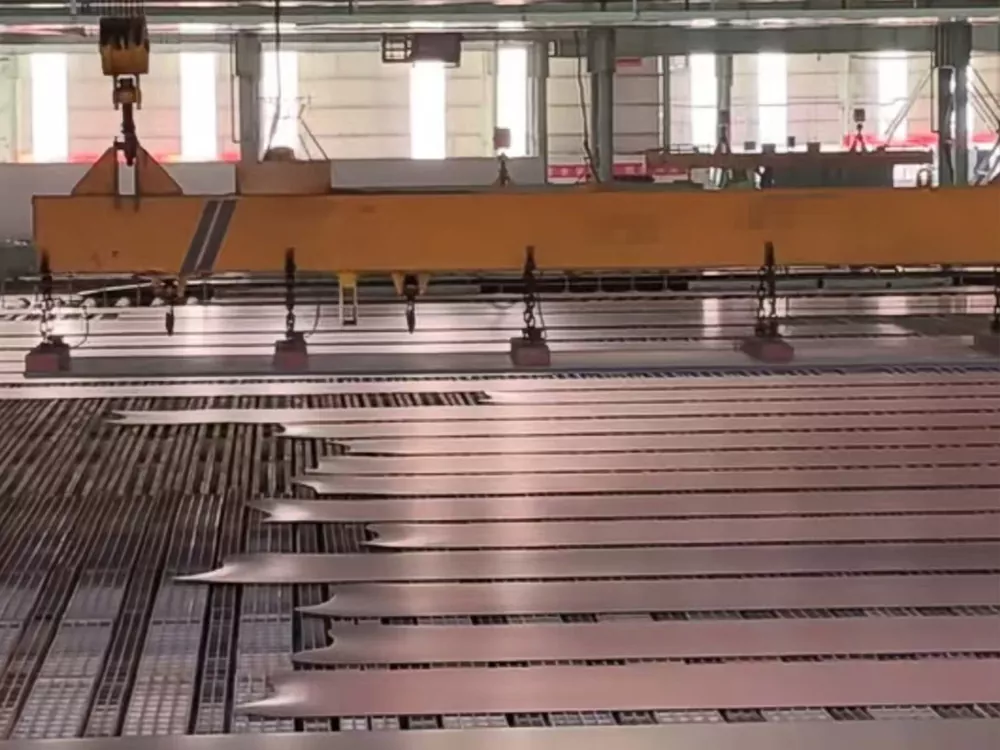
Sanhe provides processing services including cutting, shearing, and leveling. Buyers can supply drawings or cutting dimensions so that the processing method can be reviewed together with the material specification.
Special attention should also be given to cut edges. When galvanizing is removed during cutting or fabrication, exposed steel may require an appropriate zinc-rich repair treatment if continuous corrosion protection is required across the finished component.
- Confirm the steel grade before processing.
- Define thickness and dimensional tolerances clearly.
- Choose suitable cutting and shearing methods.
- Check flatness and edge quality after processing.
- Evaluate whether exposed edges require corrosion-protection repair.
How Is Galvanized Steel Sheet Quality Inspected?
Quality inspection should cover both the steel substrate and the galvanized coating. Checking only surface appearance is insufficient for engineering procurement.
| Inspection Area | Key Items |
|---|---|
| Steel Grade | Material designation and applicable standard |
| Chemical Composition | Elements specified by the material standard |
| Mechanical Properties | Yield strength, tensile strength, elongation and hardness where required |
| Galvanized Coating | Coating thickness or mass, continuity and surface condition |
| Dimensions | Thickness, width, length and flatness |
| Documentation | MTC and agreed inspection records |
For international projects, inspection requirements should be confirmed before production. Depending on the purchase order, material test certificates and third-party inspection can be coordinated to support traceability and project acceptance.
Why Consider Sanhe for Galvanized Steel Supply?
Sanhe has operated in the steel supply industry since 2008 and provides a supply system covering steel sourcing, processing, inspection coordination, and export services. Its product portfolio covers galvanized steel, hot-rolled steel plate, medium and heavy plate, checkered plate, and other carbon and structural steel products.
For customized galvanized steel orders, the advantage is the ability to discuss material selection and processing requirements as one complete specification. Buyers can provide the required grade, thickness, dimensions, zinc coating requirements, processing drawings, and inspection conditions before production.
Sanhe also states that it maintains long-term cooperation with major steel mills and operates processing capabilities for cutting, shearing, leveling, and related preparation. This integrated approach can be useful for construction, machinery, infrastructure, and industrial buyers who require both material supply and customized processing.
To learn more about the product and related steel solutions, visit the SGCC Hot Dip Galvanized Steel Sheet product page or explore Sanhe's steel product range.
FAQ
What is the main advantage of galvanized steel sheet?
Its main advantage is the combination of a steel substrate's mechanical properties with the corrosion protection provided by a zinc coating. This makes it suitable for applications where both durability and atmospheric corrosion resistance are required.
Is SGCC Hot Dip Galvanized Steel Sheet always a wear-resistant steel?
No. Higher hardness or strength does not automatically mean that the material is a dedicated wear-resistant steel. If the application involves continuous severe abrasion, a specifically engineered wear-resistant grade should be evaluated according to the working conditions.
Can the galvanized sheet be customized in size?
Yes. Thickness, width, length, steel grade, zinc coating requirements, and processing conditions can be discussed according to the project specification. Cutting, shearing, and leveling services can also be coordinated for suitable orders.
What environmental conditions should be considered when selecting zinc coating requirements?
Buyers should consider humidity, rainfall, condensation, coastal salt exposure, industrial pollutants, chemicals, and other corrosive conditions. More aggressive environments may require a different coating specification or an additional protective system.
What documents can be requested for an international steel order?
Depending on the purchase specification, buyers can request material test certificates and arrange agreed third-party inspection. Inspection scope and documentation requirements should be confirmed before production to ensure they match the project's acceptance criteria.
Conclusion
Choosing the right galvanized steel is not simply a matter of selecting a zinc-coated surface. The substrate grade, mechanical properties, zinc coating requirement, dimensions, processing method, environmental exposure, and inspection criteria should all be evaluated together. For construction, machinery, transportation, agricultural equipment, and outdoor applications, Sanhe can support buyers with customized material specifications and processing services. If you are planning a galvanized steel project and need assistance with grade selection, dimensions, zinc coating, processing, or export documentation, contact us with your drawings or technical requirements to discuss a suitable steel supply solution.