How Can Hot Rolled Wear Resistant Mild Carbon Steel Plate Improve Equipment Durability and Reduce Industrial Operating Costs
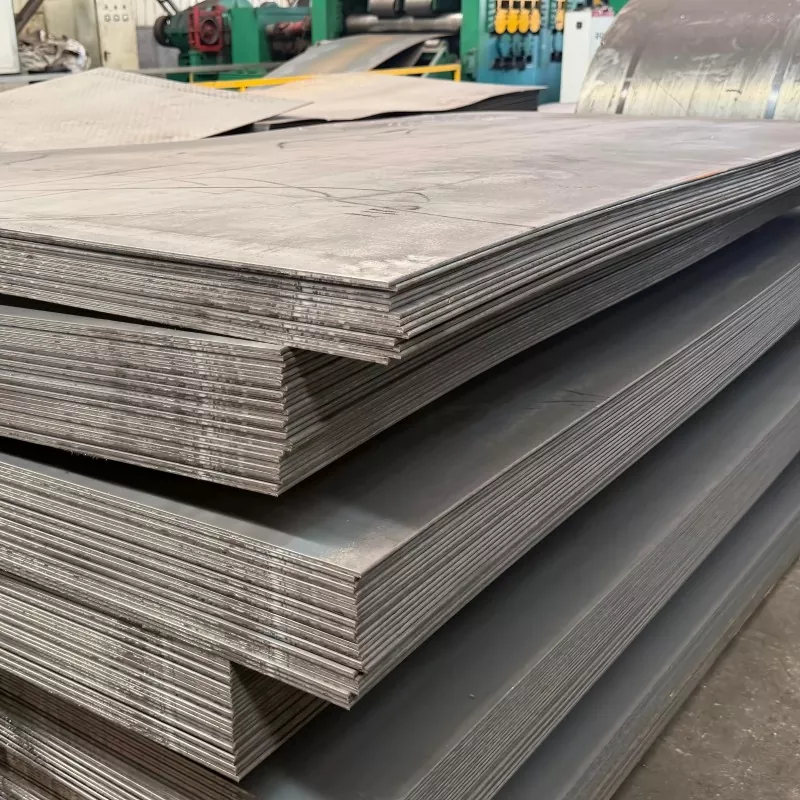
In demanding industrial environments, selecting the right steel plate can make a significant difference in equipment service life, maintenance frequency, and overall operating costs. Sanhe Steel supplies Hot Rolled Wear Resistant Mild Carbon Steel Plate designed for applications involving continuous abrasion, material impact, and heavy mechanical loads. With NM360, NM400, NM450, and NM500 grades, controlled quenching and tempering, and customized CNC cutting services, these wear-resistant plates provide a practical material solution for mining, construction, material handling, and heavy equipment manufacturing.
Hot rolled wear-resistant mild carbon steel plate is developed to withstand abrasive working conditions that can quickly damage conventional carbon steel. Its combination of high surface hardness, mechanical strength, and impact resistance makes it suitable for equipment exposed to friction, sliding materials, and repeated contact with hard particles. This article explains its material characteristics, available grades, mechanical properties, industrial applications, manufacturing considerations, and purchasing factors. It also explores how choosing the appropriate NM grade can help manufacturers improve equipment reliability and reduce long-term maintenance expenses.
Table of Contents
- What Is Hot Rolled Wear Resistant Mild Carbon Steel Plate?
- What Are Its Key Performance Characteristics?
- How Do NM360, NM400, NM450, and NM500 Compare?
- Where Is Wear Resistant Steel Plate Commonly Used?
- How Is Wear Resistant Steel Plate Manufactured and Processed?
- How Can Buyers Select the Right Wear Plate?
- How Does Wear Resistant Steel Reduce Operating Costs?
- What Quality Standards Should Buyers Consider?
- Frequently Asked Questions
- Conclusion
1. What Is Hot Rolled Wear Resistant Mild Carbon Steel Plate?
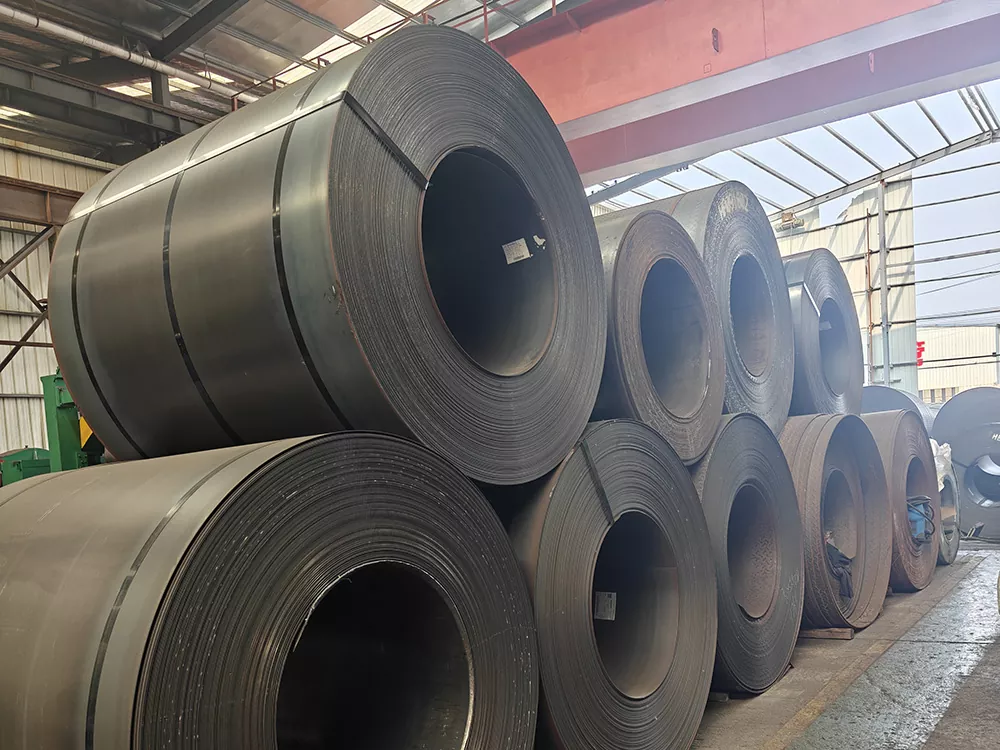
Hot rolled wear-resistant steel plate, also known as abrasion-resistant steel plate or AR steel, is a specialized steel product developed for industrial environments where ordinary steel experiences rapid material loss. It is generally produced through controlled steelmaking, hot rolling, and subsequent heat treatment to achieve the required combination of hardness and toughness.
Unlike conventional mild carbon steel, which is primarily selected for general fabrication and structural purposes, wear-resistant steel is engineered to withstand abrasive contact. Its hardened surface helps resist material removal caused by sliding, scraping, and repeated friction.
The NM series is widely used in the wear-resistant steel market. Common grades include:
- NM360: A practical option for moderate abrasion and applications requiring a balance between wear resistance and toughness.
- NM400: A versatile grade suitable for mining equipment, hoppers, chutes, and excavator components.
- NM450: Designed for more severe abrasive conditions where higher hardness is required.
- NM500: A high-hardness option for demanding applications involving intensive abrasion.
The numerical designation generally represents the nominal Brinell hardness level. For example, NM400 indicates a nominal hardness level of approximately 400 HBW. Actual hardness ranges should always be confirmed through the applicable material standard and mill test certificate.
For industrial buyers, understanding these grades is essential because the correct material selection depends on both the severity of abrasion and the impact conditions encountered during operation.
2. What Are Its Key Performance Characteristics?
The performance of Hot Rolled Wear Resistant Mild Carbon Steel Plate is determined by more than surface hardness. A reliable wear plate must also provide sufficient strength, impact resistance, dimensional consistency, and processing compatibility.
High Abrasion Resistance
High hardness helps the steel resist surface damage caused by sliding particles, crushed stone, mineral ores, and other abrasive materials. Compared with ordinary mild steel, properly selected wear-resistant grades can significantly extend the replacement interval of industrial liners and components.
Excellent Mechanical Strength
Wear-resistant plates are designed to withstand demanding mechanical conditions. Their high yield and tensile strength help maintain structural integrity in equipment exposed to substantial working loads.
Balanced Hardness and Toughness
Hardness alone does not guarantee reliable service performance. Steel that is excessively brittle may crack under sudden impact. Quenched-and-tempered processing helps develop a suitable balance between hardness and toughness, allowing the plate to resist both abrasion and mechanical shock.
Flexible Fabrication Options
Depending on grade and thickness, wear-resistant steel plates can be cut, welded, drilled, and formed using appropriate procedures. CNC plasma cutting and customized fabrication help manufacturers obtain components that fit specific equipment designs.
3. How Do NM360, NM400, NM450, and NM500 Compare?
Different industrial applications require different combinations of hardness, strength, and impact resistance. Selecting a grade based only on the highest available hardness may increase material costs or complicate fabrication without delivering better overall performance.
The following table summarizes the typical mechanical properties of the NM series supplied by Sanhe Steel.
| Steel Grade | Hardness (HBW) | Yield Strength (MPa) | Tensile Strength (MPa) | Elongation (%) | Impact Test |
|---|---|---|---|---|---|
| NM360 | 360–430 | ≥600 | ≥900 | ≥16 | -20°C |
| NM400 | 400–480 | ≥700 | ≥1000 | ≥14 | -20°C |
| NM450 | 450–530 | ≥800 | ≥1100 | ≥12 | -20°C |
| NM500 | 500–580 | ≥900 | ≥1200 | ≥10 | -20°C |
Note: The figures above are typical product specification values. Actual delivery properties and acceptance requirements should be verified against the relevant material certificate and purchase agreement.
Available Product Specifications
| Parameter | Specification |
|---|---|
| Steel Grades | NM360 / NM400 / NM450 / NM500 |
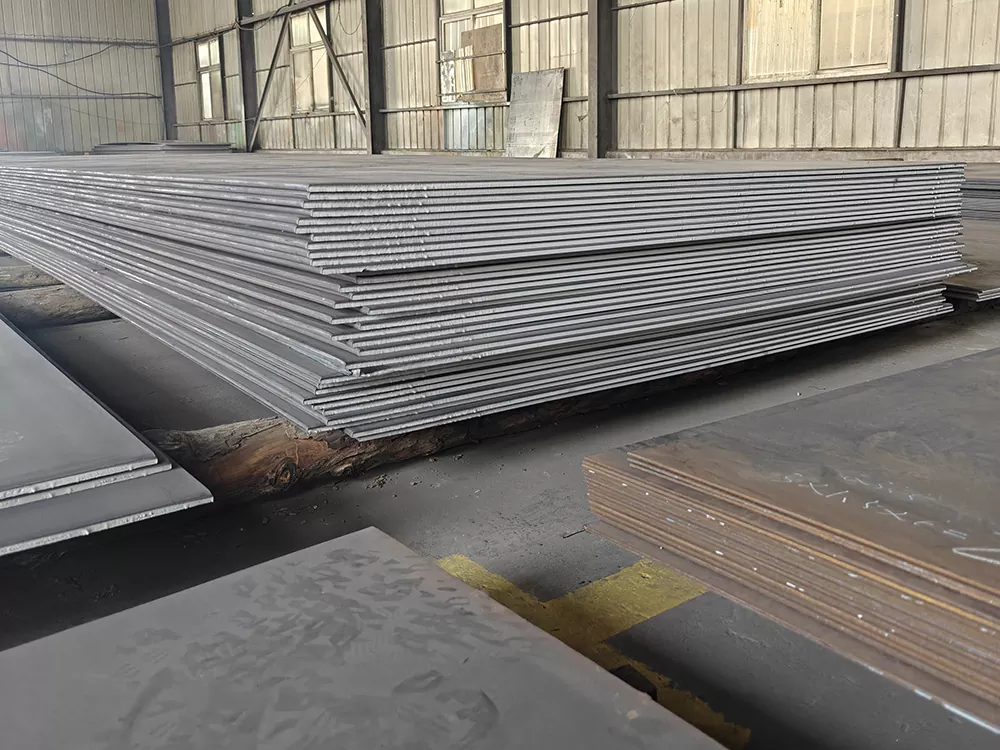
| Thickness | 4–80 mm |
| Width | 1,500–2,500 mm |
| Length | 6,000–12,000 mm / Customized |
| Heat Treatment | Quenched and Tempered (Q&T) |
| Standards | GB/T 24186, EN 10025-6, ASTM equivalents upon request |
These specifications provide buyers with a useful starting point when planning industrial fabrication projects. For special dimensions or processing requirements, customized solutions can be discussed before production.
4. Where Is Wear Resistant Steel Plate Commonly Used?
Because of its combination of hardness and mechanical strength, wear-resistant steel is used across multiple industries where equipment components experience continuous friction or material impact.
Mining and Mineral Processing
Mining operations involve the transportation and processing of abrasive materials such as iron ore, coal, limestone, and crushed rock. Wear plates are commonly installed in:
- Ore chutes and transfer points.
- Mining truck body liners.
- Crusher housings and protective components.
- Hoppers and material storage bins.
- Conveyor system liners.
Construction and Earthmoving Equipment
Construction machinery frequently operates in contact with gravel, soil, sand, and broken concrete. NM-series steel can be used for excavator buckets, bulldozer blades, loader components, and other abrasion-exposed parts.
Material Handling and Bulk Transportation
Industrial facilities handling bulk materials need durable internal surfaces to reduce equipment damage. Wear-resistant plates are suitable for loading systems, discharge chutes, storage hoppers, and conveyor transfer stations.
Cement and Metallurgical Industries
Cement production and metal processing involve abrasive raw materials, heavy equipment, and demanding working conditions. Wear-resistant steel can help protect material-contact surfaces and reduce unexpected maintenance interruptions.
5. How Is Wear Resistant Steel Plate Manufactured and Processed?
Manufacturing quality has a direct influence on the service performance of wear-resistant steel. A controlled production process helps maintain consistent mechanical properties and ensures that the finished plate meets the required technical specifications.
Quenching and Tempering
Quenching involves heating steel to a suitable temperature and cooling it under controlled conditions to develop a hardened microstructure. Tempering follows to improve toughness and reduce excessive brittleness.
This heat-treatment combination helps create the hardness and impact resistance needed for demanding industrial applications.
Precision Cutting and Customization
Wear plates are often required in specific shapes and dimensions rather than standard rectangular formats. CNC plasma cutting can produce components according to customer drawings, helping reduce additional workshop operations.
Available processing requirements may include:
- Customized plate dimensions and thicknesses.
- CNC plasma cutting according to technical drawings.
- Pre-drilled mounting holes when specified.
- Customized liner shapes and installation components.
- Dimensional inspection before shipment.
For welding and forming, buyers should consider the selected grade, plate thickness, joint design, and fabrication conditions. Appropriate preheating, low-hydrogen welding consumables, and controlled interpass temperatures may be necessary. Welding and bending procedures should follow grade-specific technical recommendations.
6. How Can Buyers Select the Right Wear Plate?
Choosing the correct Hot Rolled Wear Resistant Mild Carbon Steel Plate requires an understanding of actual operating conditions rather than simply comparing product prices or hardness ratings.
Industrial procurement teams should evaluate the following factors:
- Abrasion type: Determine whether the equipment experiences sliding abrasion, gouging abrasion, impact abrasion, or a combination of these conditions.
- Impact intensity: Identify the size, weight, and speed of the materials contacting the plate.
- Operating environment: Consider temperature, moisture, dust, corrosive substances, and operating cycles.
- Plate dimensions: Confirm thickness, width, length, and component geometry.
- Fabrication requirements: Evaluate whether cutting, drilling, welding, or bending is required.
- Maintenance targets: Consider the expected replacement interval and the cost of equipment downtime.
For general sliding abrasion, NM400 is often a practical starting point. Where abrasive conditions become more severe, NM450 or NM500 may be considered. However, applications involving substantial impact may require a more detailed toughness assessment rather than automatically selecting the hardest grade.
Discussing the actual working conditions with an experienced steel supplier can help prevent unnecessary material upgrades and improve long-term equipment performance.
7. How Does Wear Resistant Steel Reduce Operating Costs?
The initial purchase price of wear-resistant steel is generally higher than that of ordinary mild steel. However, material cost alone does not accurately represent the total cost of operating industrial equipment.
In abrasive applications, conventional steel may require frequent replacement because its surface wears away quickly. Wear-resistant steel can extend the service interval, reduce replacement labor, and minimize production interruptions.
Understanding Total Lifecycle Costs
| Cost Factor | Ordinary Mild Steel | Wear Resistant Steel |
|---|---|---|
| Initial Material Cost | Generally Lower | Generally Higher |
| Abrasion Resistance | Limited in Severe Conditions | Designed for Abrasive Service |
| Replacement Frequency | May Be More Frequent | Can Be Significantly Reduced |
| Maintenance Labor | Potentially Higher | Potentially Lower |
| Downtime Exposure | Higher with Frequent Wear | Lower When Properly Selected |
Sanhe Steel reports that NM400 can provide approximately three to five times the service life of ordinary mild steel in certain sliding-abrasion applications. One reported sand-and-gravel operation extended chute liner replacement intervals from approximately three months to fourteen months after changing to NM400.
These results are application-specific rather than universal guarantees. Actual performance depends on material characteristics, impact conditions, plate thickness, installation quality, and maintenance practices.
For procurement managers, evaluating cost per operating hour or cost per tonne of material processed can provide a more meaningful comparison than focusing exclusively on the purchase price per tonne.
8. What Quality Standards Should Buyers Consider?
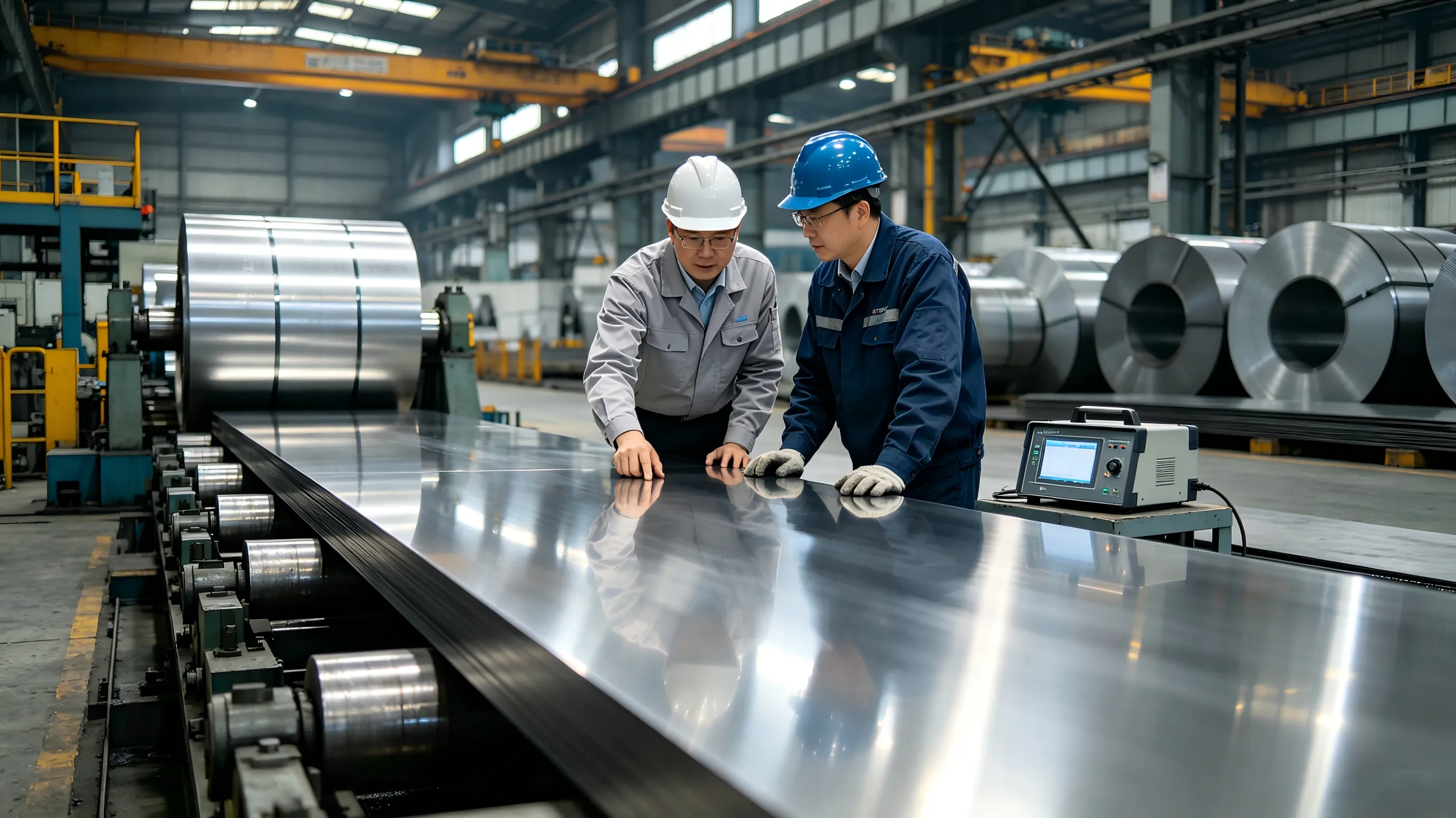
Consistent product quality is essential when wear-resistant steel is used in equipment that operates under heavy loads and continuous abrasion. Buyers should review technical documents and inspection procedures before confirming an order.
Important quality considerations include:
- Material standards: Confirm the applicable GB/T 24186 requirements and other agreed specifications. EN 10025-6 or ASTM equivalents should be checked for actual grade and technical equivalence rather than assumed to be interchangeable.
- Hardness consistency: Verify that hardness measurements meet the agreed requirements across the plate.
- Mechanical properties: Review yield strength, tensile strength, elongation, and impact test results where applicable.
- Dimensional accuracy: Check thickness, width, length, flatness, and cutting tolerances.
- Material traceability: Request a Mill Test Certificate (MTC) for the supplied heat or batch.
- Third-party inspection: Arrange independent inspection through SGS, BV, or TÜV when required by the project.
Why Work with Sanhe Steel?
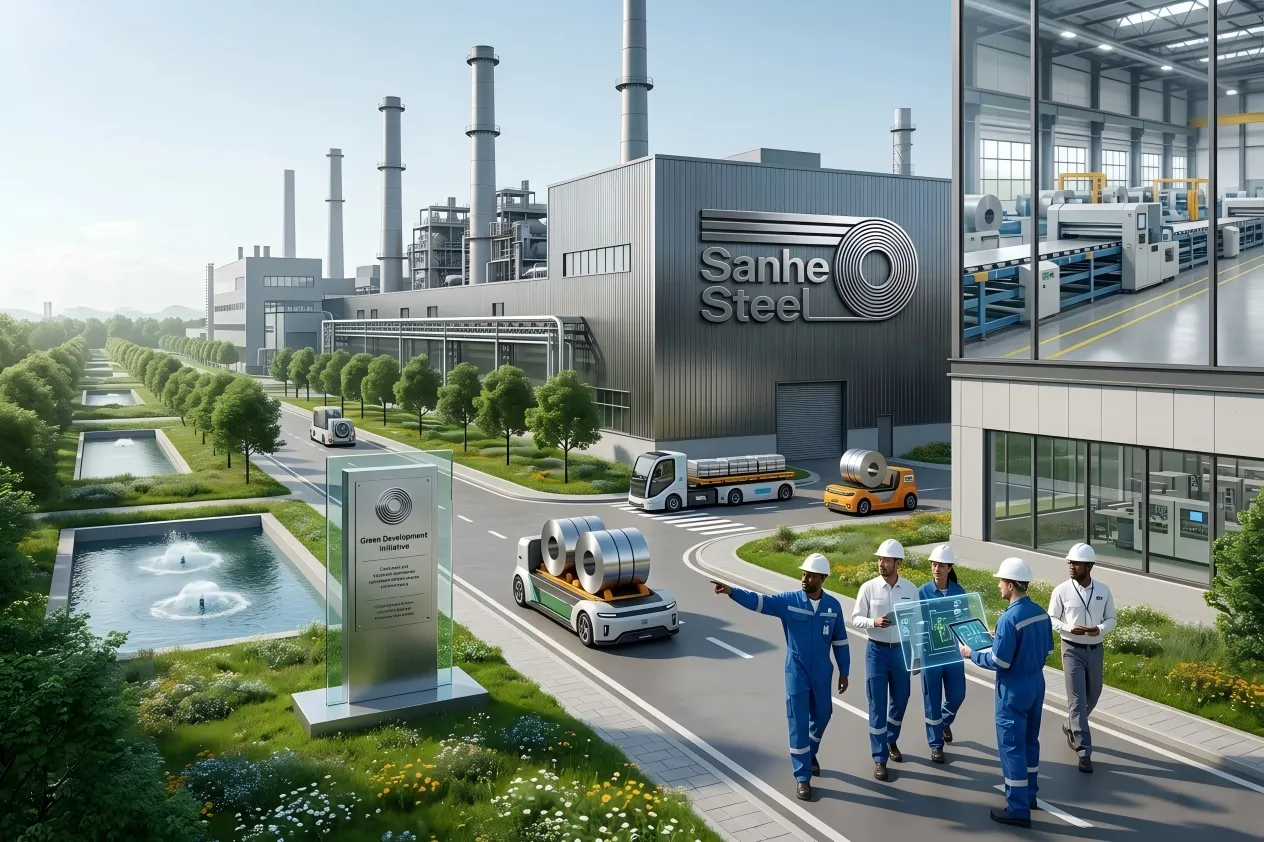
Since 2008, Sanhe Steel has supplied steel products for construction, mining, and manufacturing projects worldwide. The company provides wear-resistant steel plate solutions with multiple NM grades, customized dimensions, and CNC cutting services.
Its product-related quality commitments include:
- A 12-month material defect warranty from the shipment date, subject to the stated terms.
- Hardness consistency requirements based on the agreed GB/T 24186 specifications.
- Replacement or rework for dimensional non-conformance caused by processing errors.
- Mill Test Certificates for supplied materials.
- Third-party inspection documentation available upon request.
For international buyers, export support also includes protective packaging, container or breakbulk loading at Qingdao Port, and shipping terms such as FOB, CIF, CFR, and DDP, subject to order arrangements.
Learn more about Sanhe Steel's steel manufacturing and supply capabilities or explore its steel plate product range for additional material options.
9. Frequently Asked Questions
Q1: What is the difference between NM360, NM400, NM450, and NM500 steel plate?
The primary difference is their hardness level and associated mechanical properties. NM360 provides a moderate level of wear resistance, while NM400 is a versatile choice for many industrial applications. NM450 and NM500 offer higher hardness for more severe abrasion conditions. The final selection should also consider impact resistance and fabrication requirements.
Q2: Is Hot Rolled Wear Resistant Mild Carbon Steel Plate suitable for mining equipment?
Yes. It is commonly used in mining equipment components such as chutes, hoppers, crusher liners, excavator buckets, and dump truck body liners. Its high hardness helps resist damage caused by continuous contact with abrasive minerals and rocks.
Q3: Can wear-resistant steel plate be welded?
Yes. Welding is possible when appropriate procedures are followed. Low-hydrogen welding consumables, suitable preheating, and controlled interpass temperatures are important considerations. The recommended procedure depends on the steel grade, thickness, joint design, and working environment.
Q4: Can NM400 and NM360 steel plates be bent?
Both grades can be cold-formed under suitable conditions. A typical minimum inside bend radius may be approximately three to five times the plate thickness, depending on grade, thickness, rolling direction, and forming conditions. Tighter radii or higher-hardness grades may require alternative fabrication methods and technical assessment.
Q5: What thicknesses and dimensions are available?
Sanhe Steel lists thicknesses from 4 mm to 80 mm, widths from 1,500 mm to 2,500 mm, and standard lengths from 6,000 mm to 12,000 mm. Customized cutting and dimensions can also be discussed according to project requirements.
Q6: Does Sanhe Steel provide customized cutting services?
Yes. CNC plasma cutting is available for customized shapes and dimensions. Pre-drilled holes and other specified processing requirements can be discussed using customer drawings or templates.
Q7: What quality documents are provided with wear-resistant steel plate?
Sanhe Steel provides Mill Test Certificates for supplied materials. Third-party inspection reports from organizations such as SGS, BV, and TÜV can also be arranged upon request, subject to the order requirements.
Q8: How can buyers obtain a quotation for wear-resistant steel plate?
Buyers can provide the required steel grade, thickness, width, length, quantity, cutting drawings, applicable standards, and destination port. These details allow the supplier to evaluate the order and prepare a more accurate quotation.
10. Conclusion: Choosing the Right Wear Resistant Steel for Long-Term Performance
Hot rolled wear-resistant mild carbon steel plate plays an important role in improving the durability of industrial equipment exposed to abrasive materials, mechanical impact, and continuous friction. By selecting the appropriate NM360, NM400, NM450, or NM500 grade, manufacturers can achieve a suitable balance of hardness, strength, toughness, and fabrication performance.
For industrial buyers, the most effective purchasing strategy involves evaluating actual operating conditions, reviewing certified mechanical properties, confirming dimensional requirements, and calculating total lifecycle costs. Working with a supplier that understands material specifications and customized processing can also help reduce procurement risks and improve project efficiency.
Looking for a reliable supplier of Hot Rolled Wear Resistant Mild Carbon Steel Plate? Sanhe Steel offers multiple NM-series grades, customized plate dimensions, CNC cutting services, and quality documentation for international industrial projects. Whether you need NM400 plates for mining equipment or higher-hardness solutions for severe abrasion conditions, our team can help you identify a suitable material. Contact us today with your technical requirements, drawings, and order quantity to request a competitive quotation and professional product support.
Related News
- How Can Marine Grade Medium and Heavy Plate Improve Shipbuilding Safety and Structural Reliability
- How Can Wear Resistant Hot Rolled Heavy Steel Plate Structural Solutions Improve Durability in Demanding Projects
- How Can Hot Rolled Steel Plate for Marine Offshore Use Improve Structural Safety and Service Life
- Why Is High Strength S235JR Medium and Heavy Plate a Smart Choice for Structural Engineering Projects
- How Can Galvanized Floor Diamond Plate Improve Safety, Durability, and Long-Term Project Performance
- Why Is Hot Rolled Checkered Steel Plate for Platforms a Smart Choice for Safe and Durable Industrial Flooring
Leave me a message
News Recommendations