How Does Diamond Plate Improve Safety and Durability in Industrial Applications?
Abstract
Diamond Plate is widely recognized for its distinctive raised pattern and exceptional performance in demanding environments. This article explores how Diamond Plate enhances safety, durability, and efficiency across industries. From material selection to real-world applications, we address key customer concerns such as slip resistance, load-bearing capacity, maintenance, and cost-effectiveness. Whether you are sourcing materials for construction, transportation, or manufacturing, this guide provides practical insights to help you make informed decisions.
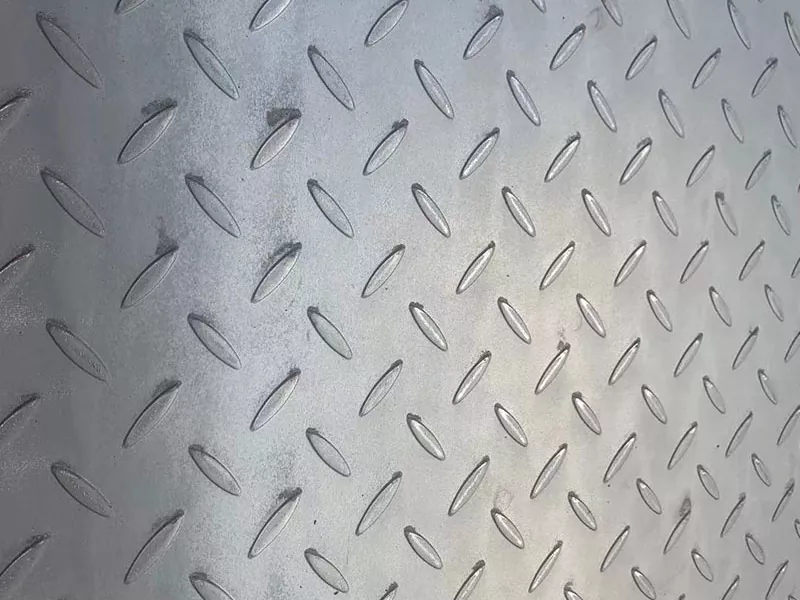
Table of Contents
- What Is Diamond Plate?
- How Does Diamond Plate Work?
- Key Benefits of Diamond Plate
- Common Applications
- Material Options Comparison
- How to Choose the Right Diamond Plate
- Maintenance and Longevity
- FAQ
What Is Diamond Plate?
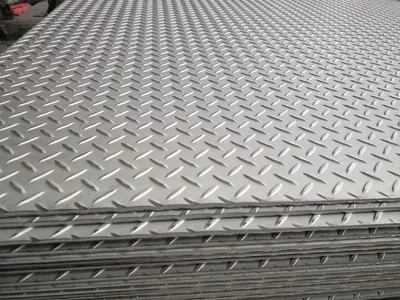
Diamond Plate, also known as tread plate or checker plate, is a type of metal sheet characterized by a raised diamond-shaped pattern on one side. This textured surface is not just aesthetic—it serves a functional purpose by enhancing traction and structural strength.
Typically manufactured from materials such as aluminum, stainless steel, or carbon steel, Diamond Plate is engineered to withstand harsh environments while providing a non-slip surface.
How Does Diamond Plate Work?
The effectiveness of Diamond Plate lies in its patterned surface. The raised diamonds increase friction between the plate and any object or foot traffic, significantly reducing the risk of slipping.
Additionally, the pattern distributes weight more evenly across the surface, improving load-bearing capacity. This makes it suitable for heavy-duty environments such as factories, warehouses, and transportation vehicles.
- Enhanced grip through raised patterns
- Improved structural rigidity
- Resistance to wear and deformation
Key Benefits of Diamond Plate
1. Slip Resistance
One of the primary reasons customers choose Diamond Plate is its anti-slip performance. This is critical in environments exposed to water, oil, or other contaminants.
2. Durability
Diamond Plate is designed to endure heavy loads and repeated use without significant wear, making it a long-term investment.
3. Corrosion Resistance
When made from aluminum or stainless steel, Diamond Plate offers excellent resistance to rust and corrosion, even in outdoor or marine environments.
4. Easy Maintenance
The surface is easy to clean and requires minimal upkeep, reducing operational costs over time.
5. Aesthetic Appeal
Its industrial look is often used in architectural and decorative applications, adding a modern, rugged appearance.
Common Applications
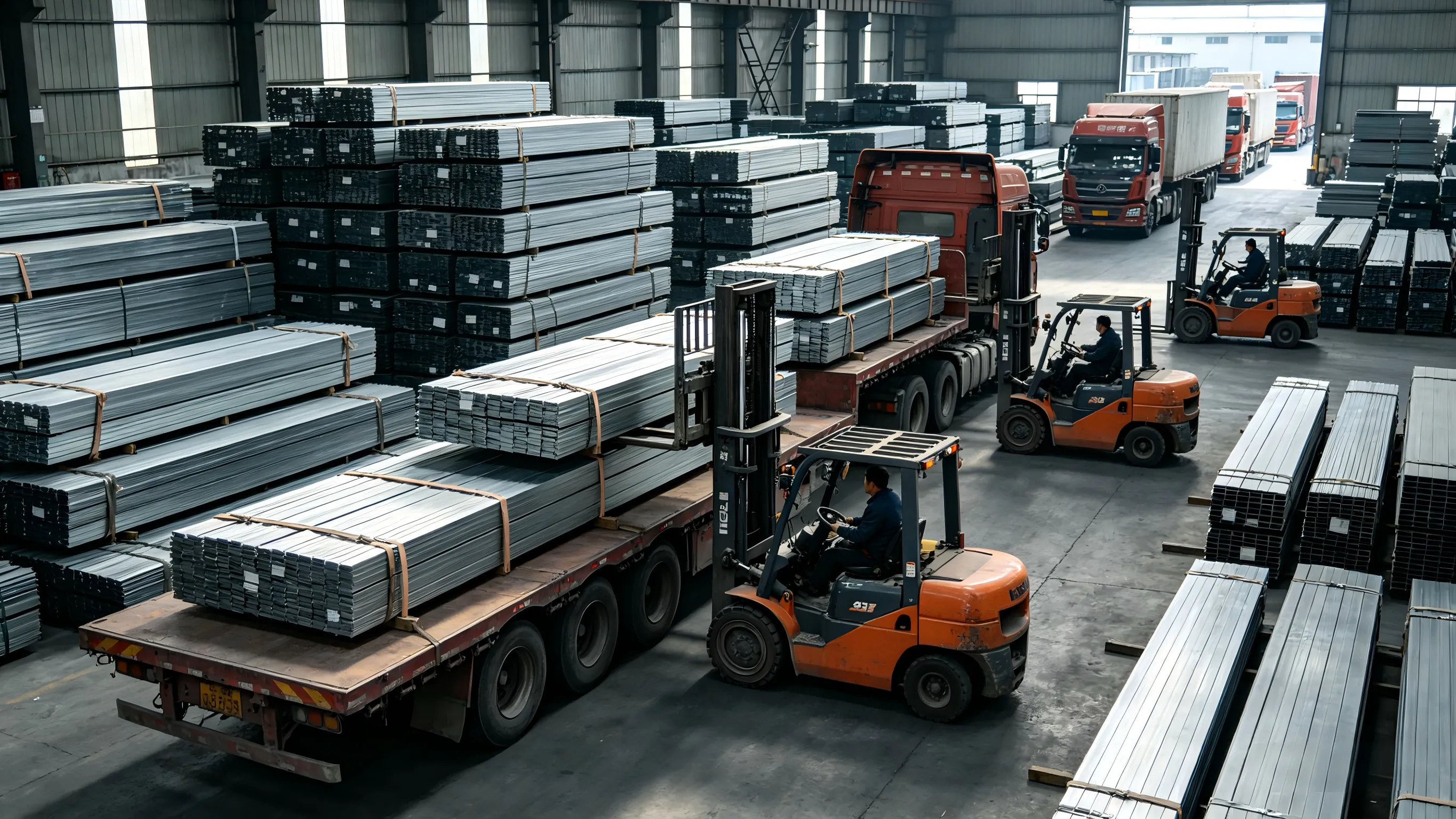
- Industrial flooring and walkways
- Truck beds and trailer floors
- Stair treads and ramps
- Wall protection panels
- Toolboxes and storage units
Companies like Sanhe provide high-quality Diamond Plate solutions tailored for these diverse applications, ensuring both safety and performance.
Material Options Comparison
| Material | Advantages | Disadvantages | Best Use Cases |
|---|---|---|---|
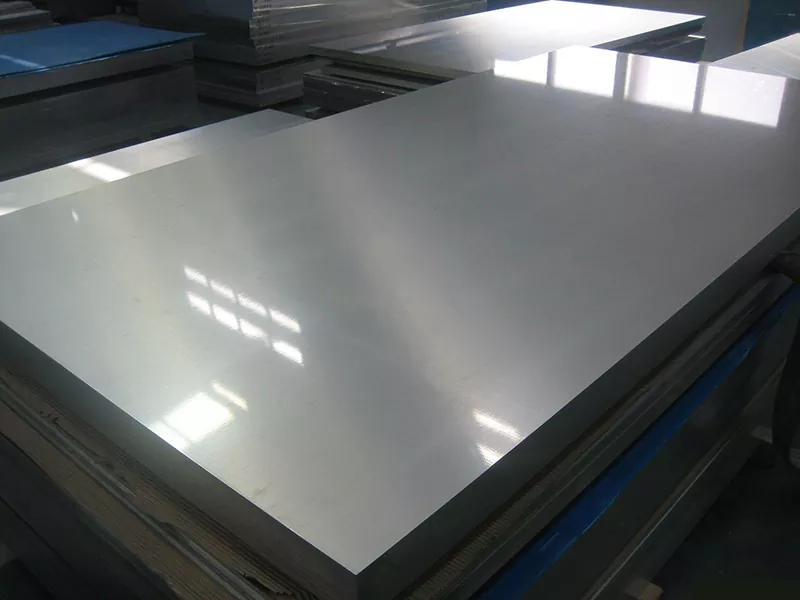
| Aluminum | Lightweight, corrosion-resistant | Lower strength than steel | Transportation, decorative use |
| Stainless Steel | High strength, excellent corrosion resistance | Higher cost | Food industry, marine environments |
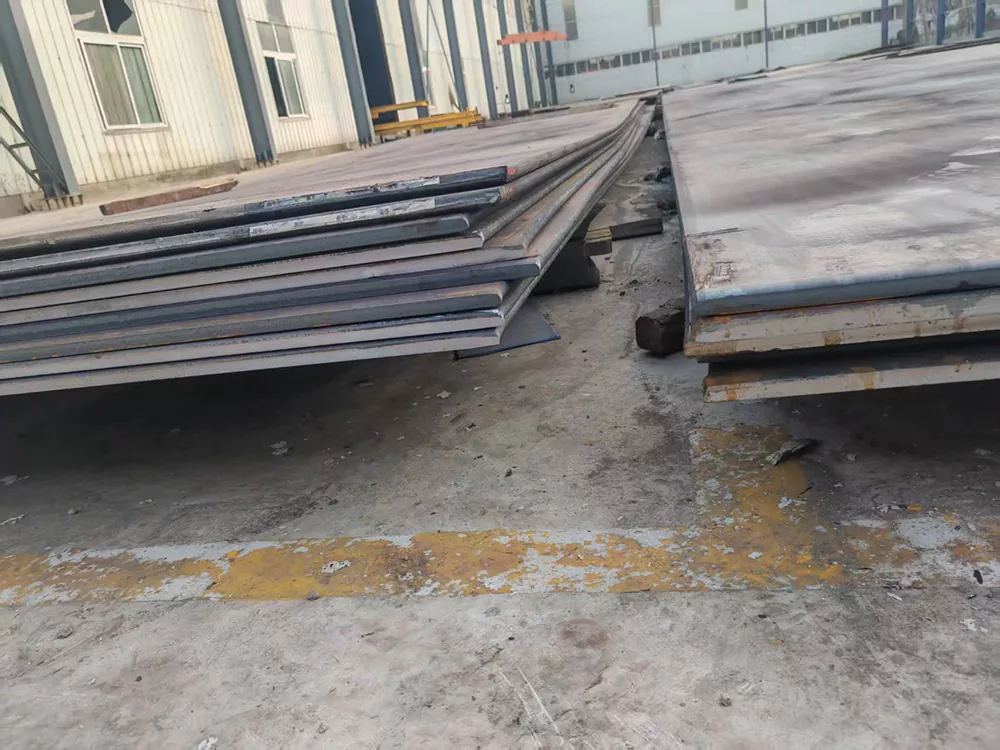
| Carbon Steel | High durability, cost-effective | Prone to rust if untreated | Heavy industrial flooring |
How to Choose the Right Diamond Plate
Choosing the correct Diamond Plate depends on several critical factors:
- Environment: Will it be exposed to moisture, chemicals, or extreme temperatures?
- Load Requirements: Consider the weight it needs to support.
- Material Type: Select based on corrosion resistance and strength needs.
- Thickness: Thicker plates provide greater durability but may increase cost.
Working with an experienced supplier like Sanhe ensures you receive expert guidance and high-quality materials tailored to your project requirements.
Maintenance and Longevity
Proper maintenance extends the lifespan of Diamond Plate and preserves its performance:
- Regular cleaning to remove debris and contaminants
- Periodic inspections for wear or damage
- Applying protective coatings for steel variants
With minimal effort, Diamond Plate can maintain its functionality and appearance for many years.
FAQ
What thickness of Diamond Plate should I choose?
The required thickness depends on your application. For light-duty use, thinner plates are sufficient, while heavy industrial applications require thicker materials.
Is Diamond Plate suitable for outdoor use?
Yes, especially when using aluminum or stainless steel, which offer excellent corrosion resistance.
Can Diamond Plate be customized?
Yes, it can be cut, shaped, and finished according to specific project needs.
How does Diamond Plate improve workplace safety?
Its anti-slip surface significantly reduces the risk of accidents, particularly in high-traffic or hazardous areas.
Conclusion
Diamond Plate is a versatile and reliable material that enhances safety, durability, and efficiency across multiple industries. By understanding its features and selecting the right specifications, businesses can solve common operational challenges effectively.
For premium-quality Diamond Plate solutions, Sanhe offers dependable products designed to meet diverse industrial demands.
Looking to upgrade your materials and improve safety standards? Contact us today to discover how Sanhe can support your next project with high-performance Diamond Plate solutions.
Related News
- How Can Galvanized Floor Diamond Plate Improve Safety, Durability, and Long-Term Project Performance
- Why Is Hot Rolled Checkered Steel Plate for Platforms a Smart Choice for Safe and Durable Industrial Flooring
- What Makes SGCC Hot Dip Galvanized Steel Sheet a Reliable Choice for Corrosion-Resistant Industrial Applications
- How Can Wear Resistant Hot Rolled Heavy Steel Plate Structural Improve Service Life in Demanding Industrial Applications
- Why Is Wear Resistant Hot Rolled Heavy Steel Plate Structural Essential for Demanding Industrial Applications
- How Does Cold Rolled Steel Plate Improve Manufacturing Performance?
Leave me a message