What Are The Main Development Trends of Mild Steel Plate?
High-Performance Material Upgrading
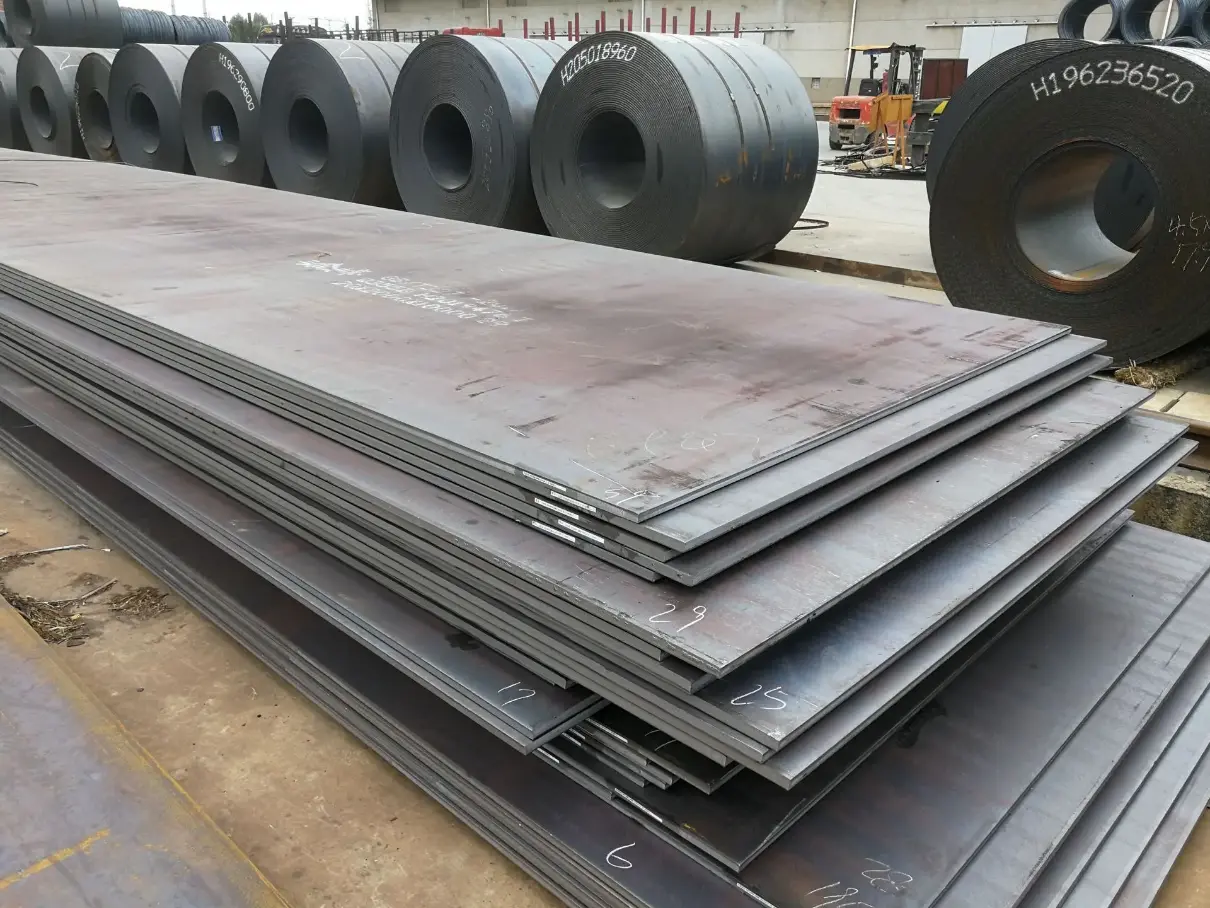
To meet the dual demands of vehicle lightweight design and driving safety, mild steel plates are evolving toward higher tensile strength. Conventional low-carbon mild steel can no longer satisfy the structural requirements of high-strength vehicle bodies. New material grades including HS-IF steel, bake-hardening steel and phosphorus-alloyed high-strength steel have taken its place. These materials retain excellent formability while delivering drastically upgraded mechanical strength. Manufacturers can cut down plate thickness without sacrificing structural bearing capacity, which effectively lowers the overall weight of automobiles.
Eco-Friendly Production Transformation
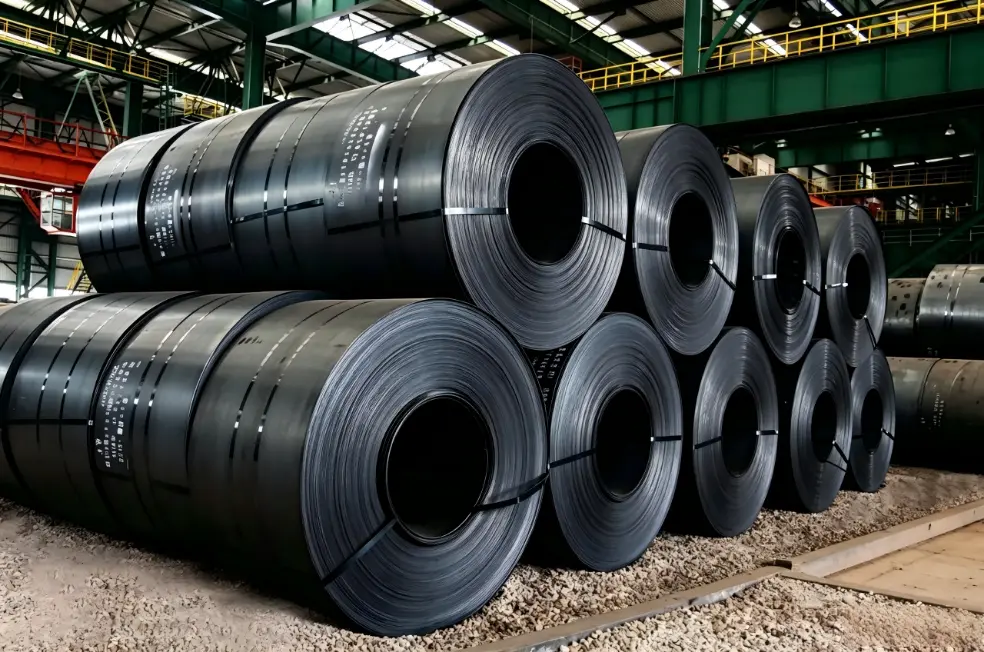
Driven by global carbon peaking and carbon neutrality targets, the production chain of mild steel plates is undergoing comprehensive green upgrades. Short-process electric furnace production has become the mainstream manufacturing route for automotive mild steel. Smelting with 100% scrap steel in electric furnaces cuts carbon emissions by 30% to 70%, compared with traditional long blast furnace processes.
Hydrogen metallurgy technology is also under intensive research and testing. This technology uses direct reduced iron (DRI) to achieve near-zero carbon output during steel making.
Besides, building a closed-loop resource circulation system-covering end-of-life vehicle recycling, scrap steel pretreatment and secondary smelting reuse-stands as another core development direction to boost the recycling efficiency of scrap steel resources for mild steel plate production.
Related News
- How Can Galvanized Floor Diamond Plate Improve Safety, Durability, and Long-Term Project Performance
- Why Is Hot Rolled Checkered Steel Plate for Platforms a Smart Choice for Safe and Durable Industrial Flooring
- What Makes SGCC Hot Dip Galvanized Steel Sheet a Reliable Choice for Corrosion-Resistant Industrial Applications
- How Can Wear Resistant Hot Rolled Heavy Steel Plate Structural Improve Service Life in Demanding Industrial Applications
- Why Is Wear Resistant Hot Rolled Heavy Steel Plate Structural Essential for Demanding Industrial Applications
- How Does Cold Rolled Steel Plate Improve Manufacturing Performance?
Leave me a message