What Are the Classifications of Sanhe Steel Plates?
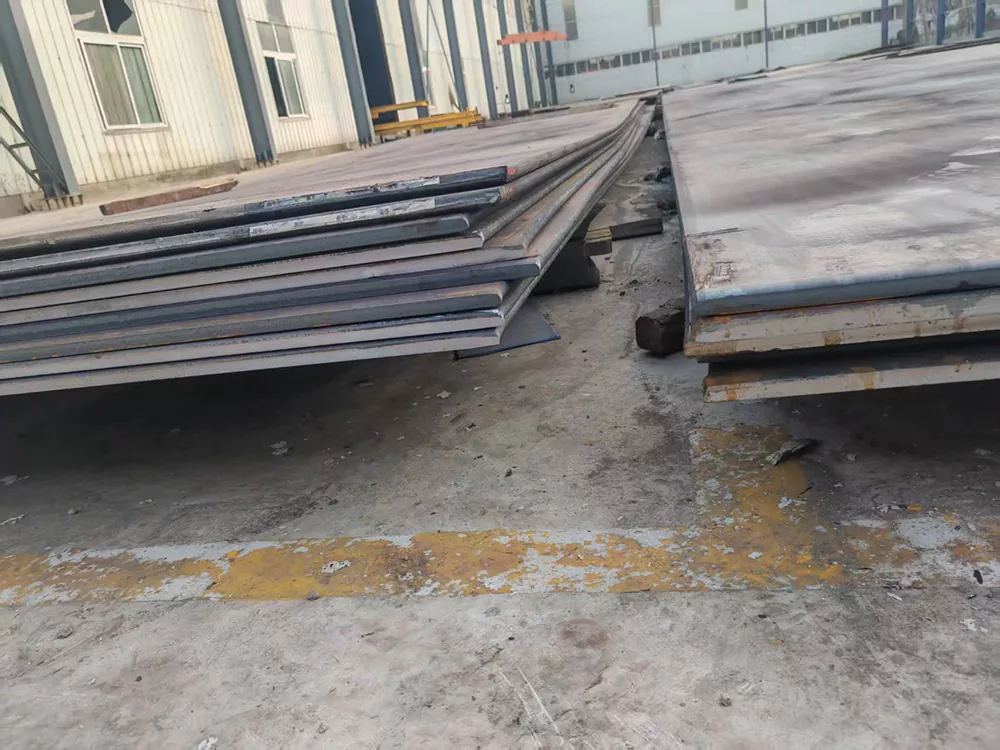
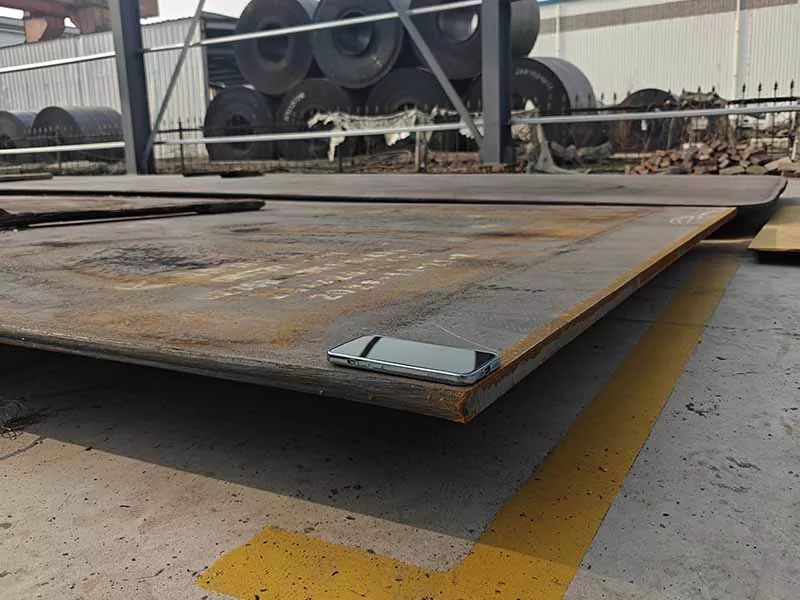
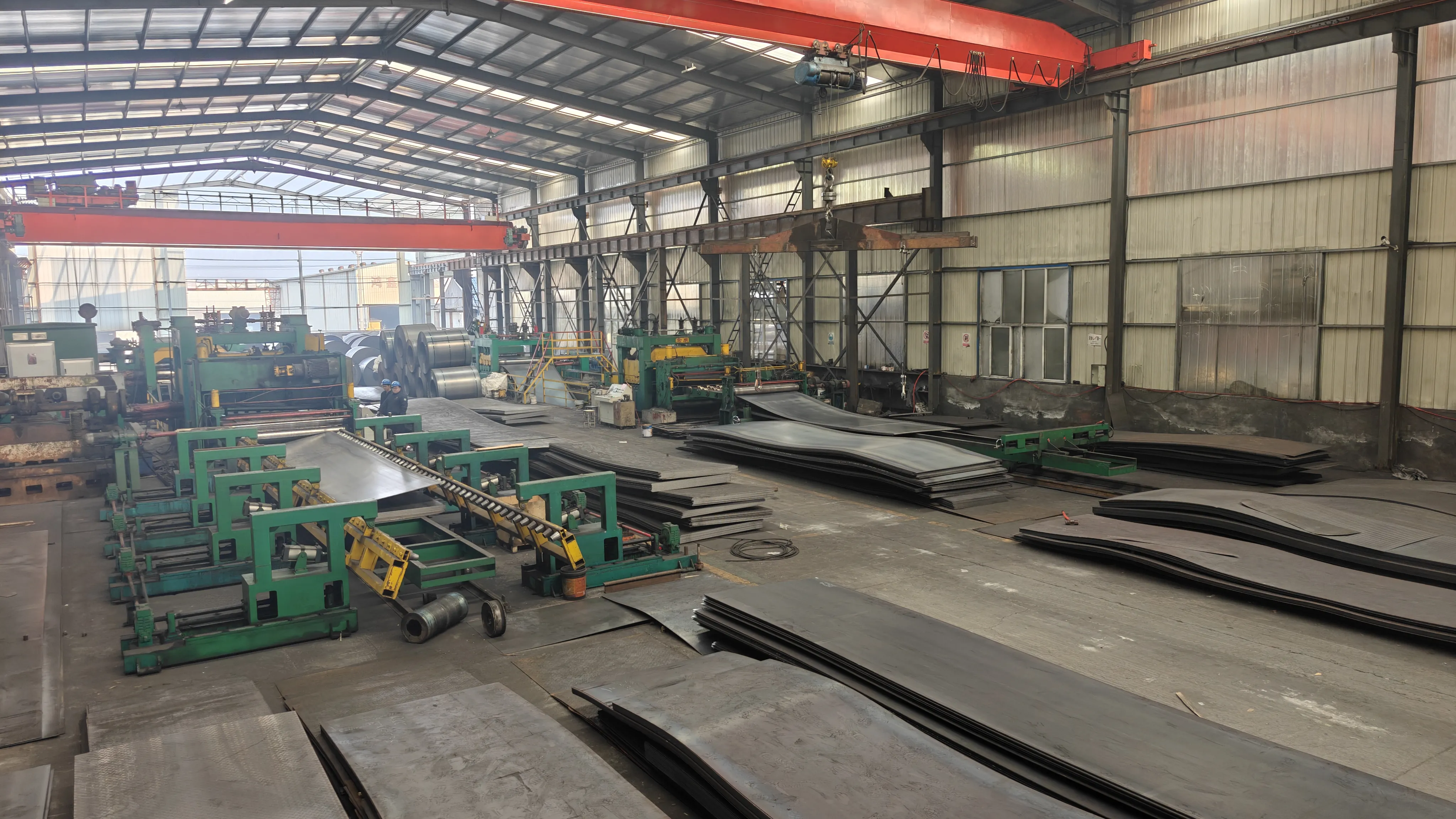
Sanhe plate refers to flat steel products featuring a large surface area and a high width-to-thickness ratio. By thickness, steel plates fall into two main categories: thin plates and heavy plates.
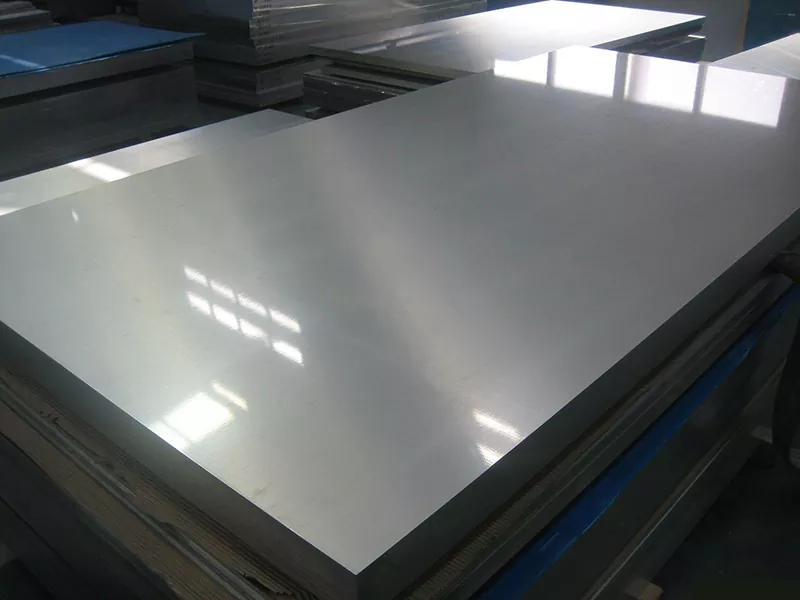
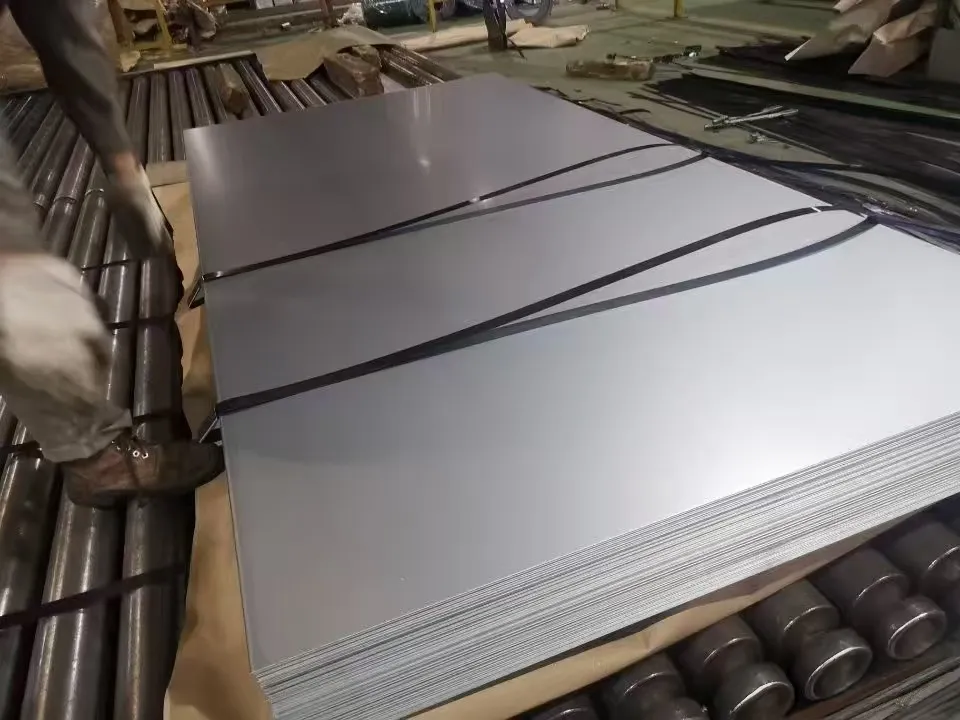
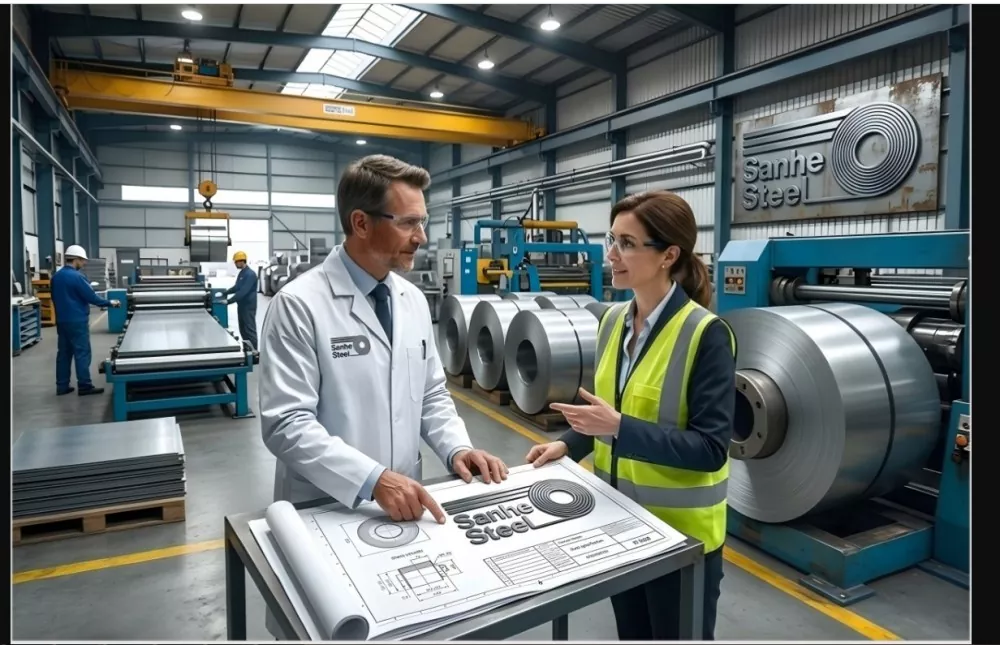
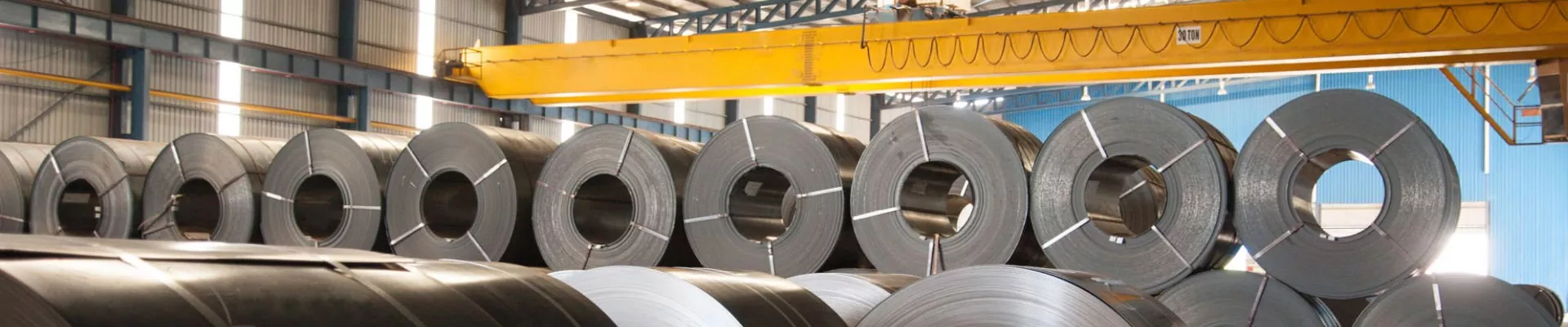
Thin steel plates of Sanhe Steel are manufactured via hot rolling or cold rolling, with thickness ranging from 0.2 mm to 4 mm and width between 500 mm and 1400 mm. They are rolled from different steel billets to suit diverse application scenarios. Common materials include ordinary carbon steel, high-quality carbon steel, alloy structural steel, carbon tool steel, stainless steel, spring steel and electrical silicon steel. Thin plates are widely applied in automotive, aerospace, enamel, electrical and machinery industries. Apart from raw rolled sheets delivered directly, there are also pickled, galvanized and tin-plated thin steel plates.
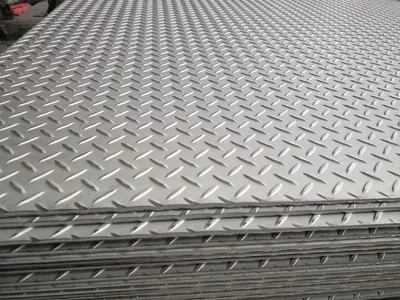
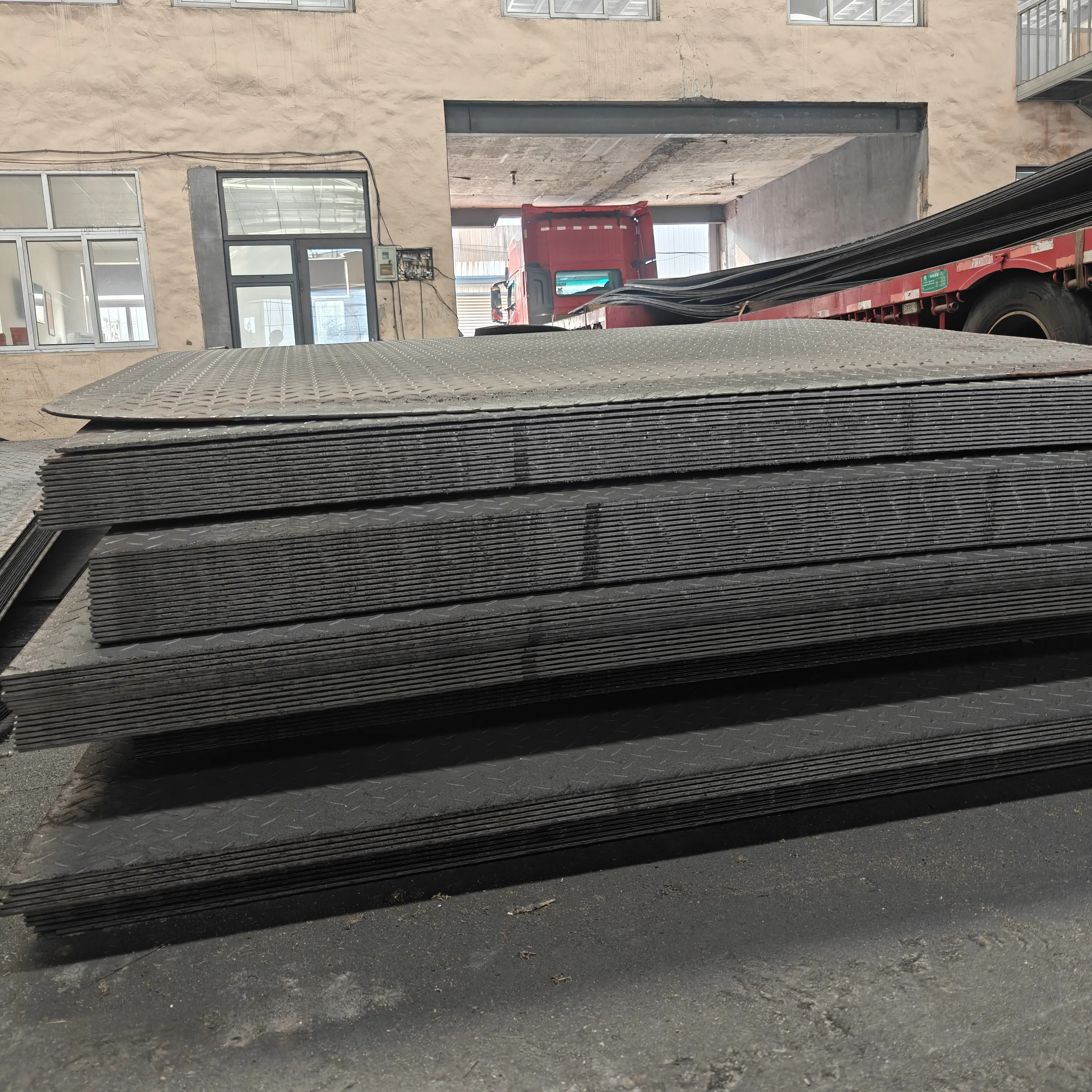
Checker plate, also known as patterned steel plate, has raised diamond or linear ridges on its surface. The patterns offer anti-slip performance and decorative effects, making the plates ideal for factory flooring, stair treads and workshop staircases.
Hot rolling is a forming process carried out above the metal’s recrystallization temperature. Ferrous steel materials are generally rolled at temperatures between 900°C and 1200°C.
Main Classifications of Sanhe Steel Plates
1. Classified by thickness: Thin plate, medium plate, heavy plate, extra-heavy plate
2. Classified by production process: Hot rolled steel plate, cold rolled steel plate
3. Classified by surface finish: Galvanized steel plate (hot-dip galvanized plate, electro-galvanized plate), tin plate, clad steel plate, color coated steel plate
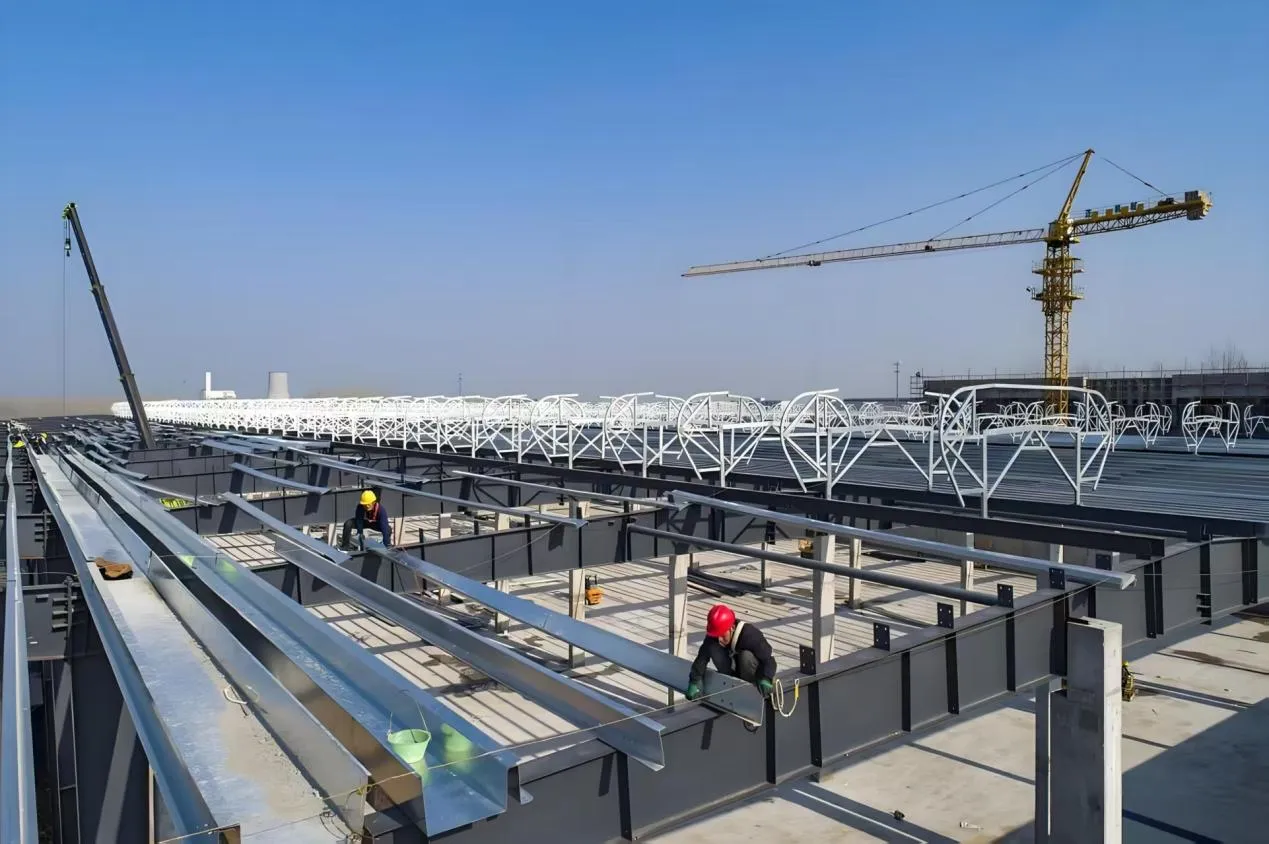
4. Classified by application: Bridge steel plate, boiler steel plate, shipbuilding steel plate, armor steel plate, automotive steel plate, roof steel plate, structural steel plate, electrical steel sheet (silicon steel sheet), spring steel plate and other special-purpose plates
Related News
- How Can Galvanized Floor Diamond Plate Improve Safety, Durability, and Long-Term Project Performance
- Why Is Hot Rolled Checkered Steel Plate for Platforms a Smart Choice for Safe and Durable Industrial Flooring
- What Makes SGCC Hot Dip Galvanized Steel Sheet a Reliable Choice for Corrosion-Resistant Industrial Applications
- How Can Wear Resistant Hot Rolled Heavy Steel Plate Structural Improve Service Life in Demanding Industrial Applications
- Why Is Wear Resistant Hot Rolled Heavy Steel Plate Structural Essential for Demanding Industrial Applications
- How Does Cold Rolled Steel Plate Improve Manufacturing Performance?
Leave me a message