How A36 Steel Plate Meets Your Structural and Fabrication Needs
Article Summary
A36 steel plate is one of the most widely used carbon structural steels due to its excellent balance of strength, weldability, and cost-efficiency. This article explains how A36 steel plate performs in real-world applications, how to choose the right specification, and how to avoid common purchasing and fabrication pitfalls. Whether you are in construction, manufacturing, or heavy equipment production, understanding A36 steel plate helps you make smarter, safer, and more economical decisions.
Table of Contents
- 1. What Is A36 Steel Plate?
- 2. How A36 Steel Plate Works in Structural Applications
- 3. Key Mechanical and Chemical Properties
- 4. How to Choose the Right A36 Steel Plate
- 5. Common Customer Pain Points and Solutions
- 6. Processing and Fabrication Advantages
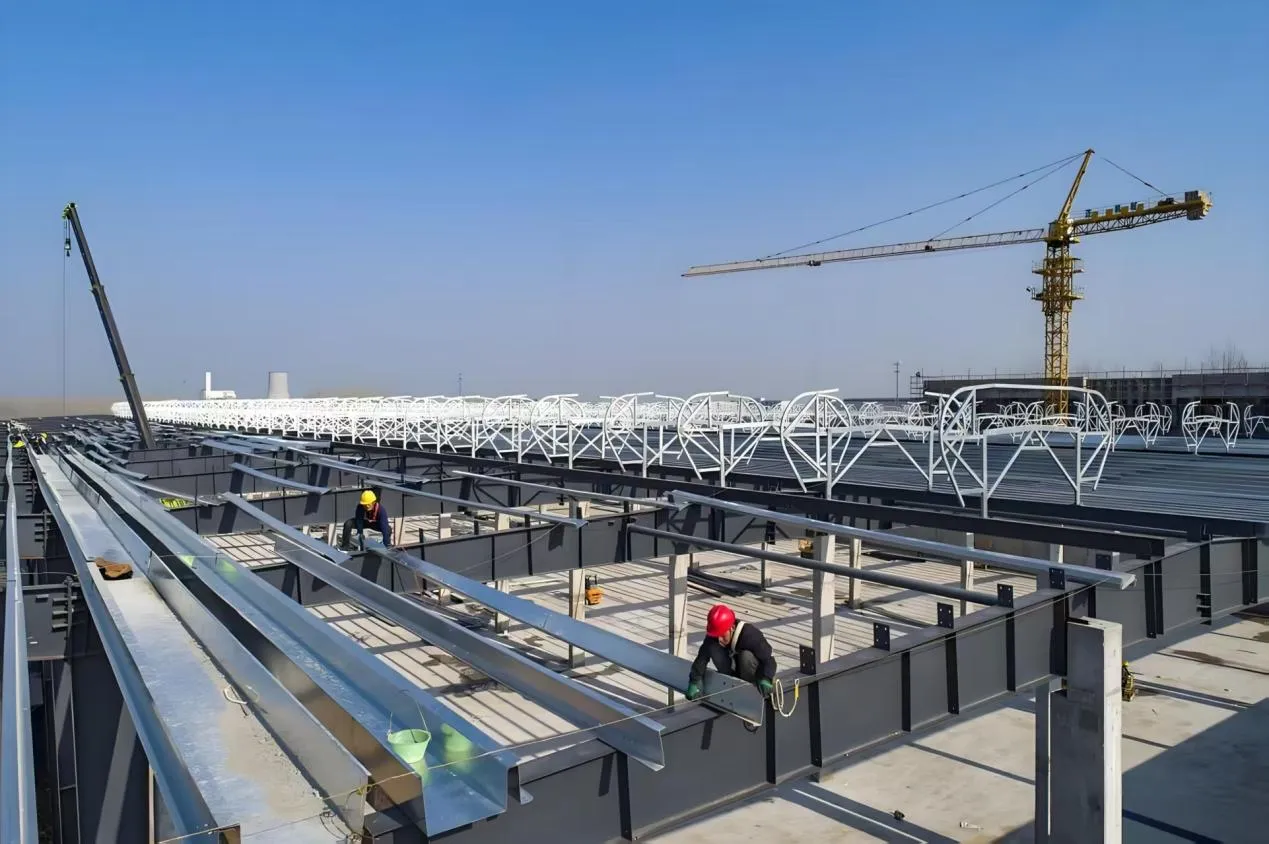
- 7. Application Scenarios Across Industries
- 8. Comparison with Other Steel Grades
- 9. Ordering Tips and Quality Control
- 10. FAQ
1. What Is A36 Steel Plate?
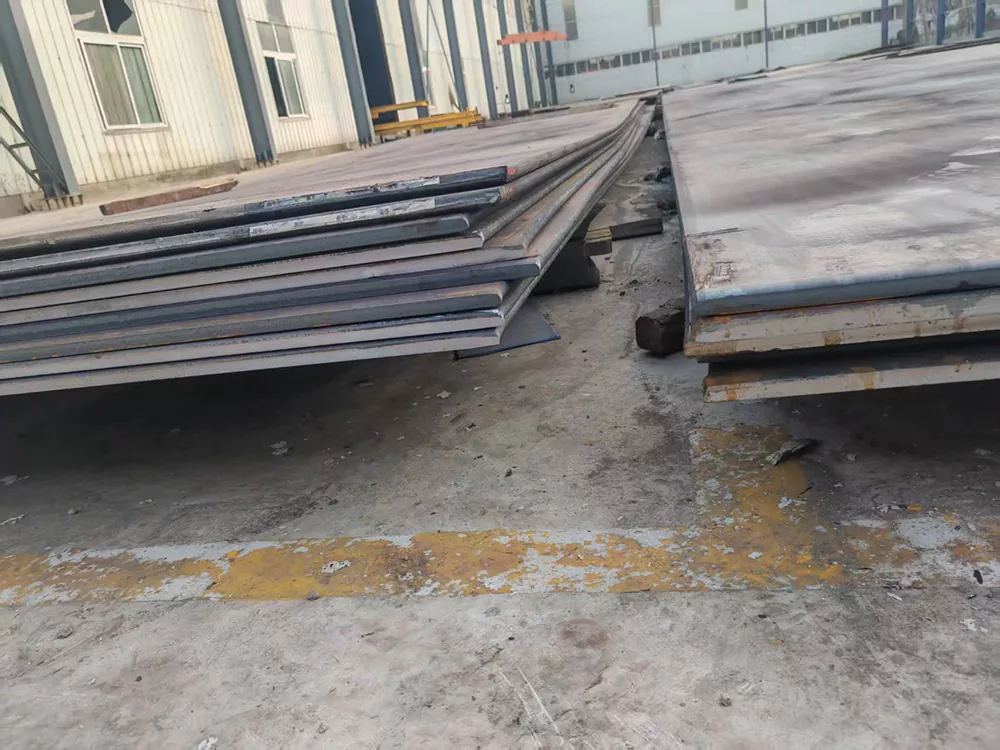
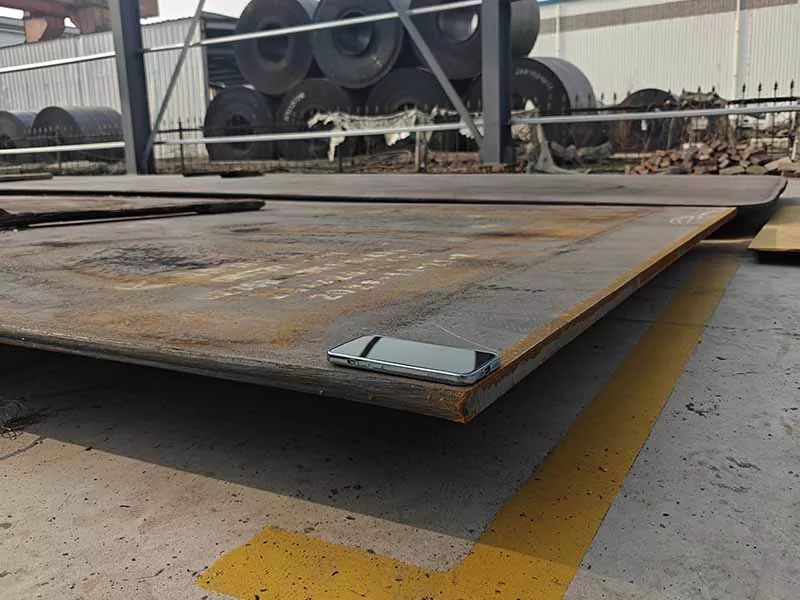
A36 steel plate is a low-carbon structural steel defined under ASTM standards. It is widely recognized for its versatility and affordability, making it a preferred choice for general construction and industrial fabrication.
Its relatively low carbon content enhances ductility and weldability, allowing engineers and fabricators to easily cut, form, and weld it without complex preheating or post-treatment processes.
2. How A36 Steel Plate Works in Structural Applications
A36 steel plate performs by providing a reliable combination of tensile strength and flexibility. In structural systems, materials must handle both static loads and dynamic stresses. A36 steel plate absorbs stress without cracking, which is critical in buildings, bridges, and machinery.
Its yield strength ensures that it maintains structural integrity under pressure, while its ductility allows it to deform slightly rather than fail suddenly. This balance makes it particularly suitable for load-bearing frameworks.
3. Key Mechanical and Chemical Properties
| Property | Value |
|---|---|
| Yield Strength | ≥ 36,000 psi |
| Tensile Strength | 58,000–80,000 psi |
| Carbon Content | ≤ 0.26% |
| Weldability | Excellent |
| Machinability | Good |
These properties make A36 steel plate adaptable across multiple fabrication methods while maintaining consistent performance.
4. How to Choose the Right A36 Steel Plate
- Thickness Selection: Match thickness with load requirements and safety factors.
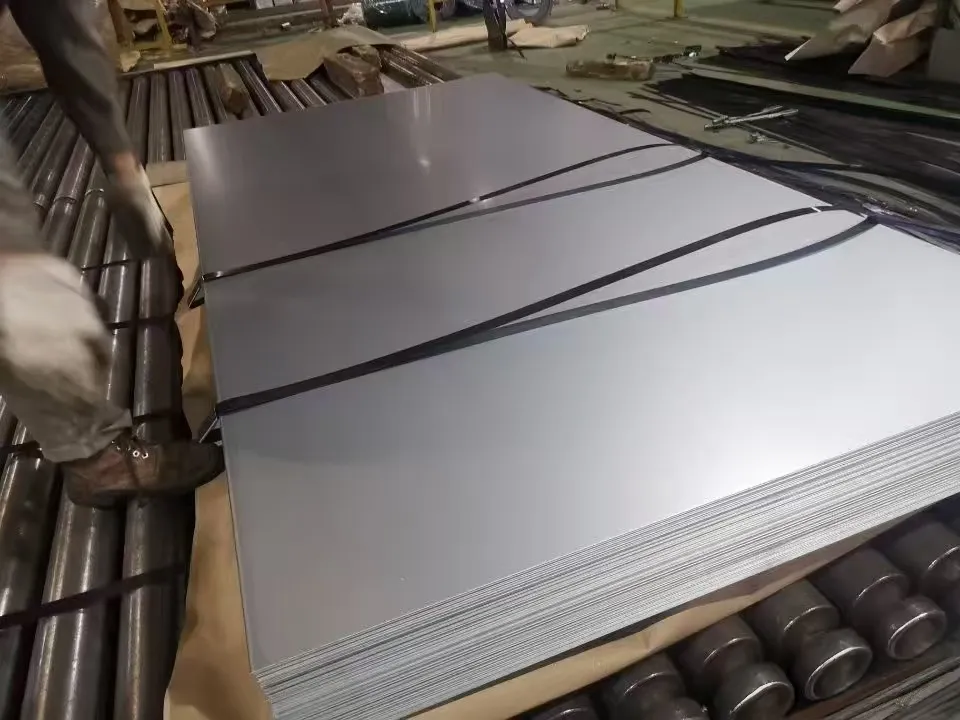
- Surface Condition: Choose between hot-rolled, pickled, or coated finishes.
- Dimensional Accuracy: Ensure tight tolerances for precision projects.
- Certification: Always verify mill test reports (MTRs).
Selecting the wrong specification can lead to structural inefficiencies or increased costs, so evaluating these parameters is essential.
5. Common Customer Pain Points and Solutions
- Inconsistent Quality: Work with trusted suppliers that provide full traceability.
- Welding Issues: Ensure proper surface preparation and compatible filler materials.
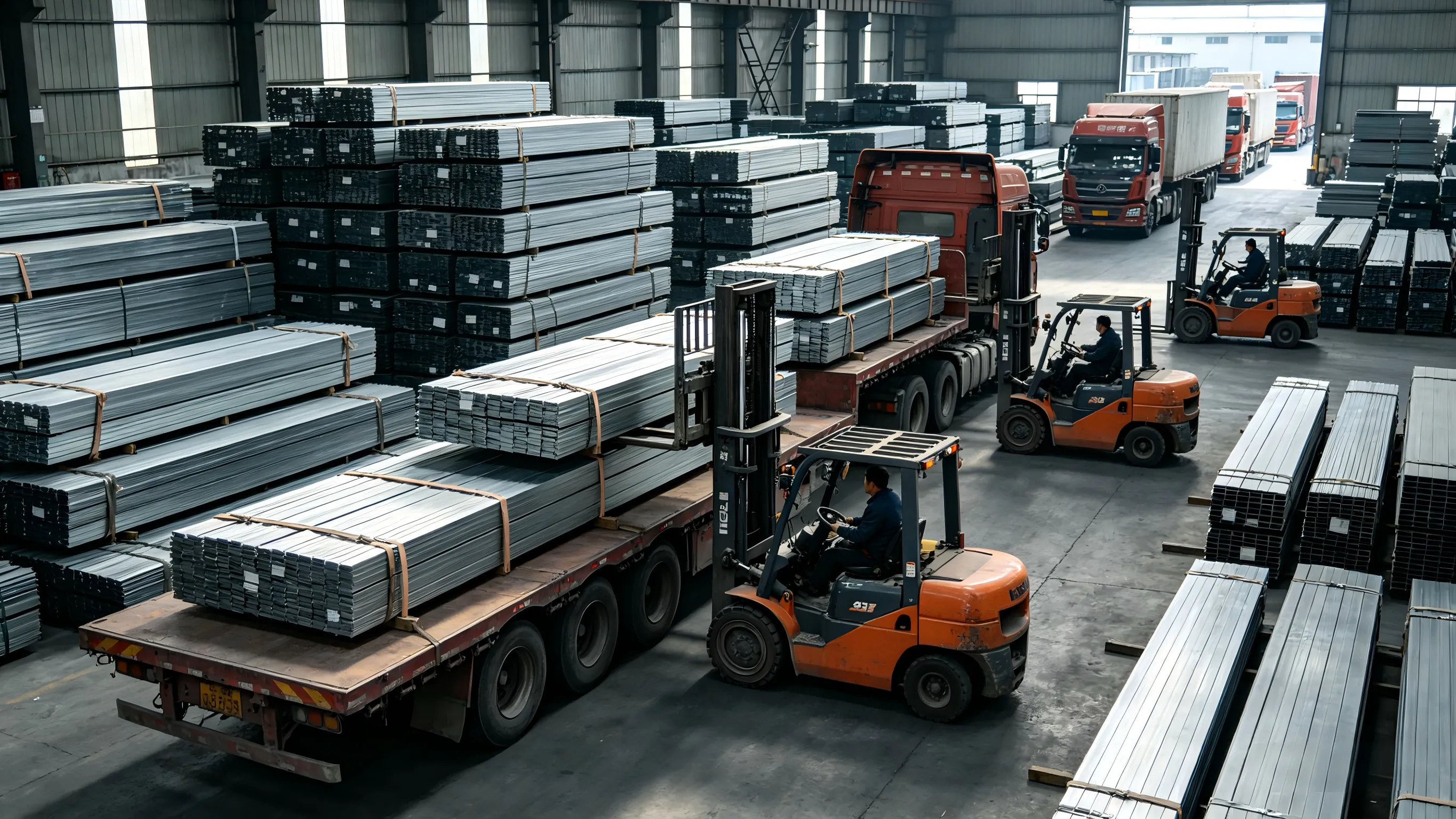
- Delivery Delays: Choose suppliers with stable inventory and logistics capabilities.
- Cost Fluctuations: Lock in pricing through long-term agreements when possible.
Sanhe understands these challenges and provides stable supply chains, strict quality inspection, and responsive service. For tailored solutions and reliable sourcing, contact us at Sanhe.
6. Processing and Fabrication Advantages
A36 steel plate offers significant advantages during processing:
- Easy cutting using plasma, laser, or flame methods
- Excellent weld compatibility with common electrodes
- Good forming performance without cracking
- Minimal heat treatment requirements
These characteristics reduce fabrication time and overall production costs, making it highly efficient for manufacturers.
7. Application Scenarios Across Industries
| Industry | Application |
|---|---|
| Construction | Beams, columns, base plates |
| Manufacturing | Machine parts, frames |
| Transportation | Truck beds, trailers |
| Energy | Support structures, platforms |
Its versatility ensures that A36 steel plate remains a foundational material across sectors.
8. Comparison with Other Steel Grades
| Grade | Strength | Cost | Use Case |
|---|---|---|---|
| A36 | Moderate | Low | General structural use |
| A572 | Higher | Medium | High-strength structures |
| A516 | Pressure-grade | Higher | Boilers and pressure vessels |
A36 remains the most economical option for standard applications, while other grades serve specialized needs.
9. Ordering Tips and Quality Control
- Request full chemical and mechanical test reports
- Inspect surface defects before acceptance
- Confirm international standards compliance
- Work with experienced exporters for global projects
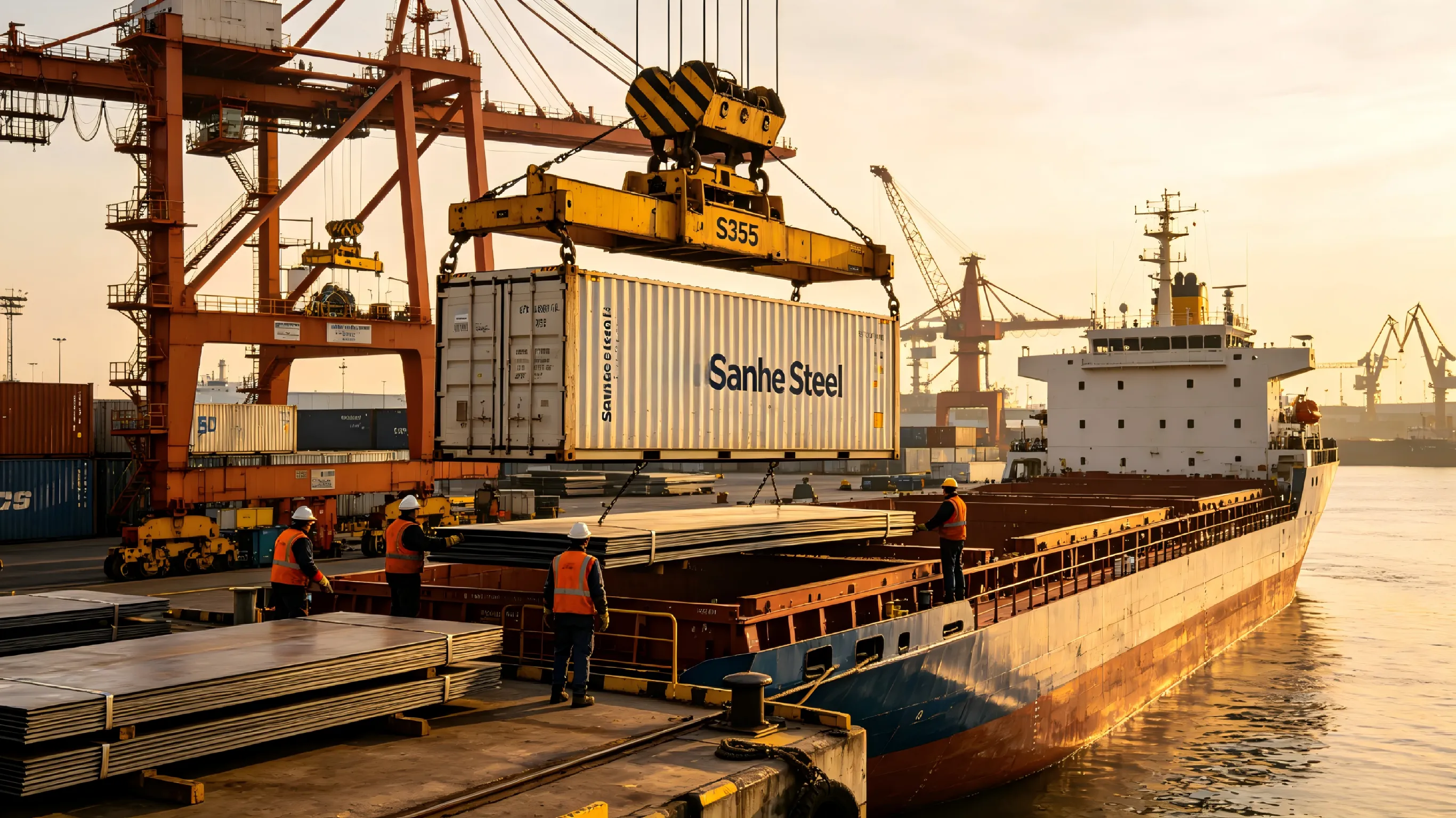
Sanhe provides strict inspection processes and professional export services to ensure every shipment meets your expectations. For dependable A36 steel plate supply, contact us at Sanhe today.
10. FAQ
Q1: Is A36 steel plate suitable for outdoor use?
A36 can be used outdoors, but it requires protective coatings to prevent corrosion.
Q2: Can A36 steel plate be welded easily?
Yes, it has excellent weldability and does not typically require preheating.
Q3: What thickness range is available?
It is available in a wide range of thicknesses, typically from thin sheets to heavy plates.
Q4: How does A36 compare to stainless steel?
A36 is more cost-effective but lacks the corrosion resistance of stainless steel.
Q5: Where can I source reliable A36 steel plate?
Choosing an experienced supplier like Sanhe ensures consistent quality, competitive pricing, and professional service. For more details and product support, contact us at Sanhe.
Related News
- How Can Galvanized Floor Diamond Plate Improve Safety, Durability, and Long-Term Project Performance
- Why Is Hot Rolled Checkered Steel Plate for Platforms a Smart Choice for Safe and Durable Industrial Flooring
- What Makes SGCC Hot Dip Galvanized Steel Sheet a Reliable Choice for Corrosion-Resistant Industrial Applications
- How Can Wear Resistant Hot Rolled Heavy Steel Plate Structural Improve Service Life in Demanding Industrial Applications
- Why Is Wear Resistant Hot Rolled Heavy Steel Plate Structural Essential for Demanding Industrial Applications
- How Does Cold Rolled Steel Plate Improve Manufacturing Performance?
Leave me a message