Hot Rolled Plate for Bridge Engineering
Sanhe Steel is a China manufacturer and supplier of hot rolled plate for bridge engineering, produced to GB/T 714 and to the EN and ASTM equivalents used on export projects. Low-temperature impact toughness, through-thickness performance and plate flatness are verified per batch, and mill certificates ship with every consignment. Ask for a quotation with the grade and drawing.
Sanhe Steel Hot Rolled Plate for Bridge Engineering
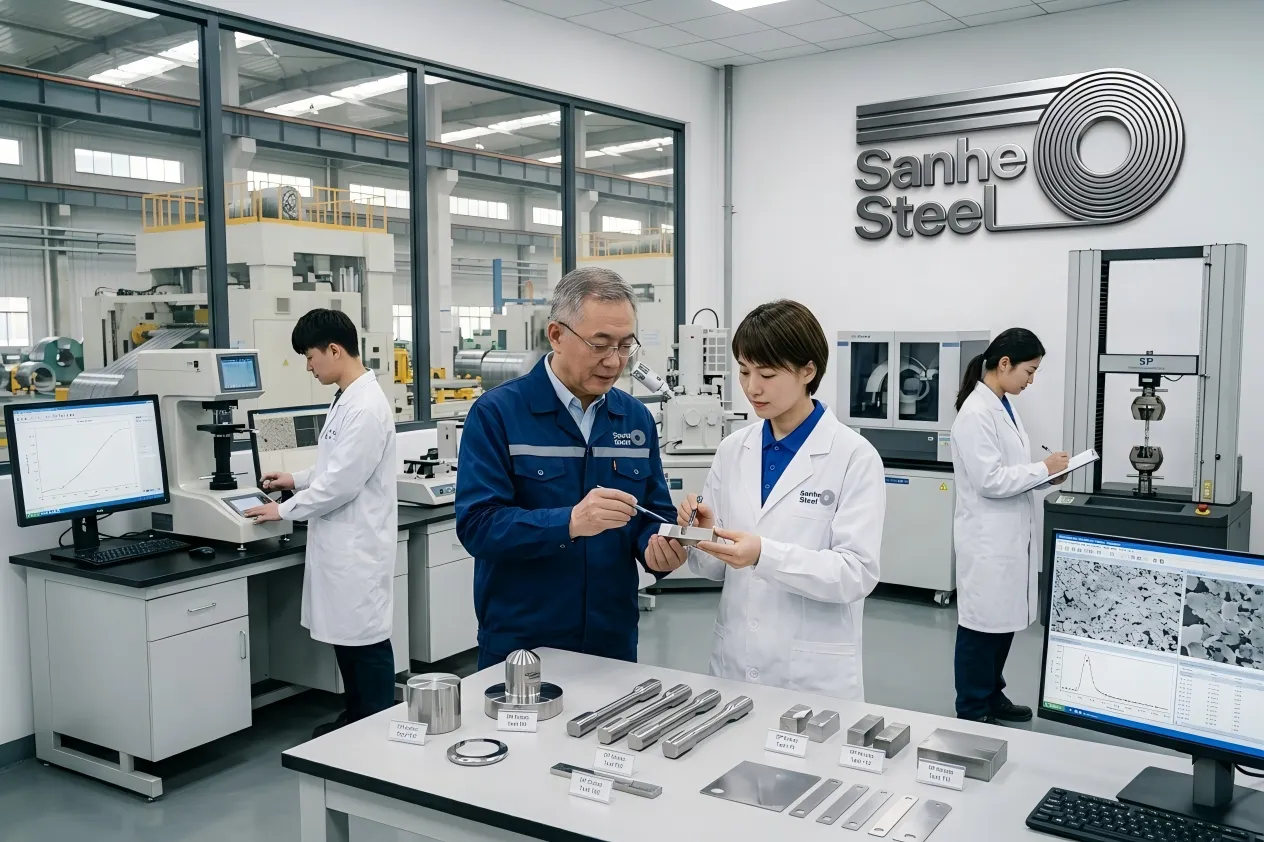
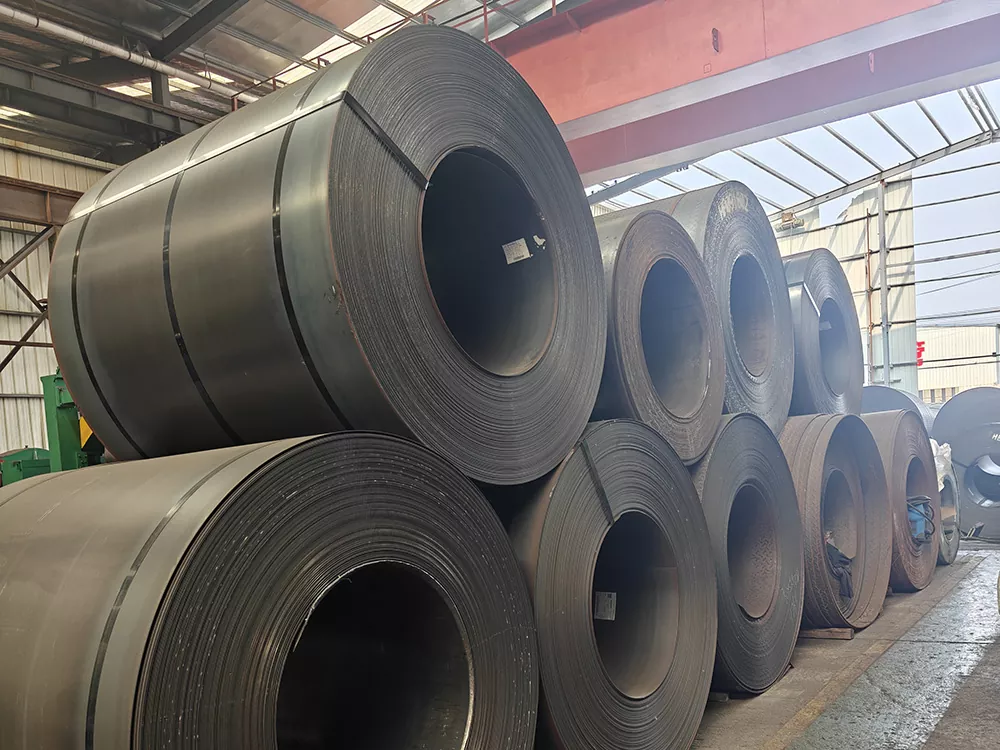
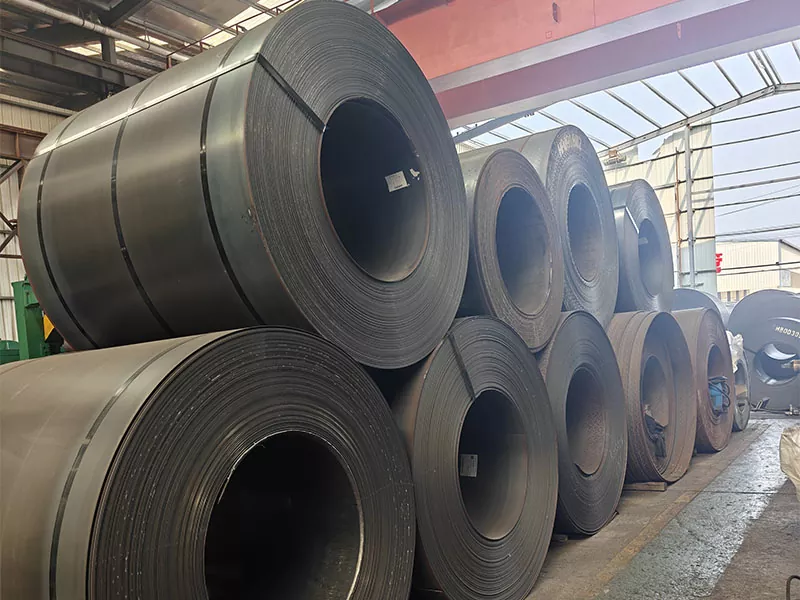
Sanhe Steel is a hot rolled plate for bridge engineering manufacturer and supplier in China. Plate is quoted against the drawing, with impact temperature, Z-direction requirement and flatness stated on the quotation rather than assumed. Cut-to-size parts and edge preparation are available so the fabricator starts from components, and blasting with priming prepares the surface for the coating system. Impact values, carbon equivalent and flatness measurements are recorded on the mill test certificate, with EN 10204 3.1 or 3.2 and third-party inspection available. Export consignments are documented for acceptance at the receiving project. MOQ, lead time and price list follow the specification: stock ships in 7-15 days, cut or specially rolled bridge plate in 15-35 days.
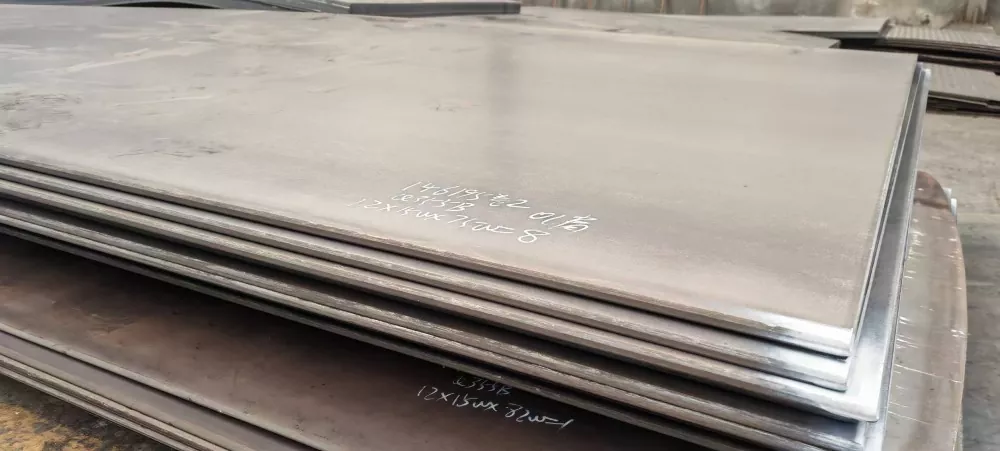
What This Material Is and How It Is Specified
Bridge plate is structural plate specified for a structure that is loaded millions of times rather than once. The governing properties are different from a building frame: fatigue resistance under repeated traffic loading, impact toughness at the lowest service temperature on the site, and dimensional accuracy because girders are fabricated to a tolerance that a bridge bearing will not absorb.
That is why bridge steel is bought to a named standard rather than a general structural grade. In China the standard is GB/T 714, with grades such as Q345qD and Q370qE in which the letter q marks bridge steel and the trailing letter marks the impact test temperature. On export projects the same requirement is written as S355J2 to EN 10025-2, ASTM A709 Gr.50, or the steel grade named in the national road authority specification. Hot rolled plate for bridge engineering is specified by standard because the acceptance test is written into the contract.
The difference between a bridge plate and a plate of the same tensile strength from a general stock list is documentation and testing, not marketing. A project will ask for the impact test result, the carbon equivalent value, the thickness tolerance and the flatness measurement, and it will reject a consignment that arrives without them.
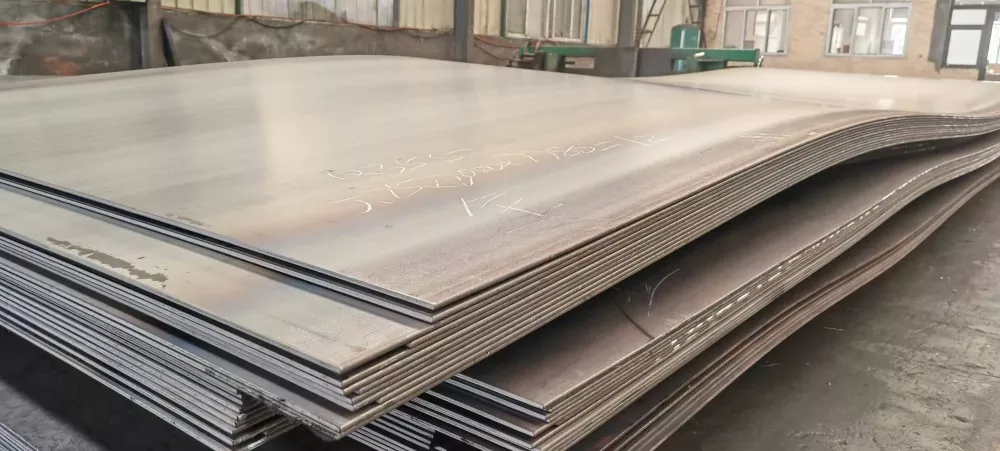
Grades and Standards Compared
|
Standard |
Typical grades |
Impact test |
Note |
|
GB/T 714 (China) |
Q345qD, Q370qE |
-20 C to -40 C |
Bridge structural steel series |
|
EN 10025-2 |
S355J2, S355J0 |
-20 C / 0 C |
Common on European bridge contracts |
|
ASTM A709 |
Gr.50, Gr.50W |
Zone 1 to 3 by service temperature |
North American bridge steel |
|
ASTM A572 |
Gr.50 |
Not specified |
General high strength structural |
Why This Grade Is Specified Differently
· Toughness at the design temperature: the hot rolled plate for bridge engineering must absorb energy in a Charpy test at the lowest temperature the structure will see in service.
· Through-thickness performance in thick joints: diaphragm and bearing connections are restrained in three directions, which is where Z-direction steel is called for.
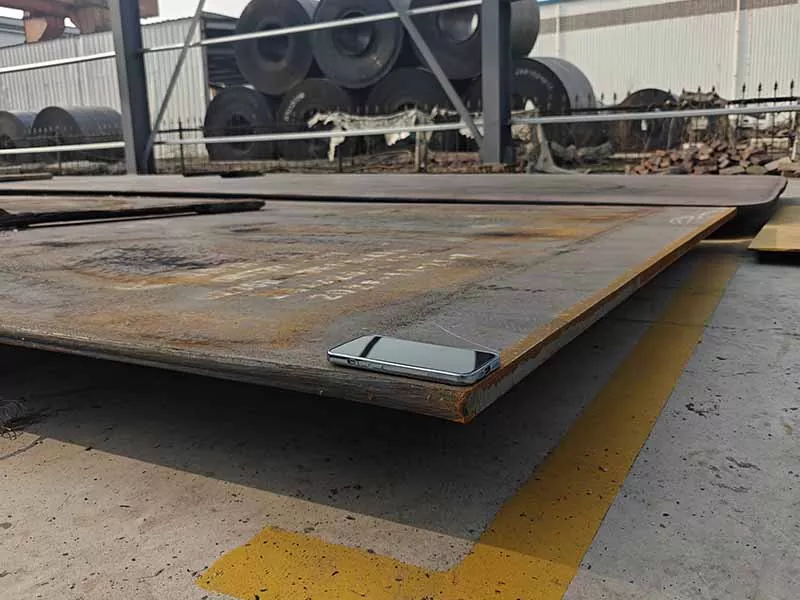
· Flatness and thickness tolerance: girder fabrication, camber and bearing levels depend on the plate being flat and to thickness.
· Weldability at the specified heat input: bridge welding procedures are qualified, and the plate has to suit the process that was qualified.
· Traceability: each plate carries a heat number that links it to its test certificate and to its position in the structure.
Specifications
|
Item |
Range |
Notes |
|
Grades |
Q345qD, Q370qE, S355J2, A709 Gr.50 |
Named standard to the project |
|
Thickness |
8 mm - 300 mm |
Quoted per grade and thickness |
|
Impact test |
-20 C / -40 C |
Charpy V-notch |
|
Z-direction |
Z25 / Z35 on request |
Verified through-thickness test |
|
Flatness |
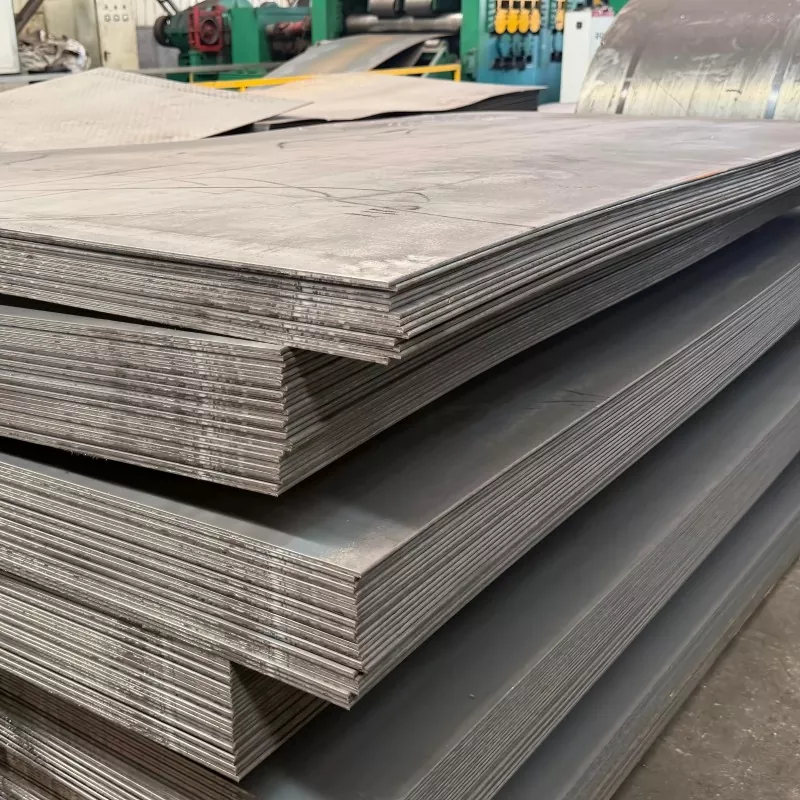
Controlled on the flattening line |
Measured and recorded |
|
Width |
1,500 mm - 4,500 mm |
Cut to width available |
|
Length |
6,000 / 12,000 mm or cut to size |
Cut-to-length and shaped blanks |
|
Surface |
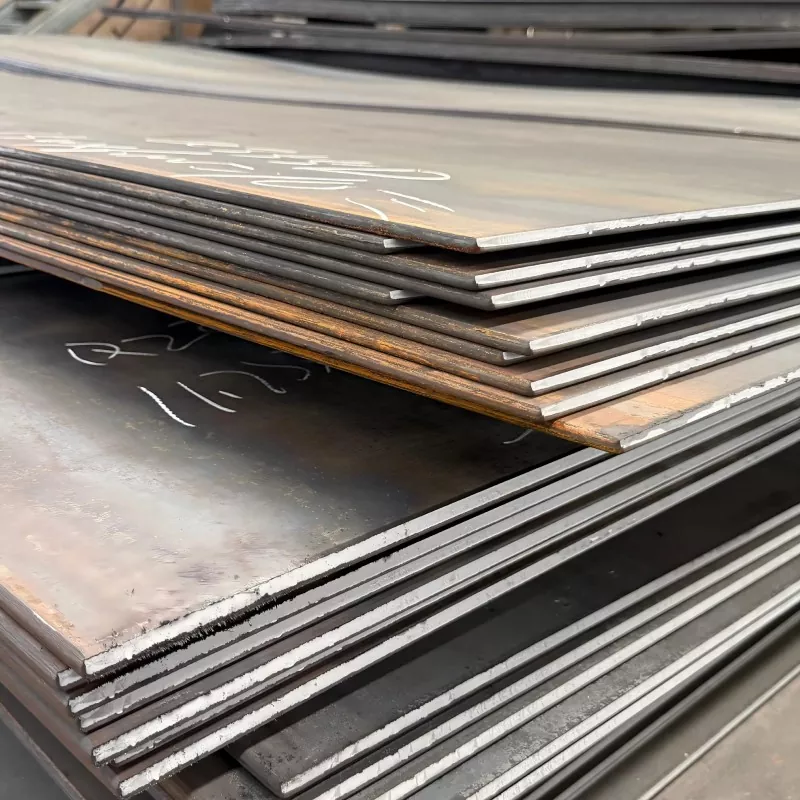
Black hot rolled |
Shot blasting and priming available |
|
Certificates |
MTC per batch, EN 10204 3.1 / 3.2 |
Third-party inspection available |
Applications
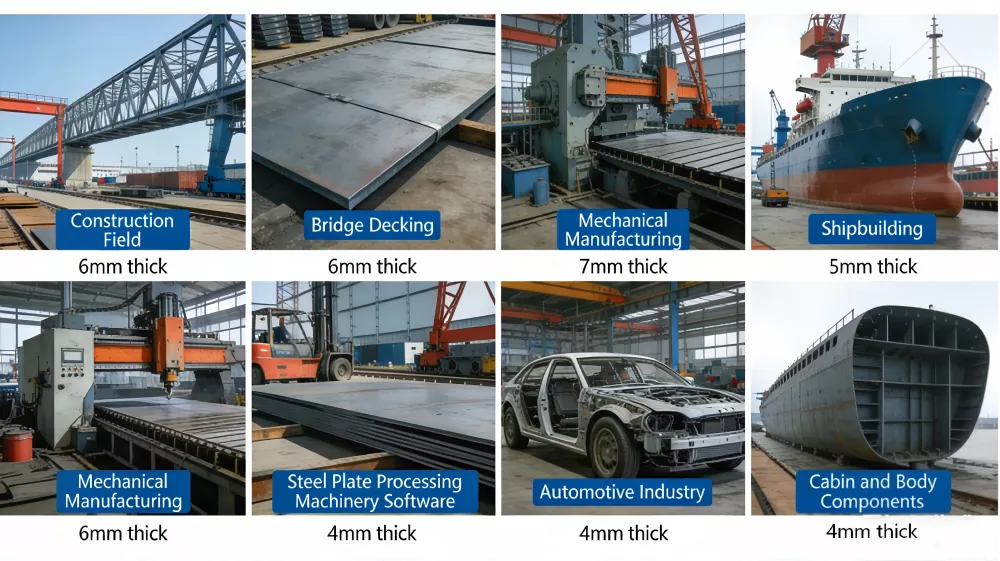
Plate girders and box girders: web and flange plate, including thick flange plate in negative moment regions. Cross frames, diaphragms and bracing where through-thickness restraint occurs. Bridge deck plate for orthotropic decks and for composite deck forms. Bearing plates and sole plates, where flatness and thickness control matter most. Temporary works: launching nose steel, false work and jacking beams. Ancillary structures: gantries, sign supports and toll structures. Hot rolled plate for bridge engineering is normally ordered cut to size, so the fabricator receives parts rather than full plate.
Fabrication and Delivery
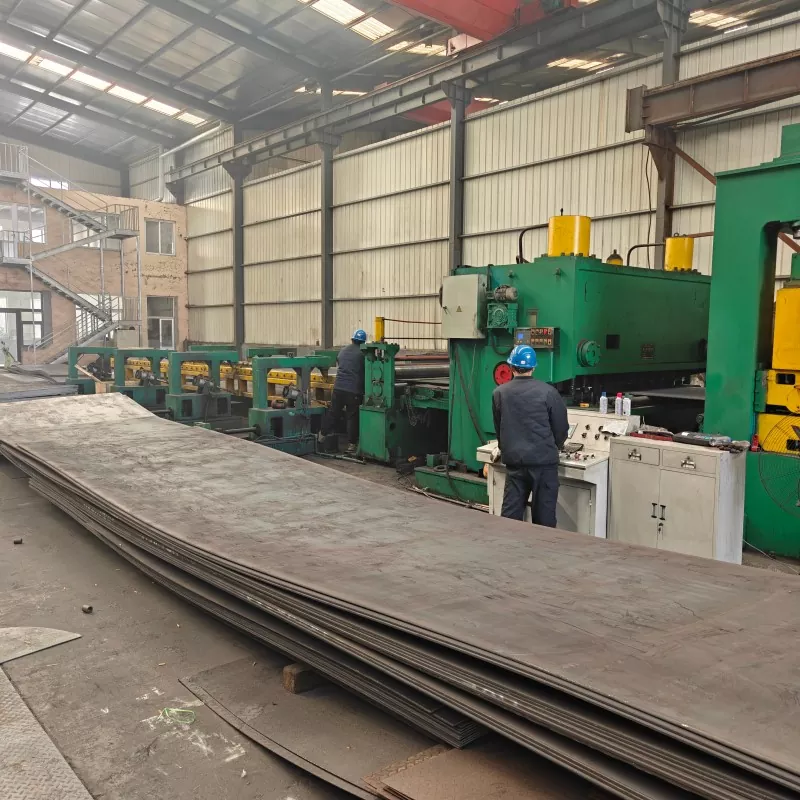
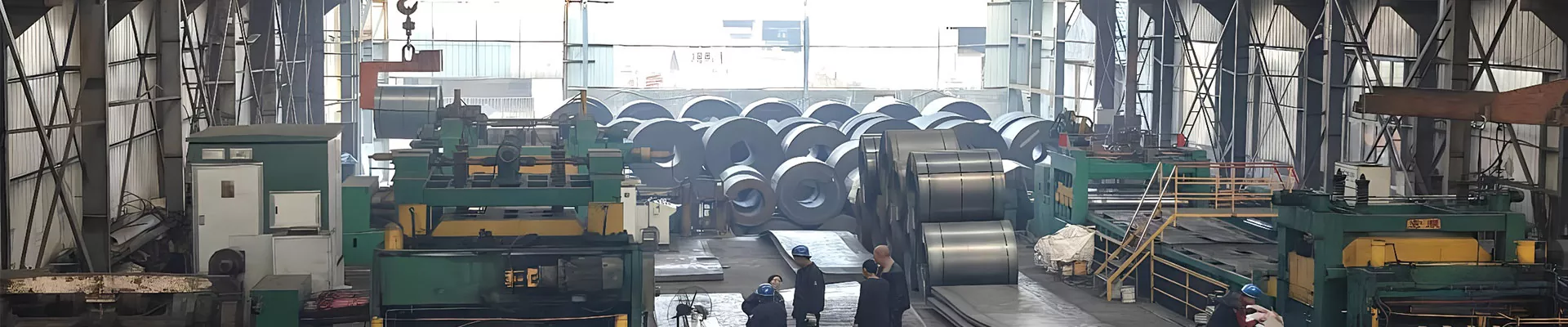
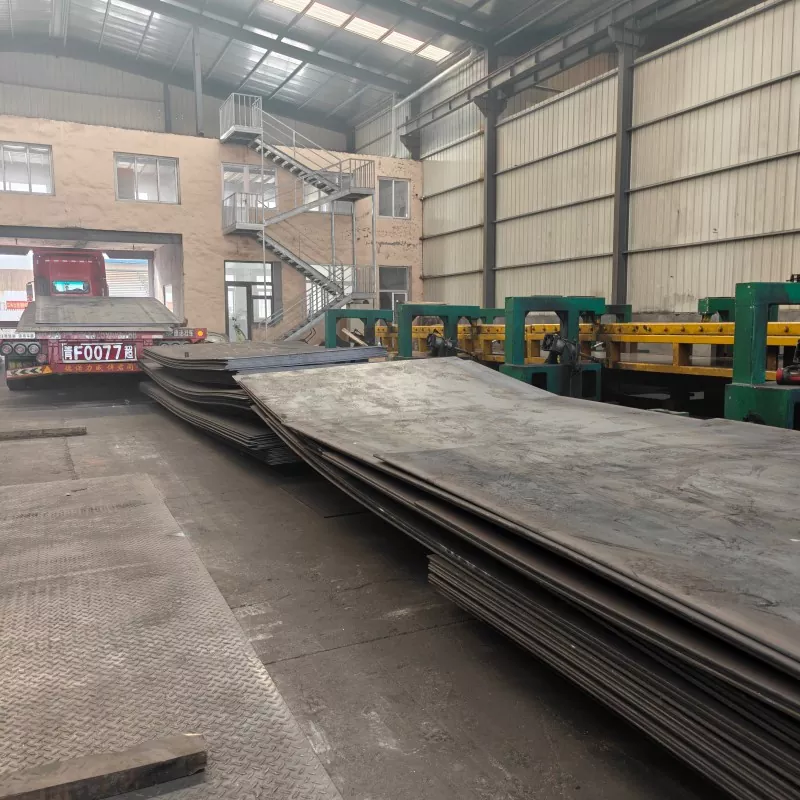
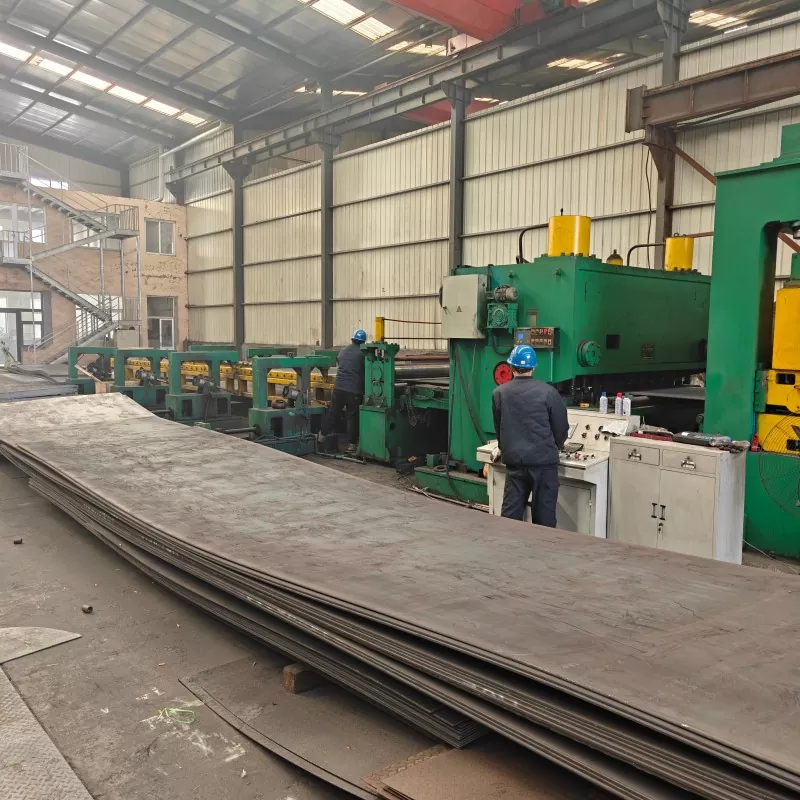
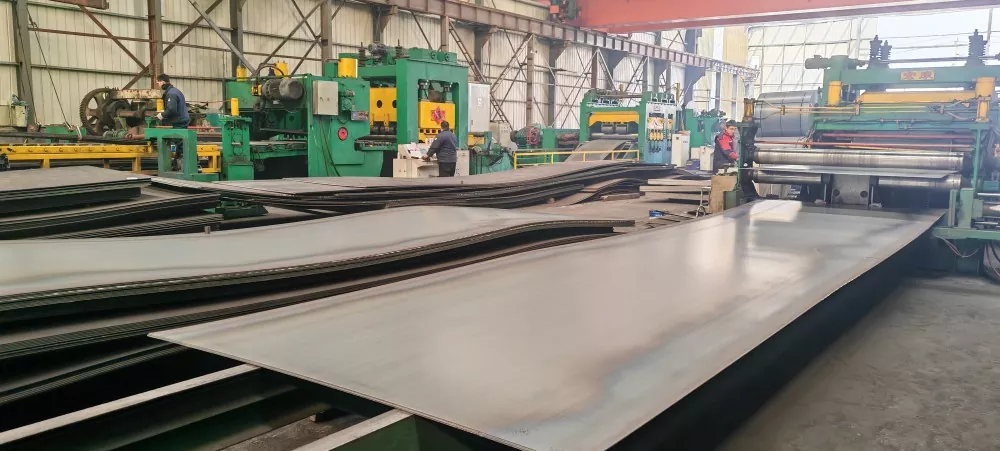
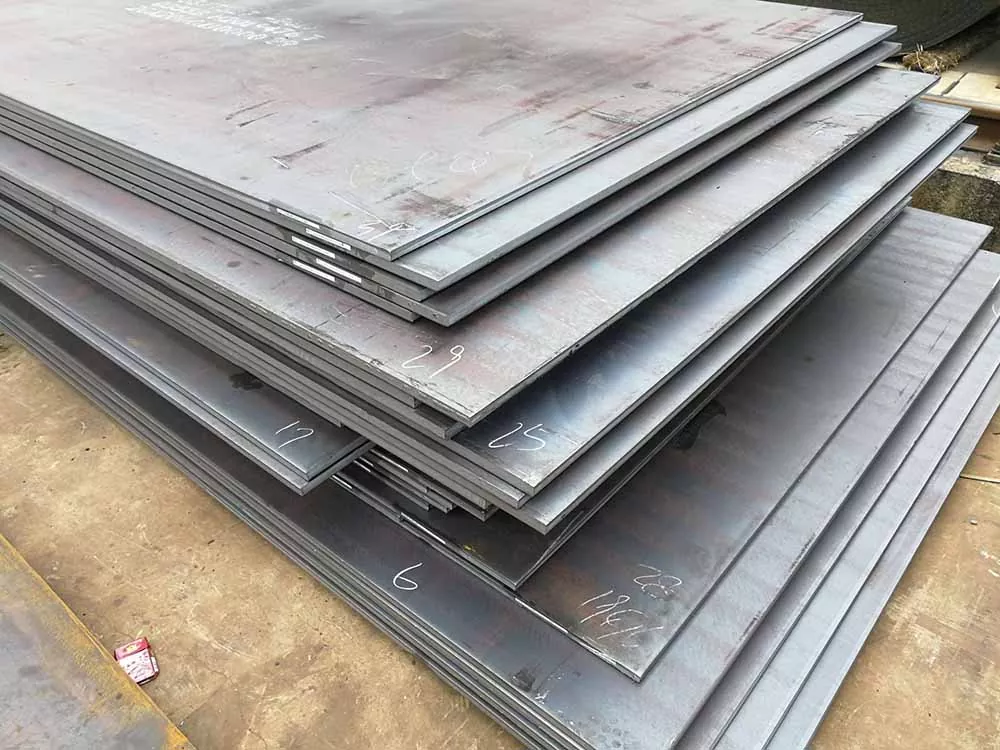
Hot rolled plate for bridge engineering is normally supplied cut to size, with edge preparation to the drawing where required, so that the fabricator starts from parts rather than from full plate. Shot blasting and shop priming are available for the coating system, and shaped parts are quoted against a DXF or PDF drawing.
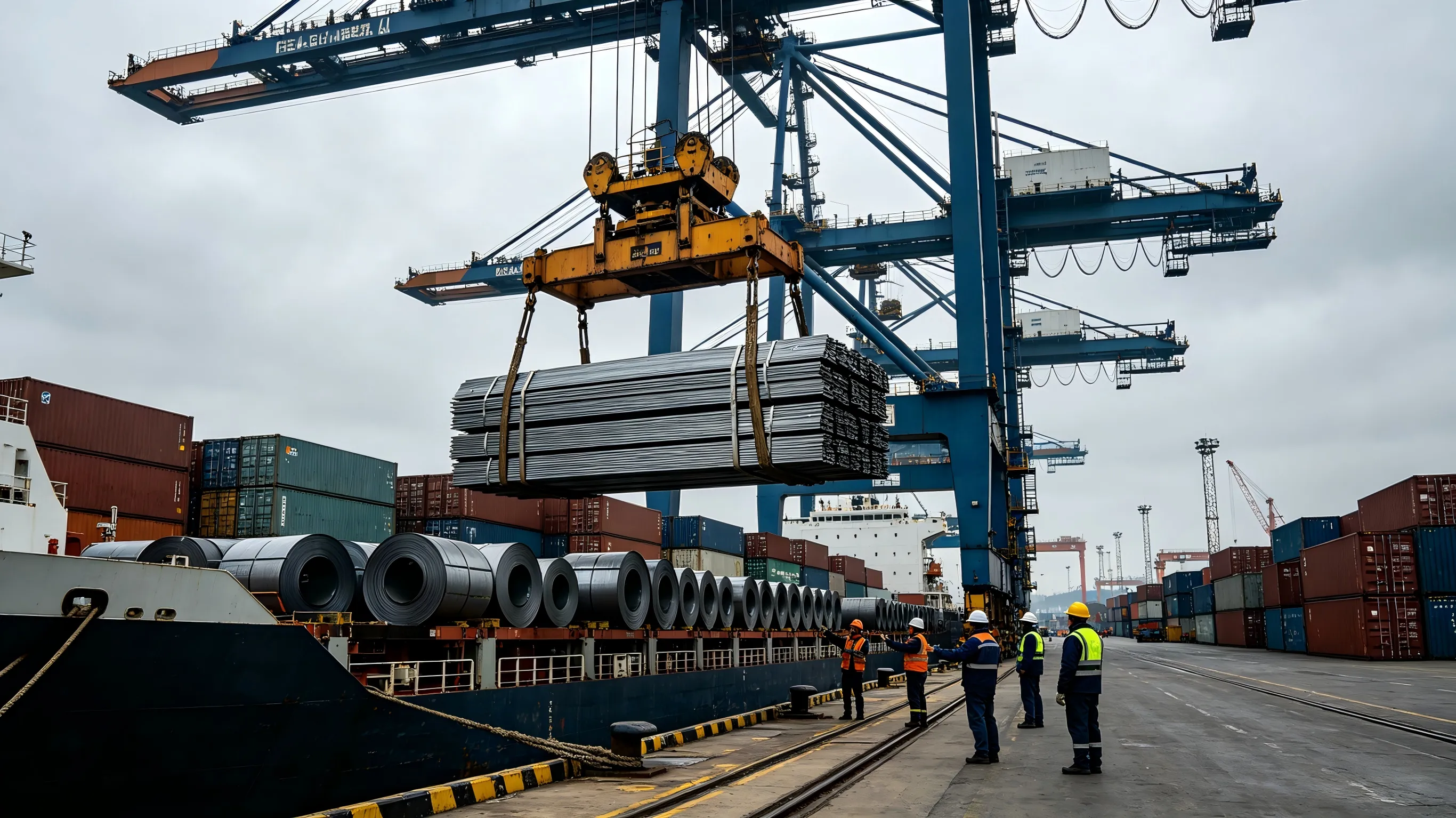
Packing suits the transport route: steel strapped bundles with lifting points marked, or crated packs for long sea freight. Shipping documents are prepared with the consignment, including the mill test certificates, factory inspection report and customs declaration files that the receiving project requires at acceptance.
A Project Delivered to a European Contractor
For an ongoing European infrastructure project, the company shipped a multi-container batch of S355J2 plate to a contractor working on highway and bridge construction. The order was cut to the engineering drawings, with low-temperature toughness verified to EN 10025-2, precise cut sizes and an anti-rust surface treatment applied before loading. The same hot rolled plate for bridge engineering was cut, blasted and primed in house before loading.
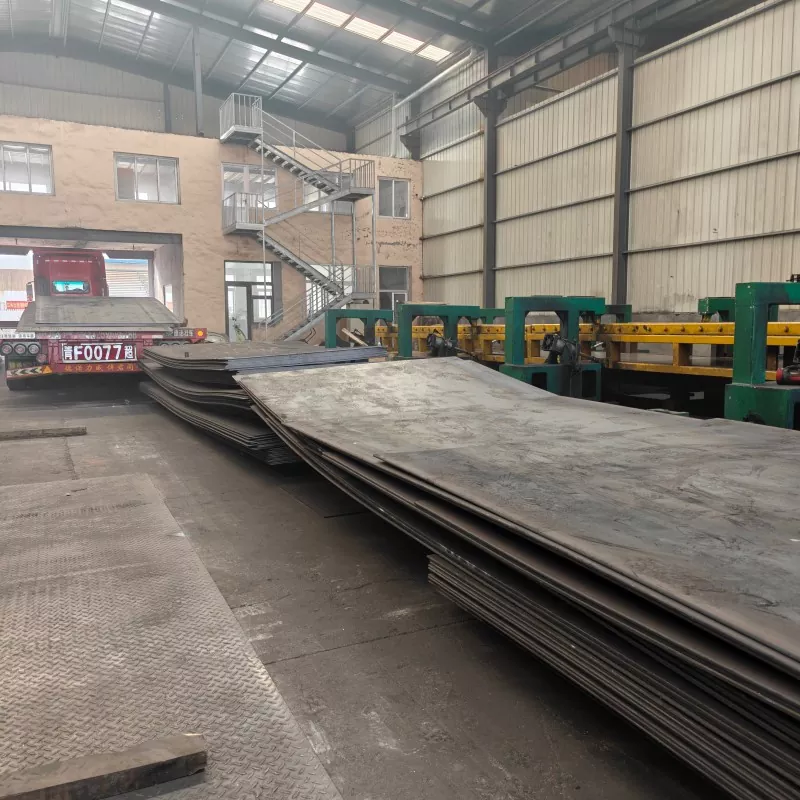
Before delivery the inspection team checked the batch, and the consignment shipped with official mill test certificates, factory inspection reports and customs declaration files, so that clearance and site acceptance could be completed without a second round of paperwork. Stock of S355JR, S355JO and S355J2 is held through the year, with custom cutting, blasting and priming carried out in house.
FAQ
Q1: Which impact grade does a bridge project need?
A: The design specification sets it from the lowest service temperature at the site. Q345qD and S355J2 cover -20 C, and Q370qE or an E-grade equivalent covers -40 C.
Q2: When is Z-direction steel needed on a bridge?
A: In thick restrained joints such as diaphragm and bearing connections. Z25 or Z35 is ordered with a verified through-thickness test result on the certificate.
Q3: Can plates be supplied cut and edge-prepared?
A: Yes. Cut-to-size and shaped blanks with edge preparation are standard work, quoted against your drawing.
Q4: What is the usual lead time?
A: Stock items ship in 7-15 days. Cut, blasted or specially hot rolled plate for bridge engineering takes 15-35 days depending on grade, thickness and quantity.
Q5: What documentation is provided?
A: Mill test certificates per batch with EN 10204 3.1 or 3.2 on request, factory inspection reports, third-party inspection if required, and the export packing and customs files.
Send Inquiry
Contact Info
-
Address
No. 1188, Lanzhou West Road, Jiaozhou City, Shandong Province, China
-
Tel
-
Email
Welcome to our website! For inquiries about our products or pricelist, please leave your email to us and we will be in touch within 24 hours.
News Recommendations