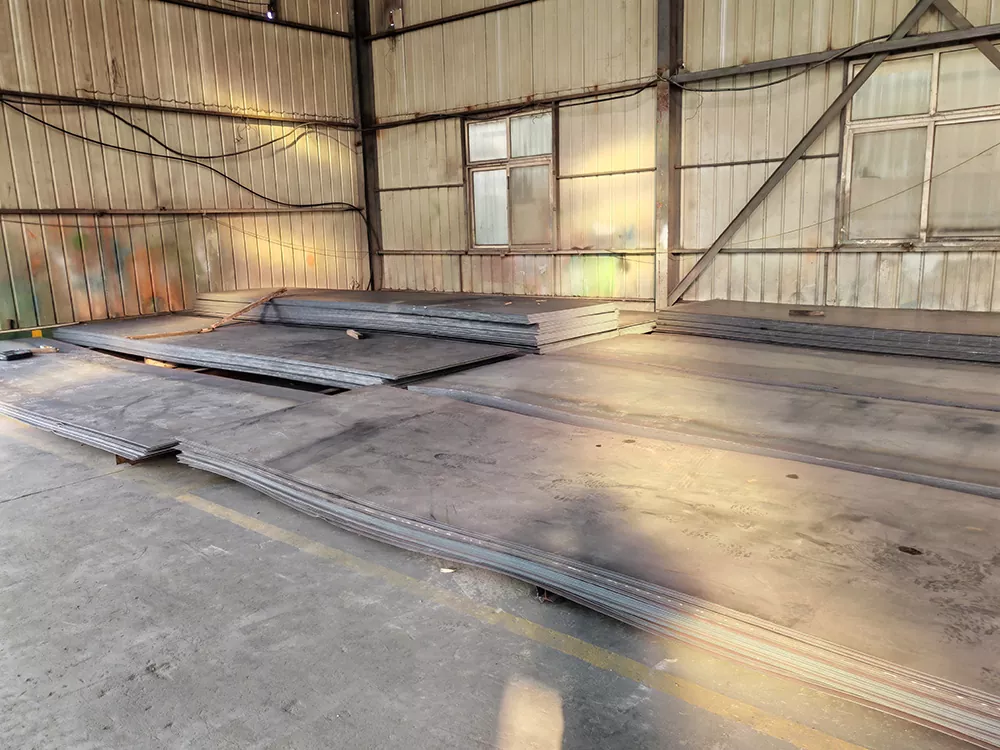
Hot Rolled Steel Plate 6mm
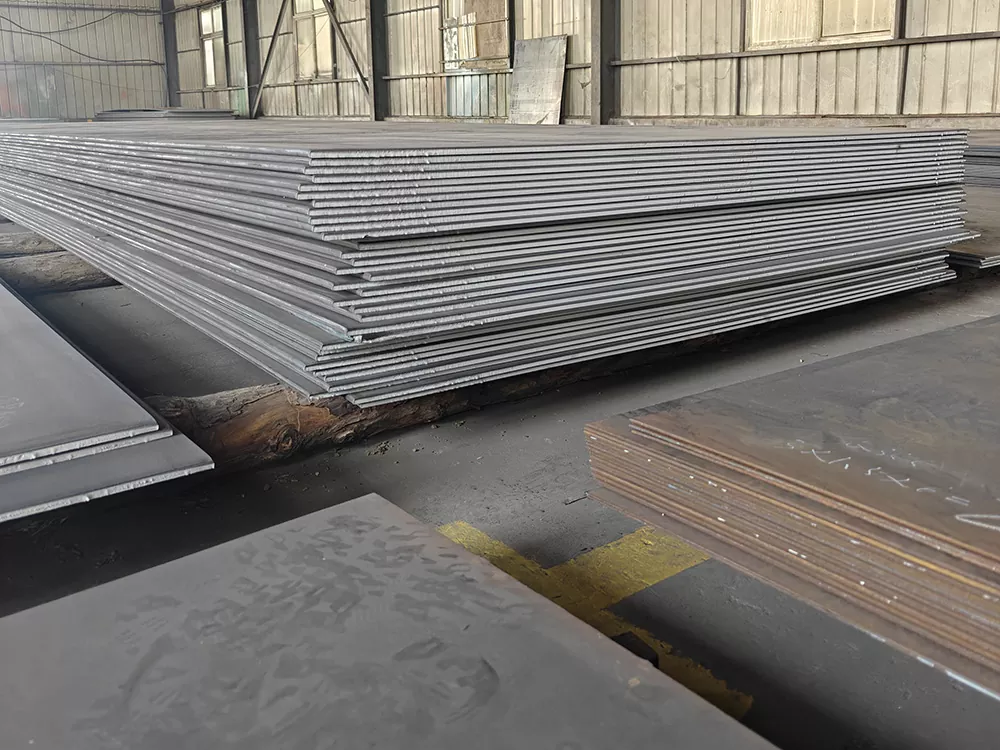
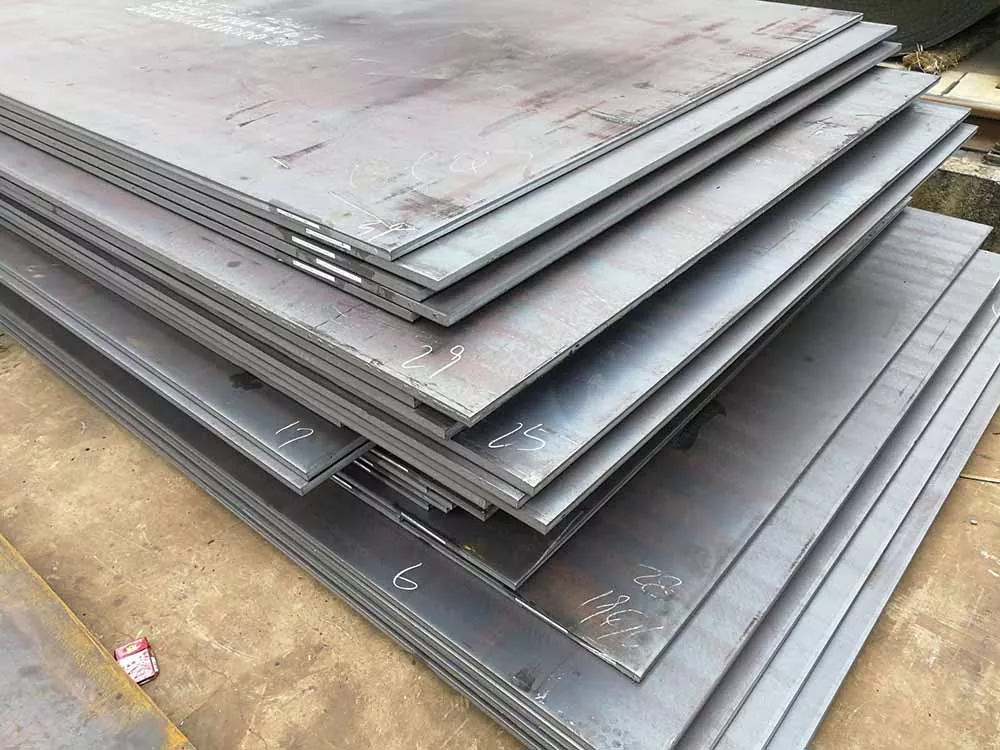
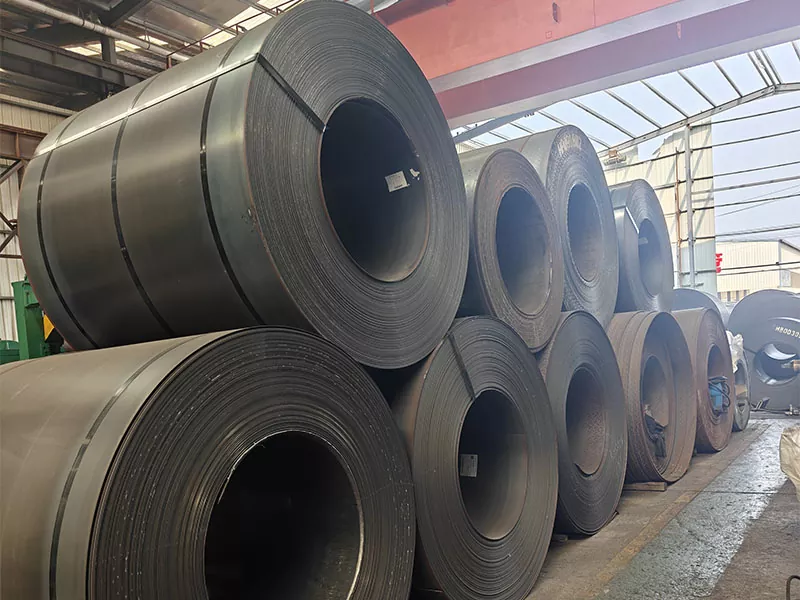
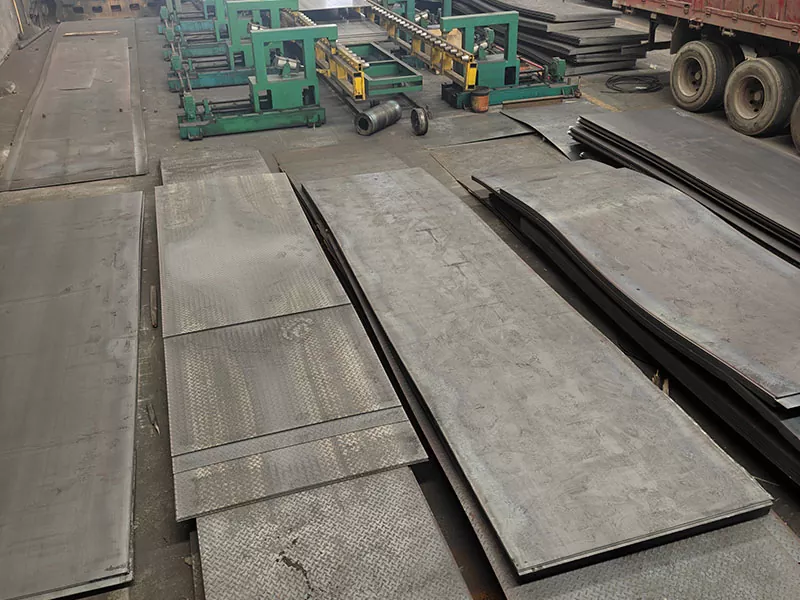
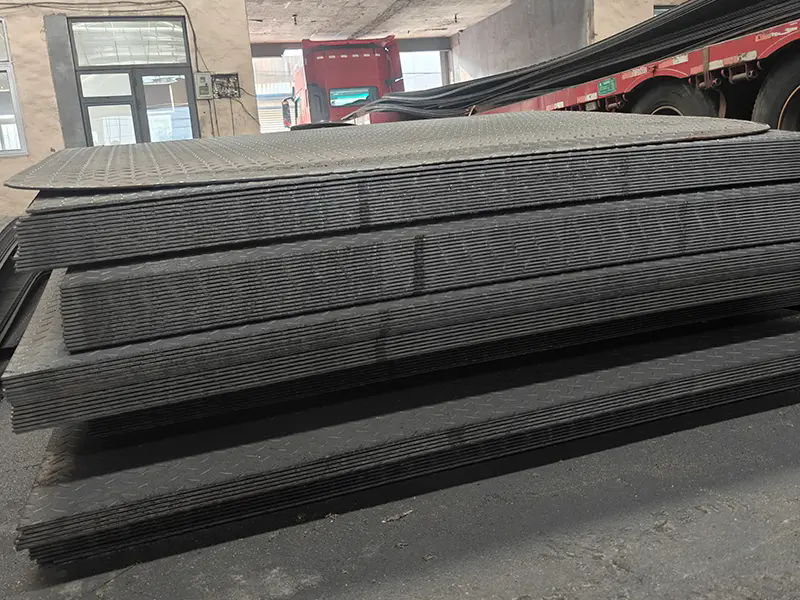
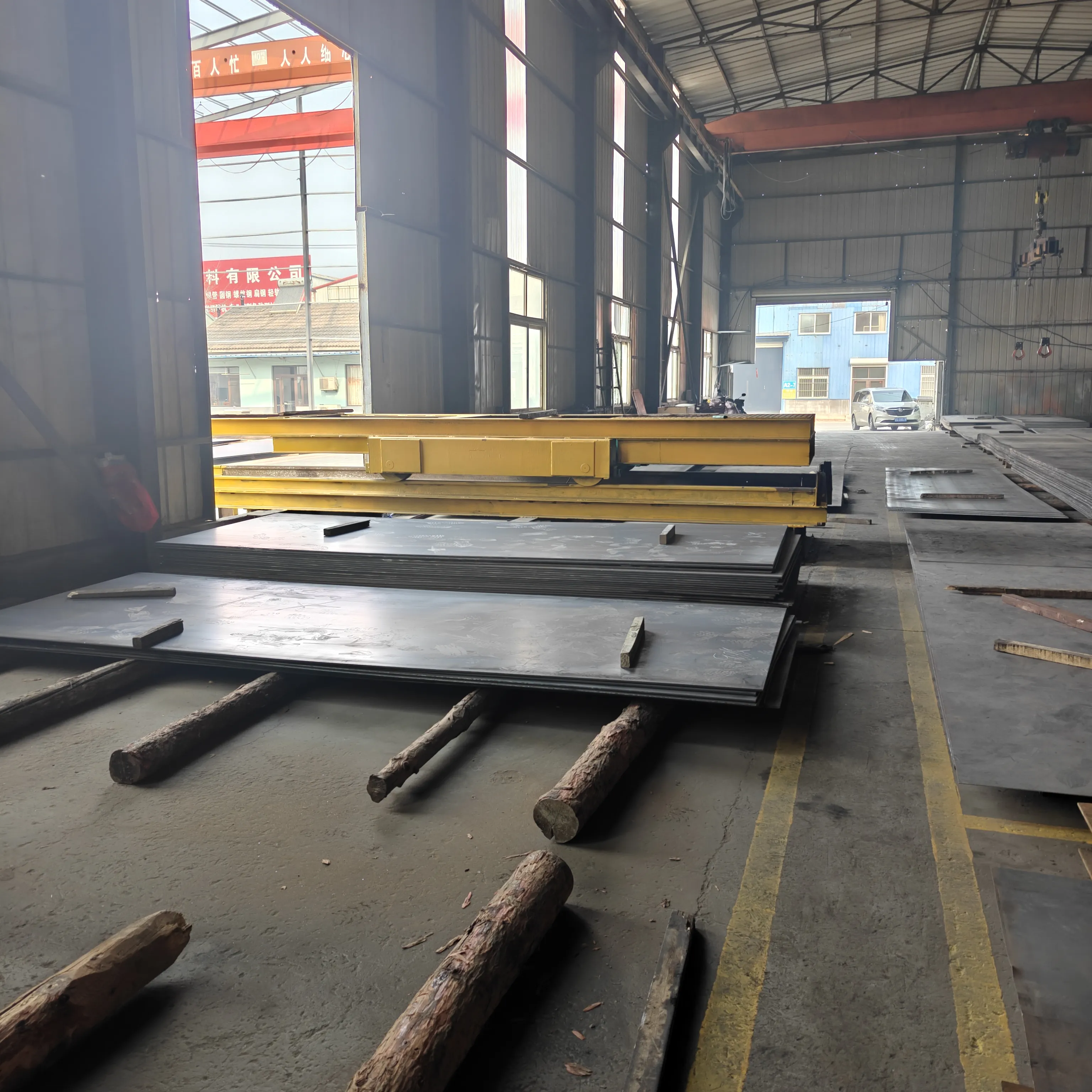
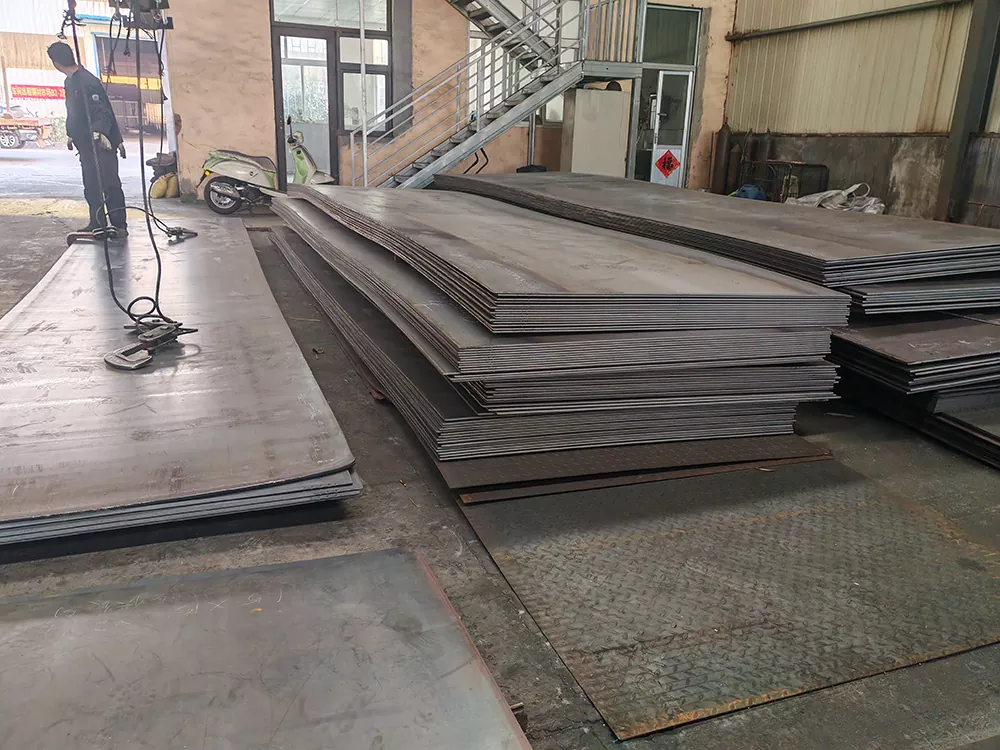
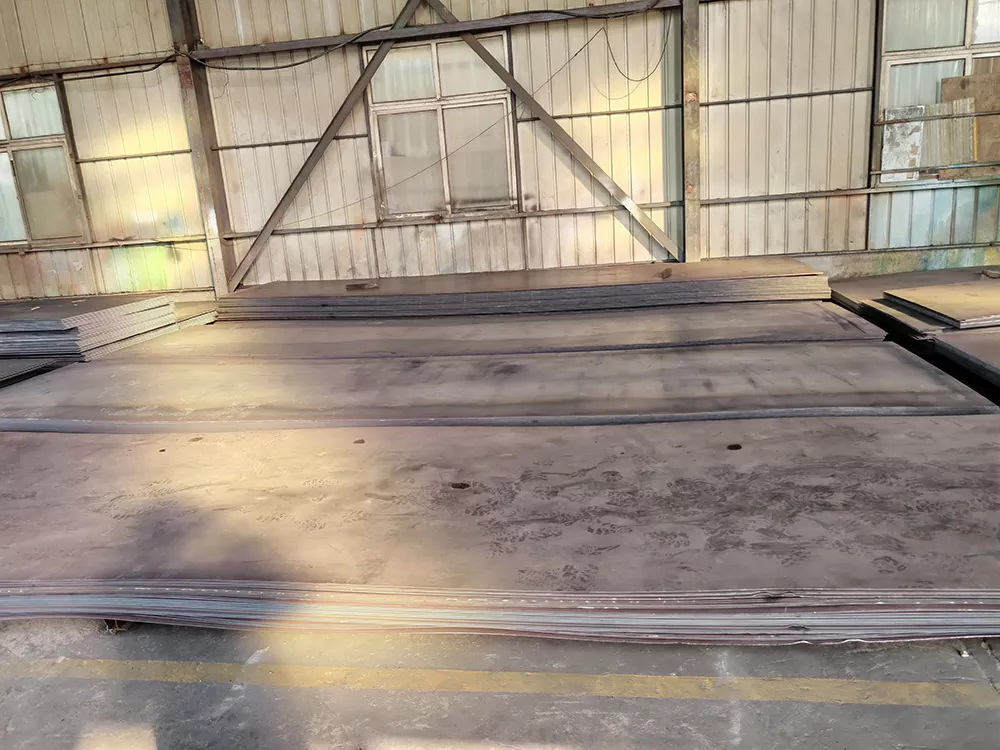
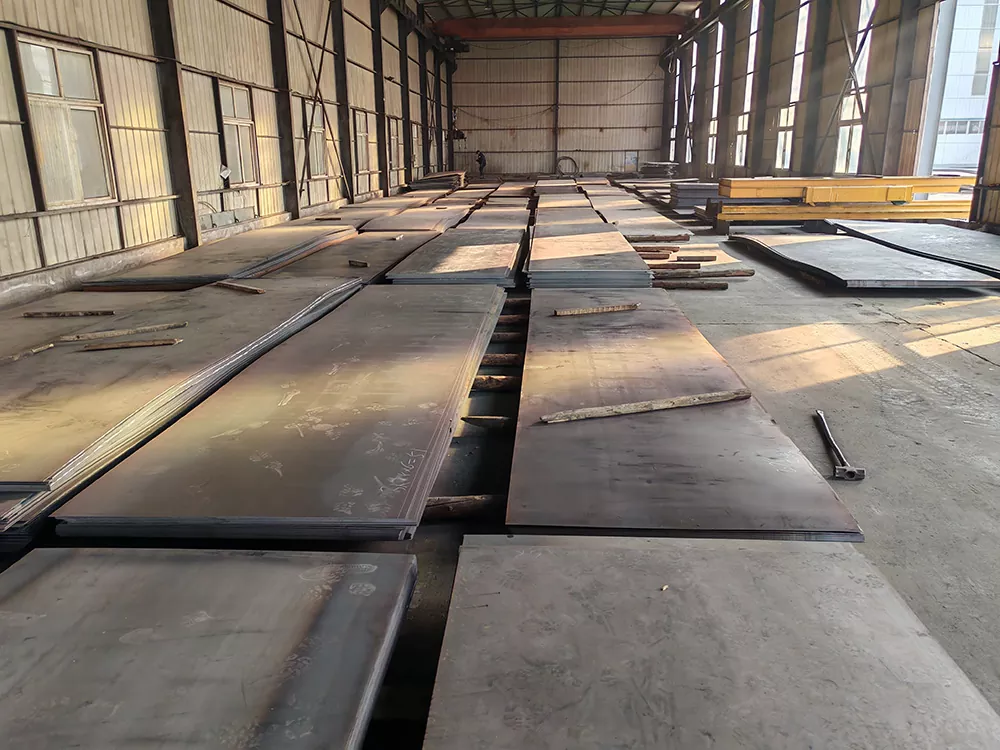
Hot Rolled Steel Plate 6mm supplied by Sanhe Steel is produced through standardized continuous rolling with step furnace heating, high-pressure water descaling, and computer-controlled finishing for consistent thin-gauge structural performance. Featuring 47.1kg/m² theoretical weight and good ductility suitable for forming and bending operations, this light-to-medium gauge plate balances material cost with sufficient load capacity for general fabrication needs. Backed by ISO 9001 certified quality control and our in-house leveling equipment that optimizes flatness beyond as-rolled condition, we maintain ample spot inventory with custom cutting services for construction, light machinery, ductwork, and general manufacturing buyers with fast turnaround from our Qingdao port facility.
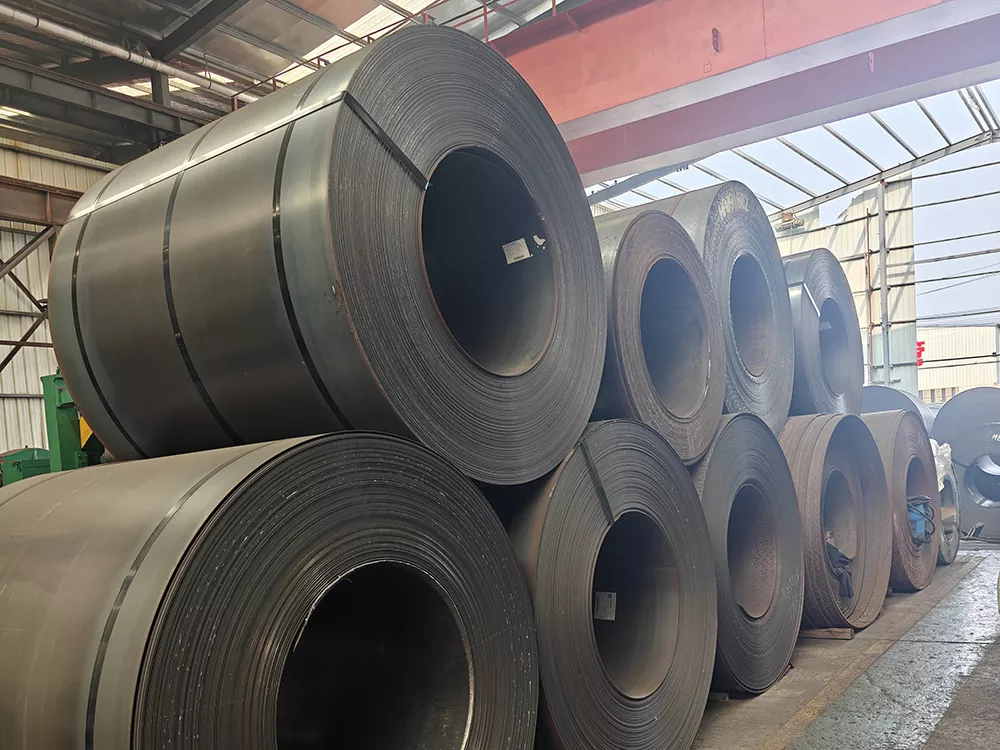
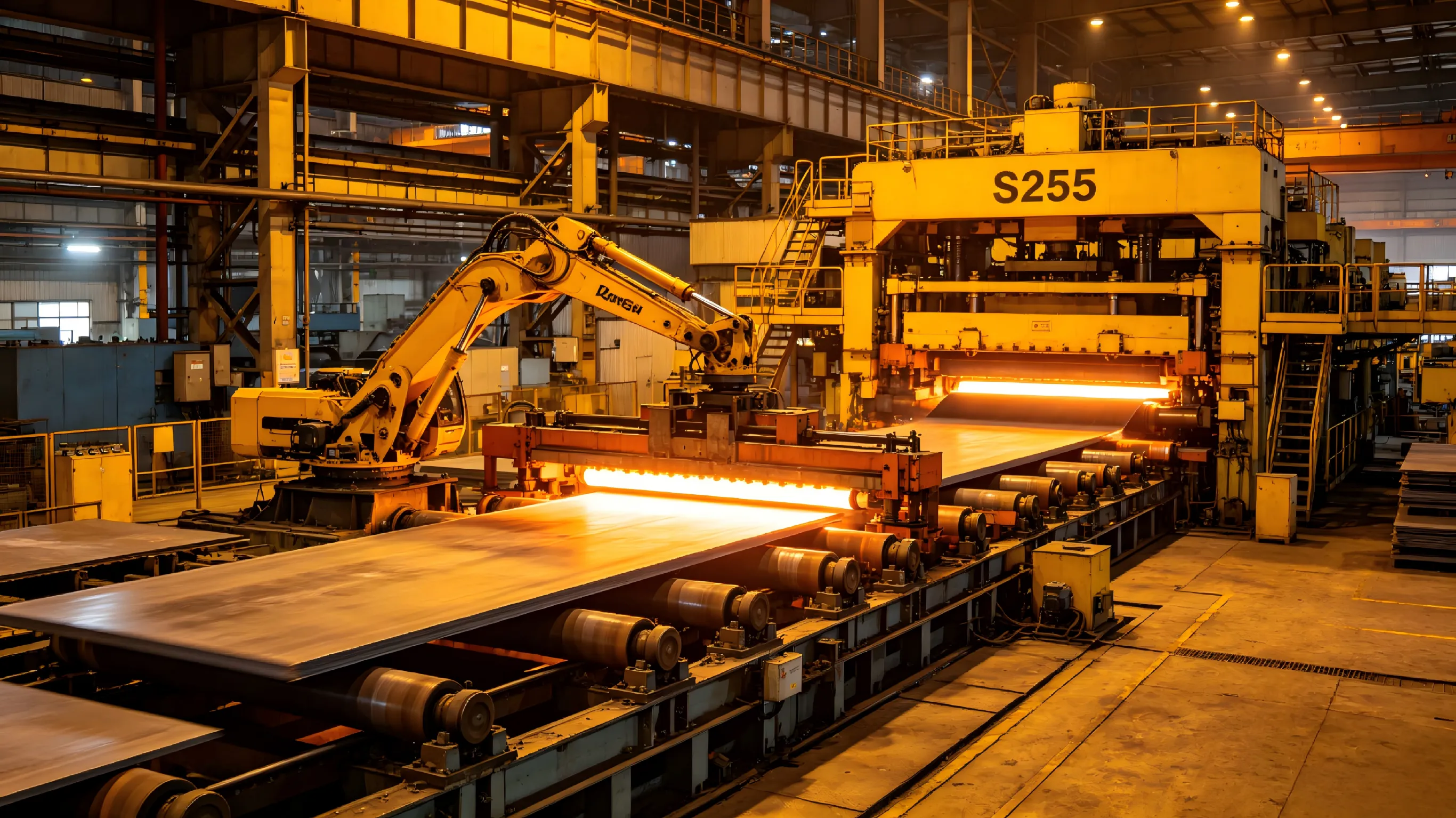
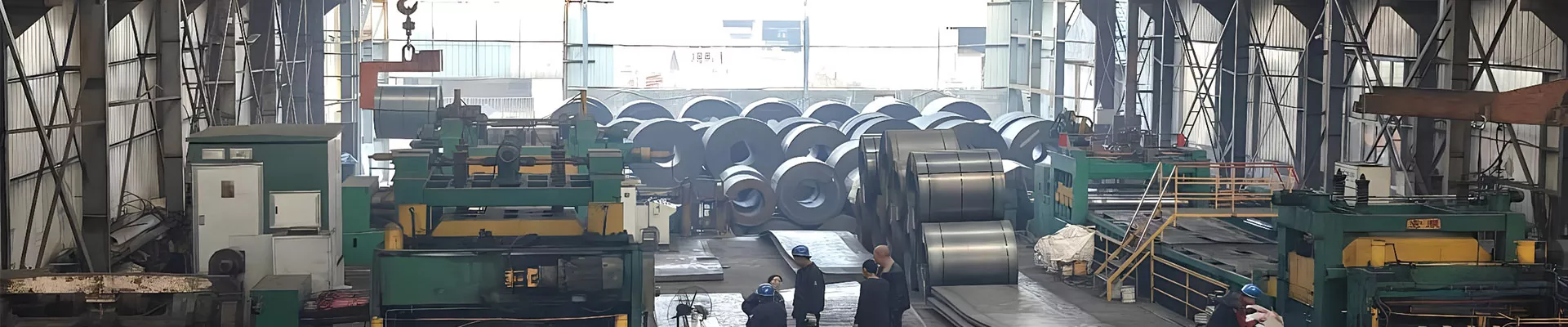
Hot Rolled Steel Plate 6mm is one of the core steel product categories mainly produced by Sanhe Steel. It is manufactured using continuous casting billets or initial rolling billets as raw materials, following standardized production processes to ensure stable product performance. The specific production process is as follows: After the raw materials are heated in a stepwise heating furnace, they undergo water jet descaling to remove surface oxides and impurities, and then enter the rough rolling machine for initial rolling; the rough rolled billets are processed by cutting the head and tail, and then sent to the finishing rolling machine, where the computer-controlled rolling process is adopted to ensure the rolling accuracy; after the final rolling, the cooling rate is controlled by a computer for laminar cooling, and finally, it is wound by the coiler to form a straight coil. As an entity manufacturer, Sanhe Steel strictly follows this production process and strictly controls each step throughout the process, meeting the strict safety performance requirements of industrial and commercial environments.
Production Process
The manufacturing process for Hot Rolled Steel Plate 6mm follows a standardized continuous rolling sequence designed to produce uniform material properties and consistent dimensional control across the full coil length. Sanhe Steel works with strategic partner mills including Baowu Steel Group and Hebei Steel that implement rigorous process control at every production stage, ensuring the finished plate meets required mechanical and dimensional specifications.
1. Reheating and Descaling – Continuous cast or initially rolled billets are heated in a stepwise heating furnace to reach proper rolling temperature, then pass through high-pressure water jet descaling that removes surface oxides and impurities before entering the rolling mill, ensuring clean surface quality entering the rolling process.
2. Rough Rolling Stage – The heated billet undergoes initial thickness reduction in the roughing mill, beginning the transformation from thick slab to intermediate gauge material. After rough rolling, the head and tail sections are trimmed to remove irregular material before the workpiece proceeds to the finishing stands.
3. Precision Finish Rolling – The intermediate billet passes through the finishing mill train where computer-controlled rolling processes achieve the final 6mm target thickness with precise gauge control maintained across the full length of the coil.
4. Controlled Cooling and Coiling – After final rolling, the strip undergoes laminar cooling with computer-managed cooling rates to achieve the desired metallurgical structure and mechanical properties, before being coiled by the downcoiler into straight coil form for storage and further processing.
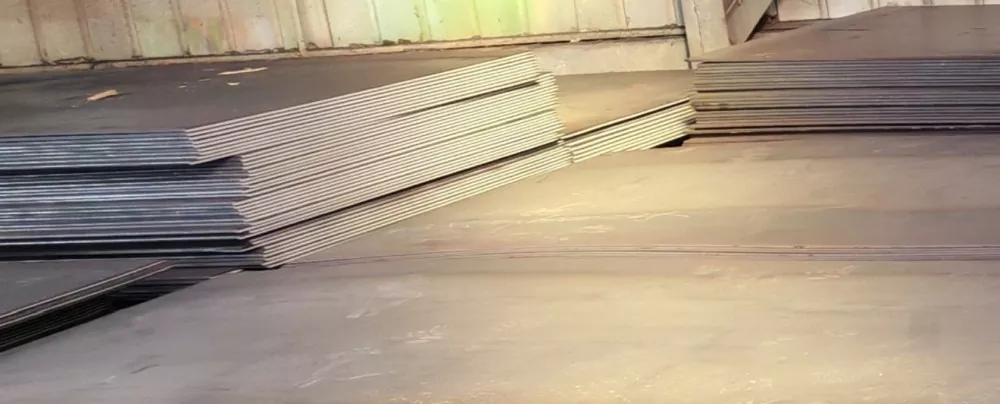
How to Select the Right Hot Rolled Steel Plate Thickness
Selecting the correct hot rolled steel plate thickness is essential for achieving the right balance between structural strength, fabrication efficiency, material weight, and project requirements. The optimal thickness depends on factors such as load-bearing capacity, application environment, processing method, and industry standards. Sanhe Steel provides multiple thickness options and technical support to help customers choose suitable steel plate specifications for different applications.
When selecting hot rolled steel plate thickness, buyers should consider the following key factors:
| Application Requirement | Recommended Thickness Range | Typical Applications |
| Light Fabrication and Enclosures | 3mm - 6mm | Ductwork, equipment covers, brackets, light structural components |
| General Structural Manufacturing | 6mm - 12mm | Steel frames, platforms, machinery bases, construction structures |
| Heavy Equipment and Load-Bearing Structures | 16mm - 30mm+ | Heavy machinery, bridge components, industrial foundations |
Consider Load Requirements
For structural applications, thicker hot rolled steel plates generally provide higher resistance to bending, impact, and heavy loads. Medium thickness plates such as 6mm and 10mm are commonly selected for general fabrication because they provide sufficient strength while remaining easy to cut, weld, and form. Heavy-duty applications requiring higher load capacity usually require thicker plates with higher strength grades such as Q355B or equivalent materials.
Consider Fabrication Methods
The selected thickness should also match the available processing equipment and fabrication methods. Thin and medium gauge plates are easier to process using plasma cutting, laser cutting, shearing, and standard welding methods. Thicker plates may require flame cutting, stronger forming equipment, and specialized welding procedures to ensure fabrication quality.
Consider Material Grade Selection
Thickness selection should be combined with the appropriate steel grade. Common carbon steel grades such as Q235B, SS400, and ASTM A36 are widely used for general structural applications, while higher-strength grades such as Q355B are preferred when additional load capacity is required without significantly increasing material thickness.
Balance Weight and Structural Performance
Choosing the thickest steel plate is not always the most efficient solution. Excessive thickness increases material weight and processing difficulty, while insufficient thickness may affect structural reliability. Professional steel suppliers evaluate the actual working conditions, fabrication requirements, and applicable standards to recommend the most suitable hot rolled steel plate thickness.
As-Rolled Condition Notes
Straight-from-coil hot rolled steel plate in 6mm gauge may exhibit certain natural production characteristics that are inherent to the hot rolling process and difficult to eliminate completely. Sanhe Steel operates with full transparency regarding these normal as-rolled features, helping customers make appropriate material selections based on their specific application precision requirements.
1. End Section Geometry – The head and tail ends of hot rolled coils typically exhibit tongue-like and fish-tail shapes with somewhat less precise thickness and width control, which is normal for the continuous rolling process. These end sections are typically trimmed during cut-to-length processing for precision applications.
2. Edge Condition Variations – Sheet edges may show minor wave patterns, slight edge folding, or minor coil set characteristics. These are normal phenomena of the hot rolling and coiling process and do not affect performance in regular structural and fabrication applications.
3. Coil Shape Characteristics – As-coiled material may exhibit slight telescoping or tower shape variation. For customers requiring higher precision flatness or edge condition, Sanhe Steel provides subsequent leveling and trimming processing using our in-house equipment to optimize dimensional accuracy and flatness.
These natural characteristics are standard for directly supplied hot rolled coils and do not impact material performance in conventional applications. For projects requiring tighter tolerances or improved flatness, our leveling and shearing services can upgrade the material to meet higher precision requirements.
Hot Rolled vs Cold Rolled
Understanding the differences between hot rolled and cold rolled steel plate helps buyers select the correct material for specific application requirements regarding surface finish, dimensional precision, mechanical properties, and cost. The 6mm gauge falls within standard hot rolled production range, while cold rolled products are typically limited to thinner gauges.
|
Comparison Category |
6mm Hot Rolled Plate |
Cold Rolled Plate / Sheet |
|
Production Method |
Rolled above recrystallization temperature |
Rolled at room temperature below recrystallization |
|
Surface Appearance |
Dark brown/gray mill scale oxide surface |
Smooth, bright gray metal surface, no scale |
|
Ductility and Formability |
Better ductility and toughness |
Higher strength but lower ductility from work hardening |
|
Dimensional Precision |
Standard tolerance, some thickness variation |
Tighter tolerance, higher dimensional accuracy |
|
Typical Thickness Range |
1.2mm up to 500mm+ plate |
Generally under 4mm, thinner gauges |
|
Material Density |
Approximately 7.85 g/cm³ (carbon steel) |
Same density when composition is identical |
|
Relative Cost Level |
Lower, more economical |
Higher due to additional processing |
|
Primary Applications |
Structural, welding fabrication, general industrial |
Appliances, automotive body, precision parts |
Performance Characteristics
As a light-to-medium gauge hot rolled product, Hot Rolled Steel Plate 6mm delivers a practical balance of mechanical properties that suits general structural and fabrication purposes. The material is not intended for extreme heavy-load applications but provides more than sufficient capacity for typical light and medium structural requirements while remaining highly workable with standard fabrication equipment.
Mechanical Properties
In standard Q235B grade, 6mm hot rolled plate provides yield strength of approximately 235MPa and tensile strength in the 375-460MPa range, with good elongation values that support forming and bending operations. Higher strength grades such as Q355B offer increased load-bearing capacity for applications requiring additional structural performance. The hot rolling process produces uniform grain structure that provides consistent ductility and toughness across the material section, making it reliable for welded structural assemblies.
Formability and Workability
The 6mm gauge thickness is particularly well-suited for fabrication operations including bending, roll forming, and stamping for moderate forming requirements. The material's good ductility allows standard press brake bending without requiring preheating for typical bend radii, and it responds well to all common welding methods including manual arc welding, gas shielded welding, and submerged arc welding. For cutting operations, both plasma cutting and oxy-fuel cutting produce clean edges suitable for subsequent fabrication work.
Surface and Flatness Options
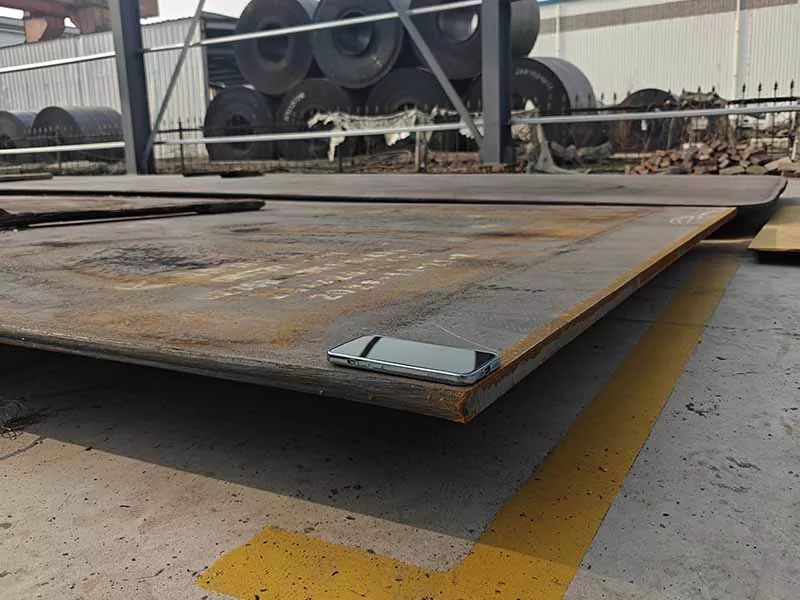
Standard as-rolled material carries the natural mill scale oxide surface typical of hot rolled products. For applications requiring improved flatness or better surface condition, Sanhe Steel offers hydraulic leveling processing that improves plate flatness, plus optional pickling services that remove the mill scale for applications requiring cleaner metal surface for painting or coating operations. These value-added services allow customers to order 6mm plate matched precisely to their specific application requirements.
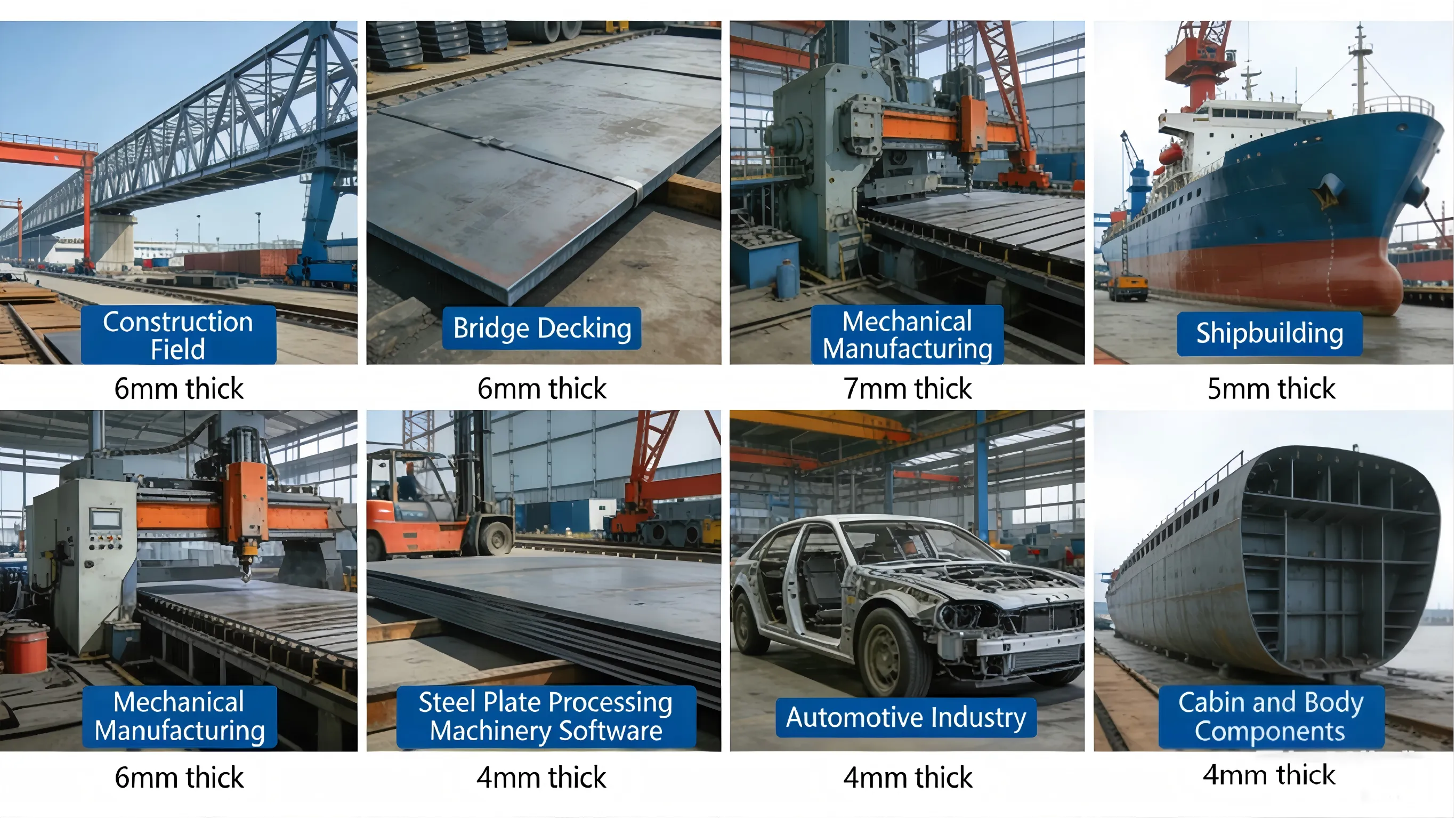
Application Areas
6mm hot rolled steel plate finds broad application across industries where moderate structural capacity combined with good formability and economical material cost are required. Its position as a light-to-medium gauge makes it suitable for a wide range of general fabrication and light structural uses across multiple sectors.
1. General Construction – Used for secondary structural elements, wall support framing, guardrails, platform decking, stair treads, and light steel structure components in commercial, industrial, and municipal building projects where full heavy plate thickness is not required.
2. Light Machinery Fabrication – Serves for equipment enclosures, machine guards, cabinet frames, small equipment bases, bracket fabrication, and general machinery structural components where moderate strength and good formability are the primary requirements.
3. Ductwork and Enclosures – Suitable for industrial ducting, ventilation systems, equipment enclosures, and sheet metal fabrication applications where thicker material than standard sheet is needed for structural rigidity but heavy plate is unnecessary.
4. Automotive and Transportation – Used for truck body components, trailer side panels, utility vehicle structures, and transportation equipment fabrication where the 6mm gauge provides appropriate strength-to-weight ratio for vehicle body and structural applications.
5. General Industrial Uses – Additional applications include storage rack components, agricultural equipment parts, decorative structural bases, pipe support brackets, and various general fabrication projects requiring economical structural steel plate in the light-to-medium thickness range.
Quality & Service Assurance
Sanhe Steel backs all Hot Rolled Steel Plate 6mm supply with comprehensive quality systems and full-process service support built on over 17 years of industry experience since our establishment in 2008. Our integrated approach combines quality-verified material sourcing, precision in-house processing, and responsive customer service.
Certified Quality Control
Our quality management systems are certified under nine authoritative international and domestic standards including ISO 9001:2015 quality management with IQNET recognition, IATF 16949:2016 automotive quality certification issued by British Standards Institution, HSE health-safety-environment management system, and ISO 45001:2018 occupational health and safety certification. Every batch of material is verified against mill test certificates upon receipt, and additional inspection is performed during processing and before shipment to confirm compliance with customer specifications. Complete material documentation is provided with every order, and third-party inspection by SGS, BV, or other authorized bodies is available upon customer request.
Processing Capability
Our Qingdao facility is equipped with advanced CNC shearing lines, fully automatic longitudinal cutting equipment, and hydraulic leveling machines that enable us to convert as-rolled coil into precision cut-to-length plates with improved flatness. For customers requiring higher precision than standard as-rolled condition, our leveling and trimming services address natural coil characteristics including edge waves and flatness variation, delivering upgraded plate quality suitable for more demanding applications. Custom width slitting and custom length cutting are both available with fast turnaround times.
Full-Process Customer Support
We provide comprehensive consulting services to help customers understand material options, clearly differentiate hot rolled versus cold rolled material characteristics, and select the appropriate specification for their specific application requirements. Pre-sales technical consultation, in-sale order tracking, and after-sales support are all included as standard, with our service team available to address questions on material selection, processing guidance, and application suitability. Our strategic port location enables efficient logistics delivery, and we maintain consistent inventory levels to support both immediate spot requirements and scheduled project orders.
FAQ
Q: Why do the edges and ends of some hot rolled plate show irregularities?
A: Minor edge waves and tongue-shaped ends are normal inherent characteristics of the continuous hot rolling process. They do not affect standard use, and we can provide leveling and end trimming services for applications requiring higher precision.
Q: What is the difference between 6mm hot rolled and cold rolled plate?
A: Hot Rolled Steel Plate 6mm is produced at high temperature with mill scale surface, better ductility, and lower cost. Cold rolled is room temperature rolled with smoother surface and tighter tolerance but is typically limited to thicknesses under 4mm; 6mm gauge is only available as hot rolled.
Q: Can you improve the flatness and edge quality of as-rolled plate?
A: Yes, our in-house hydraulic leveling and shearing equipment can optimize flatness and trim irregular edges to upgrade material precision beyond standard as-rolled coil condition for more demanding applications.
Q: What material grades are available in 6mm hot rolled plate?
A: Standard grades include Q235B for general use, Q355B for higher strength, plus SS400, A36, and S235JR to match different international standard requirements.
Q: Do you supply cut-to-length plate or only full coils?
A: We offer both options. Standard cut-to-length plates in common dimensions are available from stock, and custom length and width cutting can be arranged through our shearing and slitting services.
Q: Is third-party inspection available for quality verification?
A: Yes, we support SGS, BV, and other third-party inspection services at our Qingdao facility before shipment, with official inspection reports provided for your quality verification and acceptance records.
Hot Tags: Hot Rolled Steel Plate 6mm, Supplier, Custom, Wholesale
Send Inquiry
Contact Info
-
Address
No. 1188, Lanzhou West Road, Jiaozhou City, Shandong Province, China
-
Tel
-
Email
Welcome to our website! For inquiries about our products or pricelist, please leave your email to us and we will be in touch within 24 hours.