How to Select Boiler Steel Plate?
Article Summary:
Boiler steel plate is a critical material used in pressure vessels, industrial boilers, and high-temperature equipment. Choosing the right grade directly impacts safety, durability, and operational efficiency. This article provides a comprehensive guide to help buyers, engineers, and procurement specialists understand how to select the most suitable boiler steel plate based on standards, performance requirements, and real-world applications. It also highlights common mistakes and key evaluation methods to ensure long-term reliability.
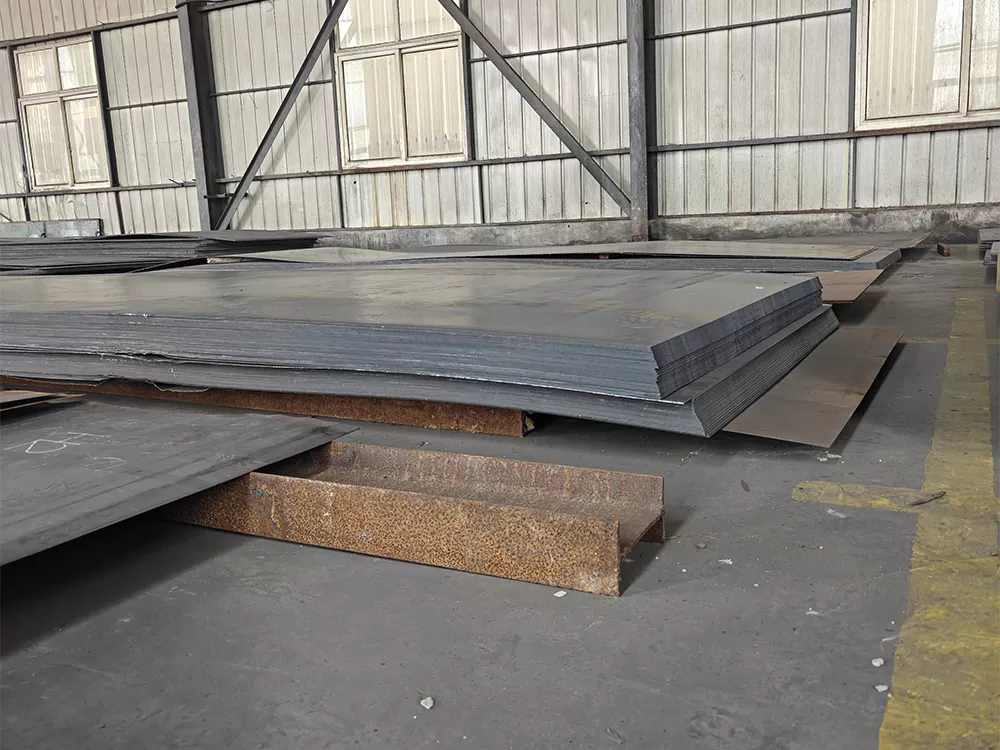
Table of Contents
- Outline
- What is Boiler Steel Plate?
- Key Performance Requirements
- Manufacturing Standards and Grades
- How to Choose Boiler Steel Plate
- Applications Across Industries
- Quality Inspection and Testing
- Material Comparison Table
- Common Selection Mistakes
- FAQ
Outline
- Definition and importance of boiler steel plate
- Core mechanical and thermal requirements
- International standards and material grades
- Step-by-step selection guidance
- Industry applications and use cases
- Testing and inspection procedures
- Comparative analysis table
- Frequently encountered mistakes
- Expert FAQ section
What is Boiler Steel Plate?
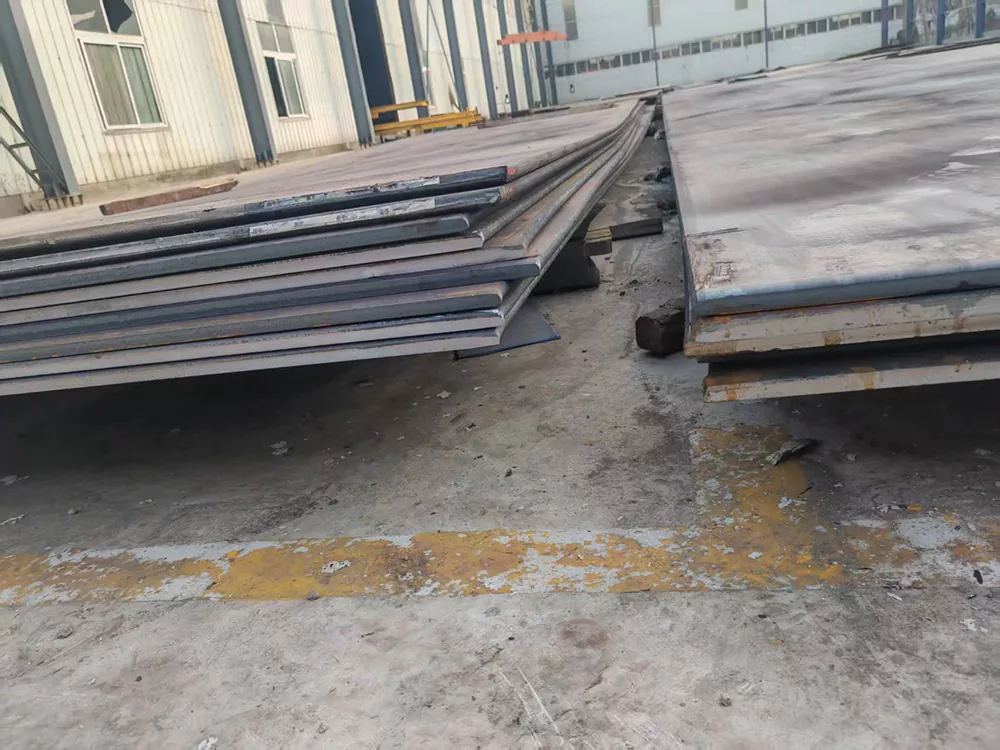
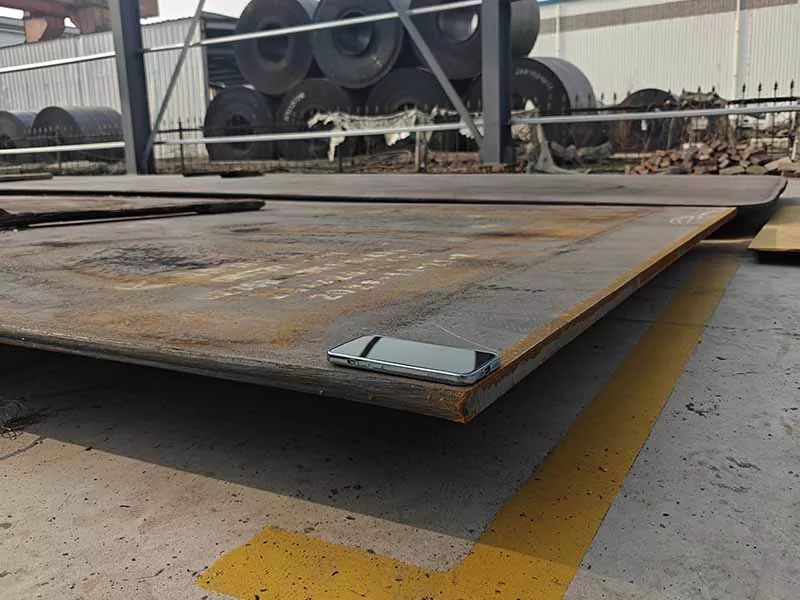
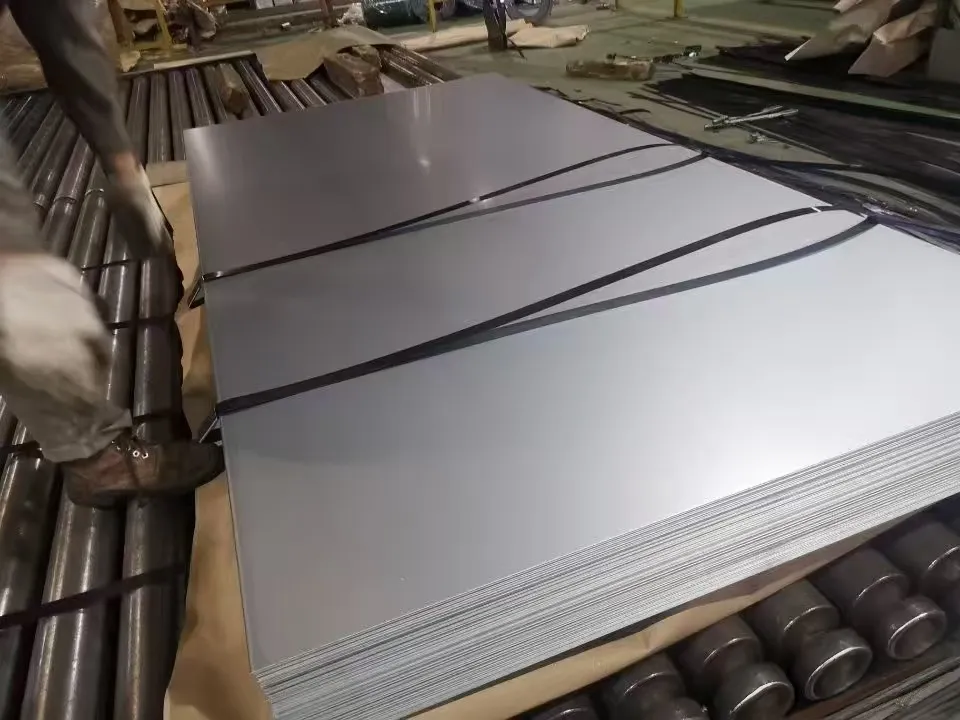
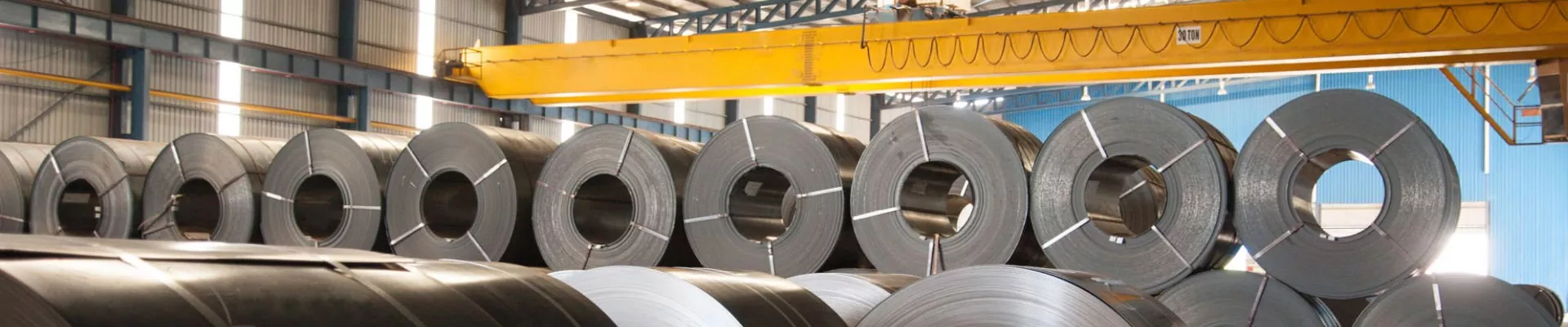
Boiler steel plate is a specialized carbon or alloy steel designed to withstand high pressure and elevated temperatures in industrial boilers, pressure vessels, and heat exchangers. Unlike conventional steel plates, it is engineered with enhanced tensile strength, heat resistance, and structural stability.
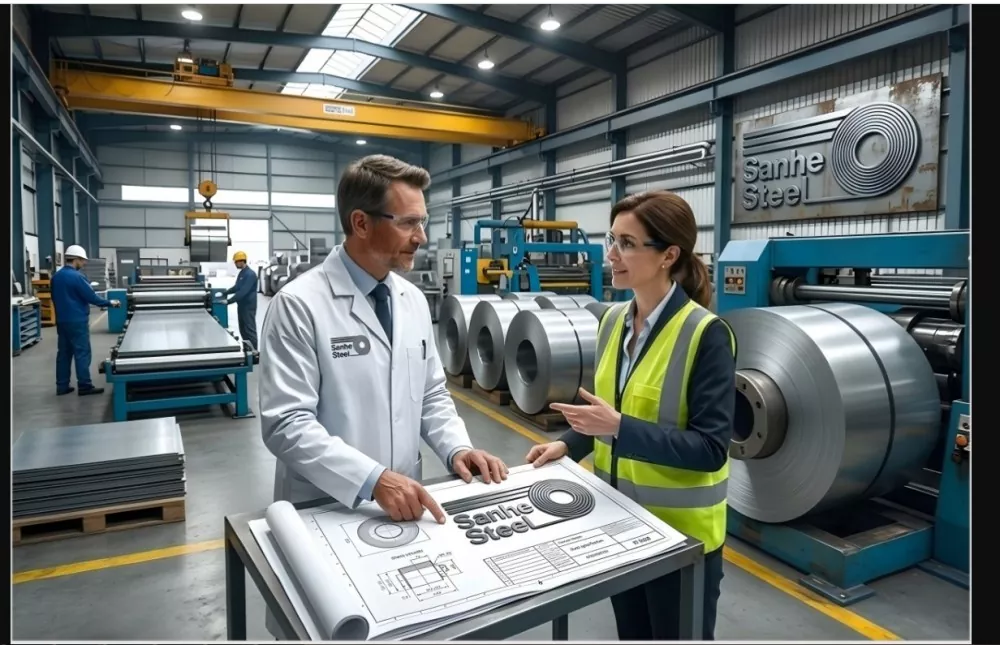
Manufacturers such as Qingdao Sanhe Steel Co., Ltd. supply high-quality boiler steel plates that meet strict international standards, ensuring safety and long service life in demanding industrial environments.
Key Performance Requirements
When selecting boiler steel plate, the following performance characteristics are essential:
- High temperature resistance: Maintains strength under thermal stress.
- Pressure endurance: Withstands internal pressure without deformation.
- Corrosion resistance: Resists oxidation and chemical exposure.
- Weldability: Ensures safe fabrication and assembly.
- Durability: Long service life under cyclic loading conditions.
Manufacturing Standards and Grades
Boiler steel plates are manufactured under strict international standards to ensure consistency and reliability. Common standards include ASTM, EN, and GB specifications.
| Standard | Common Grades | Application |
|---|---|---|
| ASTM | A516, A387 | Pressure vessels, boilers |
| EN | P235GH, P355GH | Industrial boilers, heat exchangers |
| GB | Q245R, Q345R | Domestic boiler systems |
How to Choose Boiler Steel Plate
Selecting the right boiler steel plate requires a systematic approach. Below is a practical step-by-step method used by engineers and procurement specialists.
- Step 1: Define operating conditions – temperature, pressure, and environment.
- Step 2: Identify required standards – match project specifications.
- Step 3: Evaluate mechanical properties – tensile strength, yield strength.
- Step 4: Check chemical composition – carbon, manganese, and alloy content.
- Step 5: Verify supplier certification – ensure compliance with ISO and mill test reports.
A reliable supplier like Qingdao Sanhe Steel Co., Ltd. provides full documentation and traceability, helping buyers reduce procurement risks and ensure compliance with engineering requirements.
Applications Across Industries
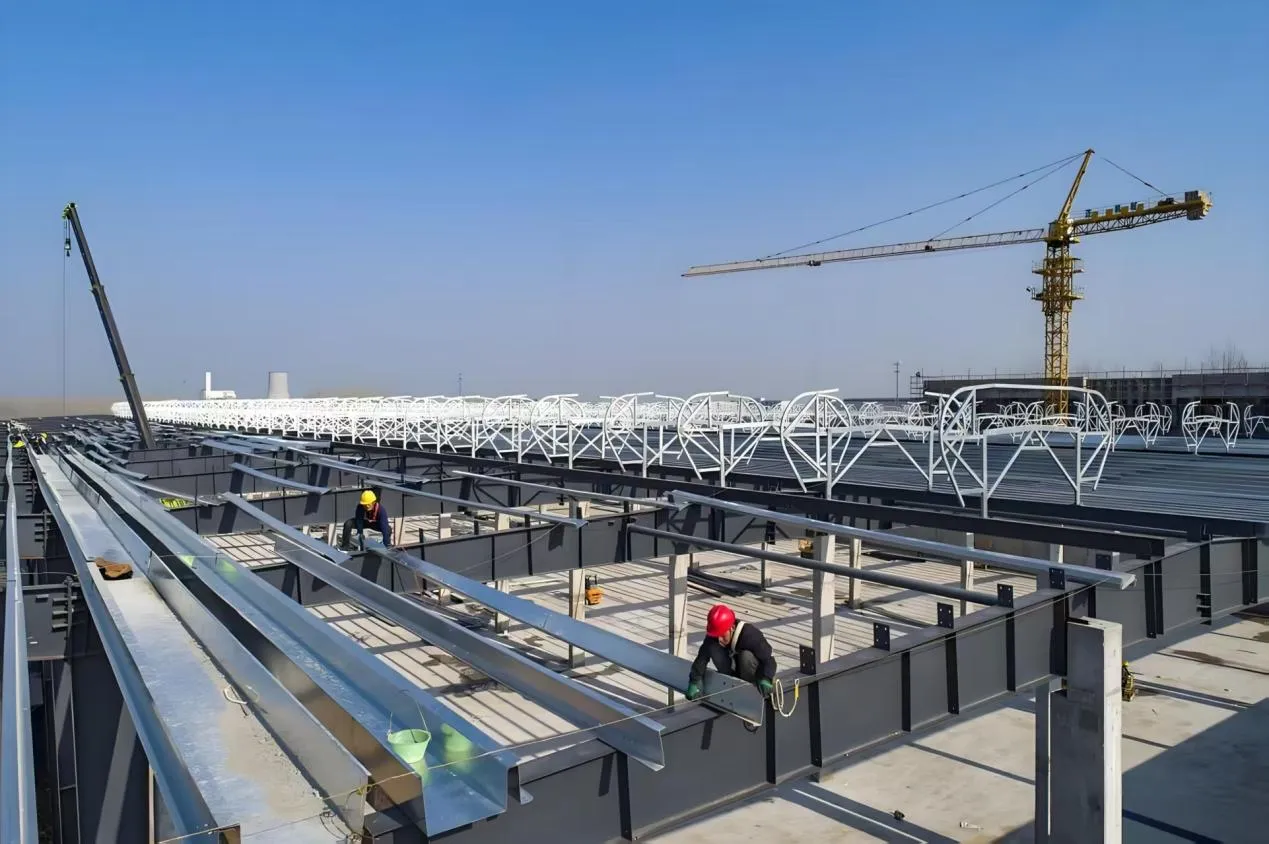
Boiler steel plates are widely used in multiple industrial sectors:
- Power generation plants
- Oil and gas refineries
- Petrochemical processing units
- Marine engineering systems
- Industrial heating equipment
Each application demands specific performance characteristics, making material selection a critical engineering decision.
Quality Inspection and Testing
To ensure safety and reliability, boiler steel plates undergo rigorous testing procedures:
- Ultrasonic testing (UT) for internal defects
- Radiographic testing (RT) for weld integrity
- Tensile strength testing
- Impact resistance testing
- Chemical composition analysis
These tests ensure that the material performs reliably under extreme operational conditions.
Material Comparison Table
| Material Type | Strength | Heat Resistance | Cost Level | Typical Use |
|---|---|---|---|---|
| Carbon Steel Plate | Medium | Moderate | Low | Low-pressure boilers |
| Alloy Steel Plate | High | High | Medium | Industrial boilers |
| Stainless Boiler Plate | Very High | Very High | High | Corrosive environments |
Common Selection Mistakes
Many procurement failures occur due to avoidable errors:
- Ignoring operating pressure conditions
- Choosing incorrect material grade
- Overlooking certification documents
- Prioritizing cost over quality
- Failing to verify supplier credibility
Avoiding these mistakes significantly improves system safety and operational efficiency.
FAQ
Q1: What is the main function of boiler steel plate?
It is used to manufacture pressure vessels and boilers that operate under high temperature and pressure conditions.
Q2: Which grade is most commonly used?
Grades such as ASTM A516 and GB Q345R are widely used in industrial applications.
Q3: How do I ensure material quality?
Always request mill test certificates and third-party inspection reports.
Q4: Can boiler steel plates resist corrosion?
Certain alloy and stainless grades offer excellent corrosion resistance depending on application conditions.
Q5: Why is supplier selection important?
A qualified supplier ensures consistent quality, certification compliance, and reliable after-sales support.
Conclusion
Selecting the right boiler steel plate is a technical decision that directly influences industrial safety and efficiency. By understanding standards, material properties, and application requirements, buyers can significantly reduce operational risks and improve system performance.
Qingdao Sanhe Steel Co., Ltd. is committed to providing high-quality boiler steel plates with strict quality control, full certification, and customized solutions tailored to industrial needs.
If you are looking for reliable boiler steel plate solutions, contact us today to get professional support, technical consultation, and competitive quotations tailored to your project requirements.
Related News
- How Can Galvanized Floor Diamond Plate Improve Safety, Durability, and Long-Term Project Performance
- Why Is Hot Rolled Checkered Steel Plate for Platforms a Smart Choice for Safe and Durable Industrial Flooring
- What Makes SGCC Hot Dip Galvanized Steel Sheet a Reliable Choice for Corrosion-Resistant Industrial Applications
- How Can Wear Resistant Hot Rolled Heavy Steel Plate Structural Improve Service Life in Demanding Industrial Applications
- Why Is Wear Resistant Hot Rolled Heavy Steel Plate Structural Essential for Demanding Industrial Applications
- How Does Cold Rolled Steel Plate Improve Manufacturing Performance?
Leave me a message