How Can Wear Resistant Hot Rolled Heavy Steel Plate Structural Solutions Improve Durability in Demanding Projects
Article Summary: Wear, impact, and repeated mechanical loading can shorten the service life of steel components used in mining, construction, material handling, and heavy equipment. Selecting the right Wear Resistant Hot Rolled Heavy Steel Plate Structural solution helps engineers balance abrasion resistance, structural strength, fabrication requirements, and long-term operating costs. Sanhe provides steel plate solutions for industrial and structural applications, helping buyers evaluate material specifications against real operating conditions. This guide explains the main benefits, selection criteria, applications, and purchasing considerations for wear-resistant hot-rolled heavy steel plate.
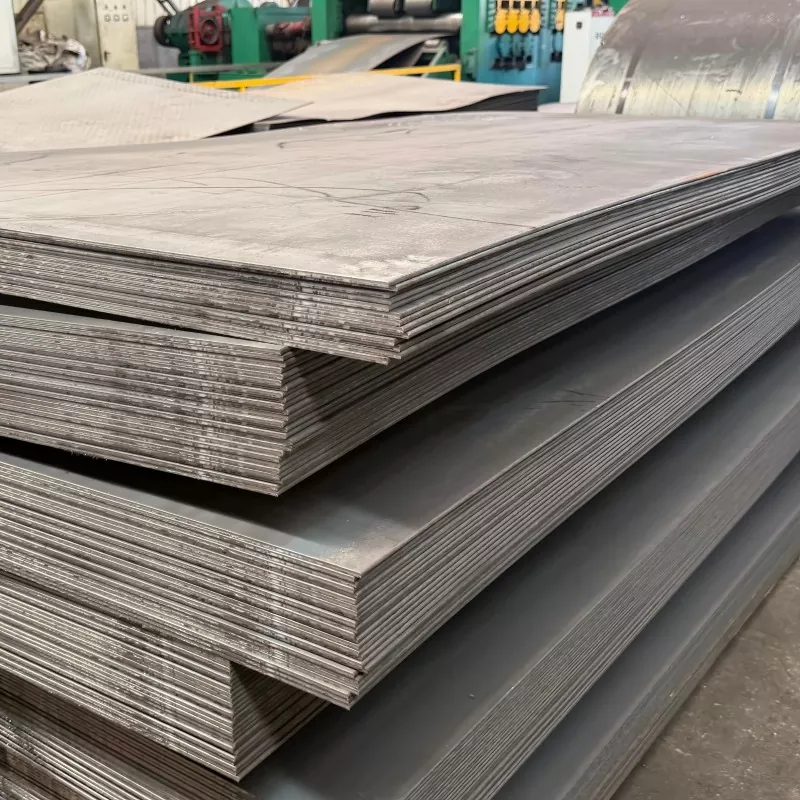
Table of Contents
1. What Is Wear-Resistant Hot-Rolled Heavy Steel Plate?
2. What Performance Benefits Does It Offer?
3. Where Is Wear-Resistant Heavy Steel Plate Used?
4. How Do You Choose the Right Steel Plate?
5. How Do Different Steel Plate Options Compare?
6. What Should Buyers Know About Fabrication?
7. How Can the Right Plate Reduce Lifecycle Costs?
8. Which Quality Checks Matter Before Purchase?
1. What Is Wear-Resistant Hot-Rolled Heavy Steel Plate?
Wear-resistant hot-rolled heavy steel plate is designed for components exposed to abrasion, friction, impact, or repeated contact with hard materials. Unlike ordinary structural plate selected primarily for general load-bearing duties, wear-resistant steel is chosen with particular attention to surface hardness, resistance to material loss, and performance under demanding service conditions.
The hot-rolling process shapes steel at elevated temperatures, making it possible to produce plates for heavy-duty industrial fabrication. Depending on the steel grade and production route, additional heat treatment may be used to achieve the required hardness and mechanical properties.
For engineers and procurement teams, the phrase Wear Resistant Hot Rolled Heavy Steel Plate Structural describes a material solution that must meet both structural and wear-related requirements. The exact balance depends on the intended component, operating environment, and applicable technical standard.
When evaluating a supplier such as Sanhe, buyers should confirm the available grades, thickness ranges, dimensional tolerances, delivery conditions, and inspection documentation before placing an order. These details determine whether the material is suitable for the final application.
2. What Performance Benefits Does It Offer?
The value of wear-resistant steel plate comes from matching its mechanical properties to the conditions in which it will operate. The following benefits are particularly important in heavy industry.
Improved Abrasion Resistance
When steel surfaces repeatedly contact sand, gravel, crushed rock, minerals, or other abrasive materials, gradual material loss can change component dimensions and reduce equipment efficiency. An appropriately selected wear-resistant grade can slow this process and extend the useful service life of exposed surfaces.
Support for Heavy-Duty Structures
Industrial equipment often experiences a combination of static loads, vibration, impact, and localized stress. A suitable plate must provide the required strength and toughness in addition to abrasion resistance. Hardness alone is not sufficient to establish structural suitability.
Potentially Lower Maintenance Requirements
Components that wear out quickly may require frequent replacement, welding repairs, or production stoppages. Selecting a suitable steel grade can help reduce these maintenance demands, although actual results depend on material handling, component design, operating conditions, and maintenance practices.
Flexible Fabrication Options
Heavy steel plate can be cut and fabricated into liners, reinforcing components, equipment panels, and structural assemblies. However, cutting, drilling, bending, and welding procedures must be appropriate for the selected grade, especially when the material has high hardness or has undergone quenching and tempering.
- Better resistance to abrasive contact when the grade matches the application.
- Potentially longer replacement intervals for wear-exposed components.
- Compatibility with a range of heavy industrial equipment designs.
- Opportunities to optimize maintenance planning and material consumption.
- Support for demanding applications where wear resistance and structural performance must work together.
3. Where Is Wear-Resistant Heavy Steel Plate Used?
Wear-resistant heavy steel plate is widely considered for equipment and structures exposed to repeated abrasion or mechanical contact. The appropriate grade and thickness should always be selected according to the actual load case and service environment.
Mining and Mineral Processing
Mining machinery handles abrasive ores, rock, and mineral aggregates. Wear-resistant plate may be used for chute liners, hopper surfaces, screening equipment, and selected protective panels. In these applications, material impact energy and particle size are important considerations alongside abrasion severity.
Construction and Earthmoving Equipment
Excavators, loaders, bulldozers, and other earthmoving machines operate in environments where soil, gravel, and crushed stone can cause substantial wear. Suitable steel plate can be incorporated into buckets, protective covers, and replaceable wear components, subject to design and grade requirements.
Bulk Material Handling
Conveyor systems, storage hoppers, transfer chutes, and loading facilities may experience continuous material flow. Wear-resistant plate can help protect contact surfaces and reduce unplanned maintenance when the material grade and liner configuration are selected correctly.
Cement, Steel, and Recycling Industries
Cement production, metal processing, and recycling operations can expose machinery to abrasive particles, impact, and repetitive loading. Steel plate may be used in equipment housings, material guides, and replaceable liners. Where high temperatures or corrosive substances are present, these additional conditions must also be evaluated.
For projects requiring structural support as well as wear protection, engineers should verify that the chosen plate meets the relevant design code and safety requirements. A wear-resistant designation does not automatically establish suitability for every load-bearing application.
4. How Do You Choose the Right Steel Plate?
Choosing a suitable plate requires more than comparing hardness values or unit prices. A systematic assessment helps buyers avoid selecting a material that is either under-specified for the service environment or unnecessarily expensive.
Define the Operating Conditions
Start by identifying the main wear mechanism. Sliding abrasion, impact abrasion, repeated loading, and metal-to-metal friction can affect materials differently. Temperature, moisture, corrosion, and the characteristics of the handled material may also influence performance.
Confirm Grade and Hardness Requirements
Steel grades are developed for different combinations of hardness, strength, toughness, and fabrication performance. A higher hardness value may improve resistance to certain abrasive conditions, but it can also affect weldability, bending behavior, and impact performance. Select the grade according to the manufacturer's technical data and the component's design requirements.
Determine Plate Dimensions
Thickness, width, length, flatness, and dimensional tolerances influence both structural capacity and fabrication efficiency. Excessive thickness can add weight and machining costs, while insufficient thickness may shorten service life or compromise the design.
Check Standards and Documentation
Specify the required material standard and verify the relationship between the requested grade and its documented properties. Where relevant, request a mill test certificate, chemical composition results, mechanical test data, hardness records, and traceability information.
- Document the working environment and expected wear mechanism.
- Define the required structural capacity and impact resistance.
- Confirm grade, hardness, thickness, and dimensional tolerances.
- Review cutting, welding, bending, and machining requirements.
- Verify inspection records, delivery conditions, and applicable standards.
- Compare suppliers using the same technical specification.
5. How Do Different Steel Plate Options Compare?
Different steel plate categories serve different purposes. The following comparison provides a general selection framework rather than a specification for a particular Sanhe product. Final properties depend on the grade, thickness, manufacturing route, and applicable standard.
| Plate Category | Main Selection Priority | Typical Applications | Important Consideration |
|---|---|---|---|
| General structural steel plate | Load-bearing capacity and fabrication suitability | Frames, supports, and general steel structures | May not provide sufficient wear resistance for severe abrasion |
| Wear-resistant steel plate | Resistance to abrasion and material loss | Chutes, liners, hoppers, and wear-exposed equipment parts | Hardness, toughness, and fabrication limits must be checked |
| High-strength structural steel plate | Strength-to-weight performance and structural capacity | Heavy machinery, engineered structures, and load-bearing components | Strength does not automatically indicate superior abrasion resistance |
| Corrosion-resistant steel plate | Performance in specified corrosive environments | Chemical facilities, wet-process equipment, and selected industrial systems | Corrosion resistance and abrasion resistance are different properties |
| Wear-resistant plate with additional protective measures | Combined protection for specific operating conditions | Equipment exposed to both abrasion and environmental degradation | Coatings, liners, or other treatments require application-specific evaluation |
This comparison highlights why buyers should avoid choosing material based on one property alone. A successful Wear Resistant Hot Rolled Heavy Steel Plate Structural specification should balance wear performance, load requirements, fabrication methods, and total operating cost.
6. What Should Buyers Know About Fabrication?
Even a high-performance steel plate can fail to deliver the expected results if it is fabricated incorrectly. Processing requirements should therefore be considered before the purchase order is finalized.
Cutting and Machining
Thermal cutting, plasma cutting, laser cutting, or mechanical processing may be appropriate depending on plate thickness, grade, available equipment, and the required edge quality. Some hardened steels require specific procedures to control heat-affected zones and avoid unwanted cracking.
Welding
Welding procedures should be based on the steel's chemical composition, carbon equivalent where applicable, thickness, restraint conditions, and service requirements. Preheating, interpass temperature control, and suitable consumables may be necessary for certain grades. Follow the manufacturer's recommendations and an approved welding procedure rather than applying one method to every plate.
Bending and Forming
High-hardness steel may require larger bend radii and controlled forming practices. Plate orientation, edge preparation, thickness, and tooling condition can affect the risk of cracking. Confirm forming limits before production begins.
Storage and Handling
Store plates on stable supports and prevent unnecessary impact, surface damage, and contamination. Clear grade identification and material traceability help ensure that the correct plate reaches the correct fabrication stage.
- Review the manufacturer's processing guidance before cutting or welding.
- Use suitable lifting equipment and safe handling procedures.
- Inspect cut edges and formed areas for defects when required.
- Maintain traceability between material certificates and fabricated parts.
- Document any deviations from the approved manufacturing procedure.
7. How Can the Right Plate Reduce Lifecycle Costs?
The purchase price is only one part of the cost of a steel component. In wear-intensive operations, replacement frequency, downtime, labor, installation, and spare-part inventory can have a substantial effect on total expenditure.
For example, a material that costs more initially may offer better value if it lasts longer under the actual operating conditions. Conversely, specifying an unnecessarily hard or expensive grade may increase procurement and fabrication costs without delivering a meaningful improvement in service life.
A practical lifecycle assessment should consider:
- Initial material cost: Compare prices for equivalent grades, dimensions, delivery conditions, and quantities.
- Fabrication expense: Account for cutting, welding, machining, forming, and inspection requirements.
- Replacement frequency: Estimate how often the component is likely to require repair or replacement.
- Operational downtime: Consider the production impact of maintenance and equipment shutdowns.
- Inventory requirements: Evaluate whether longer service intervals can reduce spare-part storage and purchasing frequency.
Where historical wear measurements are available, use them to establish a baseline and compare candidate materials under similar operating conditions. Field testing and maintenance records can provide more reliable guidance than assuming that a higher hardness rating always guarantees a longer service life.
8. Which Quality Checks Matter Before Purchase?
Reliable material selection depends on clear specifications and verifiable quality records. Before accepting a delivery, buyers should confirm that the supplied plate matches the agreed order and relevant technical requirements.
Material and Dimensional Verification
Check the grade marking, plate identification, thickness, width, length, and required tolerances. Surface condition and flatness should be assessed against the purchase specification and the intended fabrication process.
Mechanical Properties and Test Records
Review the available test documentation for the specified grade. Depending on the order, this may include hardness, tensile properties, impact testing, chemical composition, and other required inspections. Not every test applies to every product, so requirements should be stated clearly in advance.
Surface and Internal Quality
Inspect for visible defects such as unacceptable cracks, laminations exposed at edges, or surface damage that could interfere with processing or service. Additional nondestructive testing should be specified where required by the design, standard, or risk assessment.
Supplier Communication
Effective communication helps ensure that technical requirements are understood before production and shipment. When evaluating Sanhe or another steel plate supplier, buyers should confirm product availability, applicable standards, documentation, packaging, delivery arrangements, and the procedure for resolving quality discrepancies.
For further product information, review the Wear Resistant Hot Rolled Heavy Steel Plate Structural product page and confirm the current specifications directly with the supplier.
9. Frequently Asked Questions
1. What is wear-resistant hot-rolled heavy steel plate used for?
It is commonly considered for equipment and components exposed to abrasion, impact, and repeated mechanical contact, including mining machinery, material-handling systems, industrial hoppers, and selected construction equipment parts. The exact application depends on the grade and design requirements.
2. Is wear-resistant steel plate suitable for structural applications?
It can be used in structural or semi-structural components when its mechanical properties, design calculations, fabrication procedures, and applicable standards support that use. Wear resistance alone does not establish structural compliance.
3. Does higher hardness always mean better wear resistance?
No. Hardness is an important factor, but wear performance also depends on abrasive particle characteristics, impact energy, contact pressure, operating conditions, and the steel's toughness. The correct grade should be selected for the actual wear mechanism.
4. Can wear-resistant heavy steel plate be welded?
Many grades can be welded using suitable procedures, but requirements vary. Preheating, consumable selection, heat input control, and other precautions may be necessary. Always follow the grade-specific recommendations and an approved welding procedure.
5. What information should I provide when requesting a quotation?
Provide the required grade or standard, thickness, width, length, quantity, delivery location, intended application, and any special testing or certification requirements. Drawings and details about wear conditions can help the supplier assess whether the requested specification is appropriate.
6. How do I verify the quality of a steel plate shipment?
Compare product markings and dimensions with the purchase order, inspect the surface condition, and review the material certificates and test records required by the contract. Arrange additional testing when it is specified by the relevant standard or project requirements.
7. How can I obtain product specifications from Sanhe?
Visit the Sanhe product page and contact the supplier to confirm available grades, dimensions, technical documentation, production arrangements, and delivery details for your project.
10. Conclusion
Choosing the right wear-resistant hot-rolled heavy steel plate requires a clear understanding of abrasion conditions, structural loads, mechanical properties, fabrication requirements, and lifecycle costs. A well-matched material can help improve component durability, reduce avoidable maintenance, and support more predictable industrial operations. The most effective solution is not necessarily the hardest or most expensive plate, but the one that satisfies the project's verified technical requirements.
Sanhe can be a starting point for buyers evaluating steel plate options for demanding industrial and structural applications. If you are sourcing Wear Resistant Hot Rolled Heavy Steel Plate Structural products, explore the product details and contact us to discuss your required dimensions, grade, application conditions, and documentation needs. Request a quotation based on your project specifications to help identify a suitable steel plate solution for your operational requirements.
Related News
- How Can Hot Rolled Steel Plate for Marine Offshore Use Improve Structural Safety and Service Life
- Why Is High Strength S235JR Medium and Heavy Plate a Smart Choice for Structural Engineering Projects
- How Can Galvanized Floor Diamond Plate Improve Safety, Durability, and Long-Term Project Performance
- Why Is Hot Rolled Checkered Steel Plate for Platforms a Smart Choice for Safe and Durable Industrial Flooring
- What Makes SGCC Hot Dip Galvanized Steel Sheet a Reliable Choice for Corrosion-Resistant Industrial Applications
- How Can Wear Resistant Hot Rolled Heavy Steel Plate Structural Improve Service Life in Demanding Industrial Applications
Leave me a message