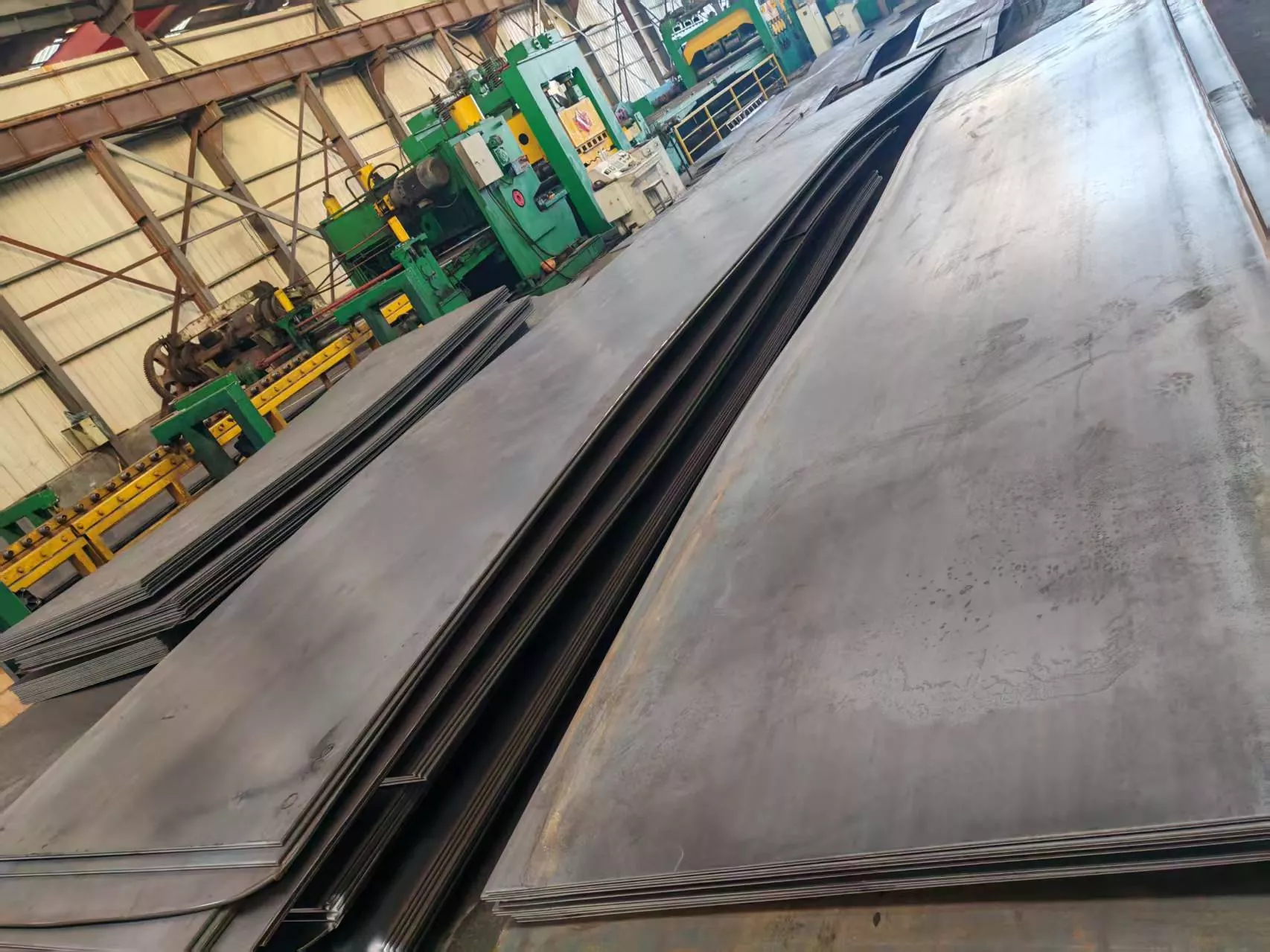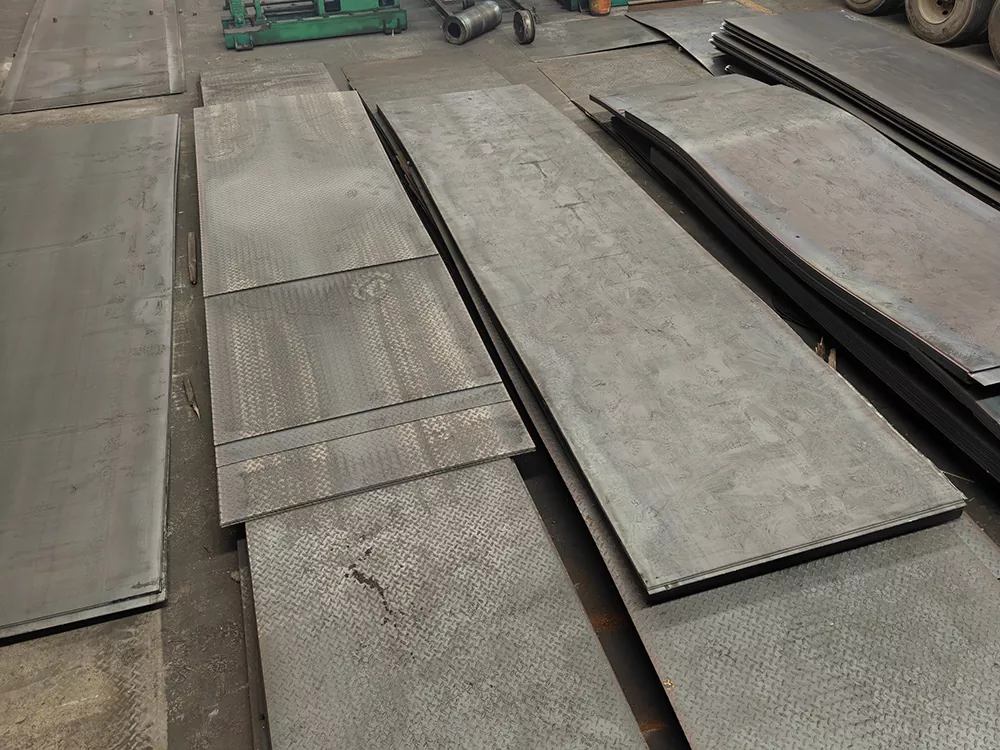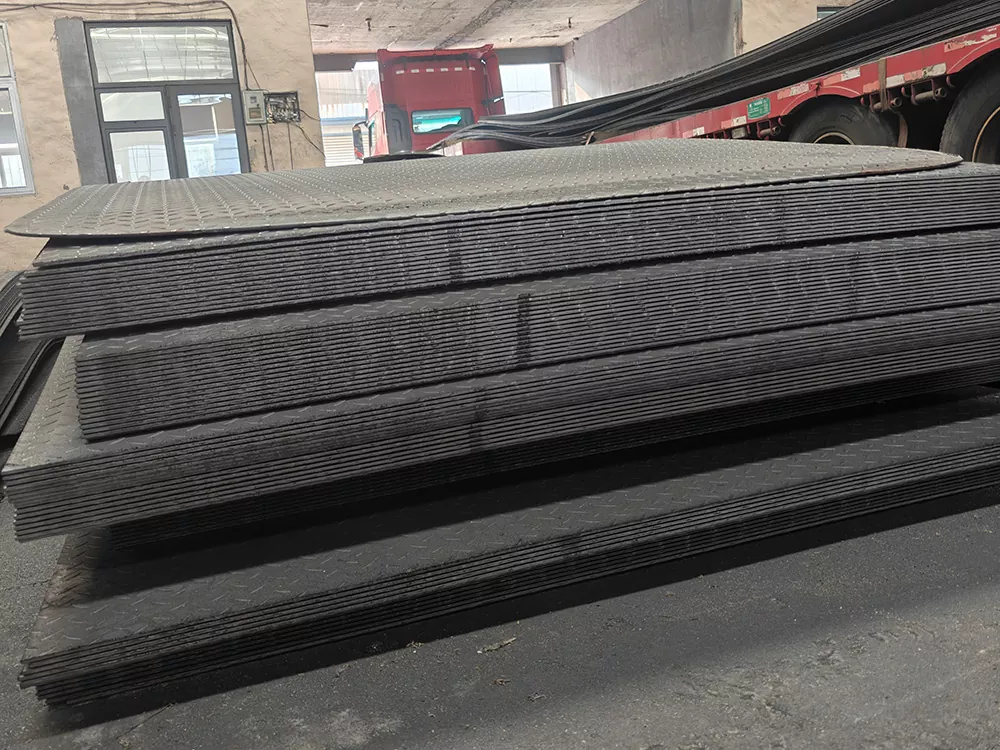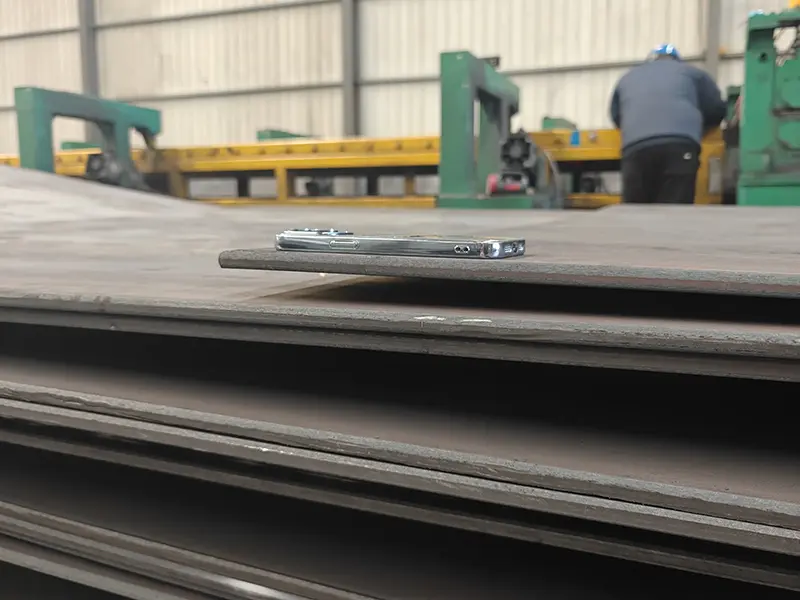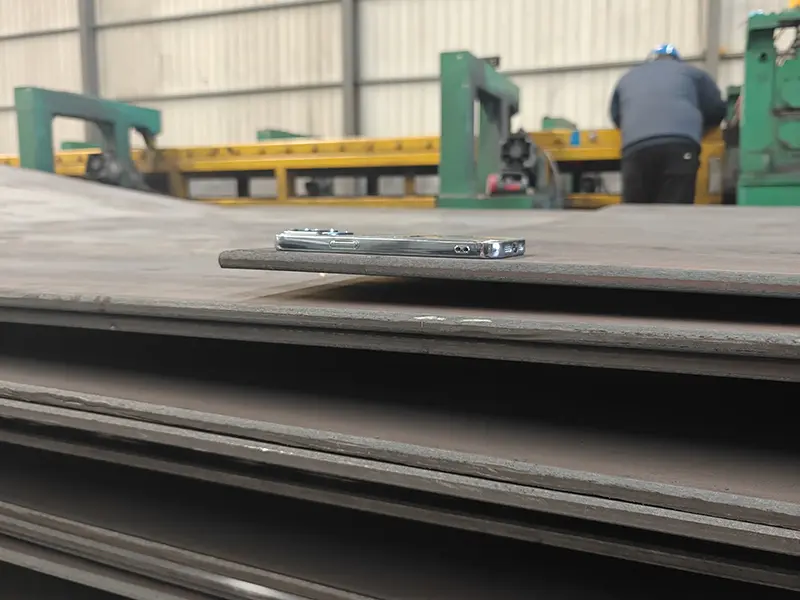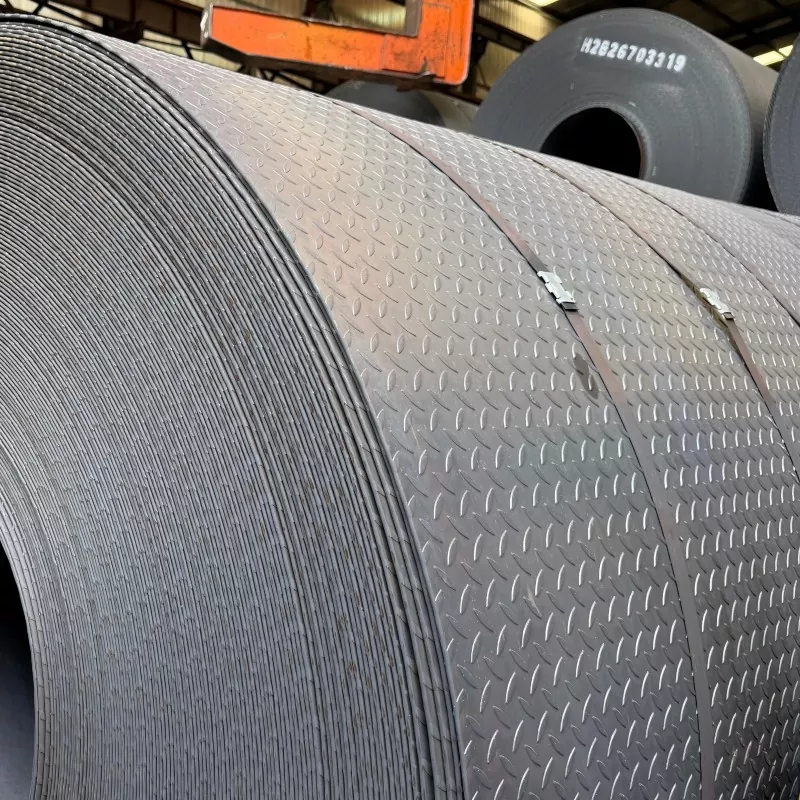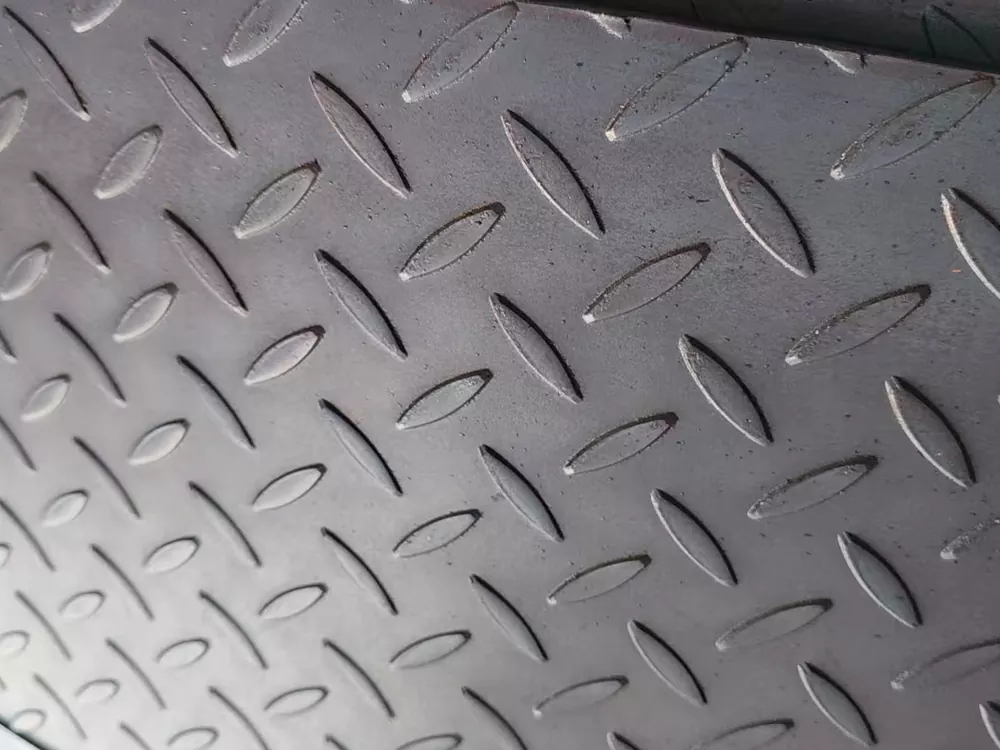
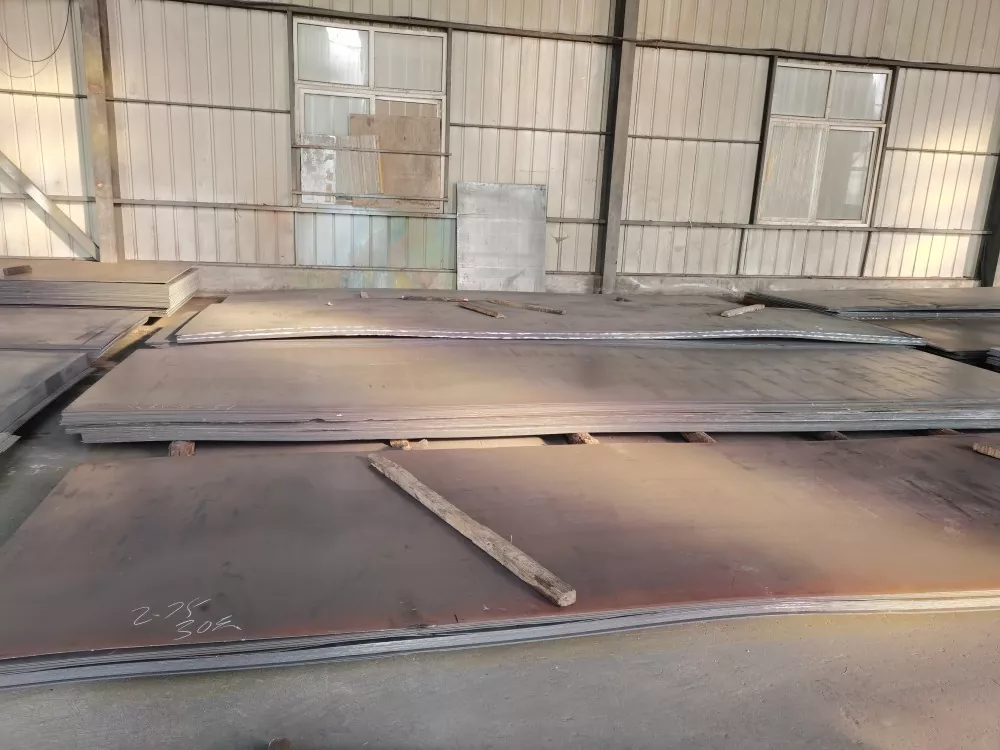
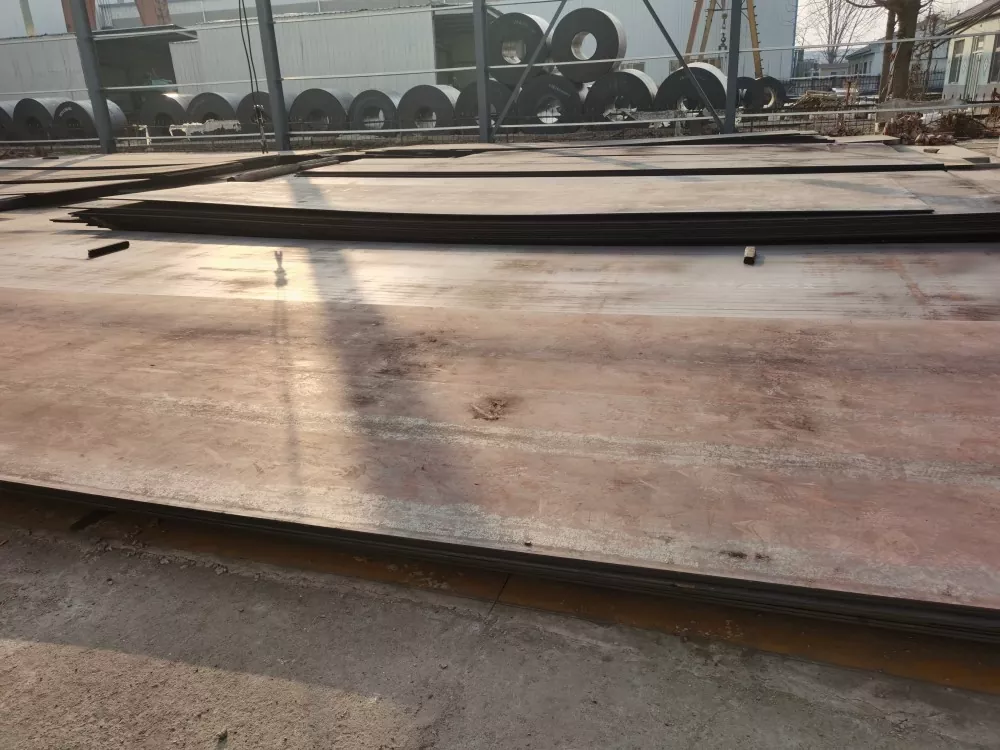
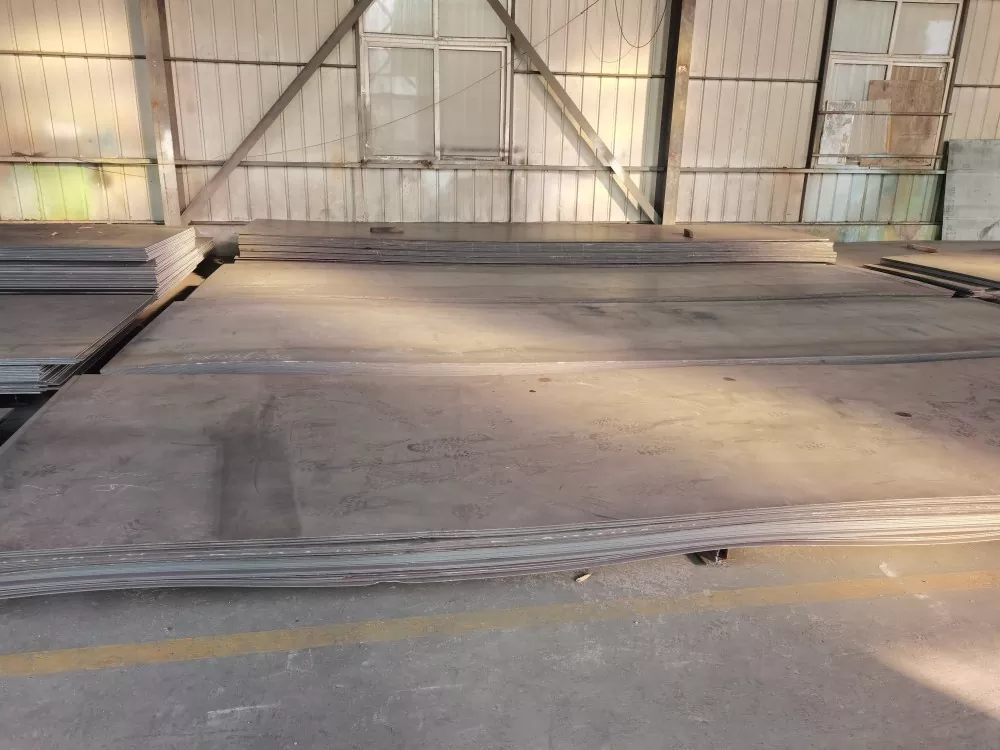
Mild Steel Plate
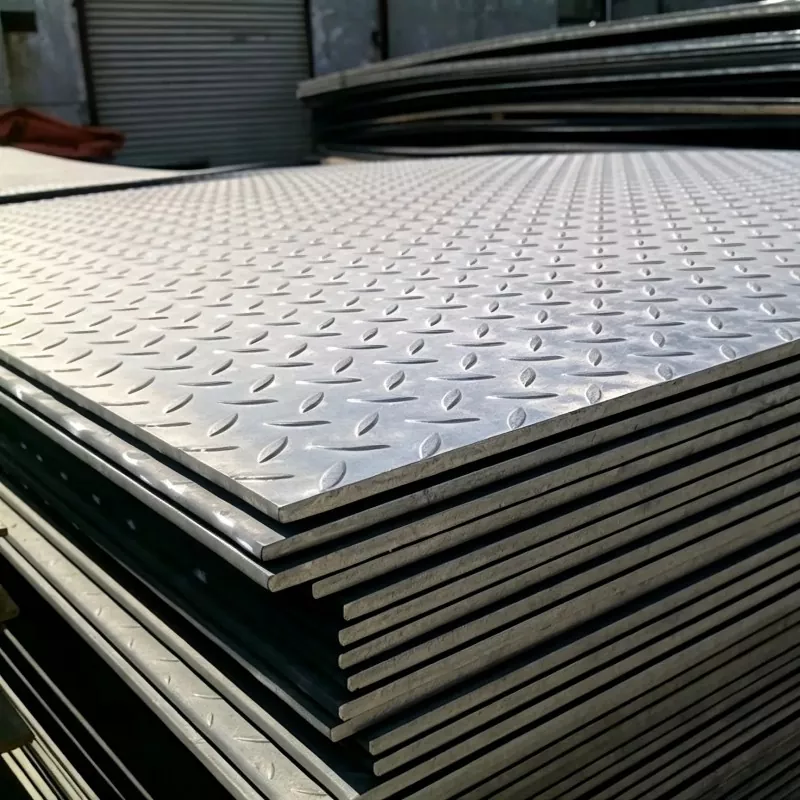
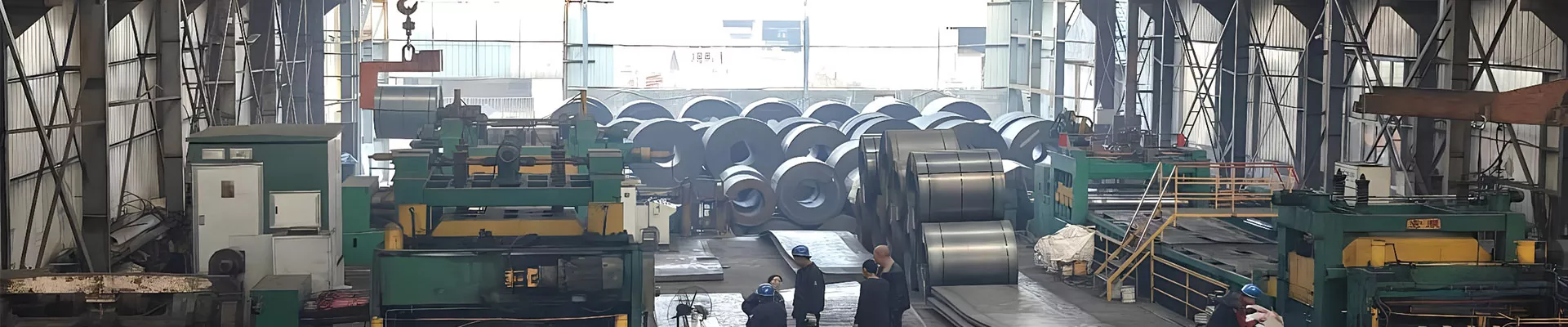
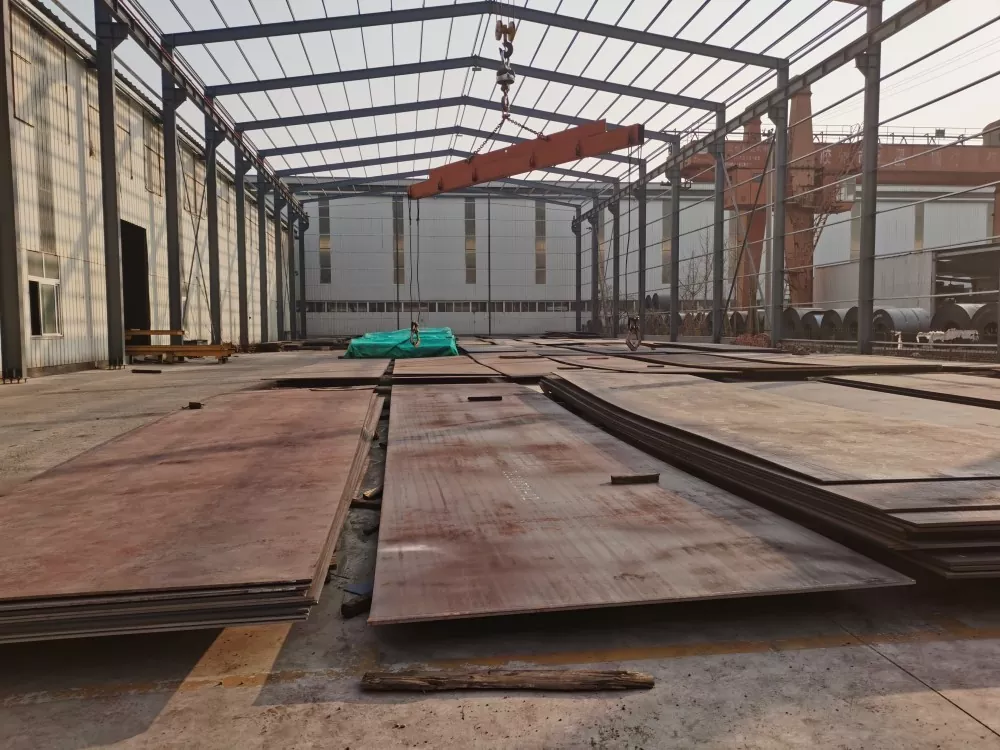
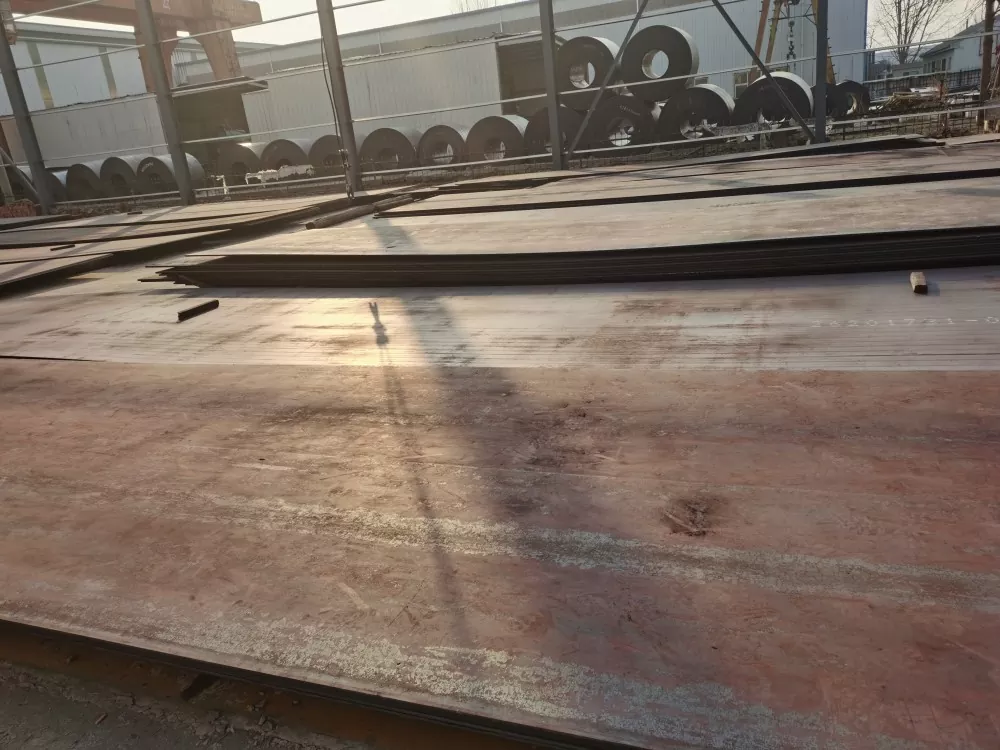
Sanhe Steel is a professional Mild Steel Plate Manufacturer and Supplier in China that integrates steel trading and processing. As a leading physical factory in the industry, we focus on operating various types of steel products such as low-carbon steel plates, and they are suitable for the needs of multiple industries.
The material of Mild Steel Plate is carbon steel. Its core definition is steel with a carbon content lower than 2.11%, and without deliberately adding any metal elements. Besides the core component of carbon, low-carbon steel also contains a small amount of natural accompanying elements such as sulfur, silicon, phosphorus, and manganese, with simple and pure composition. Among them, the carbon content of low-carbon steel is strictly controlled below 0.12%, and this component characteristic directly determines its subsequent mechanical properties and application scenarios, and is also one of the most core differences between it and ordinary steel plates. As an actual manufacturer, Sanhe Steel supplies low-carbon steel plates that strictly follow the composition standards to ensure the stability of product performance and meet the strict requirements for safety performance in industrial and commercial environments.
| Parameter | Specification |
|---|---|
| Product Name | Mild Steel Plate |
| Material Type | Low-Carbon Steel (Carbon Content < 0.12%) |
| Carbon Content | ≤ 0.12% |
| Thickness Range | 1.5mm – 100mm |
| Width Range | 1000mm – 2500mm |
| Length Range | 2000mm – 12000mm |
| Tensile Strength | 300 – 450 MPa (depending on thickness) |
| Yield Strength | 180 – 250 MPa (depending on thickness) |
| Elongation | ≥ 28% |
| Density | 7.85 g/cm³ |
| Surface Treatment | Black, Oiled, Painted, Galvanized |
| Packaging | Standard Export Package |
| Transportation | Container / Bulk Ship / Train / As per request |
| Standard | GB/T 711, ASTM A1008, JIS G3141 |
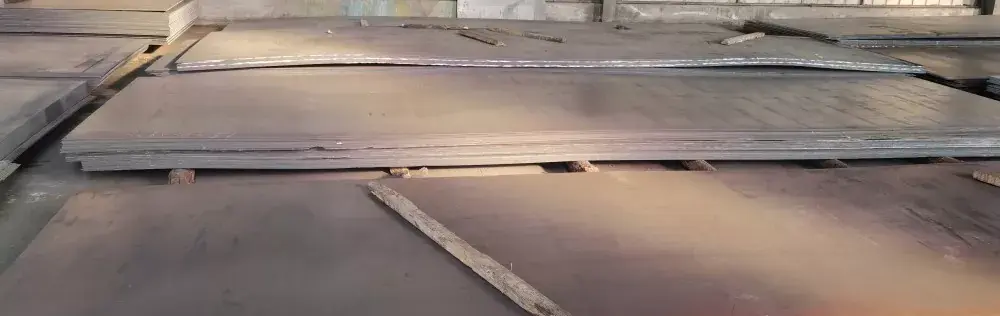
The core differences between low-carbon steel plates and ordinary steel plates
There are significant differences between mild steel plates and ordinary steel plates (regular steel) in terms of composition, mechanical properties, corrosion resistance, and application. The specific differences are as follows. Composition difference: The carbon content of low-carbon steel is below 0.12%, and other alloy elements are relatively less; the carbon content of ordinary steel is between 0.15% and 0.25%, and the content of alloy elements is higher. Mechanical property difference: Low-carbon steel has lower strength and hardness, but better plasticity and toughness, and is suitable for use in high-temperature environments; ordinary steel has higher strength and hardness, but poorer plasticity and toughness, and is more suitable for use as structural materials. Corrosion resistance difference: The corrosion resistance of low-carbon steel is better than that of ordinary steel. The main reason is that its carbon content is lower, and it is less prone to rusting.
The differences in application between low-carbon steel plates and ordinary steel plates
Due to the performance differences between the two, the applicable scenarios of Mild Steel Plate and ordinary steel plates also have their own focuses. It is necessary to make a reasonable choice based on actual needs. Low-carbon steel plates, with their good plasticity and weldability, are usually used in situations that require such characteristics, such as cold-rolled plates, thin-walled pipes, and metal wires, which are suitable for processing scenarios with high requirements for material toughness. Ordinary steel plates, with their higher strength and hardness, are widely used in industrial manufacturing and construction fields, such as shipbuilding, bridges, and automobile manufacturing, and are suitable for use as load-bearing and stressed structural components. Although they may look similar in appearance, the differences in application are significant. Choosing the appropriate steel directly affects the performance and quality of the product.
Comparison of Advantages and Disadvantages between Low-Carbon Steel Plate and Ordinary Steel Plate
Apart from the core difference, the advantages and disadvantages of Mild Steel Plate and ordinary steel plate in terms of corrosion resistance, cost and applicability are also quite obvious. In terms of corrosion resistance, low-carbon steel plate is superior to ordinary steel plate. This is because of its lower carbon content, which makes it less prone to rust and has a longer service life. In terms of cost, low-carbon steel plate has a simpler composition and does not require the addition of excessive alloy elements, so its production cost is usually lower than that of ordinary steel plate, and the cost performance is better. In terms of applicability, low-carbon steel plate is suitable for application scenarios that require high toughness and plasticity, while ordinary steel plate is suitable for scenarios that require high strength and hardness. There is no absolute superiority or inferiority between the two, the key lies in matching the actual usage requirements.
Core advantages of the product and company
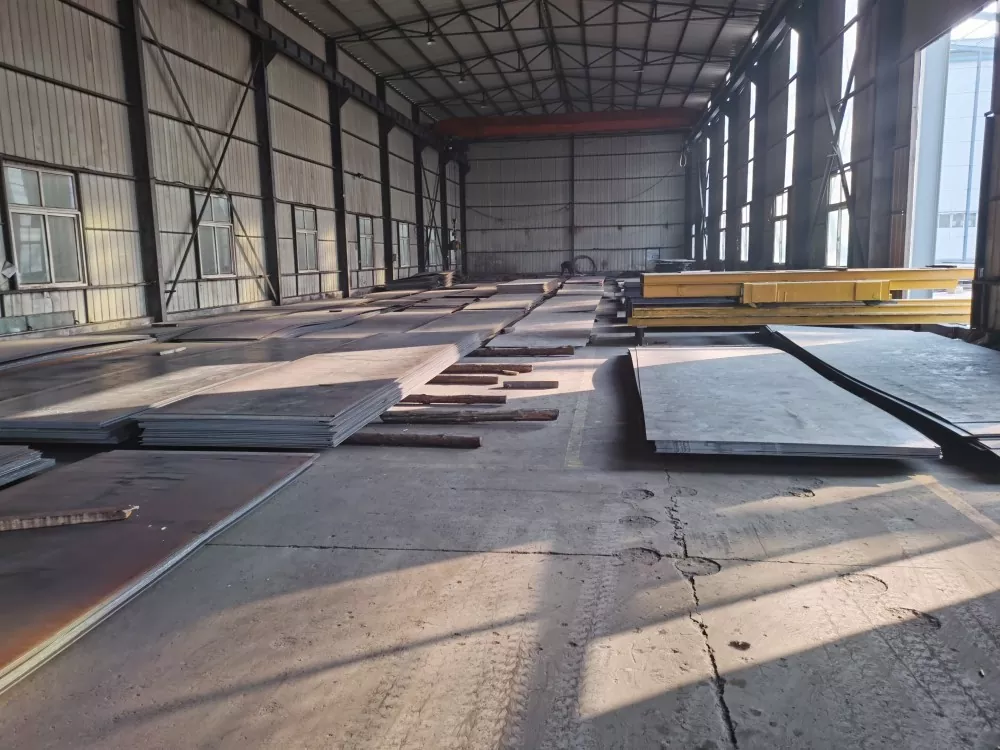
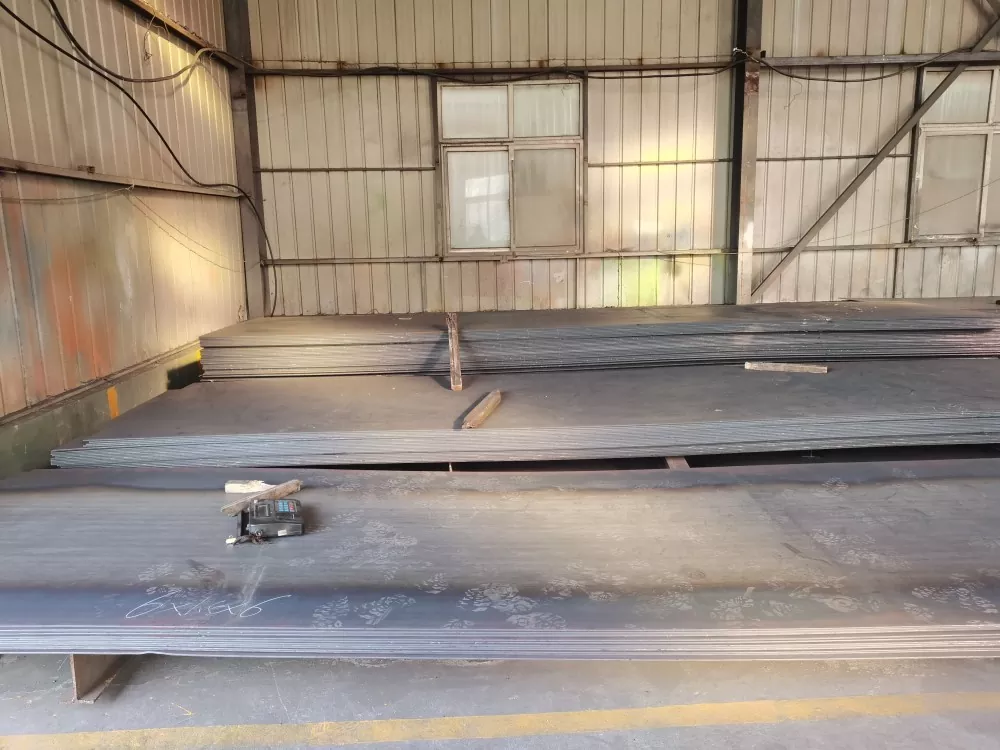
Mild Steel Plate not only has excellent corrosion resistance and low production cost, but also possesses good plasticity and weldability, which makes the processing process more convenient. It can be adapted to various processing techniques and meets the personalized processing requirements of different industries. Sanhe Steel, as a professional wholesaler integrating steel trading and plate processing, has been specializing in low-carbon steel plates for many years. It always has sufficient inventory and offers a wide range of specifications. Relying on its own plate processing equipment, we provide customized cutting and plate processing services for customers. We strictly control the raw material procurement and product inspection to ensure that each batch of low-carbon steel plates meets the composition and performance standards. At the same time, we offer full-process consultation, delivery and after-sales guarantee to help customers accurately distinguish between low-carbon steel plates and ordinary steel plates and select the most suitable steel products.
FAQ
Q1: What is the main difference between mild steel and ordinary carbon steel plate?
A1: The primary difference lies in carbon content. Mild steel plate has a carbon content below 0.12%, while ordinary steel plate contains 0.15-0.25% carbon. This results in mild steel offering better plasticity, weldability, and corrosion resistance, while ordinary steel offers higher strength and hardness.
Q2: Can this steel plate be used for structural applications?
A2: Mild steel plate is generally not recommended for primary load-bearing structural applications due to its lower strength. It is better suited for applications requiring high formability and weldability, such as cold-rolled sheets, thin-walled pipes, and deep-drawn parts.
Q3: Does this steel plate require preheating before welding?
A3: No. Mild steel plate has excellent weldability due to its low carbon content. Preheating is not required for standard welding processes, which reduces welding complexity and cost.
Q4: Is it more corrosion-resistant than ordinary steel?
A4: Yes. It has better corrosion resistance than ordinary steel because its lower carbon content makes it less prone to rusting. This makes it suitable for humid or mildly corrosive environments.
Q5: What surface treatments are available?
A5: We offer multiple surface treatment options including black (as-rolled), oiled, painted, and hot-dip galvanized finishes. The choice depends on your specific corrosion protection requirements and service environment.
Hot Tags: Mild Steel Plate, China, Manufacturer, Supplier, Factory
Send Inquiry
Contact Info
-
Address
No. 1188, Lanzhou West Road, Jiaozhou City, Shandong Province, China
-
Tel
-
Email
Welcome to our website! For inquiries about our products or pricelist, please leave your email to us and we will be in touch within 24 hours.