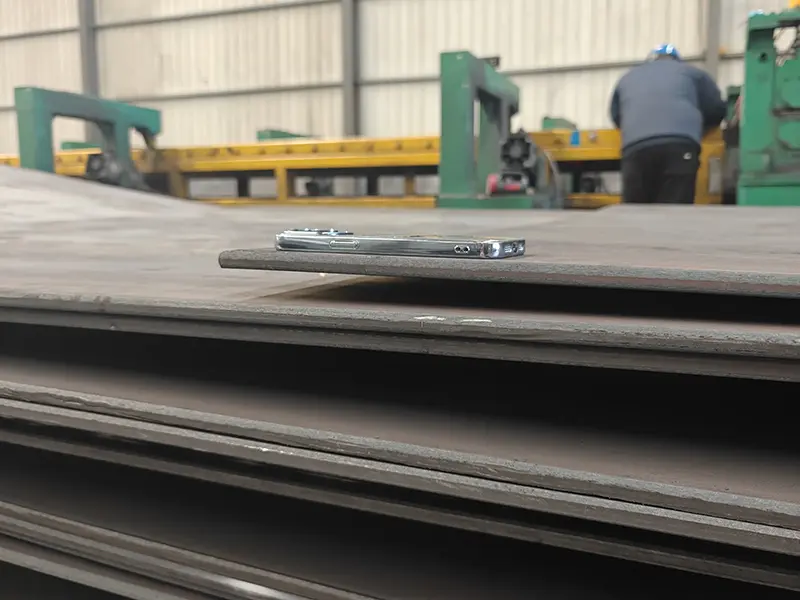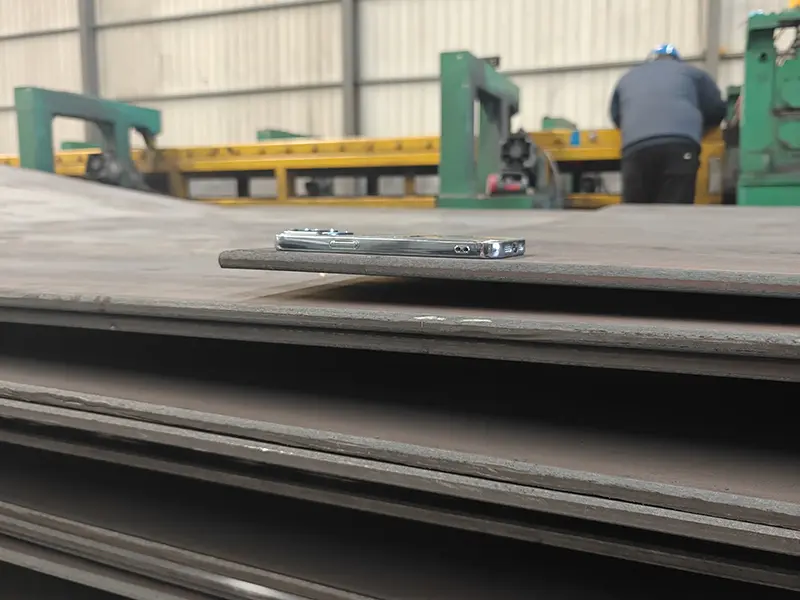
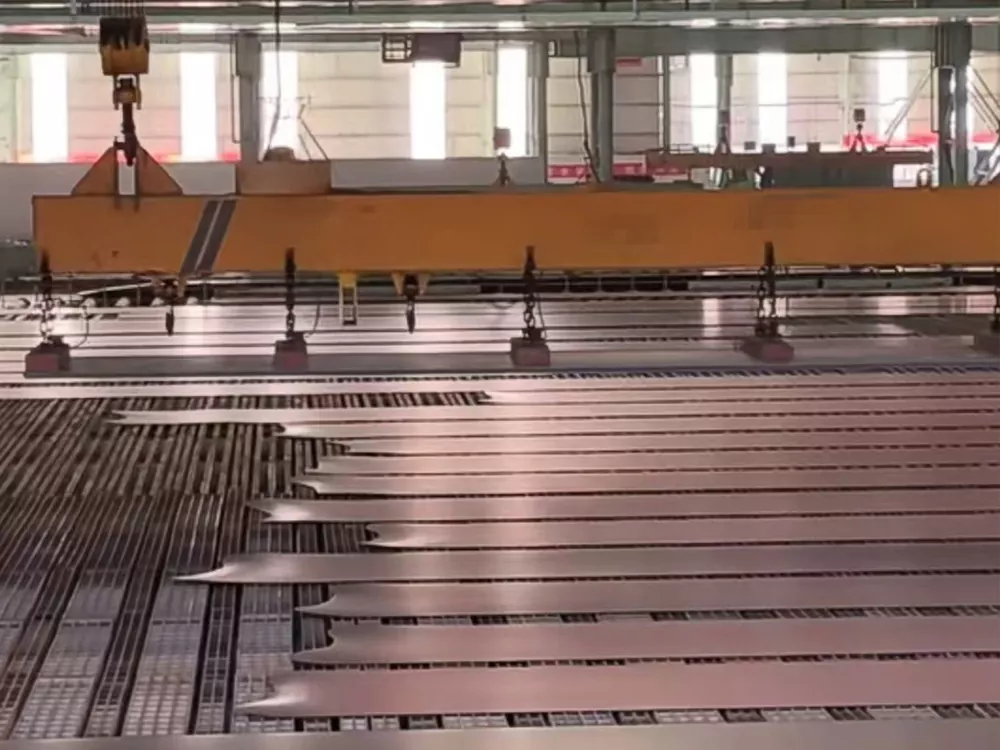
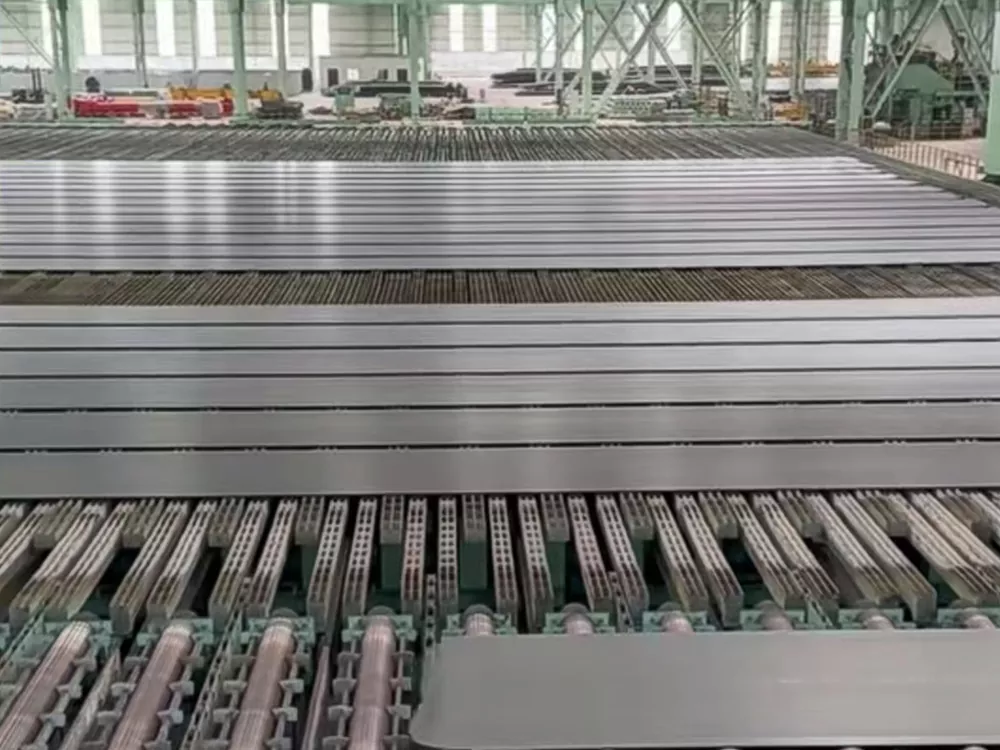
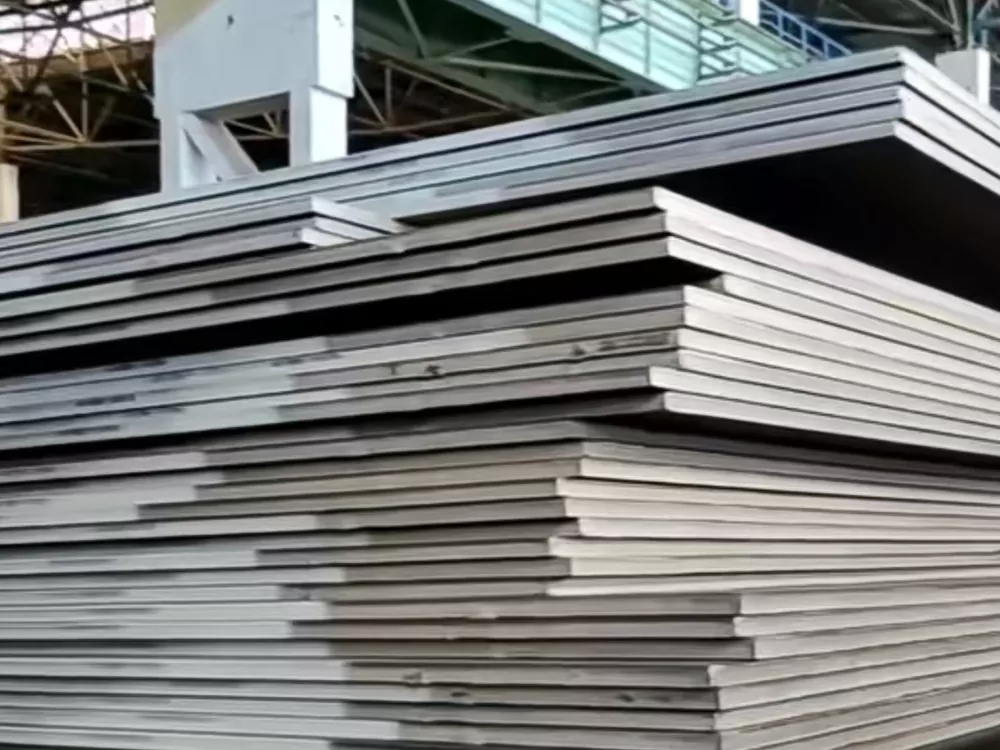
Carbon Steel Plate
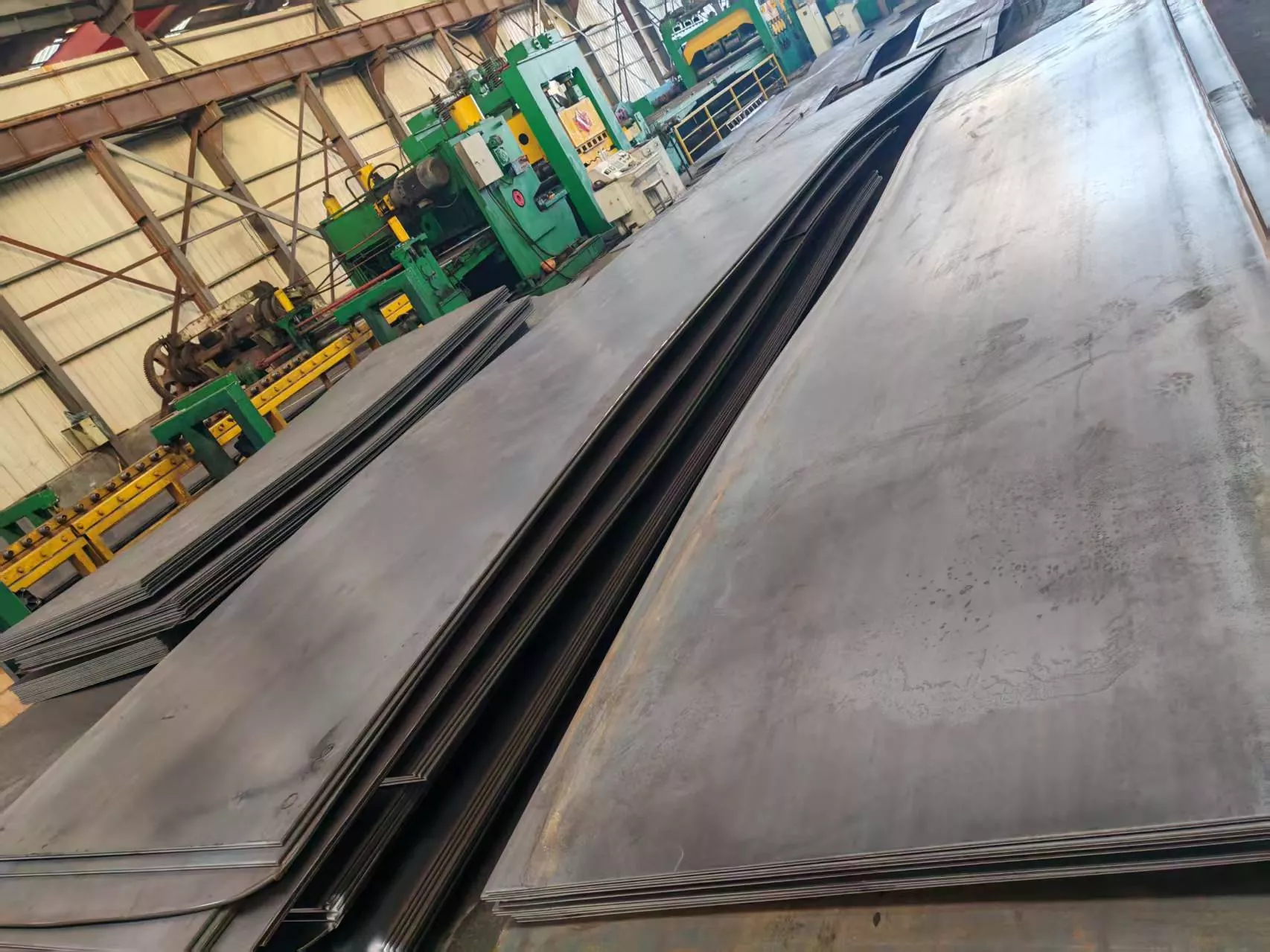
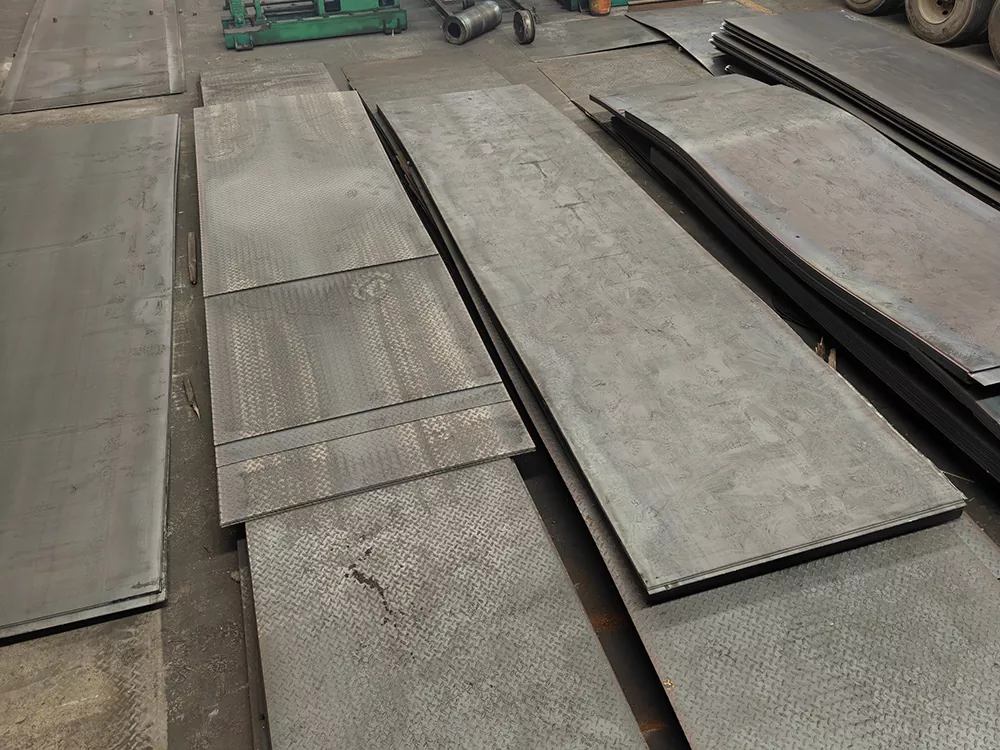
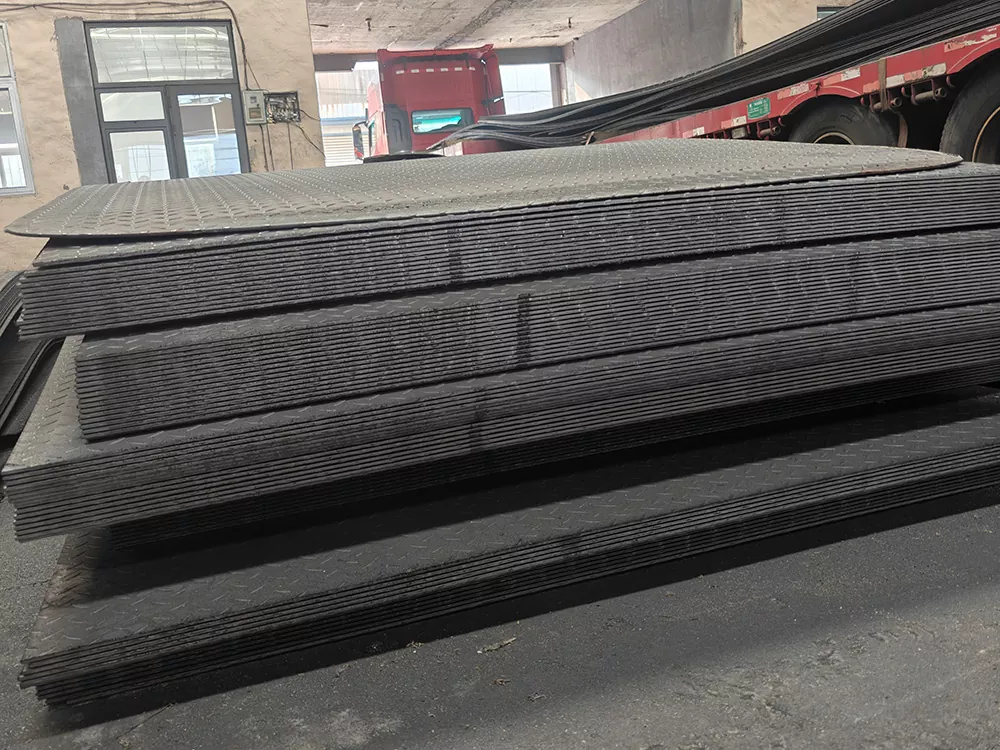
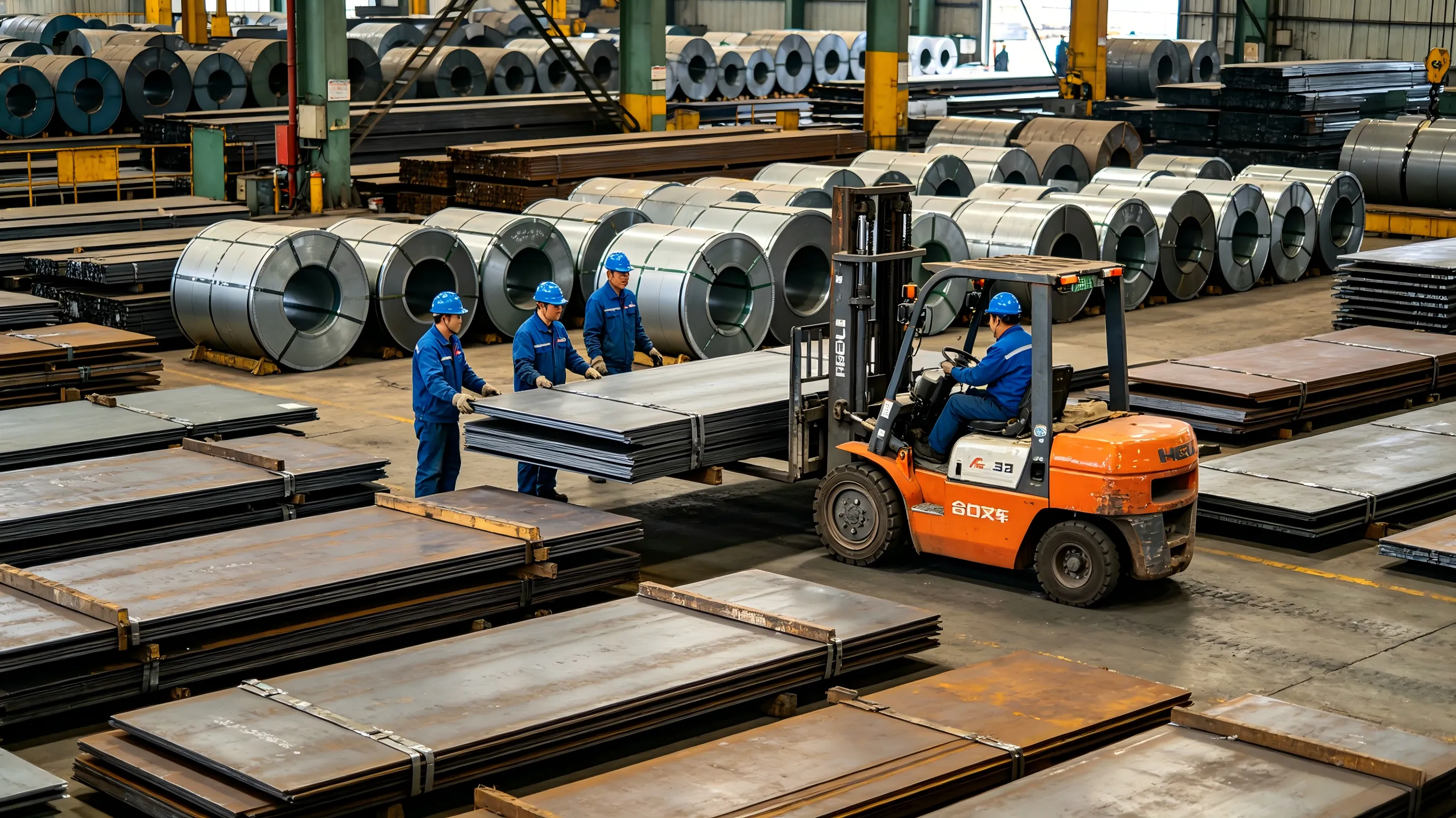
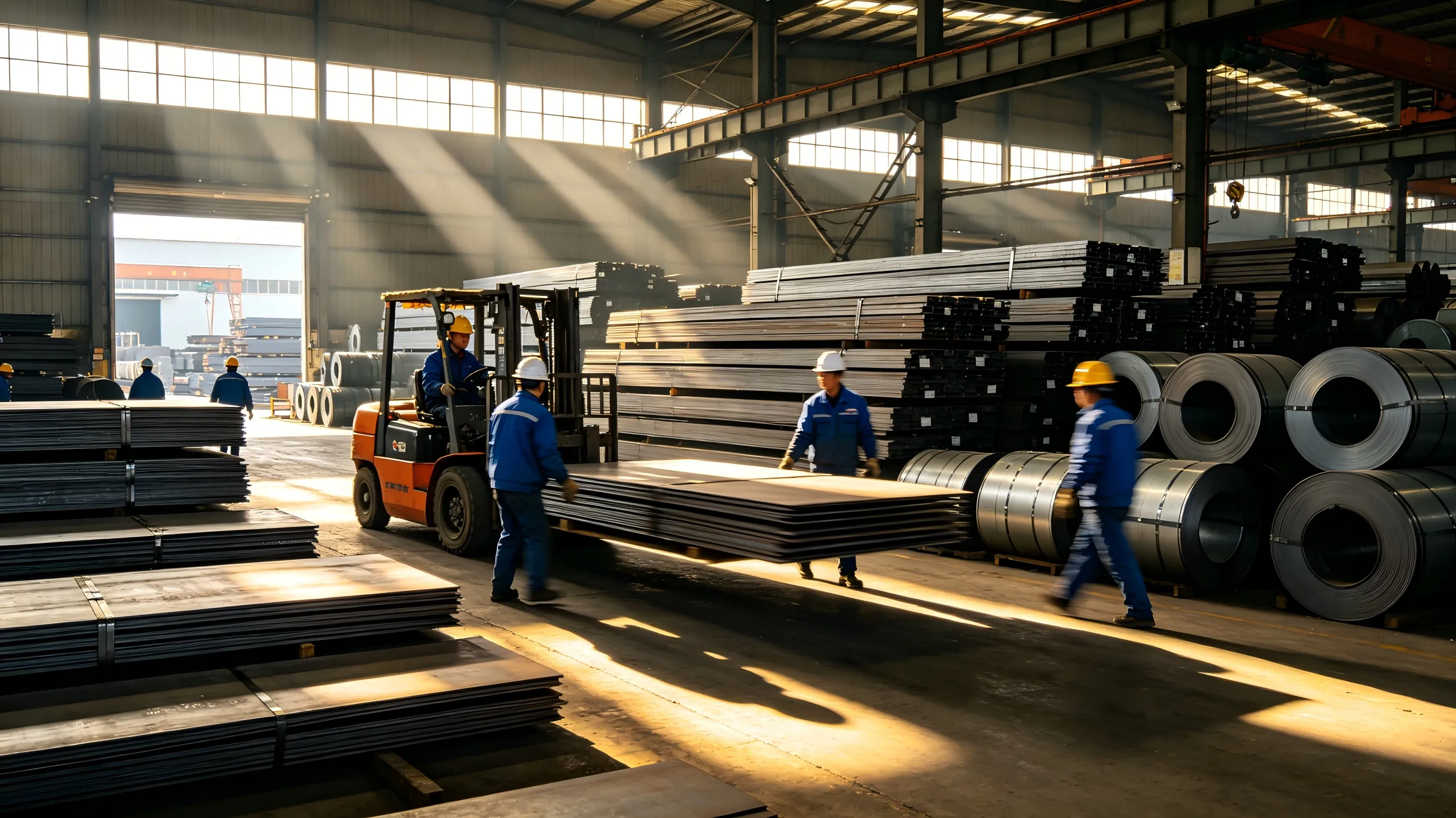
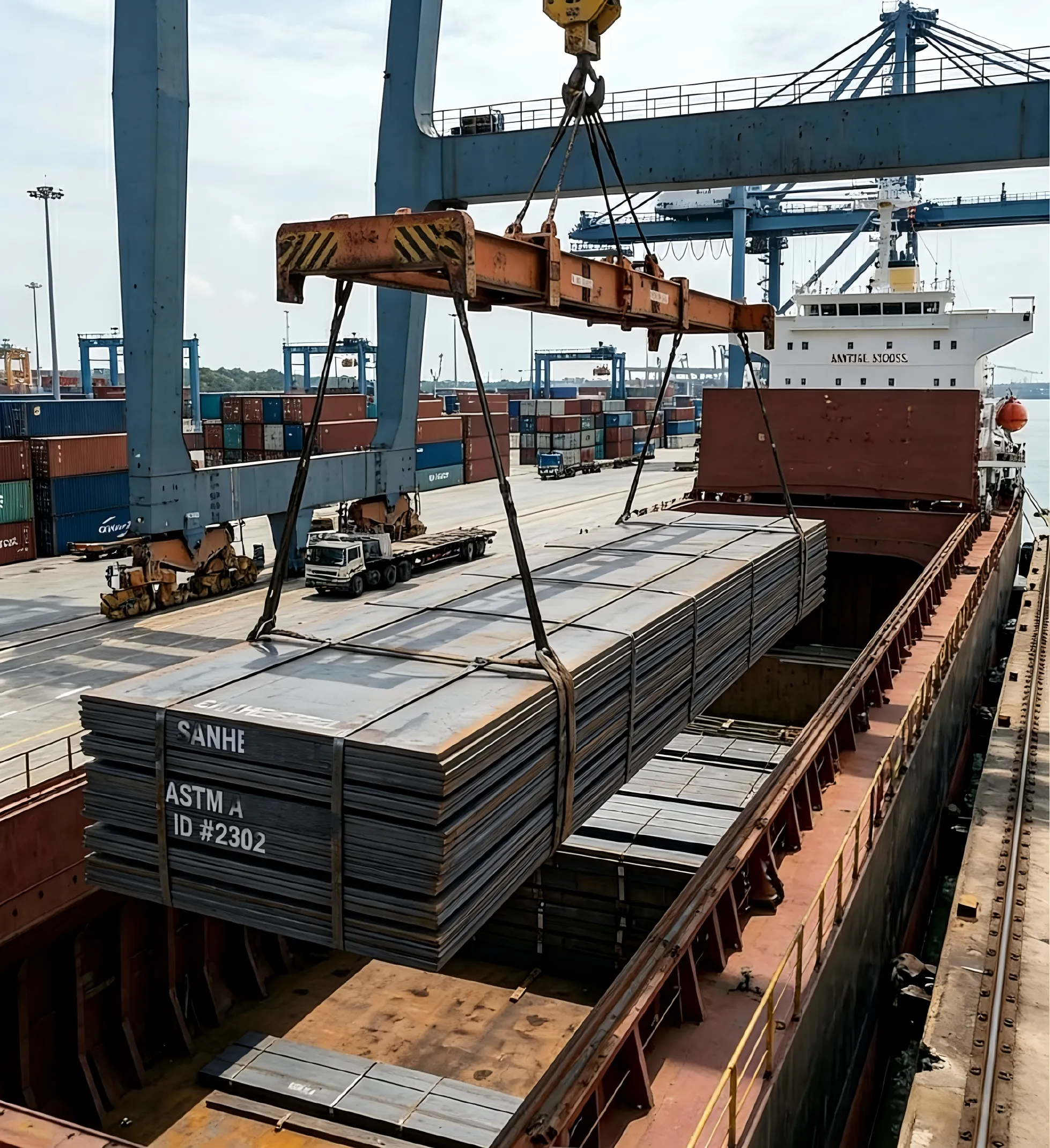
Sanhe Steel is a professional wholesaler that combines steel trading and plate processing. It specializes in the sale of Carbon Steel Plates, Medium and Thick Plates, Pattern Plates, High-Strength Steel, and Openings Plates. As a leading physical manufacturer in the industry, we deeply understand the strict requirements for safety performance in industrial and commercial environments.
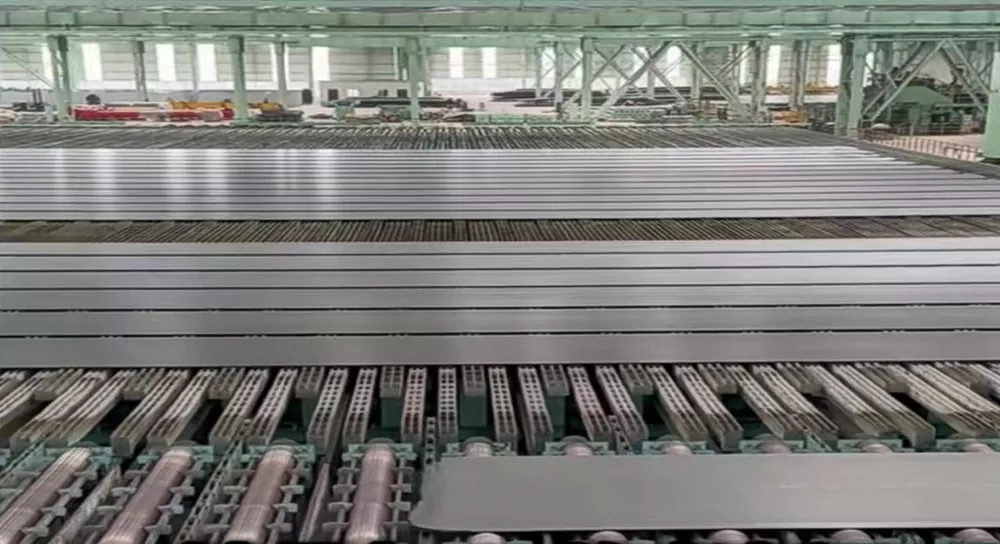
45# steel is a high-quality carbon structural steel. Carbon Steel Plate is a steel plate made of 45# steel. The corresponding international grades include Japanese S45C, American 1045, and German C45.
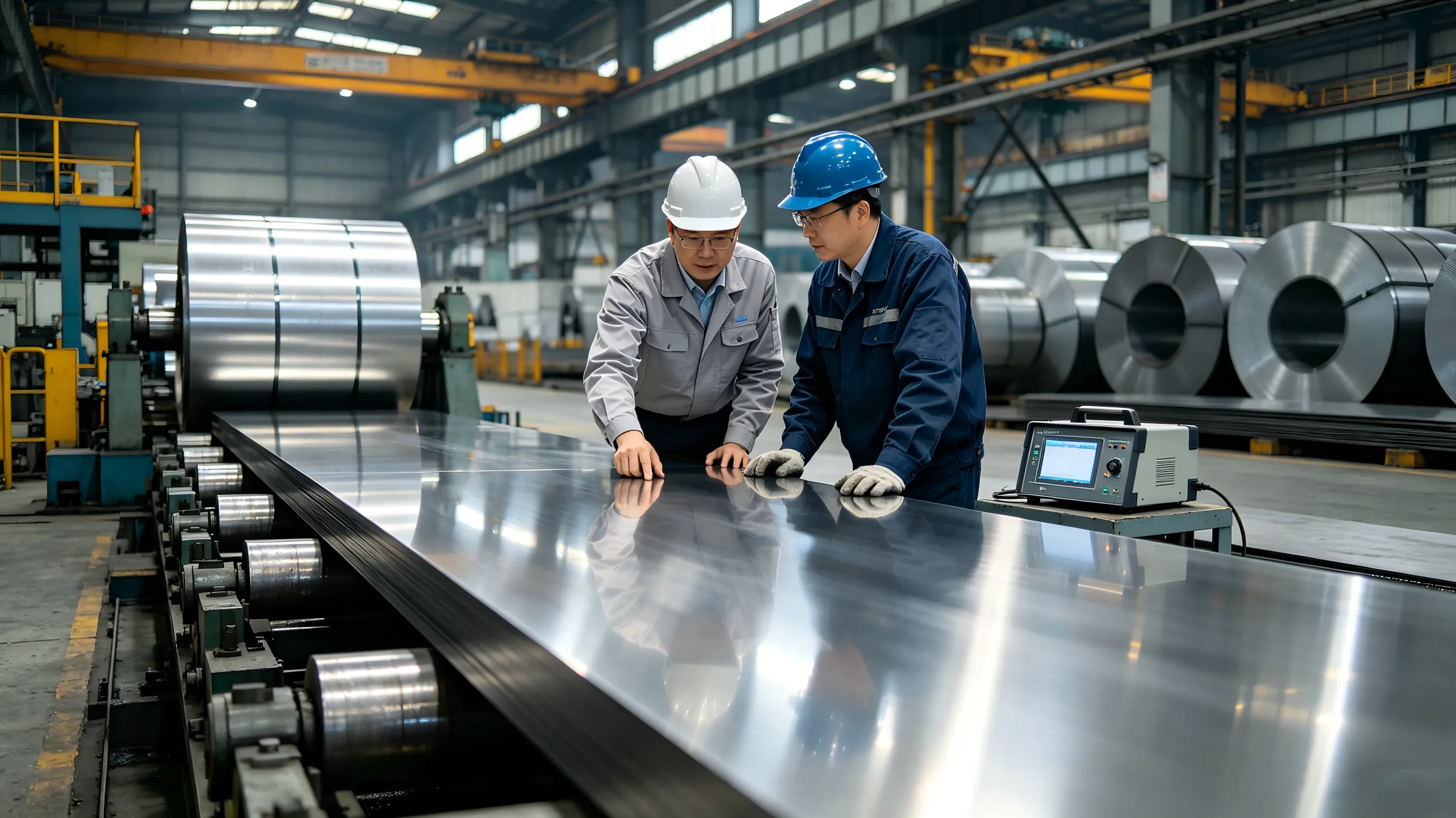
45# steel is called "cylinder". It is a material that we often use in non-standard design. S45C is the GIS standard of Japan, while the national standard is 45# or 45G. It can also be called medium carbon steel, with a carbon content of 0.42% - 0.50%. It also contains manganese of 0.50% - 0.80%, silicon of 0.17% - 0.37%, and other alloy elements. The content of chromium, nickel, phosphorus, sulfur, etc. is controlled. It belongs to medium carbon steel, has certain plasticity and toughness, high strength, tensile strength ≥ 600 MPa, yield strength ≥ 355 MPa, elongation ≥ 16%, and reduction of area ≥ 40%. Through quenching and tempering treatment (quenching followed by high-temperature tempering), comprehensive mechanical properties can be obtained. The quenching temperature is usually 840℃, and the tempering temperature is approximately 600℃. The quenching property is poor, and water quenching is prone to cracking. The welding property is poor. Preheating is required before welding, and annealing treatment is needed after welding to eliminate stress. However, good welding results can still be achieved by controlling welding parameters and post-weld heat treatment. The steel plate is a flat steel with a wide thickness ratio and large surface area, having the ability to cover and contain. Therefore, it is easy to undergo cutting processing.
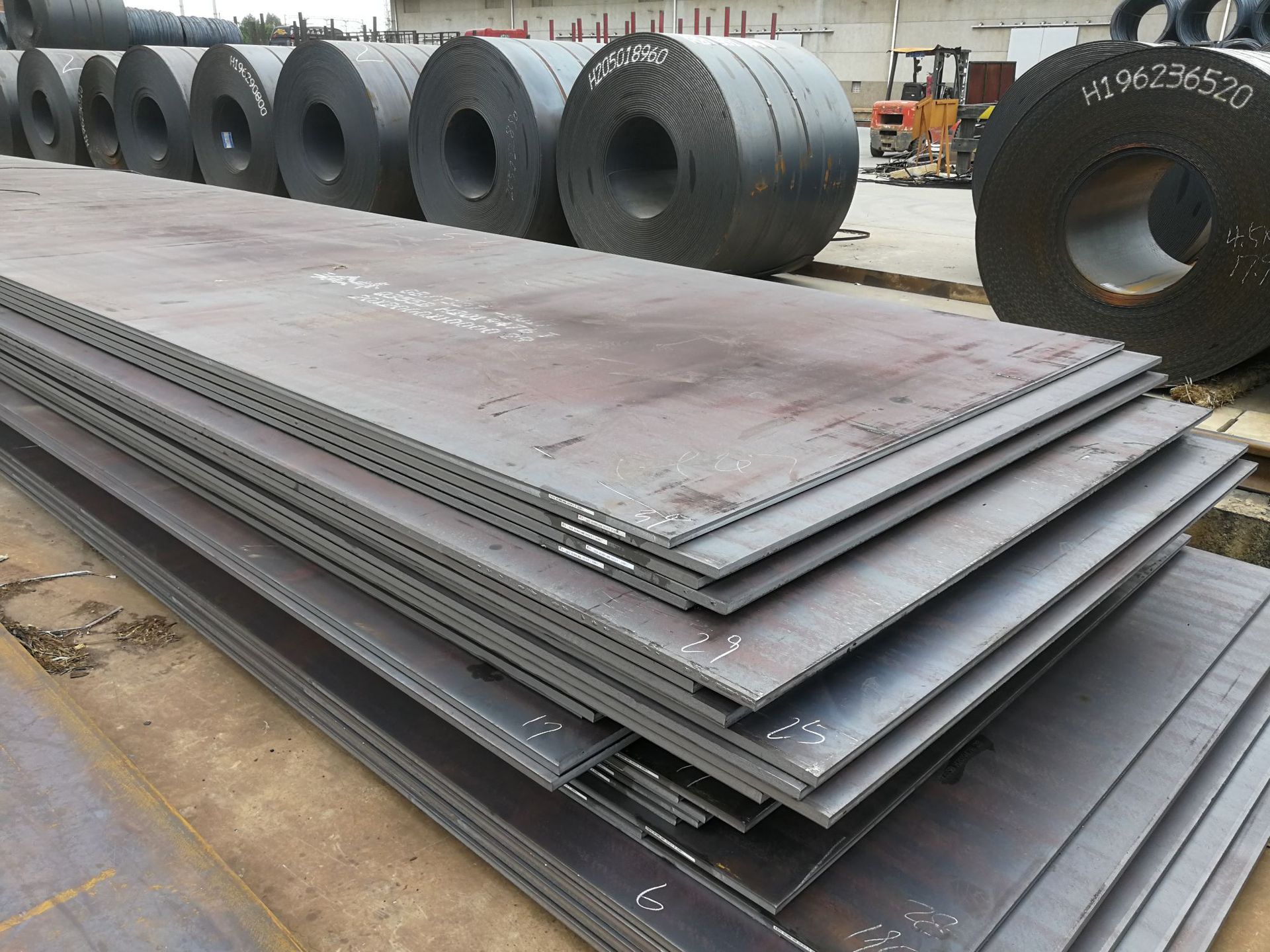
| Item | Specification |
|---|---|
| Material Type | Medium Carbon Steel |
| Carbon Content | 0.42% – 0.50% |
| Manganese Content | 0.50% – 0.80% |
| Silicon Content | 0.17% – 0.37% |
| Tensile Strength | ≥600 MPa |
| Yield Strength | ≥355 MPa |
| Elongation after Fracture | ≥16% |
| Reduction of Area | ≥40% |
| Quenching Temperature | Approx. 840℃ |
| Tempering Temperature | Approx. 600℃ |
| Heat Treatment Method | Quenching and Tempering (Quenching + High-temperature Tempering) |
What are the characteristics and application scenarios of Carbon Steel Plate?
The surface is prone to rusting, so it is usually treated with galvanization or painting. After tempering or normalizing, it can achieve good plasticity, toughness and wear resistance. Due to its balanced performance and reasonable price, 45# steel is widely used in multiple industries:
Mechanical manufacturing: used for parts that bear loads such as shafts, gears, connecting rods, bolts, nuts, etc.
Automobile industry: used for chassis parts, suspension systems, transmission components, etc.
Construction engineering: processed into forming materials (such as I-beams, channel steel), used for bridges, load-bearing structures, etc.
Mold manufacturing: used for mid-to-low-end plastic molds.
Petrochemical industry: used for pressure vessels, pipelines, valves, etc. equipment.
What are the differences between 45# steel and Q235 steel?
As two common types of carbon steel plates, what are their differences? Q235 (formerly known as A3 steel) is a low-carbon structural steel with a carbon content of approximately 0.14% to 0.22%, while 45# steel is a medium-carbon steel. They differ in performance and identification.
Performance comparison: 45# steel has higher strength and hardness, but lower plasticity; Q235 steel has better plasticity, but lower strength. You can choose based on your actual needs.
Advantages of 45# steel: Good mechanical properties (high strength, acceptable toughness), low price, wide availability, and good cold and hot processing performance.
Disadvantages: Low quenching hardness (not suitable for large-section workpieces), poor weldability (requires preheating and postheating), and prone to cracking during water quenching.
Quality Warranty
Sanhe Steel provides a quality guarantee for all 45# carbon steel plates:
Material Defect Warranty: 12 months from the date of shipment against chemical composition and mechanical properties non-conformance
Dimensional Accuracy Warranty: Full replacement or rework for dimensional non-conformance caused by processing errors
Documentation: Full MTC (Mill Test Certificate) provided per heat, with traceability to original heat number
Third-Party Inspection: SGS/BV inspection reports available upon request
Warranty Exclusions: Physical impact damage, improper storage or handling, chemical corrosion, unauthorized modification, or normal wear and tear.
Real Customer Case
45# Steel Plate for Heavy Machinery Shaft Manufacturing
Project: Heavy-duty gearbox shaft production for mining equipment
Specification: 45# carbon steel plate, thickness 80mm, custom cut-to-size
Application: Drive shafts and gear components for mining machinery
Heat Treatment: Quenching + tempering (840°C / 600°C)
Customer Requirement: High strength (≥600MPa) with good toughness for heavy load conditions
Q&A
1. What customization processing services for Carbon Steel Plates can your company provide?
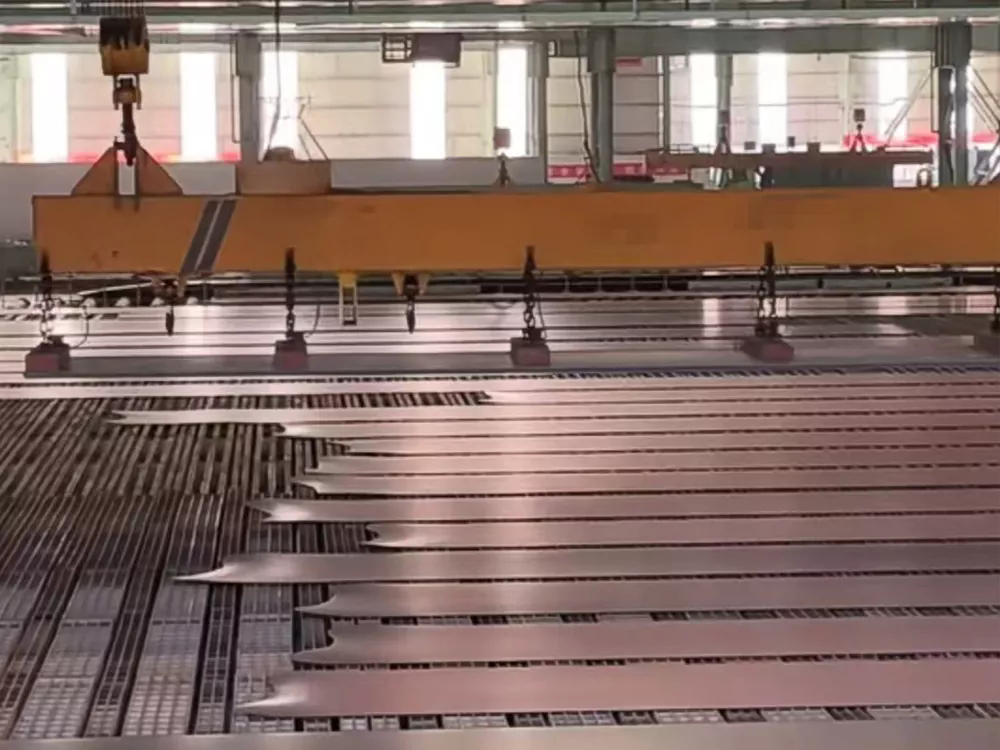
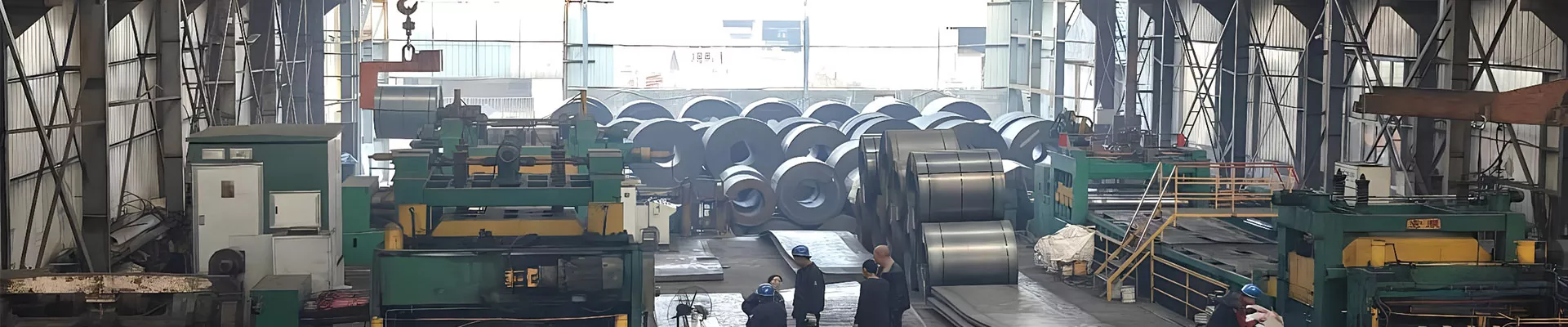
Answer: As a professional wholesaler integrating steel trading and plate processing, our company can offer customized processing services such as fixed-length cutting, bending, and punching of 45# steel plates according to the actual needs of customers. The processing thickness and width cover the mainstream industrial specifications, precisely matching the size requirements of different industries such as mechanical manufacturing, automotive parts, and mold processing. After processing, the products can be directly delivered for use, eliminating the secondary processing costs for customers.
2. During daily storage and transportation, what precautions should be taken to avoid damage?
Answer: Since the surface of 45# steel plate is prone to rust, it should be stored in a dry, ventilated, and rainproof warehouse, avoiding direct contact with damp ground. A moisture-proof pad can be laid for isolation. During transportation, waterproof and collision protection measures should be taken to prevent scratches and rust on the steel plate surface. If stored for a long time, it is recommended to perform galvanization or painting for rust prevention in advance to ensure that the performance of the sheet material is not affected.
3. How to ensure that the materials and performance meet the standards?
Answer: As a seasoned physical supplier in the industry, our company has established long-term strategic cooperation with large steel mills. The raw materials for 45# steel plates all come from official channels. Before entering the site, strict material inspections will be conducted to ensure that the contents of elements such as carbon, manganese, and silicon meet the standards, and the mechanical properties such as tensile strength and yield strength are up to the requirements. At the time of delivery, we can provide material lists, inspection reports and other relevant certificates according to customer requirements, to ensure the reliability of product quality.
4. Besides the regular rust prevention measures, are there any other ways to enhance the corrosion resistance?
Answer: Besides the common treatments like galvanization and painting, surface treatment methods such as phosphating and blackening can also be adopted according to the requirements of the usage scenarios. This will further improve the corrosion resistance of the steel plate. For the needs of special industries like petrochemicals, we can provide customized anti-corrosion processing services to meet the usage requirements under different conditions and extend the service life of the steel plate.
5. How can one quickly distinguish between good and bad products based on their intended use?
Answer: High-quality 45# steel plates have a smooth surface, no cracks, no inclusions, and no obvious rust; the color is uniform. You can confirm the element content and mechanical properties by checking the material specification sheet, or take samples for on-site testing. The hardness and toughness of high-quality plates all meet the standards. It is recommended to purchase from a reputable supplier to avoid affecting subsequent production and use due to inferior plates. Our company can provide free samples for customers to verify.
Hot Tags: Carbon Steel Plate, Supplier, Manufacturer, Wholesale
Send Inquiry
Contact Info
-
Address
No. 1188, Lanzhou West Road, Jiaozhou City, Shandong Province, China
-
Tel
-
Email
Welcome to our website! For inquiries about our products or pricelist, please leave your email to us and we will be in touch within 24 hours.