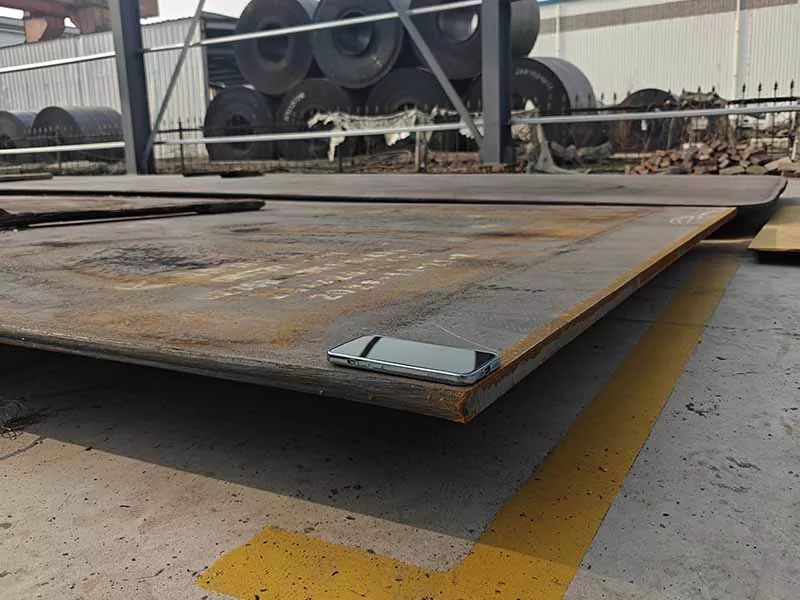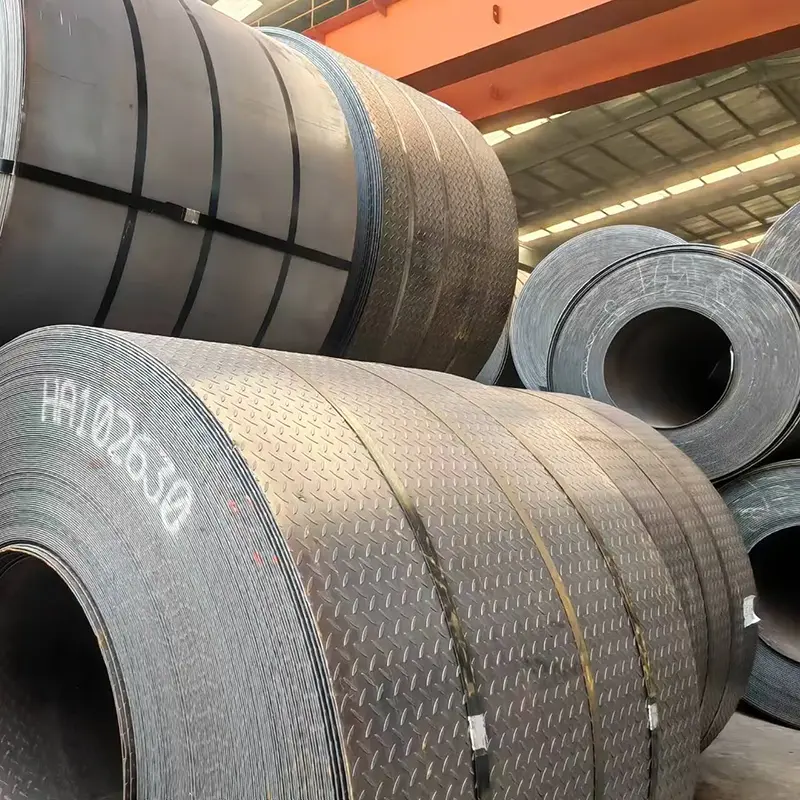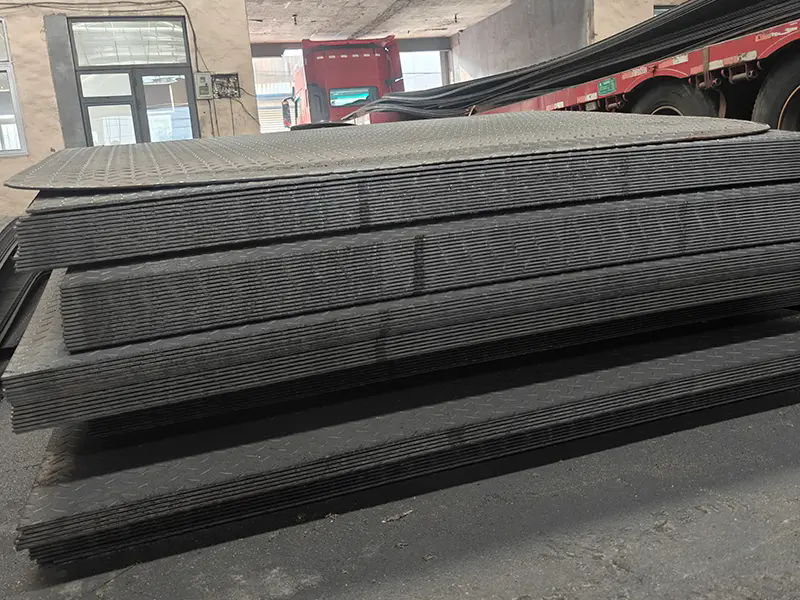
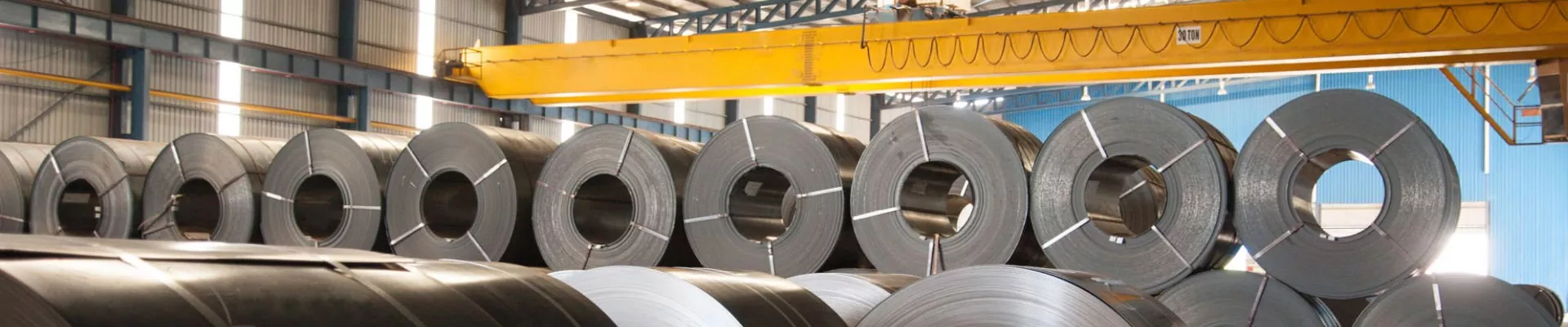
Summary: Hot rolled plates are a cornerstone of modern manufacturing and construction. They offer versatility, durability, and cost efficiency that meet the demands of various industries. In this article, we explore the production, properties, applications, and buying considerations for hot rolled plates, helping you make informed decisions for your projects.
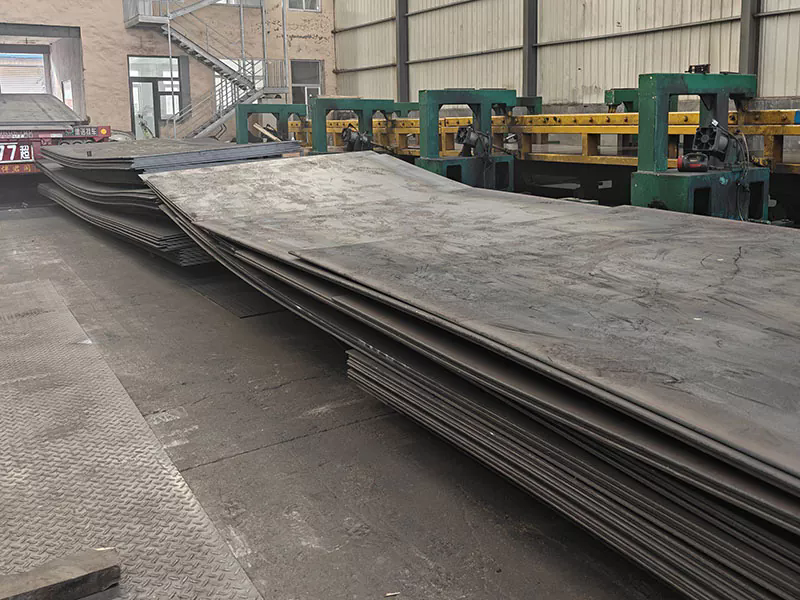
Table of Contents
- Production Process of Hot Rolled Plate
- Key Properties and Advantages
- Industrial Applications
- How to Select the Right Hot Rolled Plate
- Frequently Asked Questions
Production Process of Hot Rolled Plate
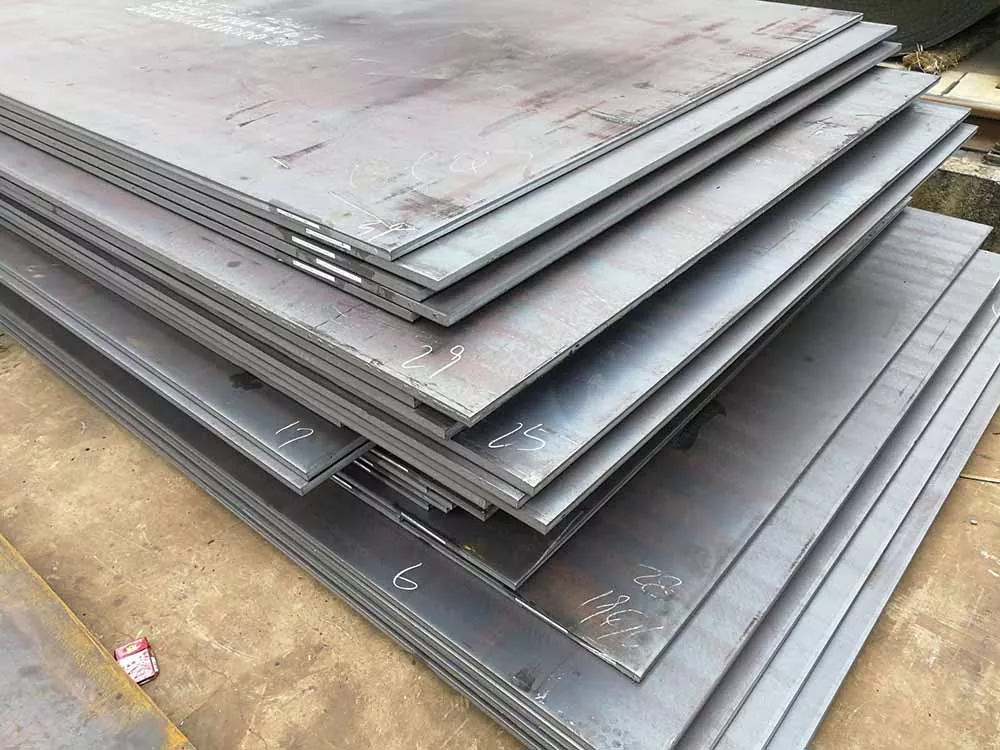
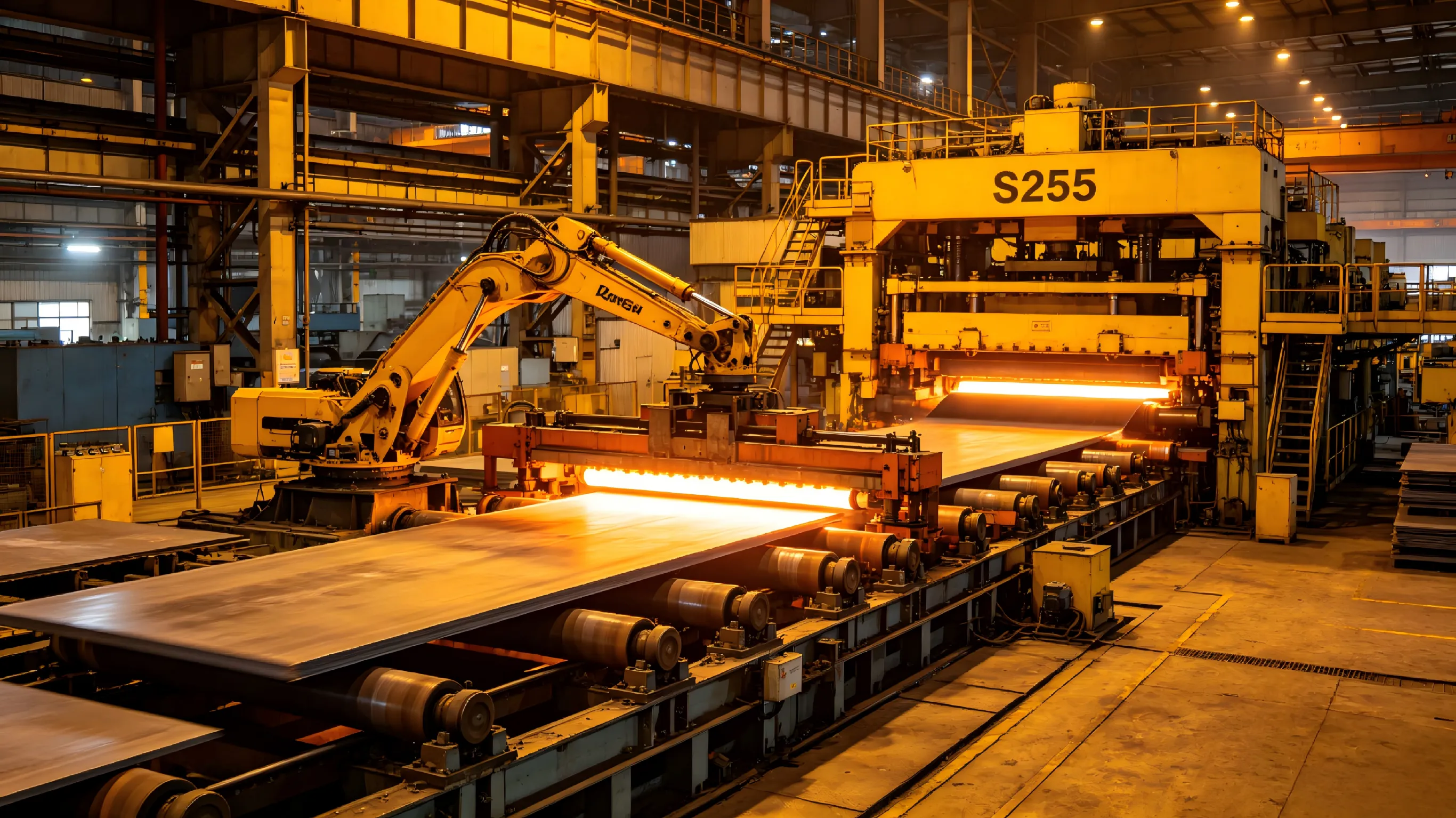
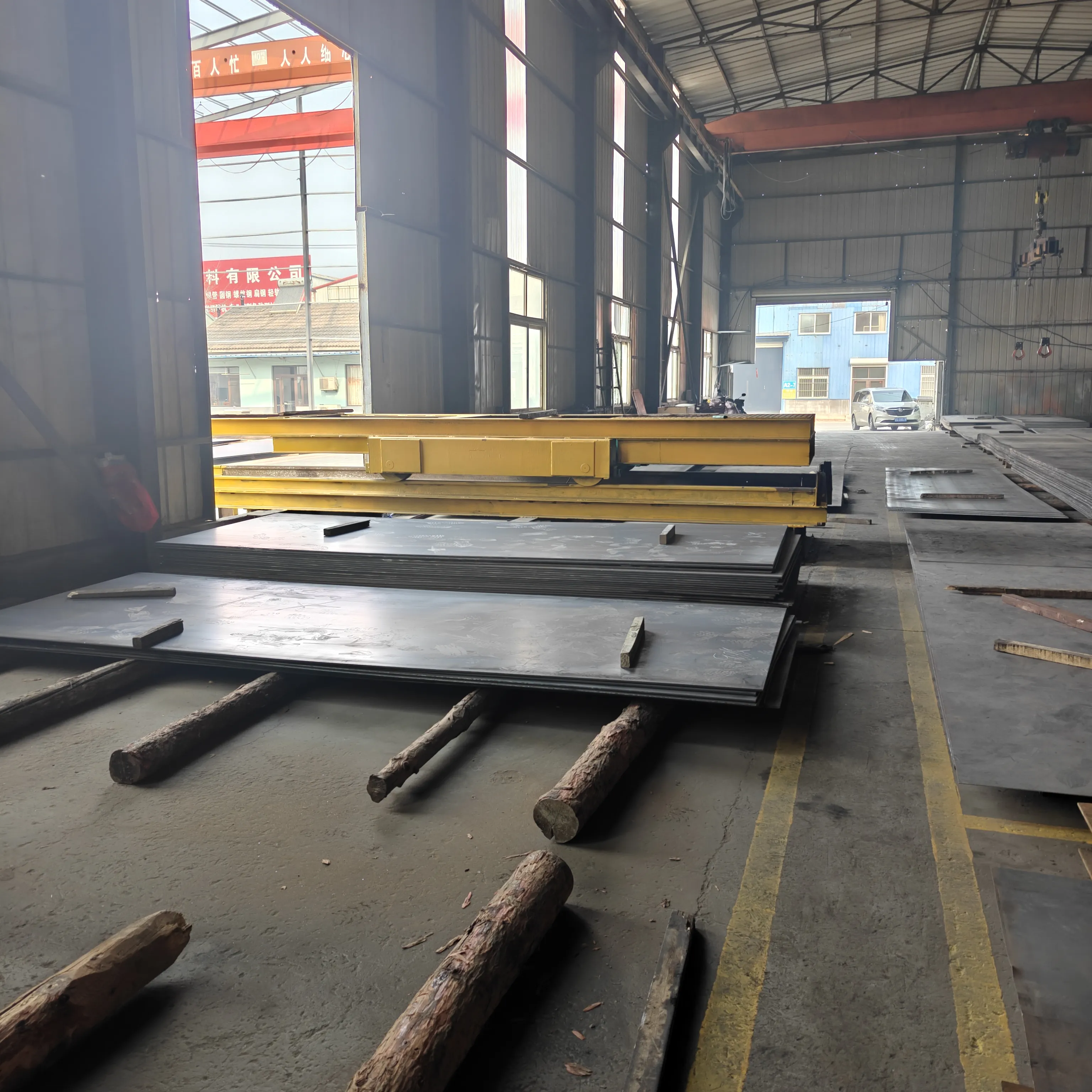
Hot rolled plates are produced by rolling steel slabs at high temperatures, typically above 1,700°F (926°C), which is above the steel’s recrystallization temperature. This process allows the steel to be easily shaped and formed, resulting in plates with uniform thickness and enhanced mechanical properties.
The general production steps include:
- Heating: Raw steel slabs are heated in a furnace to make them malleable.
- Rough Rolling: The heated slabs are passed through large rollers to reduce thickness.
- Finishing Rolling: The slab is rolled to its final thickness while controlling surface quality.
- Cooling: Plates are cooled gradually to room temperature to relieve internal stresses.
- Cutting & Inspection: Plates are cut to standard sizes and inspected for quality standards.
| Step | Description | Key Benefit |
|---|---|---|
| Heating | Steel slab is heated above recrystallization temperature | Increases malleability for rolling |
| Rough Rolling | Initial thickness reduction | Forms basic shape and thickness |
| Finishing Rolling | Precision rolling to final thickness | Ensures uniform thickness and surface finish |
| Cooling | Gradual temperature reduction | Reduces internal stress and warping |
| Cutting & Inspection | Final sizing and quality control | Guarantees product reliability |
Key Properties and Advantages
Hot rolled plates offer several advantages that make them a preferred choice in multiple industries:
- Durability: Resistant to mechanical stress and deformation.
- Cost-Effectiveness: Less expensive compared to cold-rolled steel due to simpler processing.
- High Versatility: Can be used in structural, mechanical, and manufacturing applications.
- Size Availability: Produced in wide ranges of thickness and dimensions.
- Weldability: Excellent for structural fabrication projects.
Compared to other steel types, hot rolled plates offer a balance between strength, flexibility, and cost, making them ideal for large-scale industrial applications.
Industrial Applications
Hot rolled plates are widely used in industries that demand high strength and durability. Some common applications include:
- Construction: Structural beams, bridges, and steel frameworks.
- Shipbuilding: Hulls, decks, and structural components.
- Automotive Industry: Chassis, heavy-duty parts, and manufacturing equipment.
- Pressure Vessels: Tanks, boilers, and storage containers.
- Machinery: Base plates, frames, and wear-resistant components.
Industries choose hot rolled plates for their ability to withstand heavy loads while maintaining structural integrity over time.
How to Select the Right Hot Rolled Plate
Selecting the appropriate hot rolled plate requires careful consideration of several factors:
- Thickness and Size: Determine your project’s structural requirements and ensure compatibility.
- Material Grade: Different grades provide varying levels of strength, corrosion resistance, and weldability.
- Surface Quality: Smoothness and uniformity are critical for certain fabrication and finishing processes.
- Supplier Reliability: Choose reputable suppliers like Qingdao Sanhe Steel Co., Ltd. for consistent quality and timely delivery.
By evaluating these factors, businesses can ensure they get plates that meet both performance and budgetary needs.
Frequently Asked Questions
- Q1: What is the main difference between hot rolled and cold rolled plates?
- A1: Hot rolled plates are formed at high temperatures, allowing easier shaping, while cold rolled plates are processed at room temperature for a smoother surface and tighter tolerances.
- Q2: Can hot rolled plates be welded?
- A2: Yes, they offer excellent weldability, making them suitable for structural and manufacturing projects.
- Q3: How do I ensure I get the right grade?
- A3: Work with trusted suppliers, check material certificates, and define your project requirements in advance.
- Q4: Are hot rolled plates more cost-effective than cold rolled?
- A4: Generally yes, due to simpler processing and less stringent surface finishing requirements.
For reliable supply, high-quality hot rolled plates, and expert support, trust Qingdao Sanhe Steel Co., Ltd. to deliver solutions tailored to your industrial needs. Explore our full product range at Hot Rolled Plate and contact us today to get a quote and consultation.