How Does Diamond Plate Enhance Safety and Durability in Industrial Spaces?
Summary: Diamond plate, known for its distinctive raised pattern, is widely used in industrial, commercial, and residential applications due to its slip-resistant and durable properties. This article explores the benefits, types, applications, and maintenance tips for diamond plate, helping customers make informed purchasing decisions. Sanhe provides a range of high-quality diamond plate solutions designed for safety, durability, and long-term performance.
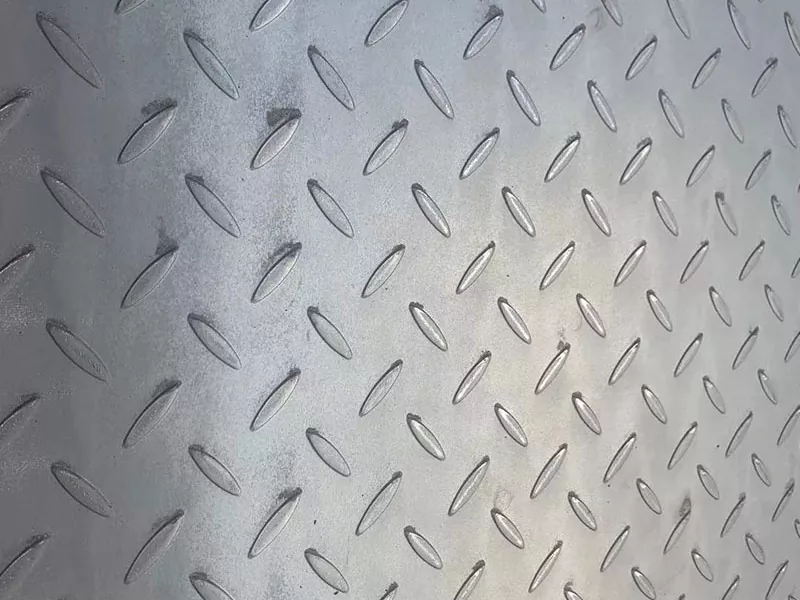
Table of Contents
- Introduction to Diamond Plate
- Benefits of Using Diamond Plate
- Types of Diamond Plate
- Applications in Different Industries
- Tips for Choosing the Right Diamond Plate
- Maintenance and Longevity
- Frequently Asked Questions
- Conclusion
Introduction to Diamond Plate
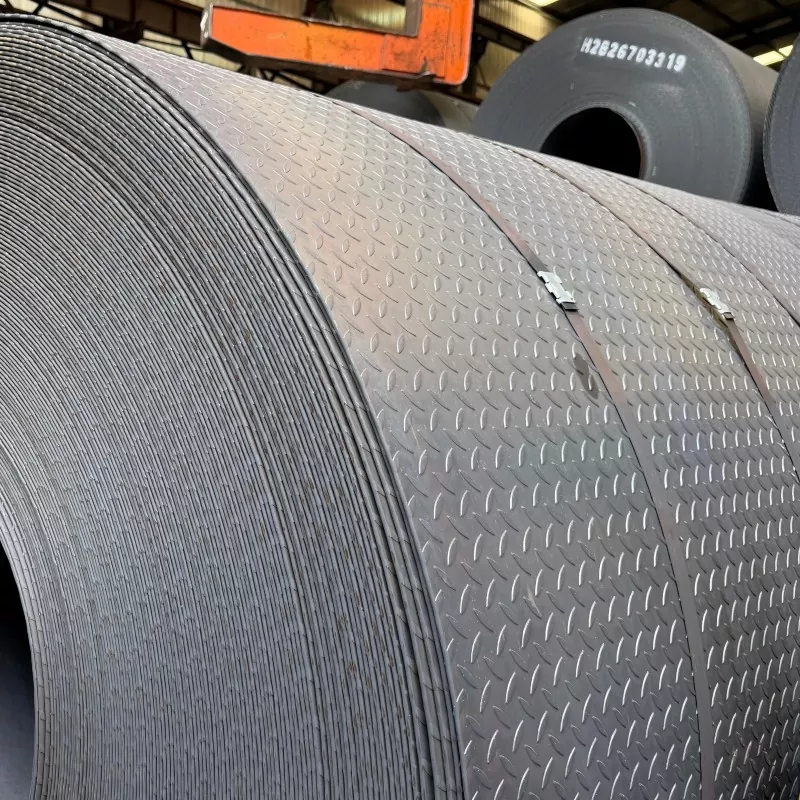
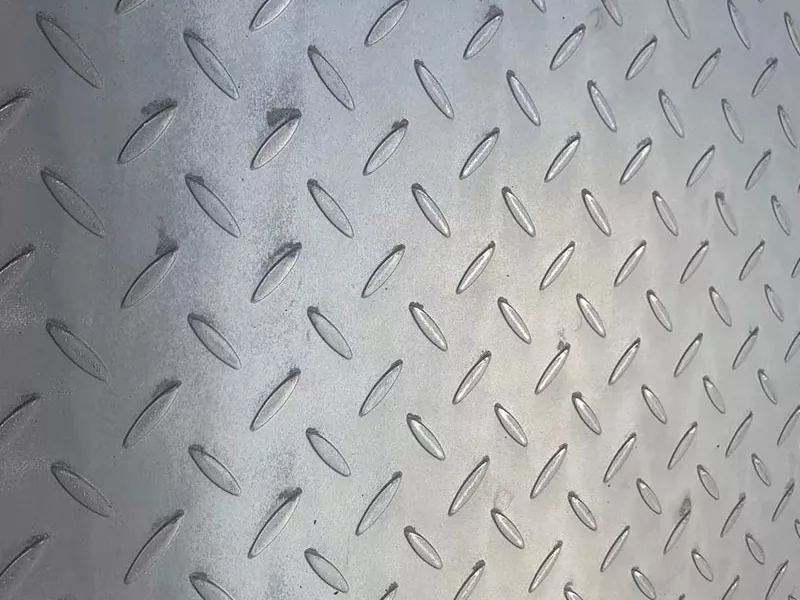
Diamond plate, also referred to as tread plate or checker plate, is a type of metal sheet characterized by raised, diamond-shaped patterns on its surface. These patterns not only provide aesthetic appeal but also serve a functional purpose: improving traction and reducing the risk of slips and falls. Sanhe produces premium diamond plate materials suitable for industrial floors, stair treads, truck beds, ramps, and more.
The material is commonly made from aluminum, steel, or stainless steel, providing both strength and resistance to corrosion. The raised pattern increases friction between the surface and footwear, making it a preferred choice in areas where safety is a priority.
Benefits of Using Diamond Plate
Diamond plate is popular in both industrial and residential settings for several reasons:
- Slip Resistance: The raised diamond pattern offers improved traction, reducing the risk of accidents in wet or oily environments.
- Durability: Made from high-quality metals, diamond plate can withstand heavy traffic, impact, and extreme conditions.
- Low Maintenance: Its robust surface resists scratches, dents, and corrosion, requiring minimal upkeep.
- Versatility: Suitable for flooring, wall panels, ramps, truck beds, and decorative applications.
- Enhanced Aesthetics: The shiny, patterned surface provides a modern industrial look.
Types of Diamond Plate
Diamond plate is available in various metals and thicknesses, tailored to different industrial needs. Below is a comparison of common types:
| Type | Material | Advantages | Typical Use |
|---|---|---|---|
| Aluminum Diamond Plate | Aluminum | Lightweight, corrosion-resistant, easy to install | Truck beds, ramps, toolboxes |
| Steel Diamond Plate | Carbon Steel | High strength, impact-resistant | Industrial floors, factory walkways, heavy machinery areas |
| Stainless Steel Diamond Plate | Stainless Steel | Corrosion-resistant, hygienic, durable | Food processing plants, clean rooms, commercial kitchens |
Applications in Different Industries
Diamond plate serves a wide range of applications across multiple industries due to its durability and slip-resistant properties:
- Industrial Facilities: Walkways, stair treads, platforms, and safety ramps.
- Automotive and Transportation: Truck beds, trailers, loading ramps, and toolboxes.
- Commercial Spaces: Kitchen floors, storage areas, and protective wall panels.
- Residential Use: Garage floors, basement stairs, and decorative wall cladding.
- Marine Applications: Boat decks and docks where wet surfaces require slip resistance.
Tips for Choosing the Right Diamond Plate
When selecting diamond plate for your project, consider the following factors:
- Material: Aluminum for lightweight needs, steel for heavy-duty applications, stainless steel for corrosion resistance.
- Thickness: Thicker plates offer better durability and load-bearing capacity.
- Pattern Type: Different raised patterns provide varying levels of traction.
- Environment: Consider exposure to moisture, chemicals, or high traffic areas.
- Finish: Polished or coated finishes can improve aesthetics and ease of cleaning.
Sanhe offers a range of options tailored to diverse needs, ensuring that customers can find the perfect diamond plate for their project.
Maintenance and Longevity
Proper maintenance is essential to ensure that diamond plate lasts for decades. Key tips include:
- Regular Cleaning: Sweep or wash the surface to remove debris, oil, or dirt.
- Avoid Harsh Chemicals: Use mild detergents to prevent corrosion or surface damage.
- Inspect for Wear: Check for scratches, dents, or uneven wear and address them promptly.
- Protective Coatings: Applying a protective layer can enhance longevity in harsh environments.
Following these practices ensures that your diamond plate retains its safety features and aesthetic appeal over time.
Frequently Asked Questions
Q1: What makes diamond plate slip-resistant?
The raised diamond-shaped patterns increase traction by creating friction, reducing the likelihood of slipping even in wet or oily conditions.
Q2: Can diamond plate be used outdoors?
Yes, particularly aluminum and stainless steel plates are corrosion-resistant and suitable for outdoor applications such as ramps, truck beds, and walkways.
Q3: How do I clean diamond plate?
Use a soft brush or mop with mild detergent. Avoid abrasive cleaners that can scratch the metal surface.
Q4: What thickness should I choose?
For heavy machinery floors or high-traffic areas, thicker steel plates are recommended. For lighter applications like ramps or toolboxes, aluminum plates are sufficient.
Conclusion
Diamond plate is a versatile, durable, and safe material for industrial, commercial, and residential applications. By choosing the right type, material, and thickness, you can maximize both safety and longevity. Sanhe provides high-quality diamond plate products designed to meet these exact needs. Explore our range at Sanhe Diamond Plate and enhance your projects today. For more information or personalized assistance, contact us now to discuss your requirements and receive expert guidance.
Related News
- How Can Wear Resistant Hot Rolled Heavy Steel Plate Structural Solutions Improve Durability in Demanding Projects
- How Can Hot Rolled Steel Plate for Marine Offshore Use Improve Structural Safety and Service Life
- Why Is High Strength S235JR Medium and Heavy Plate a Smart Choice for Structural Engineering Projects
- How Can Galvanized Floor Diamond Plate Improve Safety, Durability, and Long-Term Project Performance
- Why Is Hot Rolled Checkered Steel Plate for Platforms a Smart Choice for Safe and Durable Industrial Flooring
- What Makes SGCC Hot Dip Galvanized Steel Sheet a Reliable Choice for Corrosion-Resistant Industrial Applications
Leave me a message