How Does a Carbon Steel Plate Enhance Industrial Applications?
Article Summary
Carbon steel plates are an essential component in numerous industrial sectors due to their strength, versatility, and durability. This article provides a comprehensive guide on carbon steel plates, including their types, applications, selection criteria, technical specifications, and maintenance tips. It also addresses common challenges faced by customers when sourcing carbon steel plates and explains how high-quality products can improve operational efficiency and cost-effectiveness. The information is designed to help engineers, procurement specialists, and industrial professionals make informed decisions.
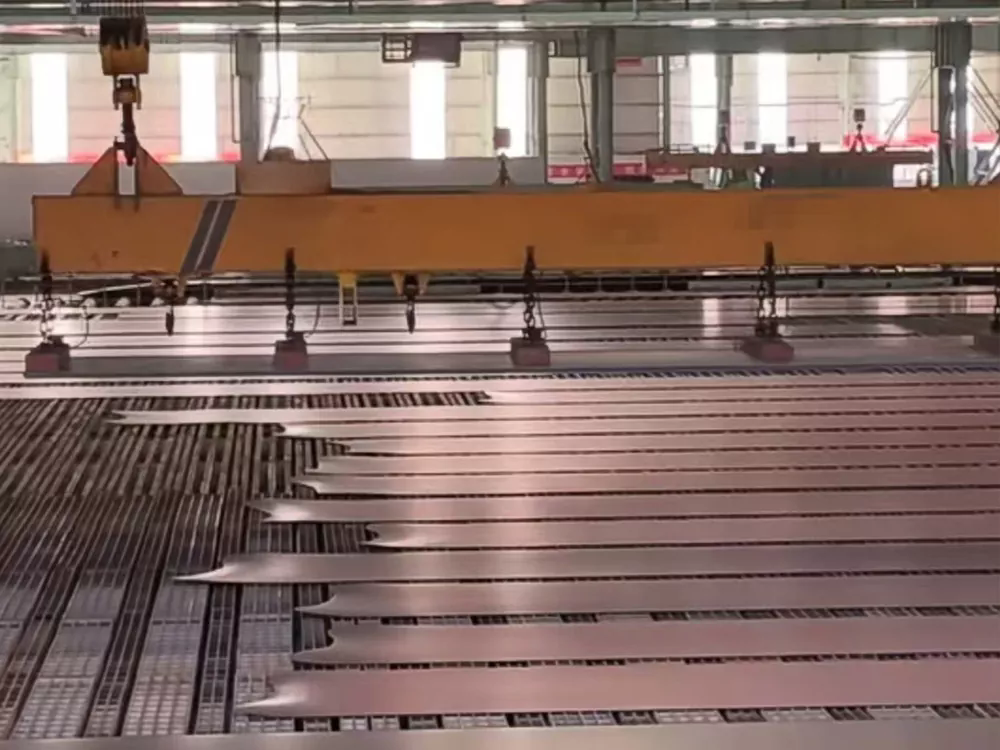
Table of Contents
- 1. What Is a Carbon Steel Plate?
- 2. How Are Carbon Steel Plates Manufactured?
- 3. Why Are Carbon Steel Plates Important in Industry?
- 4. Types and Grades of Carbon Steel Plates
- 5. Key Technical Parameters
- 6. How to Choose the Right Carbon Steel Plate
- 7. Installation and Maintenance Tips
- 8. Frequently Asked Questions
- 9. Conclusion
1. What Is a Carbon Steel Plate?
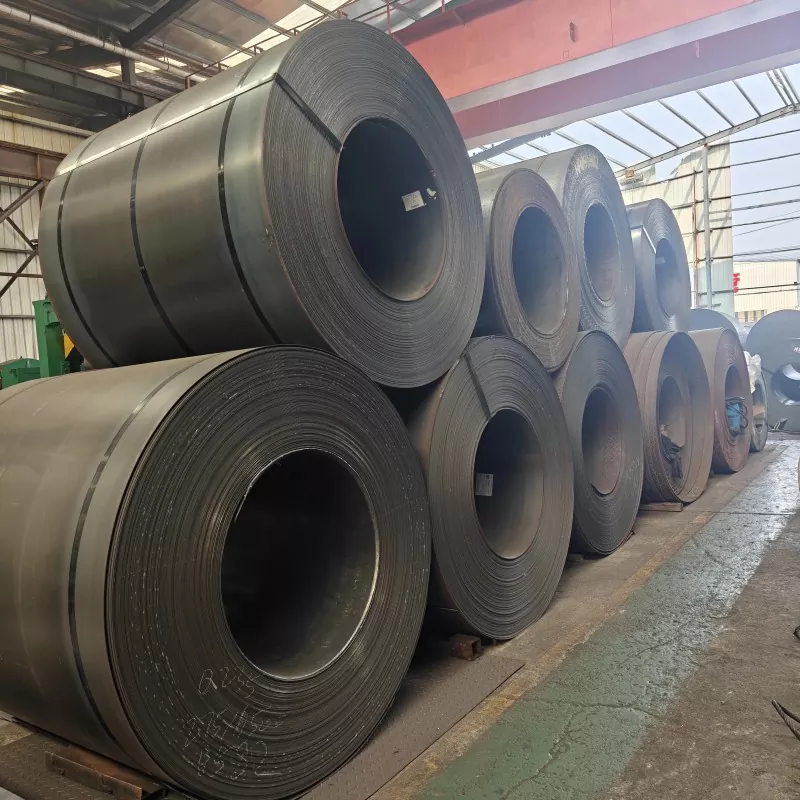
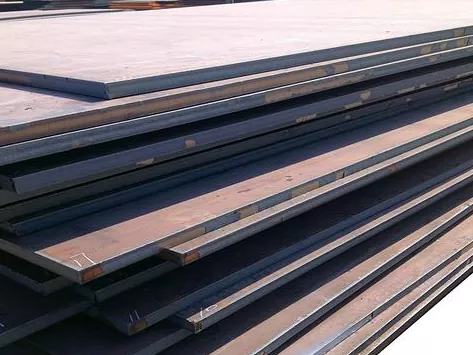
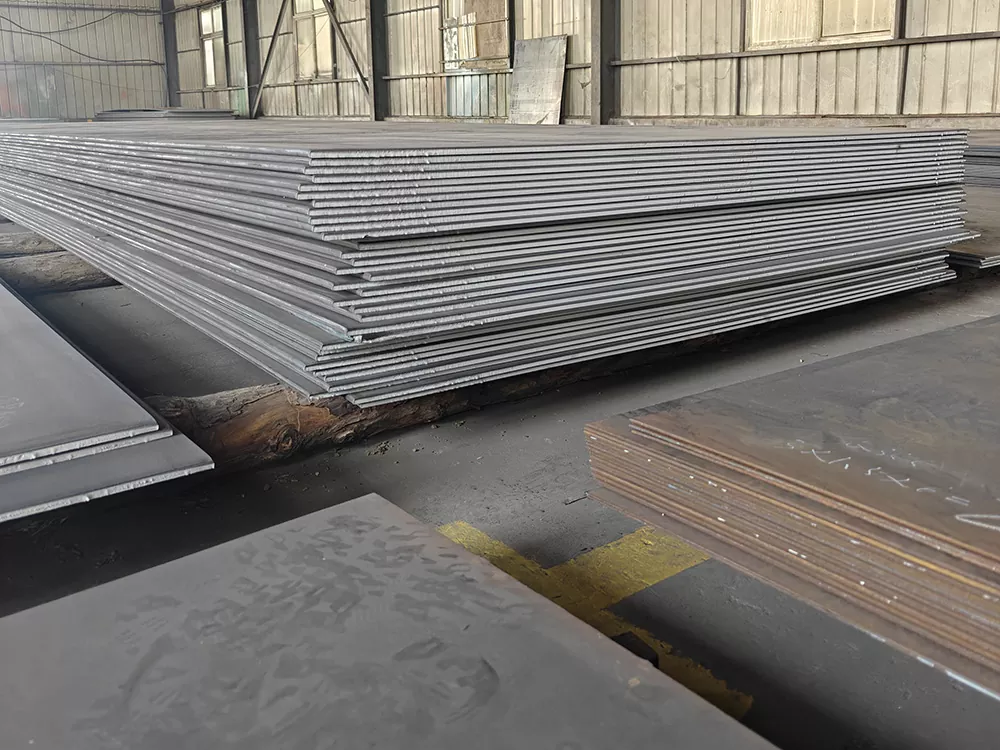
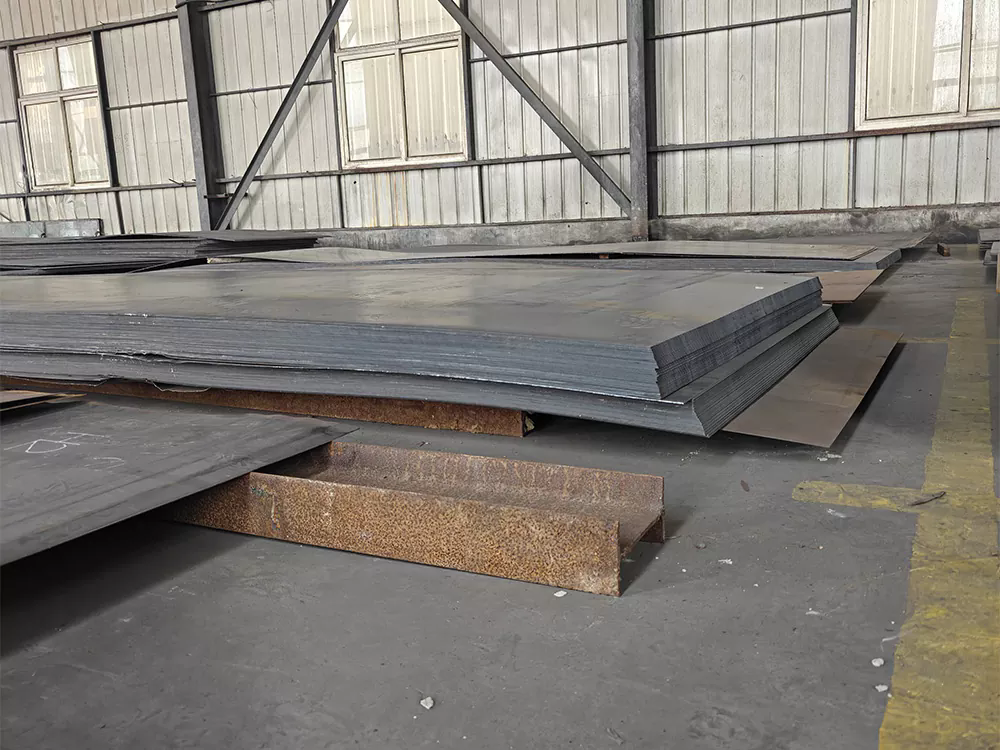
A carbon steel plate is a flat steel product made primarily from iron and carbon, offering enhanced strength and hardness compared to other types of steel. Carbon steel plates are widely used in construction, shipbuilding, heavy machinery, pressure vessels, and pipelines. They provide a reliable foundation for industrial projects that require durability and resistance to wear and tear.
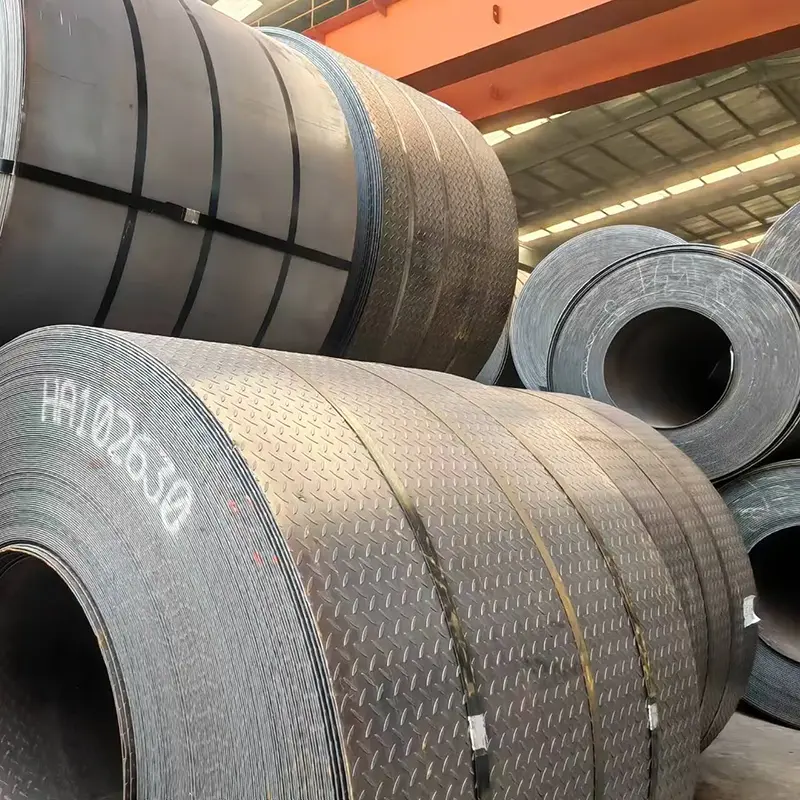
These plates can vary in thickness, width, and surface finish, depending on the intended application. Their versatility makes them suitable for both structural and manufacturing purposes.
2. How Are Carbon Steel Plates Manufactured?
Carbon steel plates are produced using controlled manufacturing processes to ensure uniformity, strength, and reliability. The primary methods include:
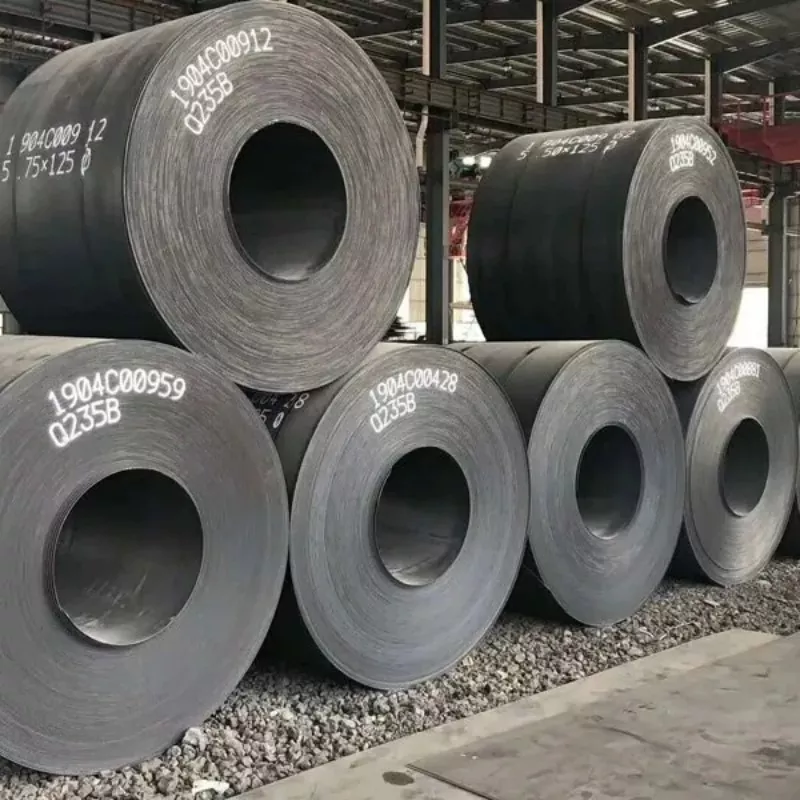
- Hot Rolling: Steel billets or slabs are heated above the recrystallization temperature and rolled into plates.
- Cold Rolling: Plates are rolled at room temperature for improved surface finish and dimensional accuracy.
- Heat Treatment: Techniques like quenching and tempering are applied to enhance mechanical properties.
- Surface Treatment: Processes such as pickling or sandblasting ensure a clean, smooth surface ready for further processing.
The manufacturing method affects the plate's strength, ductility, and surface quality, which are critical for different industrial applications.
3. Why Are Carbon Steel Plates Important in Industry?
Carbon steel plates are vital in industries where strength, durability, and resistance to high pressure are required. Key advantages include:
- High Strength: Can withstand heavy loads and mechanical stress.
- Cost-Effectiveness: Provides a balance between performance and affordability.
- Versatility: Suitable for cutting, welding, and forming into complex shapes.
- Durability: Resistant to wear, impact, and corrosion when properly treated.
For engineers and procurement specialists, selecting a reliable carbon steel plate ensures long-term operational efficiency and reduces maintenance costs.
4. Types and Grades of Carbon Steel Plates
Carbon steel plates are categorized based on carbon content and mechanical properties. Common types include:
- Low Carbon Steel Plates: Contain less than 0.3% carbon, offering good ductility and ease of welding.
- Medium Carbon Steel Plates: Carbon content between 0.3% and 0.6%, providing higher strength and hardness.
- High Carbon Steel Plates: Contain 0.6% to 1% carbon, suitable for heavy-duty machinery and tools.
- Alloy Steel Plates: Include additional elements such as manganese, chromium, or nickel for enhanced properties.
5. Key Technical Parameters
| Parameter | Description |
| Thickness | Common range: 4mm – 200mm depending on application |
| Width | Typically 1500mm – 2500mm |
| Length | Customized according to project requirements |
| Carbon Content | Varies: low (≤0.3%), medium (0.3–0.6%), high (0.6–1%) |
| Surface Finish | Hot rolled, cold rolled, or coated |
| Mechanical Properties | Tensile strength, yield strength, elongation, hardness |
| Applications | Construction, shipbuilding, machinery, pressure vessels |
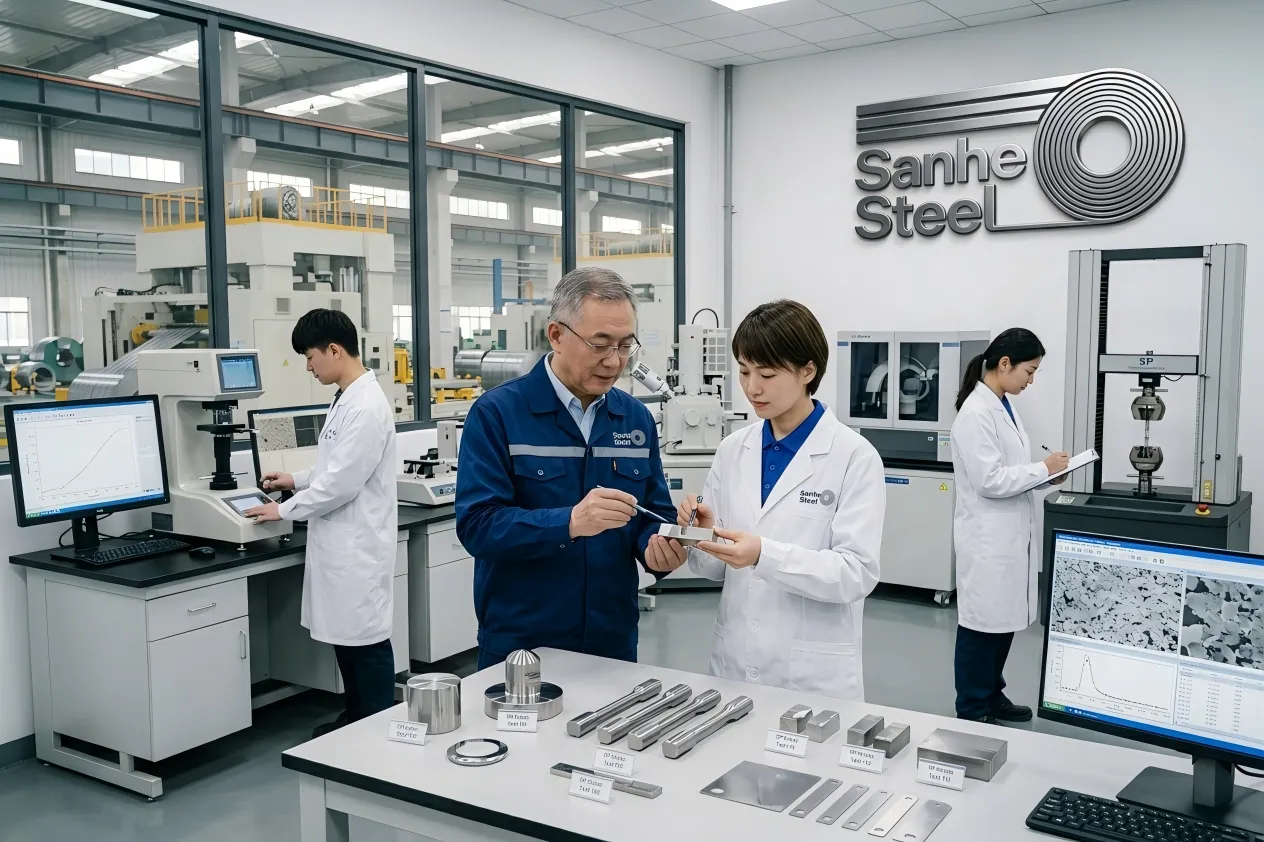
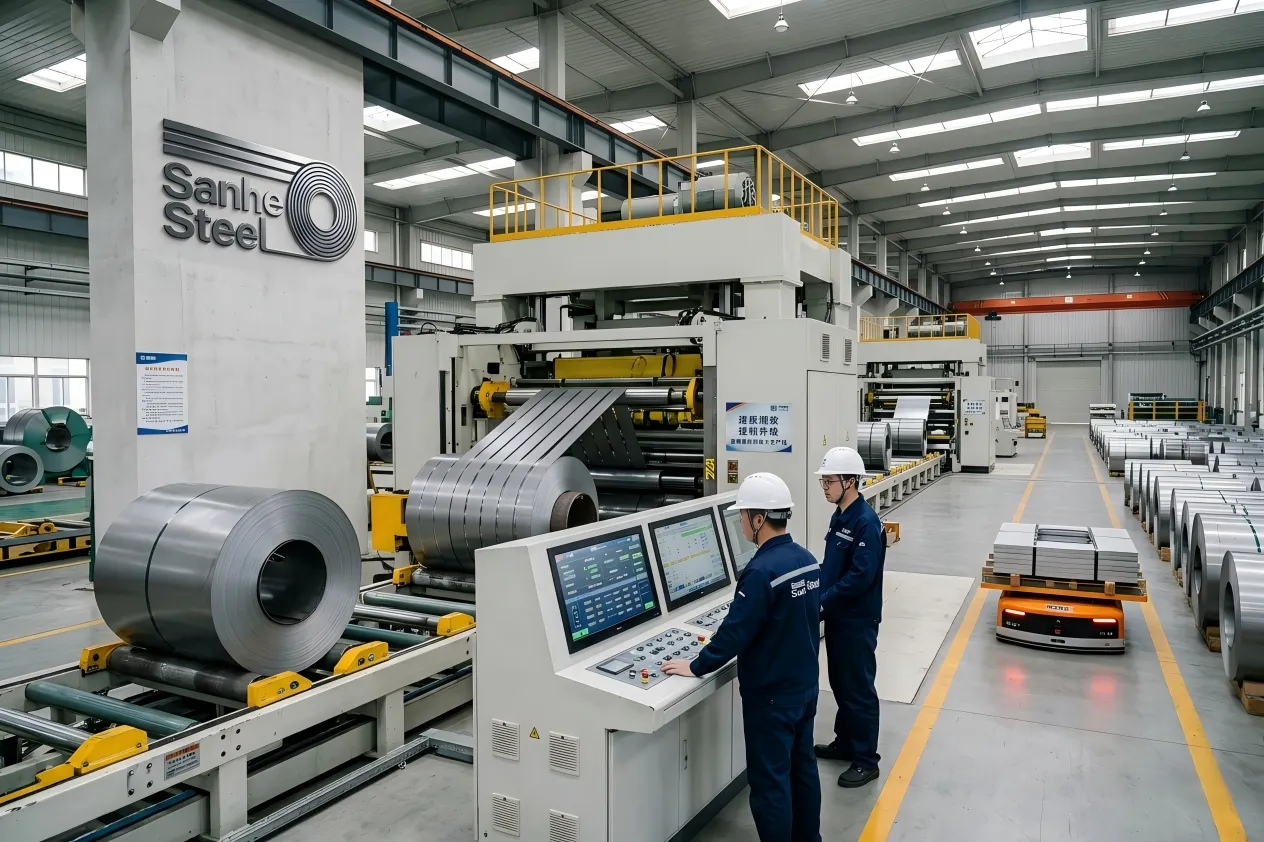
Sanhe Steel provides a full range of carbon steel plates with certified mechanical properties and consistent quality for demanding industrial applications.
6. How to Choose the Right Carbon Steel Plate
Selecting the appropriate carbon steel plate requires consideration of multiple factors:
- Intended Application: Structural, machinery, or tool-making
- Required Mechanical Properties: Tensile strength, hardness, and ductility
- Carbon Content: Determines strength and workability
- Surface Finish: Depends on subsequent processing or coating requirements
- Supplier Reliability: Choose manufacturers with consistent quality, such as Sanhe Steel
Proper selection ensures that the plate meets both performance and budgetary requirements.
7. Installation and Maintenance Tips
Correct handling, installation, and maintenance are crucial for maximizing the service life of carbon steel plates:
- Store plates in a dry, covered area to prevent rusting
- Use proper lifting equipment to avoid surface damage
- Inspect for cracks or deformities before installation
- Apply protective coatings if exposed to harsh environments
- Perform regular inspections and clean surfaces periodically
Following these steps ensures long-term performance and reduces operational risks.
8. Frequently Asked Questions
Q1: What is the difference between low, medium, and high carbon steel plates?
Low carbon steel plates are more ductile and easier to weld, medium carbon plates offer balanced strength, and high carbon plates provide maximum hardness for heavy-duty applications.
Q2: Can carbon steel plates be used outdoors?
Yes, but protective coatings or treatments are recommended to prevent corrosion in outdoor environments.
Q3: How do I know the quality of a carbon steel plate?
Check mechanical properties, surface quality, and certifications provided by the manufacturer. Sanhe Steel provides detailed specifications and quality assurances.
Q4: Are carbon steel plates easy to cut and shape?
Yes, depending on carbon content and thickness. Low and medium carbon plates are easier to process than high carbon plates.
9. Conclusion
Carbon steel plates are indispensable in industrial applications, offering strength, versatility, and durability. Choosing the right type, grade, and manufacturer ensures cost efficiency, operational safety, and long-term reliability. Sanhe Steel delivers high-quality carbon steel plates suitable for diverse industries, backed by professional support and technical expertise.
If you want to enhance your industrial projects with reliable carbon steel solutions, contact us today to explore our full range of products and personalized service.
Related News
- How Can Galvanized Floor Diamond Plate Improve Safety, Durability, and Long-Term Project Performance
- Why Is Hot Rolled Checkered Steel Plate for Platforms a Smart Choice for Safe and Durable Industrial Flooring
- What Makes SGCC Hot Dip Galvanized Steel Sheet a Reliable Choice for Corrosion-Resistant Industrial Applications
- How Can Wear Resistant Hot Rolled Heavy Steel Plate Structural Improve Service Life in Demanding Industrial Applications
- Why Is Wear Resistant Hot Rolled Heavy Steel Plate Structural Essential for Demanding Industrial Applications
- How Does Cold Rolled Steel Plate Improve Manufacturing Performance?
Leave me a message