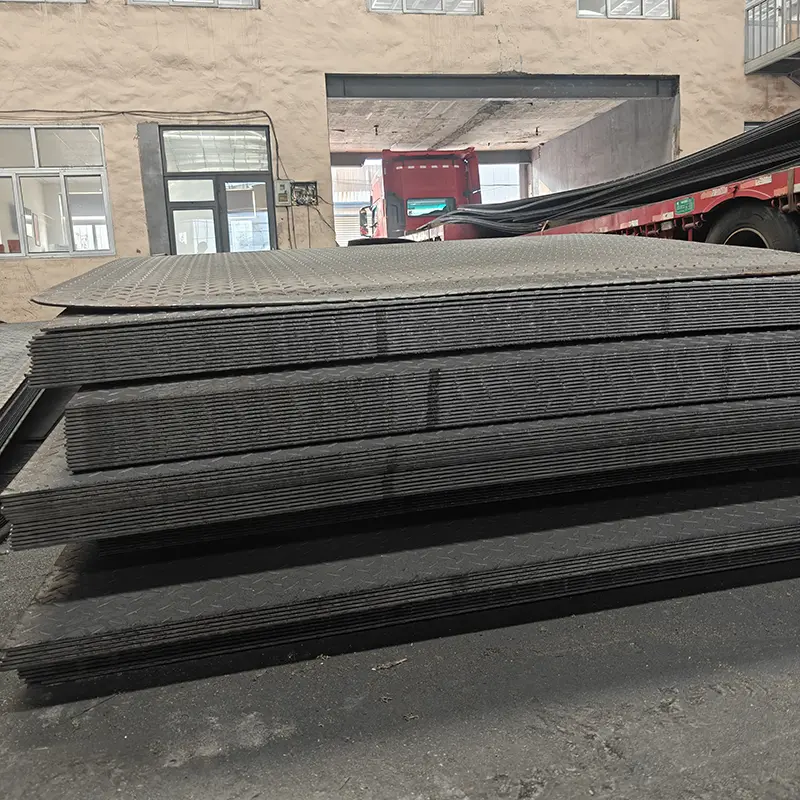
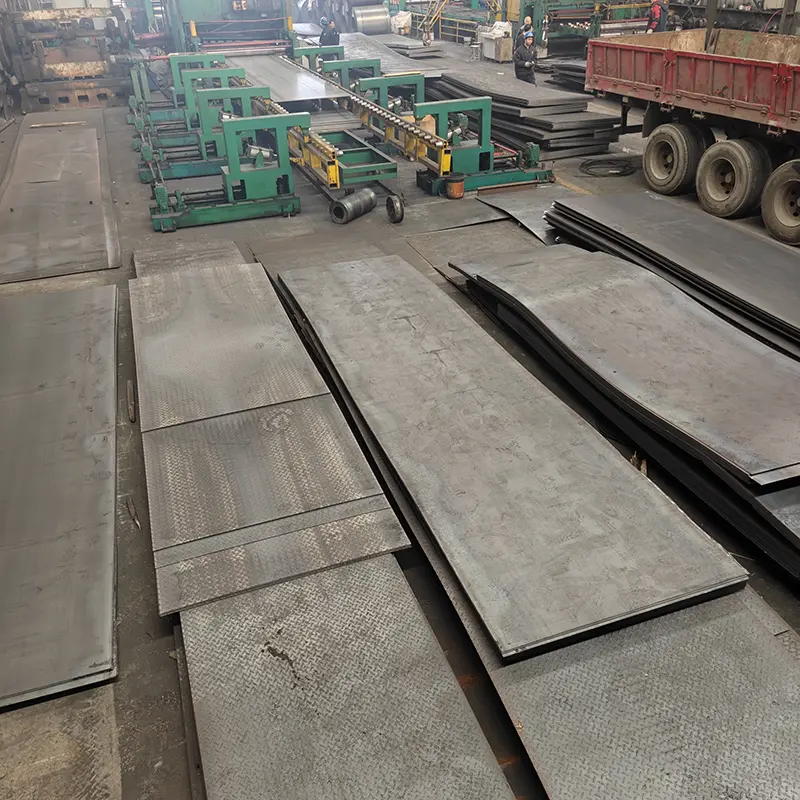
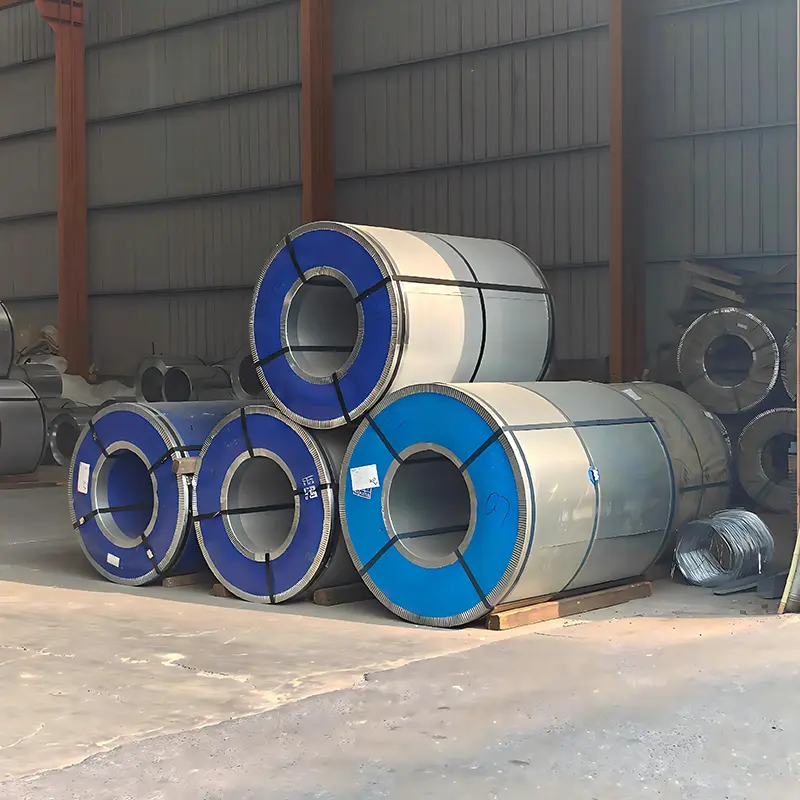
Hot Rolled Diamond Plate
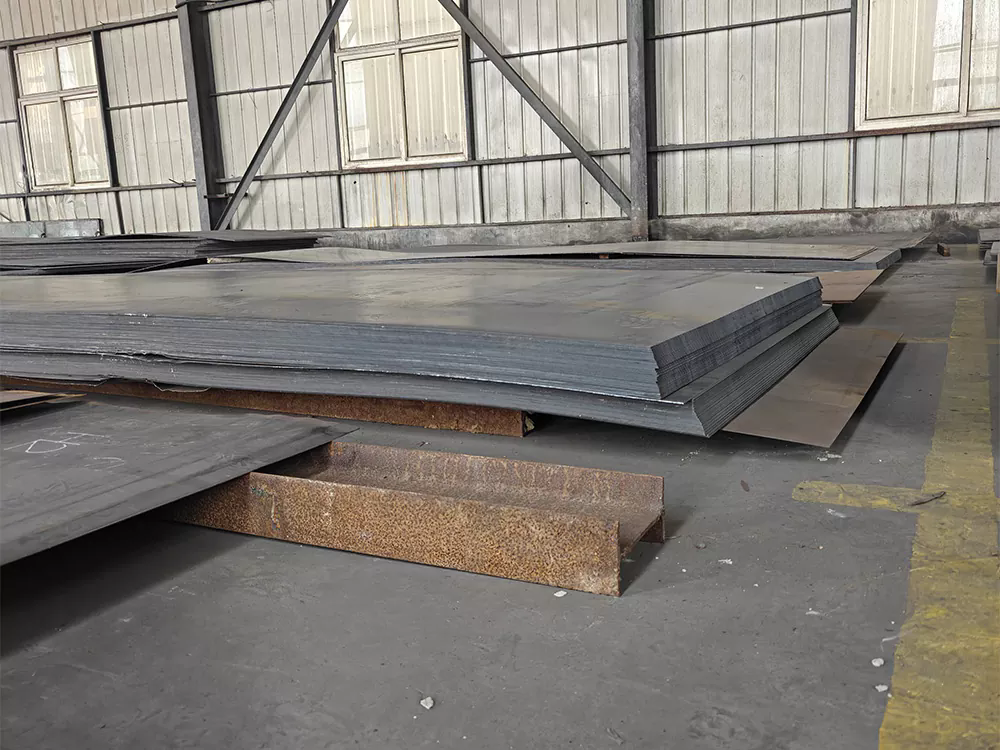
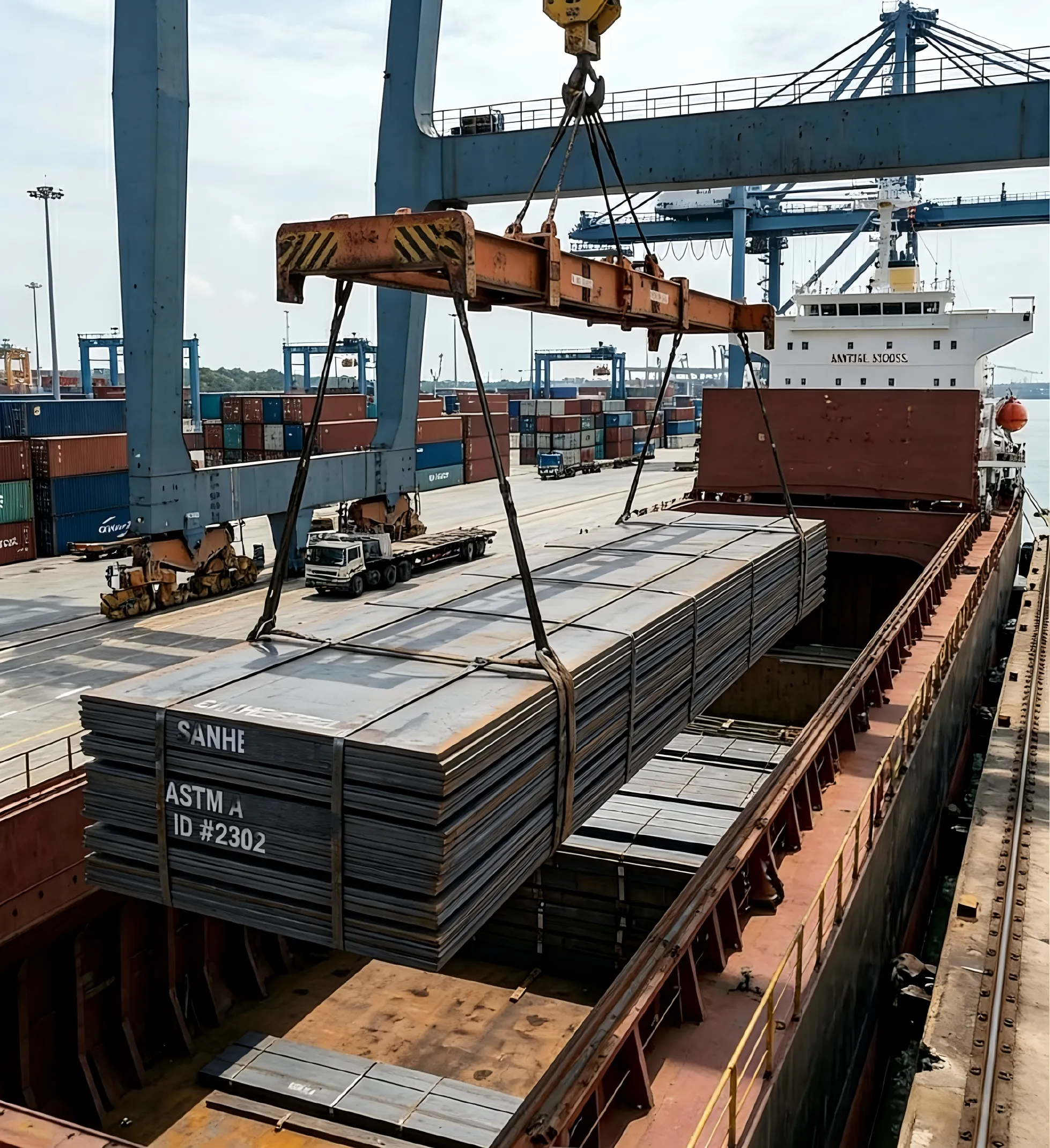
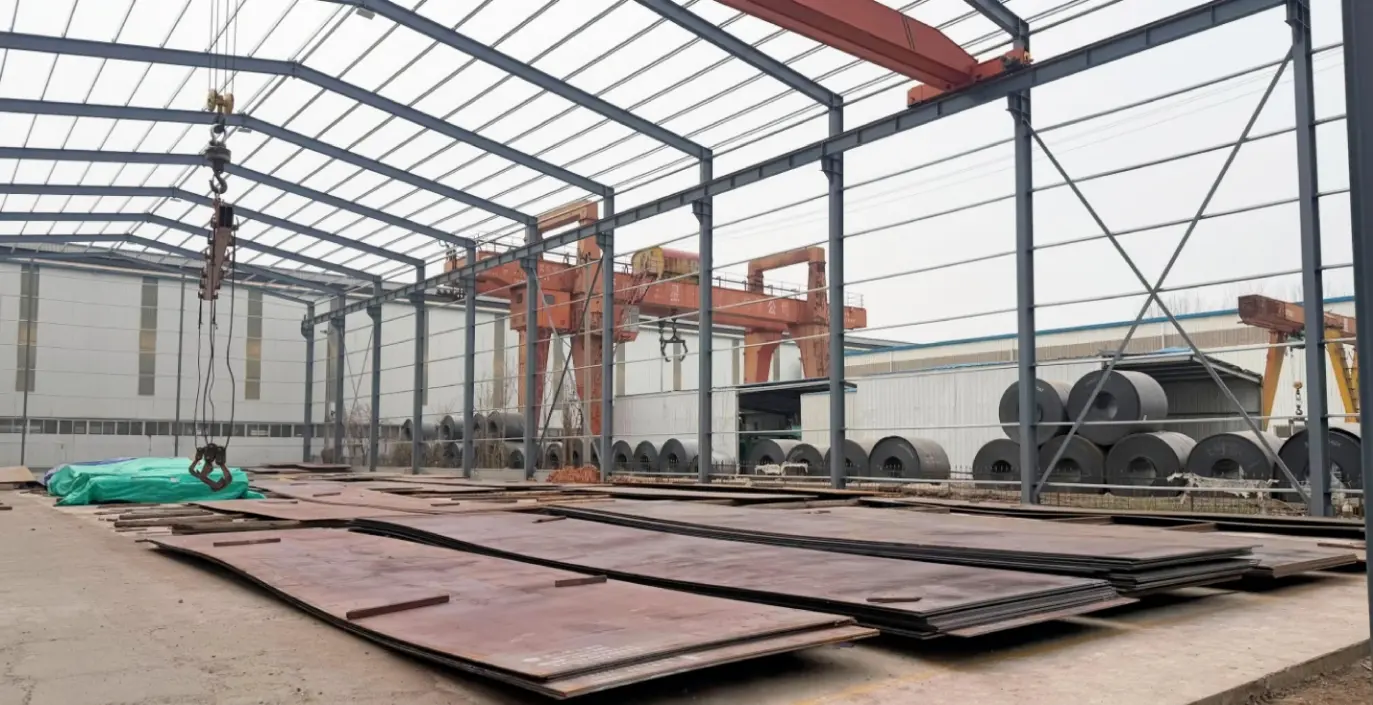
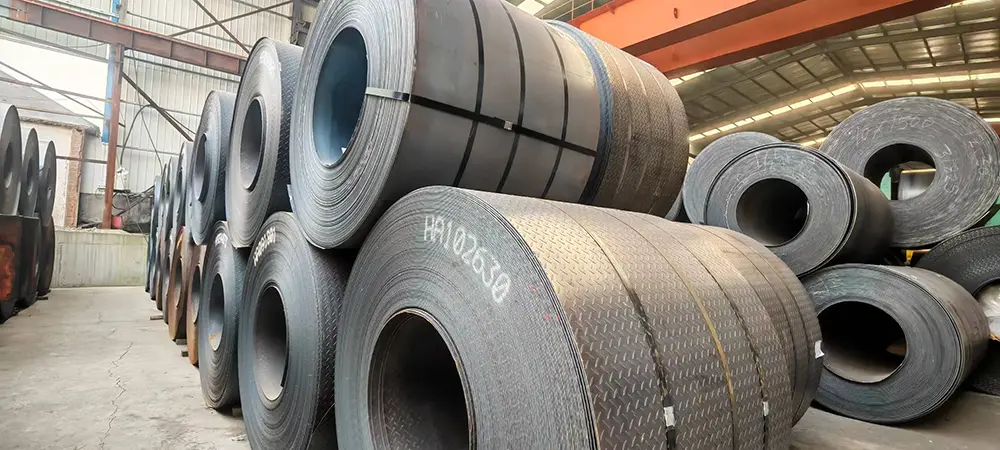
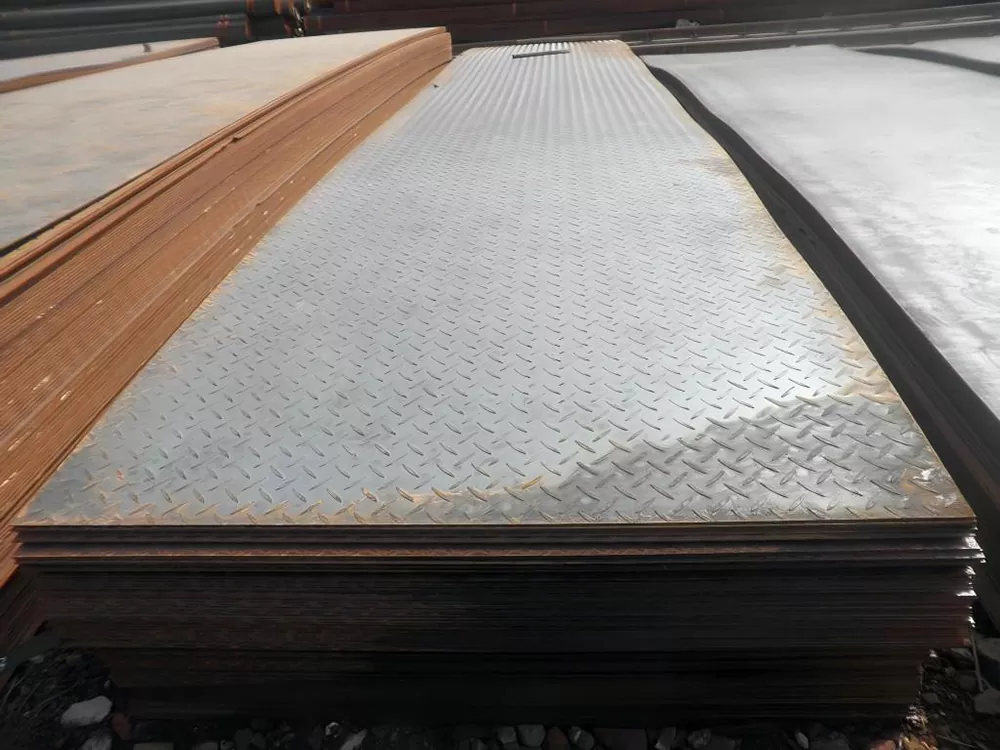
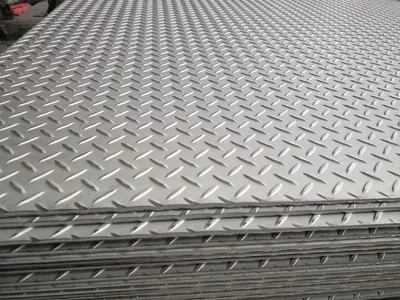
As reliable China factory, Sanhe Steel specializes in wholesale and customized checkered plate. Our hot rolled diamond plate has stable structure, uniform patterns, excellent anti-slip and load-bearing properties. It covers multiple mainstream material grades including Q235B, Q355B and S304/S316. With factory direct supply, flexible wholesale solutions and strict quality inspection
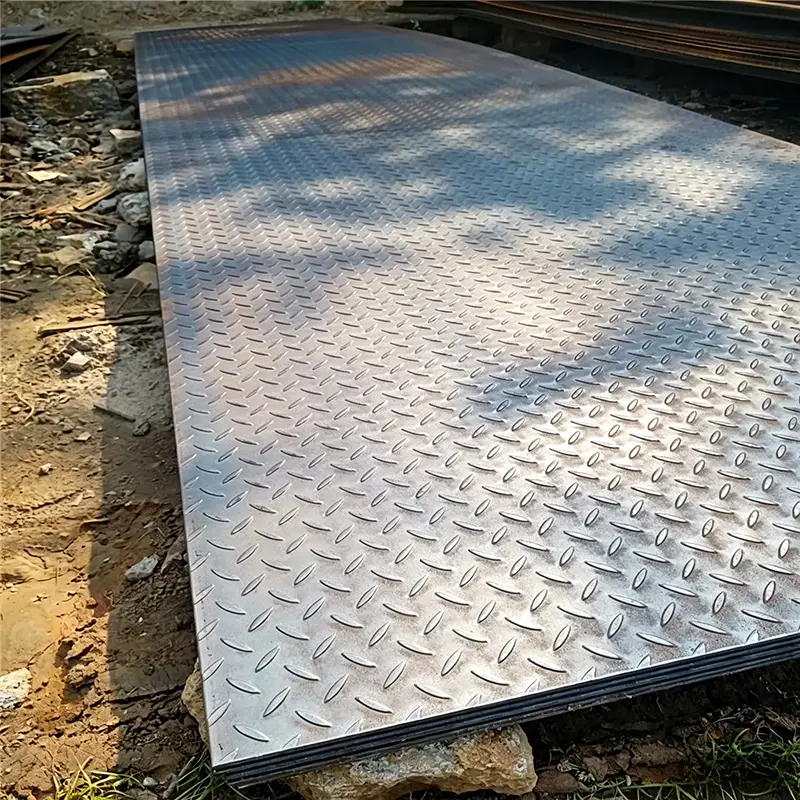
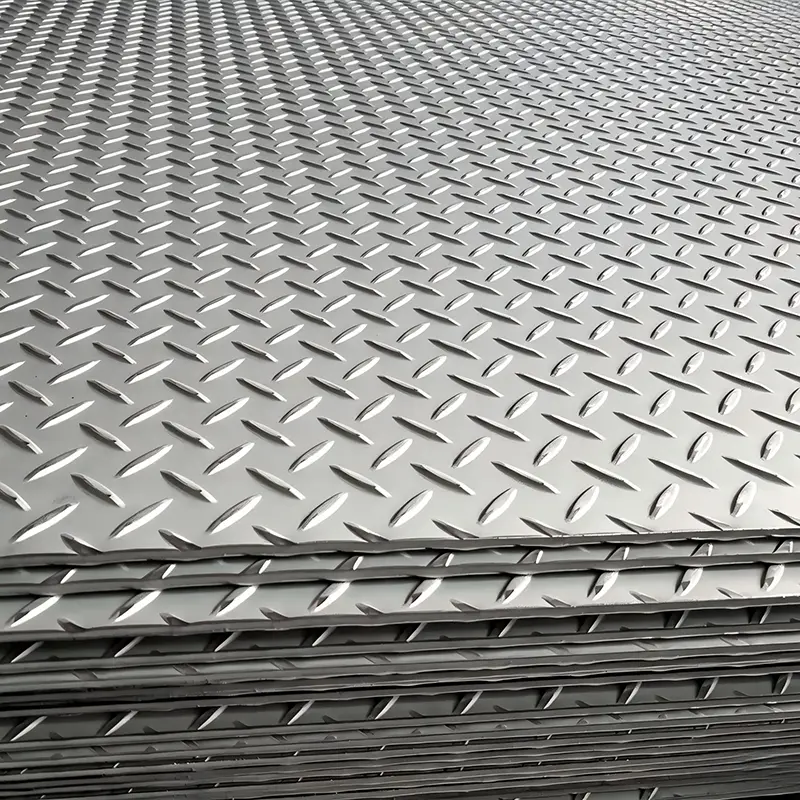
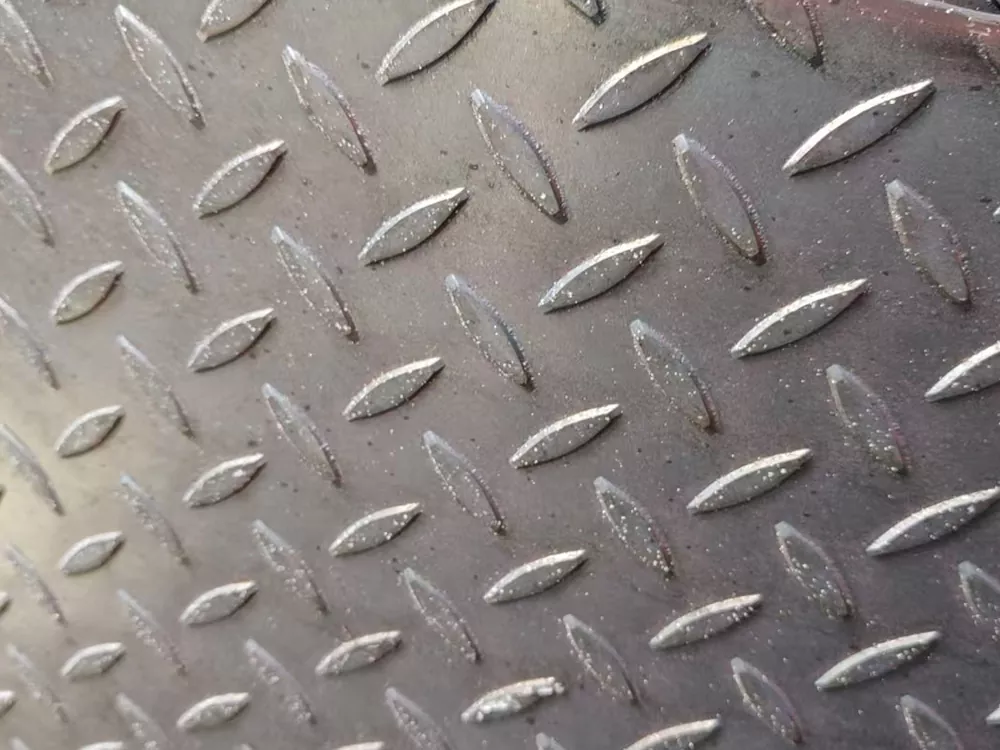
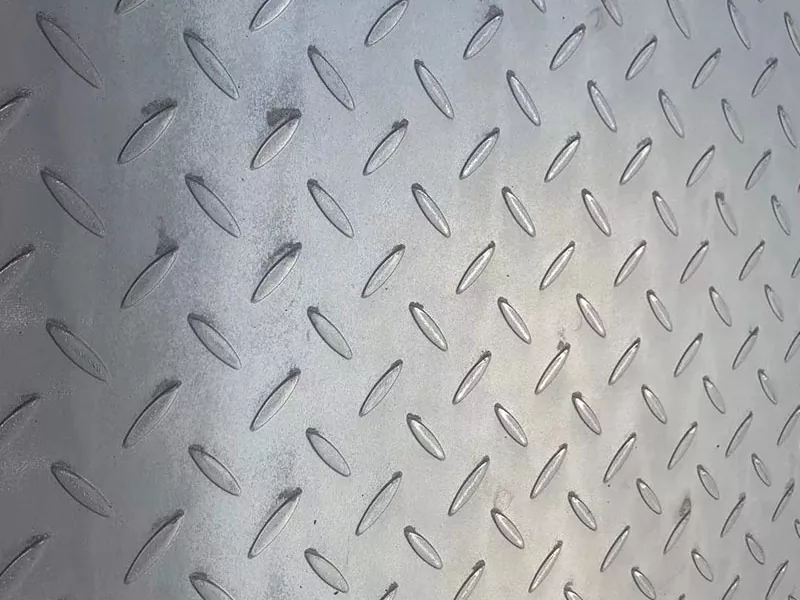
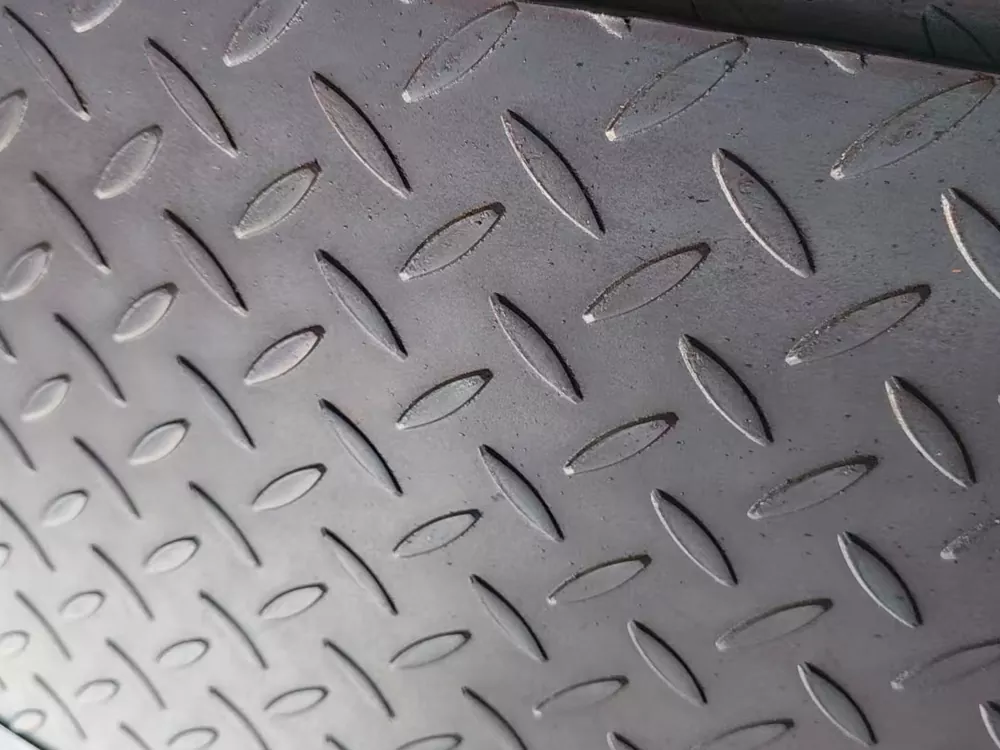
Hot rolled diamond plate is a premium structural steel material with raised diamond patterned surface, manufactured through professional hot rolling integral molding process without secondary welding or splicing. Compared with ordinary flat steel plates, its three-dimensional patterned surface greatly enhances surface friction, providing lasting and stable anti-slip performance in dry, humid and rainy environments, which effectively avoids slipping risks for personnel and equipment.
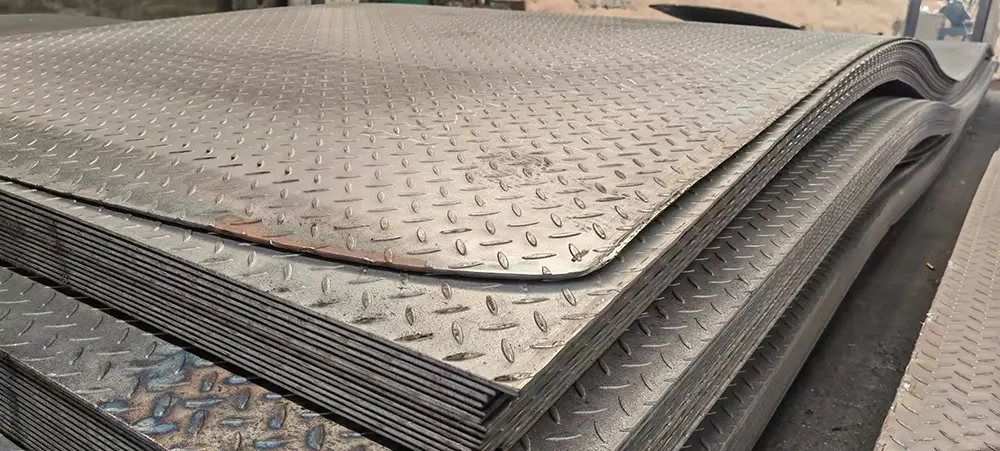
Main evaluation standards for this product focus on pattern forming rate, consistent pattern height and uniform height deviation. It features attractive appearance, boosted structural strength and material cost savings, widely adopted in construction, transportation, shipbuilding, machinery equipment and municipal engineering.
Product Video
Specification (Parameter)
|
Product name |
Hot rolled diamond plate |
|
Technology |
Hot Rolled |
|
Application |
Construction, Shipbuilding, Bridge, Boiler, Machinery, Pressure Vessel, Manufacturing, etc. |
|
Processing Service |
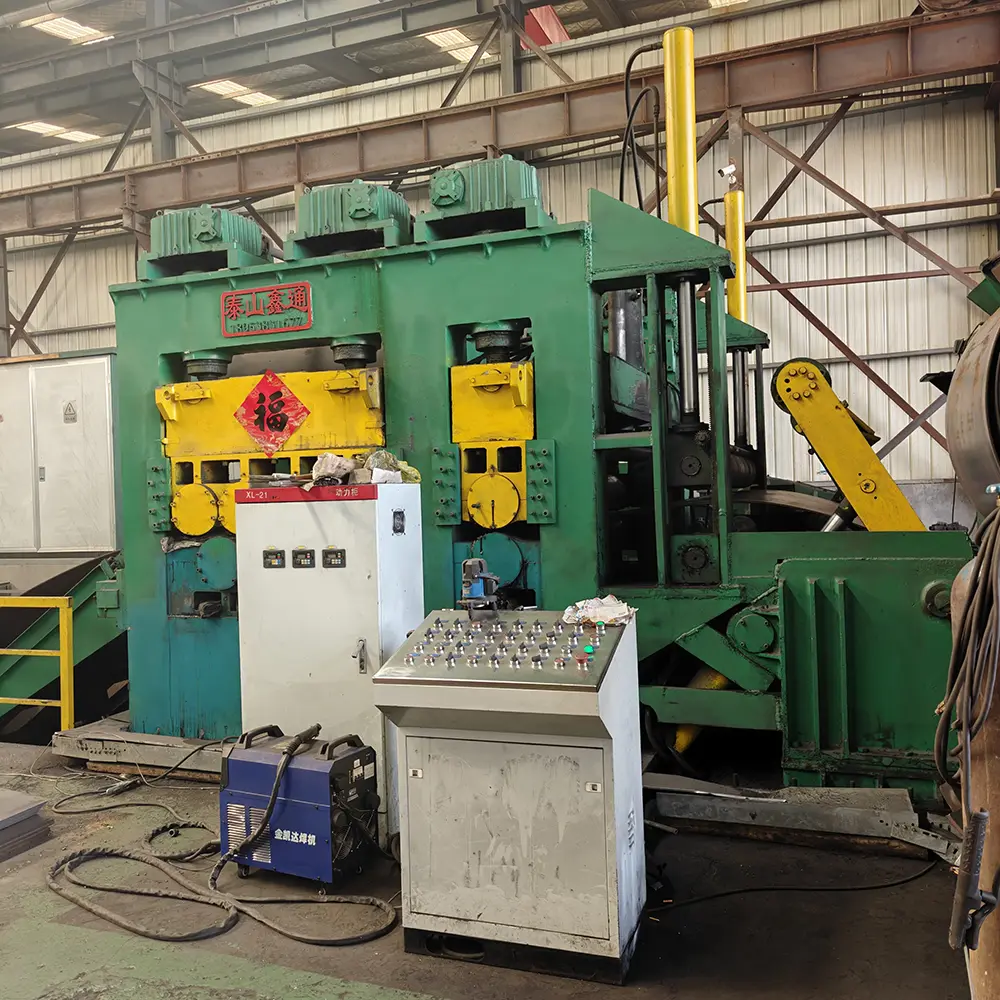
Bending, Welding, Decoiling, Punching, Cutting |
|
Delivery Time |
8-15 days |
|
Standard |
JIS, EN, GB, DIN, etc. |
Notes of Hot Rolled Diamond Plate Installation
1. Load Confirmation
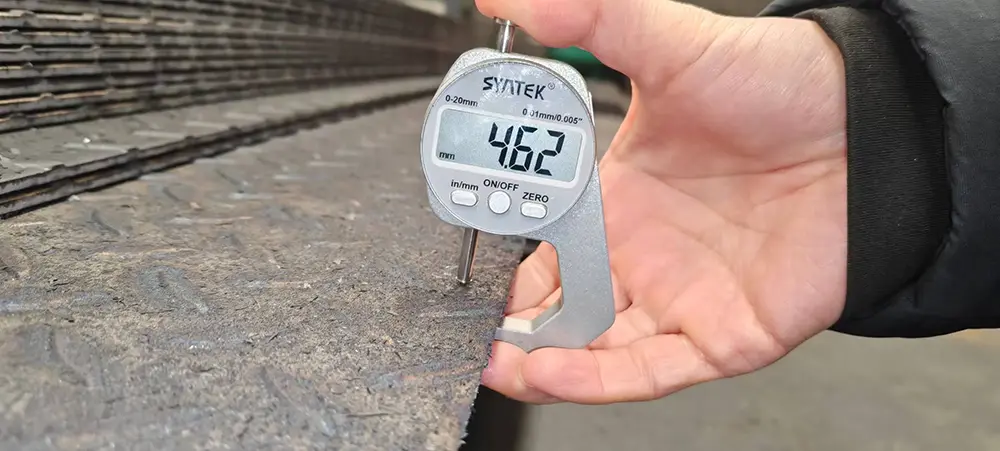
Calculate the actual load of the diamond plate based on the weight and contact area of heavy equipment. Reserve a 40% safety margin to prevent overload, plate deformation and fracture.
2. Specification Selection
Choose plate thickness according to application scenarios: 3mm-5mm for light-duty areas, minimum 5mm for heavy-duty areas. Pattern height shall be 3-5mm to ensure anti-slip performance and load capacity. The overlapping length on each support end shall be no less than 25mm to avoid loosening and falling off.
Project Case of Sanhe Steel
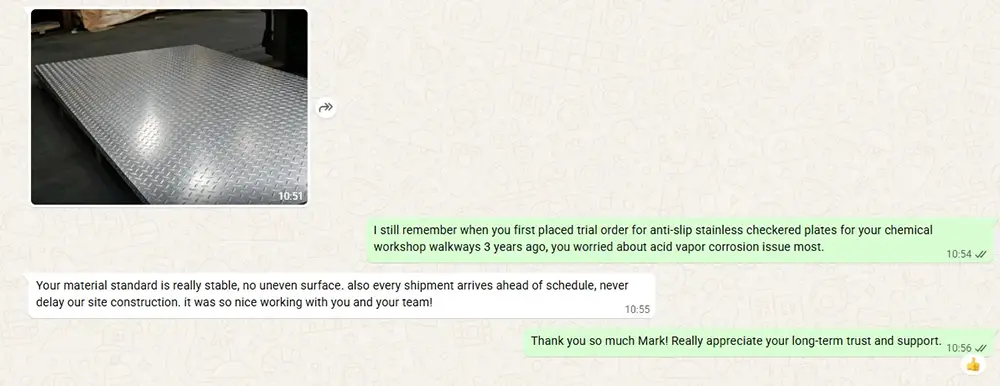
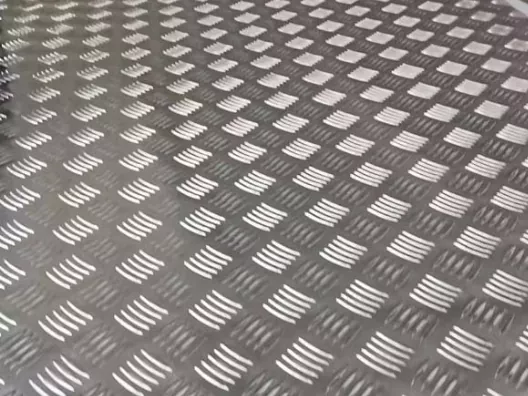
A chemical plant adopted unprocessed lentil-pattern plates for its maintenance platform to cut costs. The plates were installed upside down. After six months of operation, severe rust and slipping issues occurred, causing a staff slip accident. Sanhe Steel replaced the plates with 304 stainless steel diamond plates with standardized installation and professional anti-corrosion treatment. The platform has operated safely for 3 years with an actual anti-slip coefficient of 0.72, fully meeting chemical plant safety standards. This case proves that material selection, pattern type and standard installation are critical for diamond plate service performance.
Inspection Guide for Diamond Plate
1. Pre-installation Inspection
Verify that the material of hot rolled diamond plate, specifications and pattern type comply with design requirements. Check the galvanized coating and surface for damage, missing plating, rust and deformation. Inspect factory certificates, material test reports and relevant documents. Randomly select 5 plates per batch for load-bearing and anti-slip tests. Only qualified products are allowed for installation.
2. Fixing Method
Each hot rolled diamond plate shall be fixed with no less than 4 fixing points, adopting dual fixation of welding and special mounting clips. Weld length ≥10mm and weld leg height ≥3mm; conduct anti-corrosion treatment on welding areas. The spacing between mounting clips shall not exceed 40cm. Add 2 extra fixing points for edge plates to prevent displacement caused by pedestrian stepping and equipment impact.
3. Gap Treatment
Reserve a 3-5mm gap between adjacent plates to avoid thermal expansion deformation, cracking and water accumulation that causes rust. A 25mm expansion gap is required at connections with the main structure to prevent extrusion damage.
4. Anti-slip Installation Direction
Install all hot rolled diamond plates with the patterned side facing upward to guarantee effective anti-slip performance. Reverse installation will lead to failure of anti-slip function and safety hazards.
5. Final Acceptance Test
Complete three tests after installation: load-bearing, anti-slip and anti-corrosion. The actual bearing capacity shall reach 1.5 times the designed load with no permanent deformation after 1-hour static load. The anti-slip coefficient shall be ≥0.6. Plates must be free of loosening, abnormal noise, coating damage and rust. Fill in inspection records and complete official acceptance before use.
Material Comparison of Anti-Slip Steel Plates
|
Specification |
Q235B Carbon Steel |
Q355B Carbon Steel |
304 Stainless Steel |
|
Best For |
Light-duty workshops, standard stair treads, civilian walkways |
Heavy-duty platforms, large equipment walkways, high-altitude operation platforms |
Chemical plants, coastal areas, food processing, wastewater treatment |
|
Load Capacity |
4-6 kN/m² |
10-15 kN/m² |
7-10 kN/m² |
|
Anti-Slip Coefficient |
≥ 0.6 |
≥ 0.7 |
≥ 0.65 |
|
Zinc Coating (HDG) |
≥ 85 μm |
≥ 90 μm |
N/A (naturally corrosion-resistant) |
|
Corrosion Resistance |
Withstands normal outdoor moisture |
Withstands rain, humidity & mild salt spray |
Acid/alkali resistant; passes 5000h salt spray test |
|
Service Life |
10-15 years |
15-20 years |
20+ years |
|
Price Tier |
Budget-friendly |
Mid-range |
Premium |
|
Recommendation |
Top choice for light-load, low-corrosion environments |
Ideal for heavy industrial & infrastructure projects |
Must-have for highly corrosive or hygienic scenarios |
FAQ
Q1: Why is hot rolled diamond plate preferred over cold-rolled options?
A1: Hot rolling gives the steel greater ductility and toughness, making it highly resistant to cracking under heavy structural loads and high-impact industrial environments. It is also more cost-effective for structural platforms and heavy flooring.
Q2: What surface treatments do you offer for corrosion protection?
A2: We primarily offer hot-dip galvanizing, which provides excellent long-term rust protection for outdoor and humid environments. For extreme corrosive environments, like chemical or marine plants.
Q3: Can you customize the sizes, cutouts, and banding for specific project layouts?
A3: Absolutely. We provide full customization based on your engineering drawings, including precise dimensions, specialized cutouts for pipe penetrations, and end-banding. This reduces on-site cutting, saving you significant installation time and labor costs.
Q4: Why is there an installation gap requirement between panels?
A4: We recommend leaving a 3 mm to 5 mm gap between adjacent panels to allow for natural thermal expansion/contraction and efficient water drainage. Additionally, a 25 mm expansion gap should be maintained where the diamond plates meet the main building structure.
Send Inquiry
Contact Info
-
Address
No. 1188, Lanzhou West Road, Jiaozhou City, Shandong Province, China
-
Tel
-
Email
Welcome to our website! For inquiries about our products or pricelist, please leave your email to us and we will be in touch within 24 hours.
News Recommendations