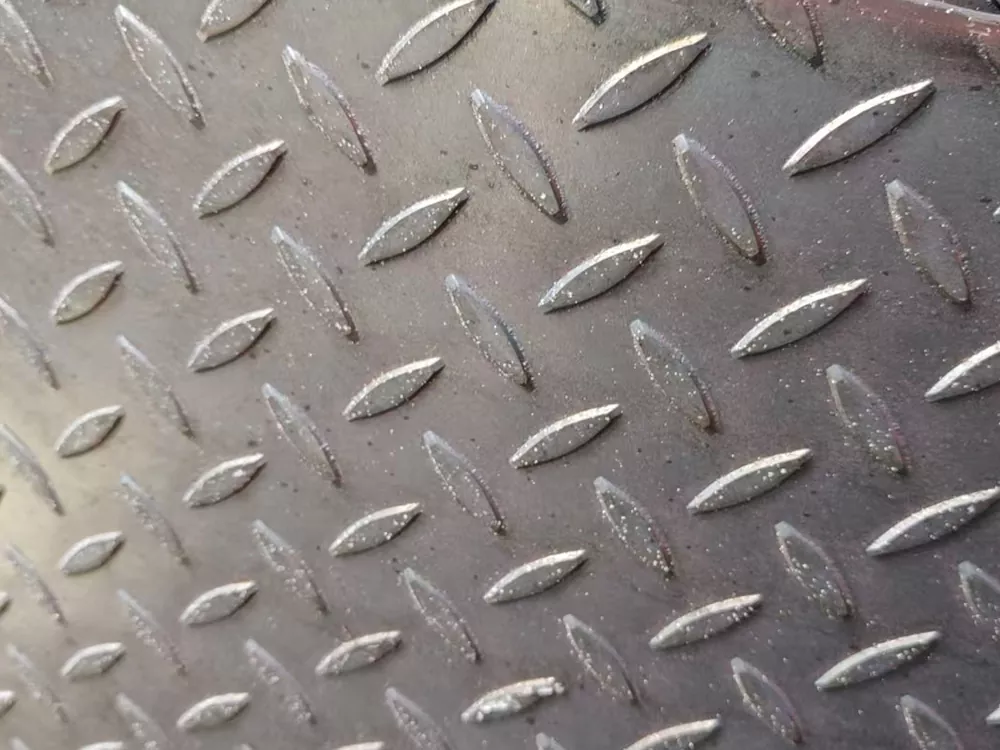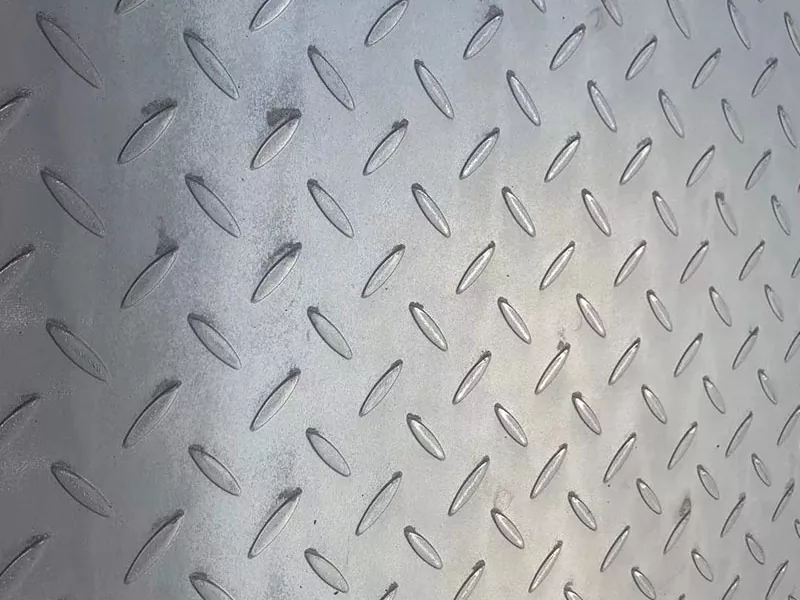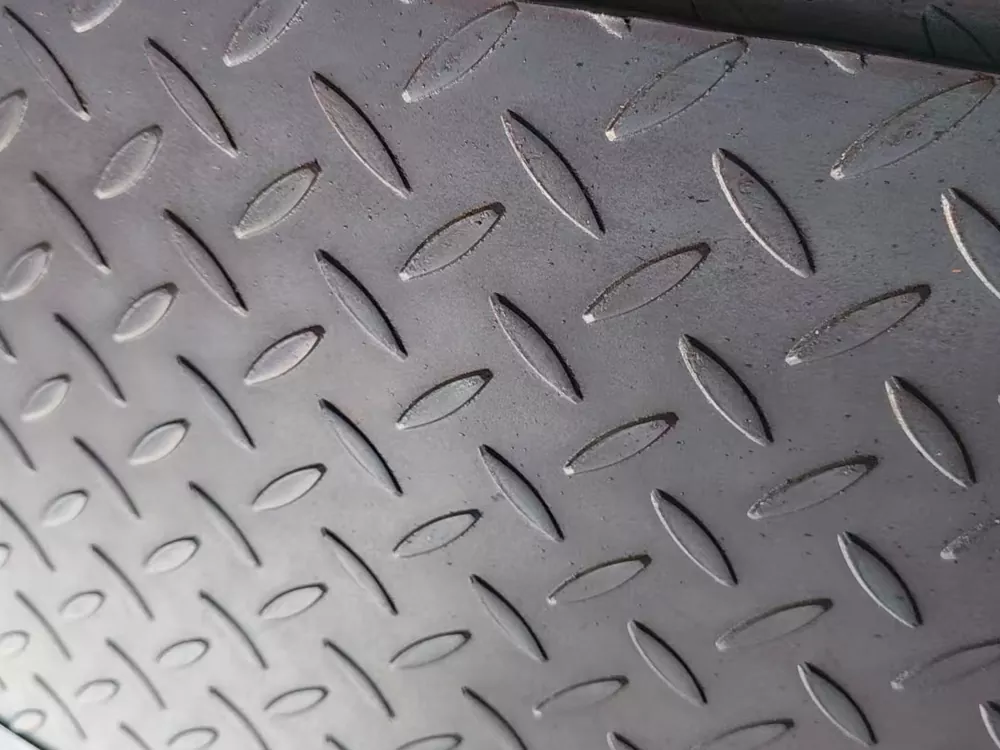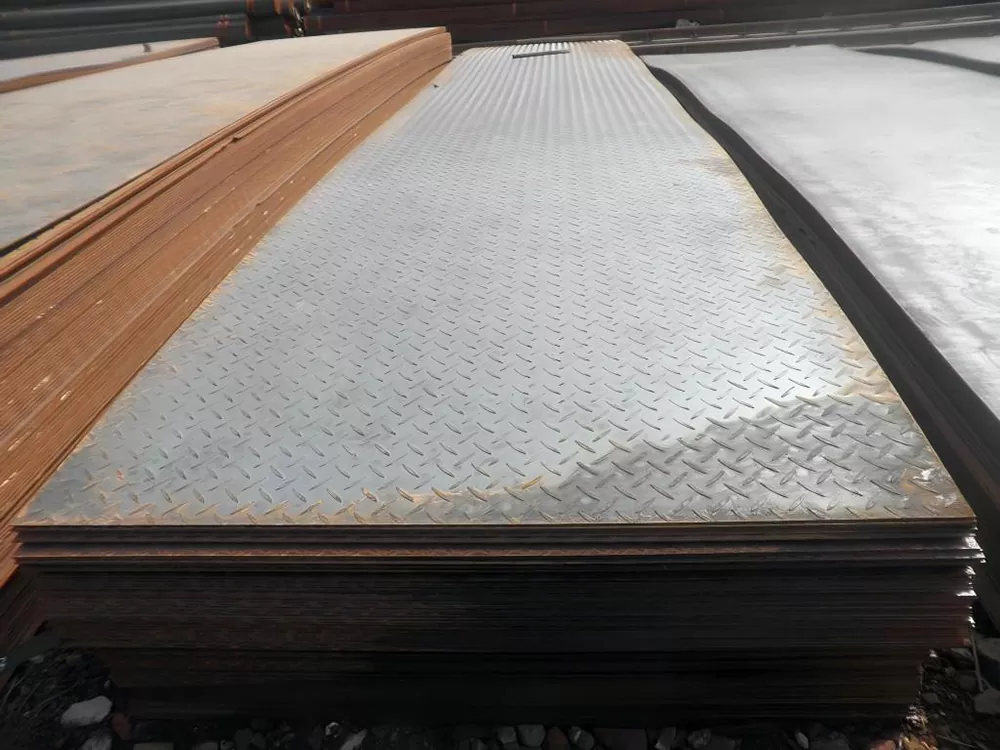
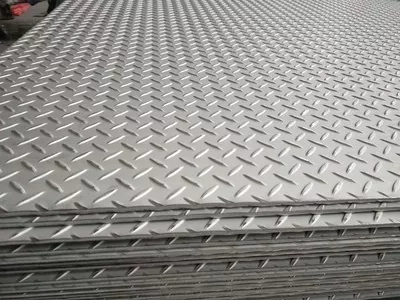
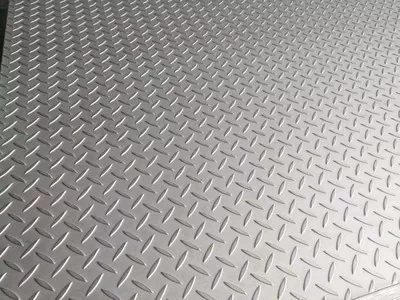
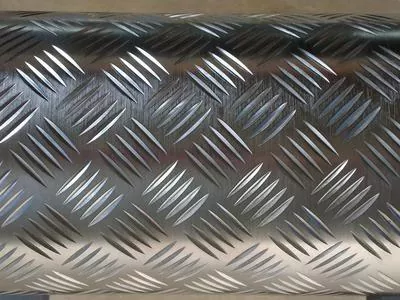
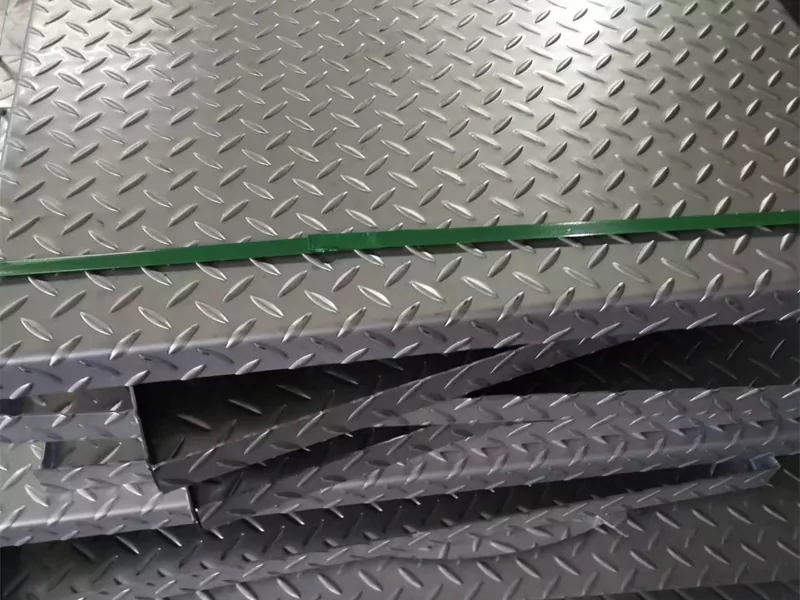
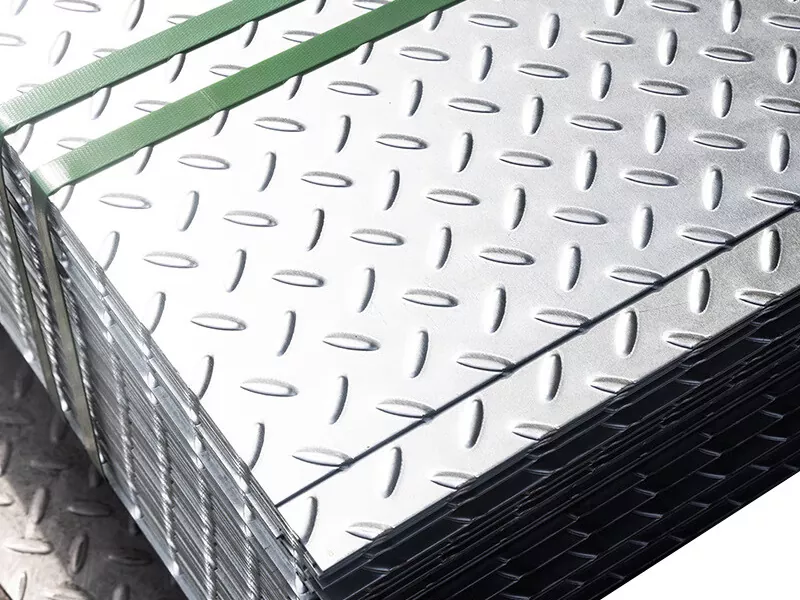
Stainless Steel Checkered Plate
Stainless Steel Checkered Plate from Sanhe Steel, a professional China supplier with over 15 years of industry experience, offers premium embossed anti-slip stainless solutions in 304, 316, 316L, and 430 grades. Featuring excellent corrosion resistance, hygienic easy-clean surfaces, and decorative appeal, our plates serve food processing, chemical, architectural, and transportation industries with ISO-certified quality and custom cutting services.
As an established manufacturer and factory specializing in stainless steel plate processing and distribution, Sanhe Steel provides comprehensive stainless steel checkered plate solutions combining anti-slip functionality with superior corrosion resistance for industrial, architectural, and decorative applications. Produced through either mill-rolled or mechanical stamping processes in grades including 304, 316, 316L, and 430, our patterned stainless plates deliver durable performance in corrosive environments while maintaining aesthetic appeal. Backed by ISO 9001 certified quality management and precision CNC processing equipment, we supply both standard inventory sizes and custom-cut specifications to meet diverse project requirements worldwide.
Material Grades
Stainless steel patterned plates are available in multiple alloy grades, each formulated to address specific environmental conditions and performance requirements. Selecting the appropriate grade ensures optimal corrosion resistance, mechanical strength, and cost efficiency for each application scenario. Sanhe Steel supplies all major commercial grades with full material traceability and mill test documentation.
Chemical Composition Comparison
The following table compares the key alloying element contents across the most commonly specified stainless steel grades, with corresponding designations under US ASTM, European EN, and Chinese GB standard systems.
|
US Standard |
European Standard |
China GB |
Cr Ni Mo C Cu Mn |
|
ASTM 304 |
EN 1.4301 |
06Cr19Ni10 |
18.2 8.1 - 0.08 - 1.5 |
|
ASTM 316 |
EN 1.4401 |
06Cr17Ni12Mo2 |
17.2 10.2 2.1 0.08 - 1.5 |
|
ASTM 316L |
EN 1.4404 |
022Cr17Ni12Mo2 |
17.2 10.1 2.1 0.02 - 1.5 |
|
ASTM 430 |
EN 1.4016 |
10Cr17 |
17.0 0.6 - 0.12- 1.0 |
1. Grade 304 (1.4301 / 06Cr19Ni10) — The most widely used austenitic stainless steel, containing approximately 18% chromium and 8% nickel. It offers good general corrosion resistance, excellent formability, and hygienic properties that make it the standard choice for food processing, kitchen equipment, architectural trim, and general industrial applications.
2. Grade 316 (1.4401 / 06Cr17Ni12Mo2) — A molybdenum-bearing austenitic grade with significantly improved corrosion resistance compared to 304, particularly against chlorides, saline environments, and chemical exposure. The 2% molybdenum addition makes it suitable for marine environments, chemical processing equipment, pharmaceutical facilities, and coastal architectural applications.
3. Grade 316L (1.4404 / 022Cr17Ni12Mo2) — The low-carbon version of 316, with carbon content limited to 0.03% maximum. This reduces the risk of carbide precipitation during welding, preserving corrosion resistance in the heat-affected zone. It is preferred for welded fabrications, heavy-gauge structures, and applications where post-weld corrosion performance is critical.
4. Grade 430 (1.4016 / 10Cr17) — A ferritic stainless steel with 17% chromium and no nickel content. It offers good atmospheric corrosion resistance and moderate formability at a more economical price point, commonly used for decorative applications, kitchen backsplashes, appliance panels, and mildly corrosive indoor environments.
The availability of multiple grades allows Stainless Steel Checkered Plate to be precisely matched to the corrosion severity, mechanical load, and budget constraints of each individual project.
Production Types
Stainless steel patterned plates are manufactured using two distinct production methods, each producing different physical characteristics and suited for different application categories. Sanhe Steel supplies both types and can help customers select the optimal production method based on their specific use case and performance requirements.
Mill-Rolled Pattern Plate
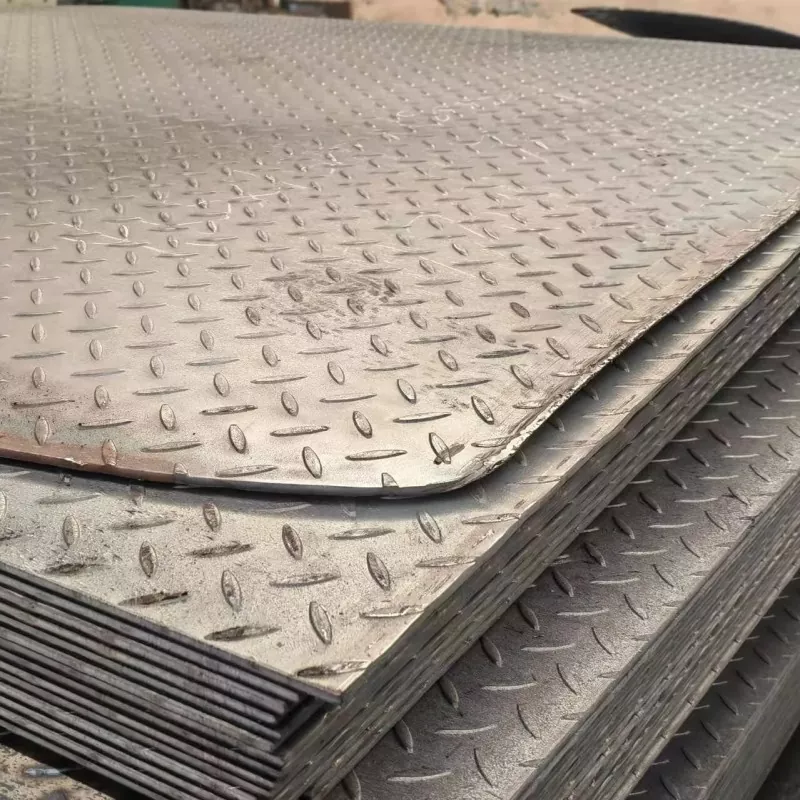
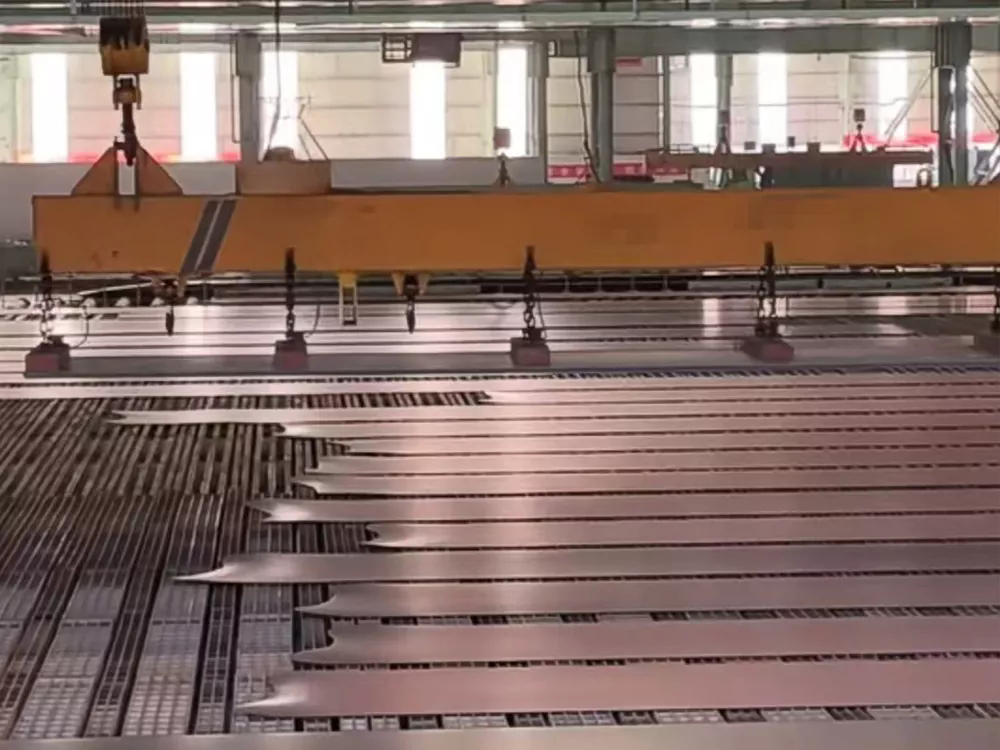
Produced directly at the steel mill during the hot rolling process, where patterned rollers emboss the texture into the steel surface as it passes through the rolling mill. This method produces plates with a flat back surface and raised pattern on the front, typically in thicknesses ranging from 3mm to 6mm. The material is delivered in hot-rolled, annealed, and pickled (No.1 finish) condition.
The complete production flow follows this sequence: stainless steel billet → hot continuous rolling into black coil → hot annealing and pickling line → leveling and roller straightening → optional polishing → cross-cutting to length → finished hot-rolled stainless patterned plate. Because the pattern is formed during the primary rolling process rather than stamped afterward, mill-rolled plates maintain more uniform material thickness and structural integrity.
This production type is preferred for heavy-duty industrial applications requiring structural strength, including chemical plant flooring, railway vehicle platforms, industrial equipment walkways, and loading areas where both anti-slip performance and load-bearing capacity are essential.
Mechanical Stamped Pattern Plate
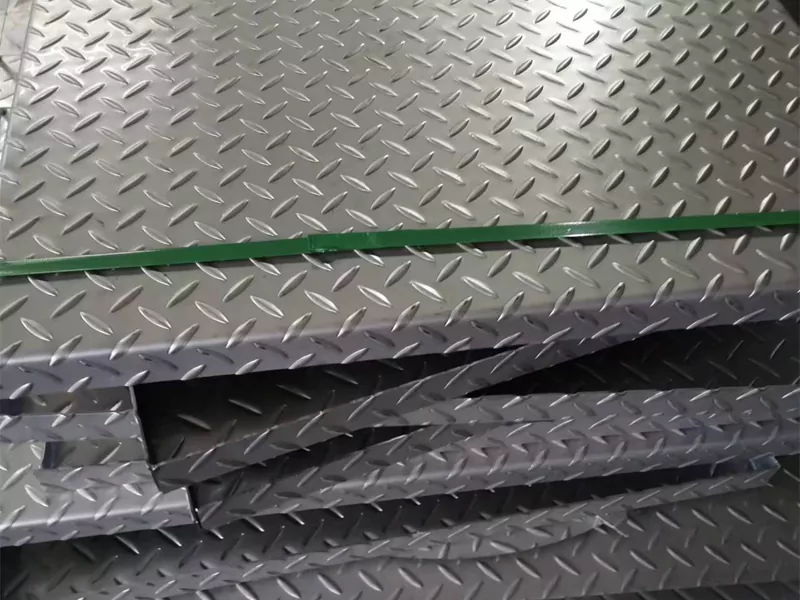
Manufactured by secondary processing facilities that purchase flat hot-rolled or cold-rolled stainless steel sheets and press the pattern into the surface using mechanical stamping equipment. This method creates a concave-convex profile where the pattern protrudes on one side and is recessed on the opposite side.
The majority of decorative and architectural patterned stainless plates on the market fall into this category, primarily using cold-rolled base material with 2B or BA surface finishes. The stamping process allows for greater variety in pattern designs and can achieve finer, more detailed textures than mill rolling.
Stamped pattern plates are the dominant choice for civilian and decorative applications including building facades, interior wall panels, elevator cabins, kitchen surfaces, retail fixtures, and furniture components where aesthetic appearance and corrosion resistance are the primary requirements.
Applications
Continuous material development and pattern innovation have expanded stainless steel checkered plate applications far beyond traditional anti-slip and corrosion-resistant industrial uses. Today the material serves a broad spectrum of industries, valued for its unique combination of functional performance and visual appeal that bridges industrial practicality with decorative aesthetics.
Industrial & Chemical
In industrial settings, the material's primary value lies in its corrosion resistance combined with reliable anti-slip performance in wet or chemical-exposed environments. Typical installations include chemical plant walkways and platforms, food and beverage processing facility flooring, pharmaceutical production areas, wastewater treatment plant access routes, and industrial stair treads. The non-porous stainless surface also supports rigorous cleaning and sanitation protocols, making it essential for hygienic manufacturing environments.
Architectural & Decoration
The architectural sector has increasingly adopted patterned stainless steel for both exterior and interior applications where designers seek corrosion resistance combined with visual texture and light reflection qualities. Building facade cladding, curtain wall accents, lobby feature walls, elevator interior panels, column covers, and retail storefronts all benefit from the material's durability and decorative versatility. Unlike plain polished stainless, the patterned surface reduces fingerprint visibility and hides minor scratches, reducing maintenance requirements in high-traffic public spaces.
Transportation & Rail
Public transit and transportation vehicles utilize stainless steel patterned plates for flooring and access areas where passenger safety and long-term durability are paramount. Railway carriage floors, subway platform edges, ship deck sections, bus entry steps, and marine gangways all depend on the material's combination of anti-slip traction and corrosion resistance. The 316 and 316L grades are particularly important for marine and coastal transit applications where salt exposure would degrade ordinary carbon steel alternatives.
Commercial & Residential
Stainless Steel Checkered Plate finds growing use in commercial and residential settings for both functional and decorative purposes. Kitchen backsplashes, countertop accents, bar fronts, restaurant flooring, laundry room surfaces, and furniture components all leverage the material's hygienic easy-clean properties and distinctive visual texture. The expanding range of available patterns and surface treatments continues to open new design possibilities for architects and interior designers.
Pattern Varieties
The international market currently offers more than twenty distinct pattern styles for stainless steel checkered plates, ranging from functional anti-slip designs to purely decorative textures. This extensive variety allows specifiers to select patterns optimized for traction performance, visual aesthetics, or a combination of both.
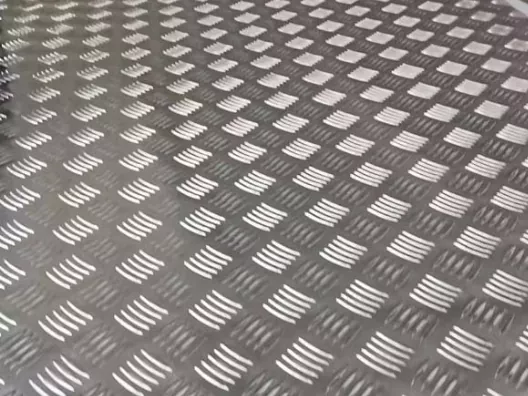
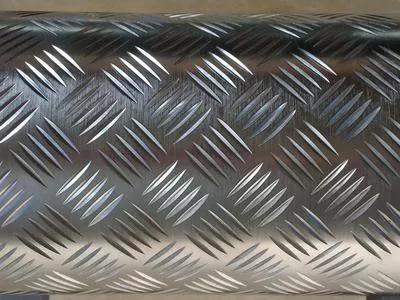
1. Grid and diamond patterns — The classic industrial anti-slip designs featuring raised intersecting lines forming diamond or square grid shapes. These patterns deliver reliable traction performance and are the standard choice for industrial flooring, walkways, and safety-critical access areas.
2. Leather grain patterns — Embossed textures simulating natural leather surface appearance, valued primarily for decorative applications in interior design, furniture, and architectural paneling where a softer, more organic visual texture is desired.
3. Tile and brick patterns — Patterns that mimic the appearance of ceramic tiles or stone brickwork, used for architectural cladding and decorative wall panels where the look of masonry is desired without the weight and installation complexity of actual masonry materials.
4. Ripple and wave patterns — Flowing linear textures that create dynamic light reflection effects on the stainless surface. These are popular for feature walls, facade elements, and decorative installations where visual impact is a primary design objective.
Beyond these standard patterns, ongoing industry innovation continues to introduce enhanced product variants including colored patterned plates, coated finishes, composite layered structures, nano-film treated surfaces, super-corrosion-resistant grades, antibacterial formulations, and anti-wear enhanced versions. These advanced products expand the functional range of patterned stainless steel while balancing durability, aesthetics, and specialized performance requirements.
Supply Advantages
Sanhe Steel brings years of specialized experience in stainless steel plate trading and processing, backed by a complete supply chain infrastructure and comprehensive fabrication capabilities that ensure consistent quality and reliable delivery for every customer order.
1. Rigorous quality control — Every batch undergoes incoming material verification and outgoing inspection procedures under our ISO 9001 certified quality management system, ensuring full compliance with applicable industry standards and customer specification requirements. Complete material documentation accompanies each shipment for full traceability.
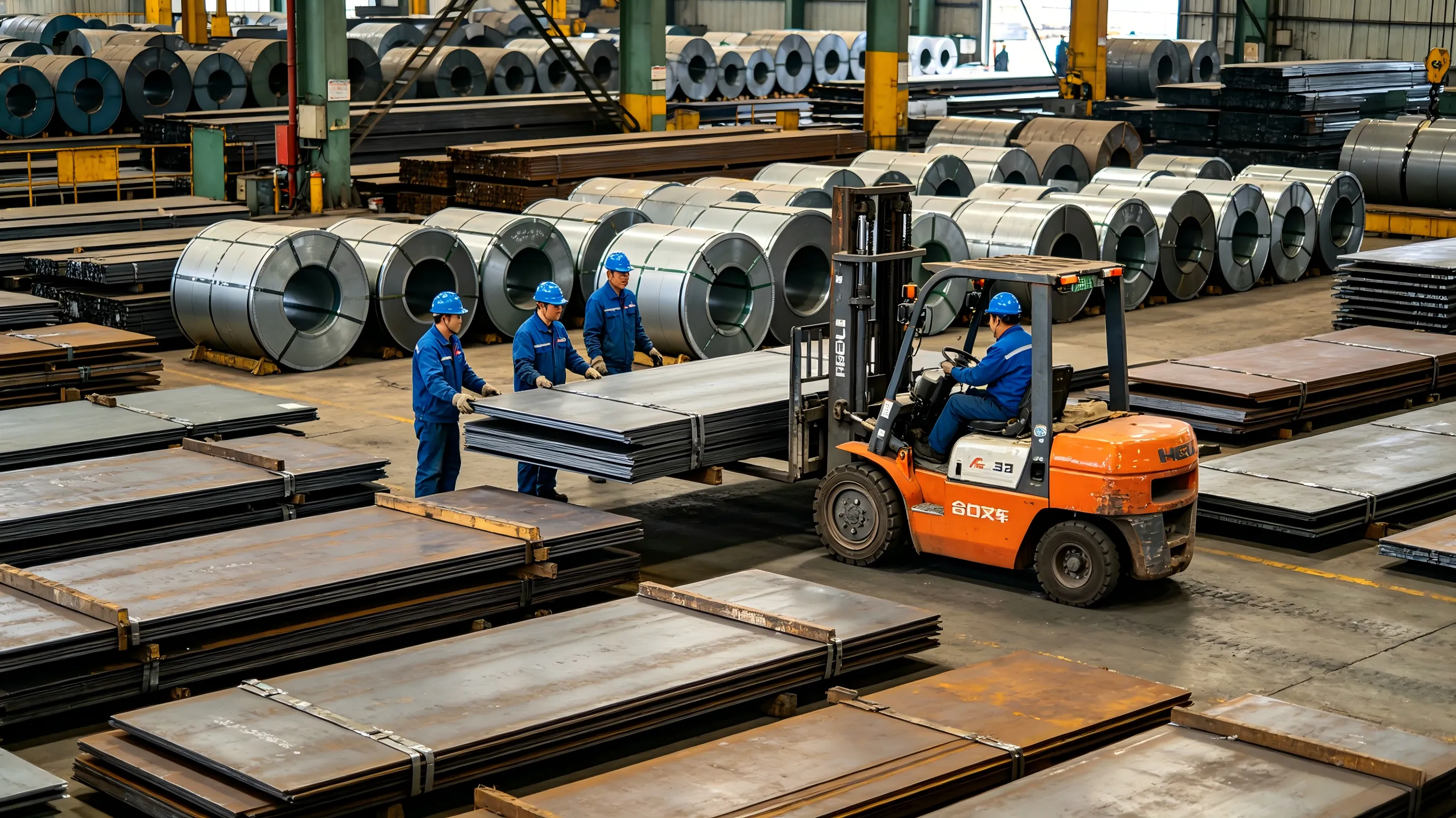
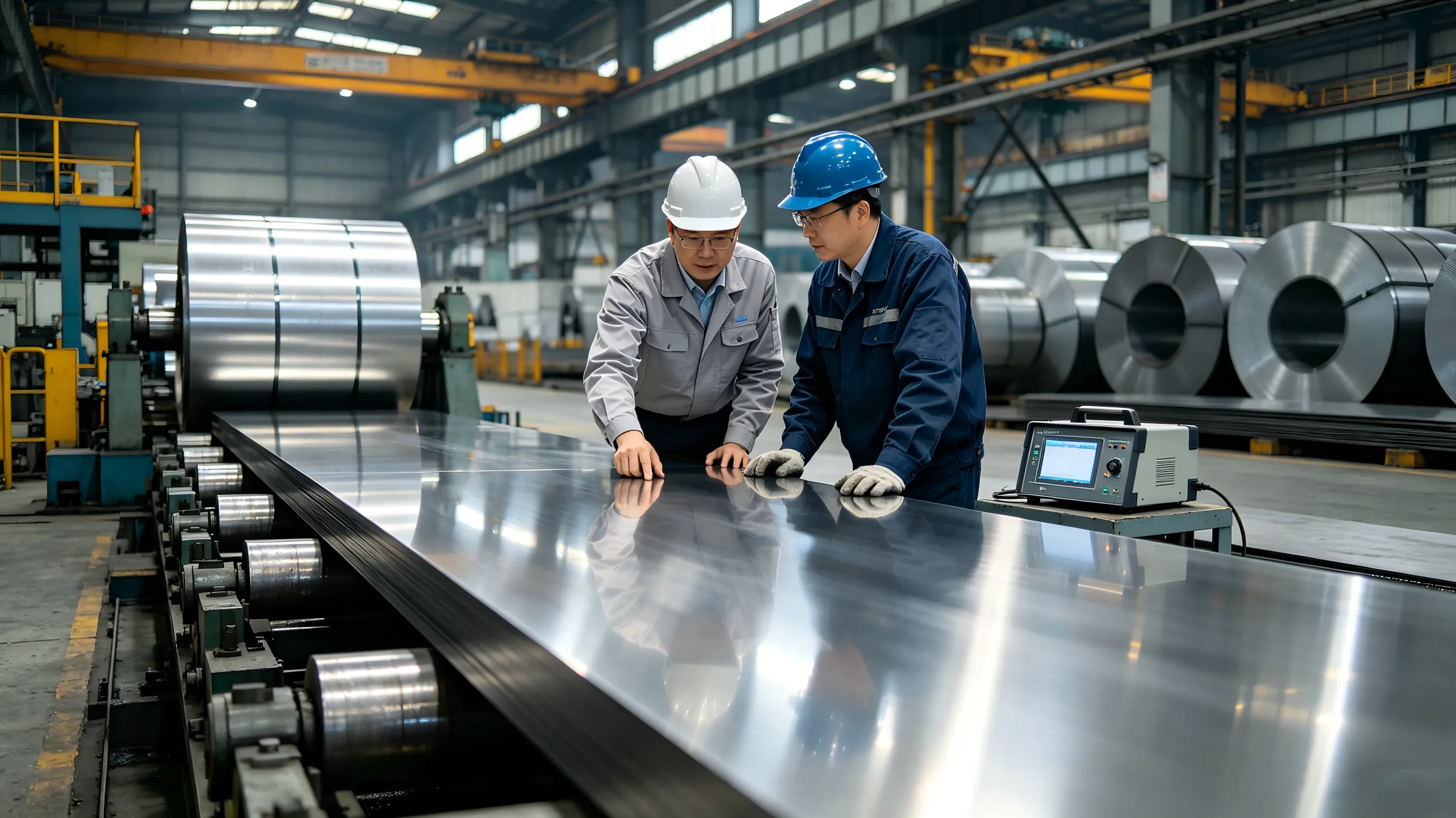
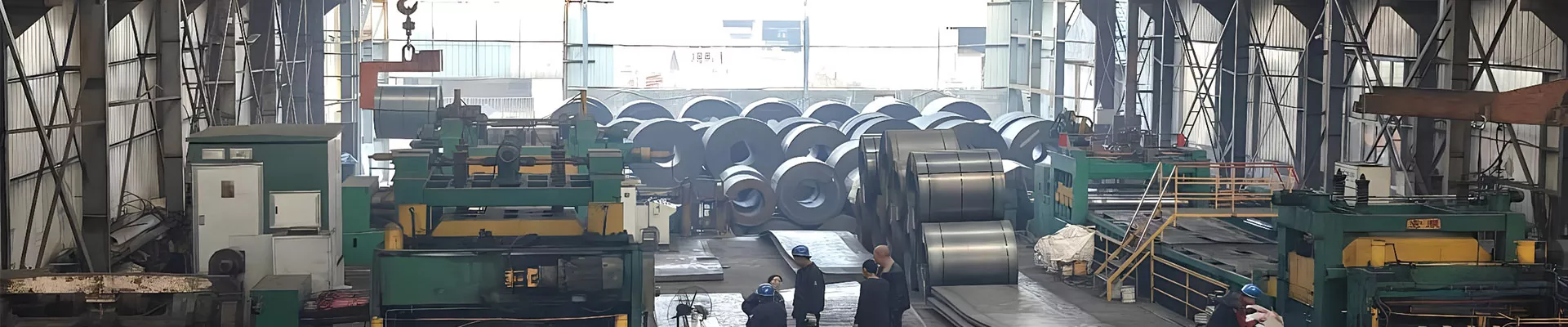
2. Customization capability — We support fully customized orders including pattern selection, dimensional cutting, and surface finish specifications. Our factory is equipped with high-precision CNC shearing lines and longitudinal slitting equipment capable of processing both hot-rolled and cold-rolled stainless plates to exact customer dimensions.
3. Stable supply capacity — Long-term partnerships with reputable stainless steel mills ensure consistent material availability across all standard grades and pattern styles, supporting both regular scheduled orders and urgent project requirements with dependable lead times.
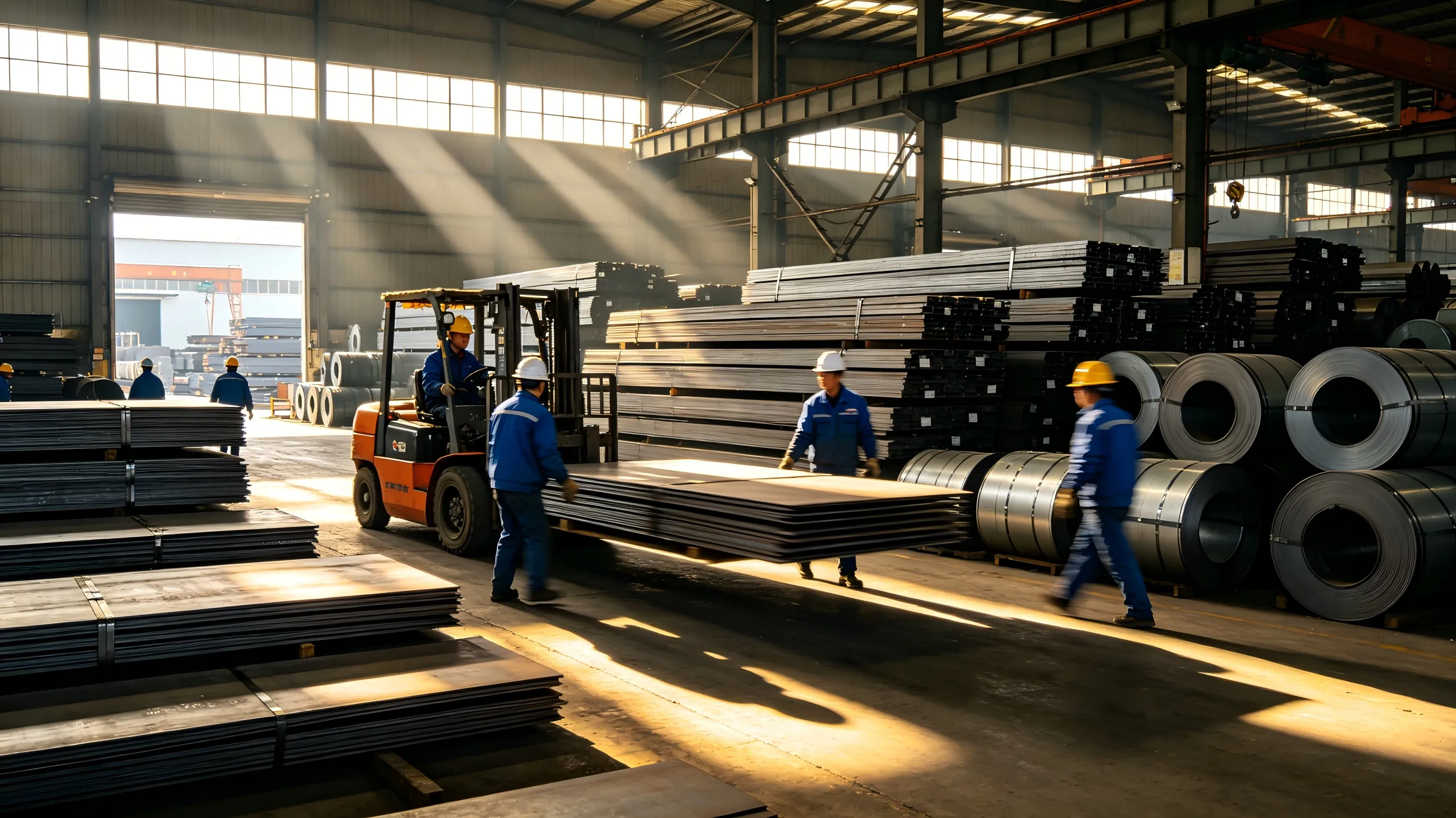
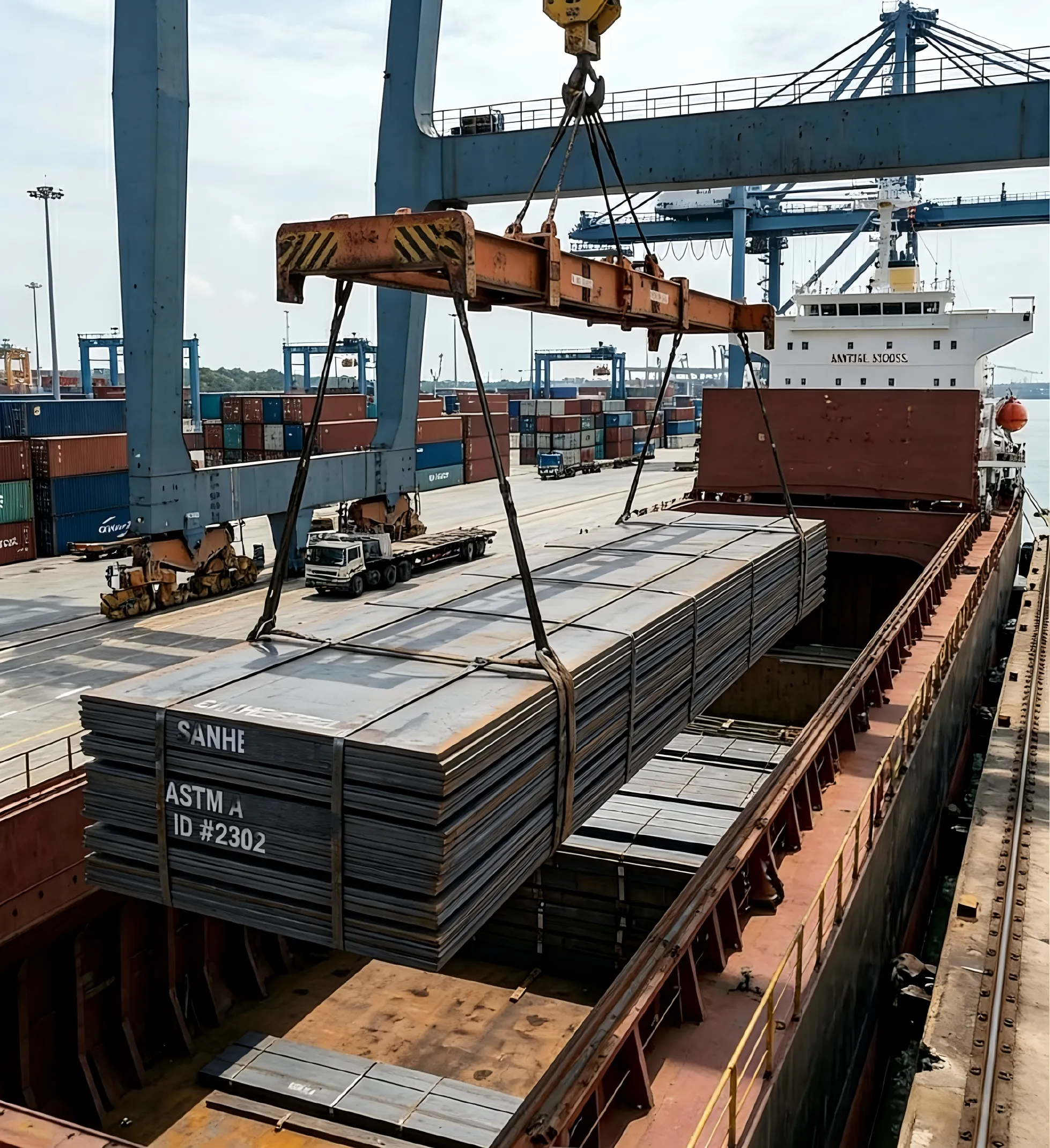
4. Efficient logistics and delivery — Our strategic Qingdao location with direct port access enables efficient domestic distribution and international export shipments. Optimized inventory layout and streamlined order processing minimize turnaround time from order placement to dispatch.
5. Full-range technical support — Our experienced team provides pre-sales material selection guidance, specification consultation, and sample evaluation services, followed by dedicated order tracking and responsive after-sales support. This three-tier service system ensures customers receive expert assistance at every stage of the procurement process.
With a customer renewal rate exceeding 90% for our customized processing services and recognition as a premium regional steel trade service provider, Stainless Steel Checkered Plate from Sanhe Steel has earned the trust of industrial, commercial, and residential customers across diverse application sectors.
FAQ
Q1: What are the main grades available for stainless steel patterned plates?
A: The most common grades are 304, 316, 316L, and 430, each offering different levels of corrosion resistance. 304 is standard for general use, 316/316L for corrosive environments, and 430 as an economical ferritic option.
Q2: What is the difference between mill-rolled and stamped pattern plates?
A: Mill-rolled plates have the pattern formed during hot rolling with a flat back side, used for heavy industrial applications. Stamped plates are pressed from flat sheets with concave-convex profile, mainly used for decorative and architectural purposes.
Q3: Which grade is recommended for marine or coastal applications?
A: Grade 316 or 316L is recommended for marine and coastal environments because the molybdenum addition provides significantly better chloride and saltwater corrosion resistance compared to standard 304 grade.
Q4: Can you supply custom sizes and cutting services?
A: Yes, we provide precision CNC shearing and slitting services to cut plates to your required length and width dimensions, ready for direct installation or further fabrication.
Q5: What surface finishes are available for patterned stainless plates?
A: Mill-rolled plates typically come in No.1 hot-rolled pickled finish, while stamped decorative plates are commonly produced from 2B or BA cold-rolled base material. Special finishes like coloring or coating can be arranged upon request.
Q6: What is the typical thickness range available?
A: Mill-rolled industrial pattern plates are commonly available from 3mm to 6mm thickness, while stamped decorative plates can be produced across a broader range depending on the base material specifications.
Summary
Stainless steel checkered plate has evolved from a specialized industrial anti-slip material into a versatile solution serving industries ranging from chemical processing and food manufacturing to architectural design and transportation infrastructure. Its unique combination of corrosion resistance, hygienic properties, anti-slip functionality, and decorative appeal makes it one of the few materials that successfully bridges heavy industrial requirements and high-end aesthetic applications.
With four major commercial grades (304, 316, 316L, and 430), two primary production methods, and over twenty available pattern styles, the material can be precisely configured to match the corrosion environment, load requirement, and design vision of virtually any project. Ongoing innovation in surface treatments, alloy enhancements, and functional coatings continues to expand the application boundaries of this proven material.
Sanhe Steel supports customers worldwide with reliable supply of stainless steel patterned plates backed by ISO 9001 certified quality systems, precision CNC processing capabilities, and a comprehensive three-tier service framework that has earned us a customer retention rate above 90%. Whether your project requires industrial-grade mill-rolled plates for chemical plant flooring, stamped decorative panels for architectural facades, or custom-cut components for specialized equipment, our solutions deliver the consistent quality, dependable supply, and responsive support that procurement professionals rely on.
We welcome inquiries from fabricators, contractors, architectural firms, and trading partners globally. Contact our team for grade selection guidance, detailed quotations, or sample evaluation — we are ready to support your stainless steel procurement requirements with expertise and efficiency.
Hot Tags: Stainless Steel Checkered Plate, China, Manufacturer, Supplier, Factory
Send Inquiry
Contact Info
-
Address
No. 1188, Lanzhou West Road, Jiaozhou City, Shandong Province, China
-
Tel
-
Email
Welcome to our website! For inquiries about our products or pricelist, please leave your email to us and we will be in touch within 24 hours.