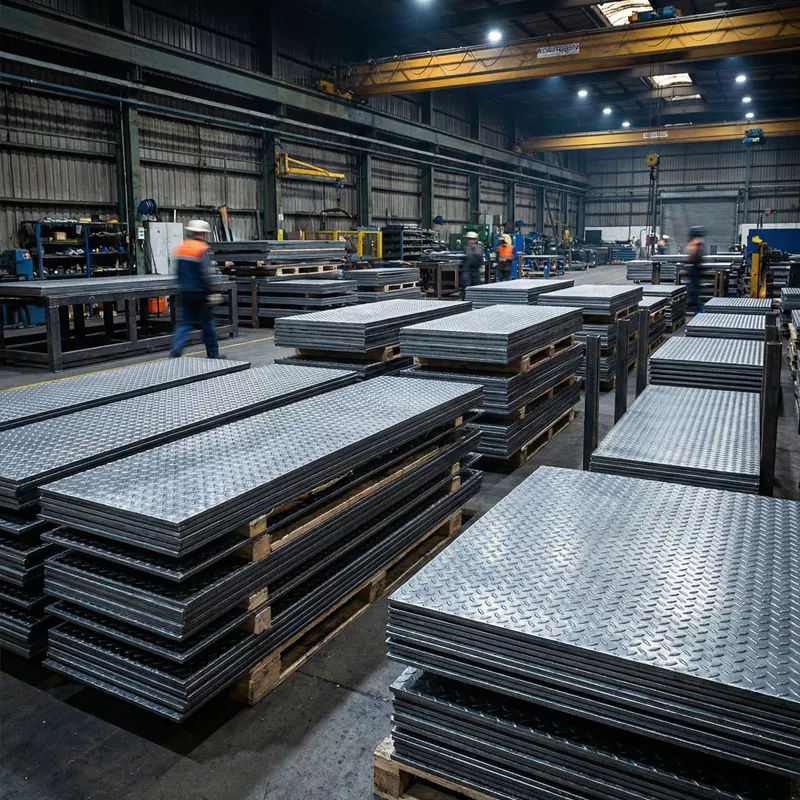
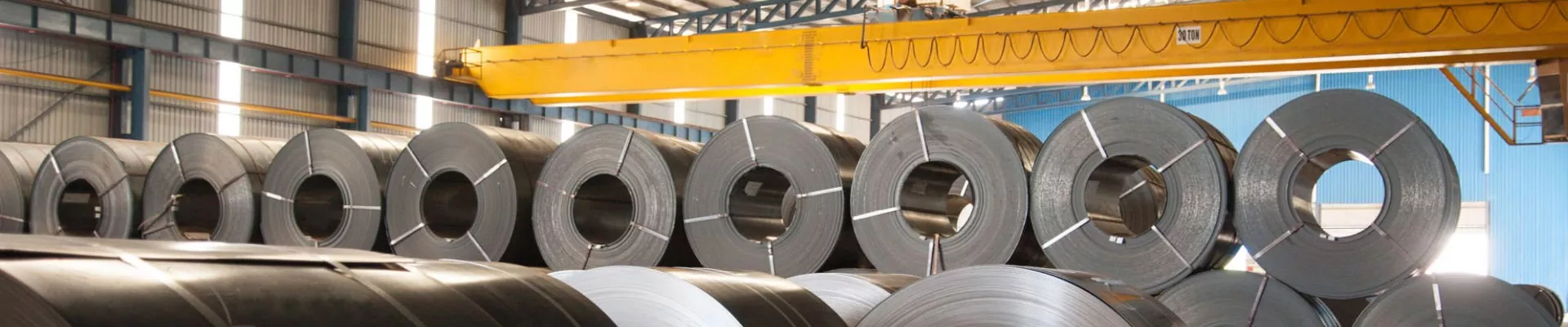
How Does Hot Rolled Plate Support Modern Industrial Manufacturing?
Article Summary
Hot Rolled Plate is one of the most widely used steel materials in construction, machinery manufacturing, transportation, energy projects, and heavy industrial applications. However, many buyers face challenges when selecting hot rolled steel plates, including inconsistent quality, unsuitable grades, dimensional problems, delivery delays, and difficulties in customization.
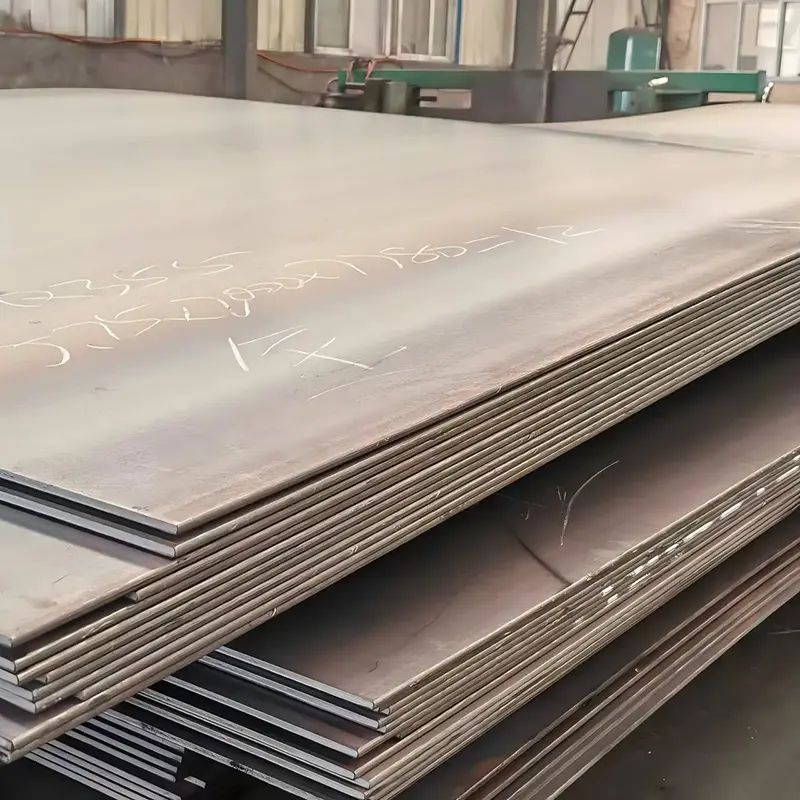
This article explains how Hot Rolled Plate works, why it is important for different industries, how to select the right material, and how professional suppliers such as Qingdao Sanhe Steel Co., Ltd. help customers achieve reliable steel sourcing solutions.
Table of Contents
- 1. Introduction to Hot Rolled Plate
- 2. How Does Hot Rolled Plate Work in Industrial Applications?
- 3. Key Advantages of Hot Rolled Plate
- 4. How to Select the Right Hot Rolled Plate?
- 5. Hot Rolled Plate Compared with Other Steel Materials
- 6. Main Applications of Hot Rolled Plate
- 7. Why Choose Qingdao Sanhe Steel Co., Ltd.?
- 8. Frequently Asked Questions
1. Introduction to Hot Rolled Plate
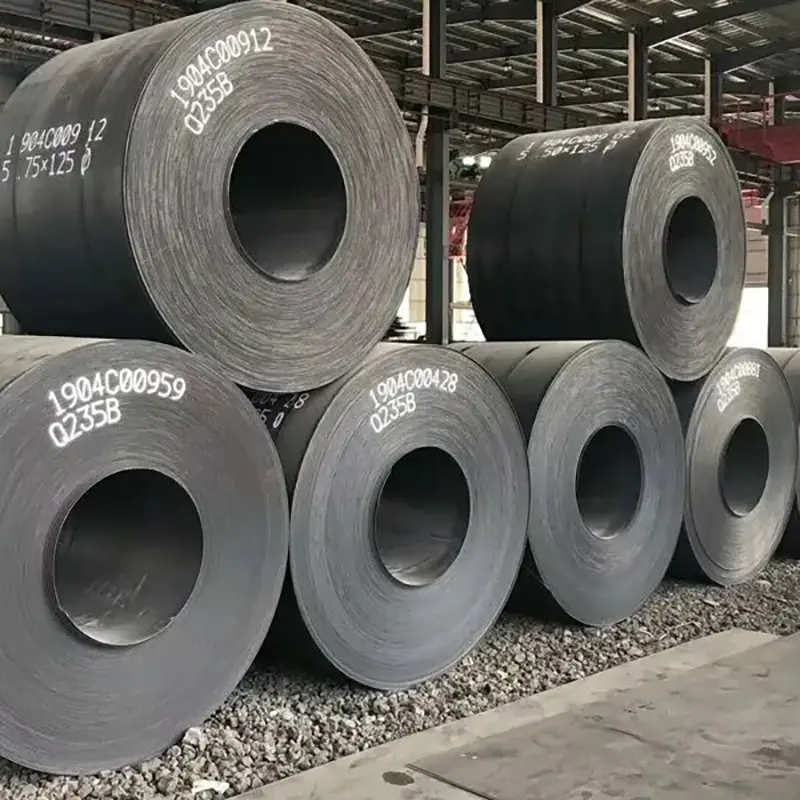
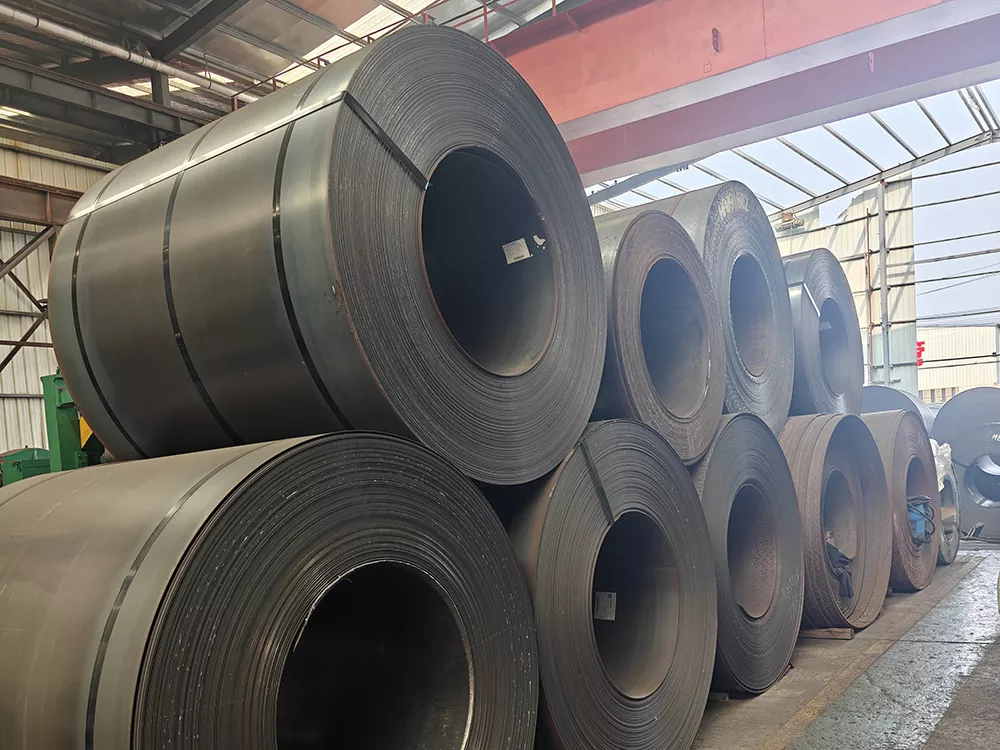
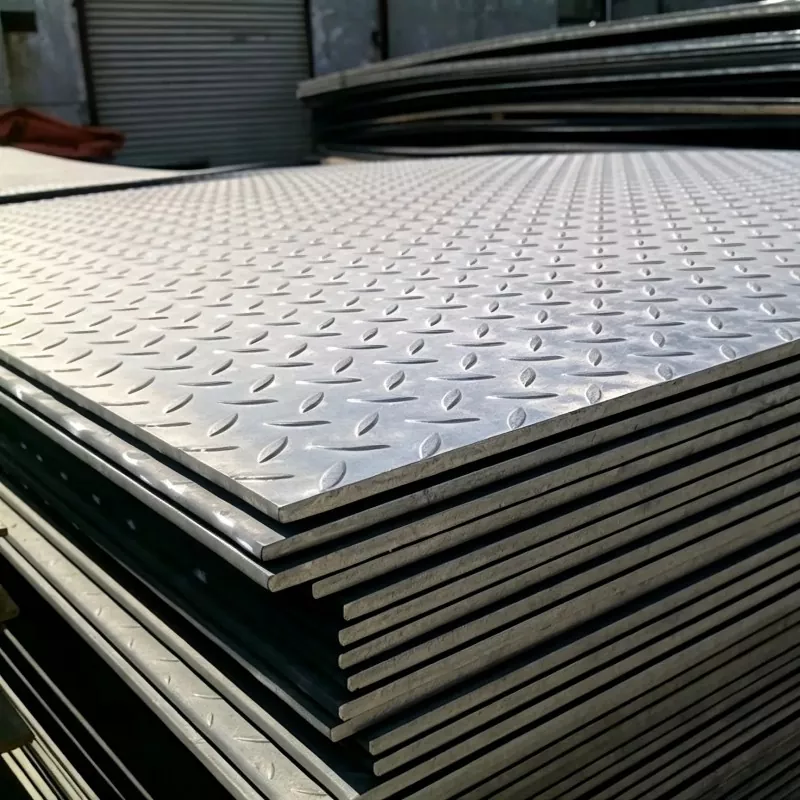
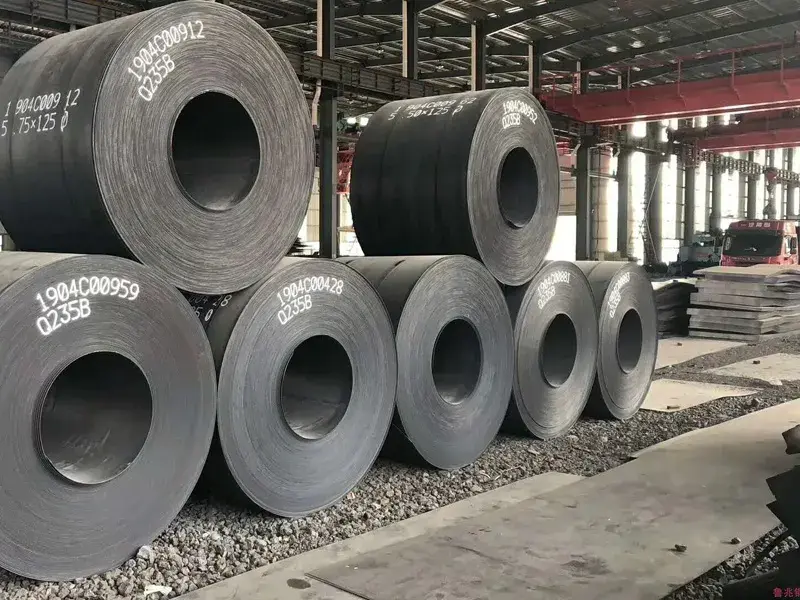
Hot Rolled Plate is a steel plate manufactured through a high-temperature rolling process. During production, steel billets are heated above the recrystallization temperature and passed through rolling equipment to achieve the required thickness, shape, and mechanical properties.
Unlike cold rolled steel products that focus more on surface precision and appearance, Hot Rolled Plate is designed for applications requiring strength, toughness, weldability, and cost efficiency. It is widely used where large structural components and heavy-duty performance are required.
For industrial buyers, choosing the correct steel plate is not only about purchasing raw materials. The right choice directly influences fabrication efficiency, structural safety, maintenance costs, and overall project performance.
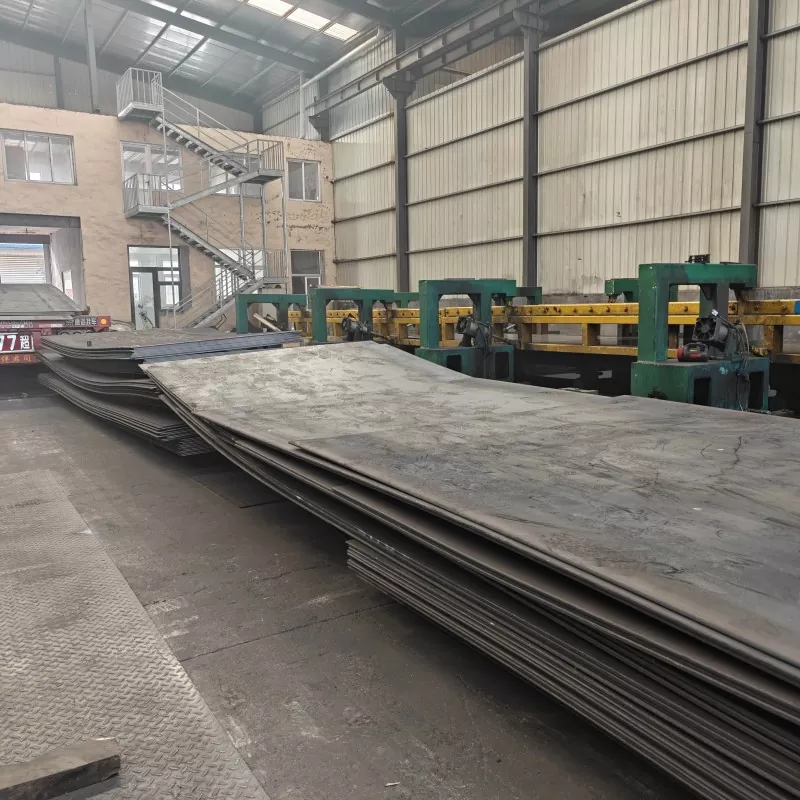
Qingdao Sanhe Steel Co., Ltd. provides various steel plate solutions with processing capabilities including cutting, leveling, and customized services to meet different project requirements. The company focuses on supplying reliable steel products for construction, machinery manufacturing, transportation, and industrial applications. :contentReference[oaicite:1]{index=1}
2. How Does Hot Rolled Plate Work in Industrial Applications?
The performance of Hot Rolled Plate comes from its manufacturing process. Understanding how the production process influences steel properties helps buyers make better purchasing decisions.
| Production Stage | Description | Impact on Product Performance |
|---|---|---|
| Heating | Steel billets are heated at high temperatures before rolling. | Improves material flexibility and allows efficient forming. |
| Rolling | Heated steel passes through multiple rollers to reduce thickness. | Creates required dimensions and improves structural consistency. |
| Cooling | The rolled steel plate is cooled under controlled conditions. | Influences hardness, strength, and internal structure. |
| Processing | Additional cutting, leveling, or surface treatment may be performed. | Provides customized solutions for different industries. |
Because of this manufacturing method, Hot Rolled Plate offers excellent balance between strength and processing performance. It can be welded, cut, bent, and fabricated into different structures without requiring complicated procedures.
For manufacturers, this means lower processing difficulty and improved production efficiency. For engineering companies, it means dependable materials that can support demanding working environments.
3. Key Advantages of Hot Rolled Plate
Hot Rolled Plate remains popular because it provides multiple advantages for industrial users. Selecting this material can help companies achieve better project results while controlling costs.
- Excellent Strength Performance: Hot rolled steel plates provide reliable mechanical strength for structural applications, heavy equipment, and industrial frameworks.
- Good Weldability: Many hot rolled steel grades are suitable for welding operations, making them convenient for fabrication projects.
- Cost Efficiency: The production process is economical, especially for large-volume steel requirements.
- Wide Size Availability: Buyers can select different thicknesses, widths, and lengths according to project needs.
- Strong Processing Capability: Hot Rolled Plate can be cut, formed, and machined for customized applications.
| Advantage | Customer Benefit |
|---|---|
| High structural strength | Supports safer and more durable engineering projects |
| Easy fabrication | Reduces production complexity and processing time |
| Flexible specifications | Matches different application requirements |
| Competitive cost | Helps control material purchasing expenses |
4. How to Select the Right Hot Rolled Plate?
Selecting Hot Rolled Plate requires careful consideration of application conditions, mechanical requirements, and project specifications. Many purchasing problems happen because buyers focus only on price while ignoring material suitability.
Before placing an order, customers should evaluate several important factors:
- Steel Grade: Different grades provide different levels of strength, toughness, and application performance.
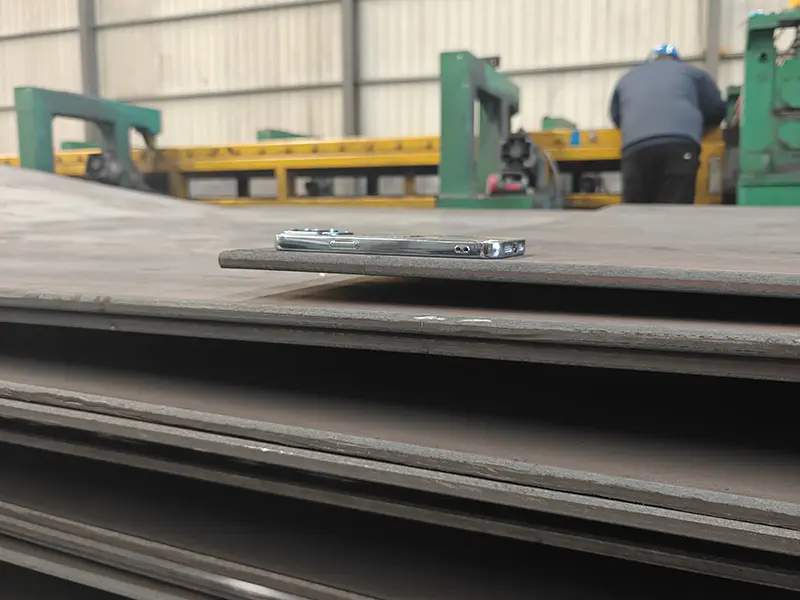
- Thickness Requirement: The thickness should match the load-bearing requirements of the project.
- Surface Condition: Surface quality should meet fabrication and appearance expectations.
- Processing Service: Cutting, leveling, and customized dimensions can reduce additional processing costs.
- Supplier Reliability: Stable supply capability and quality inspection procedures are essential for long-term cooperation.
A professional supplier can help customers avoid incorrect material selection and reduce risks during manufacturing or construction.
5. Hot Rolled Plate Compared with Other Steel Materials
When purchasing steel materials, customers often compare Hot Rolled Plate with cold rolled steel, galvanized steel, and other steel products. Each material has different characteristics, and the best choice depends on the final application requirements.
| Steel Type | Main Manufacturing Method | Major Features | Common Applications |
|---|---|---|---|
| Hot Rolled Plate | Steel is rolled at high temperatures above the recrystallization point. | High strength, good weldability, cost-effective, suitable for heavy structures. | Construction equipment, machinery, bridges, transportation, industrial structures. |
| Cold Rolled Steel | Steel is further processed at room temperature. | Better surface finish and dimensional accuracy. | Automotive parts, appliances, precision components. |
| Galvanized Steel | Steel is coated with a protective zinc layer. | Strong corrosion resistance and longer outdoor service life. | Roofing, fencing, outdoor structures. |
For heavy industrial projects, Hot Rolled Plate is often the preferred solution because it provides a practical combination of strength, flexibility, and economic value. Although cold rolled steel offers better surface quality, it is usually more suitable for applications where appearance and precision are the primary requirements.
Understanding these differences allows buyers to avoid unnecessary costs and select materials that match their actual working conditions.
6. Main Applications of Hot Rolled Plate
Hot Rolled Plate plays an important role across many industries because of its reliable mechanical properties and manufacturing flexibility. From large construction projects to precision industrial equipment, this material supports various production requirements.
- Construction Industry: Hot Rolled Plate is widely used in structural frames, steel buildings, support systems, and infrastructure projects due to its high load-bearing capacity.
- Heavy Machinery Manufacturing: Equipment manufacturers use hot rolled steel plates for machine bases, frames, industrial components, and heavy-duty parts.
- Transportation Equipment: The material is commonly applied in trucks, trailers, railway equipment, and shipbuilding structures.
- Energy Projects: Power facilities, pipelines, and industrial energy equipment require durable steel materials that can withstand demanding environments.
- General Fabrication: Metal processing companies use Hot Rolled Plate for cutting, welding, bending, and customized fabrication projects.
| Industry | Typical Uses | Required Characteristics |
|---|---|---|
| Construction | Steel structures, platforms, supports | Strength and durability |
| Machinery Manufacturing | Equipment frames and components | Machinability and toughness |
| Transportation | Vehicle structures and heavy equipment | Impact resistance and reliability |
| Energy Sector | Industrial facilities and supporting structures | Long-term stability |
7. Why Choose Qingdao Sanhe Steel Co., Ltd.?
Choosing the right steel supplier is a critical step for ensuring project success. A reliable supplier should provide not only quality products but also professional service, stable supply capability, and flexible solutions.
Qingdao Sanhe Steel Co., Ltd. focuses on providing dependable steel products and customized solutions for customers worldwide. With experience in steel supply and processing, the company understands that different industries require different material standards, dimensions, and delivery requirements.
The company supports customers by offering professional assistance throughout the purchasing process, including product selection, specification confirmation, processing requirements, and logistics coordination.
The advantages of working with Qingdao Sanhe Steel Co., Ltd. include:
- Professional Steel Supply Experience: The company understands various industrial applications and helps customers select suitable steel products.
- Flexible Product Solutions: Different sizes, thicknesses, and processing requirements can be supported according to project needs.
- Quality-Focused Production Management: Product inspection and manufacturing control help ensure consistent quality.
- Customer-Oriented Service: The company works closely with clients to provide efficient communication and reliable delivery solutions.
For businesses that require stable steel materials for manufacturing or construction projects, selecting an experienced supplier can reduce procurement risks and improve overall efficiency.
8. How Can Businesses Improve Purchasing Efficiency When Buying Hot Rolled Plate?
Many companies experience challenges when purchasing steel materials, including incorrect specifications, unexpected processing costs, and supply delays. A systematic purchasing approach can help avoid these problems.
- Define Application Requirements First: Clearly identify the working environment, strength requirements, and fabrication methods before selecting materials.
- Confirm Technical Specifications: Check thickness, width, length, steel grade, and tolerance requirements carefully.
- Work with Experienced Suppliers: Professional suppliers can provide valuable recommendations based on practical applications.
- Consider Total Cost Instead of Initial Price: Lower material prices may create additional processing or replacement costs if quality is inconsistent.
- Plan Delivery Schedules: Reliable supply planning helps prevent production interruptions and project delays.
By improving the purchasing process, companies can achieve better material performance, lower operational risks, and more predictable project outcomes.
Frequently Asked Questions
Q1: What is Hot Rolled Plate mainly used for?
Hot Rolled Plate is mainly used for construction structures, heavy machinery, transportation equipment, industrial facilities, and fabrication projects that require strong and durable steel materials.
Q2: What makes Hot Rolled Plate different from cold rolled steel?
The main difference is the production process. Hot Rolled Plate is produced at high temperatures, providing excellent strength and easier fabrication, while cold rolled steel focuses more on surface quality and dimensional precision.
Q3: Can Hot Rolled Plate be customized?
Yes. Depending on supplier capabilities, Hot Rolled Plate can be customized through cutting, leveling, and other processing methods to meet specific project requirements.
Q4: How should customers choose the thickness of Hot Rolled Plate?
The correct thickness depends on load requirements, structural design, working environment, and fabrication methods. Consulting with an experienced steel supplier can help determine the most suitable option.
Q5: Why is supplier selection important when purchasing Hot Rolled Plate?
A reliable supplier ensures consistent product quality, accurate specifications, stable delivery, and professional support, helping customers reduce project risks.
Conclusion
Hot Rolled Plate continues to be an essential material for modern industries because it combines strength, flexibility, processing convenience, and cost efficiency. Whether used in construction, machinery manufacturing, transportation, or energy projects, the right steel plate selection directly influences project performance and long-term reliability.
Understanding production methods, material characteristics, application requirements, and supplier capabilities allows businesses to make smarter purchasing decisions.
Qingdao Sanhe Steel Co., Ltd. is committed to providing reliable Hot Rolled Plate solutions and professional support for customers seeking high-quality steel products. If you need customized steel solutions, stable supply, and expert assistance for your next project, please contact us today to discuss your requirements and find the right solution.
Related News
- How Can Galvanized Floor Diamond Plate Improve Safety, Durability, and Long-Term Project Performance
- Why Is Hot Rolled Checkered Steel Plate for Platforms a Smart Choice for Safe and Durable Industrial Flooring
- What Makes SGCC Hot Dip Galvanized Steel Sheet a Reliable Choice for Corrosion-Resistant Industrial Applications
- How Can Wear Resistant Hot Rolled Heavy Steel Plate Structural Improve Service Life in Demanding Industrial Applications
- Why Is Wear Resistant Hot Rolled Heavy Steel Plate Structural Essential for Demanding Industrial Applications
- How Does Cold Rolled Steel Plate Improve Manufacturing Performance?
Leave me a message