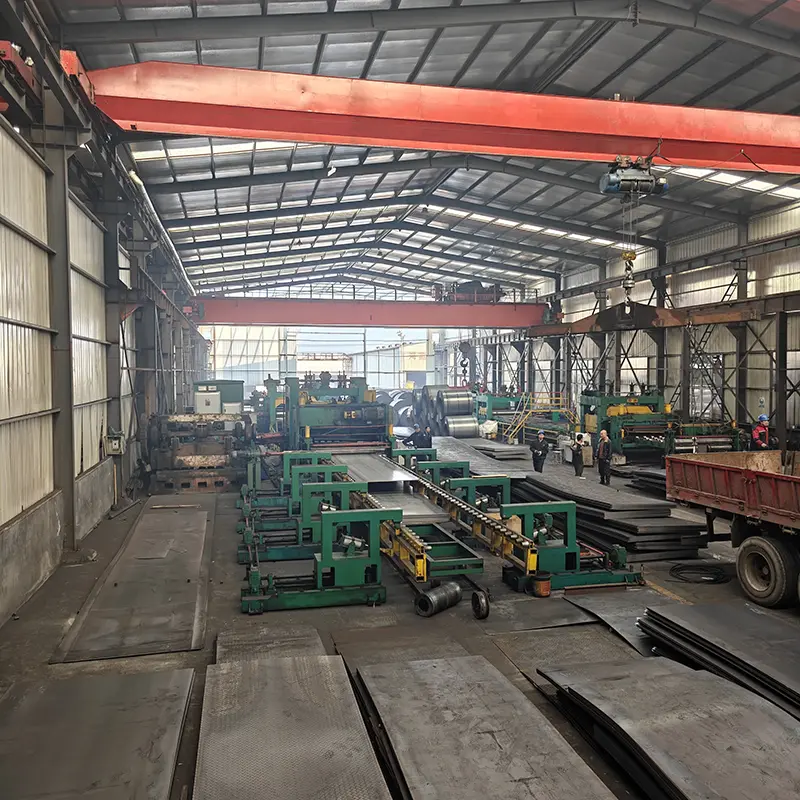
S355 Medium Heavy Plate
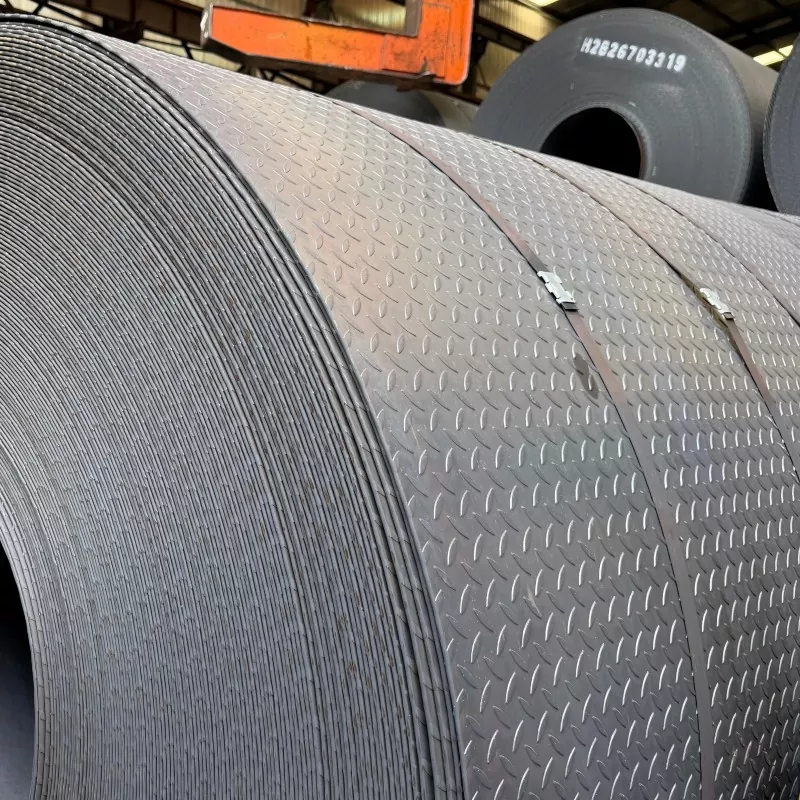
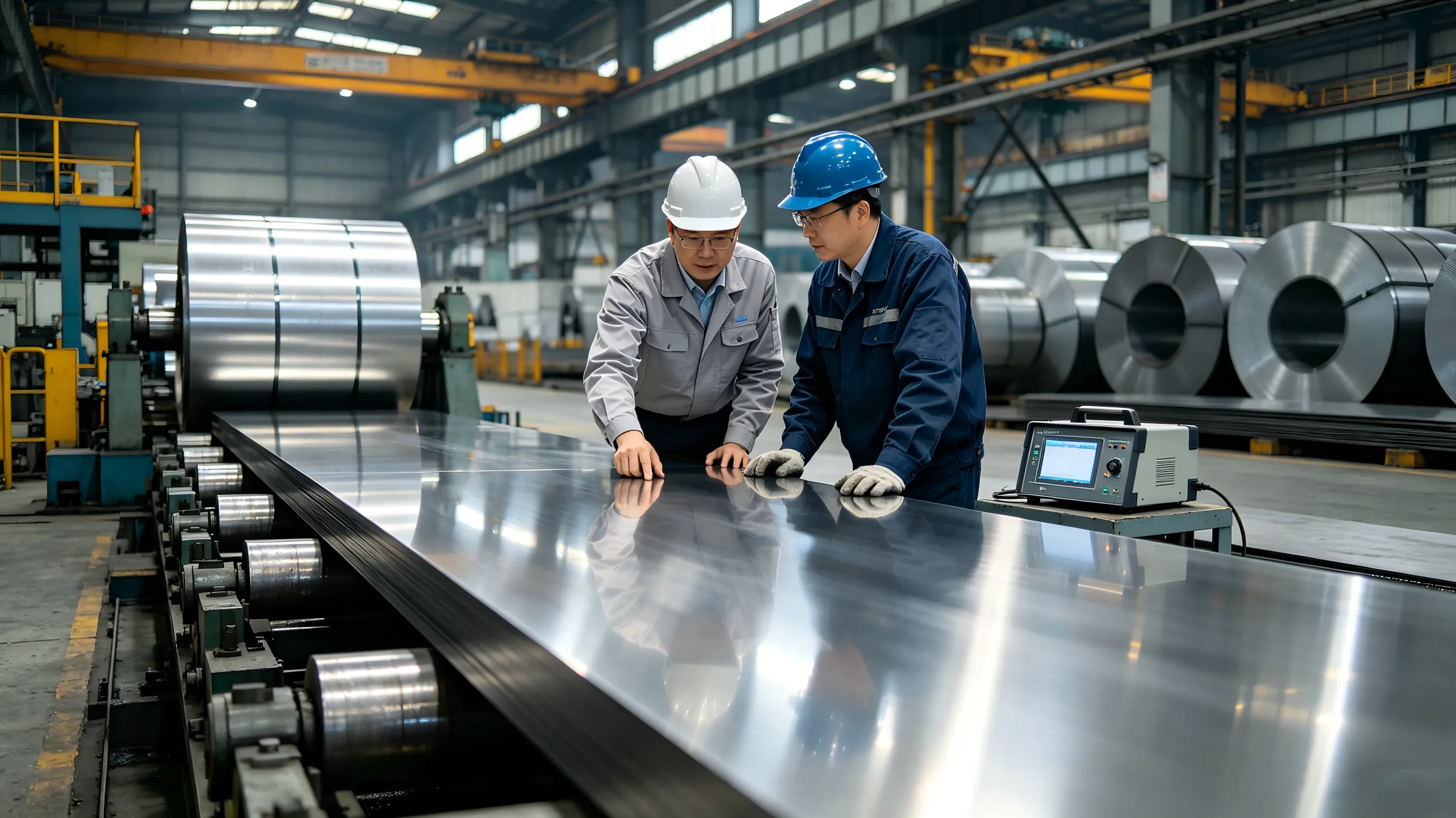
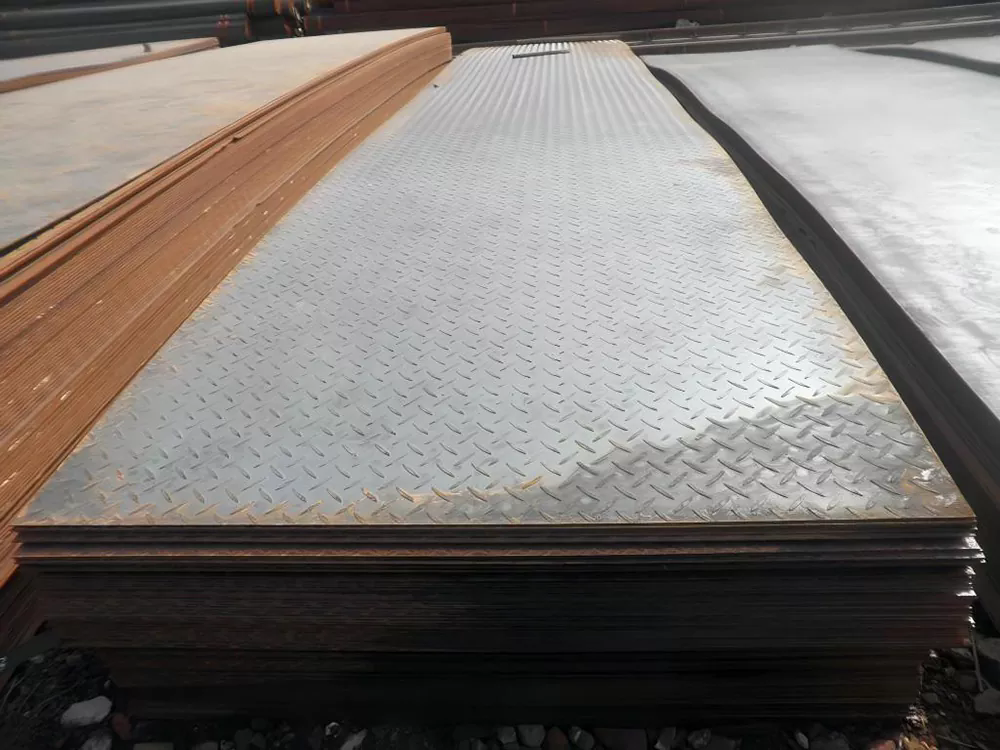
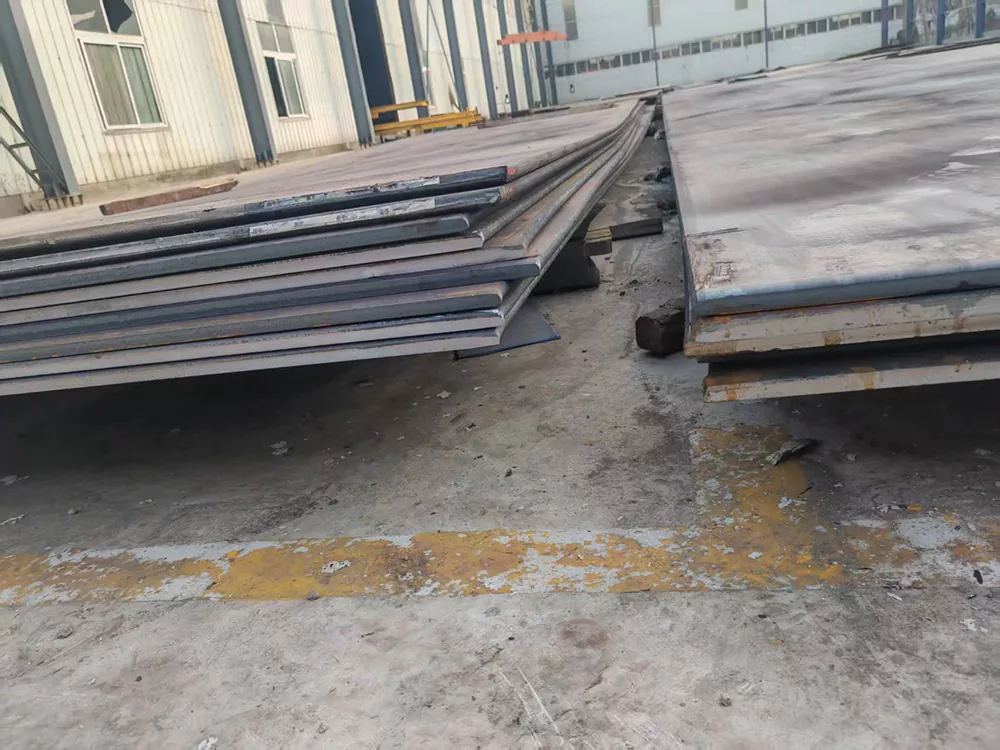
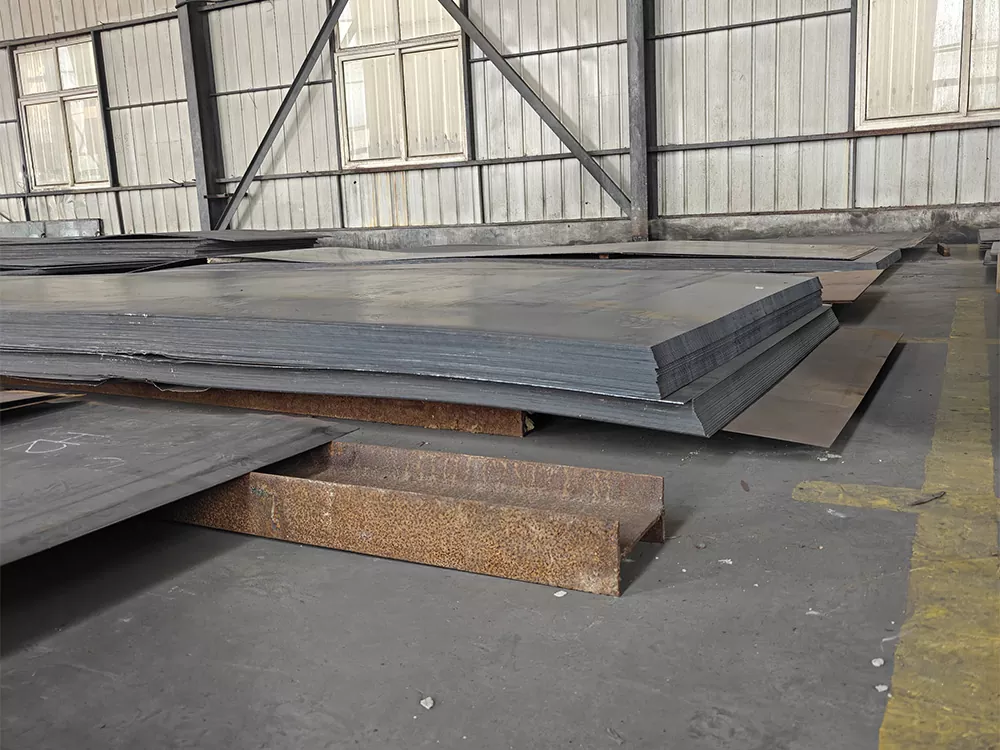
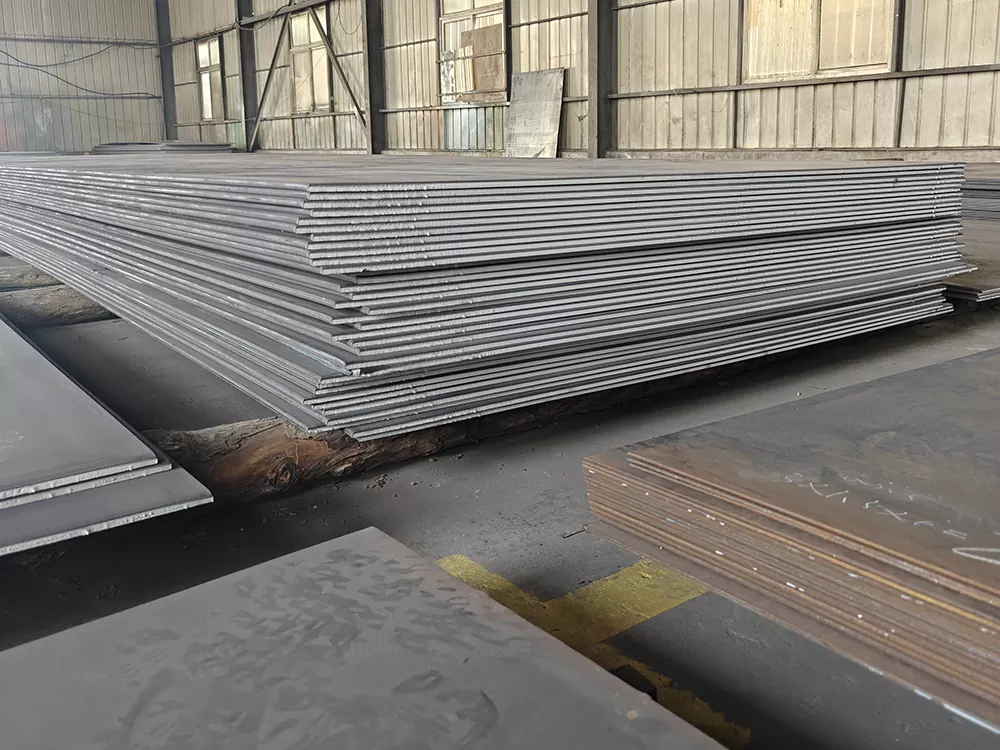
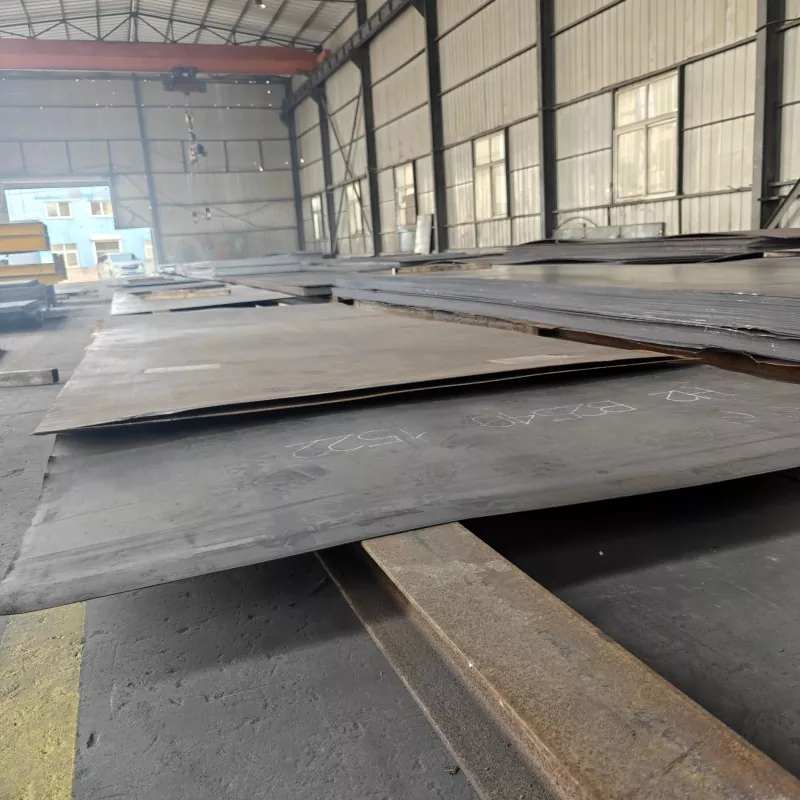
Sanhe Steel Plate is a professional and reliable manufacturer of S355 Medium Heavy Plate, specializing in EN 10025-compliant low-alloy high-strength hot-rolled structural steel plates. These products adhere to the Eurocode Ⅲ design system—the global standard for steel structures—and serve as versatile high-strength sheets widely used in steel structures, construction machinery, offshore engineering, and wind power applications worldwide.
Sanhe Steel specializes in the production and supply of steel plates of various models and materials, capable of meeting the demands of diverse stringent engineering conditions. Compared to conventional Q235/S275 grades, S355 Medium Heavy Plate exhibit a yield strength increase of over 50%, with a weight reduction of 20%–30% in cross-sectional area under equivalent load-bearing capacity; compared to Q355 (China National Standard), they demonstrate stricter requirements for dimensional tolerances, low-temperature impact resistance, and welding stability, making them suitable for global construction projects, bridges, wind power installations, offshore engineering, and other applications.
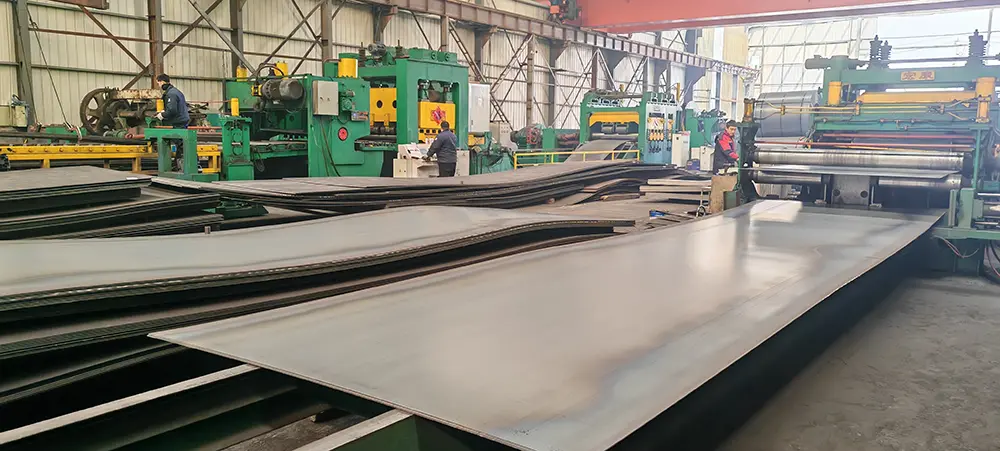
High-Performance
S355 Medium Heavy Plate features high standardization: widely adopted by global steel mills and requires no material certification conversion for exports to projects in the EU, Southeast Asia, and Middle East; outstanding fatigue resistance: resistant to cracking under alternating loads, ideal for crane, wind power, and vehicle dynamic components; excellent weldability: carbon equivalent ≤0.42 allows preheating-free welding of plates up to 60 mm thick; thick plates require only low-temperature preheating at 100–150°C, compatible with gas shielded welding, submerged arc welding, and manual welding, with weld strength matching that of the base metal; high strength with lightweight properties: yielding strength of 355 MPa enables significant thickness reduction when replacing S275, lowering self-weight and transportation/welding costs; comprehensive temperature-toughness range: multiple grades cover temperatures from ambient to-50°C, eliminating winter low-temperature brittleness risks.
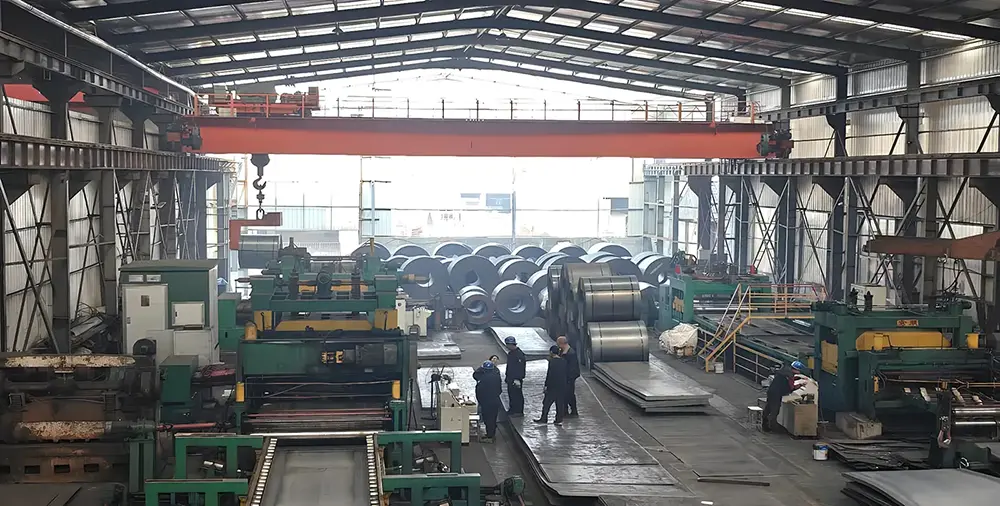
Product specifications
|
Item |
specifications |
|
Steel Grade |
S355JR/S355J0/S355J2/S355K2/S355N/S355M/S355NL/S355ML |
|
standard |
EN10025-2:2004、EN10025-3:2004、EN10025-4:2004、 |
|
thickness |
From 6 mm to 200 mm; custom sizes up to 250 mm available. |
|
width |
1500 mm – 3200 mm; customizable up to 4500 mm |
|
length |
3000 mm – 14000 mm; custom sizes available from 1000 to 18000 mm |
|
term of delivery |
Hot-rolled state, normalized, low-temperature impact, UT flaw detection, Z-direction properties |
|
surface |
EN10163-2 Class A: shot blasting, acid cleaning, and pre-coating with rust-proof paint |
|
process |
CNC flame/plasma cutting, bending, rounding, welding, machining, hot bending, anti-corrosion treatment |
|
check up |
External dimensions, tensile properties, V-shaped impact test at 20°C, hardness measurement using UT ultrasonic testing. |
|
certificate |
EN10204 3.1/CE Certification/CPR Building Compliance Certificate |
Chemical composition
|
element |
Content |
Function Description |
|
C carbon |
≤0.22% |
Low carbon ensures weldability and reduces the risk of cold cracking. |
|
Mn manganese |
≤1.60% |
Main alloying elements that enhance strength and low-temperature toughness |
|
Si silicon |
≤0.55% |
Deoxylation, improving the density of steel |
|
P phosphorus |
≤0.035% |
Harmful impurities must be strictly controlled to prevent cold brittleness. |
|
S sulphur |
≤0.035% |
Harmful impurities that reduce the tendency for thermal cracking |
|
Al aluminium |
≥0.015% |
Refine grain size to enhance impact energy |
Mechanical behavior
|
Property |
representative value |
|
yield strength |
- t≤16mm:≥355MPa / - 16 |
|
tensile strength |
470~630MPa |
|
prolongation |
≥21% |
|
hardness |
130~190HB |
|
impact ductility |
– S355JR: +20°C; – S355J0: 0°C; – S355J2: -20°C; – S355K2: -20°C, impact energy ≥ 40 J; – S355NL/S355ML: -50°C |
Note: The hydraulic mechanical properties of steel vary depending on the heat treatment condition.
Main features
High-strength, lightweight
S355 Medium Heavy Plate significantly reduces material thickness, lowering self-weight and transportation/welding costs.
High adaptability to both hot and cold processing conditions
Capable of bending, rounding, hot bending, CNC flame/plasma cutting, and machining.
High degree of standardization
This standard applies universally to steel mills worldwide; no material certification conversion is required for exports to the EU, Southeast Asia, or Middle East markets.
Excellent welding performance
With a carbon equivalent ≤0.42, no preheating required; only low-temperature preheating at 100–150°C is needed, suitable for gas shielded welding, submerged arc welding, and manual welding.
Exhibits outstanding fatigue resistance properties.
Resistant to cracking under alternating loads, ideal for crane components, wind turbine parts, and moving load-bearing components in vehicles.
The wide-temperature toughness system is complete.
Multiple temperature grades cover conditions from ambient temperature to-50°C, eliminating the risk of brittle fracture in low winter temperatures.
Typical Application
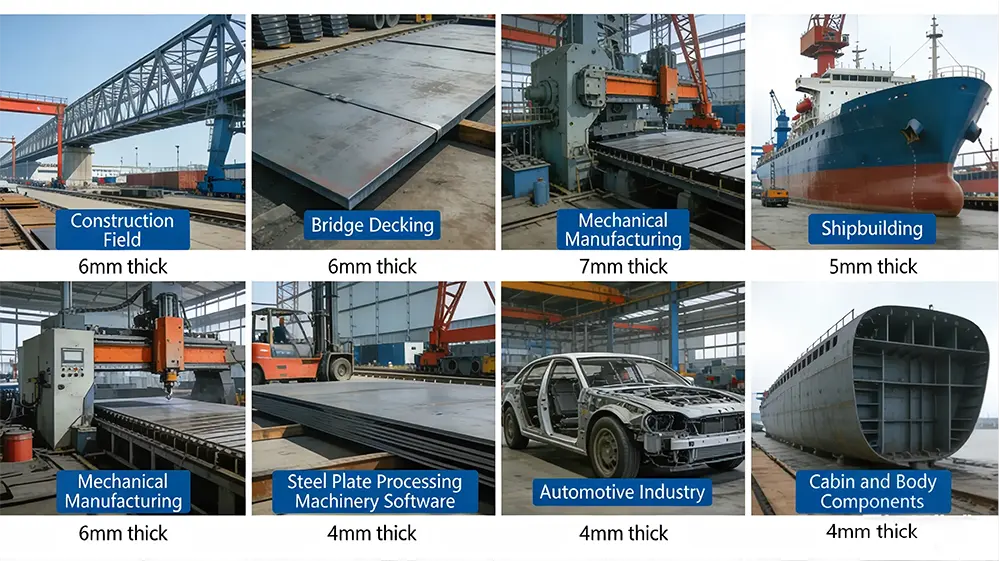
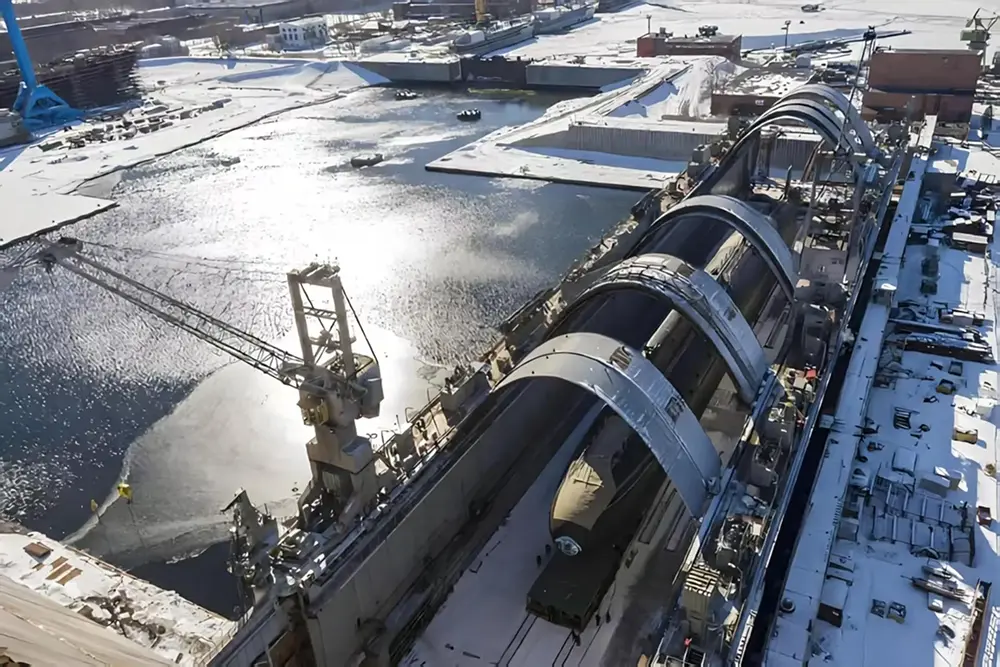
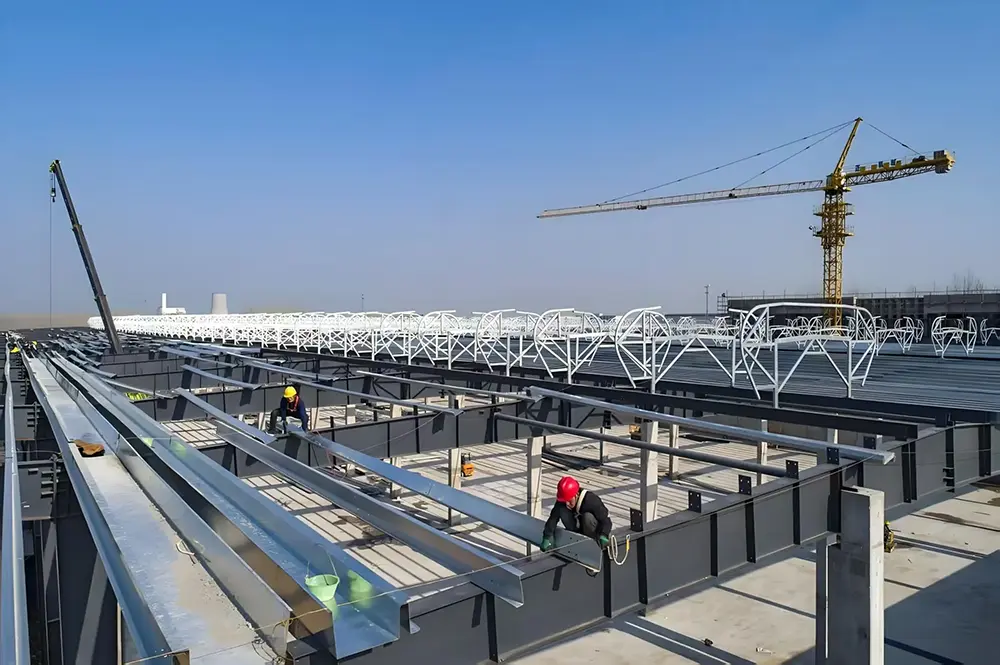
- Steel structural systems: load-bearing beams and columns for high-rise buildings; large-span sports stadiums; factory trusses; canopy supports; main structures of airport terminals;
- Bridge Engineering: Highway/railway box girders, bridge deck slabs, pier reinforcement plates, and guardrail load-bearing components;
- Engineering machinery: excavator chassis, crane boom, forklift frame, mining equipment base, shield machine housing;
- Wind energy: wind turbine tower flanges, turbine bases, and main load-bearing plates for photovoltaic mounts;
- Ships and Marine Engineering: inland vessel decks, offshore platform decks, and ancillary structures for offshore platforms;
- Pressure vessels/tanks: ambient temperature and pressure storage tanks, construction machinery oil tanks, and non-standard equipment casings;
- Vehicle manufacturing: heavy-duty truck beams, trailer frames, and engineering vehicle chassis;
- Complete sets of export equipment: European-standard machinery, overseas steel structure workshops, and port lifting equipment.
How to Select the Right S355 Medium Heavy Plate?
1. Select model based on ambient temperature (key criterion)
- Indoor dry environment at ambient temperature (minimum temperature ≥ +5°C): Suitable for S355JR steel, offering the lowest cost and serving as the preferred choice for standard factory buildings and indoor equipment supports.
- For temperate regions outdoors, with winter temperatures dropping to approximately 0°C → use S355J0 steel for urban bridges and small outdoor steel structures;
- For outdoor and high-altitude structures in northern regions with winter temperatures ranging from-10°C to-20°C, use S355J2 (the most widely used low-temperature grade steel in the market).
- For severely cold regions, high plateaus, or areas experiencing winter temperatures consistently below-20°C: use S355K2/S355J2+N steel grades;
- Polar regions, offshore platforms, and LNG cryogenic support systems → S355NL (normalized)/S355ML (controlled rolled), with stable impact toughness at-50°C.
2. Select the model based on steel plate thickness
- – t ≤ 40 mm: Hot-rolled S355JR/J0/J2 steel in AR condition offers the best cost-performance ratio;
- For plates with thickness ranging from 40 mm <t ≤ 120 mm: the use of +N normalised or M controlled-rolled sheets is mandatory to compensate for the defects of coarse grain structure and reduced toughness in thick plates.
- -120 mm or thicker load-bearing plates: require additional UT ultrasonic testing and Z-direction performance specifications to prevent layered tearing.
3. Select the model according to the load conditions
- – No-load, low vibration: S355JR/J0;
- – Frequent dynamic and impact loads (cranes, mining machinery): S355J2 or higher;
- - -Long-term cyclic stress due to fatigue (wind turbine tower): TMCP process using S355M steel series.
Successful projects of customers
Cross-border highway bridge (using Medium Heavy Plates with a thickness of 40–80 mm, model S355J2)
Project Overview: The bridge features a high-speed cross-river box girder structure designed for winter conditions with minimum temperatures reaching-18°C. All main girders are constructed from S355J2 normalized medium-to-thick steel plates, totaling 12,000 tons in usage.
Project Benefits: Compared to S275 steel, it achieves a 27% overall weight reduction and a 30% reduction in welding duration; has demonstrated no brittle fracture or weld crack failures under low winter temperatures for eight consecutive years, and meets the structural safety requirements of EU EN1993.
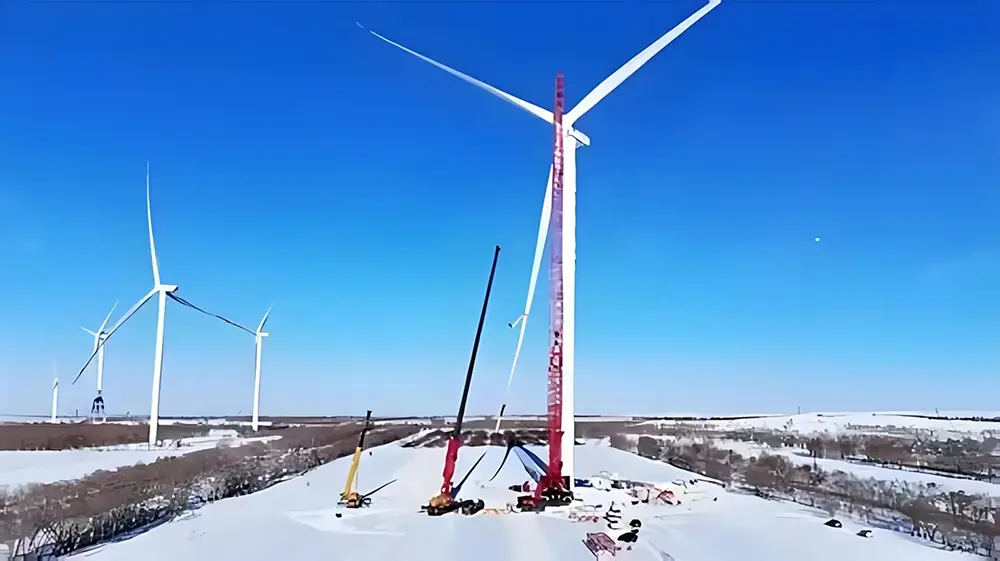
Onshore wind power tower cylinder (made of S355ML TMCP controlled-rolling steel plate, thickness ranging from 10 to 30 mm)
Chinas leading wind power enterprises use S355ML hot-rolled mechanical sheets for tower flanges and cylinder plates.
Advantages: The fine-grained structure provides fatigue resistance, enabling a 12% reduction in thickness while maintaining equivalent strength; eliminates the need for high-temperature normalizing, reduces material procurement costs by 15%, and is compatible with automated robotic welding production lines for batch delivery to overseas wind power projects.
Heavy-duty excavator boom (model S355K2, designed for use with medium-to-thick plates ranging from 25 to 60 mm in thickness)
Major construction machinery manufacturers export excavators to Europe, where the boom and bucket rod load-bearing structures are fabricated from S355K2 steel plates capable of withstanding alternating excavation impact loads. The materials exhibited no cracking under 50,000 hours of fatigue testing, demonstrated stable toughness in low-temperature mining environments, and comply with the EU CE material standards for construction machinery.
Industrial factory steel structure (using S355JR steel plates with thicknesses ranging from 8 to 30 mm, conventional medium-thickness plates)
A large-scale manufacturing facility in Southeast Asia, featuring an indoor environment at room temperature; all beams and columns are constructed from S355JR hot-rolled steel plates.
Advantages: Low procurement costs, simple cutting and welding processes, ample local steel supply, and significantly shortened project delivery timelines.
Why choose Sanhe S355 Medium Heavy Plate ?
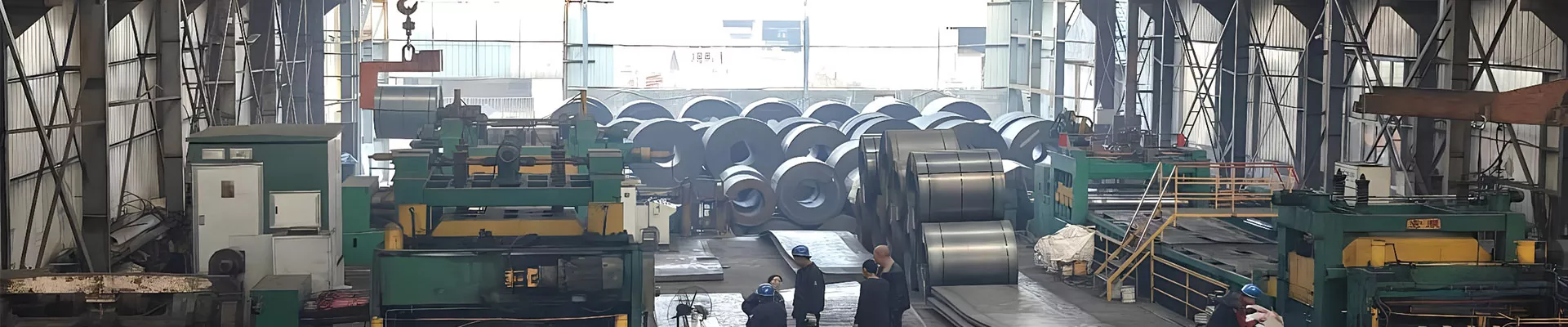
Sanhe Steel boasts extensive experience in alloy steel production and supply, enabling it to deliver mature steel solutions tailored for global clients. Its core advantages are as follows:
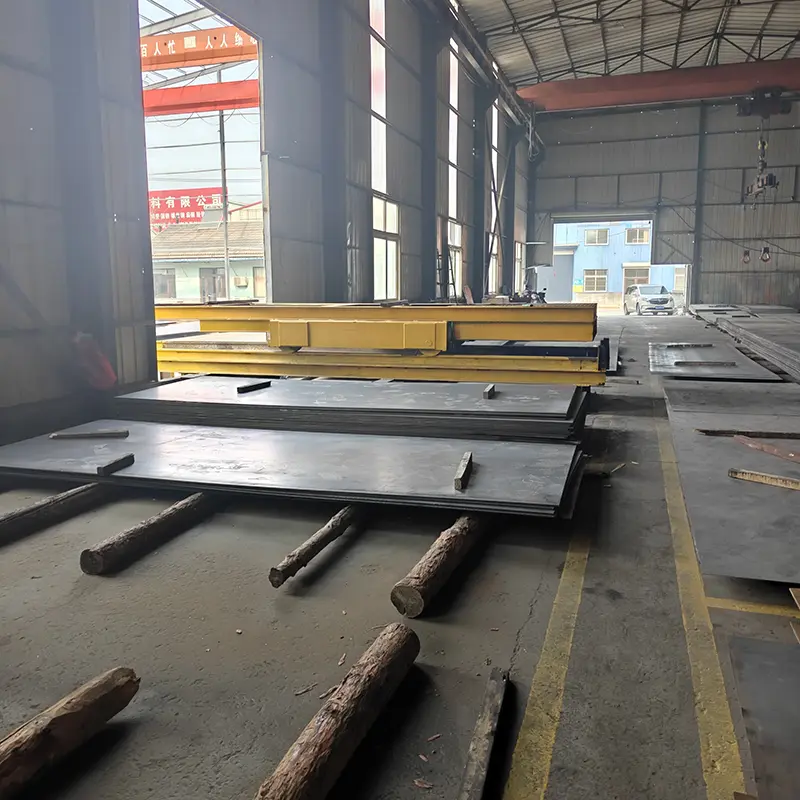
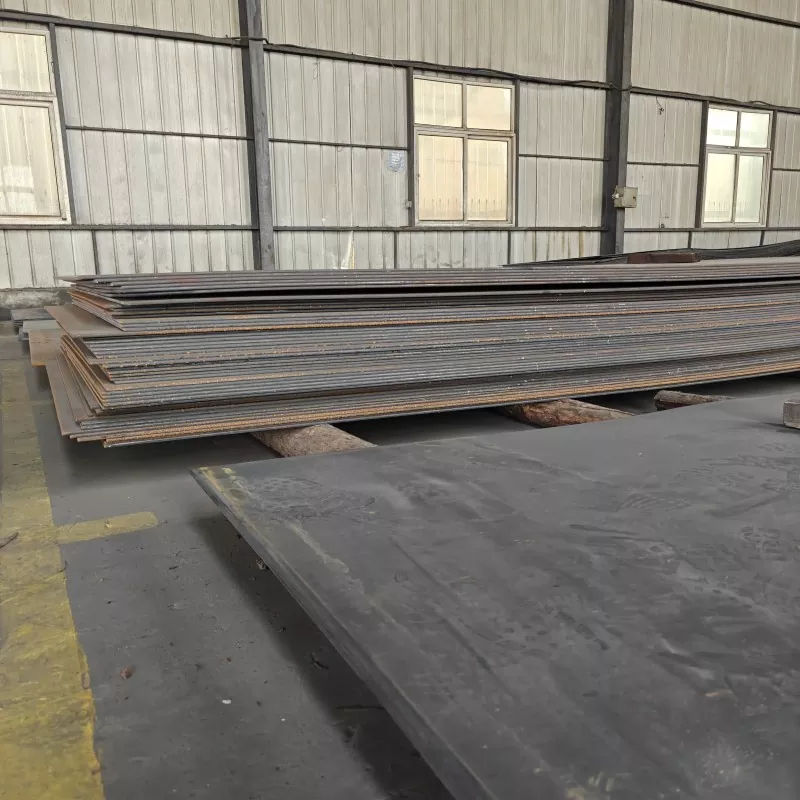
- Maintain adequate inventory of alloy steel plates;
- Can supply steel of equivalent grade that complies with multiple national standards;
- Strict quality inspection is implemented throughout the entire process, ensuring full traceability for every batch of steel;
- Provide value-added services such as cutting and precision machining;
- Each batch of goods may be accompanied by an EN10204 3.1 steel plant material list;
- Short delivery cycle and flexible minimum purchase quantity;
- Our products are exported to over 60 countries, and we possess extensive experience in international trade supply.
- The sales and technical teams can promptly address various customer inquiries.
We consistently maintain stringent quality control over our products, provide reliable supporting services, and have established long-term, stable partnerships with industrial clients worldwide.
FAQ:
Q1: Can S355 Medium Heavy Plate and the national standard Q355 Medium Heavy Plate be used interchangeably?
A: Direct substitution is not permissible. Although the yield strengths of both materials are similar, S355 imposes stricter requirements regarding impact test temperature, sulfur and phosphorus impurity control, and dimensional tolerances; S355 must be used for export to the EU market, whereas Q355 may be selected as a substitute for domestic sales applications based on design specifications.
Q2: Can S355JR be used in outdoor environments with temperatures below zero degrees Celsius during winter in northern regions?
A: Not recommended. S355JR is only suitable for impact testing at 20°C; its impact performance significantly declines below 0°C, and it carries a risk of brittle fracture at low temperatures. When outdoor temperatures fall below 0°C, upgrading to S355J0/J2 is mandatory.
Q3: What potential risks exist when using 80 mm thick S355 steel plates in their hot-rolled AR state directly?
A: Thick plates in hot-rolled condition exhibit coarse grain structure and insufficient toughness, making them prone to layered cracking or low-temperature cracking after welding; plates exceeding 40 mm in thickness must be supplied with +N normalizing treatment or M controlled rolling treatment.
Q4: Is preheating required for S355 Medium Heavy Plate welding?
A: For plates with thickness ≤30 mm and ambient temperature>10°C, preheating is unnecessary; for thicknesses of 30–60 mm, preheat to 80–120°C; for plates thicker than 60 mm, preheat to 120–150°C to reduce the probability of cold cracking.
Q5: Can S355 steel plates be used outdoors without anti-corrosion treatment?
A: No, S355 is a conventional low-alloy carbon steel with no weather resistance; it will develop extensive rust within 3 to 6 months outdoors. For outdoor applications, heat-galvanized coating or epoxy zinc-rich paint must be used for corrosion protection. In long-term coastal environments subject to salt spray, the weather-resistant improved grade S355WP should be selected.
Q6: Which has better value for money, S355ML or S355NL?
A: For conventional bulk engineering applications, S355ML (tempered and controlled-rolling) is preferred due to its lower cost and superior processability; for high-safety projects such as nuclear power plants and offshore platforms, S355NL normalized steel plates are selected for enhanced performance stability and greater reliability.
Q7: Can S355 medium-thick plates be bent or rolled into round shapes?
A: Yes, with a post-bending elongation of ≥21%, the material exhibits sufficient plasticity and can undergo conventional bending or tube forming at room temperature; for plates thicker than 50 mm, hot bending is recommended to avoid internal microcracks caused by cold bending.
Send Inquiry
Contact Info
-
Address
No. 1188, Lanzhou West Road, Jiaozhou City, Shandong Province, China
-
Tel
-
Email
Welcome to our website! For inquiries about our products or pricelist, please leave your email to us and we will be in touch within 24 hours.
News Recommendations