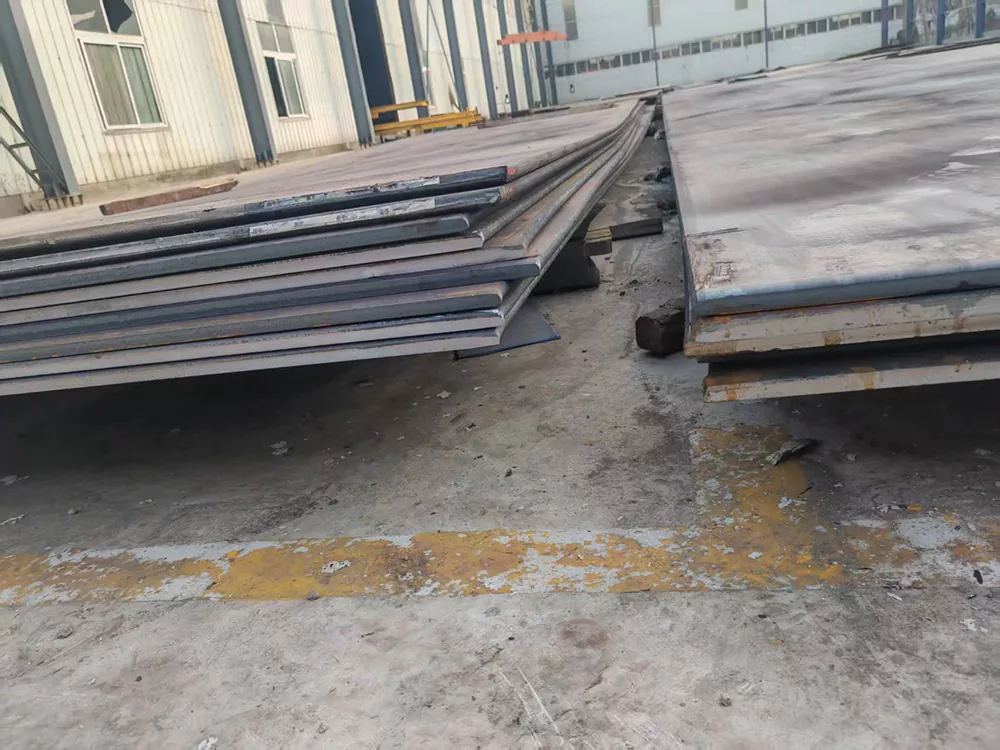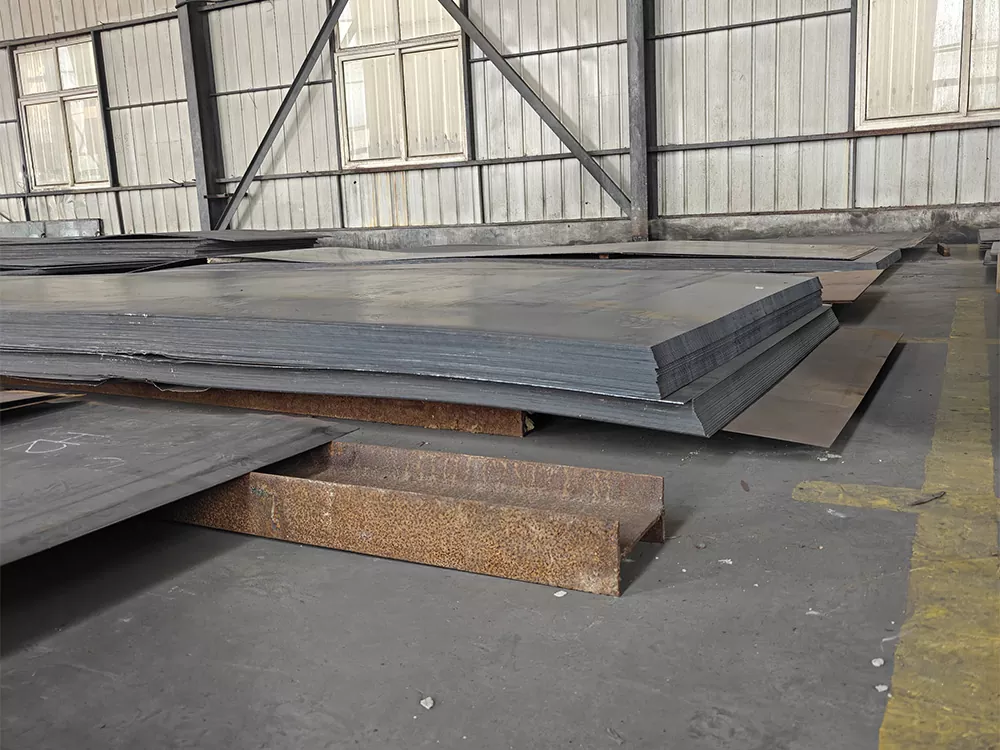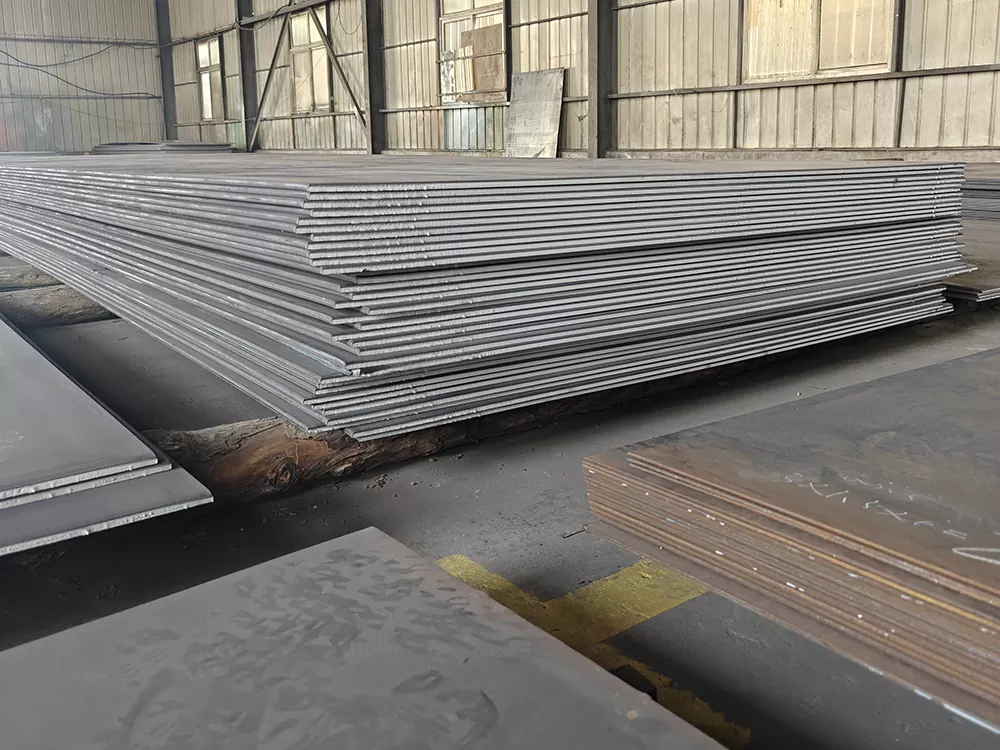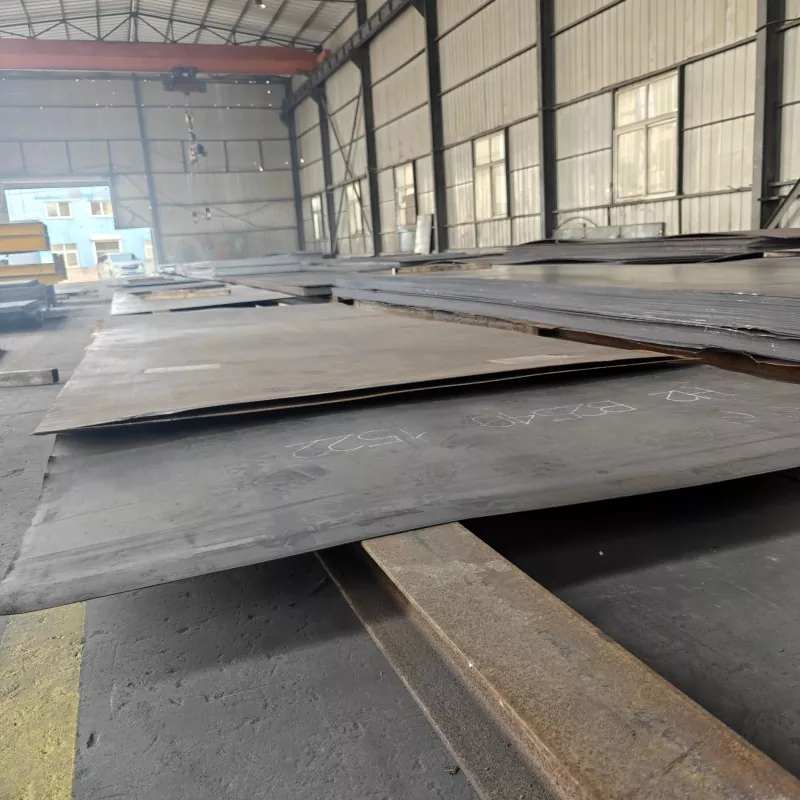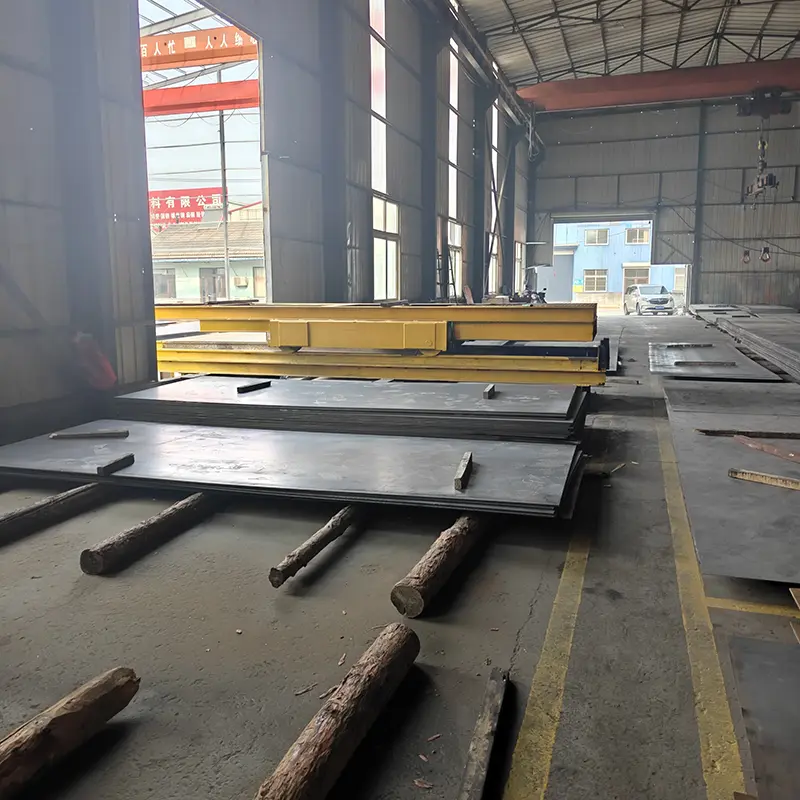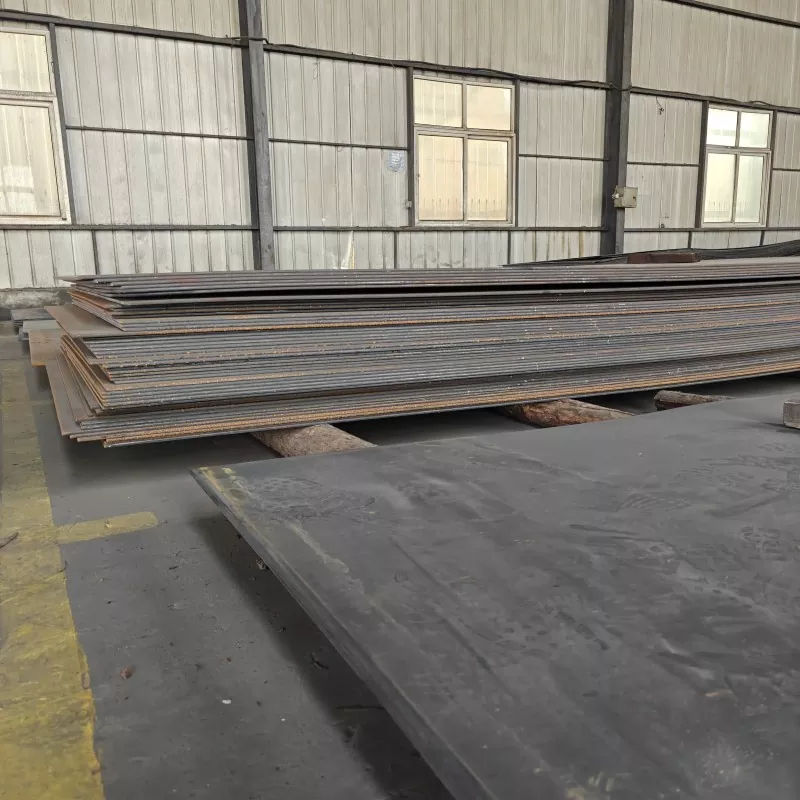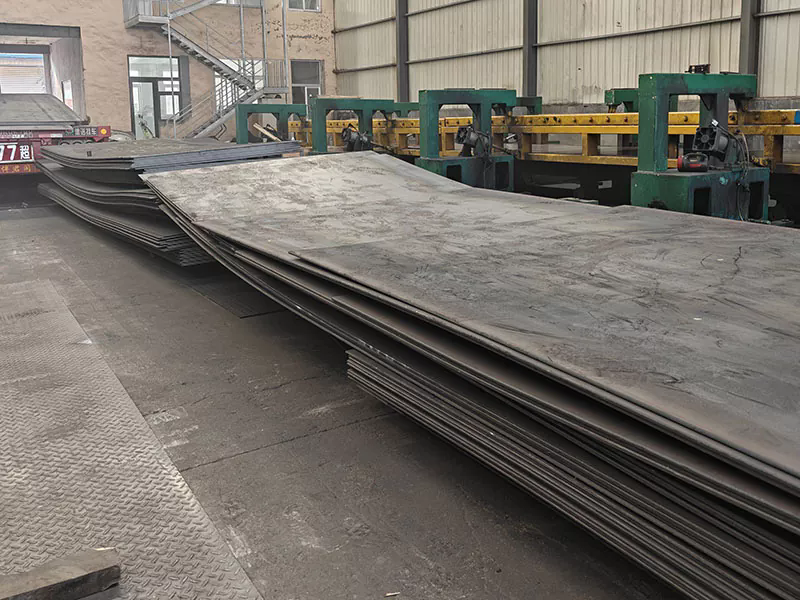
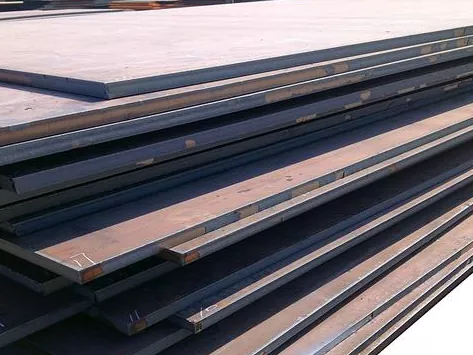
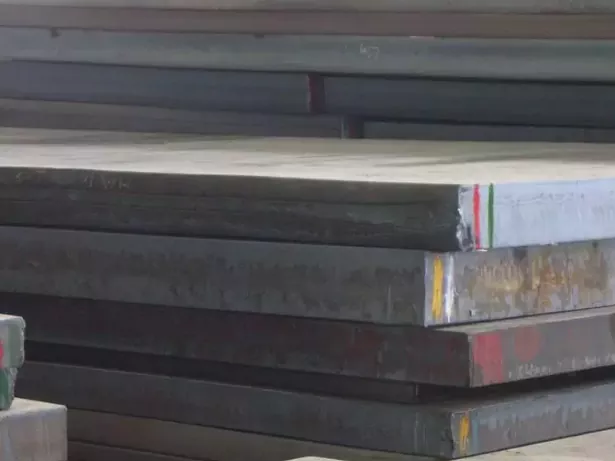
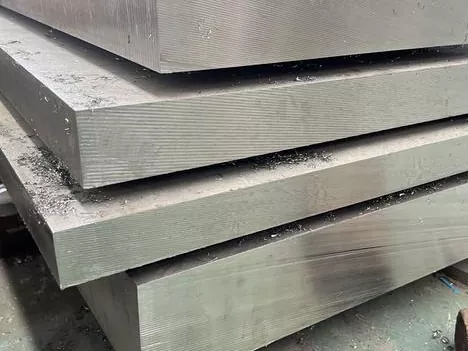
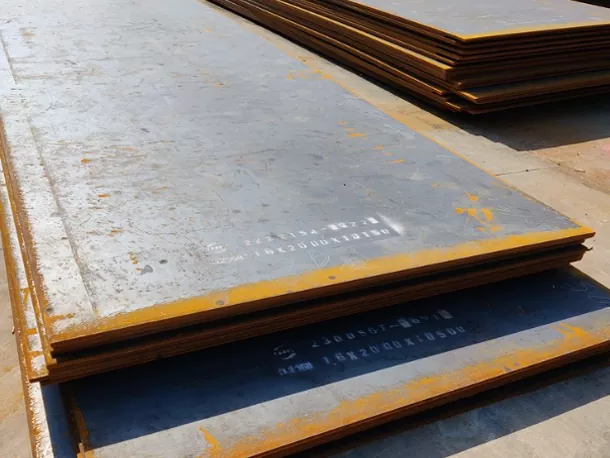
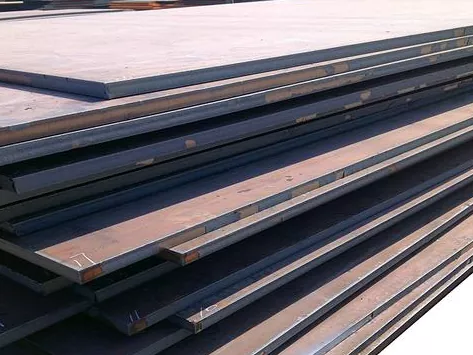
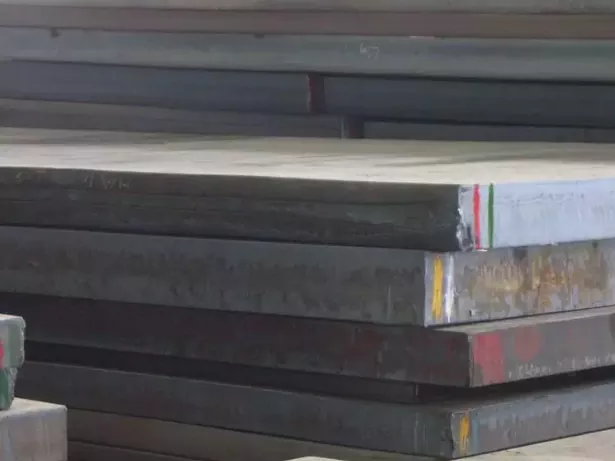
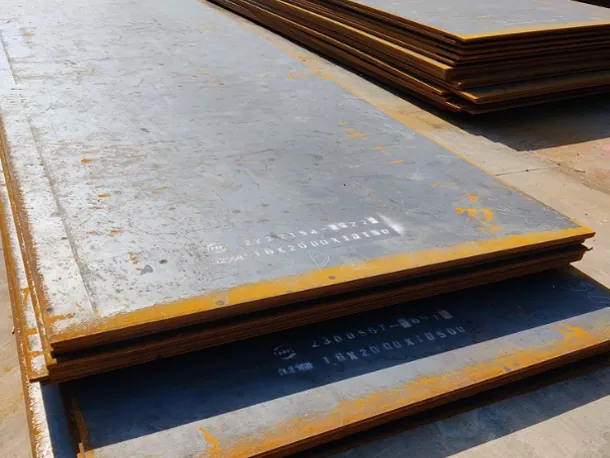
Q345 Medium Heavy Plate
Q345 Medium Heavy Plate from Sanhe Steel, a trusted China manufacturer established in 2008, delivers high-strength low-alloy structural steel with 345 MPa yield strength across A through E quality grades. Featuring excellent weldability, low-temperature toughness, and Z-direction performance options, our plates meet GB/T 1591-2008 standards and serve construction, bridge, and machinery sectors with ISO 9001 certified quality assurance.
As an established supplier and processing factory specializing in structural steel plate distribution and fabrication, Sanhe Steel provides comprehensive Q345 medium heavy plate solutions for engineering and construction projects worldwide. Formerly known as 16Mn steel, this low-alloy high-strength material delivers reliable structural performance under varying load and temperature conditions, manufactured in compliance with GB709 dimensional standards and GB/T 1591-2008 chemical and mechanical specifications. Backed by strategic partnerships with leading Chinese steel mills including Baowu and Hebei Steel, we supply all five quality grades from A through E with flexible custom cutting and processing services.
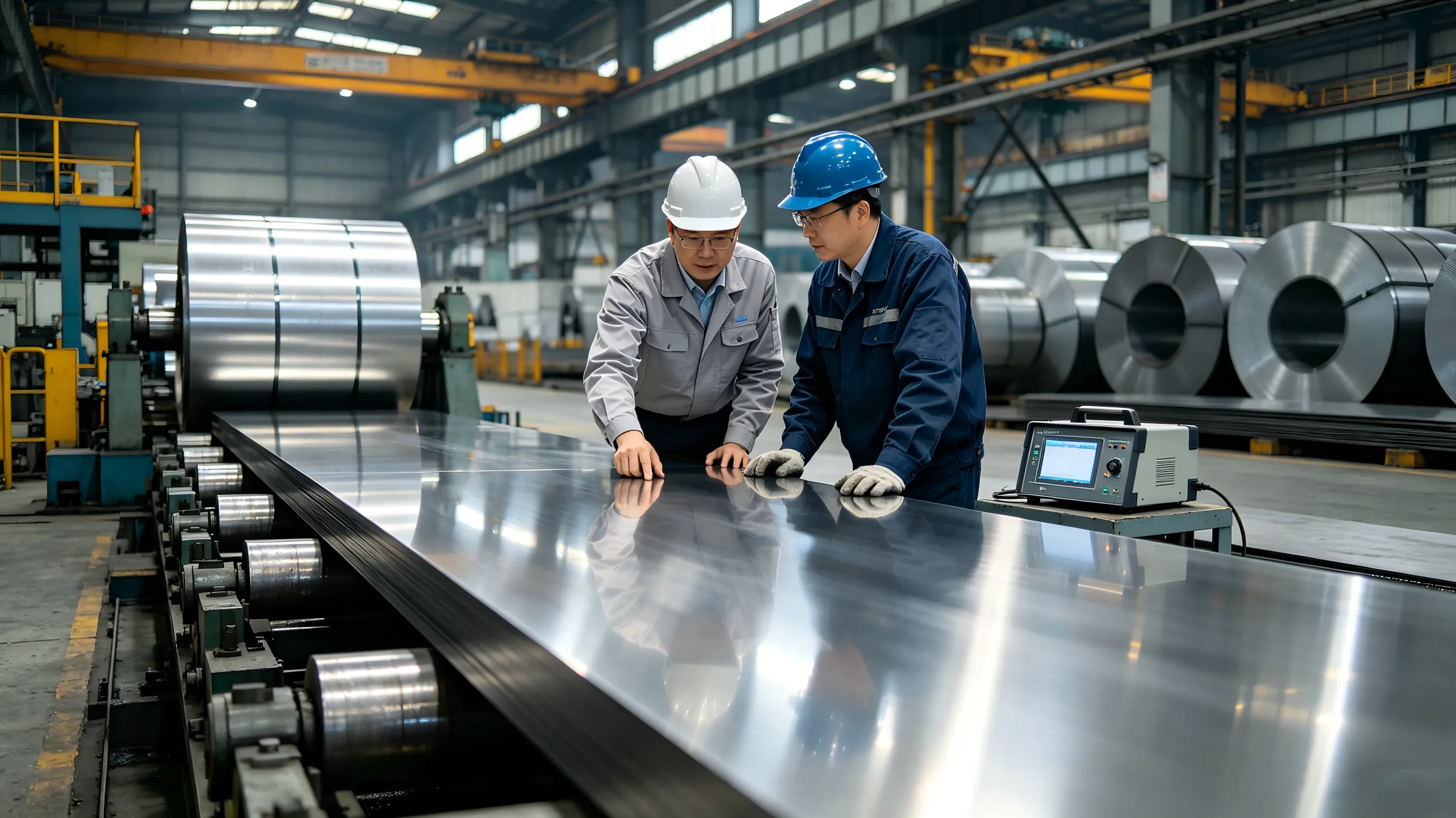
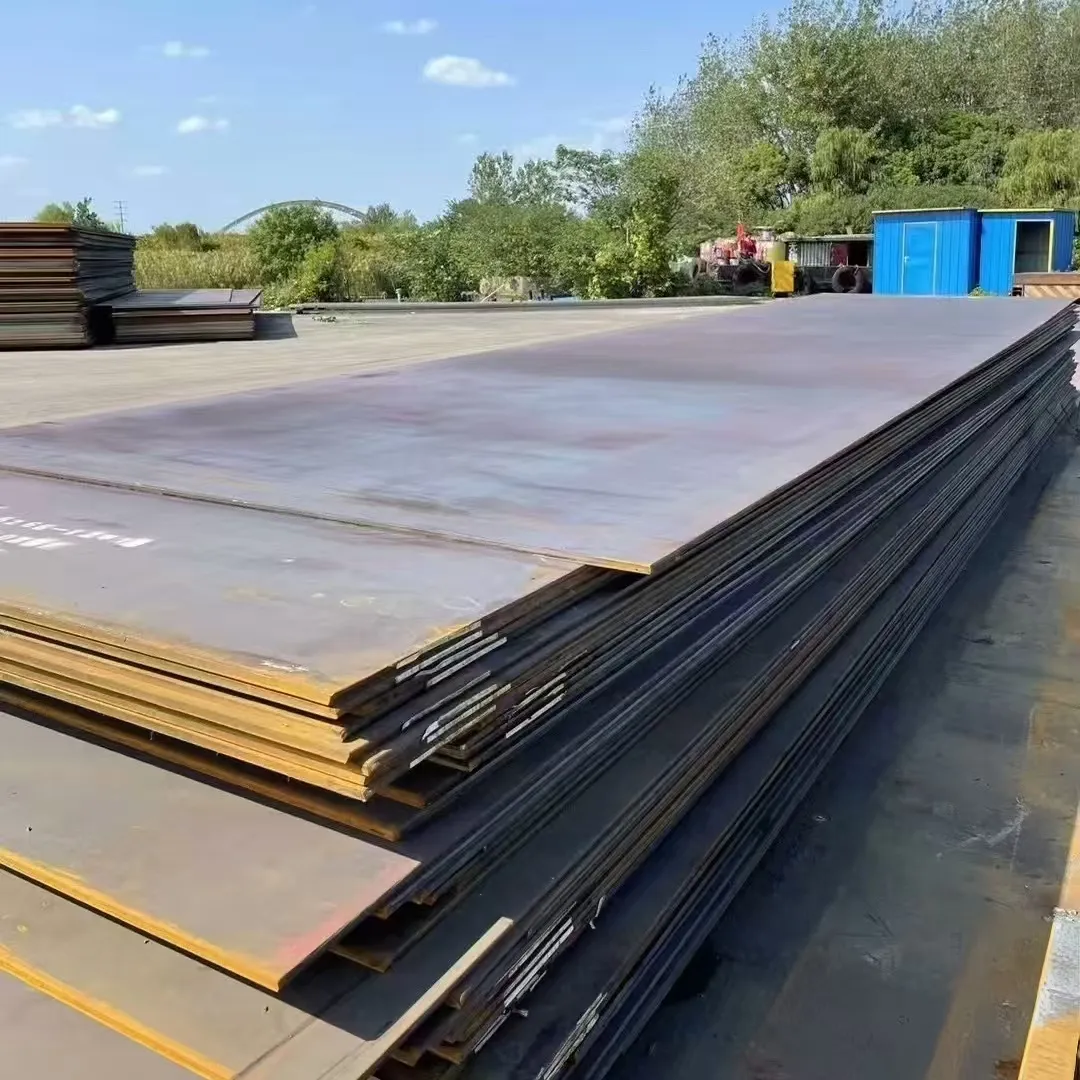
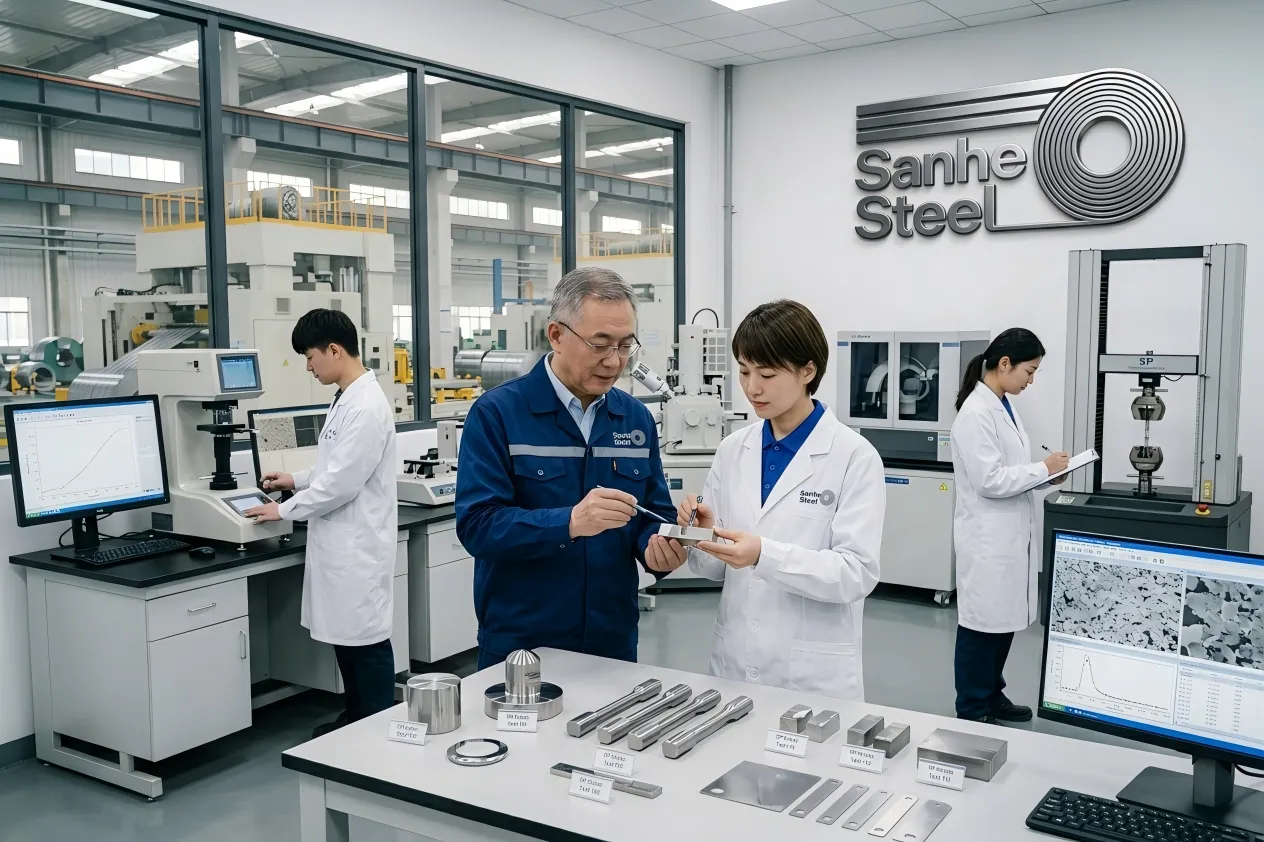
Available in hot-rolled or normalized delivery conditions with thickness ranges suitable for medium and heavy structural applications, Q345 steel offers an optimal balance of strength, ductility, and cost efficiency that makes it the most widely used low-alloy structural grade in Chinese engineering practice. Each plate undergoes dimensional verification and material inspection before shipment, with full mill test certificate documentation provided for complete traceability and quality compliance.
What is Q345 Medium Heavy Plate?
Q345 represents the most commonly specified low-alloy structural steel grade in China's construction and manufacturing sectors. The designation follows a standardized naming convention where "Q" stands for yield strength (Qu) and "345" indicates the minimum room-temperature yield point of 345 megapascals. Formerly classified as 16Mn steel, this material has become the foundational structural grade for countless engineering applications due to its well-balanced mechanical properties and cost-effective performance.
Dimensional production adheres to the GB709 external execution standard for steel plate dimensions, shape, weight, and tolerances, while material properties follow the GB/T 1591-2008 internal standard for high-strength low-alloy structural steels. The standard permits negative tolerance delivery, meaning plates may be supplied slightly under nominal thickness within specified tolerance limits. Procurement teams should confirm applicable tolerance ranges during the ordering process based on their specific project requirements.
Our Q345 Medium Heavy Plate is typically supplied in the as-hot-rolled condition, with normalized or annealed conditions available upon request for applications requiring more refined grain structure and improved impact properties.
Quality Grades
Q345 steel is produced in five distinct quality grades designated A through E, primarily differentiated by the temperature at which Charpy V-notch impact testing is performed. Higher grades offer progressively better low-temperature toughness and tighter control over impurity elements, making them suitable for increasingly demanding environmental conditions.
1. Q345A grade — No impact test requirement. This entry-level grade satisfies standard room-temperature structural applications where low-temperature performance is not a design consideration. It is the most economical option for general structural components operating in mild climate conditions.
2. Q345B grade — Impact tested at 20°C (room temperature). This is the most commonly specified grade for general structural use in moderate climates, providing verified toughness at normal ambient temperatures for building frameworks, machine bases, and standard industrial structures.
3. Q345C grade — Impact tested at 0°C. Suitable for foundation structures and outdoor applications exposed to occasional freezing temperatures. This grade includes minimum aluminum content requirements for grain refinement, ensuring reliable performance in moderately cold environments.
4. Q345D grade — Impact tested at -20°C. Engineered for light-load structural applications in cold climate regions, with reduced phosphorus and sulfur content and guaranteed aluminum grain refinement for improved fracture resistance at sub-zero temperatures.
5. Q345E grade — Impact tested at -40°C. The highest quality grade with the strictest phosphorus and sulfur limits, designed for severe cold climate structures and applications exposed to extreme low-temperature conditions where brittle fracture resistance is critical.
Impact energy values increase progressively from grade A through grade E, with each higher grade representing improved notch toughness at lower service temperatures. Selecting the appropriate grade ensures structural safety and longevity at the project's specific operating temperature range.
Mechanical Properties
The mechanical performance of Q345 steel varies significantly with plate thickness — thicker sections exhibit slightly lower yield strength due to reduced cooling rates during rolling. Understanding these thickness-dependent properties is essential for accurate structural design and material specification.
1. Yield strength — The minimum guaranteed value is 345 MPa at room temperature for thinner plate sections. This value decreases progressively as plate thickness increases, with thicker heavy plates exhibiting lower yield point values. Design engineers should reference grade-specific thickness-based yield strength tables when performing structural calculations.
2. Tensile strength — Typically falls within the range of 490–675 MPa for standard specifications, with some delivery conditions specifying a 470–630 MPa range. The ultimate tensile strength provides the failure threshold for structural loading calculations.
3. Elongation — Minimum elongation after fracture is guaranteed at 21% or higher, with typical production values exceeding 22%. This ductility ensures the material can undergo plastic deformation before failure, providing warning signs before catastrophic structural collapse.
4. Fabrication performance — Q345 steel demonstrates excellent weldability and formability characteristics. Most welding and forming operations can be performed without complex preheating or post-heat treatment procedures, simplifying fabrication processes and reducing production costs.
5. Design safety considerations — In mechanical and structural design practice, applied working stresses must remain below the 345 MPa yield threshold with appropriate safety factors applied, ensuring no plastic deformation occurs under service loads and maintaining adequate structural safety margins.
Chemical Composition
The chemical composition of Q345 steel is carefully controlled across each quality grade, with progressively tighter limits on harmful impurities such as phosphorus and sulfur in higher grades. Manganese serves as the primary strengthening alloy element, supplemented by micro-alloying additions of niobium, vanadium, and titanium for grain refinement and strength improvement.
|
Grade Q345 |
C(≤%) |
Mn(≤%) |
Si(≤%) |
P(≤%) |
S(≤%) |
Al(≥%) |
Common Components(≤%) |
|
Q345A/B |
0.20 |
1.70 |
0.50 |
0.035 |
0.035 |
- |
Nb≤0.07,V≤0.15,Ti≤0.20,Cr≤0.30,Ni≤0.012,Mo≤0.10 |
|
Q345C |
0.20 |
1.70 |
0.50 |
0.030 |
0.030 |
0.015 |
Nb≤0.07,V≤0.15,Ti≤0.20,Cr≤0.30,Ni≤0.012,Mo≤0.10 |
|
Q345D |
0.18 |
1.70 |
0.50 |
0.030 |
0.025 |
0.015 |
Nb≤0.07,V≤0.15,Ti≤0.20,Cr≤0.30,Ni≤0.012,Mo≤0.10 |
|
Q345E |
0.18 |
1.70 |
0.50 |
0.025 |
0.020 |
0.015 |
Nb≤0.07,V≤0.15,Ti≤0.20,Cr≤0.30,Ni≤0.012,Mo≤0.10 |
As shown in the composition table, moving from grade A/B through grade E demonstrates a clear pattern of tighter controls: carbon content reduces from 0.20% max to 0.18% max in grades D and E, phosphorus limits tighten progressively from 0.035% to 0.025%, and sulfur reduces from 0.035% down to 0.020% in grade E. Grades C, D, and E all require a minimum 0.015% aluminum content for grain refinement, which is not mandated for grades A and B.
Special Performance
Beyond standard structural properties, the plate can be supplied with enhanced performance characteristics to address specific engineering requirements. Two key special property variants are commonly specified for demanding applications.
1. Through-thickness (Z-direction) performance — Certain structural applications, particularly thick plate connections subject to tensile stresses in the thickness direction, require guaranteed lamellar tearing resistance. This is specified by appending a Z-direction performance grade suffix to the material designation, such as Q345B-Z15, Q345B-Z25, or Q345B-Z35, where the number represents the minimum percentage reduction of area in the through-thickness tensile test. Z-direction properties are critical for welded box columns, thick plate joints, and heavily loaded connections where through-thickness stresses could cause internal delamination.
2. Enhanced low-temperature impact toughness — The grade progression from A through E provides systematically improved low-temperature impact resistance, with grade E offering reliable toughness down to -40°C service temperatures. This makes higher-grade Q345 plates suitable for cold-region infrastructure, northern climate construction, refrigerated industrial facilities, and other environments where sub-zero operating temperatures could challenge standard structural steels.
These specialized performance options extend the application range of Q345 Medium Heavy Plate beyond standard structural use, enabling its deployment in more challenging engineering scenarios where conventional mild steel would be insufficient.
Material Comparison
When selecting structural steel, engineers often compare Q345 low-alloy steel against Q235 carbon structural steel. The addition of manganese, vanadium, and other micro-alloying elements gives Q345 distinct performance advantages that justify its selection for more demanding applications.
1. Superior mechanical performance — Q345 delivers significantly higher yield strength (345 MPa versus 235 MPa for Q235), enabling lighter structural designs with smaller cross-sections while maintaining equivalent load-bearing capacity. The improved low-temperature toughness of Q345 grades C through E further expands its usability in colder operating environments where Q235 would risk brittle fracture.
2. Broader application versatility — Q345's combination of strength and toughness makes it suitable for structural service down to -40°C, covering medium and low-pressure pressure vessels, heavy machinery fabrication, bridge construction, and cold-region building projects that exceed the capability range of standard Q235 carbon steel. The material effectively bridges the performance gap between ordinary carbon steel and higher-priced alloy steels.
For projects requiring basic structural support in mild climates, Q235 may offer sufficient performance at a lower material cost. However, for load-bearing structures, dynamic loading conditions, cold-environment applications, or designs where weight optimization matters, Q345 delivers superior value through enhanced engineering properties.
Applications
Thanks to its well-balanced combination of strength, ductility, weldability, and cost efficiency, the plate serves as a foundational structural material across multiple key industries and engineering disciplines.
1. Building and construction engineering — Used extensively for load-bearing structural components in commercial buildings, industrial facilities, and public infrastructure, including steel columns, beams, bracing elements, and foundation plates. The material ensures structural stability and long-term durability for both low-rise and high-rise construction projects.
2. Bridge construction — Serves as the primary structural material for highway and railway bridges, with specialized bridge steel grades including Q345qC, Q345qD, and Q345qE formulated for enhanced fatigue resistance and through-thickness properties required for bridge deck and girder applications.
3. Machinery manufacturing — Employed in the fabrication of various mechanical equipment frames, bases, and structural components, as well as medium and low-pressure pressure vessels and storage tanks. Its good machinability and weldability make it a workhorse material for general heavy equipment manufacturing.
4. Additional industrial sectors — Finds application in vehicle chassis structures, crane booms and frames, mining machinery components, power station structural steelwork, and other dynamically loaded mechanical parts. The higher low-temperature grades are particularly valuable for engineering projects in cold climate regions where material toughness at sub-zero temperatures is essential.
The widespread adoption of Q345 Medium Heavy Plate across these diverse sectors reflects its position as China's most versatile and cost-effective low-alloy structural steel solution for general engineering applications.
Supply Advantages
Sanhe Steel combines verified material quality, comprehensive processing capabilities, and responsive customer service to deliver reliable Q345 plate supply solutions tailored to each project's specific requirements.
1. Strict quality compliance — Every batch of material we supply conforms to GB/T 1591-2008 standards, with complete mill test certificates provided for full traceability. Our ISO 9001 certified quality management system ensures consistent material verification and inspection procedures from receiving through final dispatch.
2. Full grade and specification range — We maintain inventory across all five quality grades (A through E) in a comprehensive range of thicknesses and dimensions, enabling us to meet the individualized requirements of diverse industry sectors and project types without extended lead times.
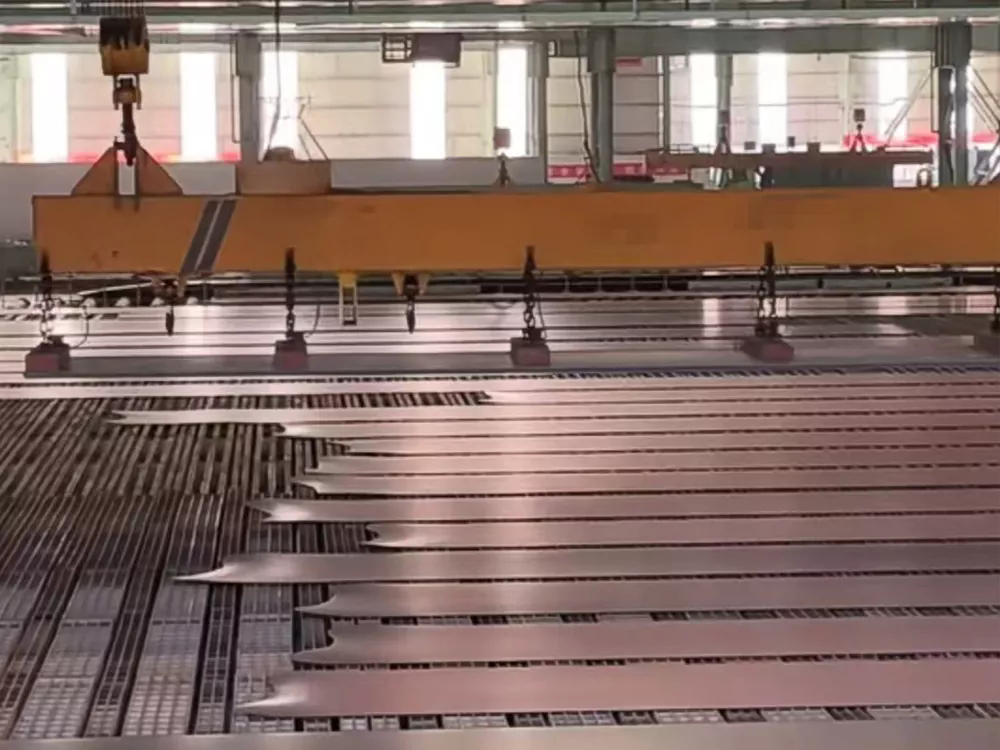
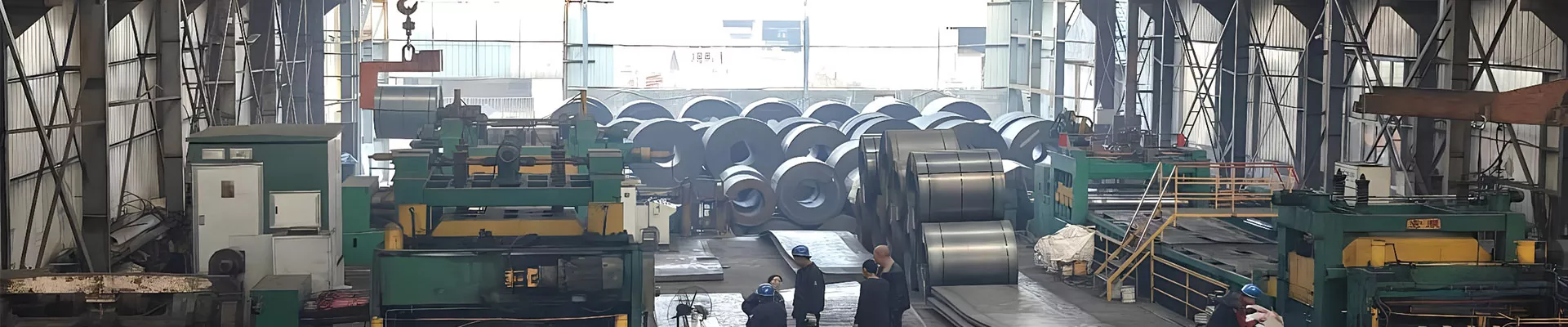
3. Value-added processing services — Our Qingdao factory is equipped with high-precision CNC shearing lines, longitudinal slitting equipment, and hydraulic leveling machines, enabling us to provide custom-cut plates, strip sections, and leveled sheets ready for direct fabrication use at customer facilities.
4. Established industry track record — Founded in 2008, we have built over 15 years of experience in steel plate distribution and processing, earning recognition as a premium regional steel trade service provider with a customer renewal rate exceeding 90% for our customized processing services.
5. Strategic mill partnerships — Long-term cooperative relationships with leading steel mills ensure stable supply availability, competitive pricing, and consistent material quality across the full range of grades and specifications we offer.
6. Three-tier service system — Our comprehensive service framework covers pre-sales material consultation and specification guidance, in-sales order tracking with dedicated account management, and responsive after-sales support to ensure smooth project execution from inquiry through delivery.
With efficient port logistics from our Qingdao base and optimized inventory management, we ensure rapid order fulfillment for both domestic Chinese projects and international export shipments, providing dependable material support for engineering projects of every scale.
FAQ
Q1: What does Q345 stand for in the steel grade designation?
A: "Q" represents yield strength and "345" indicates the minimum yield strength of 345 MPa at room temperature. It was formerly known as 16Mn steel and is the most widely used low-alloy structural grade in China.
Q2: What is the difference between Q345A, Q345B, Q345C, Q345D, and Q345E?
A: The main difference is the impact test temperature, ranging from no impact requirement for grade A down to -40°C for grade E. Higher grades also have tighter phosphorus and sulfur limits for improved low-temperature toughness.
Q3: What standards does Q345 medium heavy plate comply with?
A: Dimensional tolerances follow GB709 standard while material properties comply with GB/T 1591-2008 standard for high-strength low-alloy structural steels.
Q4: Can Q345 steel be welded without preheating?
A: Yes, Q345 generally has good weldability and most standard thicknesses can be welded without complex preheating procedures, though preheating may be recommended for very thick sections or low-temperature site conditions.
Q5: What is Z-direction performance and when is it needed?
A: Z-direction (through-thickness) performance guarantees lamellar tearing resistance in the plate thickness direction. It is specified for thick plate welded joints where through-thickness tensile stresses could cause internal delamination.
Q6: How does Q345 compare with Q235 carbon steel?
A: Q345 has significantly higher yield strength (345 MPa vs 235 MPa) and better low-temperature toughness due to alloying elements like manganese and vanadium, making it suitable for heavier loads and colder environments.
Q7: Do you offer custom cutting and processing services?
A: Yes, we provide precision CNC shearing, slitting, and leveling services to supply custom-sized plates ready for direct fabrication according to customer specifications.
Summary
Q345 medium heavy plate occupies a central position in China's structural steel landscape as the most widely specified low-alloy high-strength grade, offering an optimal balance of mechanical performance, fabrication ease, and cost efficiency that suits the majority of general engineering applications.
With five quality grades covering impact test temperatures from no requirement down to -40°C, optional Z-direction through-thickness performance, and well-documented chemical and mechanical properties defined by GB/T 1591-2008, the material provides engineers with a flexible specification framework that can be precisely matched to project-specific loading conditions and environmental requirements.
Sanhe Steel supports construction, bridge, machinery, and industrial projects with reliable supply of all Q345 grades backed by ISO 9001 quality management certification, precision CNC processing capabilities, and a three-tier customer service system that has earned us a customer retention rate above 90%. Whether your project requires standard hot-rolled plates, normalized delivery conditions, Z-direction performance grades, or custom-cut dimensions, our plate solutions deliver the consistent quality and dependable supply your engineering project demands.
We welcome inquiries from contractors, fabricators, engineering firms, and trading companies worldwide. Contact our technical sales team for detailed quotations, grade selection guidance, or sample evaluation — we are ready to support your structural steel procurement needs with expertise and reliability.
Hot Tags: Q345 Medium Heavy Plate, China, Manufacturer, Supplier, Factory
Related Category
Product Tag
- Q345 High Strength Low Alloy Steel Plate
- Q345 Medium Heavy Structural Steel Plate
- Q345 Hot Rolled Low Alloy Steel Plate
- Q345 High Yield Strength Structural Steel Plate
- Q345 Heavy Thickness Steel Plate For Engineering
- Q345 Weldable High Strength Steel Plate
- Q345 Low Temperature Resistant Steel Plate
- Q345 Structural Steel Plate With Excellent Toughness
- Q345 Heavy Duty Structural Steel Plate
- Q345 Steel Plate For Heavy Fabrication Projects
Send Inquiry
Contact Info
-
Address
No. 1188, Lanzhou West Road, Jiaozhou City, Shandong Province, China
-
Tel
-
Email
Welcome to our website! For inquiries about our products or pricelist, please leave your email to us and we will be in touch within 24 hours.