China Q345 Weldable High Strength Steel Plate Manufacturer, Supplier, Factory
As an established steel supplier and processing factory with over 16 years of industry experience, Sanhe Steel delivers high-quality Q345 weldable high strength steel plate designed to address the core needs of fabrication-focused enterprises. This low-alloy structural material balances high load-bearing capacity with welding-friendly chemical composition, reducing fabrication complexity and production costs for downstream manufacturing and engineering projects. Through long-term strategic partnerships with leading steel mills such as Baowu and HBIS, we maintain consistent inventory across multiple quality grades and provide full-range custom processing services to match precise project requirements.
Available in hot-rolled delivery condition with optional normalized treatment, the material adheres to GB/T 1591-2008 chemical and mechanical specifications and GB709 dimensional tolerance standards. Each batch undergoes multi-stage quality inspection in our CNAS-accredited laboratory before shipment, with full traceability documentation provided to ensure complete compliance for domestic and international projects.
Welding Performance Advantages
This steel grade stands out in structural material selections for its optimized alloy design that prioritizes welding convenience without sacrificing mechanical strength. For fabrication workshops and engineering contractors, these welding-focused characteristics directly translate to faster production cycles, lower labor input, and more consistent final assembly quality.
1. Low preheating demand: For standard plate thicknesses used in most structural and machinery applications, conventional welding operations can be completed without mandatory preheating procedures, simplifying on-site and workshop fabrication workflows.
2. Stable weld seam quality: Controlled carbon equivalent and reduced harmful impurity levels minimize the risk of hot cracking and porosity in weld zones, ensuring consistent joint strength that matches the base material's structural performance.
3. Broad welding process compatibility: The material adapts to all mainstream welding technologies including manual arc welding, submerged arc welding, gas shielded welding, and flux-cored welding, requiring no specialized equipment adjustments for standard operations.
4. Minimal post-weld treatment: For general structural applications, the heat-affected zone retains sufficient toughness and strength after welding, eliminating the need for routine post-weld heat treatment and shortening overall production lead times.
Q345 Weldable High Strength Steel Plate effectively reduces total fabrication cost by cutting down preprocessing and post-processing steps, making it a cost-effective choice for batch fabrication projects.
Core Mechanical Specifications
Beyond its welding-friendly properties, the material delivers robust and predictable structural performance that conforms to national standard requirements, providing clear design parameters for engineering teams to conduct accurate structural calculations and safety verification.
1. Yield strength performance: The material features a nominal minimum yield strength of 345 MPa for thin and medium thickness sections, providing reliable load-bearing support for beams, columns, and load-bearing frame structures.
2. Ultimate tensile strength: Tensile strength values typically range from 490 MPa to 675 MPa, establishing a sufficient safety buffer between normal working loads and ultimate failure limits for structural design.
3. Ductility and toughness: With a guaranteed minimum elongation of 21% after fracture, the material exhibits good plastic deformation capacity, absorbing impact energy and providing visible deformation warning before catastrophic structural failure.
4. Thickness adaptation: Mechanical properties adjust moderately with increasing plate thickness due to rolling process characteristics, with grade-specific parameter tables available for precise engineering design reference.
Grade Selection Guide
The material is available in five quality grades differentiated by impact test temperature and impurity control levels, allowing buyers to select the most cost-effective grade based on project operating environment and design requirements. Higher grades offer improved low-temperature toughness and stricter compositional controls for more demanding applications.
1. Grade A: No required impact test, suitable for indoor structural components and mild-climate applications where low-temperature toughness is not a design consideration.
2. Grade B: Impact tested at 20°C room temperature, the most commonly specified grade for standard building structures and general machinery frames in moderate climate regions.
3. Grade C: Impact tested at 0°C with minimum aluminum content for grain refinement, appropriate for outdoor structures exposed to seasonal freezing temperatures.
4. Grade D: Impact tested at -20°C with tightened phosphorus and sulfur limits, designed for cold-area construction and low-temperature industrial facility structures.
5. Grade E: Impact tested at -40°C with the strictest impurity controls, intended for severe cold-climate infrastructure and dynamically loaded structures operating in frigid conditions.
The table below outlines the detailed chemical composition limits for each quality grade, reflecting the progressive tightening of impurity controls from Grade A through Grade E:
|
Grade |
C(≤%) |
Mn(≤%) |
Si(≤%) |
P(≤%) |
S(≤%) |
Al(≥%) |
Alloy Additions(≤%) |
|
A / B |
0.20 |
1.70 |
0.50 |
0.035 |
0.035 |
- |
Nb≤0.07,V≤0.15,Ti≤0.20,Cr≤0.30,Ni≤0.012,Mo≤0.10 |
|
C |
0.20 |
1.70 |
0.50 |
0.030 |
0.030 |
0.015 |
Nb≤0.07,V≤0.15,Ti≤0.20,Cr≤0.30,Ni≤0.012,Mo≤0.10 |
|
D |
0.18 |
1.70 |
0.50 |
0.030 |
0.025 |
0.015 |
Nb≤0.07,V≤0.15,Ti≤0.20,Cr≤0.30,Ni≤0.012,Mo≤0.10 |
|
E |
0.18 |
1.70 |
0.50 |
0.025 |
0.020 |
0.015 |
Nb≤0.07,V≤0.15,Ti≤0.20,Cr≤0.30,Ni≤0.012,Mo≤0.10 |
Q345 Weldable High Strength Steel Plate covers all five grade options to suit diverse project temperature and performance requirements, with technical support available for grade selection guidance.
In-House Processing Services
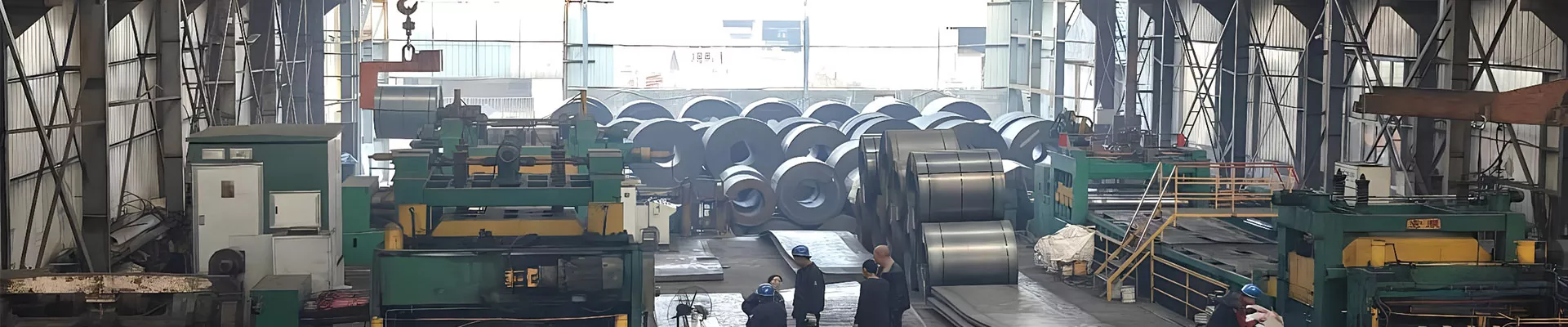
Sanhe Steel operates an 80,000-square-meter modern processing facility equipped with full CNC production lines, enabling us to deliver ready-to-use plate components that eliminate secondary processing work at customer sites and reduce overall material waste.
1. Precision custom cutting: Our CNC hydraulic shearing machines provide accurate cut-to-size service for both standard and non-standard dimensions, with tolerance control ensuring proper fit-up during welding assembly.
2. Flatness leveling: High-precision CNC leveling lines correct plate flatness to within 2mm per meter, removing coil set and edge wave to produce flat, uniform plates ideal for precision welding fabrication.
3. Slitting to custom widths: Automatic longitudinal slitting lines produce narrow steel strips with clean, burr-free edges, suitable for welded section fabrication and component manufacturing.
4. Special shape processing: For custom fabrication projects, we support shaped cutting according to customer drawings, delivering near-net-shape parts that reduce on-site cutting workload.
With an annual processing capacity exceeding 100,000 tons, we can fulfill both small-batch customization and large-volume engineering orders with consistent quality and reliable delivery. Our processed Q345 Weldable High Strength Steel Plate can go directly into welding production lines upon delivery, shortening your project turnaround time.
Industry Application Scenarios
The combination of excellent weldability and reliable structural strength makes this material a versatile solution across a wide range of industrial and engineering sectors, serving as a foundational material for welded structural assemblies.
1. Construction & infrastructure: Widely used for welded steel structure workshops, high-rise building frames, bridge girders, and tunnel support systems, where extensive welding work and long-term structural reliability are both essential.
2. Heavy machinery fabrication: Applied in manufacturing equipment frames, crane structures, mining machinery bodies, and medium-pressure vessel shells, where welded joints must withstand sustained static and dynamic loads.
3. Automotive & transportation: Utilized for vehicle chassis frames, structural reinforcements, and trailer components, benefiting from high strength-to-weight ratio and consistent weld quality for mass production.
4. Energy & port engineering: Deployed in power transmission towers, port terminal structures, pipeline supports, and shipbuilding auxiliary components, where outdoor durability and weld integrity are critical for long service life.
Q345 Weldable High Strength Steel Plate has been widely adopted in these sectors for its balanced performance and fabrication efficiency, supporting stable project delivery for clients worldwide.
Quality Assurance System
Sanhe Steel implements a full-process quality management system to ensure every batch of material meets specified standards and project requirements, backed by authoritative certifications and professional inspection capabilities.
1. System certification endorsement: Our production and quality control processes comply with ISO 9001:2015 quality management system, ISO 14001 environmental management, and ISO 45001 occupational health and safety standards, with international IQNET mutual recognition.
2. CNAS-accredited testing: Our in-house central laboratory holds CNAS national accreditation, conducting dimensional verification, mechanical property testing, and surface quality inspection for each shipment before dispatch.
3. Full traceability documentation: Every order is supplied with a complete Mill Test Certificate (MTC), and EN 10204 Type 3.1 or 3.2 inspection documents are available upon request for international project compliance needs.
4. Third-party inspection support: We accept third-party inspection arrangements by authoritative institutions including SGS and Bureau Veritas, providing independent quality verification for large-scale and international projects.
Each shipment of Q345 Weldable High Strength Steel Plate undergoes multi-stage inspection to ensure full compliance with ordered specifications and standards, giving buyers complete confidence in material quality.
FAQ
Q1: What welding processes work with this type of high-strength low-alloy steel?
A: This material is compatible with all conventional welding methods including shielded metal arc welding, submerged arc welding, gas metal arc welding, and flux-cored arc welding. For standard plate thicknesses, no special preheating is required under normal ambient temperatures, though preheating may be recommended for very thick sections or low-temperature working conditions to prevent weld cracking.
Q2: Do different quality grades affect welding performance?
A: Yes, higher quality grades (C, D, E) have stricter controls over carbon, sulfur, and phosphorus content, which improves weldability and reduces the risk of cracking in the heat-affected zone. Grades D and E with lower carbon equivalent values offer better welding performance, especially for thick-plate fabrication and low-temperature construction sites.
Q3: Can you supply plates ready for direct welding assembly?
A: Yes, we provide precision cut-to-size, leveling, and slitting services through our CNC processing equipment. Plates are produced to your exact dimensional requirements with controlled flatness, allowing them to go directly into welding production upon delivery, which saves secondary processing time and reduces material waste.
Q4: What compliance documents come with each order?
A: Every shipment includes a full Mill Test Certificate detailing chemical composition and mechanical properties. We can also provide EN 10204 3.1 or 3.2 inspection documents upon request. Our structural steel products hold CE certification under EU CPR regulations, and our management systems are certified to ISO 9001, ISO 14001, and ISO 45001 standards.
Q5: Is post-weld heat treatment necessary after fabrication?
A: For most general structural applications and standard plate thicknesses, post-weld heat treatment is not required. For very thick plates, highly restrained joint designs, or specific high-demand applications, post-weld stress relief may be recommended based on professional engineering design specifications.
Q6: What is the typical delivery lead time for processed orders?
A: For standard stock items, we can arrange shipment within 7 to 15 days after order confirmation. For custom cutting and processing orders, lead times typically range from 15 to 35 days depending on order quantity and processing complexity. We also offer expedited production options for urgent project requirements.
Q7: Can this material be used for pressure vessel fabrication?
A: Appropriate grades of this material can be used for medium and low-pressure pressure vessel applications when selected and processed in accordance with relevant pressure vessel design codes and standards. For pressure vessel-specific projects, we recommend consulting our technical team to confirm grade suitability and proper delivery conditions.
Summary
As a welding-optimized structural material, this high-strength low-alloy steel delivers an ideal balance of fabrication convenience, structural reliability, and cost efficiency, making it a preferred choice for fabrication-heavy engineering and manufacturing projects.
With five quality grades covering different temperature resistance requirements, flexible custom processing options, and comprehensive quality assurance support, the material can be precisely adapted to diverse application scenarios from building construction to heavy machinery manufacturing.
Sanhe Steel, with over 16 years of industry experience, CNAS-accredited testing capabilities, and a full set of CNC processing equipment, is committed to supplying high-quality structural steel products with reliable delivery and professional technical support. Our customer renewal rate for customized processing services exceeds 90%, reflecting the trust our clients place in our product quality and service standards. Whether you require standard stock plates or custom-processed components for welding fabrication, we can provide tailored supply solutions to match your specific project needs.
We welcome inquiries from contractors, fabricators, engineering firms, and trading partners worldwide. Reach out to our technical sales team for detailed quotations, grade selection guidance, or sample evaluation — we are ready to support your structural steel procurement requirements with professional expertise and dependable service.
Related Products
Hot Products

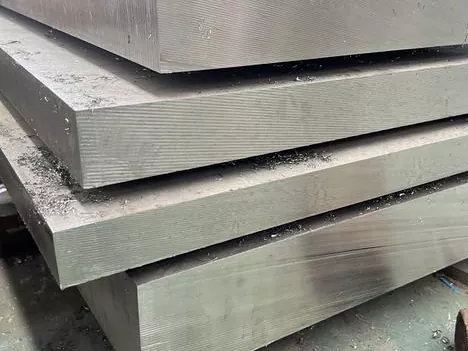
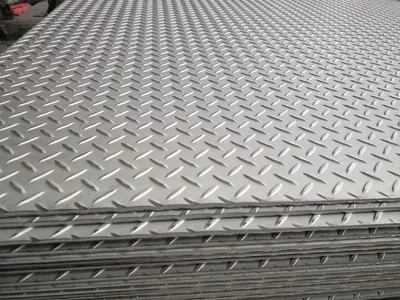
Wear Resistant Hot Rolled Heavy Steel Plate Structural
Wear resistant hot rolled heavy steel plate structural from Sanhe Steel is developed for equipment and structures exposed to repeated abrasion, impact and heavy mechanical loads. Made from wear-resistant steel and processed through hot rolling, the plate offers a practical combination of hardness, strength and toughness, helping extend the service life of components that would otherwise require frequent replacement. It can be supplied in different wear-resistant grades and thicknesses according to the working conditions and fabrication requirements.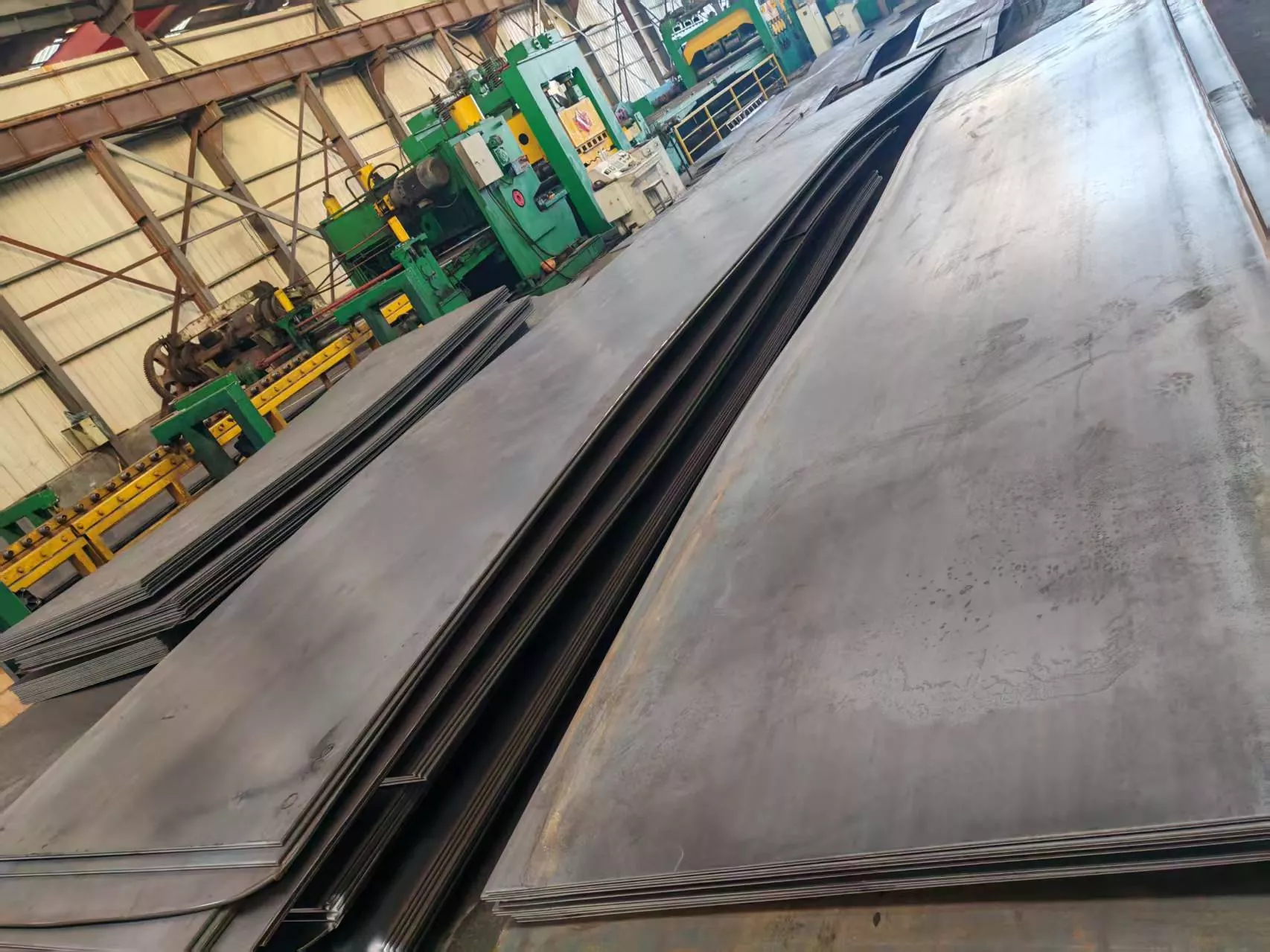
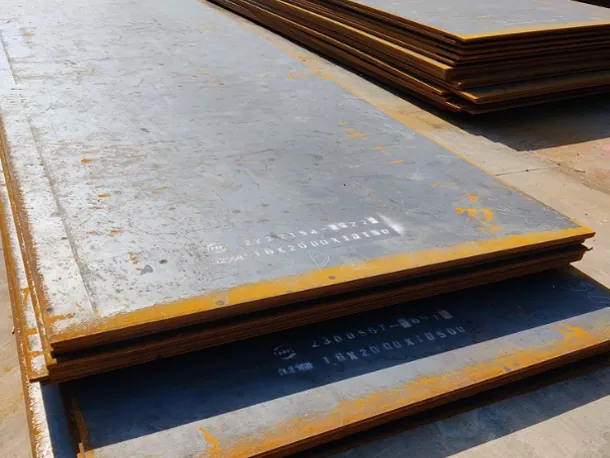
Q345 Steel Plate
Sanhe Steel is a professional manufacturer and supplier of Steel Plates. As a leading entity in the industry, we focus on operating various types of steel products such as Q345 steel plates, strictly controlling product quality and performance, and covering all grades and specifications.
Galvanized Steel Profiles
Sanhe Steel is a professional manufacturer and supplier of Galvanized Steel Profiles in China. Galvanized pipes are welded steel pipes made from hot-rolled or cold-rolled steel strips or steel pipes, which are treated with galvanization to form a zinc protective layer. Their main functions are to prevent rust, resist corrosion, and extend service life. They are widely used in water supply and drainage, gas, fire protection, structures, wiring, and other engineering projects.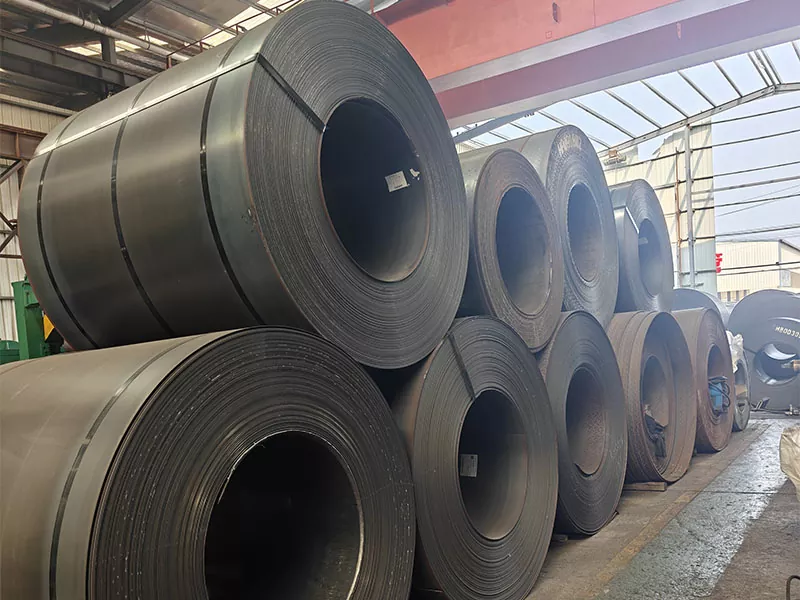
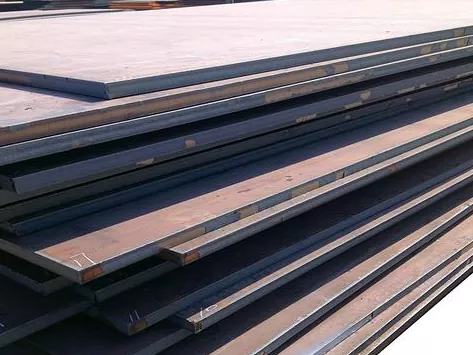
Q235 Hot Rolled Steel Plate
Q235 Hot Rolled Steel Plate from Sanhe Steel, a trusted China manufacturer with over 17 years of industry experience since 2008, delivers exceptional structural performance and unbeatable cost-efficiency for global B2B buyers. Featuring yield strength of 235MPa and excellent weldability, this carbon structural steel plate supports thickness ranges from 1.2mm to 200mm with full ISO 9001 and IATF 16949 certified quality control. Backed by strategic partnerships with Baowu and Hebei Steel, we ensure stable supply, fast 7-15 day delivery, and one-stop processing services including cutting, bending, and drilling to meet your diverse engineering and manufacturing needs.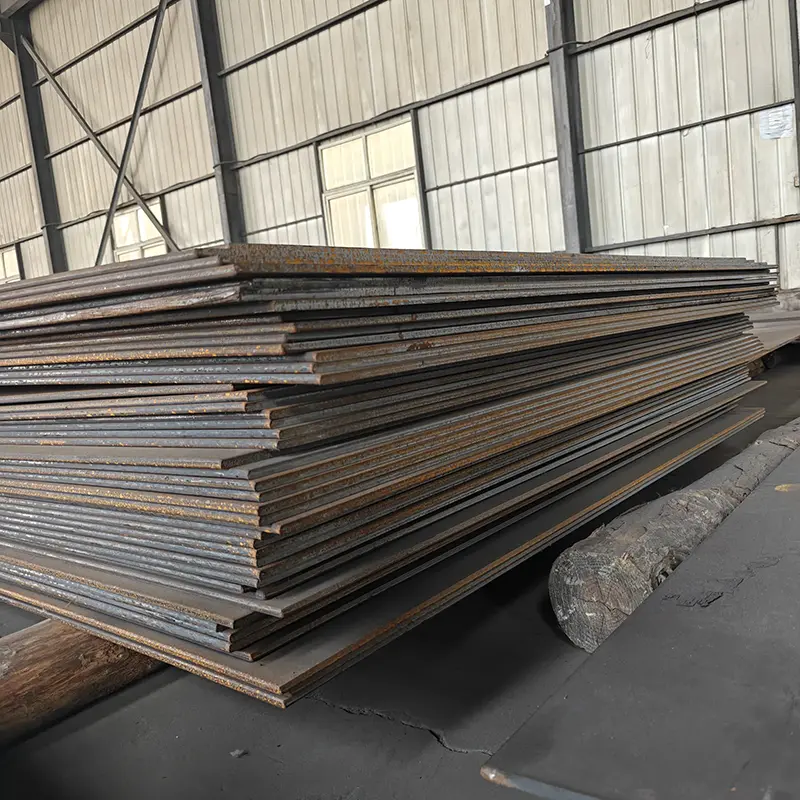
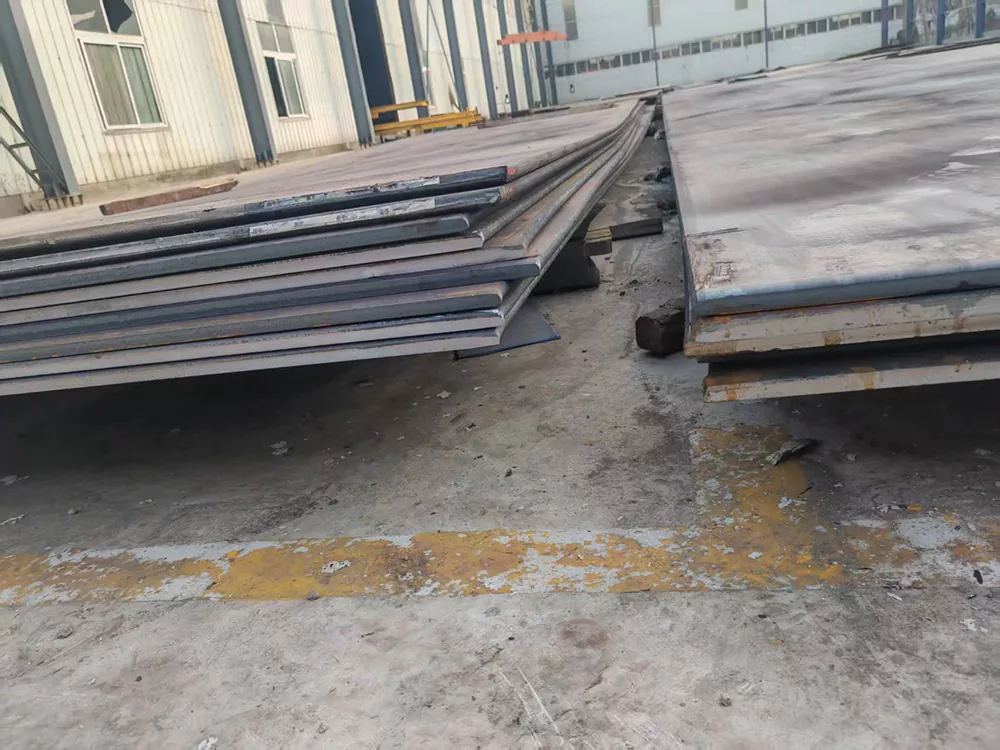
Steel Plate 10mm
Sanhe Steel, as a professional manufacturer and supplier, specializes in Steel Plate 10mm, with sufficient stock to support customized cutting. We have a complete range of national, American, and European standard materials, providing stable supply to global engineering buyers. The 10mm steel plate has high strength and is suitable for various fields of construction machinery and shipbuilding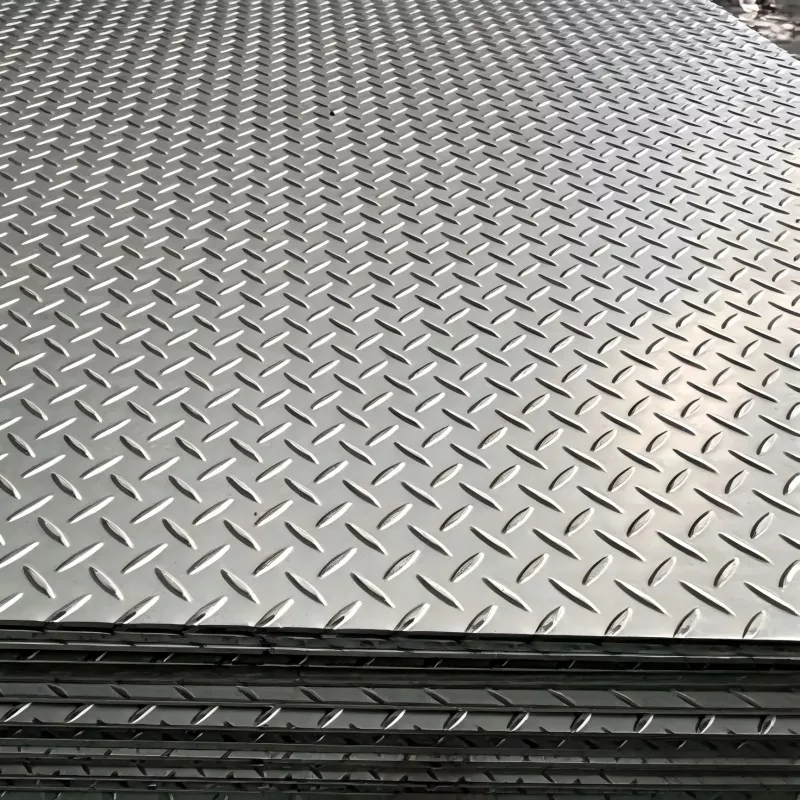
Stair Tread Steel Plate
Stair Tread Steel Plate is the anti-slip step surface that keeps people safe on industrial stairs, fire escapes, and access platforms. The checkered steel cut to exact step dimensions. Sanhe Steel supplies treads in Q235B and Q355B, galvanized or painted.
- Related Blog
- Reviews