

Wear Resistant Hot Rolled Heavy Steel Plate Structural
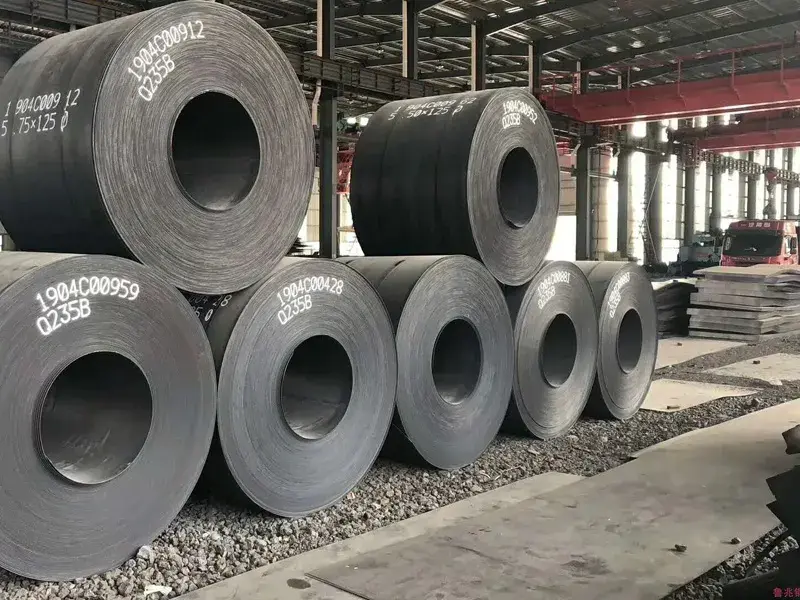
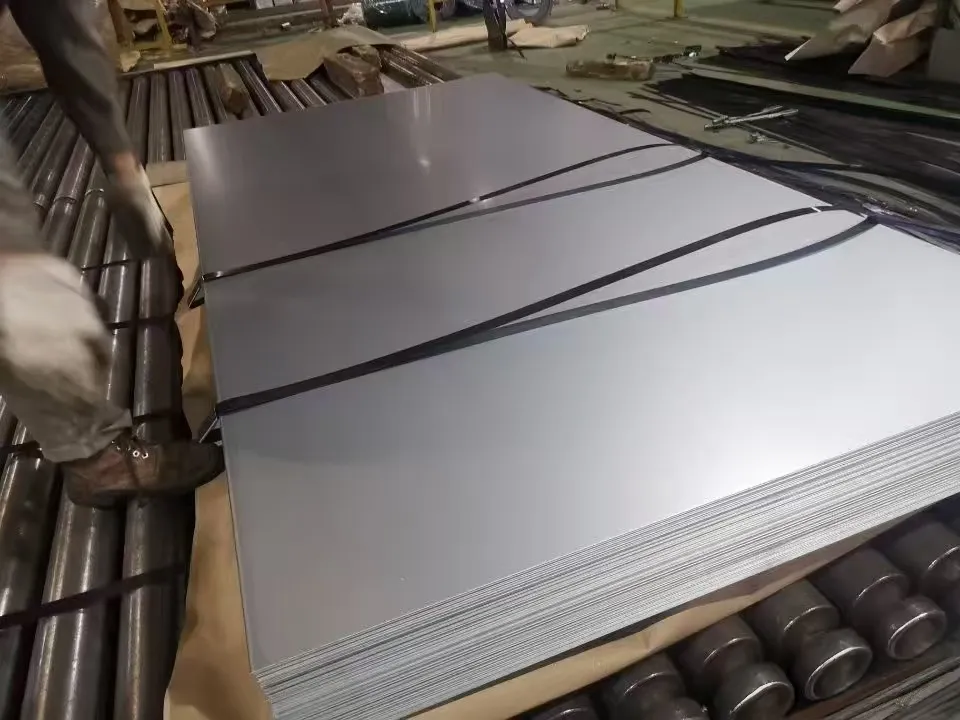
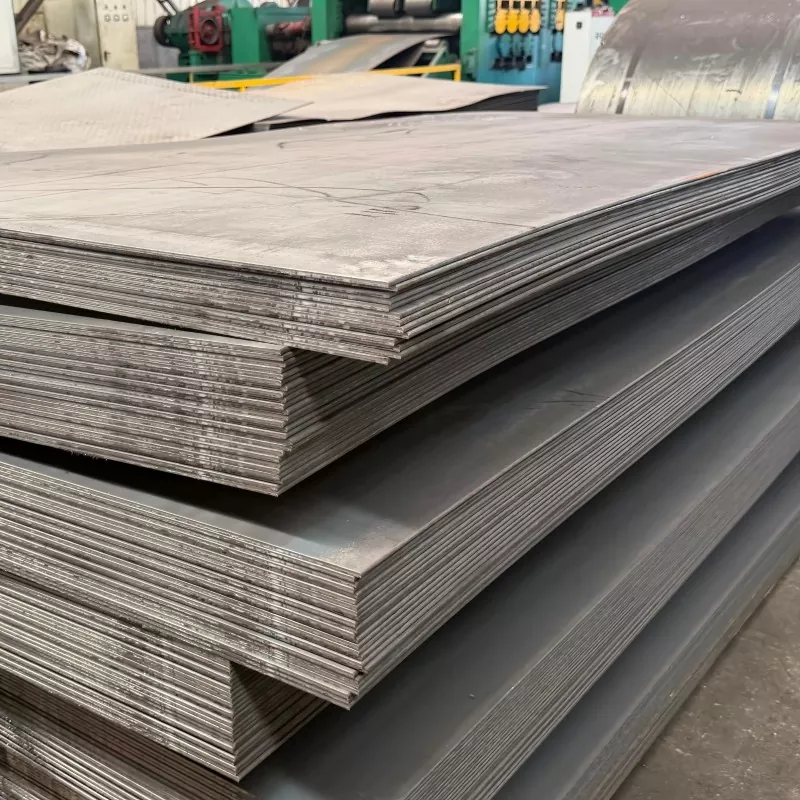
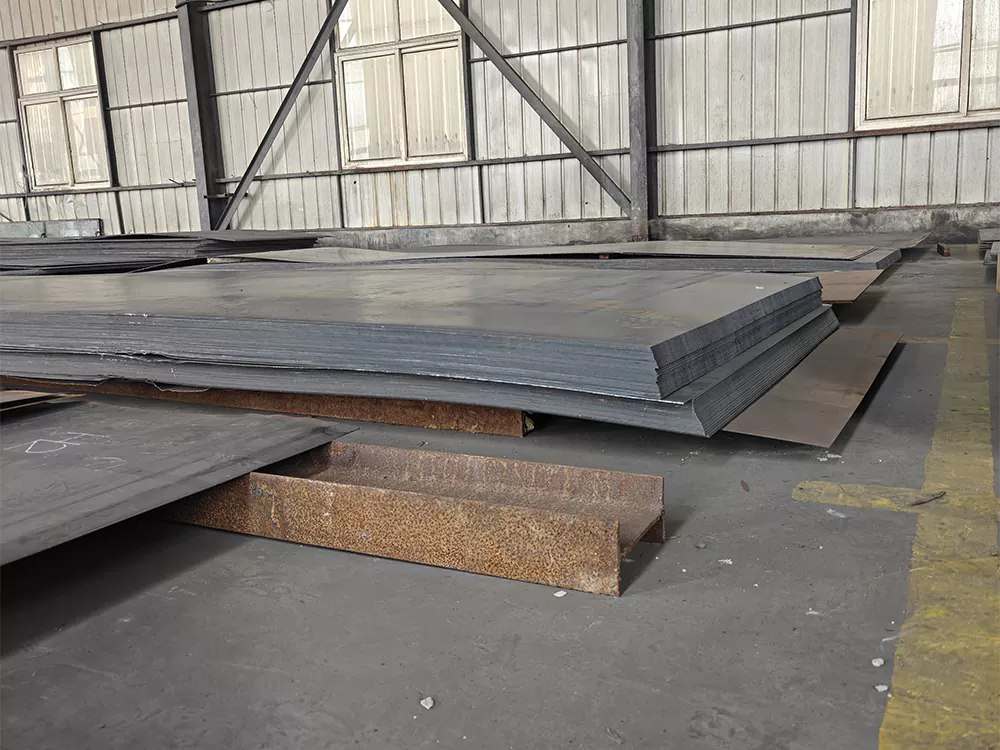
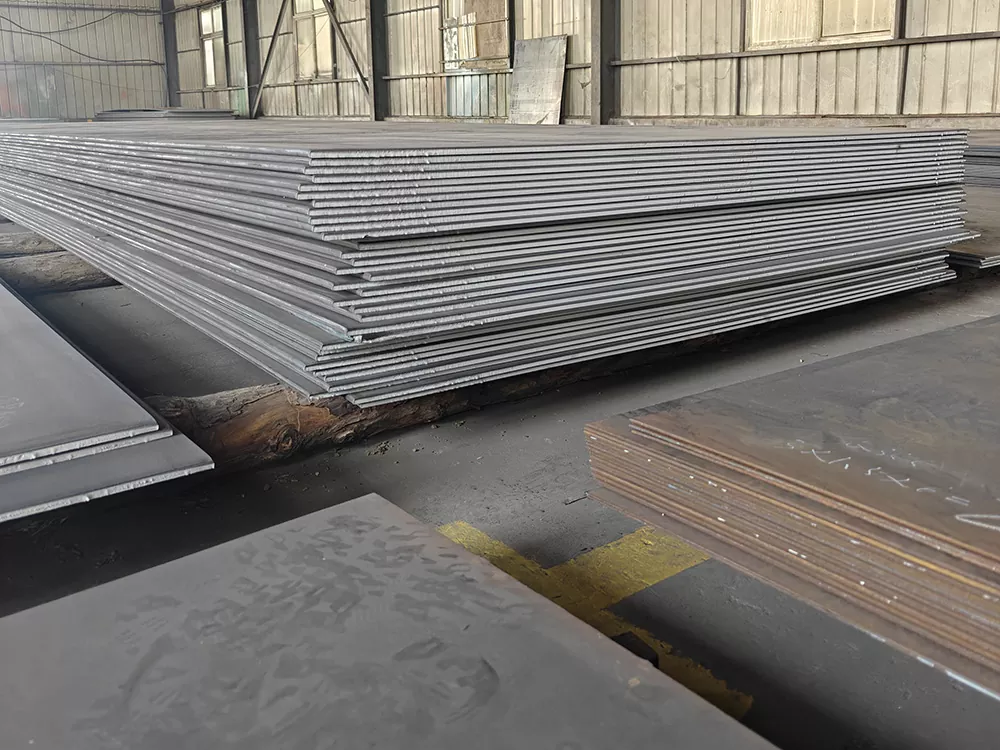
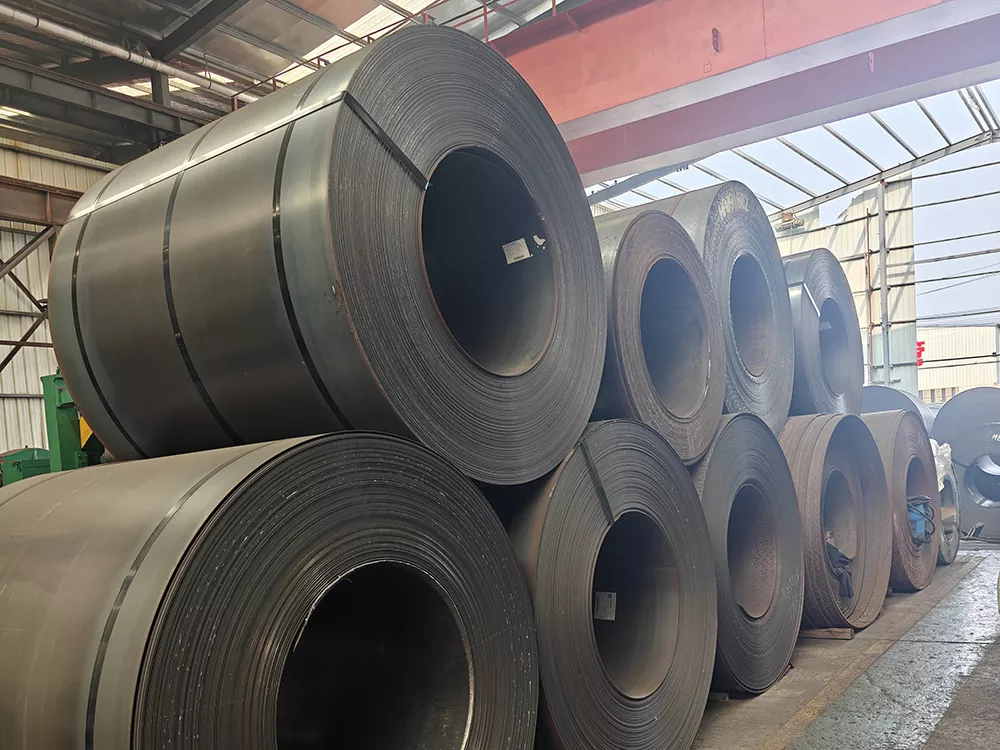
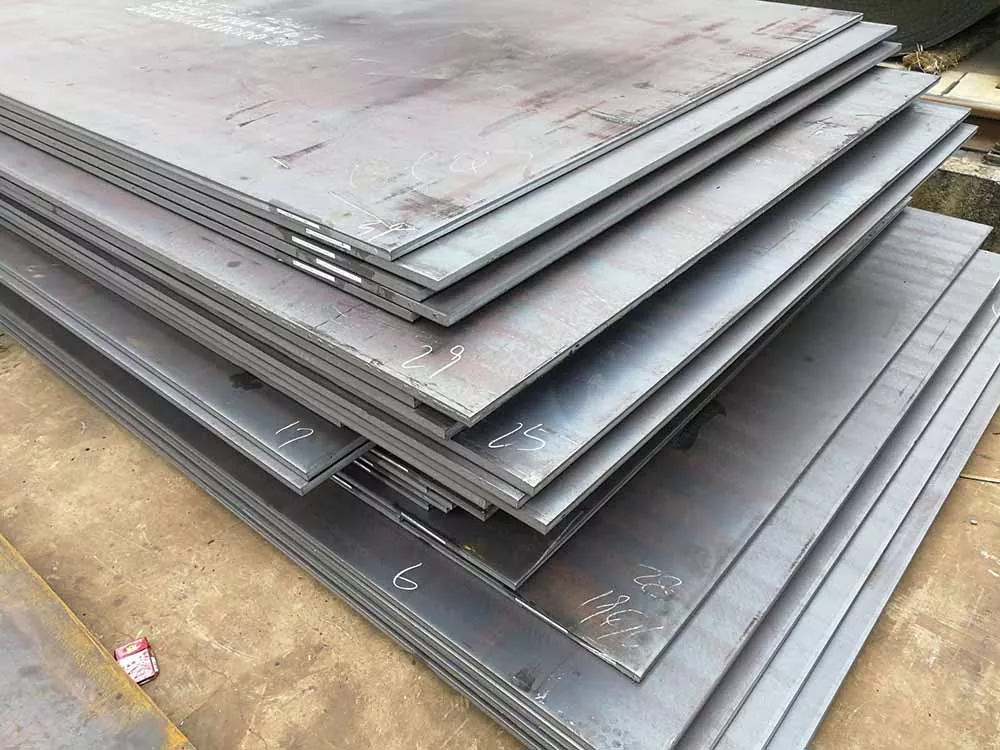
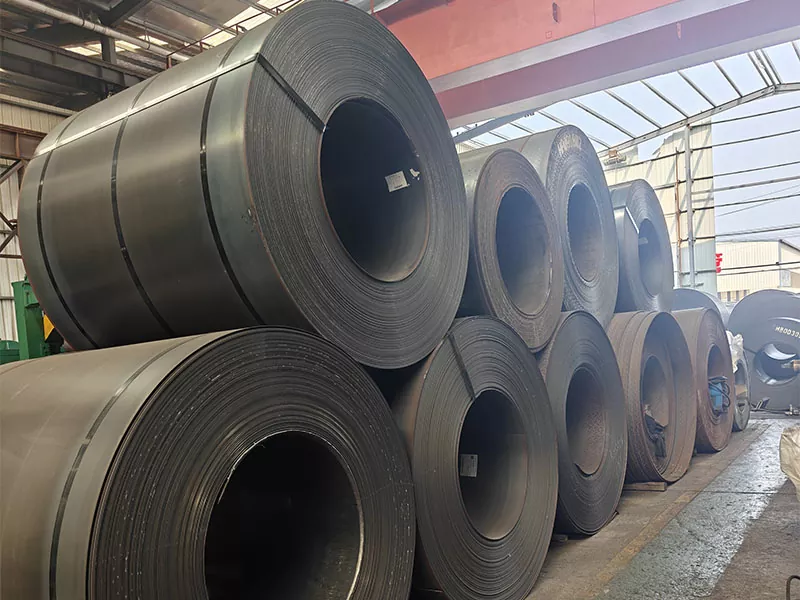
Wear resistant hot rolled heavy steel plate structural from Sanhe Steel is developed for equipment and structures exposed to repeated abrasion, impact and heavy mechanical loads. Made from wear-resistant steel and processed through hot rolling, the plate offers a practical combination of hardness, strength and toughness, helping extend the service life of components that would otherwise require frequent replacement. It can be supplied in different wear-resistant grades and thicknesses according to the working conditions and fabrication requirements.
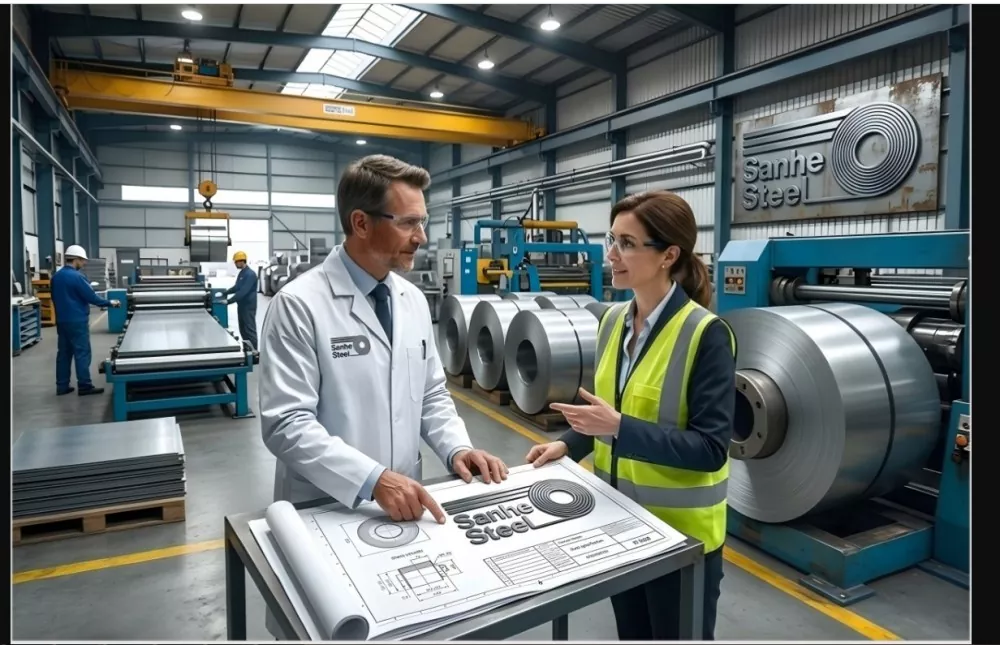
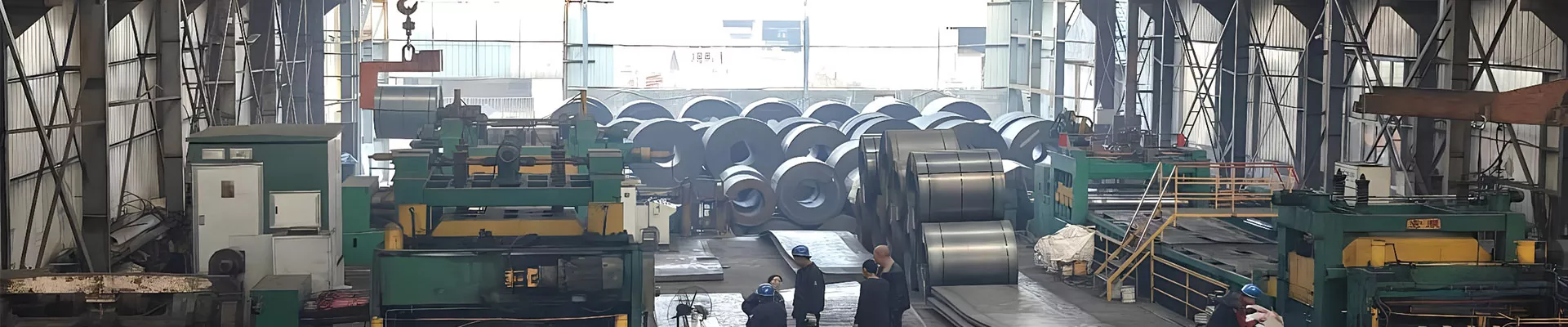
Sanhe Steel is a China-based steel supplier and manufacturer with experience in steel plate, medium and heavy plate and specialized wear resistant hot rolled heavy steel plate structural. The company supplies wear-resistant materials for demanding industrial applications and supports cutting and customized processing, which is useful for buyers who need plates prepared according to fabrication drawings rather than only standard full-size sheets. Sanhe Steel's product range includes wear-resistant grades such as AR500, as well as other high-performance steel products.
The key advantage of wear-resistant hot rolled plate is that it is selected according to the actual abrasion and impact conditions, rather than simply using thicker ordinary steel. Depending on the grade, wear-resistant plate can offer hardness levels around 400–500 HBW, making it suitable for demanding applications such as mining equipment, dump truck bodies, crushers, loaders, excavators and material-handling systems. The exact hardness and mechanical properties should always be confirmed according to the selected grade and applicable standard.

How Wear-Resistant Steel Works
Hardness Is the First Line of Defense
Abrasive wear is a scratching, gouging, and impact process. Higher surface hardness resists the scratch and gouge component — which is why NM grades are specified by hardness (HBW) rather than by yield strength alone.
Toughness Keeps It in One Piece
Pure hardness is brittle. Wear plate balances hardness with impact toughness so liners resist both abrasion and the hammering of falling material — the combination that keeps a liner working instead of cracking.
The Numbers That Matter
NM360 delivers a hardness range of 360–400 HBW; NM400 runs 400–450 HBW. In typical chute and hopper service, these grades outlast ordinary structural plate by 3–5 times on abrasion.

Product Specifications
|
Parameter |
NM360 / NM400 |
|
Standard |
GB/T 24186 (wear-resistant structural steel) |
|
Hardness |
NM360: 360 – 400 HBW; NM400: 400 – 450 HBW |
|
Yield strength |
NM360: ≥750 MPa; NM400: ≥900 MPa (typical) |
|
Tensile strength |
NM360: ≧1,100 MPa; NM400: ≧1,200 MPa (typical) |
|
Elongation |
≥14% |
|
Thickness |
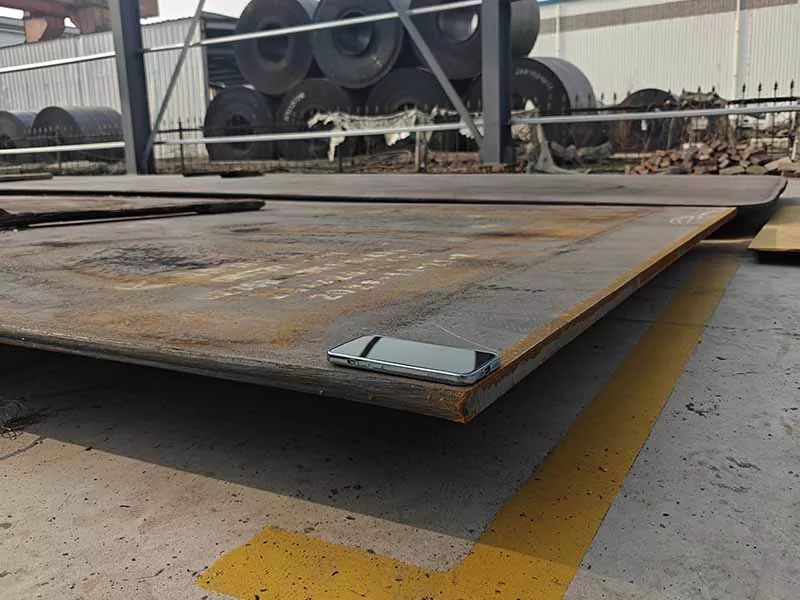
6 – 50 mm (typical) |
|
Width |
1,500 – 2,500 mm |
|
Length |
6,000 / 12,000 mm; cut to size |
|
Impact toughness |
Per GB/T 24186, transverse test |
|
Cutting |
Plasma / flame / water-jet to drawing |
Wear Resistance
The main purpose of this wear resistant hot rolled heavy steel plate structural is to slow down material loss from repeated contact with abrasive materials.
When ordinary carbon steel is continuously exposed to sand, gravel, ore, coal or other hard materials, the working surface can gradually become thinner. Once the remaining thickness falls below the required level, the component may need repair or replacement.
Wear-resistant steel uses a harder steel structure to reduce this rate of material loss. This does not mean that the plate will never wear; instead, it is designed to maintain useful thickness and performance for longer under specified wear conditions.
For procurement, this can translate into longer replacement intervals and less downtime, particularly for components that are difficult or expensive to remove from large machines.

Applications
Wear resistant hot rolled heavy steel plate structural from Sanhe Steel serves:
Mining chutes, hoppers, and silo liners
Loader buckets, shovels, and excavator wear parts
Conveyor skirt boards and impact beds
Crusher and screen liners
Dump truck and trailer body liners
Cement, aggregate, and recycling plants
Hardness Grades
Wear resistant hot rolled heavy steel plate structural is commonly identified by hardness levels, with grades such as AR400, AR450 and AR500 widely used in international applications.
The number generally indicates the nominal hardness level associated with the grade. For example, AR500 is typically harder than AR400, making it suitable for more severe abrasion conditions. However, selecting the hardest available grade is not always the best solution.
Higher hardness can affect toughness, forming performance, cutting and welding requirements. If the application involves heavy impact, an excessively hard material may not provide the best overall performance.
The correct grade should therefore balance hardness, impact conditions, thickness, fabrication method and expected service life.

Real Customer Case
Case: Southeast-Asia Mining Equipment Manufacturer
A Southeast-Asia mining-equipment OEM manufactured aggregate-crushing-machine liner parts. Previously they adopted ordinary low-alloy steel plates, parts wore out quickly, causing frequent equipment downtime and high after-sales maintenance cost. They tried imported wear-resistant plate but suffered high price and long delivery cycle.
They cooperated with Sanhe Steel and placed 72 tons of wear resistant hot rolled heavy steel plate structural, part of goods as pre-cut liner blanks according to their drawings. Each batch passed our internal hardness and ultrasonic inspection, SGS third-party inspection was completed pre-shipment. After 10-month field operation on mining site, component service life was greatly improved, equipment-downtime frequency dropped significantly. This customer keeps repeat orders for their new-equipment batches.
Customer quote: "We choose Sanhe Steel as our Chinese supplier. Hardness of plate is stable, pre-cut blanks reduce our workshop workload. Complete test reports satisfy our local mining-project acceptance criteria."
Company Strength
· Over 16 Years of Excellence: A trusted China supplier with a proven track record since 2008.
· Massive Inventory: Over 10,000+ tons in stock for urgent needs .

· Global Expertise: Served projects across mining, construction, energy, and transportation industries in Southeast Asia, Europe, the Middle East, and the Americas.

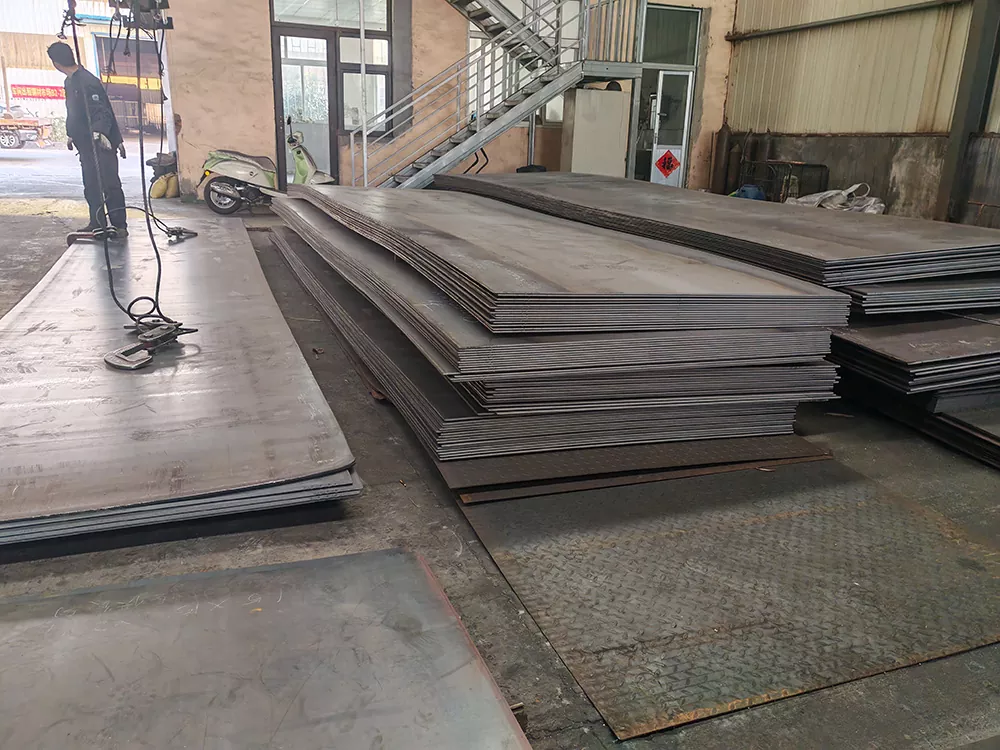
· These steel plates are packed with custom welded steel frames. Pre-drilled lifting holes are made on the frame corners for convenient forklift and crane handling during loading and transportation. This rigid steel frame packaging secures sheets tightly to avoid shifting, bending and surface damage in transit.


How to Select the Right Wear-Resistant Plate?
The most useful information for material selection is the actual working condition.
A buyer should tell the supplier what material is causing the wear, whether the wear is mainly sliding or impact, the operating temperature, the approximate service hours, the current plate grade and thickness, and whether the component needs to be welded, bent or machined.
For example, a mining dump truck carrying large rocks may need a different balance of hardness and toughness from a sand transfer chute where sliding abrasion is dominant.

FAQ
Q1: What is wear resistant hot rolled heavy steel plate structural?
A1: It is a hot-rolled steel plate designed primarily to resist abrasion and wear. It normally has higher hardness than conventional structural steel and is used in equipment exposed to abrasive materials.
Q2:What is AR500?
A2: AR500 is a commonly used wear-resistant steel designation associated with a nominal hardness level around 500 HBW. The exact mechanical and chemical requirements depend on the applicable specification.
Q3: Is AR500 better than AR400?
A3: Not necessarily. AR500 generally provides higher hardness and better resistance to certain forms of abrasion, while AR400 can provide a better balance of toughness, weldability and fabrication. The correct choice depends on the working conditions.
Q4: Can wear-resistant plate be welded?
A4: Yes, but welding procedures need to be selected according to the grade, thickness and carbon equivalent. Higher-hardness grades may require preheating and controlled welding conditions.
Q5: Can wear-resistant plate be bent?
A5: Yes, depending on the grade, thickness and required bending radius. Higher-hardness material generally requires greater forming force.
Q6: Can you cut wear-resistant plate?
A6: Yes. Sanhe Steel provides customized cutting and processing services according to customer requirements.
Send Inquiry
Contact Info
-
Address
No. 1188, Lanzhou West Road, Jiaozhou City, Shandong Province, China
-
Tel
-
Email
Welcome to our website! For inquiries about our products or pricelist, please leave your email to us and we will be in touch within 24 hours.
News Recommendations