The History and Evolution of Hot-Dip Galvanizing
Hot-dip galvanizing is a highly effective way to protect metal from rust. It is widely used on all kinds of metal structures across various industries. The process involves dipping metals like steel, stainless steel, or cast iron into molten metal or alloy to create a protective coating. Today, it stands as the most popular and cost-effective surface treatment for steel worldwide.
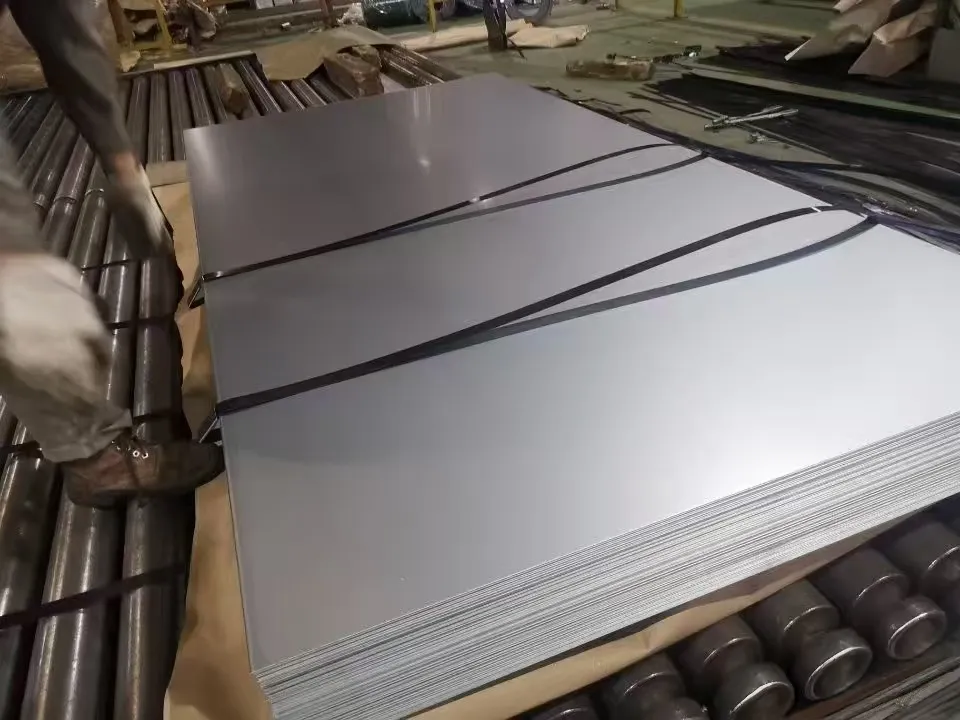
Invented in the mid-18th century, hot-dip galvanizing steel evolved from earlier zinc-coating methods and has now been used for nearly four centuries. To this day, it remains the most common and successful technique for preventing steel corrosion.
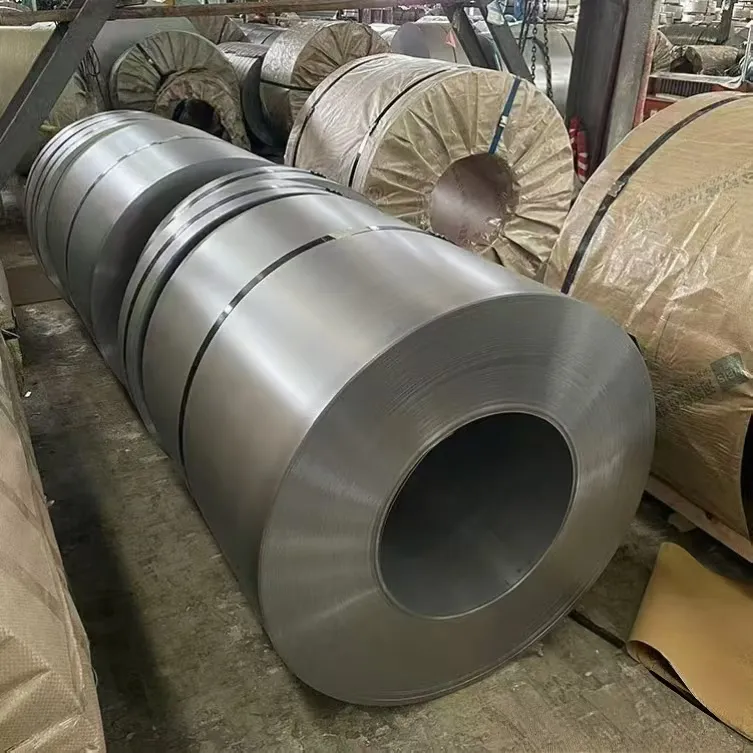
1742
Dr. Jean-Baptiste Malouin conducted the very first experimental trials on hot-dip galvanizing steel and presented his groundbreaking findings to the French Royal Academy.
1837
Stanislas Sorel from France applied for a patent for hot-dip galvanizing steel. He introduced the idea of using galvanic protection to keep steel from rusting, which meant coating the iron surface with zinc. That same year in the UK, William Crawford patented a galvanizing method that used ammonium chloride as a flux. Thanks to numerous improvements over the years, this foundational technique is still used today.
1931
Tadeusz Sendzimir, a brilliant Polish engineer and a towering figure in modern metallurgy, built the world’s very first continuous strip hot-dip galvanizing line using a hydrogen reduction method in Poland. He secured a US patent for this process, and by 1936-1937, industrial-scale lines bearing his name were up and running in both the United States and at the Maubeuge steelworks in France. This breakthrough opened a brand-new chapter for continuous, high-speed, and top-quality steel strip galvanizing.
Related News
- How Can Galvanized Floor Diamond Plate Improve Safety, Durability, and Long-Term Project Performance
- Why Is Hot Rolled Checkered Steel Plate for Platforms a Smart Choice for Safe and Durable Industrial Flooring
- What Makes SGCC Hot Dip Galvanized Steel Sheet a Reliable Choice for Corrosion-Resistant Industrial Applications
- How Can Wear Resistant Hot Rolled Heavy Steel Plate Structural Improve Service Life in Demanding Industrial Applications
- Why Is Wear Resistant Hot Rolled Heavy Steel Plate Structural Essential for Demanding Industrial Applications
- How Does Cold Rolled Steel Plate Improve Manufacturing Performance?
Leave me a message