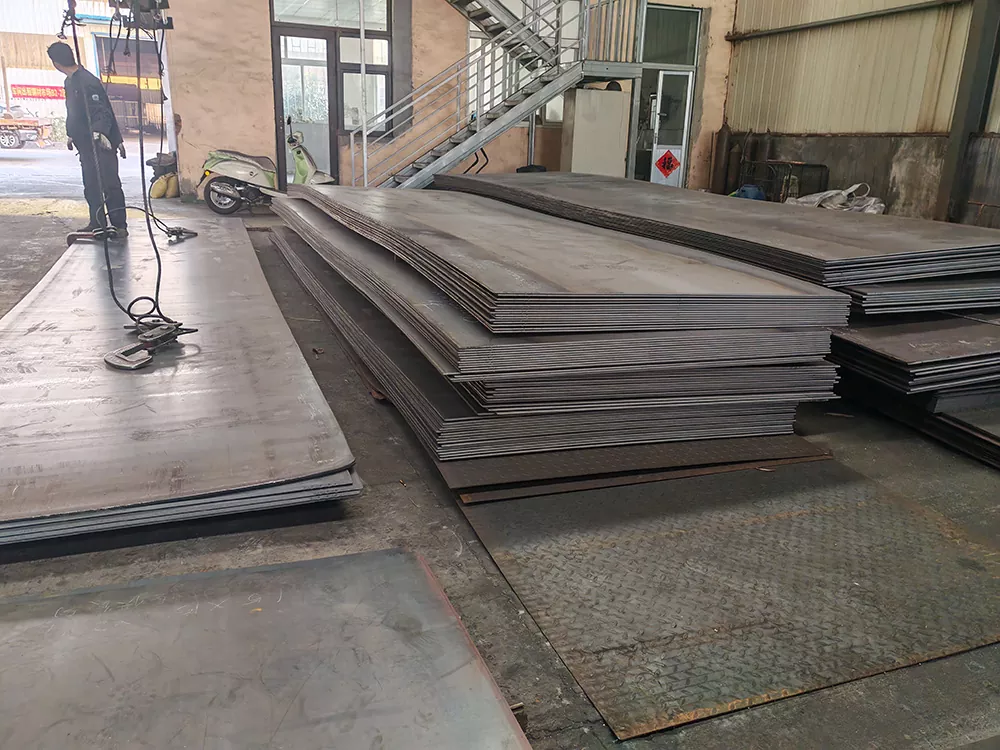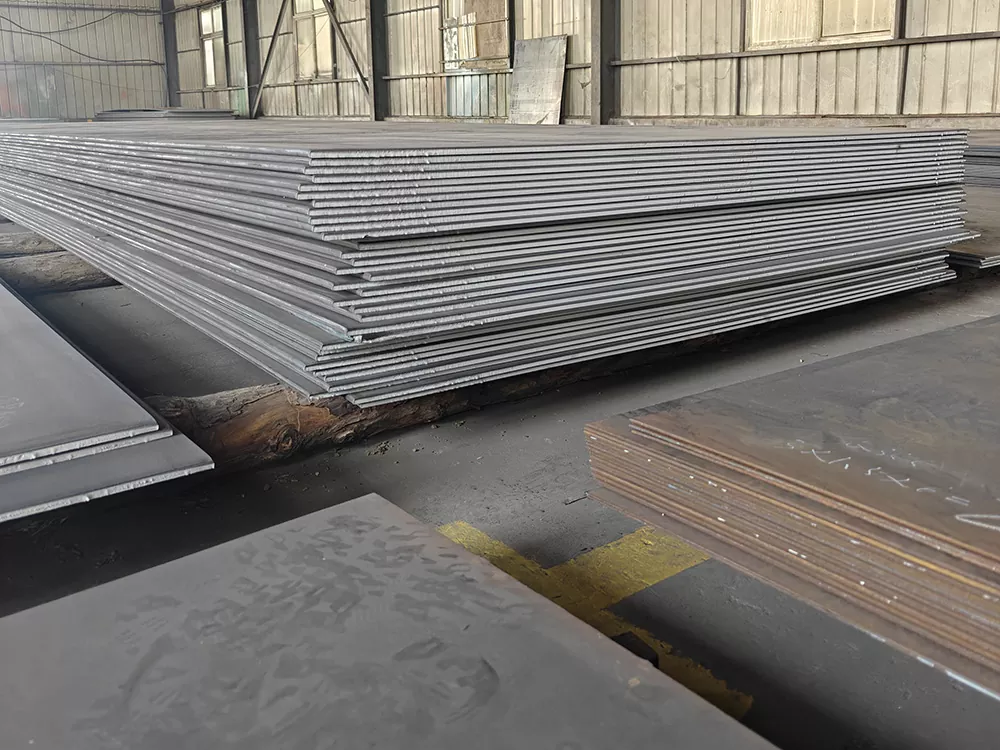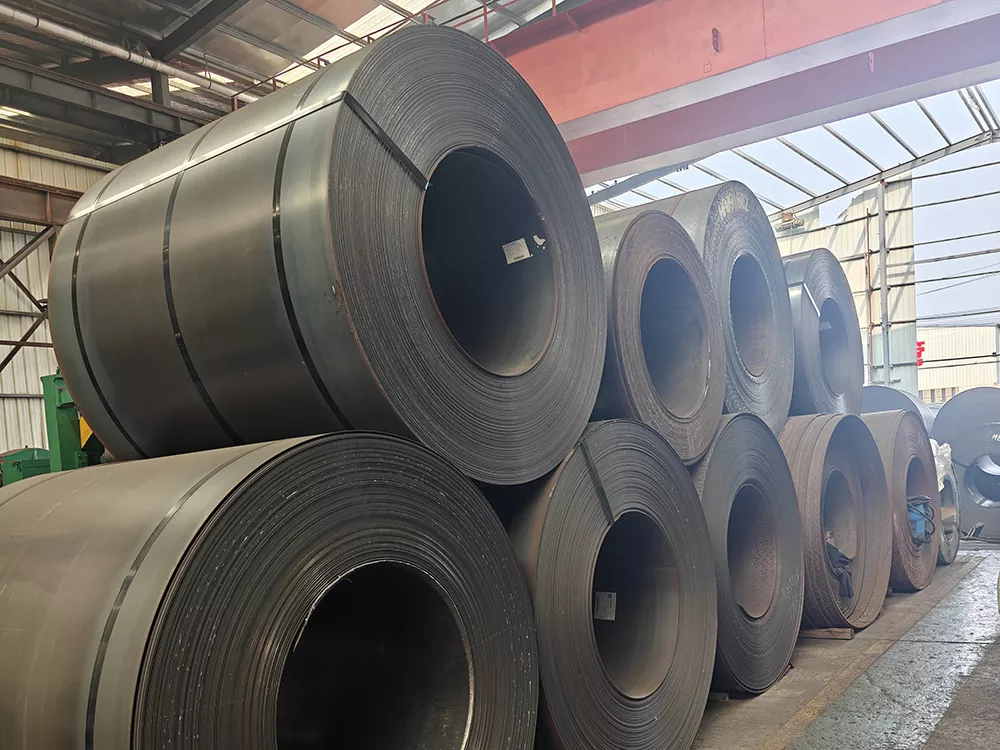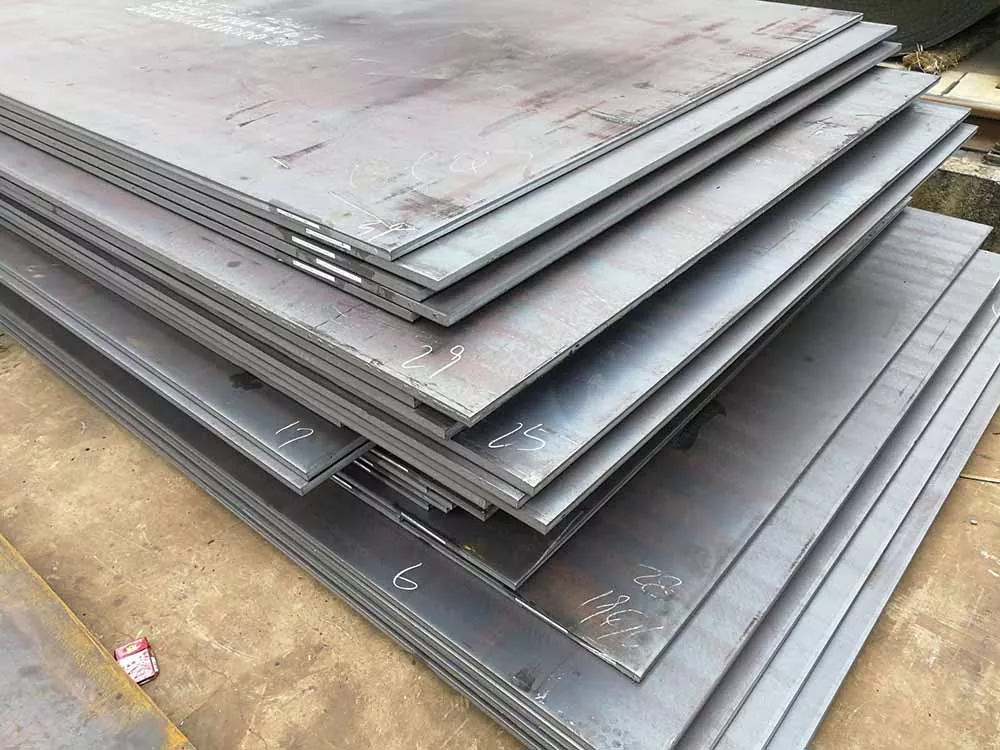
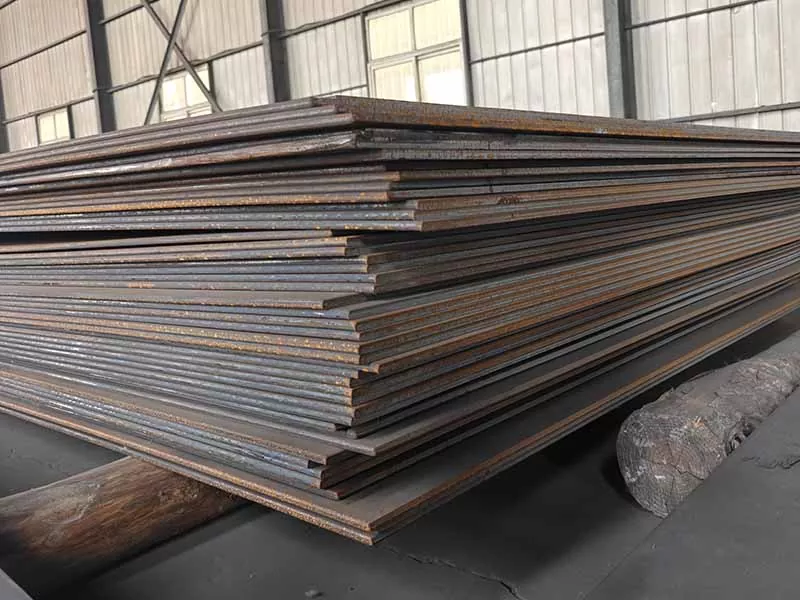
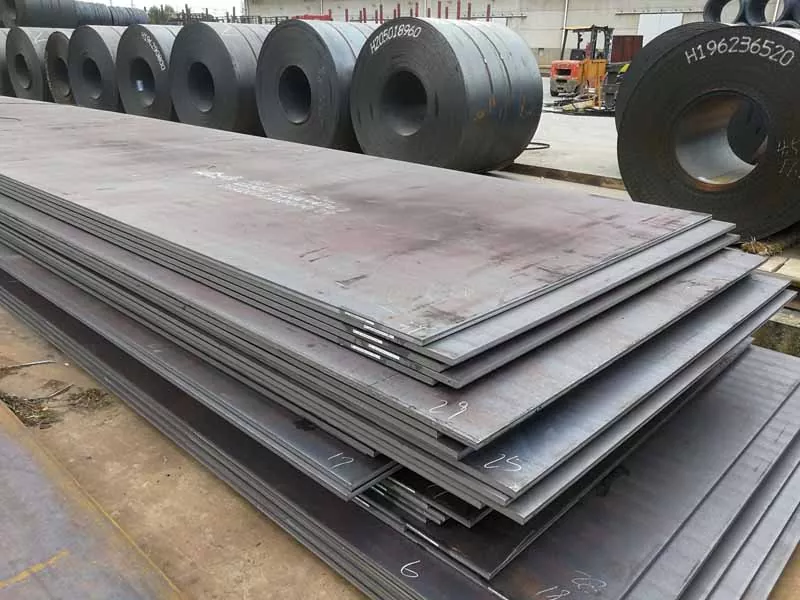
ASTM A36 Hot Rolled Steel Plate
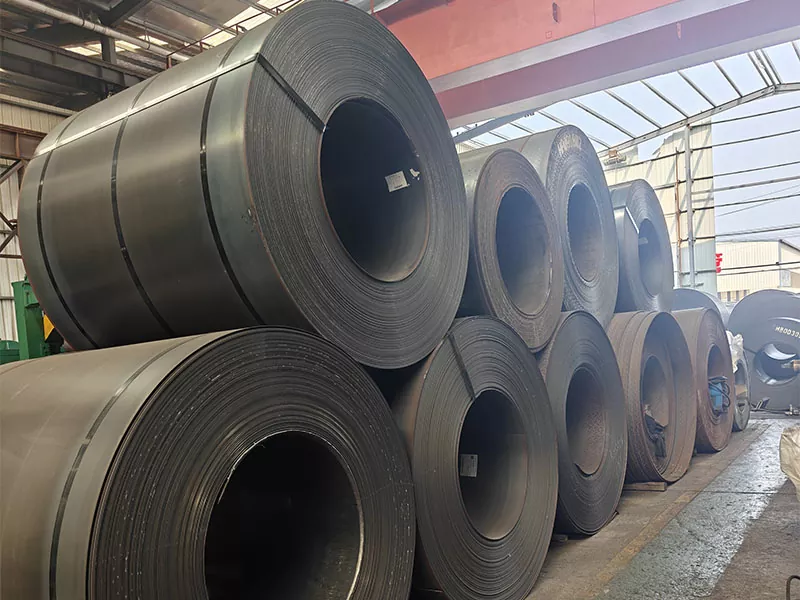
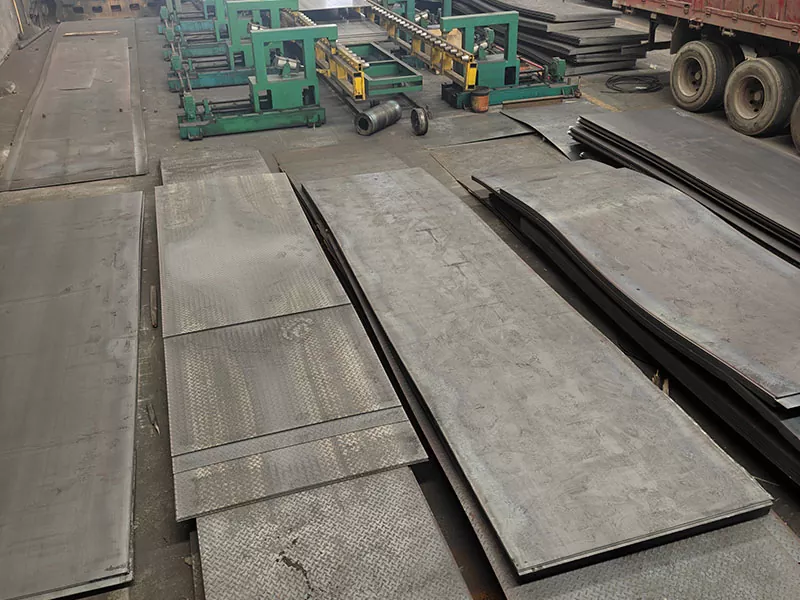
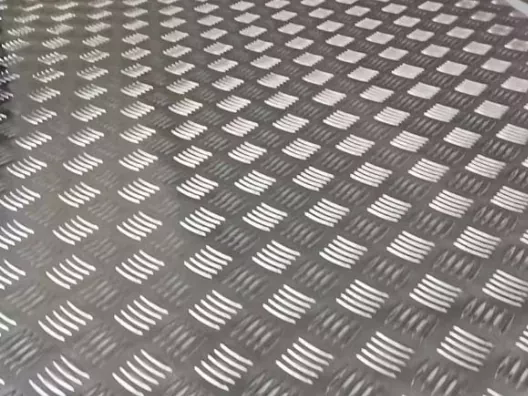
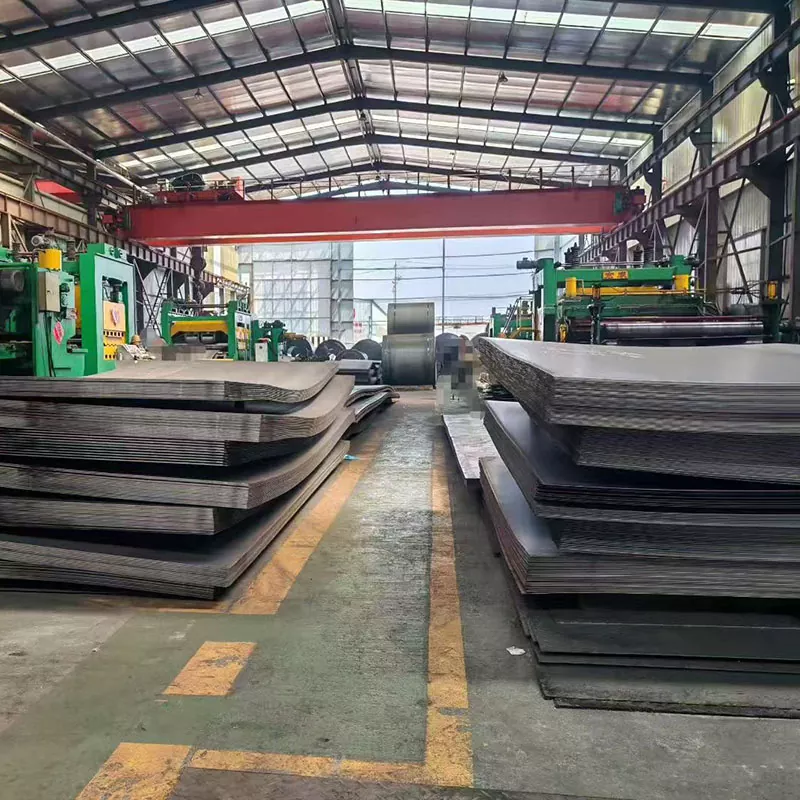
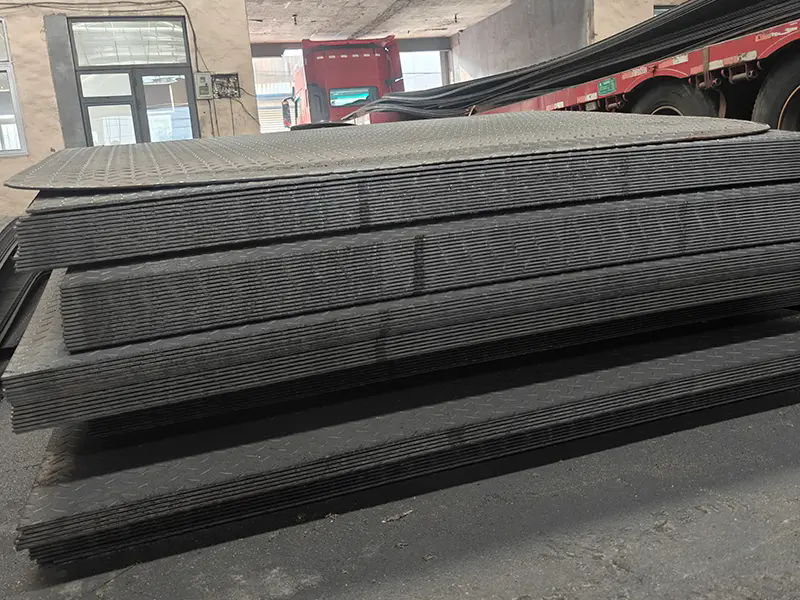
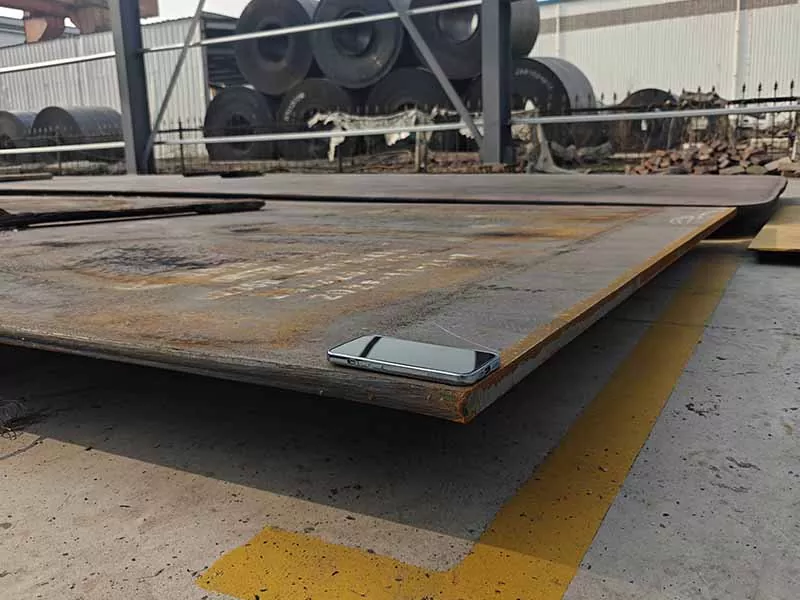
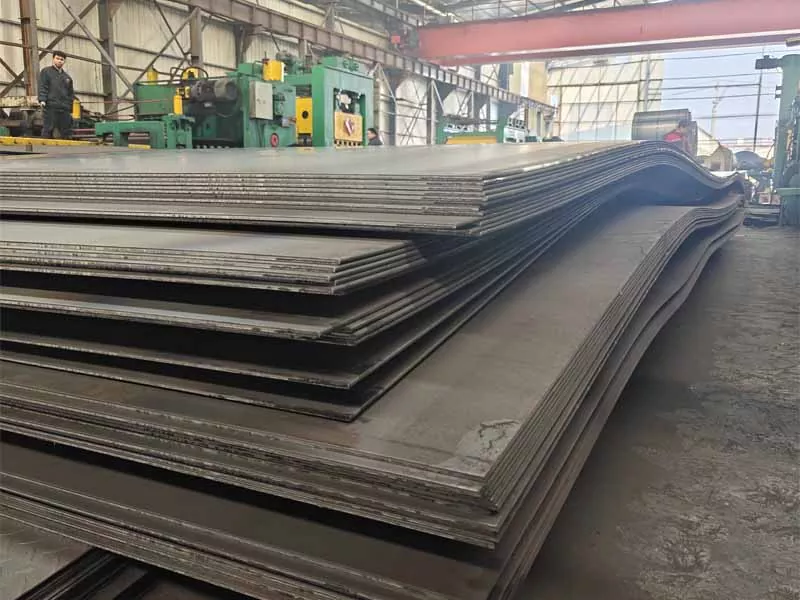
ASTM A36 Hot Rolled Steel Plate supplied by Sanhe Steel meets strict ASTM A36/A36M American standards with minimum 250MPa yield strength and 400-550MPa tensile strength across an extensive 3mm to 500mm thickness range, delivering exceptional weldability and formability for general structural applications. Featuring controlled chemical composition with lower phosphorus and sulfur impurities under enhanced internal quality controls, this versatile carbon structural steel plate supports plasma, laser, and flame cutting methods with excellent bending and machining characteristics. Ideal for building frameworks, bridge components, machinery fabrication, and industrial infrastructure, it comes with complete mill test documentation and custom dimension cutting services to support efficient project implementation for global buyers.
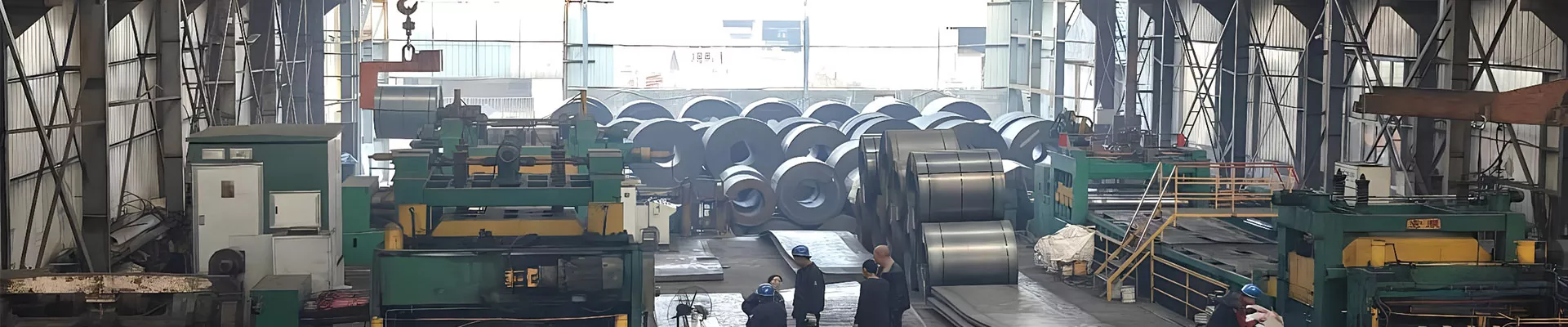
Sanhe Steel is deeply engaged in steel production and foreign trade supply, focusing on high-quality ASTM A36 hot rolled steel plates, strictly following the ASTM A36/A36M American standard specifications. From raw material smelting, hot rolling forming to finished product quality inspection, the entire chain strictly controls quality, and emphasizes high cost-effectiveness, stable and durable product characteristics. This ASTM A36 hot rolled steel plate is a universal carbon structure hot-rolled steel plate that meets the engineering and processing needs of various fields around the world. With its excellent performance, flexible customization services, and efficient delivery capabilities, it has become the preferred choice for customers at home and abroad to purchase American standard hot-rolled steel plates. We also solve the full process problems of procurement, transportation, and after-sales for customers with our mature supply chain system.
Product Features
ASTM A36 hot rolled steel plate is the most widely specified carbon structural steel grade defined by the American Society for Testing and Materials under the A36/A36M standard, serving as the benchmark general-purpose structural steel across North American construction and manufacturing industries. As a low-carbon mild steel grade, A36 offers an optimal balance of strength, ductility, weldability, and machinability that makes it the default choice for routine structural applications where specialized high-strength or low-temperature properties are not required. The A36 designation refers to the minimum yield strength of 36,000 pounds per square inch (approximately 250 megapascals), consistent across all plate thicknesses up to 8 inches.
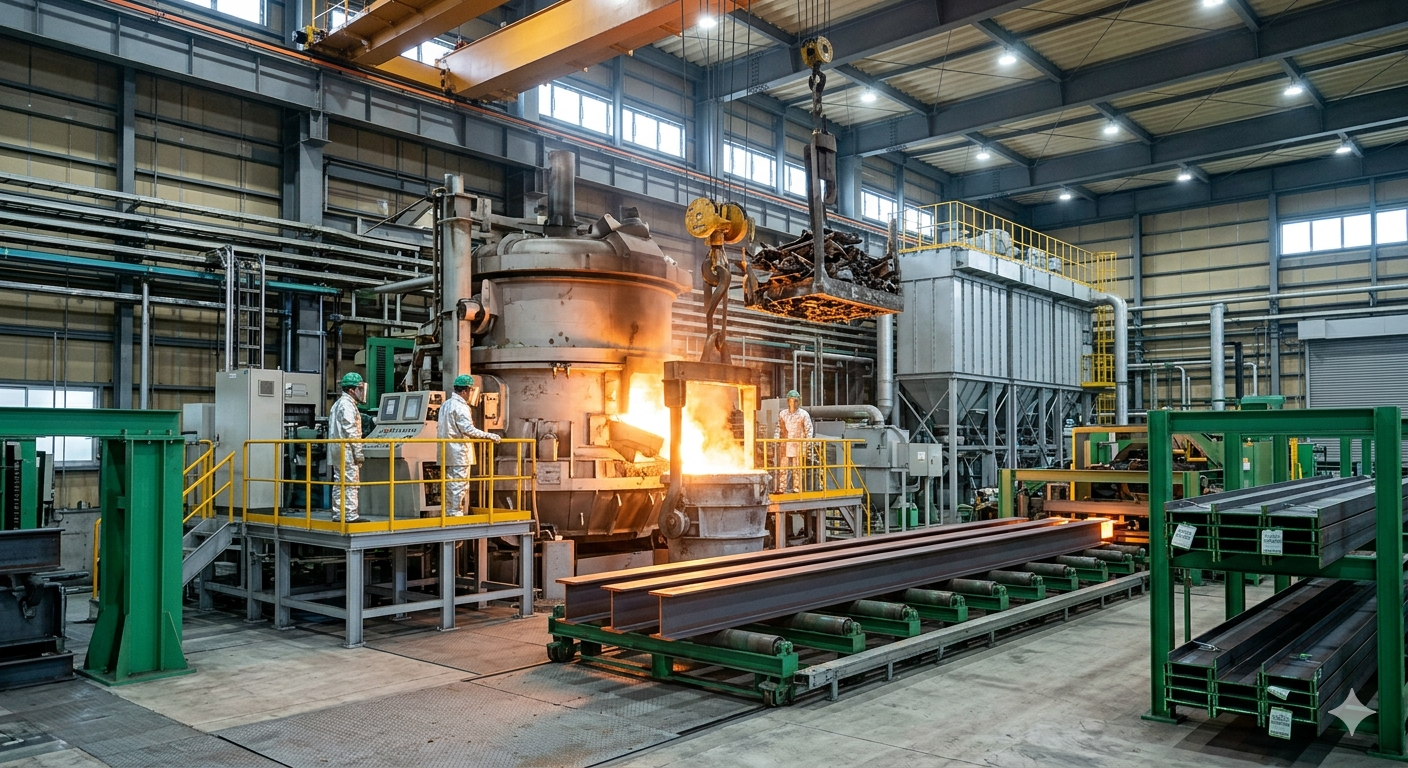
The hot rolling production process forms A36 steel plates at temperatures above the material's recrystallization point, refining the internal grain structure to produce uniform mechanical properties throughout the plate cross-section. Sanhe Steel sources A36 steel billets exclusively from our strategic partner mills including Baowu Steel Group and Hebei Steel Group, then performs secondary precision processing at our Qingdao facility to meet customer dimension requirements. Our internal quality control standards implement tighter chemical composition limits than the ASTM baseline, particularly for phosphorus and sulfur impurities, resulting in cleaner steel with improved weld integrity and reduced risk of cracking during fabrication.
Primary Performance Attributes
The material properties of the plate make it universally adaptable across a wide spectrum of structural and manufacturing applications:
1. Balanced Strength and Ductility – With 250MPa minimum yield strength, 400-550MPa tensile strength, and minimum 20% elongation, the material provides sufficient structural capacity while remaining highly formable for bending, rolling, and stamping operations without cracking.
2. Exceptional Weldability – The controlled low carbon content and moderate carbon equivalent make A36 compatible with virtually all common welding processes, producing strong, ductile weld joints without requiring preheating for standard thicknesses.
3. Broad Thickness Availability – Manufactured across an exceptionally wide range from 3mm thin sheet up to 500mm heavy plate, making it suitable for everything from light gauge fabrication to heavy structural base plates and pressure vessel components.
4. Proven Cost-Effectiveness – As the most common structural carbon steel grade, A36 benefits from high production volumes and widespread availability that deliver reliable performance at the lowest cost per ton among certified structural steel grades.
Specification Data
Sanhe Steel enforces internal quality control standards stricter than baseline ASTM A36/A36M requirements for every production batch, with complete mill test documentation provided for full traceability and international project compliance. The following table outlines both official ASTM standard parameters and our enhanced internal control benchmarks across all critical inspection items:
|
Item |
Standard Specification |
Sanhe Steel Internal Control Standard |
|
Executive Standard |
ASTM A36/A36M |
Stricter than national standard, meets global project acceptance requirements |
|
Chemical Composition (mass fraction) |
C≤0.25%, Si≤0.40%, Mn 0.80%-1.20%, P≤0.04%, S≤0.05% |
P≤0.035%, S≤0.04%, lower impurity content |
|
Yield Strength |
≥250 MPa (36 ksi) |
≥260 MPa, more stable performance |
|
Tensile Strength |
400-550 MPa (58-80 ksi) |
420-540 MPa, better toughness adaptability |
|
Elongation after fracture |
≥20% (50mm GL), ≥23% (2in GL) |
≥22%, not easy to crack during bending |
|
Size Range |
Thickness 3-500mm, Width 1500-4020mm, Length 6000-18800mm |
Support customized cutting and processing |
|
Delivery Condition |
Hot Rolled |
Hot Rolled, Normalized, TMCP available; various surface treatments supported |
|
Dimensional Tolerance |
Thickness ±0.05-0.8mm, Length & Width ±5mm |
Strictly controlled tolerance, suitable for precision processing |
Standard Equivalent Comparison
ASTM A36 is one of several regional standard carbon structural steel grades with roughly comparable performance levels specified under different national and international standards systems. Understanding the equivalence and subtle differences between these standards helps international buyers specify materials correctly for projects involving mixed-standard design requirements or cross-border procurement. The following comparison table clarifies how ASTM A36 relates to the most commonly encountered equivalent grades from Chinese and European standards systems:
|
Comparison Parameter |
ASTM A36 (USA) |
GB Q235B (China) |
EN S235JR (Europe) |
|
Standard Origin |
ASTM International |
GB/T 700 |
EN 10025-2 |
|
Minimum Yield Strength |
250MPa (36 ksi) |
235MPa |
235MPa |
|
Tensile Strength Range |
400-550MPa |
375-460MPa |
360-510MPa |
|
Maximum Carbon Content |
0.25% |
0.20% |
0.17% |
|
Phosphorus Limit |
0.04% max |
0.045% max |
0.035% max |
|
Primary Market Region |
North America, Latin America |
China, Southeast Asia |
European Union, Middle East |
|
Impact Test Requirement |
Not mandatory standard |
20°C for Grade B |
+20°C for JR grade |
|
Weldability Rating |
Excellent |
Excellent |
Excellent |
Chemical Composition
The chemical composition of ASTM A36 hot rolled steel plate is carefully controlled within specified ranges to deliver the balanced mechanical properties that define the grade. Carbon is the primary strengthening element, with the 0.25% maximum limit keeping the material readily weldable while providing sufficient base strength. Manganese content ranging from 0.80% to 1.20% contributes to both strength and hardenability during hot rolling, while silicon acts as a deoxidizer during the steelmaking process.
Phosphorus and sulfur are considered impurity elements in structural steel, with tighter limits indicating cleaner, higher-quality material. Phosphorus can cause brittleness and reduce weld ductility, while sulfur forms sulfide inclusions that can create weak points in the steel matrix. Standard ASTM A36 allows up to 0.04% phosphorus and 0.05% sulfur, but Sanhe Steel's internal control standard enforces lower limits of 0.035% phosphorus and 0.04% sulfur, resulting in cleaner steel with improved weld integrity, better surface finish, and reduced risk of lamellar tearing in thick plate applications.
Every batch of A36 plate supplied by Sanhe Steel comes with a detailed material test report listing the exact chemical composition analysis from the producing mill, verified against both ASTM requirements and our internal quality benchmarks. This composition data provides full traceability and allows fabricators to confirm welding procedure compatibility before beginning production work.
Fabrication Guide
Welding Procedures
ASTM A36 hot rolled steel plate is renowned for its excellent weldability across all conventional welding methods, making it the reference standard grade for welding procedure qualification in many industries. The low carbon content and moderate manganese levels produce a low carbon equivalent that eliminates the need for preheating on standard plate thicknesses, significantly reducing fabrication time and cost.
Compatible welding processes include shielded metal arc welding (SMAW/stick welding), gas metal arc welding (GMAW/MIG), flux-cored arc welding (FCAW), submerged arc welding (SAW) for heavy plate, and gas tungsten arc welding (GMAW/TIG) for precision applications. For thin and medium thickness plates up to approximately 25mm, welding can proceed at ambient temperature without preheating. For thicker sections exceeding 50mm, controlled preheating to 100-150°C is recommended to reduce cooling rates and prevent hydrogen-induced cracking in the heat-affected zone. Post-weld heat treatment is generally not required for A36 steel under normal structural loading conditions.
Cutting Methods
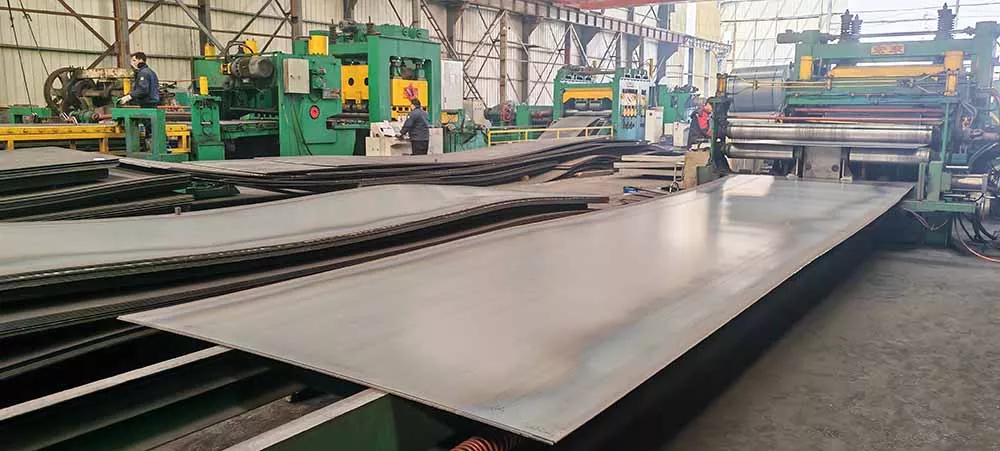
The wide thickness range of A36 steel plate accommodates different cutting technologies selected based on material gauge and precision requirements. Thin gauge plates up to 25mm are well suited for plasma cutting and laser cutting, which deliver fast cutting speeds with clean, narrow kerf edges and minimal heat distortion for precision fabrication work.
Medium and heavy thickness plates from 25mm up to the full 500mm maximum are typically processed using oxy-fuel flame cutting, which provides cost-effective cutting for thick sections with good edge quality suitable for most structural applications. Sanhe Steel's CNC shearing and precision cutting equipment can perform custom dimension cutting to customer drawings at our facility, delivering cut-to-size plates ready for direct fabrication use and eliminating the need for customers to invest in heavy cutting equipment for one-off projects.
Forming and Machining
With minimum 20% elongation and good ductility, ASTM A36 hot rolled steel plate responds well to cold forming operations including press braking, rolling, and stamping for standard bend radii. Bend radius requirements increase with plate thickness, but the material's ductile nature minimizes cracking risk when appropriate inside bend radii are maintained. For applications requiring tighter bends or forming of thicker sections, localized heating can be applied to improve formability without compromising final material properties.
Machining characteristics are typical of mild carbon steel, with good response to drilling, milling, turning, and tapping operations using standard tooling. The material produces consistent chip formation and can be machined at standard feeds and speeds, making it suitable for general mechanical component fabrication where high precision machining is required. Sanhe Steel offers value-added drilling and machining services as part of our one-stop processing package, delivering finished components ready for assembly.
Quality Credentials
Multi-Stage Inspection Process
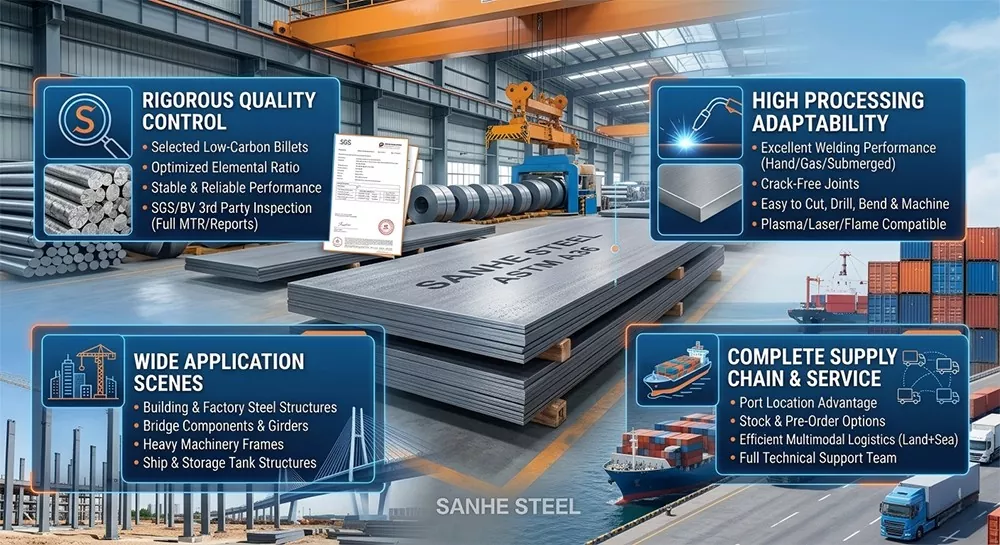
Quality assurance for ASTM A36 hot rolled steel plate at Sanhe Steel follows a structured multi-stage inspection protocol aligned with our ISO 9001:2015 certified quality management system, ensuring consistent compliance with both ASTM A36/A36M standards and our own stricter internal control benchmarks. The process begins at raw material receiving, where each incoming plate or coil is verified against original mill test certificates for grade identity, chemical composition, and mechanical property compliance before being accepted into inventory.
During processing, our precision detection equipment continuously monitors dimensional accuracy, verifying that finished plates maintain thickness tolerance within ±0.05-0.8mm and length-width tolerance within ±5mm per ASTM requirements, with our internal targets set even tighter for precision applications. Hydraulic leveling machines ensure plate flatness meets structural flatness specifications, and surface quality inspection identifies and addresses any surface defects prior to final packaging.
Final pre-shipment inspection includes batch identity verification, documentation compilation, packaging quality assessment, and optional customer-witnessed or third-party inspection. We support full third-party inspection by internationally recognized bodies including SGS and BV upon customer request, with inspectors able to conduct testing at our Qingdao facility before shipment. All inspection results are documented in formal reports that accompany the shipment for full traceability and acceptance at destination.
Certification and Compliance
Sanhe Steel holds nine authoritative domestic and international certifications that validate our quality management systems, operational standards, and product compliance across multiple industry requirements. These certifications are regularly audited by third-party bodies to maintain validity, providing independent assurance that our processes and products meet recognized international benchmarks.
Core quality certifications include ISO 9001:2015 quality management system with IQNET international mutual recognition, and IATF 16949:2016 automotive quality management system certification issued by British Standards Institution (BSI), which demonstrates our ability to meet the stringent quality control requirements of automotive supply chains and reflects the precision and consistency of our steel processing operations.
For industrial and infrastructure project compliance, we hold HSE health-safety-environment management system certification meeting both Q/SHS 0001.1-2001 and Q/SY 1002.1-2013 standards, plus ISO 45001:2018 occupational health and safety management system certification, ensuring full compliance with the mandatory safety qualification requirements commonly specified in large-scale project bidding and procurement contracts. These comprehensive credentials make Sanhe Steel a qualified supplier for international engineering projects, multinational manufacturing supply chains, and government procurement programs worldwide.
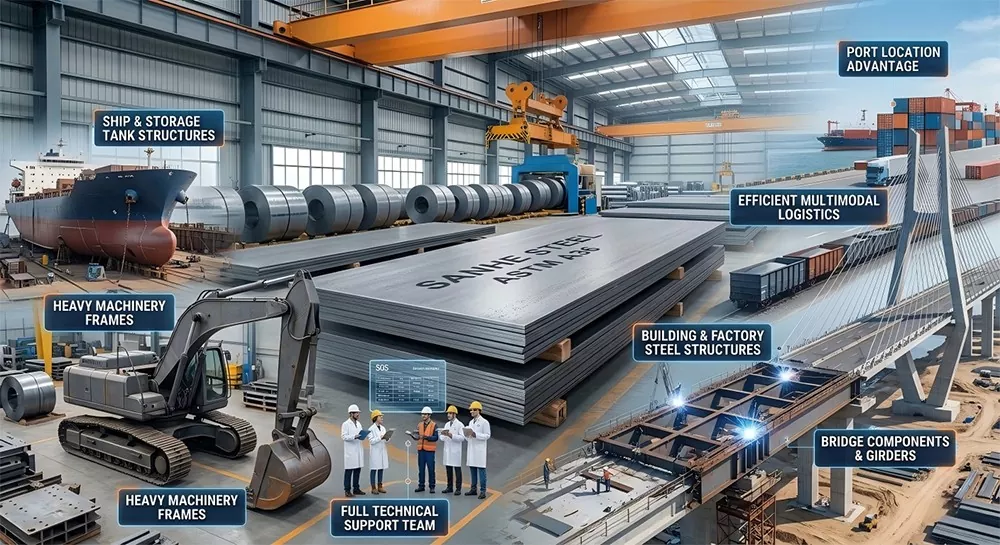
Supply & Service
Inventory and Delivery
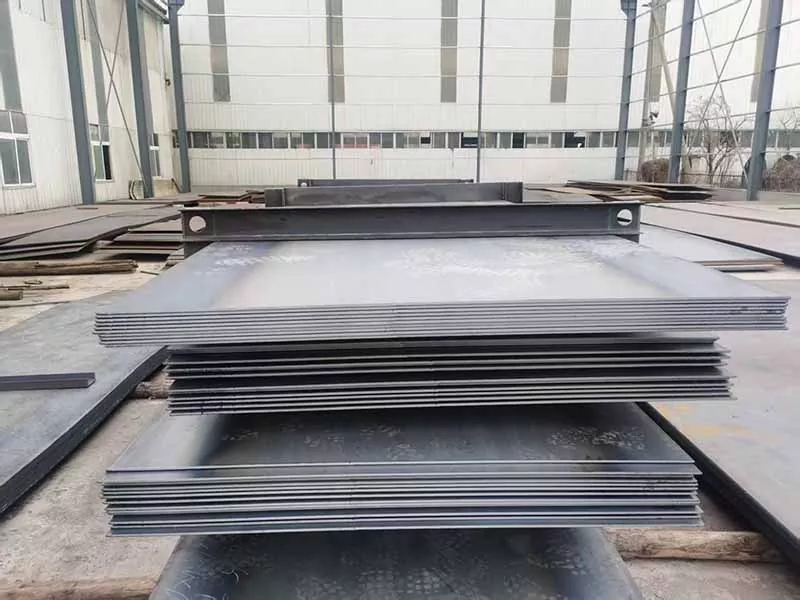
Sanhe Steel maintains substantial inventory of standard dimension ASTM A36 hot rolled steel plates at our Qingdao warehouse facility, enabling rapid dispatch for urgent orders and short project lead times. Our strategic raw material partnerships with Baowu Steel, Hebei Steel Group, and other major producers ensure consistent replenishment capacity and the ability to scale up supply for large-volume project requirements without delivery delays.
Standard specification spot orders typically ship within 7 days from order confirmation, making our stock program ideal for construction projects with immediate material requirements. Custom cut-to-size processing from stock adds approximately 3-5 days to the delivery schedule, while large-volume orders requiring dedicated mill production carry typical lead times of 15-30 days depending on specific dimension and quantity requirements. The minimum order quantity for standard spot material is 60 tons, with smaller sample and trial orders evaluated on a case-by-case basis.
Logistics Advantages
Our Qingdao facility's location adjacent to one of China's busiest international container ports creates significant logistics advantages for overseas customers, particularly for shipments to North American, South American, and Southeast Asian destinations. Reduced domestic overland transport distance lowers both cost and carbon footprint compared to inland steel suppliers, while frequent sailings from Qingdao port provide flexible scheduling options and reliable transit times to all major global ports.
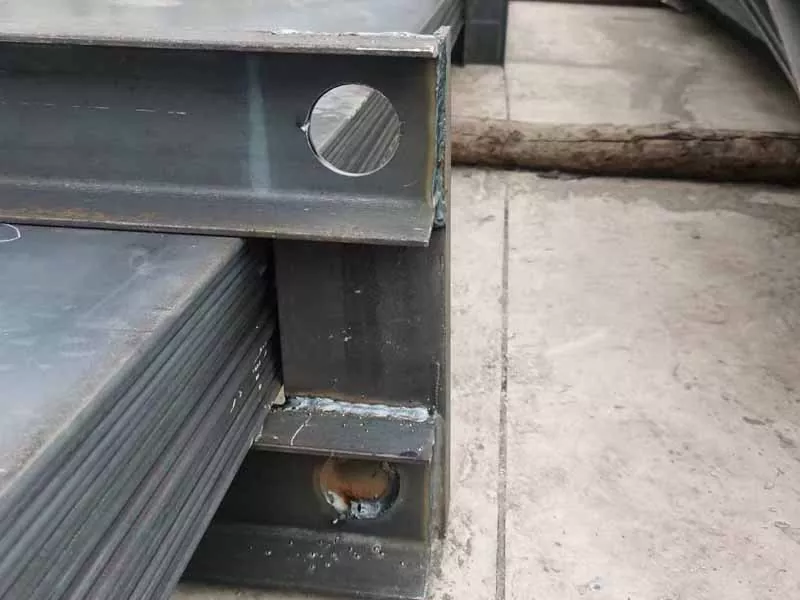
We support all standard international trade terms including FOB Qingdao, CIF destination port, and DDP delivery to customer facilities, with full shipment tracking visibility throughout the transport journey. Our logistics team has extensive experience with both full container load and breakbulk cargo for heavy plate shipments, arranging appropriate packaging including steel strapping, wooden dunnage, and protective edge boards to prevent transit damage. Optional anti-rust oil surface treatment is available for long ocean voyages through high-humidity climate zones.
Three-Phase Customer Support
Built on our corporate philosophy of integrity as the foundation, quality as the base, and service as the top priority, Sanhe Steel delivers comprehensive customer support structured across three service phases that cover the entire procurement lifecycle from initial inquiry through post-delivery follow-up. Our customer renewal rate exceeding 90% reflects the effectiveness of this service approach in building long-term collaborative supplier relationships.
Pre-sales service provides professional technical consultation on grade selection, specification matching, and application suitability assessment, plus detailed formal quotations, sample arrangement, and logistics planning support. Our sales engineers can review project drawings and recommend cost-optimized material specifications and cutting patterns to maximize material utilization and reduce overall project cost.
In-sale service includes dedicated order coordination with real-time progress tracking, regular status updates on processing and inspection milestones, and flexible scheduling adjustments to accommodate changing project timelines. A single point of contact manages each order from confirmation through shipment to ensure clear communication and rapid response to any changes or questions that arise during the fulfillment process.
After-sales service delivers 7×24 hour response availability for quality inquiries, technical support for fabrication questions, documentation assistance, and any post-delivery issues that may arise. All products are covered by formal quality warranty based on the original mill test certificates, and our team maintains ongoing customer follow-up to gather feedback and continuously improve our products and services.
Applications
As the universal standard carbon structural steel for American Standard projects, ASTM A36 hot rolled steel plate finds application across virtually every industry requiring structural steel materials. Its combination of reliable performance, broad availability, ease of fabrication, and economical pricing makes it the default specification for general structural work where specialized high-strength or low-temperature properties are not required.
Building and Construction
The construction industry is the largest consumer of A36 steel plate, using it for building steel structure frameworks, factory building beams and columns, bridge structural components, warehouse racking systems, and general structural fabrication. Its excellent weldability and consistent mechanical properties make it suitable for both shop-fabricated structural components and on-site erection work, and the ASTM standard specification ensures universal acceptance by building departments and structural engineers across North American and international markets.
Heavy Machinery and Equipment
In mechanical manufacturing, A36 hot rolled steel plate serves as base material for heavy machinery frames, equipment bases, machine tool structures, and general mechanical component fabrication. Its good machinability allows drilling, milling, and turning operations with standard tooling, while the consistent material properties ensure predictable performance in both static and moderately dynamic loading applications. Thicker plate sections up to 500mm are commonly used for heavy base plates and machine foundation structures.
Industrial and Energy Infrastructure
Industrial facility applications include tank bottom plates, pressure vessel shells (when specified within applicable pressure vessel code requirements), wind turbine tower base sections, crane and lifting equipment components, and general industrial structural steelwork. The wide availability of A36 in heavy thicknesses makes it particularly suitable for industrial equipment bases and foundation plates requiring substantial material thickness for stability and load distribution.
Shipbuilding and Transportation
Shipbuilding and marine fabrication uses A36 plate for secondary structural components, interior structural work, deck plating in non-critical areas, and ship fitting fabrication. For highway and rail transportation, the material appears in truck frame components, trailer structures, rail car components, and container construction. Across all transportation applications, the weldability and formability of A36 enable efficient production manufacturing with consistent quality results.
FAQ
Q: Can you provide third-party inspection reports for A36 hot rolled steel plate?
A: Yes. Every batch ships with SGS or BV inspection reports covering chemical composition, mechanical properties, dimensions, and surface quality, fully acceptable for overseas project acceptance and customs clearance with complete traceability.
Q: What is the minimum order quantity and do you offer custom processing?
A: Standard spot MOQ is 60 tons with smaller sample quantities negotiable. We support full custom dimension cutting plus value-added services including bending, punching, and surface treatment to deliver ready-to-install plates.
Q: What welding and cutting processes are suitable for A36 steel plate?
A: A36 has excellent weldability with no preheating needed for standard thicknesses, compatible with MIG, stick, submerged arc, and all common methods. Thin gauges work with plasma/laser cutting while thick plates use flame cutting.
Q: How is international order delivery handled and what are typical lead times?
A: Spot orders ship within 7 days from Qingdao port via FCL, bulk, or LCL with full tracking. Custom production orders take 15-30 days. We support FOB, CIF, and DDP trade terms to all major global ports.
Q: What advantages does Sanhe Steel A36 plate have over competing suppliers?
A: Three key advantages: stricter internal control with lower P/S impurities for cleaner steel, comprehensive custom processing options including cutting and surface treatment, and efficient port-based supply chain with dedicated technical support throughout.
Q: Is A36 steel plate suitable for outdoor structural applications?
A: Yes, A36 is suitable for outdoor use when properly protected. We recommend painted or galvanized surface treatment for prolonged outdoor exposure to prevent corrosion and extend service life in exterior environments.
Hot Tags: ASTM A36 Hot Rolled Steel Plate, China, Manufacturer, Supplier, Factory
Send Inquiry
Contact Info
-
Address
No. 1188, Lanzhou West Road, Jiaozhou City, Shandong Province, China
-
Tel
-
E-mail
Welcome to our website! For inquiries about our products or pricelist, please leave your email to us and we will be in touch within 24 hours.