
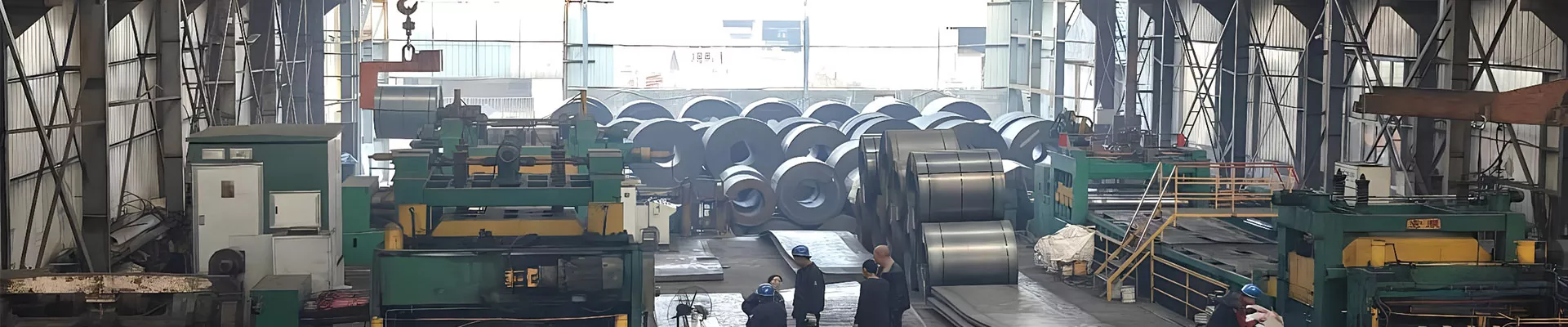
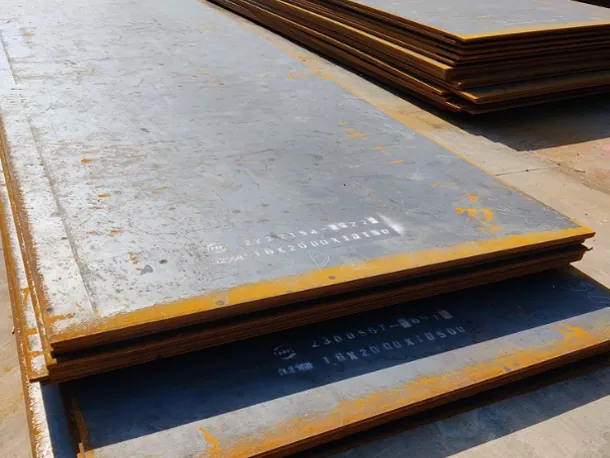
Q345 Medium Heavy Structural Steel Plate
Sanhe Steel specialises in the distribution and value‑added processing of Q345 Medium Heavy Structural Steel Plate for construction, bridge and machinery sectors worldwide. This low‑alloy high‑strength material, formerly 16Mn, is manufactured to GB709 dimensional tolerances and GB/T 1591‑2008 chemical/mechanical specifications. Through our long‑term partnerships with Baowu and HBIS, we stock all grades A–E and offer precision shearing, slitting and levelling to meet exact project dimensions, with full mill test certificates for every batch.
Supplied in hot‑rolled or normalised condition, this structural plate balances strength, ductility and cost‑effectiveness, making it the preferred choice for medium‑to‑heavy sections in Chinese engineering practice. Each piece undergoes strict dimensional and material inspection before dispatch, ensuring complete traceability and compliance with your structural design codes.
Structural Design Considerations
When designing with Q345 medium heavy plate, engineers must account for its thickness‑dependent yield strength and the influence of section size on overall stability. Proper design ensures safe and economical use of the material in load‑bearing members.
1. The nominal yield strength of 345 MPa applies to thicknesses ≤16 mm; for thicker plates, the value reduces progressively – always consult the GB/T 1591‑2008 thickness‑yield strength table for accurate calculation.
2. For columns and beams under compression or bending, the slenderness ratio and local buckling must be checked using the actual yield strength of the selected thickness, not the nominal value.
3. When designing welded connections, the through‑thickness (Z‑direction) stresses should be evaluated; if tensile strains exceed 15%, consider specifying Z15, Z25 or Z35 grades to prevent lamellar tearing.
4. For structures exposed to dynamic loads (e.g., crane girders, bridge decks), the impact toughness grade should be chosen based on the lowest expected service temperature – grade C for 0°C, D for -20°C, and E for -40°C.
5. Always apply appropriate safety factors (typically 1.5–2.0) to the yield strength, ensuring that working stresses remain well below the yield point to avoid plastic deformation under service loads.
In summary, successful structural design with this plate requires a clear understanding of thickness‑yield relationships, connection details, and environmental temperature, all of which influence the final grade and thickness selection.
Thickness Selection Guide
Choosing the right thickness for Q345 Medium Heavy Structural Steel Plate is a critical step that affects both structural safety and material economy. Thicker sections offer higher load capacity but come with lower yield strength and potentially higher welding heat input requirements.
1. For light‑to‑medium frames (e.g., single‑storey buildings, machine bases), thicknesses between 8–20 mm are commonly used, leveraging the full 345 MPa yield strength with good weldability.
2. For heavy columns, crane beams and bridge girders, thicknesses of 25–60 mm are typical – but note that yield strength drops to around 325 MPa for 25–40 mm and further to 295 MPa for 40–60 mm, so cross‑sections must be enlarged accordingly.
3. When thickness exceeds 60 mm, special attention must be paid to preheating during welding and to Z‑direction performance to avoid lamellar tearing in highly restrained joints.
4. For projects requiring both high strength and excellent low‑temperature toughness, choose grade D or E with thinner sections if possible, as thicker plates cool slower during rolling and may have coarser grains.
5. Always verify the actual thickness tolerance (GB709 allows negative tolerances) – order a nominal thickness that guarantees the minimum required net section after tolerance allowance.
Ultimately, the optimal thickness balances load requirements, fabrication constraints, and cost – and our technical team can assist in selecting the most economical combination for your specific design.
Weldability and Joint Design
Q345 medium heavy structural plate is renowned for its excellent weldability, but sound joint design and appropriate procedures are essential to maintain the material’s mechanical properties, especially for thick sections and cold‑climate grades.
1. The carbon equivalent (CEV) of Q345 typically ranges between 0.38–0.45%, which is well below the 0.50% threshold for easy welding without preheating under normal shop conditions.
2. For plate thicknesses above 30 mm or in ambient temperatures below 5°C, a preheat of 50–100°C is recommended to prevent hydrogen‑induced cracking, particularly for grades D and E.
3. Use low‑hydrogen electrodes or flux‑cored wires, and maintain interpass temperatures below 200°C to avoid grain growth in the heat‑affected zone, which could reduce toughness.
4. For full‑penetration butt welds in heavy sections, consider double‑sided welding or backing bars to ensure complete fusion; root runs should be ground or back‑gouged to remove any defects.
5. If Z‑direction performance is specified, design joints to minimise through‑thickness strain – for example, use partial penetration welds or add reinforcing plates to distribute stress away from the thickness direction.
In practice, proper joint preparation, electrode selection and controlled heat input ensure that welded connections retain the base metal’s strength and toughness, making Q345 a shop‑friendly material for heavy fabrication.
Corrosion Protection and Durability
While Q345 steel has good atmospheric corrosion resistance compared to mild steel, additional protective measures are often required to ensure long‑term durability in outdoor or aggressive environments. This section outlines common protection strategies.
1. For indoor structures with low humidity, a standard shop primer (e.g., epoxy zinc‑rich) provides sufficient temporary protection during construction; permanent coating may not be necessary.
2. For outdoor bridges and building frames exposed to rain and wind, a multi‑coat system (epoxy primer + polyurethane topcoat) is recommended, with total dry film thickness of 200–300 microns to withstand 15‑20 years of service.
3. In marine or industrial environments with high chloride or chemical exposure, consider thermal spraying of zinc or aluminium, or use heavy‑duty epoxy coatings with a sealing coat.
4. For buried or submerged components (e.g., foundation piles, water tanks), cathodic protection combined with a bituminous or fusion‑bonded epoxy coating is often specified to prevent pitting corrosion.
5. Regular inspection and maintenance, including touch‑up of damaged areas, are essential to extend the structure’s service life; our processing services can also provide edge‑bevelling and rounding to improve coating adhesion.
Overall, the durability of this structural plate depends largely on the effectiveness of the protection system matched to the exposure environment – and we offer surface preparation and coating application as part of our custom processing.
Real‑World Project Applications
Q345 medium heavy structural plate has been successfully deployed in numerous major engineering projects across China and overseas. These case examples illustrate its versatility and reliability in demanding load‑bearing roles.
1. In the construction of a 300‑metre supertall skyscraper in Shanghai, Q345D plates (40‑60 mm thick) were used for the core wall embedded columns, providing the required strength and -20°C toughness for the high‑rise structure’s seismic design.
2. For the main girders of a railway bridge in northern China, Q345qE (bridge grade) was selected to guarantee impact resistance at -40°C, with Z‑direction performance specified for the thick flange‑web connections to prevent lamellar tearing under heavy train loading.
3. A large mining equipment manufacturer used Q345B plates (20‑30 mm) for the frames of heavy dump trucks, leveraging the high yield strength to reduce weight while maintaining structural integrity under extreme dynamic loads.
4. In a petrochemical plant expansion, Q345R (pressure vessel variant) plates were chosen for spherical storage tanks, where the material’s good ductility and weldability ensured safe operation at medium pressures.
5. For a wind turbine tower project in a coastal area, Q345E plates with enhanced corrosion coatings were employed to withstand both the low‑temperature offshore climate and the fatigue loads from rotating blades.
These examples demonstrate that Q345 medium heavy structural plate is not just a standard commodity but a mature engineering material that has proven its value across a wide spectrum of heavy industries – and Sanhe Steel has supplied material for many such projects.
Quality Assurance and Inspection
Sanhe Steel’s quality assurance system covers every step from mill sourcing to final inspection, ensuring that each plate of Q345 Medium Heavy Structural Steel Plate meets the required chemical, mechanical and dimensional specifications. Our in‑house CNAS‑accredited laboratory provides independent verification.
1. Upon arrival, each coil or plate is checked against the mill test certificate (MTC) for grade, heat number and chemical composition; we verify carbon, manganese, phosphorus, sulphur and alloy content using optical emission spectrometry.
2. Tensile and impact specimens are cut from each heat and tested at the required temperature (e.g., 0°C, -20°C or -40°C) to confirm yield strength, tensile strength, elongation and Charpy V‑notch energy – all recorded in our inspection reports.
3. Dimensional checks include thickness measurement at multiple points (using ultrasonic gauges), flatness evaluation with a straightedge, and edge straightness to ensure compliance with GB709 tolerances.
4. For orders with Z‑direction requirements, we conduct through‑thickness tensile tests to verify the reduction of area meets Z15, Z25 or Z35 levels, as specified.
5. All inspection records are retained for traceability; we provide a comprehensive quality dossier with every shipment, including MTC, test reports and dimensional certificates.
To conclude, our strict QA/QC protocol, backed by ISO 9001 certification and CNAS accreditation, gives our customers full confidence that every plate they receive is fit for its intended structural purpose.
Custom Processing and Logistics
Beyond supplying standard plates, Sanhe Steel offers a range of value‑added processing services to reduce downstream fabrication costs and shorten project lead times. Our Qingdao facility is equipped with advanced machinery for precision cutting and shaping.
1. CNC shearing lines can cut plates up to 25 mm thick and 2,500 mm wide, providing straight, burr‑free edges ready for welding or bolting without additional machining.
2. Longitudinal slitting equipment allows us to produce narrow strips from wide coils, ideal for stiffeners, bracing members and small structural components.
3. Our hydraulic leveling machine corrects coil curvature and residual stress, delivering plates with flatness within 2 mm per metre – essential for automated fabrication lines.
4. We also offer beveling, edge preparation (for butt welds), and custom hole drilling or punching upon request, enabling direct assembly at your workshop.
5. With our strategic location near Qingdao port, we provide efficient logistics for both domestic and export orders – standard stock items ship within 7‑15 days, while custom‑processed orders are scheduled based on complexity.
Overall, our one‑stop service from material supply to tailored processing ensures that your project receives exactly the cut‑to‑size plates you need, on time and within budget.
Frequently Asked Questions
Q1: What does the “medium heavy” designation mean for this plate?
A: It generally refers to thickness ranges from 8 mm up to 100 mm or more, covering sections used in heavy structural framing, bridge girders and machinery bases – as opposed to thin sheets (≤6 mm) or ultra‑heavy plates (>150 mm).
Q2: Can I get Q345 plates with full through‑thickness (Z) properties?
A: Yes, we supply Z15, Z25 and Z35 grades upon request. These are essential for thick welded joints where tensile stresses act perpendicular to the plate surface.
Q3: What is the difference between Q345 and Q345q for bridges?
A: Q345q is a dedicated bridge steel with additional requirements for fatigue resistance, impact toughness and through‑thickness ductility, but it shares the same yield strength and chemical basis. We can supply bridge‑grade variants.
Q4: Do you offer normalized or thermo‑mechanically rolled (TMCP) plates?
A: Yes, we can supply normalized or TMCP options for improved grain refinement and low‑temperature toughness, especially for grades D and E and for thicker sections.
Q5: How do you ensure the plates are free from internal defects?
A: We perform ultrasonic testing (UT) on all critical orders, and our mill partners routinely conduct non‑destructive inspections to guarantee sound internal quality.
Q6: What is your typical delivery lead time for custom‑cut plates?
A: For standard thicknesses and grades, cut‑to‑size orders are typically ready within 10‑20 days after order confirmation, depending on quantity and processing complexity.
Q7: Do you provide sample plates for trial welding or testing?
A: Yes, we welcome sample orders – we can supply small‑size cut pieces for your evaluation, and we offer technical support for welding procedure qualification.
Summary
Q345 medium heavy structural steel plate remains the backbone material for load‑bearing frameworks, bridges and heavy machinery in China and beyond. Its combination of 345 MPa yield strength, excellent weldability, and graded low‑temperature toughness (from A to E) makes it adaptable to virtually any structural challenge, from temperate warehouses to Arctic bridges.
Thickness‑dependent properties require careful design adjustments, but the material’s well‑documented behaviour, coupled with optional Z‑direction and impact grades, provides engineers with a flexible and reliable specification tool. Sanhe Steel enhances this versatility with precision processing, rigorous inspection and responsive logistics – all backed by ISO 9001 and CNAS accreditation.
With over 16 years of experience and a customer renewal rate exceeding 90%, we are committed to delivering not just steel plates, but complete supply solutions that reduce your fabrication time and cost. Whether you need standard stock, custom‑cut shapes, or fully certified material for a critical project, our technical team is ready to advise and deliver.
Contact us today to discuss your requirements – we offer competitive pricing, sample availability and dedicated account support for both domestic and international customers. Trust Sanhe Steel to supply the structural plate that keeps your projects strong, safe and on schedule.
Related Products

Hot Products
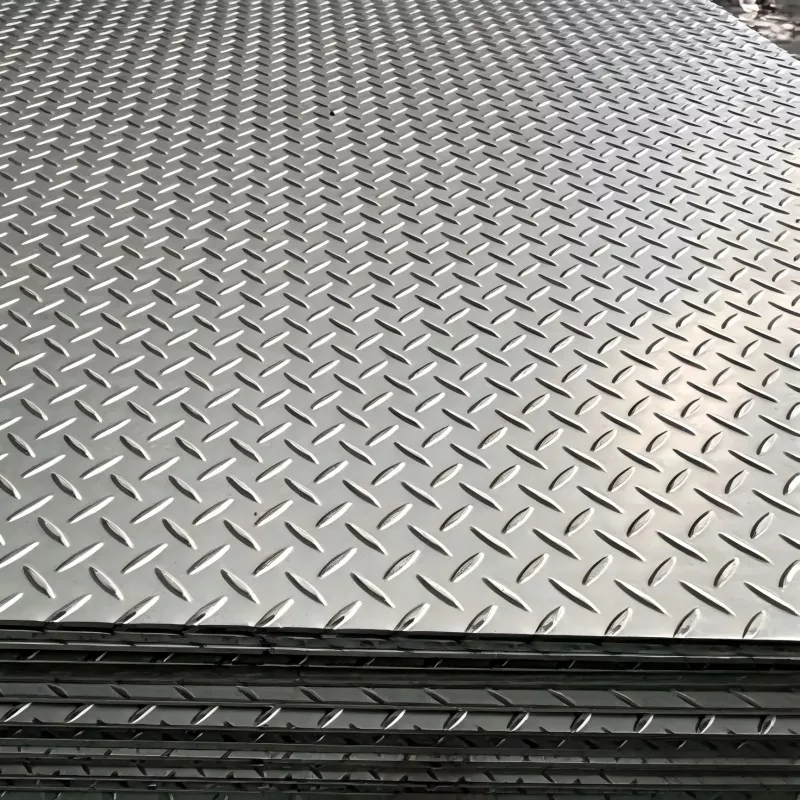
Stainless Steel Checkered Plate
Stainless Steel Checkered Plate from Sanhe Steel, a professional China supplier with over 15 years of industry experience, offers premium embossed anti-slip stainless solutions in 304, 316, 316L, and 430 grades. Featuring excellent corrosion resistance, hygienic easy-clean surfaces, and decorative appeal, our plates serve food processing, chemical, architectural, and transportation industries with ISO-certified quality and custom cutting services.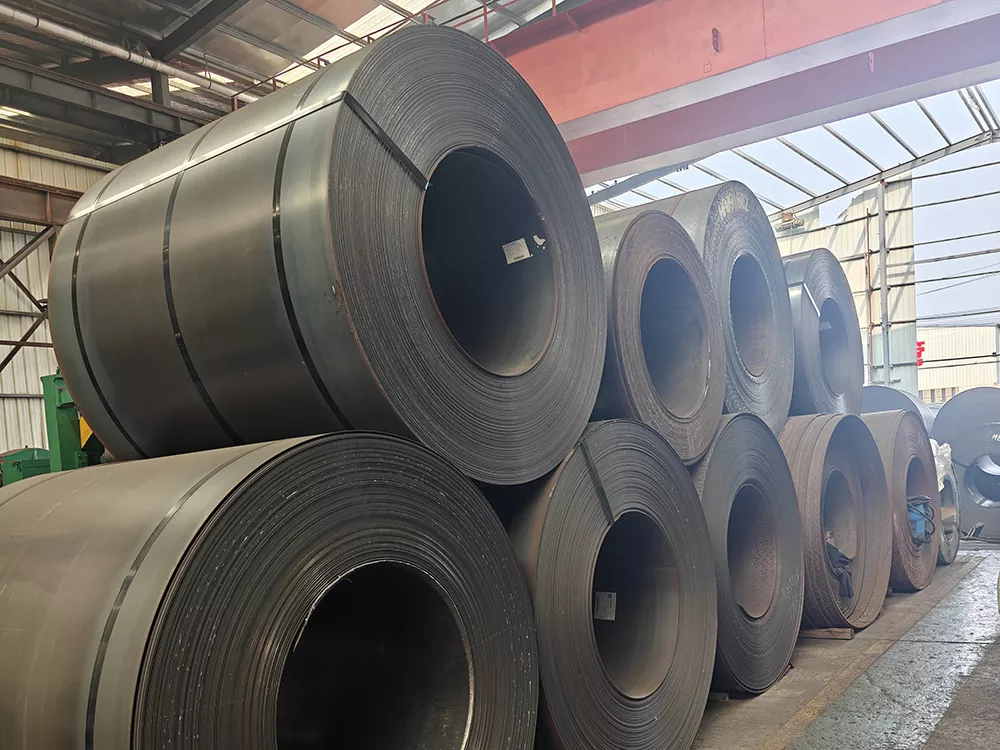
Hot Rolled Coil
Hot Rolled Coil is produced through continuous high-temperature rolling above the steel's recrystallization temperature, featuring excellent ductility and reliable weldability across ASTM, DIN, JIS, EN, and GB/T international standards including grades Q235B, Q355B, SS400, S235JR, A36, and SAE1006/1008. Available in thickness from 1.2mm to 25.4mm and width from 600mm to 2000mm with standard inner diameters of 508mm, 610mm, and 760mm at 15 to 30 tons per coil, it comes in original black mill scale, pickled, and pickled & oiled surface finishes. This versatile material format supports precision slitting and cut-to-length processing, serving as essential feedstock for pipe manufacturing, cold rolling, automotive structures, construction, and general industrial fabrication with consistent mechanical properties throughout the full coil length.
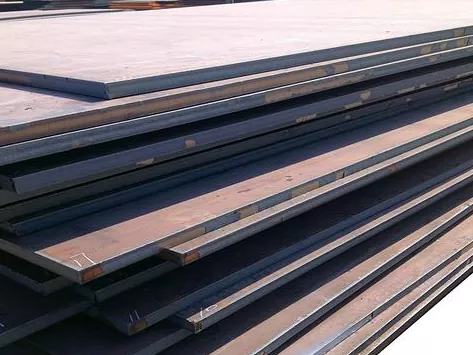
High Strength S235JR Medium and Heavy Plate
High strength S235JR medium and heavy plate from Sanhe Steel is supplied from China with stable mechanical properties, reliable dimensions, and flexible cutting options. As an experienced steel manufacturer and supplier, Sanhe supports standard and customized plate sizes for construction, machinery, and structural applications.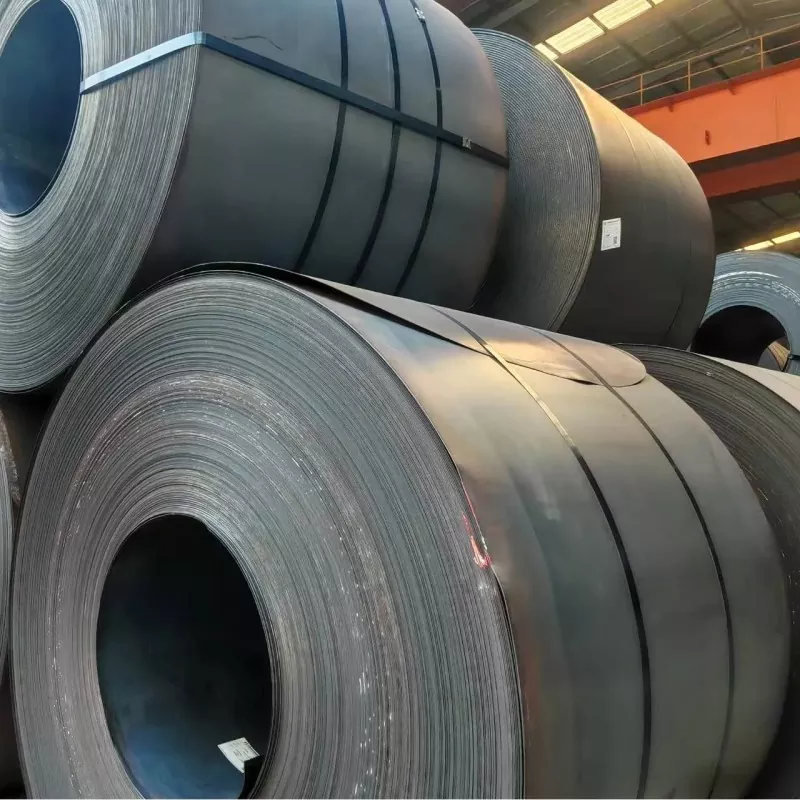
Pickled and Oiled Steel Plate
As a China supplier, Sanhe Steel provides medium pickled and oiled steel plates with excellent mechanical properties. The Q235 pickled and oiled steel material is a common steel. This plate widely serves automobile, home appliance, construction and general machinery manufacturing for medium-precision stamping, bending and welding structural parts.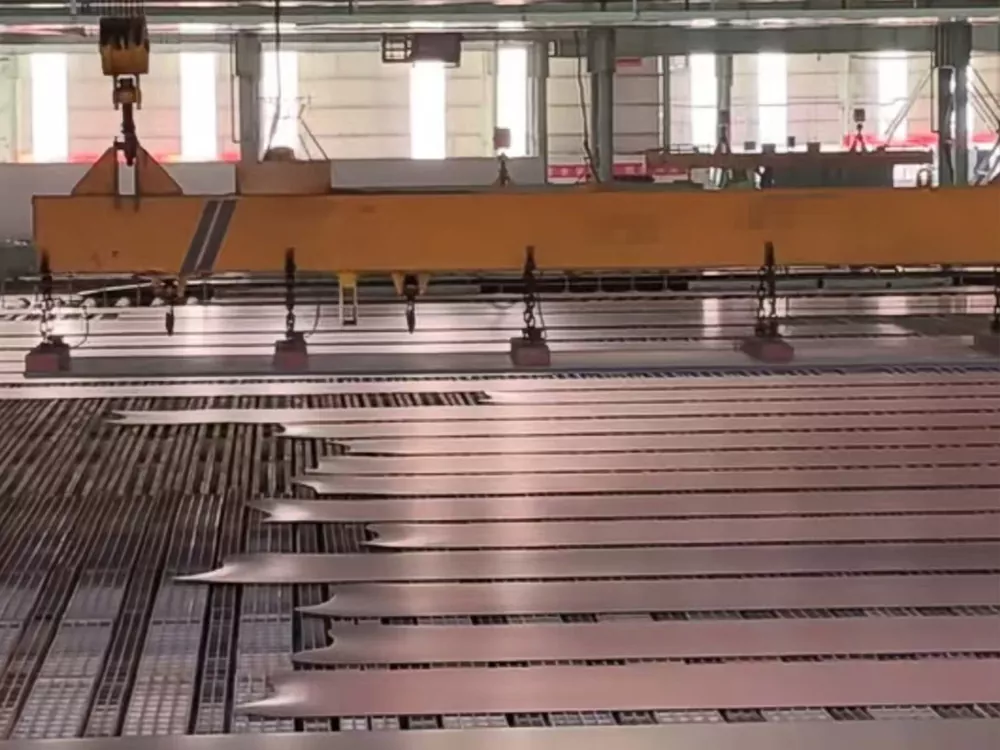
Carbon Steel Plate
Sanhe Steel is a professional wholesaler that combines steel trading and plate processing. It specializes in the sale of Carbon Steel Plates, Medium and Thick Plates, Pattern Plates, High-Strength Steel, and Openings Plates. As a leading physical manufacturer in the industry, we deeply understand the strict requirements for safety performance in industrial and commercial environments.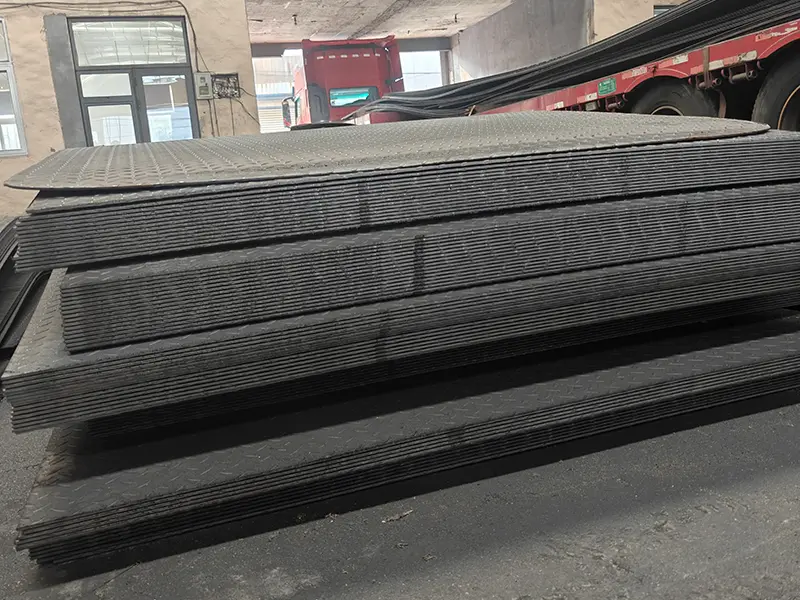
Shipbuilding Steel Plate
Shipbuilding Steel Plate from Sanhe Steel, a professional China manufacturer with over 15 years of industry experience, delivers marine-grade steel certified by 9 major classification societies worldwide. Engineered with advanced TMCP technology, our plates feature exceptional corrosion resistance, superior low-temperature toughness, and optimized weldability with ultra-low carbon equivalent, each rigorously tested via ultrasonic inspection and Z-direction evaluation to guarantee hull structural integrity and long-term durability in harsh saltwater environments.
- Related Blog
- Reviews