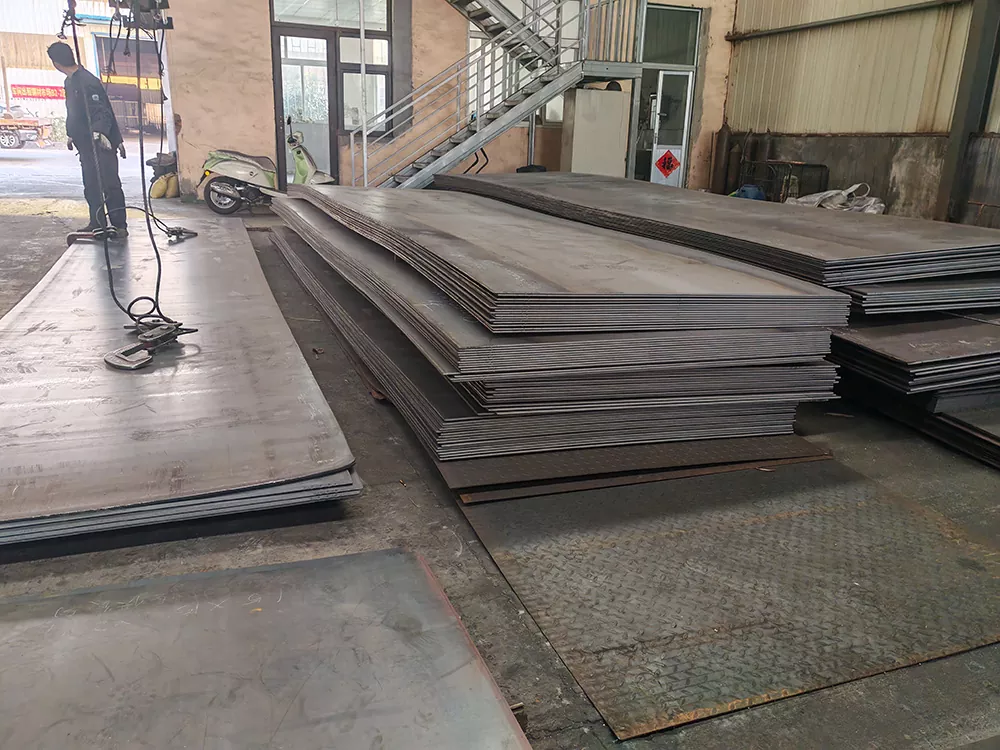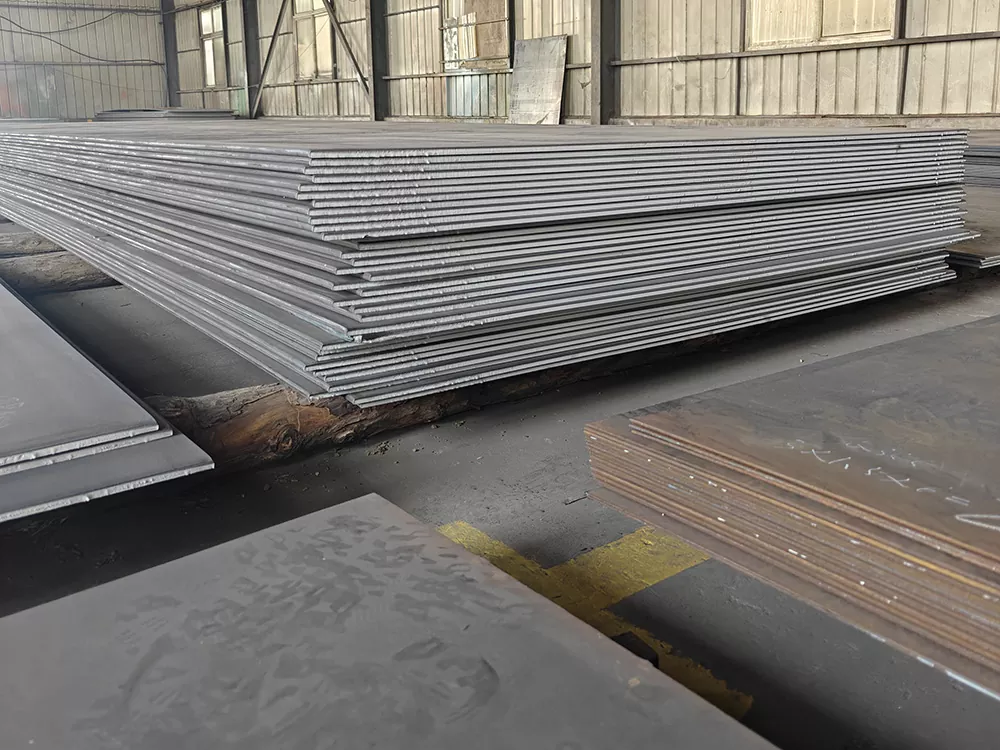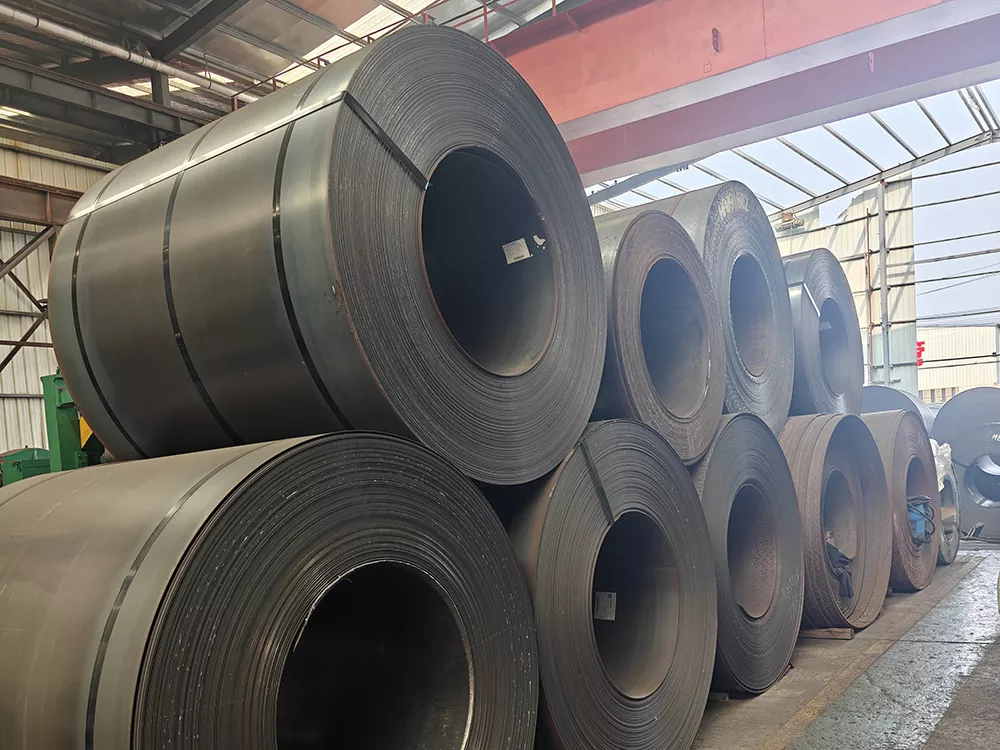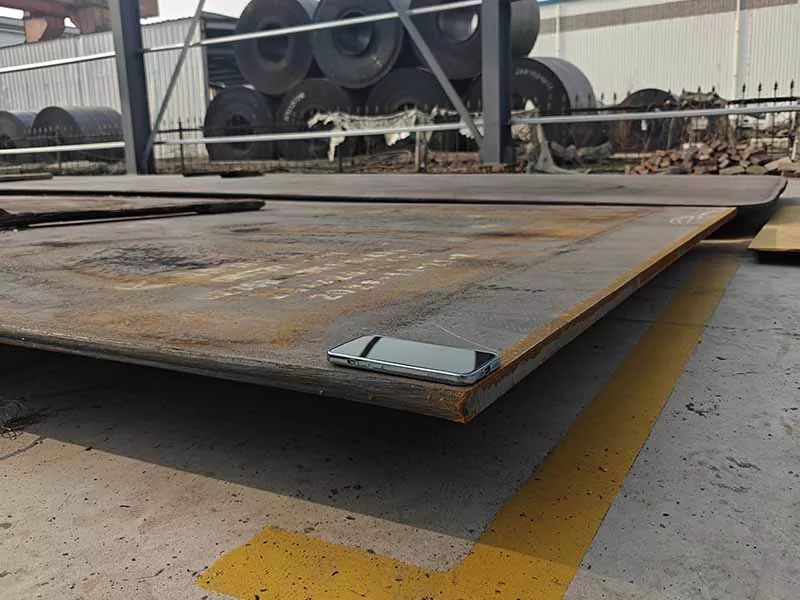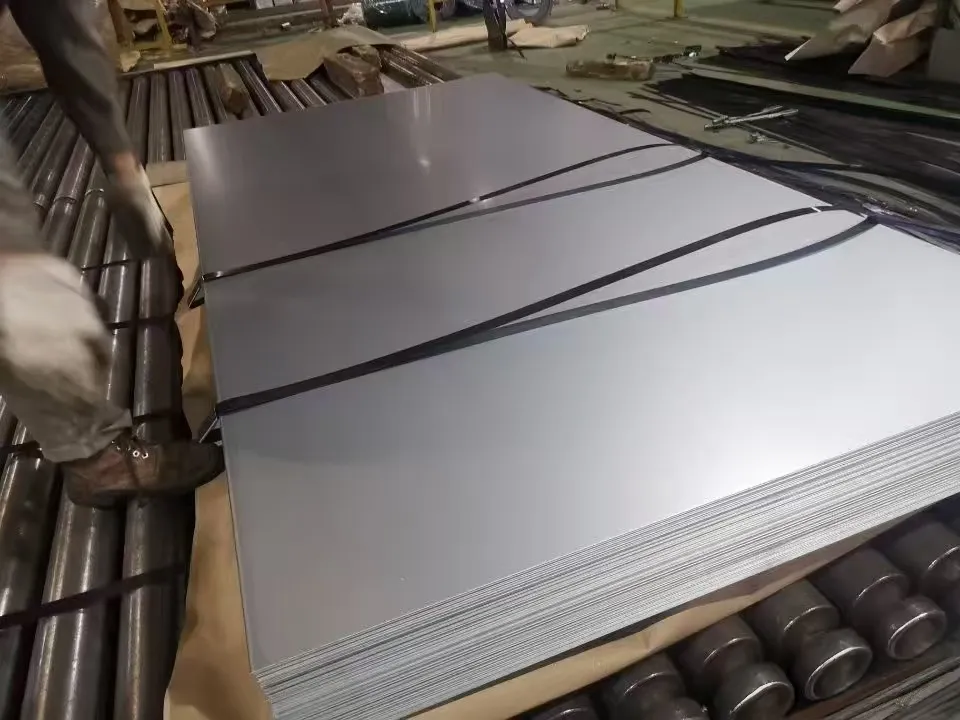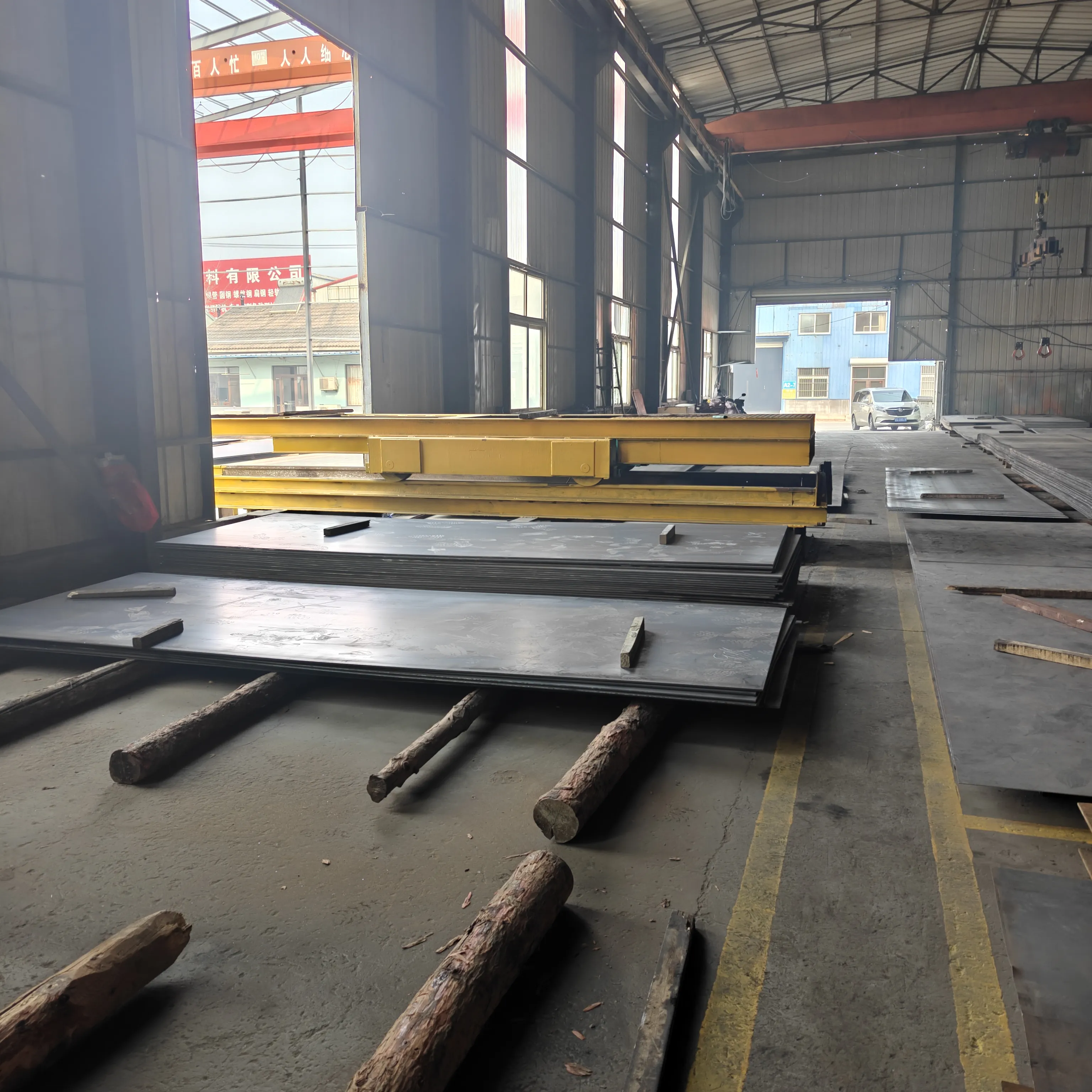
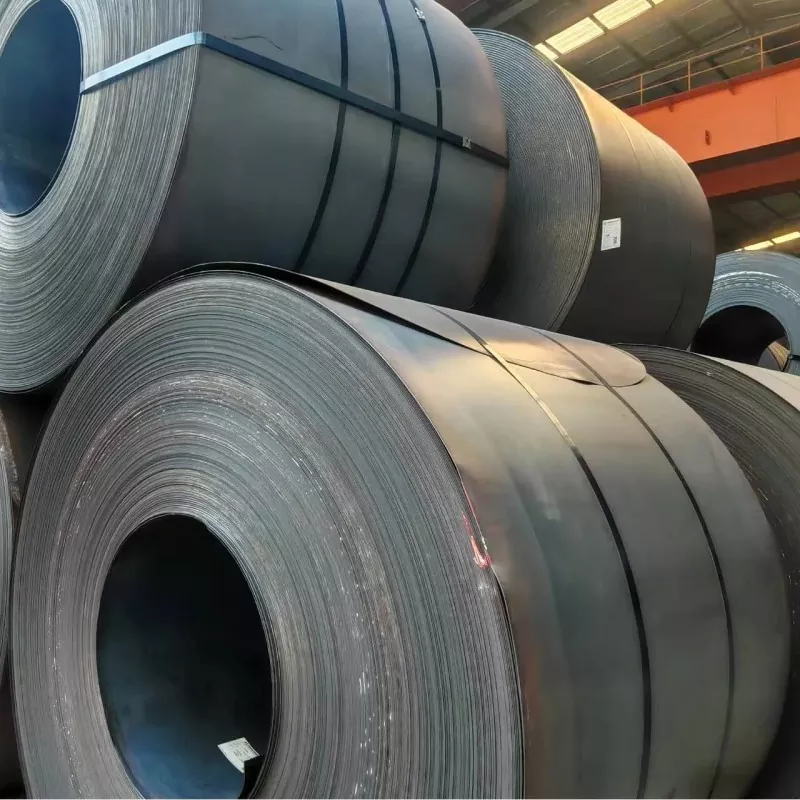
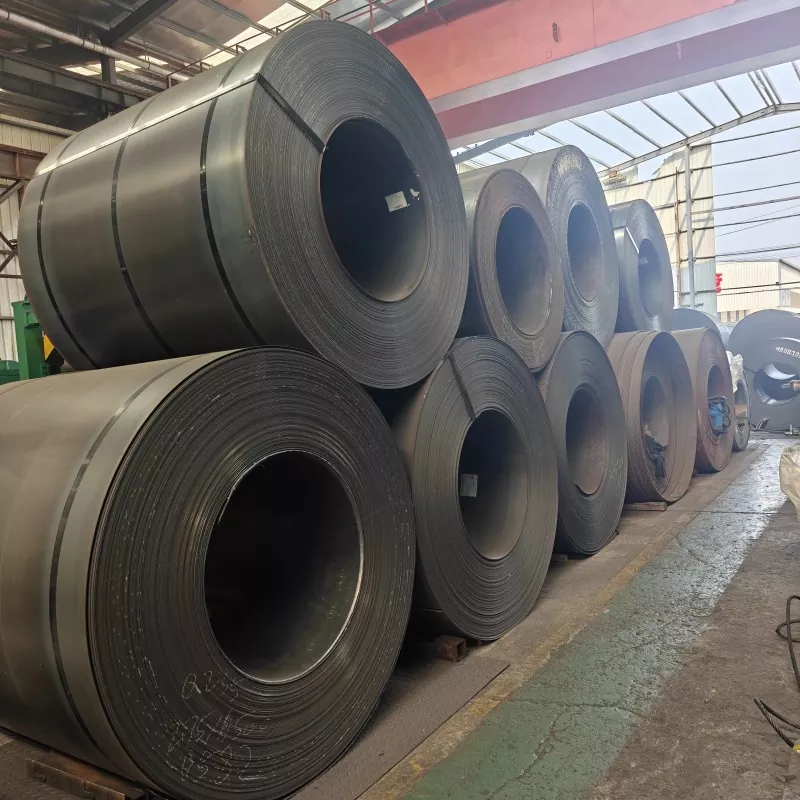
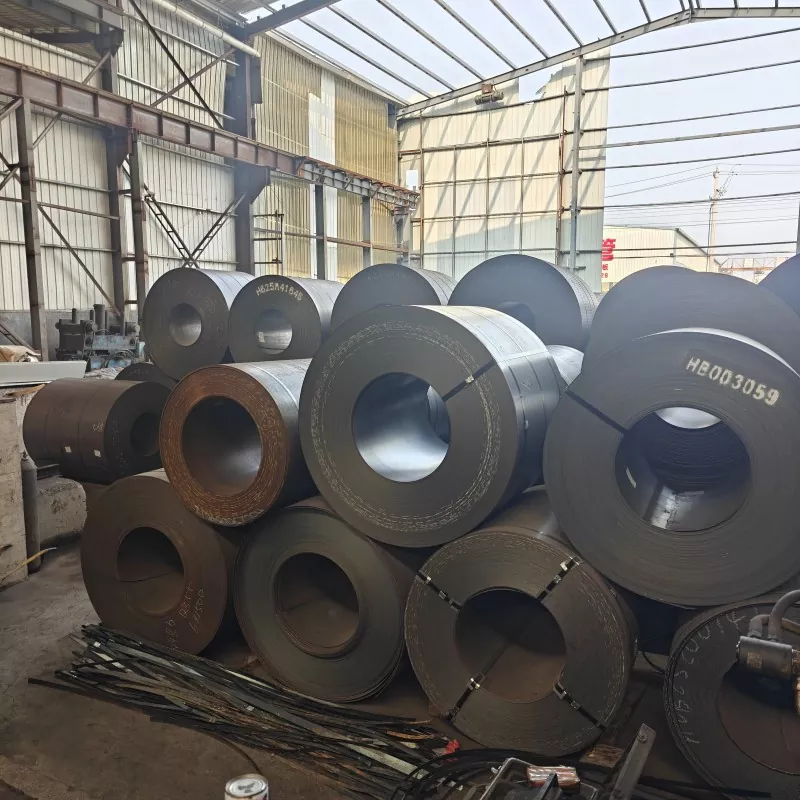
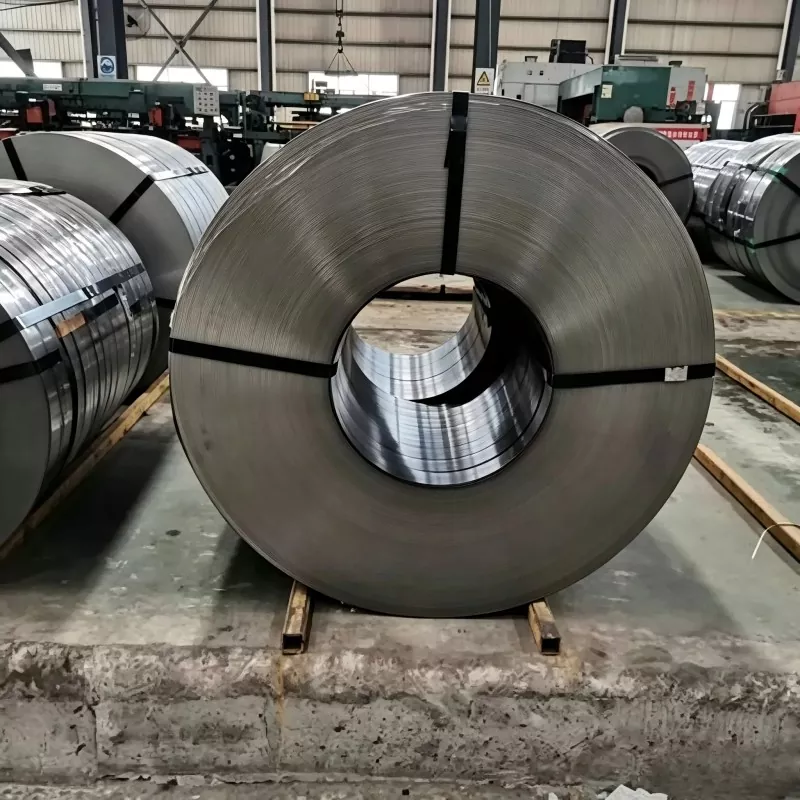
Pickled and Oiled Steel Plate
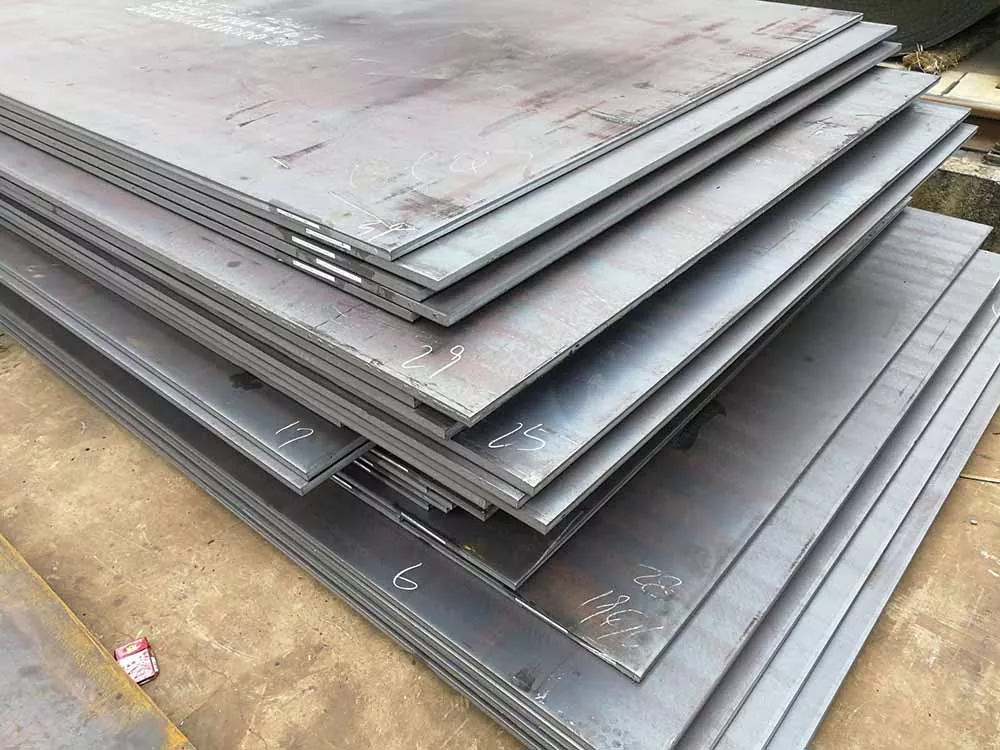
As a China supplier, Sanhe Steel provides medium pickled and oiled steel plates with excellent mechanical properties. The Q235 pickled and oiled steel material is a common steel. This plate widely serves automobile, home appliance, construction and general machinery manufacturing for medium-precision stamping, bending and welding structural parts.
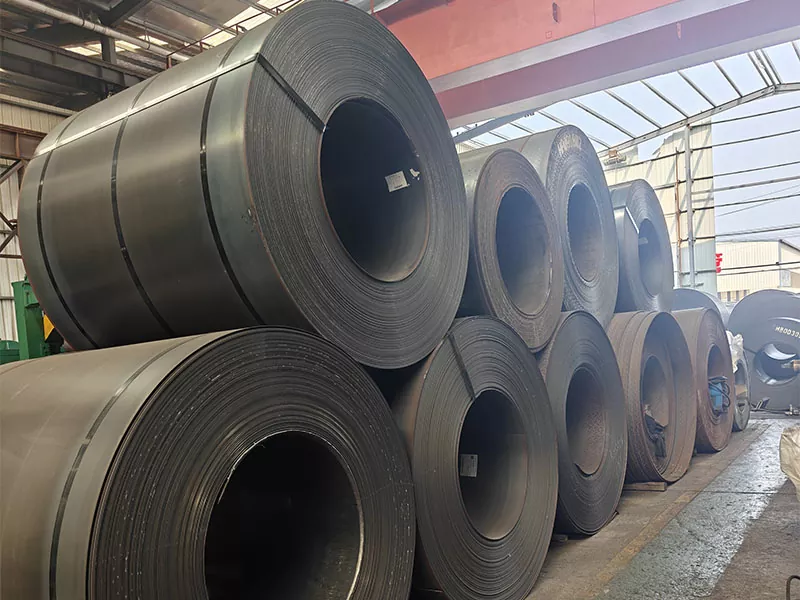
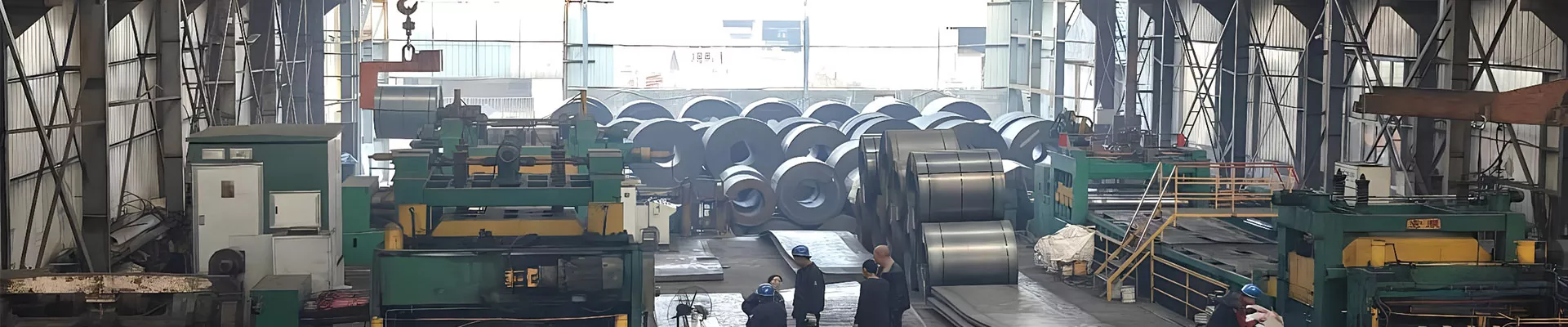
Pickling Plate, the full name of which is hot rolled pickled and oiled sheets and coils, is a type of steel product manufactured from premium hot rolled thin coils. The raw material runs through a complete pickling line to strip off surface mill scale, followed by edge trimming, finishing and other finishing procedures.
Compared with ordinary hot rolled steel, it boasts better surface condition, tighter dimensional tolerance and superior stamping performance. Meanwhile, pickled and oiled steel plate comes at a much lower cost than cold rolled steel sheet. For this reason, it is recognized as an ideal cost-saving substitute that “replaces cold rolled steel with hot rolled material”.
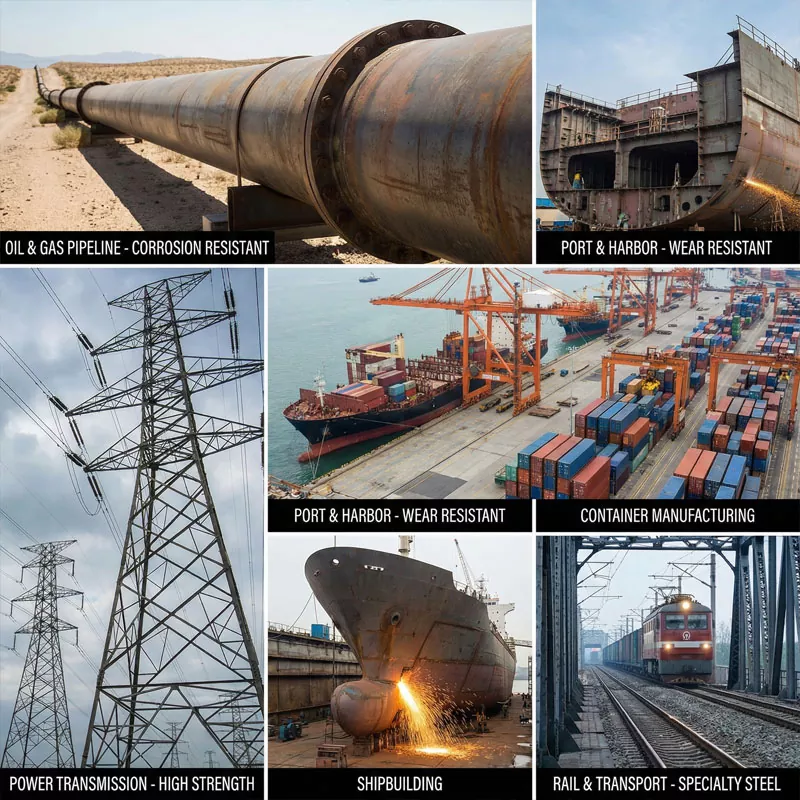
Pickled and oiled steel plate has found extensive applications across automobile manufacturing, machinery production, home appliance fabrication, light industry and hardware sectors. PO steel plate holds particularly vital usage in the production of auto chassis parts, wheel hubs, compressor housings and other key components.
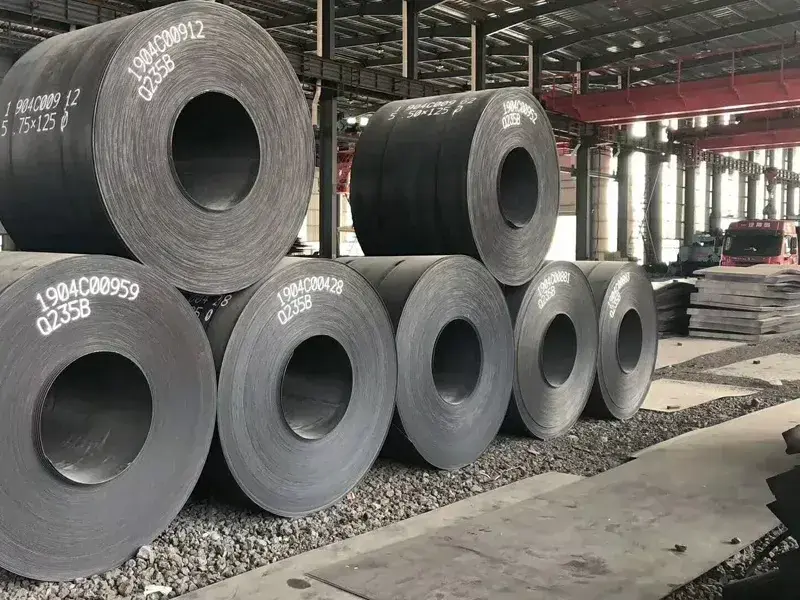
Critical Control Points in Our Pickling Process
Edge Trimming Precision: We apply side-trimming with a slit width tolerance of ±0.5mm to eliminate work-hardened edges. This prevents edge cracking during deep drawing of wheel hubs—a common failure if using untrimmed HRC.
Oiling Weight Control: Post-pickling, we apply anti-rust oil at 1.0-2.0 g/m² (both sides). For customers using robotic welding, we can adjust this to 0.5-0.8 g/m² upon request to avoid weld spatter and porosity—this is a specific pain point we’ve solved for automotive Tier-1 suppliers.
Surface Roughness (Ra): Unlike standard HRPO which offers ~Ra 1.5-2.5μm, we offer a fine-finished variant at Ra ≤ 1.2μm for applications requiring direct painting without intermediate sanding.
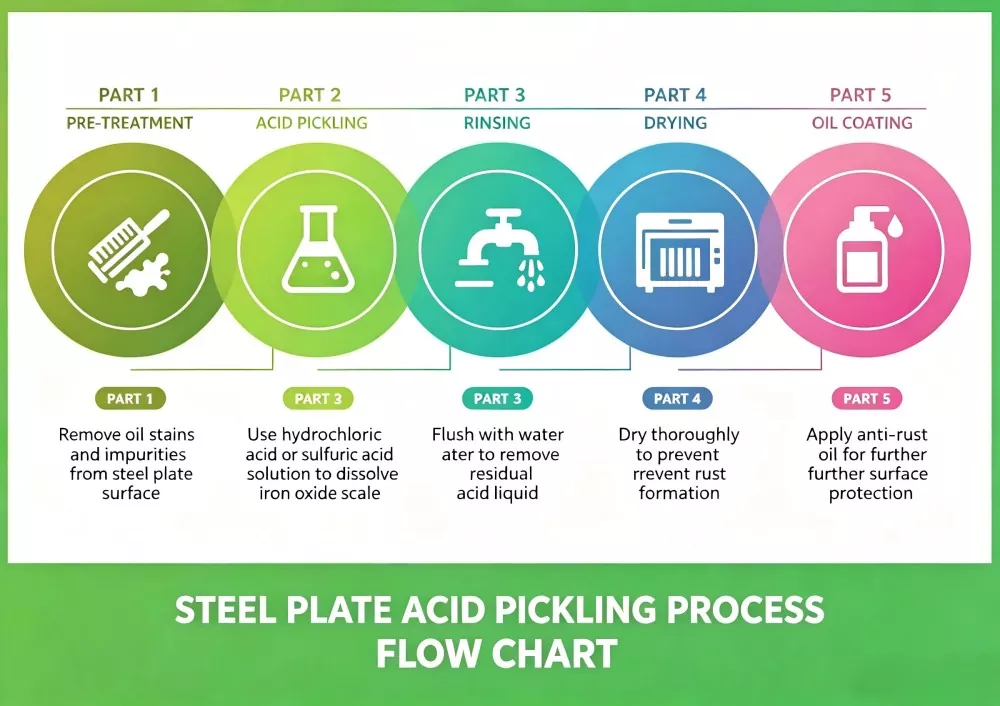
Comparison Between Pickled Steel Sheet and Cold Rolled Steel Sheet
|
Characteristic |
Pickled and Oiled Steel Plate |
Cold Rolled Steel Sheet |
|
Surface Quality |
Smooth surface without oxide scale, anti-rust treatment required |
Smoother surface, suitable for high-precision scenarios |
|
Cost |
Relatively low (≈70-80% of cold rolled steel sheet) |
Relatively high (adopts multi-pass rolling process) |
|
Corrosion Resistance |
Average (depends on subsequent coating treatment) |
Relatively high (part of cold rolled steel sheets come with plating layer) |
|
Thickness Range |
1.0-6.0mm |
0.3-3.0mm (thinner and more uniform) |
|
Application Scenarios |
Medium & low precision stamping, structural components |
High precision stamping, scenarios with strict surface requirements |


Principle of Steel Pickling
Pickling relies on the chemical dissolving power of acids.
In our industrial continuous pickling lines, we predominantly utilize high-concentration hydrochloric acid (HCl) at 18-22% concentration, coupled with a proprietary corrosion inhibitor. This specific formulation effectively removes magnetite (Fe₃O₄) scale while preventing hydrogen-induced blistering on the steel substrate—a critical control point that distinguishes professional picklers from general processors.
These acids trigger chemical reactions with oxides and contaminants covering the surface on pickled and oiled steel plate, dissolving such substances and stripping them off the steel base.

Reference of Pickled Steel Sheet Applications, Common Grades & Specifications
|
Application Scenarios |
GB Standard Grade |
JIS Standard Grade |
Thickness (mm) |
Width (mm) |
Length (mm) |
|
Automobile Manufacturing |
Q235, Q345 |
SPHC, SPHD |
0.8-3.0 |
1000-1500 |
2000-4000 |
|
Home Appliance Manufacturing |
08, 10 |
SPCC, SPCD |
0.5-2.0 |
800-1200 |
1000-3000 |
|
Construction Industry |
Q235, Q275 |
SPHC |
1.5-6.0 |
1200-2000 |
3000-6000 |
|
Machinery Manufacturing |
Q195, Q215 |
SPHC |
1.0-4.0 |
1000-1500 |
2000-4000 |
|
Pipeline Manufacturing |
Q235, Q345 |
SPHC |
2.0-6.0 |
1200-2000 |
3000-6000 |
When to Substitute HRPO for Cold Rolled Steel?
|
Decision Factor |
Choose HRPO (Cost-Saving) |
Must Choose Cold Rolled (CR) |
|
Bending Radius (R/t) |
≥ 3x material thickness |
< 2x material thickness (risk of micro-fracture) |
|
Tolerance Grade |
ASTM A568 Class 2 (±0.005 inch) |
Class 1 (±0.002 inch) or tighter |
|
Surface Coating After Forming |
Powder coating / Wet paint ≥ 60μm |
Electroplating / No coating (exposed aesthetic surface) |
|
Annual Volume |
> 50,000 pcs (cost advantage amplifies) |
< 5,000 pcs (tooling change cost not justified) |
Real-case Reference 1
Cost Down Project for a German Agricultural Machinery OEM
Challenge: The client was using 2.0mm CR4 cold-rolled steel for harvester cabin brackets, with material cost accounting for 34% of total part cost. They needed an alternative without retooling their existing stamping dies.
Our Intervention: After analyzing their drawing (bending radius R=6mm, thickness tolerance ±0.08mm), we recommended substituting with 2.0mm SPHC-PO. We adjusted the oiling weight to 0.6 g/m² to ensure their robotic welding line (Fronius brand) had zero porosity issues.
Outcome: 22% material cost saving (saving €0.85 per bracket × 180,000 pcs/year = €153,000 annual saving). Zero splitting or surface defects after powder coating (curing at 200°C for 20 min). The client has now rolled this substitution to 3 additional part numbers.
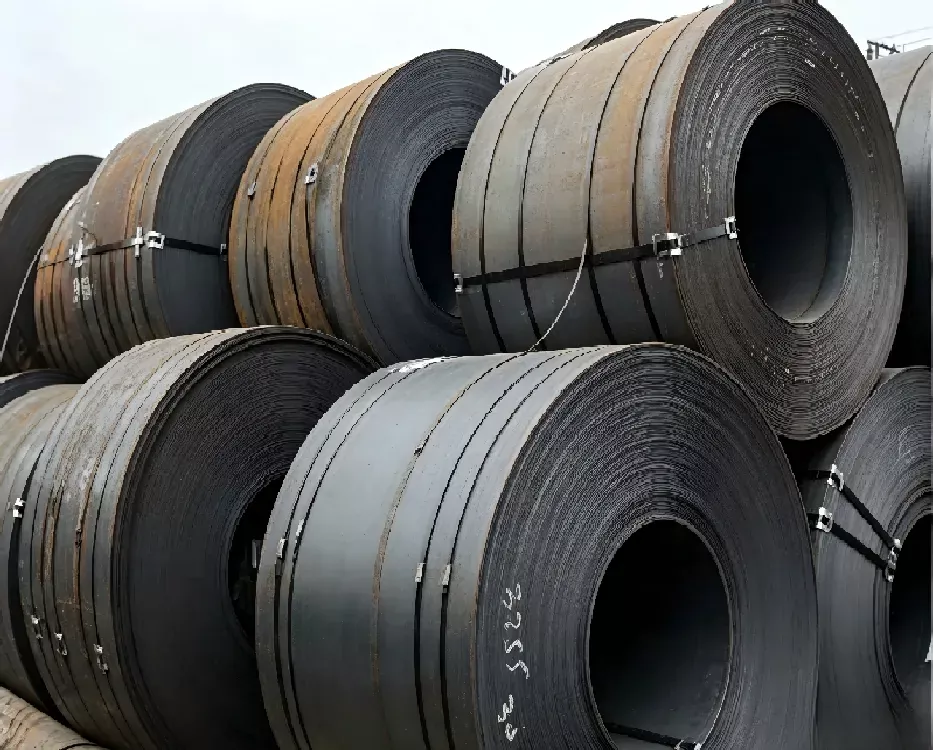
Application Scenarios and Material Grade Selection Recommendations
| Industry | Scenario | Specific Products | Recommended Grades |
| Automobile Manufacturing | Car Body | Body outer panels: car doors, engine hoods | 08/SPHC (thin sheet), Q345 (high strength) |
| Chassis | Chassis parts: suspension brackets, brake disc guards | ||
| Components | Structural parts: seat frames, safety belt fixing plates | ||
| Others: exhaust heat shields, wheel arch liners | |||
| Home Appliance Manufacturing | Outer Shell | Casings: refrigerator side panels, outdoor air conditioner housings | 08/SPCC (extra deep drawing), 10/SPCD |
| Structural Parts | Internal structures: washing machine inner drum brackets, microwave oven cavities | ||
| Electronic Components | Functional parts: washing machine counterweights, water heater tanks | ||
| Construction Industry | Steel Structure | Steel structures: light factory roof trusses, purlins, support beams | |
| Piping | Enclosure systems: roof panels, wall panels, canopies | ||
| Supports | Auxiliary structures: stair treads, ventilation ducts | ||
| Machinery Manufacturing | Mechanical Equipment | Equipment housings: machine tool shields, motor casings | Q195/Q215 (lightweight parts) |
| Tools | Transmission parts: chain guards, conveyor brackets | ||
| Molds | Tool accessories: stamping mold substrates, fixture base plates | ||
| Other Fields | Electronic Products | Outer casings and internal structural parts of electronic products | / |
| Packaging Materials | Packaging materials and containers | / |
Advantages of Pickled and Oiled Plate
Excellent dimensional accuracy: ±0.05mm thickness tolerance (verified by on-site ultrasonic thickness gauge, inspection report attached to each coil)
Great mechanical properties: Yield strength 235-345 MPa, elongation ≥ 38% (per JIS Z 2241 tensile test, sample taken from every heat number)
Outstanding workability: Successful deep drawing up to draw ratio 2.2 (validated in our in-house press lab before mass production)
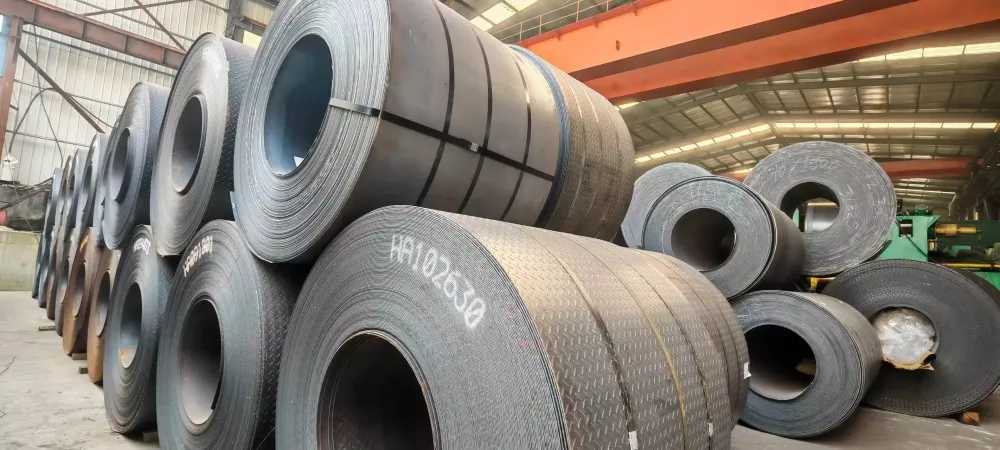
Quality Assurance & Supply Chain Traceability
Mill Source: Our coils originate from Baosteel, Shougang, and HBIS (with full mill test certificates EN 10204 Type 3.1).
Third-Party Inspection: SGS/BV inspection accepted at loading port. We provide in-process pickling bath concentration logs upon request.
Anti-Rust Warranty: Under indoor storage (RH < 60%, temp 15-25°C), we guarantee no red rust for 6 months (extended from standard 3 months via our VCI oiling option).
FAQ
Q1: What is the difference between pickled and oiled steel plate and cold rolled steel sheet?
A1: PO (Pickled & Oiled) Steel Plate is based on hot rolled steel with pickling treatment, with lower cost. Cold rolled steel has ultra-smooth surface and thinner thickness down to 0.3 mm for high-precision parts. PO plate fits medium-precision structural pieces, while cold rolled sheet targets high-standard appearance components with strict tolerance demands.
Q2: Can PO steel plate be used for outdoor products directly?
A2: No. The anti-rust oil on surface only provides short-term temporary protection during storage and processing. For long-term outdoor exposure, you need subsequent surface treatments such as painting, galvanizing or powder coating to boost anti-corrosion capacity.
Q3: What thickness range can you offer for PO steel plate?
A3: Our standard thickness range covers 1.0mm to 6.0mm, customizable width from 800mm to 2000mm and length from 1000mm to 6000mm according to clients’ drawing demands.
Q4: How long can PO steel stay rust-free under normal storage?
A4: Stored in a dry indoor warehouse without humid air or chemical gas, the anti-rust oil can protect the steel surface for 3-6 months. Avoid open-air stacking to prevent premature oxidation.
Hot Tags: Pickled and Oiled Steel Plate, China, Manufacturer, Supplier, Factory
Send Inquiry
Contact Info
-
Address
No. 1188, Lanzhou West Road, Jiaozhou City, Shandong Province, China
-
Tel
-
Email
Welcome to our website! For inquiries about our products or pricelist, please leave your email to us and we will be in touch within 24 hours.