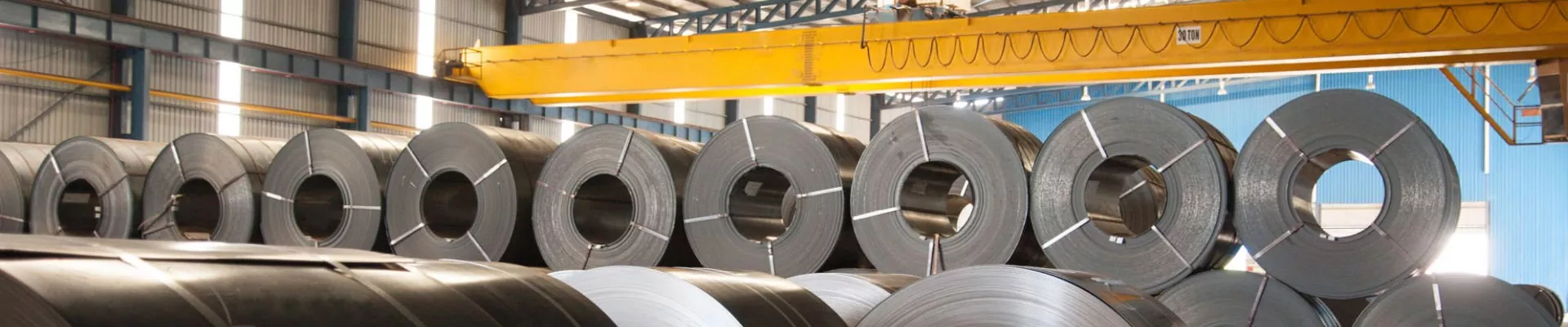
Analysis of Bending Cracking on Formed Q235B Hot Rolled Steel Plate
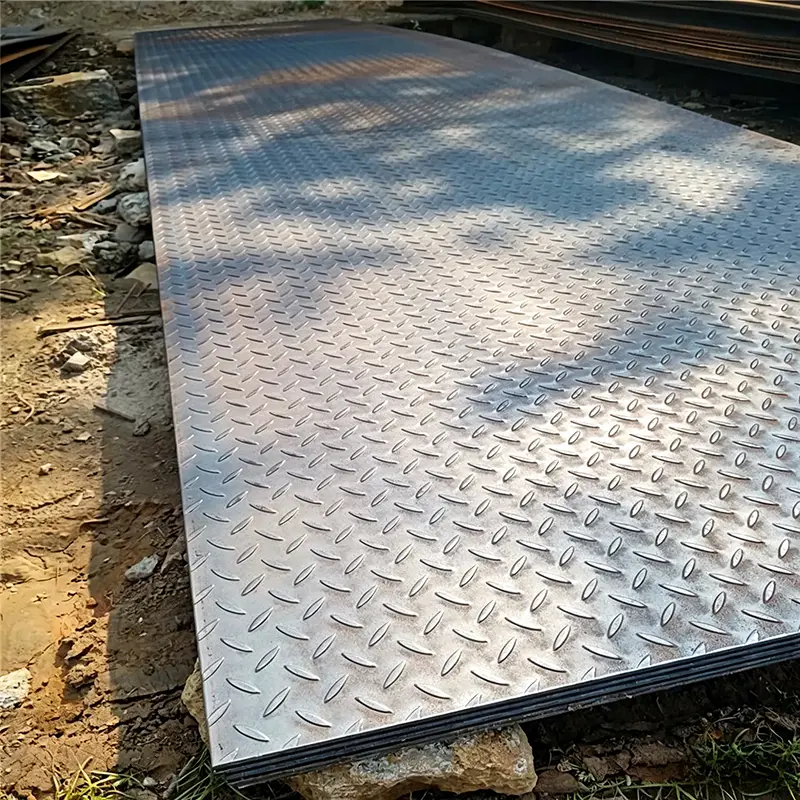
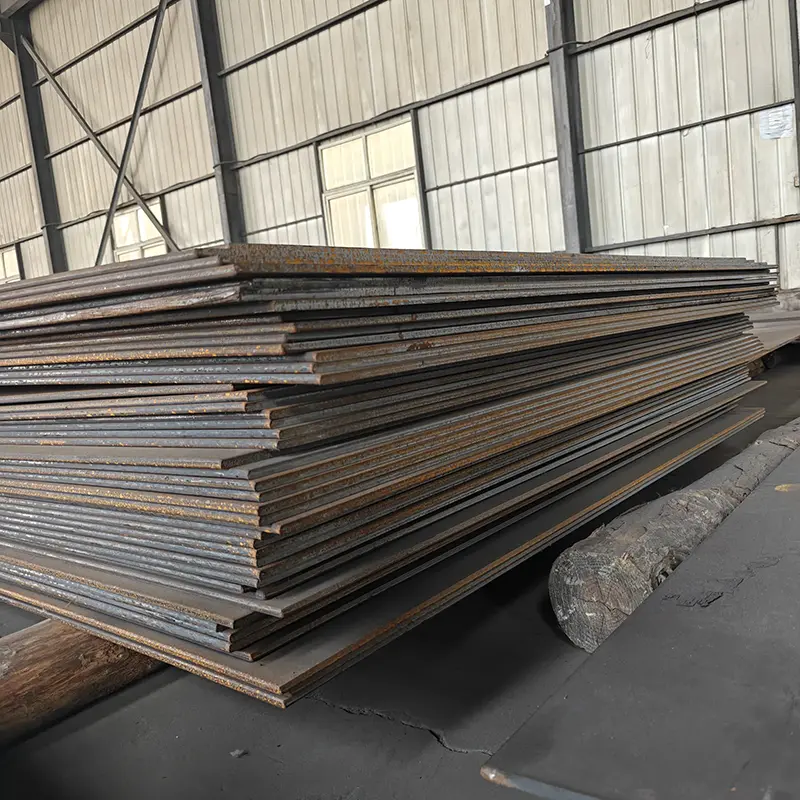
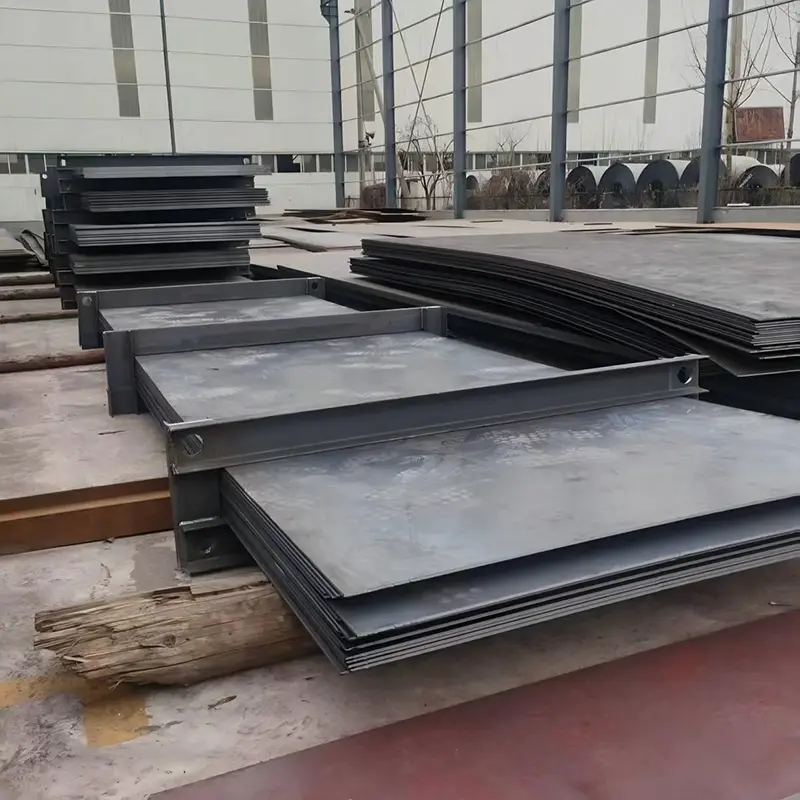
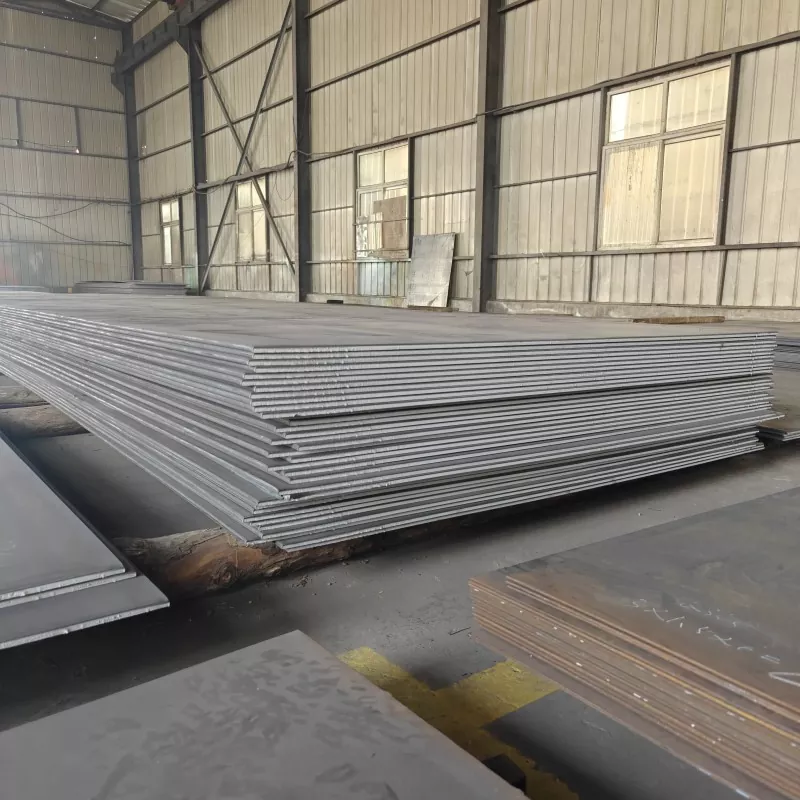
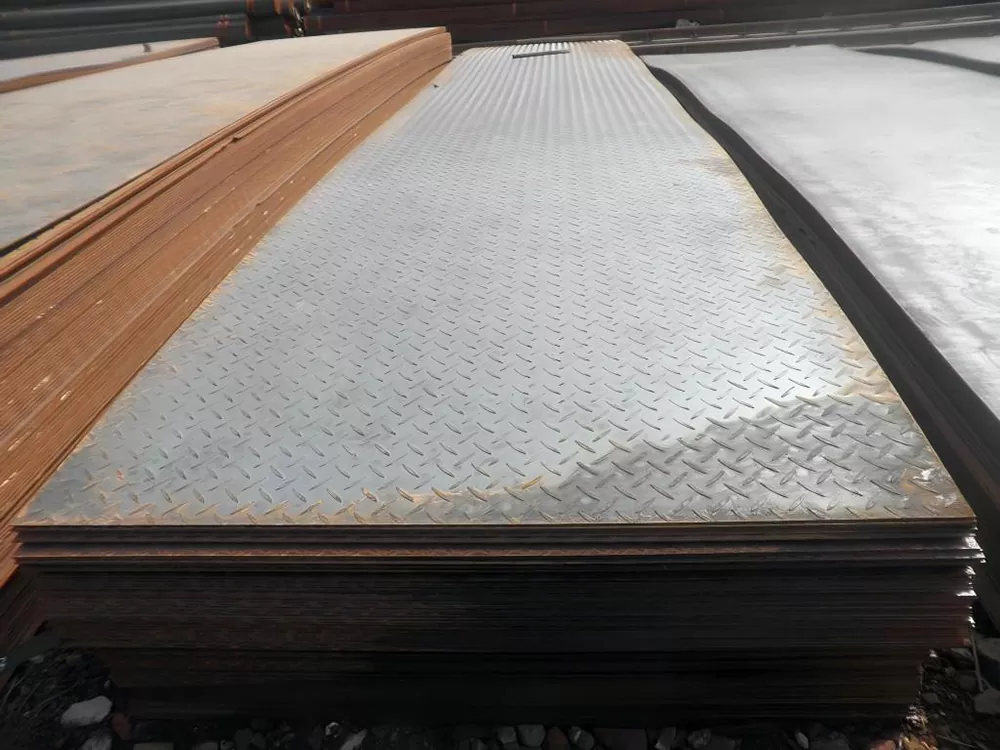
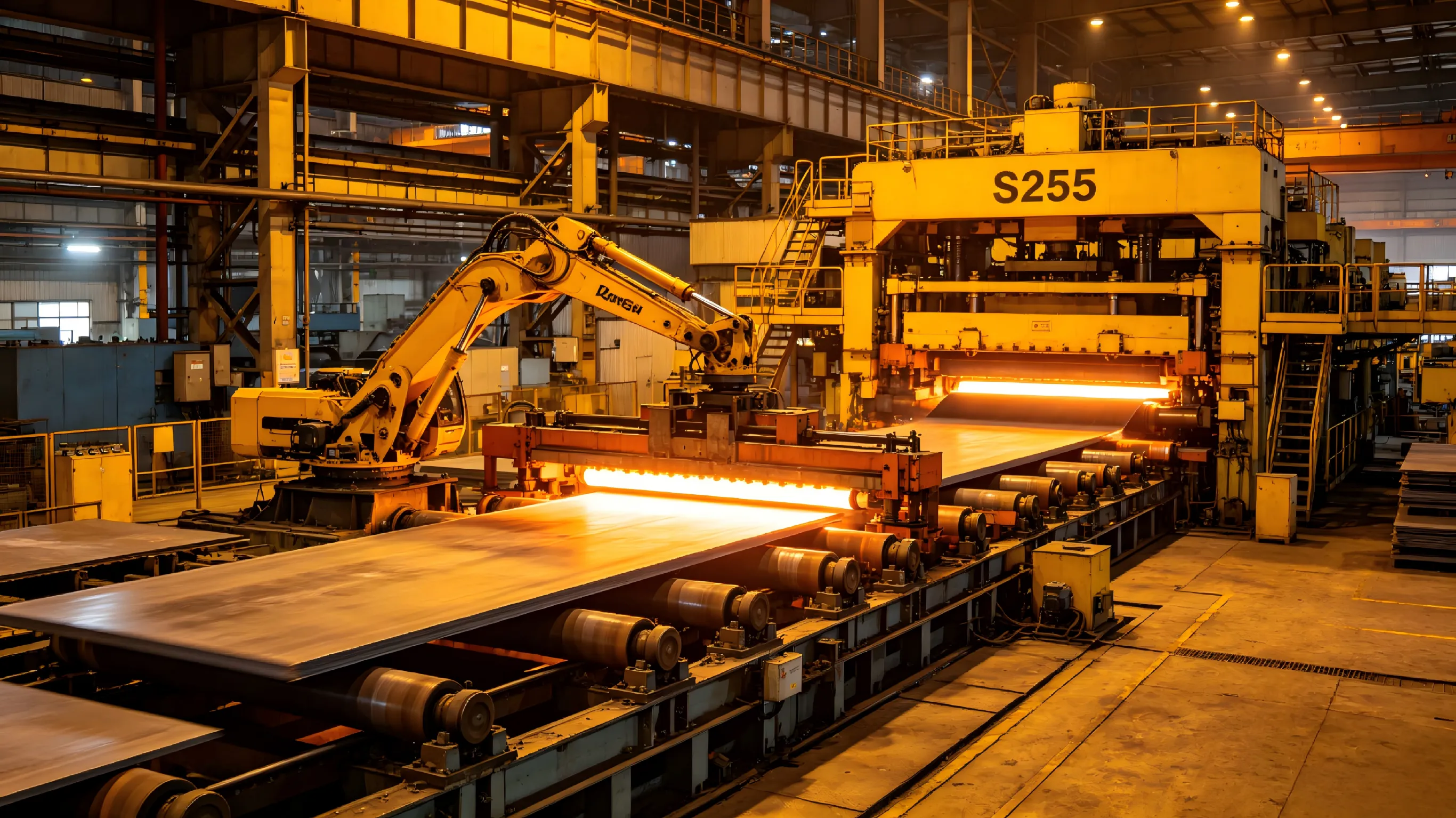
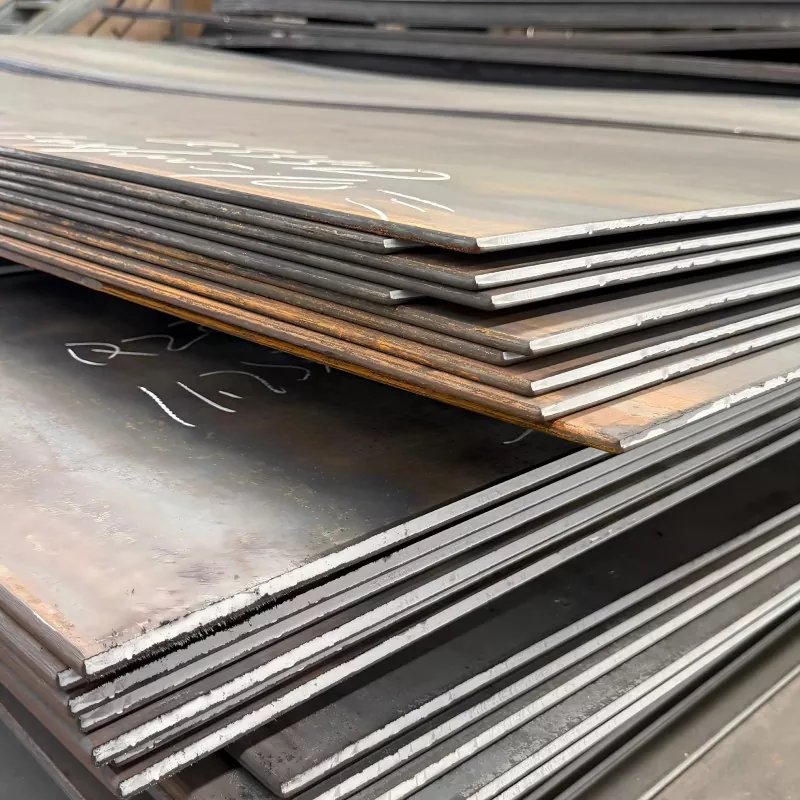
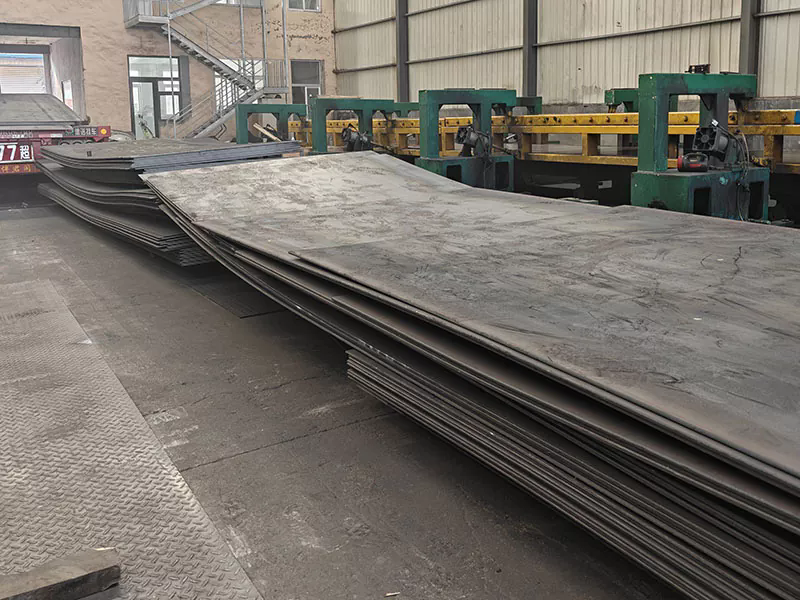
Q235B hot rolled strip is a common carbon structural steel. It has decent elongation, strength, toughness and formability. The material works well for stamping and welding, so factories widely use it to make mechanical parts and high-standard welded structural components for buildings and bridges.
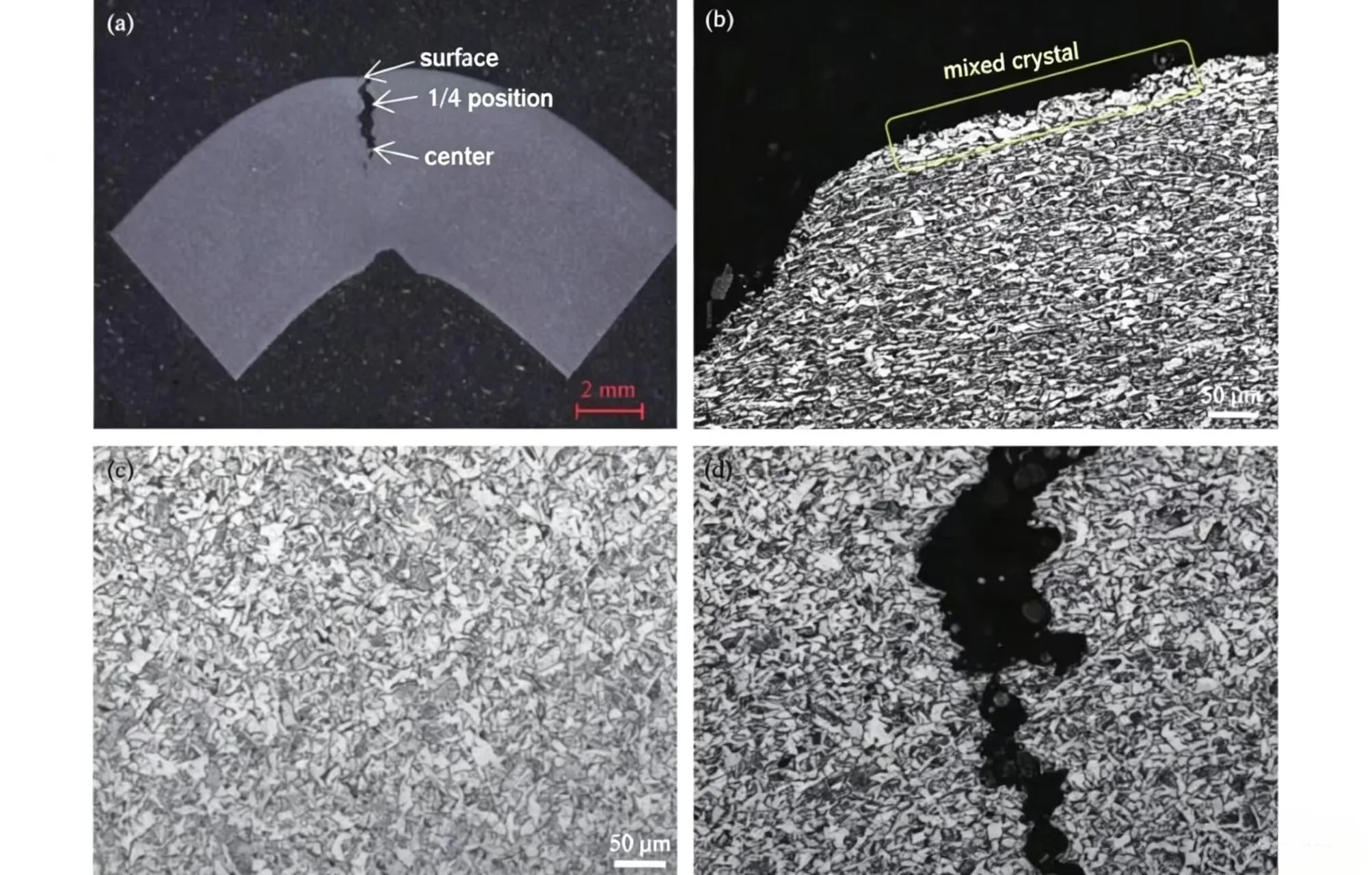
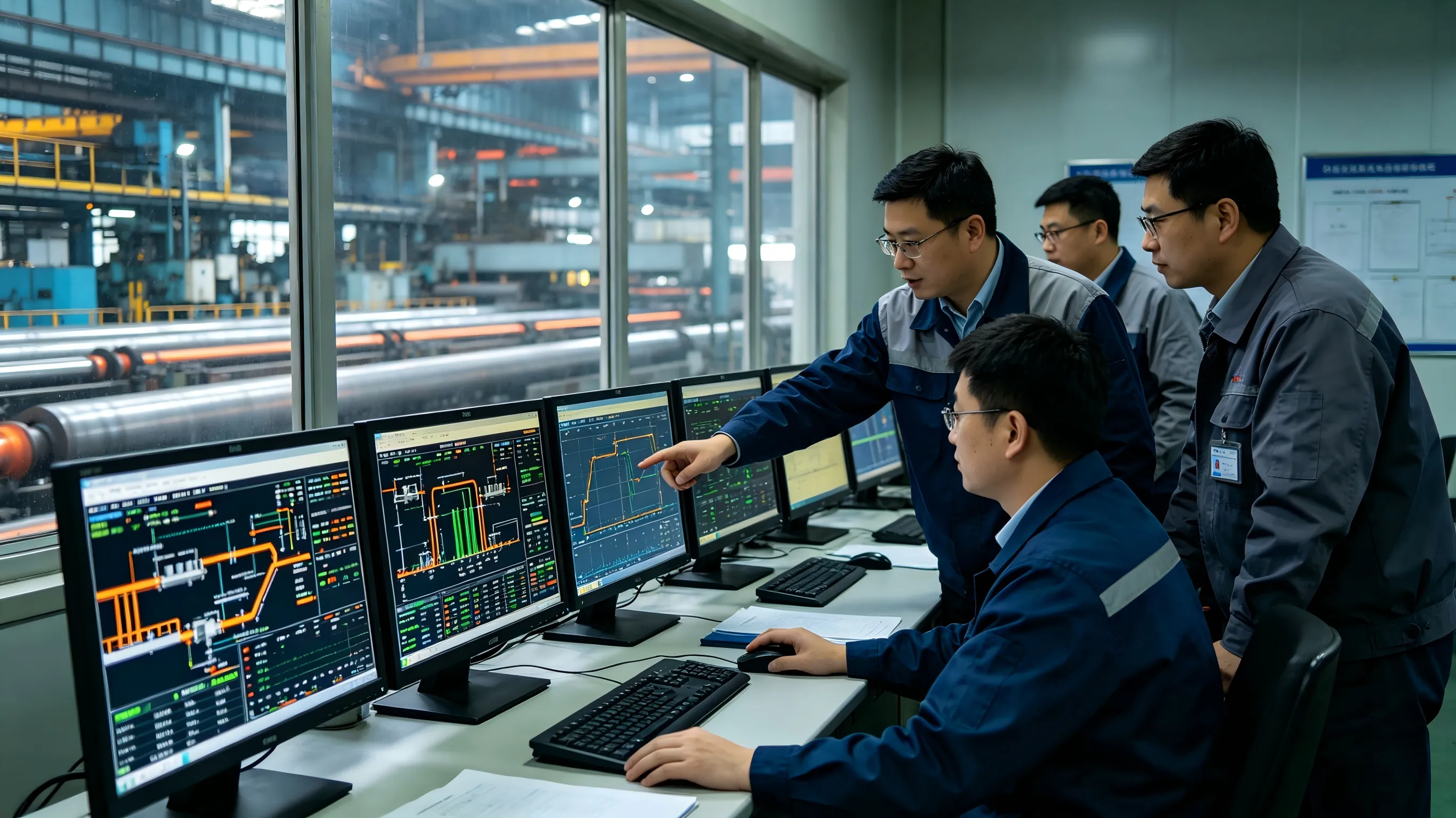
We ran sample forming tests but found mass cracking during bending. To find root causes and make improvement plans that meet customer standards, our team carried out tests on cracked samples. We checked chemical composition, microstructures of cracked and intact areas, fracture surface shape, internal inclusions and grain size to confirm what led to bending cracks.
Engineers at Sanhe found surface decarburization and mixed grain structure do not start cracks, but make existing cracks spread much faster. The microstructure of the raw strip stays consistent across all test pieces: bainite content drops from surface to core while ferrite content rises, and a small amount of acicular ferrite appears on the strip surface.
Solutions
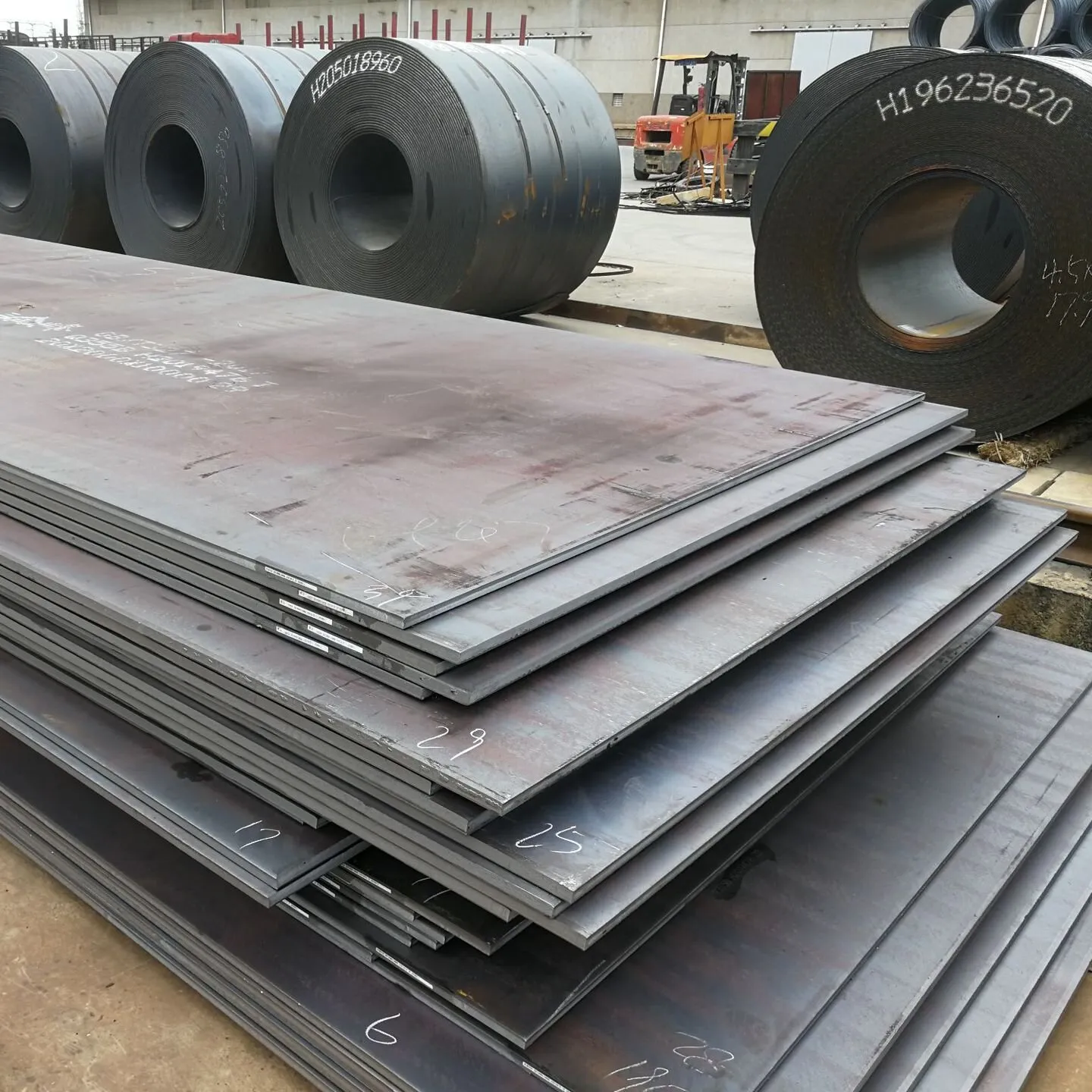
1. Grind off burrs on the strip edges before stamping and bending. This removes tiny edge microcracks caused by rough cutting and greatly cuts down bending cracking.
2. Talk with the customer about their strict bending requirements. We can either recommend alternative steel grades with lower yield strength, or customize Q235B strip for their order by adjusting target tensile performance values. Customized softer mechanical properties will fit their stamping process and stop bending cracks from appearing.
Related News
- Sanhe Steel Celebrates Mid-Autumn Festival and National Day!
- Fried Chicken, Fresh Fruit, and 30 Minutes of Pure Laughter
- Sanhe Steel Company has successfully passed the international quality management system re certification and is deeply involved in the global steel supply chain
- Supporting Key Infrastructure Construction: Sanhe Steel Company Successfully Delivers First Batch of High Strength Special Construction Steel
- Sanhe Steel Company fully launches digital upgrade of high-precision hot-rolled steel production line
- Cost reduction, efficiency improvement, green upgrade
Leave me a message