
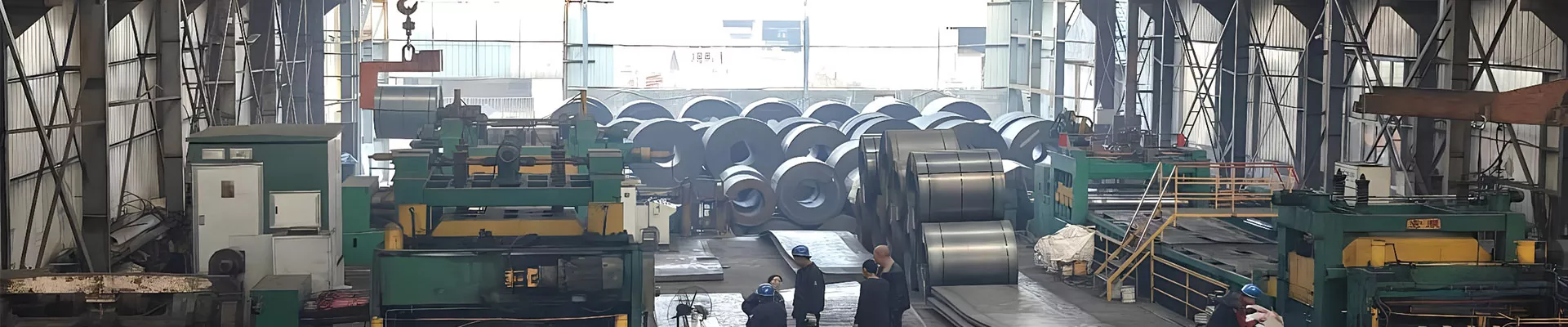
Q345 Heavy Thickness Steel Plate For Engineering
Q345 Heavy Thickness Steel Plate For Engineering from Sanhe Steel, a reliable China manufacturer, is designed for demanding structural and fabrication projects requiring stable strength and toughness. With a minimum yield strength of 345 MPa, excellent weldability and multiple quality grades from A to E, these low-alloy steel plates provide dependable performance for construction structures, bridge components and heavy equipment manufacturing.
As a professional steel supplier and processing factory, Sanhe Steel provides engineering-oriented Q345 steel plate solutions for global construction, infrastructure and industrial fabrication projects. The material is manufactured according to GB/T 1591-2008 requirements and follows GB709 dimensional standards, offering a balanced combination of strength, ductility, weldability and cost efficiency for large-scale structural applications. Formerly known as 16Mn steel, Q345 has become one of the most widely used low-alloy structural materials in China due to its reliable mechanical properties and adaptable processing performance.
Supported by cooperation with major Chinese steel mills including Baowu and Hebei Steel, Sanhe Steel supplies different Q345 quality grades with professional cutting, leveling and customized processing services. Each batch is inspected with complete material documentation to ensure traceability and provide stable support for engineering projects with strict quality requirements.
Engineering Plate Overview
Q345 Heavy Thickness Steel Plate For Engineering is a low-alloy high-strength structural steel plate developed for applications where ordinary carbon steel cannot provide sufficient load-bearing capability. The "Q" in the material designation represents yield strength, while "345" indicates the minimum yield point of 345 MPa at room temperature.
Compared with conventional structural steel, Q345 provides higher strength while maintaining good plasticity and fabrication performance. This makes it suitable for projects requiring durable structural components, optimized material usage and reliable long-term operation under different working conditions.
The main characteristics include:
1. High structural strength: The material provides a minimum yield strength of 345 MPa, helping engineers design strong structures while maintaining reasonable material efficiency.
2. Reliable welding performance: Q345 steel has good weldability and can be processed through common fabrication methods, reducing difficulties during manufacturing and assembly.
3. Balanced toughness: Different quality grades provide different impact performance levels, allowing selection according to project temperature conditions and service environments.
Strength Performance
For engineering structures, mechanical properties directly influence safety, service life and fabrication efficiency. Q345 steel combines strength and toughness, making it suitable for structural applications involving static loads, dynamic loads and outdoor environments.
The mechanical properties vary according to plate thickness because thicker sections experience different cooling conditions during production. Engineers should select the suitable grade and thickness according to actual design requirements.
1. Yield strength: The minimum yield strength reaches 345 MPa at room temperature for applicable thinner sections. The value changes according to thickness requirements and should be confirmed according to the relevant material standard.
2. Tensile strength: The normal tensile strength range is approximately 490–675 MPa, providing reliable resistance against external loading conditions.
3. Elongation: The guaranteed elongation after fracture is 21% or above, showing good ductility during forming and fabrication processes.
4. Processing adaptability: The plate offers good cutting, welding and forming performance, helping manufacturers complete structural fabrication efficiently.
Quality Grade Options
Different engineering environments require different impact toughness levels. Sanhe Steel provides Q345 grades from A to E, allowing customers to select suitable material performance according to project conditions.
1. Q345A: Suitable for general structural applications without impact testing requirements under normal temperature conditions.
2. Q345B: Performs impact testing at 20°C and is widely used for common structural components in moderate environments.
3. Q345C: Tested at 0°C impact temperature, suitable for structures exposed to colder conditions.
4. Q345D: Tested at -20°C and provides improved toughness for cold-region engineering applications.
5. Q345E: Tested at -40°C and designed for projects requiring stronger low-temperature impact resistance.
Higher quality grades provide better low-temperature toughness through stricter control of chemical composition and impact testing requirements. Selecting the correct grade helps ensure structural reliability throughout the service period.
Material Advantages
For large engineering structures, material selection directly affects project safety, fabrication efficiency and service performance. Q345 Heavy Thickness Steel Plate For Engineering provides a practical solution by combining high strength, good toughness and convenient processing characteristics, making it suitable for various structural applications.
The main advantages of this material include:
1. Higher load-bearing capability: Compared with ordinary carbon structural steel, Q345 offers improved yield strength, allowing engineers to design stronger structures with optimized material usage.
2. Excellent fabrication performance: The steel provides good weldability and formability, which supports cutting, welding and manufacturing processes commonly used in engineering projects.
3. Flexible grade selection: The availability of multiple quality grades enables customers to select suitable impact toughness according to different working temperatures and environmental conditions.
4. Stable structural performance: With controlled chemical composition and standardized production requirements, Q345 steel maintains consistent mechanical properties for long-term engineering service.
Chemical Control
The chemical composition of Q345 steel is carefully controlled according to GB/T 1591-2008 requirements. Different grades have different limits for carbon, phosphorus and sulfur content, with higher grades requiring stricter impurity control to improve toughness and reliability.
The controlled composition helps achieve a balance between strength, weldability and impact resistance, which is especially important for thick structural plates used in engineering projects.
|
Grade Q345 |
C(≤%) |
Mn(≤%) |
Si(≤%) |
P(≤%) |
S(≤%) |
Al(≥%) |
Common Components(≤%) |
|
Q345A/B |
0.20 |
1.70 |
0.50 |
0.035 |
0.035 |
- |
Nb≤0.07,V≤0.15,Ti≤0.20,Cr≤0.30,Ni≤0.012,Mo≤0.10 |
|
Q345C |
0.20 |
1.70 |
0.50 |
0.030 |
0.030 |
0.015 |
Nb≤0.07,V≤0.15,Ti≤0.20,Cr≤0.30,Ni≤0.012,Mo≤0.10 |
|
Q345D |
0.18 |
1.70 |
0.50 |
0.030 |
0.025 |
0.015 |
Nb≤0.07,V≤0.15,Ti≤0.20,Cr≤0.30,Ni≤0.012,Mo≤0.10 |
|
Q345E |
0.18 |
1.70 |
0.50 |
0.025 |
0.020 |
0.015 |
Nb≤0.07,V≤0.15,Ti≤0.20,Cr≤0.30,Ni≤0.012,Mo≤0.10 |
The chemical composition adjustment from Q345A/B to Q345E demonstrates improved control of impurity elements. Lower phosphorus and sulfur content in higher grades contributes to better toughness and fracture resistance, especially for engineering structures exposed to lower temperatures or demanding service conditions.
Special Performance
For engineering projects involving heavy structures, standard strength may not always be sufficient. Sanhe Steel can supply Q345 Heavy Thickness Steel Plate For Engineering with additional performance options according to project requirements.
1. Through-thickness performance: Some thick plate structures experience tensile stress in the thickness direction, especially at welded joints. Z-direction performance options such as Q345B-Z15, Q345B-Z25 and Q345B-Z35 provide improved resistance against lamellar tearing.
2. Low-temperature toughness: Higher Q345 grades provide improved impact resistance at lower temperatures. Q345E, tested at -40°C, is suitable for applications where cold-weather reliability is important.
3. Structural reliability: The combination of strength, toughness and weldability makes the material suitable for complex engineering environments requiring dependable performance.
Engineering Uses
Due to its combination of mechanical strength and processing advantages, Q345 steel plates are widely used in construction, infrastructure and industrial manufacturing fields. The material provides reliable support for projects requiring durable structural components.
1. Building structures: Used for steel columns, beams, support structures and foundation components in industrial buildings, commercial construction and public facilities.
2. Bridge projects: Applied in bridge structures including girders and other load-bearing components where strength and toughness are important.
3. Heavy machinery fabrication: Suitable for equipment frames, mechanical bases, storage tanks and other fabricated structures requiring stable strength.
4. Industrial engineering: Used in power facilities, transportation equipment, mining machinery and other applications involving heavy-duty structural requirements.
The wide application range demonstrates why Q345 steel remains one of the most commonly selected low-alloy structural materials for engineering projects requiring a balance between performance and cost efficiency.
Supply Capability
Sanhe Steel provides comprehensive steel supply and processing services for customers requiring reliable structural materials. With experience in steel plate distribution and fabrication, the company focuses on delivering consistent quality, flexible processing solutions and professional support for engineering projects.
1. Quality management: Sanhe Steel follows ISO 9001 certified quality management procedures and provides material inspection records and mill test certificates to support product traceability and project documentation requirements.
2. Reliable material sourcing: Through cooperation with established Chinese steel mills including Baowu and Hebei Steel, Sanhe Steel maintains stable supply channels for different Q345 grades and specifications.
3. Processing services: The factory provides customized processing solutions including CNC shearing, leveling and other plate processing services, helping customers obtain steel materials suitable for direct fabrication.
4. Professional technical support: Sanhe Steel offers material selection guidance, order communication and after-sales service to help customers choose suitable grades and processing methods according to project requirements.
5. International supply experience: With export-oriented service capabilities and efficient logistics management, Sanhe Steel supports customers from different regions with stable delivery solutions for construction and industrial projects.
Why Sanhe Steel
Choosing the right steel supplier is important for engineering projects that require consistent material performance and dependable delivery. Sanhe Steel combines steel industry experience, factory processing capability and quality control systems to provide practical solutions for global customers.
The company was established in 2008 and has developed experience in steel plate distribution and processing. By maintaining cooperation with major steel mills and focusing on customized customer requirements, Sanhe Steel provides flexible solutions for different engineering applications.
For projects requiring Q345 Heavy Thickness Steel Plate For Engineering, Sanhe Steel supports customers with material consultation, processing assistance, quality documentation and professional service throughout the purchasing process.
FAQ
Q1: What is Q345 Heavy Thickness Steel Plate For Engineering used for?
A: It is mainly used for engineering structures that require reliable strength, toughness and weldability. Common applications include construction structures, bridges, heavy machinery fabrication and industrial equipment manufacturing.
Q2: What does Q345 mean in steel classification?
A: The letter "Q" represents yield strength, while "345" refers to the minimum yield strength of 345 MPa at room temperature. Q345 is a low-alloy high-strength structural steel grade widely used in engineering applications.
Q3: What are the available Q345 quality grades?
A: Sanhe Steel supplies Q345 grades including Q345A, Q345B, Q345C, Q345D and Q345E. Different grades provide different impact testing requirements, with higher grades offering better low-temperature toughness.
Q4: Can Q345 steel plates be welded and processed easily?
A: Yes. Q345 steel has good weldability and fabrication performance. It can be processed through common cutting, welding and forming methods used in structural steel manufacturing.
Q5: What standards does Q345 steel follow?
A: The material properties follow GB/T 1591-2008 requirements for high-strength low-alloy structural steels, while dimensional requirements follow GB709 standards for steel plate dimensions, shape, weight and tolerances.
Q6: Does Sanhe Steel provide customized processing services?
A: Yes. Sanhe Steel provides customized processing services including cutting, leveling and other fabrication preparation according to customer requirements.
Q7: How should customers select the suitable Q345 grade?
A: The suitable grade depends on project conditions, including operating temperature, structural requirements and impact toughness requirements. Q345A to Q345E provide different performance levels for different environments.
Summary
Q345 Heavy Thickness Steel Plate For Engineering provides a practical material solution for construction, infrastructure and industrial projects requiring dependable structural performance. With a minimum yield strength of 345 MPa, good weldability and multiple quality grades, Q345 steel offers a balanced combination of strength, toughness and fabrication convenience.
Sanhe Steel supplies Q345 steel plates with professional processing capability, quality management procedures and customized service support. From material selection to cutting and delivery, the company helps customers obtain suitable steel solutions for different engineering requirements.
With experience since 2008, cooperation with established steel mills and complete customer service support, Sanhe Steel continues to provide reliable structural steel products for global engineering applications. Customers are welcome to contact Sanhe Steel for detailed product information, processing requirements and project support.
Related Products

Hot Products

Wear Resistant Hot Rolled Heavy Steel Plate Structural
Wear resistant hot rolled heavy steel plate structural from Sanhe Steel is developed for equipment and structures exposed to repeated abrasion, impact and heavy mechanical loads. Made from wear-resistant steel and processed through hot rolling, the plate offers a practical combination of hardness, strength and toughness, helping extend the service life of components that would otherwise require frequent replacement. It can be supplied in different wear-resistant grades and thicknesses according to the working conditions and fabrication requirements.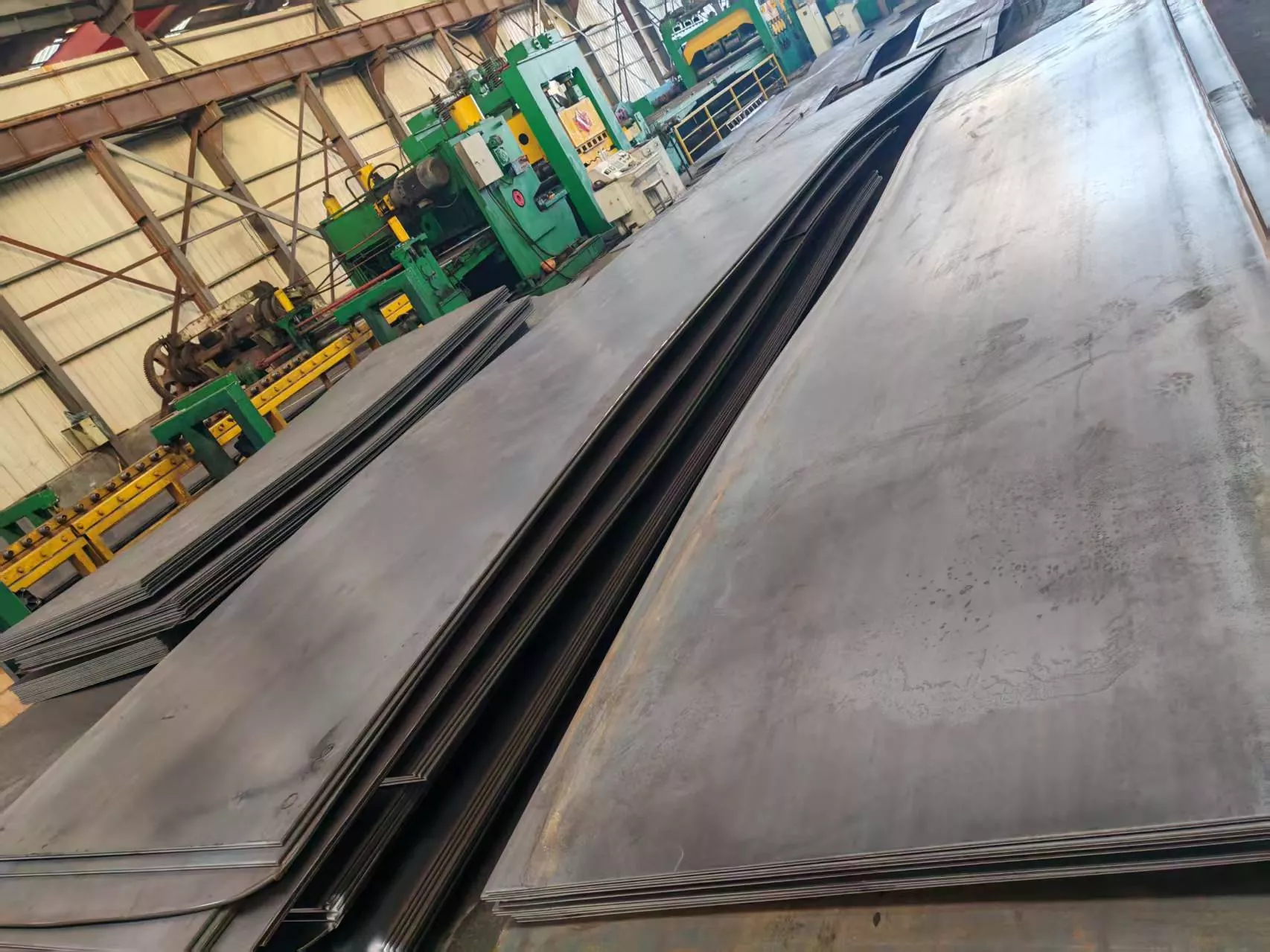
Q345 Steel Plate
Sanhe Steel is a professional manufacturer and supplier of Steel Plates. As a leading entity in the industry, we focus on operating various types of steel products such as Q345 steel plates, strictly controlling product quality and performance, and covering all grades and specifications.
Galvanized Steel Profiles
Sanhe Steel is a professional manufacturer and supplier of Galvanized Steel Profiles in China. Galvanized pipes are welded steel pipes made from hot-rolled or cold-rolled steel strips or steel pipes, which are treated with galvanization to form a zinc protective layer. Their main functions are to prevent rust, resist corrosion, and extend service life. They are widely used in water supply and drainage, gas, fire protection, structures, wiring, and other engineering projects.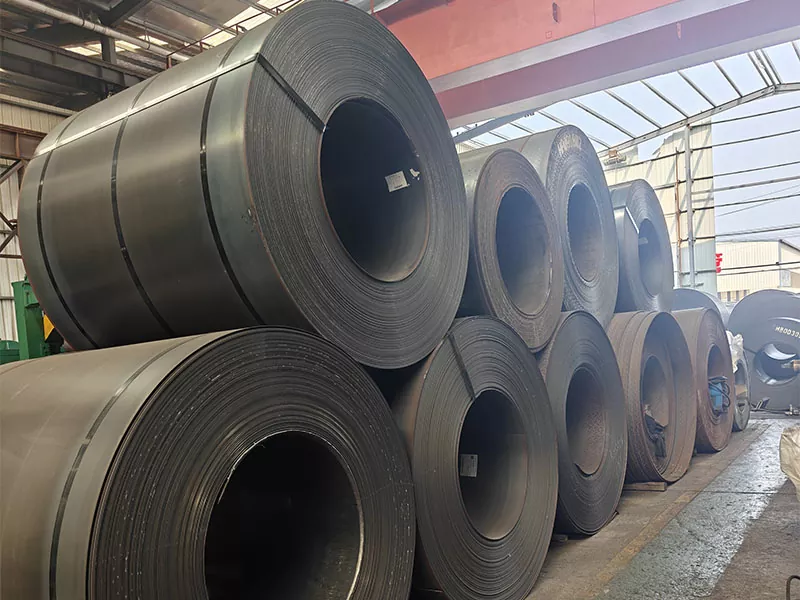
Q235 Hot Rolled Steel Plate
Q235 Hot Rolled Steel Plate from Sanhe Steel, a trusted China manufacturer with over 17 years of industry experience since 2008, delivers exceptional structural performance and unbeatable cost-efficiency for global B2B buyers. Featuring yield strength of 235MPa and excellent weldability, this carbon structural steel plate supports thickness ranges from 1.2mm to 200mm with full ISO 9001 and IATF 16949 certified quality control. Backed by strategic partnerships with Baowu and Hebei Steel, we ensure stable supply, fast 7-15 day delivery, and one-stop processing services including cutting, bending, and drilling to meet your diverse engineering and manufacturing needs.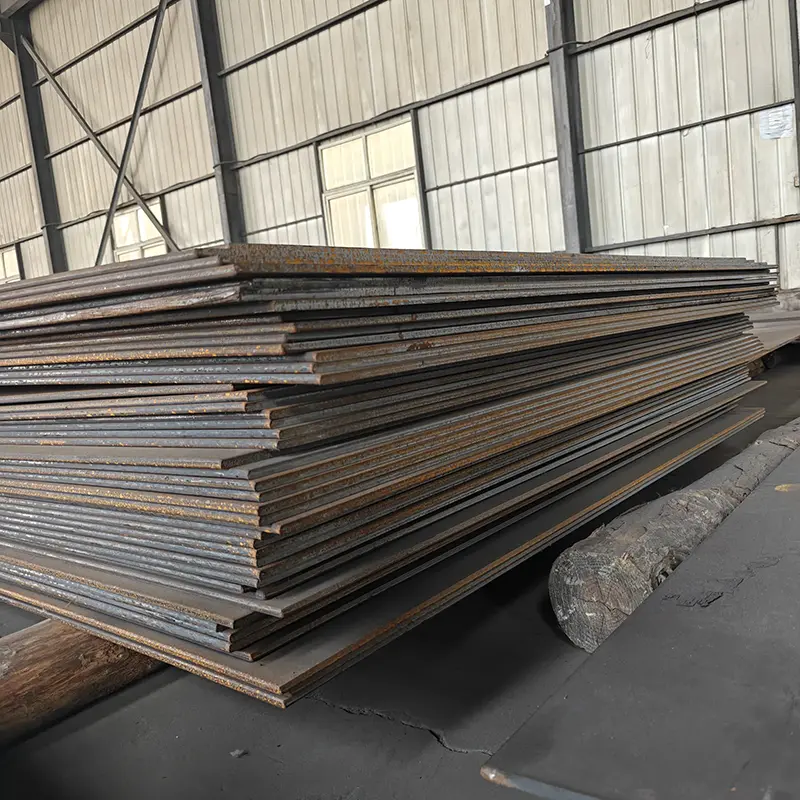
Steel Plate 10mm
Sanhe Steel, as a professional manufacturer and supplier, specializes in Steel Plate 10mm, with sufficient stock to support customized cutting. We have a complete range of national, American, and European standard materials, providing stable supply to global engineering buyers. The 10mm steel plate has high strength and is suitable for various fields of construction machinery and shipbuilding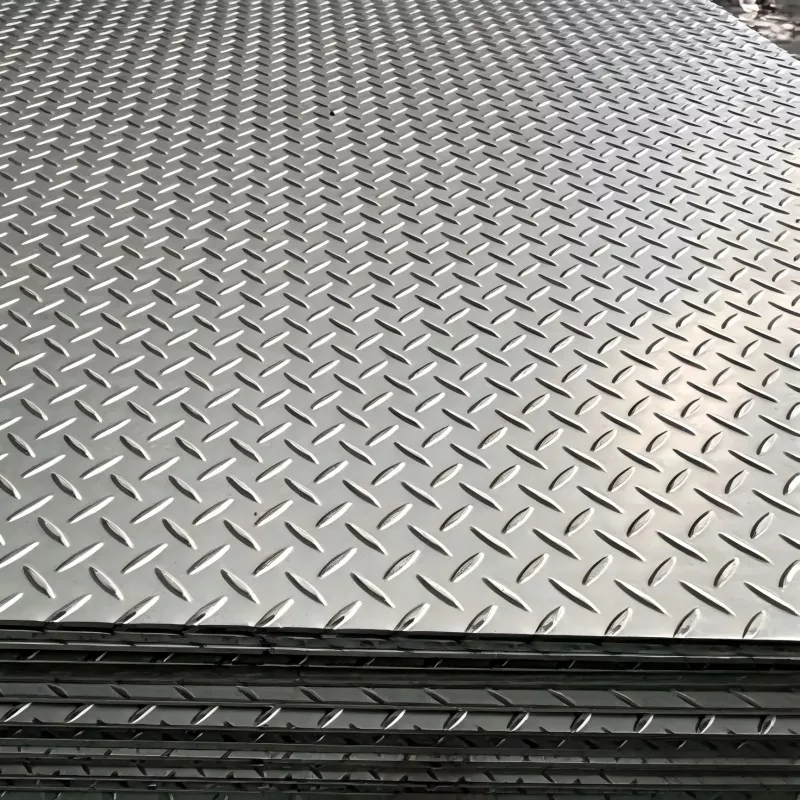
Stair Tread Steel Plate
Stair Tread Steel Plate is the anti-slip step surface that keeps people safe on industrial stairs, fire escapes, and access platforms. The checkered steel cut to exact step dimensions. Sanhe Steel supplies treads in Q235B and Q355B, galvanized or painted.
- Related Blog
- Reviews