China Q345 Hot Rolled Low Alloy Steel Plate Manufacturer, Supplier, Factory
Q345 Hot Rolled Low Alloy Steel Plate from Sanhe Steel, a reputable China supplier founded in 2008, delivers hot rolled low alloy structural steel with minimum 345 MPa yield strength covering Q345A to Q345E grades. Produced under GB/T 1591-2008 standards, this hot rolled steel features balanced alloy composition, stable hot rolling microstructure and reliable fabrication performance, supported by ISO 9001 certification to satisfy global structural engineering buyers.
As a professional factory and exporter with decades of steel plate operation experience, Sanhe Steel supplies Q345 Hot Rolled Low Alloy Steel Plate for global construction, machinery and infrastructure projects. Manufactured via continuous hot rolling processes, this low alloy structural steel eliminates complex heat treatment for most conventional applications. We maintain stable cooperation with major domestic steel mills and provide complete mill test certificates, custom cutting and post-processing services to meet diverse procurement specifications from international engineering contractors.
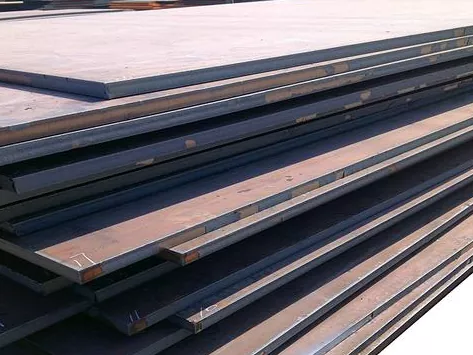
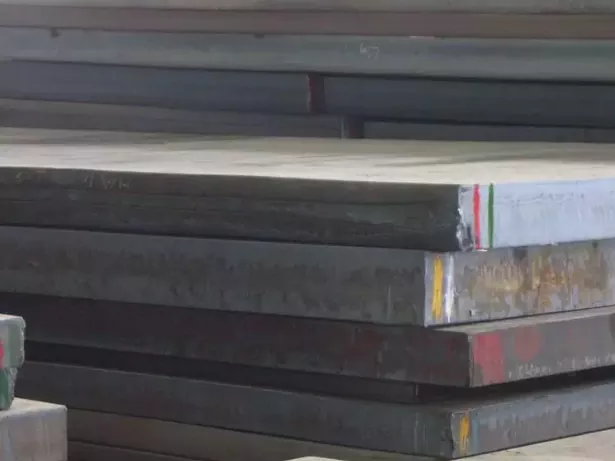
Hot rolled delivery status remains the most popular supply condition for this low alloy steel material, offering favorable pricing and sufficient stock availability for medium and heavy plate orders. Each plate undergoes strict dimensional inspection and chemical composition testing before shipment, ensuring full compliance with GB709 dimensional tolerance standards and consistent mechanical properties for all delivered batches.
Hot Rolling Production Basics
Hot rolling represents the mainstream forming process for Q345 low alloy steel plate and defines the fundamental microstructure and mechanical features of finished materials. Rolling above the steel recrystallization temperature removes internal casting defects and optimizes internal grain distribution.
1. Processing principle: Raw steel slabs are heated to designated high temperature ranges and continuously rolled by heavy rolling mills. Plastic deformation refines internal structures and reduces material internal stress, forming flat steel plates of targeted thickness and width.
2. Core advantages of hot rolled state: Low production cost, flexible thickness range coverage, excellent continuous forming capacity, suitable for medium and heavy thickness structural steel orders.
3. Surface characteristics: Hot rolled plates carry natural oxide scale on surfaces; clients can select shot blasting or surface grinding value-added processing if smooth surface requirements are needed.
Compared with cold rolled steel products, hot rolled low alloy steel supports far thicker finished thickness, making it the primary choice for heavy load structural components in engineering projects.
Grade Classification & Impact Resistance
Q345 Hot Rolled Low Alloy Steel Plate is categorized into five independent grades mainly based on low-temperature impact testing requirements. The rising grade sequence brings stricter impurity control and improved fracture resistance under cold working environments.
1. Q345A: No mandatory Charpy impact test, applicable for indoor structures under stable ambient temperature without cold exposure risks.
2. Q345B: Impact verification at 20°C, the most widely purchased grade for general outdoor structural frames and mechanical bases.
3. Q345C: Impact test at 0°C, designed for structures exposed to occasional freezing conditions in temperate zones.
4. Q345D: Impact test at -20°C, preferred for outdoor engineering facilities in cold northern regions.
5. Q345E: Impact test at -40°C, the premium grade for extreme low-temperature infrastructure with strict anti-brittle fracture demands.
Procurement engineers need to match the exact grade according to the minimum operating temperature of finished projects to avoid hidden structural safety hazards caused by insufficient low-temperature toughness.
Mechanical Performance Parameters
All mechanical indicators follow GB/T 1591-2008 specification standards. Plate thickness directly affects measured yield strength, which requires full attention during structural calculation and drawing design.
1. Minimum yield strength: Nominal value 345 MPa. The actual test value gradually declines as plate thickness increases, so design calculations must adopt thickness-related standard data.
2. Tensile strength scope: Standard range between 490 MPa to 675 MPa, reflecting the ultimate load bearing limit before material tensile failure.
3. Elongation index: Guaranteed minimum elongation after fracture reaches 21%, providing good ductility and avoiding sudden brittle failure under overload.
4. Welding & bending performance: The low alloy formula maintains outstanding weldability. Most conventional thickness plates can complete welding construction without complicated preheating operations.
Design teams shall reserve reasonable safety factors according to local construction codes and material mechanical parameters to guarantee long-term structural stability.
Chemical Composition Control
Manganese works as the primary strengthening alloy element inside Q345 Hot Rolled Low Alloy Steel Plate. Trace elements including vanadium, niobium and titanium are added for grain refinement, while harmful phosphorus and sulfur impurities are strictly limited for each grade.
|
Grade Q345 |
C(≤%) |
Mn(≤%) |
Si(≤%) |
P(≤%) |
S(≤%) |
Al(≥%) |
Common Components(≤%) |
|
Q345A/B |
0.20 |
1.70 |
0.50 |
0.035 |
0.035 |
- |
Nb≤0.07,V≤0.15,Ti≤0.20,Cr≤0.30,Ni≤0.012,Mo≤0.10 |
|
Q345C |
0.20 |
1.70 |
0.50 |
0.030 |
0.030 |
0.015 |
Nb≤0.07,V≤0.15,Ti≤0.20,Cr≤0.30,Ni≤0.012,Mo≤0.10 |
|
Q345D |
0.18 |
1.70 |
0.50 |
0.030 |
0.025 |
0.015 |
Nb≤0.07,V≤0.15,Ti≤0.20,Cr≤0.30,Ni≤0.012,Mo≤0.10 |
|
Q345E |
0.18 |
1.70 |
0.50 |
0.025 |
0.020 |
0.015 |
Nb≤0.07,V≤0.15,Ti≤0.20,Cr≤0.30,Ni≤0.012,Mo≤0.10 |
Higher grades tighten limitations on carbon, sulfur and phosphorus content. Starting from grade C, mandatory aluminum element addition ensures grain refinement and stabilizes low-temperature impact performance, which is the core chemical difference separating high toughness grades from Q345A and Q345B.
Main Application Scenarios
The hot rolled low alloy steel plate occupies a dominant position in domestic and overseas structural steel procurement thanks to balanced cost and performance. It covers multiple mainstream engineering sectors.
1. Civil & industrial building: Steel beams, load-bearing columns, foundation base plates and structural support frames for factories, shopping malls and multi-story buildings.
2. Highway & railway bridge engineering: Bridge girders, deck panels and auxiliary load-bearing components, often matched with higher toughness grades for outdoor long-term service.
3. Heavy machinery manufacturing: Equipment bases, crane structural frames, mining machinery parts and medium-low pressure storage vessel plates.
4. Transportation and municipal engineering: Vehicle chassis components, municipal pipeline support structures and large engineering equipment housings.
For projects with extreme cold working environment or ultra-thick welded joints, buyers can select Q345E grade or plates with Z-direction performance to satisfy stricter engineering specifications.
Why Choose Sanhe Steel
Sanhe Steel has operated steel plate supply and processing business since 2008, accumulating rich export experience serving buyers across Southeast Asia, Middle East, Africa and Europe. We integrate stable raw material sources, internal testing procedures and full-cycle customer service.
1. Complete quality control system: ISO 9001 quality management system runs through the whole order process. All materials can provide official mill test certificates for customs clearance and third-party inspection.
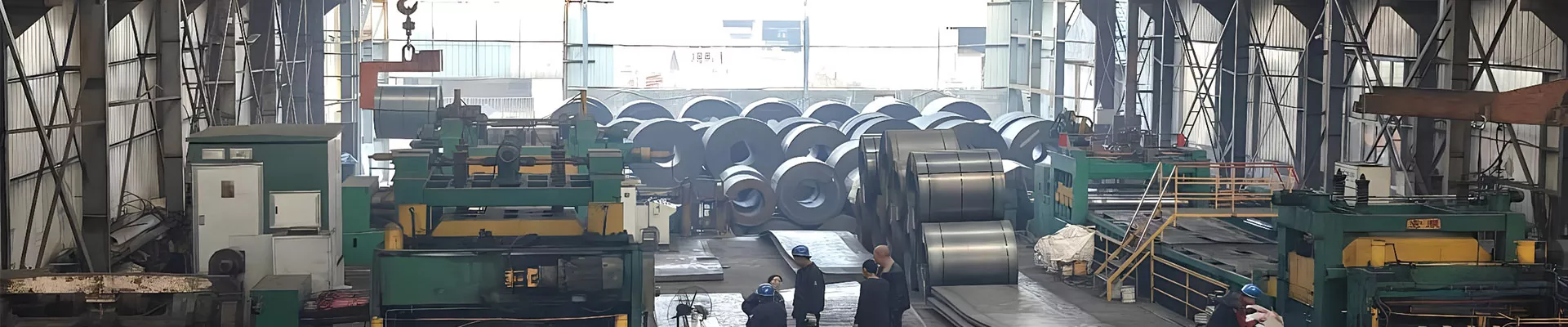
2. Advanced processing workshop: Our factory equips CNC cutting machines, leveling equipment and slitting lines. We can cut plates into customized sizes to reduce secondary processing work for purchasers.
3. Sufficient spot inventory: We maintain regular stock of different thickness and grades to shorten delivery cycles for urgent engineering orders.
4. Professional technical support: Our technical team can assist clients in grade selection, standard comparison and material solution optimization according to project design drawings.
5. Flexible export logistics: Relying on Qingdao port transportation advantages, we arrange container loading, packaging and global sea shipment to deliver goods safely to destination ports.
We keep long-term cooperation with major domestic steel manufacturers, effectively stabilizing material supply and maintaining competitive prices for bulk export orders all year round.
FAQ
Q1: What are the differences between hot rolled and normalized Q345 steel plate?
A: Hot rolled is the conventional delivery status without secondary heat treatment, which brings lower cost. Normalized treatment refines internal grains and improves impact toughness, commonly chosen for high-demand low-temperature projects.
Q2: Can Q345 Hot Rolled Low Alloy Steel Plate be bent and welded directly?
A: Standard thickness plates support regular cold bending and welding construction. For plates exceeding 50mm thickness, construction teams need to evaluate preheating requirements according to site environment.
Q3: Can you provide third-party material inspection reports?
A: Yes. We support third-party testing organized by customers before shipment, and provide complete original mill test certificates for every shipment batch.
Q4: Is surface oxide scale removable before delivery?
A: We can provide shot blasting and anti-rust paint processing as value-added services upon buyer’s request to remove hot rolling oxide scale.
Q5: What tolerances do you follow for plate thickness?
A: All dimensional execution complies with GB709 standard. We can discuss positive or negative tolerance delivery modes according to buyer’s drawing requirements.
Product Summary
Q345 Hot Rolled Low Alloy Steel Plate remains the most widely adopted low alloy structural steel material for global engineering construction. The hot rolling manufacturing process guarantees stable mechanical properties, flexible thickness options and obvious cost advantages compared with heat-treated steel products.
With five alternative grades covering normal temperature to -40°C low-temperature working conditions, the material adapts to diversified project requirements from general workshops to cold-region infrastructure. The standardized chemical composition and mechanical indicators defined by GB/T 1591-2008 simplify material specification confirmation for international design institutes and procurement teams.
Sanhe Steel delivers full-spec supply, custom machining and comprehensive export services for this hot rolled low alloy steel. Whether you need small sample orders or large-volume bulk shipments for infrastructure projects, our sales and technical team can offer targeted steel procurement solutions. Feel free to send your thickness, grade and quantity requirements to get a detailed quotation quickly.
Related Products

Hot Products
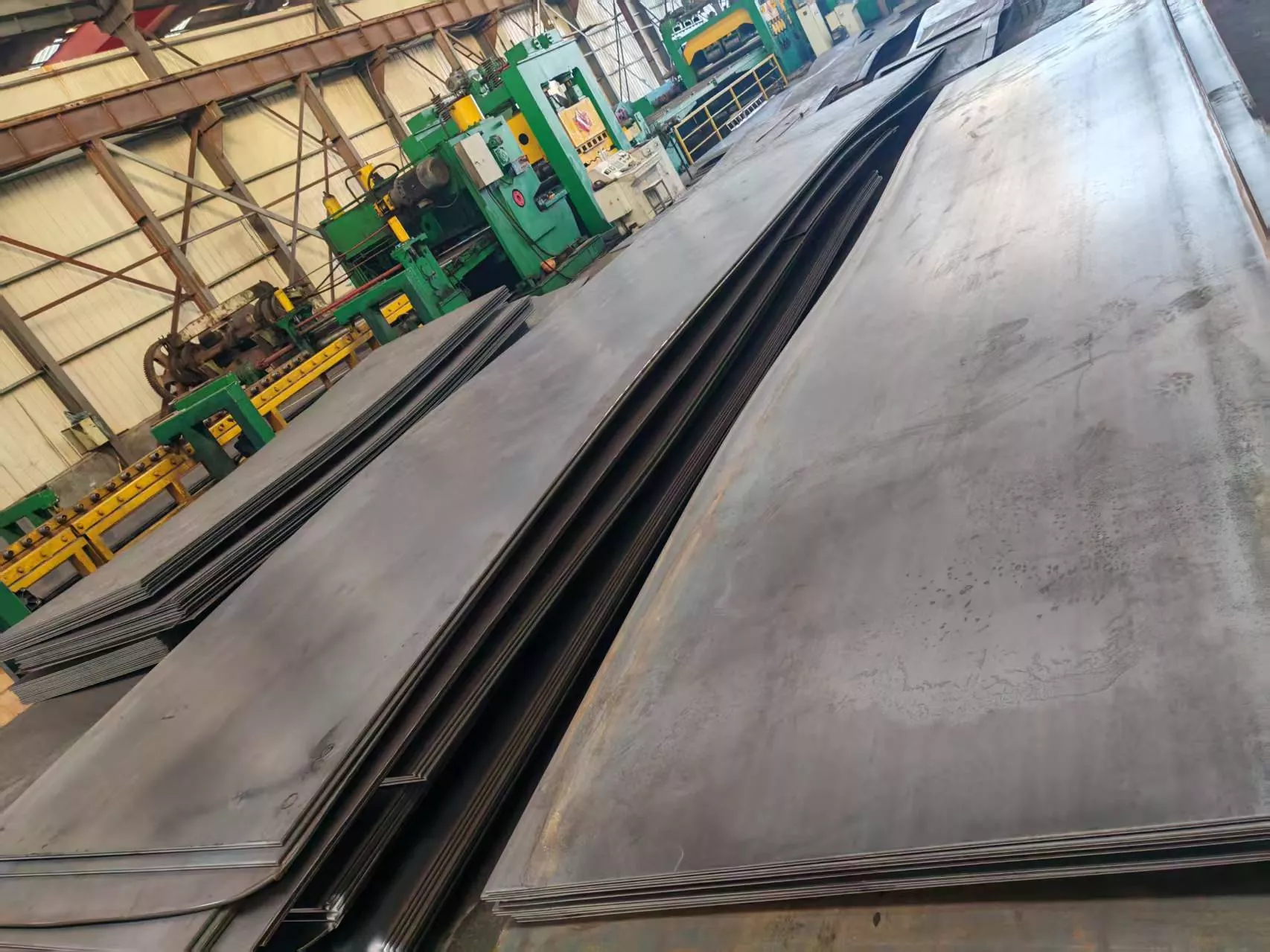
Q345 Steel Plate
Sanhe Steel is a professional manufacturer and supplier of Steel Plates. As a leading entity in the industry, we focus on operating various types of steel products such as Q345 steel plates, strictly controlling product quality and performance, and covering all grades and specifications.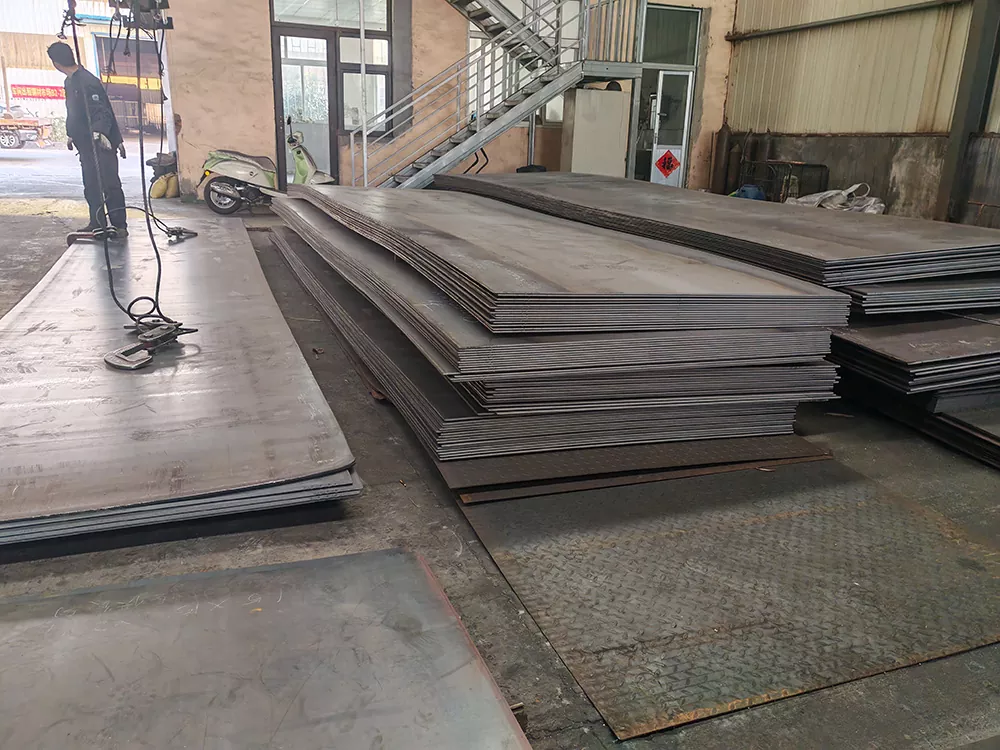
Hot Rolled Steel Plate 6mm
Hot Rolled Steel Plate 6mm supplied by Sanhe Steel is produced through standardized continuous rolling with step furnace heating, high-pressure water descaling, and computer-controlled finishing for consistent thin-gauge structural performance. Featuring 47.1kg/m² theoretical weight and good ductility suitable for forming and bending operations, this light-to-medium gauge plate balances material cost with sufficient load capacity for general fabrication needs. Backed by ISO 9001 certified quality control and our in-house leveling equipment that optimizes flatness beyond as-rolled condition, we maintain ample spot inventory with custom cutting services for construction, light machinery, ductwork, and general manufacturing buyers with fast turnaround from our Qingdao port facility.
1.5-100mm Checkered Plate for Bridge Walkway
Sanhe Steel is a direct China steel plate manufacturer and factory supplier producing durable 1.5-100mm checkered plate for bridge walkway and industrial floor systems. Sanhe Steel manufactures heavy-duty raised-pattern floor plates, offering ultra-durable checkered plate for bridge walkway systems, elevated platform decking, stair treads, and heavy machinery steps.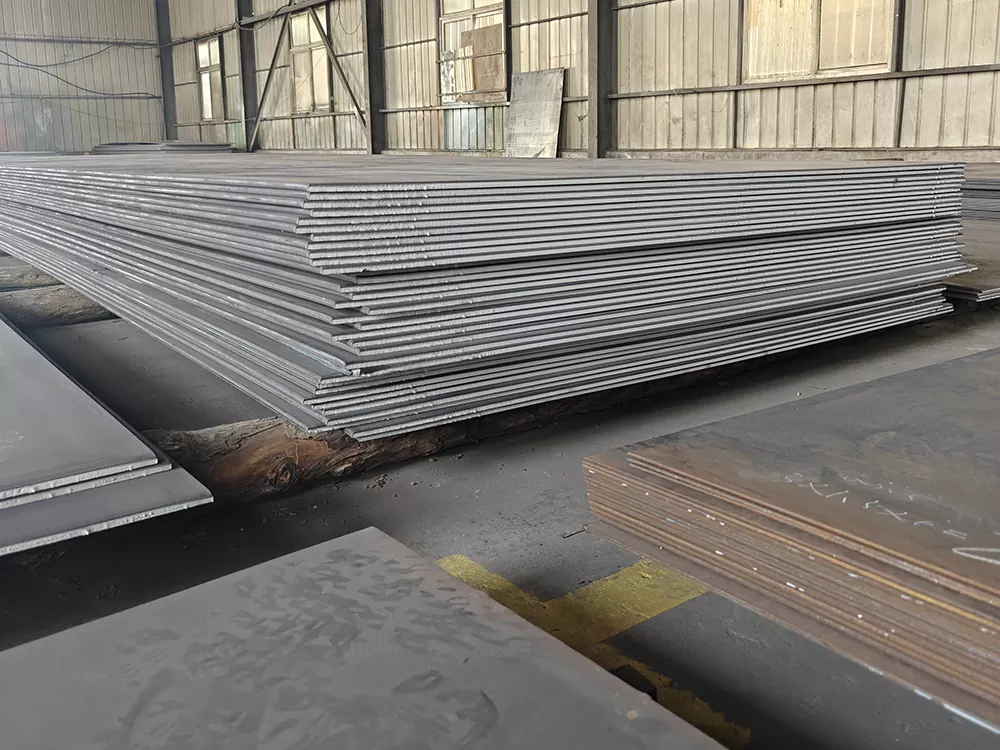
High Strength Steel Plate
In response to the procurement demand for high-quality High Strength Steel Plate, Sanhe Steel, as a leading supplier in the industry, has long provided comprehensive steel solutions to global buyers.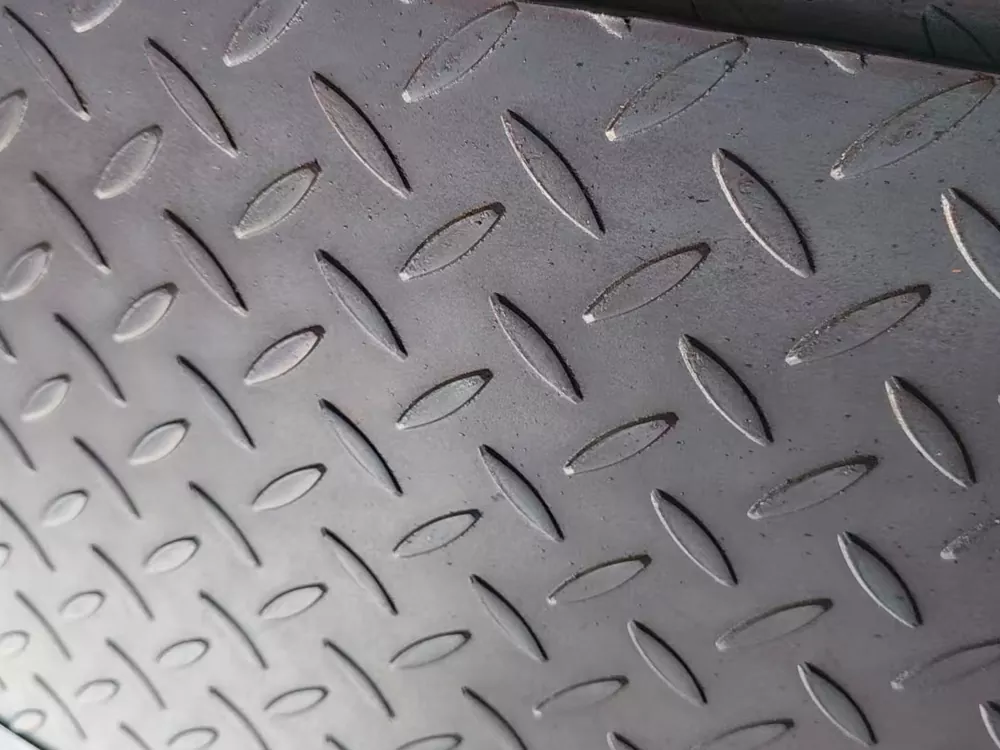
Tread Plate
Sanhe Steel is a professional HQ235B Tread Plate Manufacturer and Supplier in China that integrates steel trading and processing. As a leading physical Factory in the industry, we offer a variety of pattern types and a complete range of specifications. With high-quality anti-slip performance and comprehensive customized processing services, we meet the needs of multiple industries.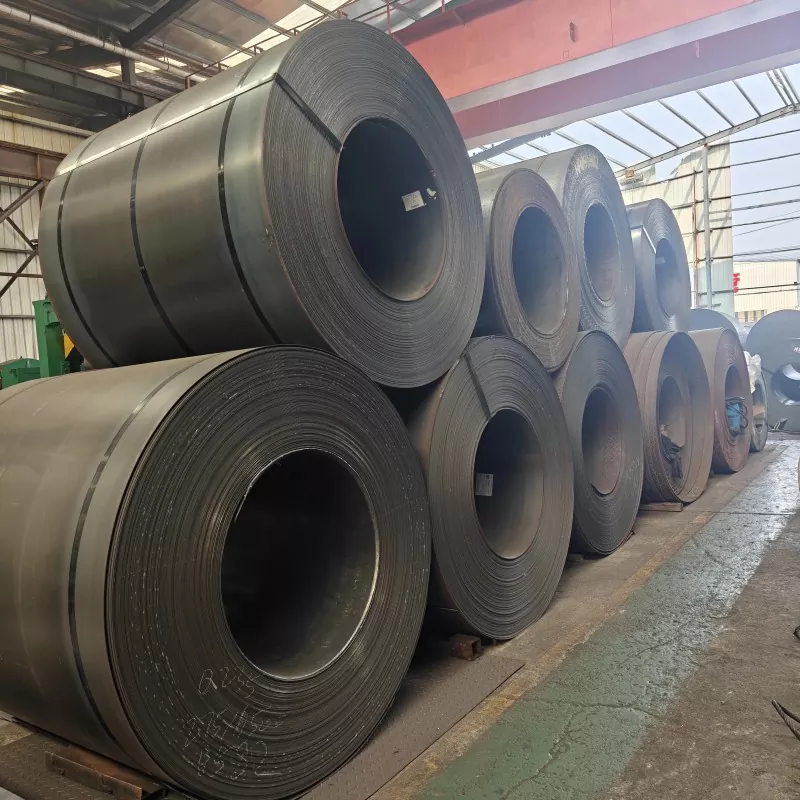
Hot Rolled Steel Plate 8mm
If you plan to purchase bulk hot rolled steel plates for structural fabrication, Sanhe Steel welcomes your inquiry, sample request and custom cutting orders. We maintain sufficient stock of Q235B & Q355B grade hot rolled steel plate 8mm. Sanhe Steel support to help wholesale buyers cut material waste and lower overall procurement costs for bridge frames, mechanical parts and pipeline support projects.
- Related Blog
- Reviews