How Does Tread Plate Improve Safety and Durability in Industrial Applications?
Summary: Tread plates, also known as checker plates, are essential components in industrial, commercial, and residential applications where safety and durability are critical. This article explores the advantages, types, applications, maintenance, and purchasing tips of tread plates, helping you make informed decisions for your projects.
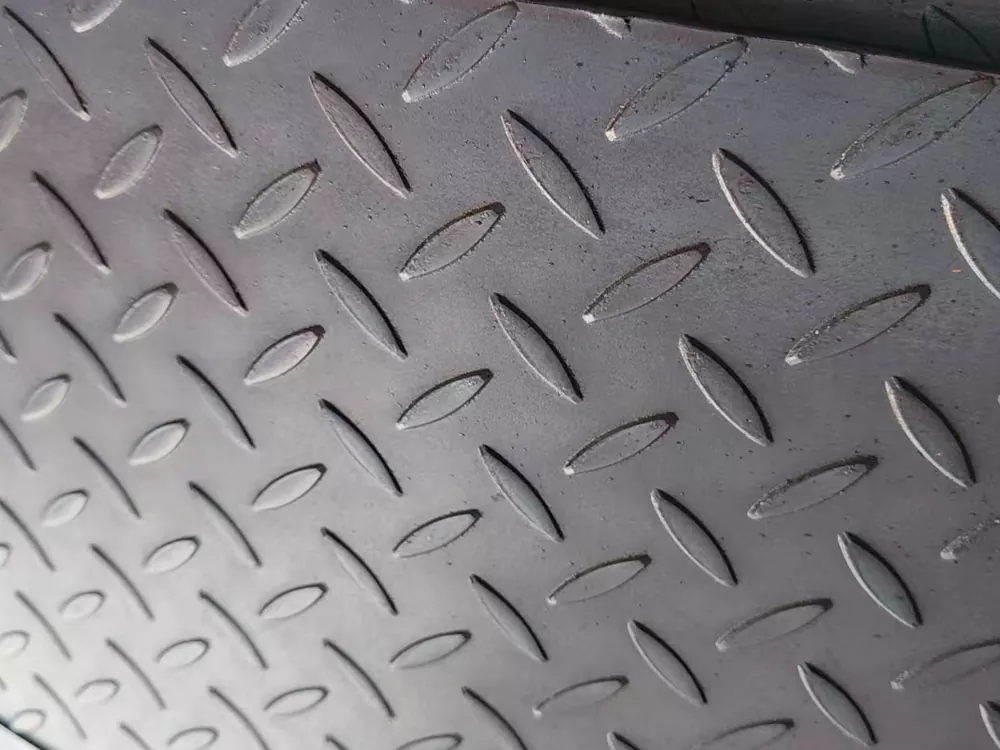
Table of Contents
- What is a Tread Plate?
- Types of Tread Plates
- Applications of Tread Plates
- Benefits of Using Tread Plates
- Tips for Selecting the Right Tread Plate
- Installation and Maintenance
- Frequently Asked Questions
- Conclusion
What is a Tread Plate?
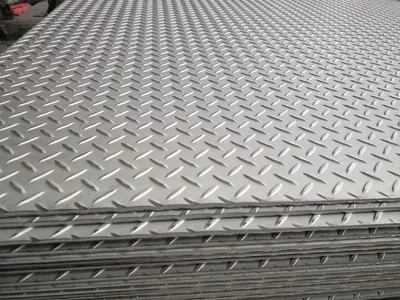
Tread plate, also referred to as checker plate or diamond plate, is a type of metal sheet with a raised pattern of lines or diamonds on its surface. These raised patterns provide a non-slip surface, making it ideal for environments where safety is a concern.
Commonly made from aluminum, steel, or stainless steel, tread plates are highly durable, resistant to corrosion, and can withstand heavy loads.
Types of Tread Plates
Understanding the different types of tread plates helps in selecting the right material and pattern for specific applications. The following table summarizes common types:
| Type | Material | Pattern | Typical Use |
|---|---|---|---|
| Aluminum Tread Plate | Aluminum Alloy | Diamond/Checker | Walkways, ramps, trucks |
| Steel Tread Plate | Carbon Steel | Raised Lines | Industrial flooring, stairs |
| Stainless Steel Tread Plate | Stainless Steel | Checker | Food processing, clean environments |
Applications of Tread Plates
Tread plates are versatile and widely used across industries. Common applications include:
- Industrial Flooring: Provides slip resistance for workers in factories and warehouses.
- Vehicle Surfaces: Flooring for trucks, trailers, and heavy-duty vehicles.
- Stairs and Ramps: Ensures safety in high-traffic areas.
- Construction Sites: Protective surfaces on scaffolds and temporary walkways.
- Marine Environments: Non-slip decks on boats and docks.
Benefits of Using Tread Plates
Using tread plates provides multiple advantages, addressing common customer pain points such as safety, durability, and maintenance:
- Enhanced Safety: Raised patterns prevent slips and falls in wet or oily environments.
- Durability: Resistant to wear, corrosion, and heavy impacts.
- Low Maintenance: Easy to clean and maintain, reducing long-term costs.
- Versatility: Suitable for indoor and outdoor applications.
- Customization: Available in various thicknesses, materials, and patterns to meet specific needs.
Tips for Selecting the Right Tread Plate
Choosing the correct tread plate is crucial for maximizing performance and safety. Consider the following tips:
- Material: Aluminum is lightweight and corrosion-resistant, steel offers higher strength, and stainless steel is ideal for hygiene-sensitive areas.
- Thickness: Select a thickness that can withstand expected loads and foot traffic.
- Pattern Type: Diamond or checker patterns offer better grip, while raised lines can handle higher loads.
- Environment: Consider exposure to moisture, chemicals, and temperature variations.
- Budget: Balance initial cost with long-term durability and maintenance savings.
Installation and Maintenance
Proper installation ensures optimal performance and longevity. Key considerations include:
- Ensure the surface underneath is level and clean before installation.
- Use appropriate fasteners, such as bolts or welding, depending on the application.
- Regularly inspect for damage, corrosion, or wear and address issues immediately.
- Clean periodically using mild detergent and water; avoid harsh chemicals that may damage the surface.
Frequently Asked Questions
Q1: Can tread plates be painted?
Yes, tread plates can be painted or powder-coated, but surface preparation is essential for proper adhesion.
Q2: What is the difference between aluminum and steel tread plates?
Aluminum is lightweight and corrosion-resistant, while steel offers higher strength and is more suitable for heavy-duty industrial applications.
Q3: How do I prevent corrosion in steel tread plates?
Applying a protective coating or using stainless steel variants can prevent rust and extend the lifespan.
Q4: Can tread plates be customized?
Yes, companies like Sanhe provide customized tread plates in various sizes, patterns, and materials according to project requirements.
Conclusion
Tread plates are indispensable in creating safe, durable, and low-maintenance surfaces across numerous applications. From industrial flooring to vehicle decks, selecting the right material, pattern, and thickness is key to maximizing benefits. Sanhe offers high-quality tread plates suitable for various projects, ensuring reliability and long-lasting performance.
For more details and to find the perfect tread plate solution for your needs, contact us today!
Related News
- How Can Galvanized Floor Diamond Plate Improve Safety, Durability, and Long-Term Project Performance
- Why Is Hot Rolled Checkered Steel Plate for Platforms a Smart Choice for Safe and Durable Industrial Flooring
- What Makes SGCC Hot Dip Galvanized Steel Sheet a Reliable Choice for Corrosion-Resistant Industrial Applications
- How Can Wear Resistant Hot Rolled Heavy Steel Plate Structural Improve Service Life in Demanding Industrial Applications
- Why Is Wear Resistant Hot Rolled Heavy Steel Plate Structural Essential for Demanding Industrial Applications
- How Does Cold Rolled Steel Plate Improve Manufacturing Performance?
Leave me a message