Hot Rolled Low Carbon Mild Steel Plate
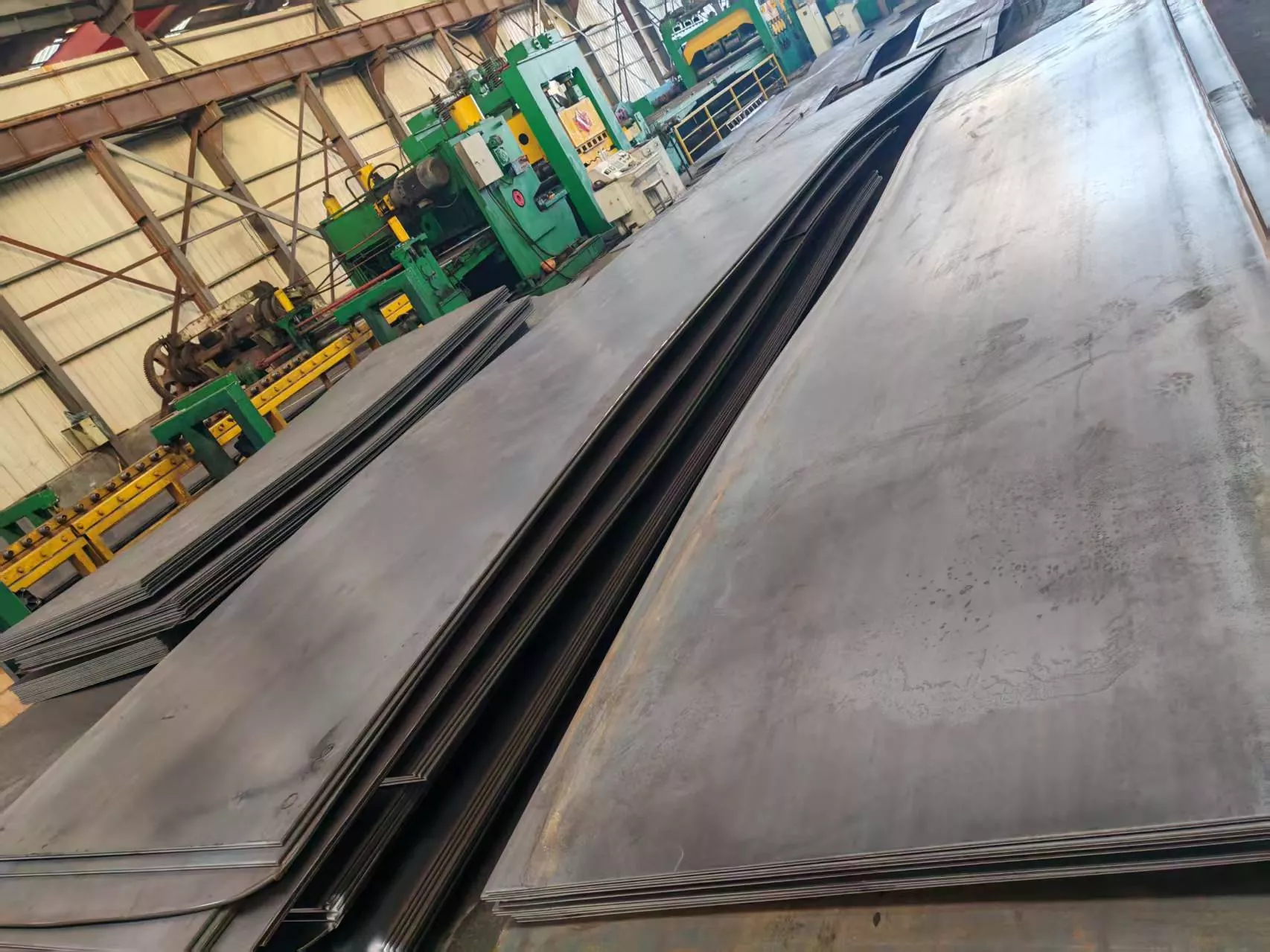
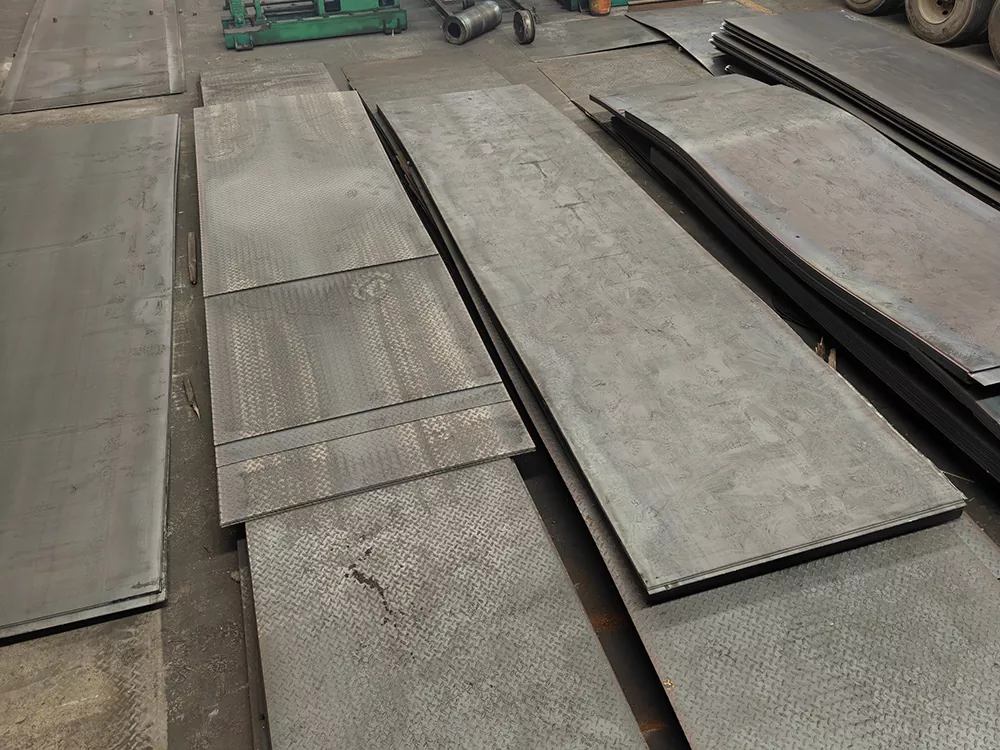
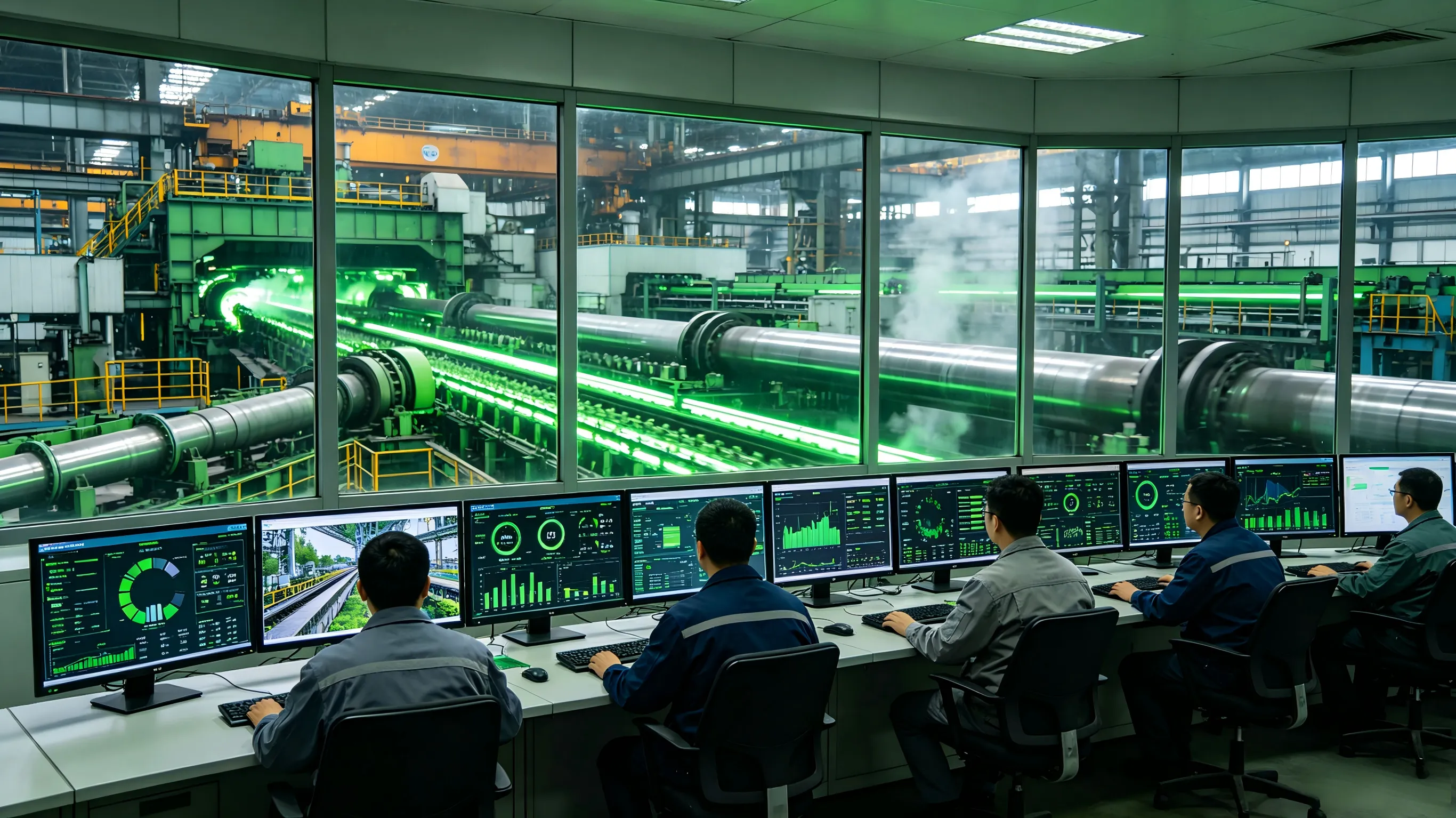
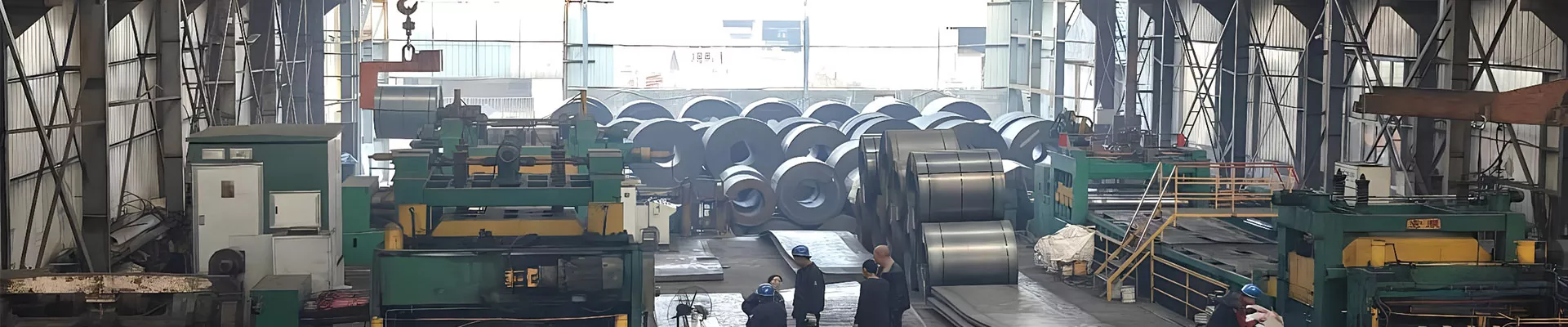
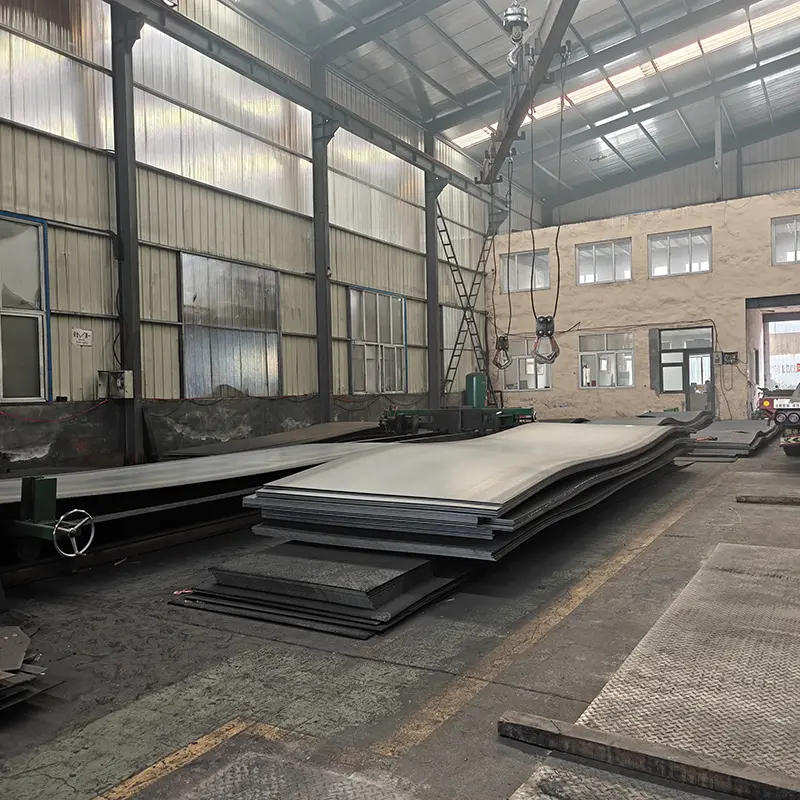
Sanhe Steel is a professional factory for premium Hot Rolled Low Carbon Mild Steel Plate. Our steel plates adopt standard low carbon structural steel, featuring reliable ductility and easy machining, widely favored by global distributors, engineering contractors and metal processing factories.
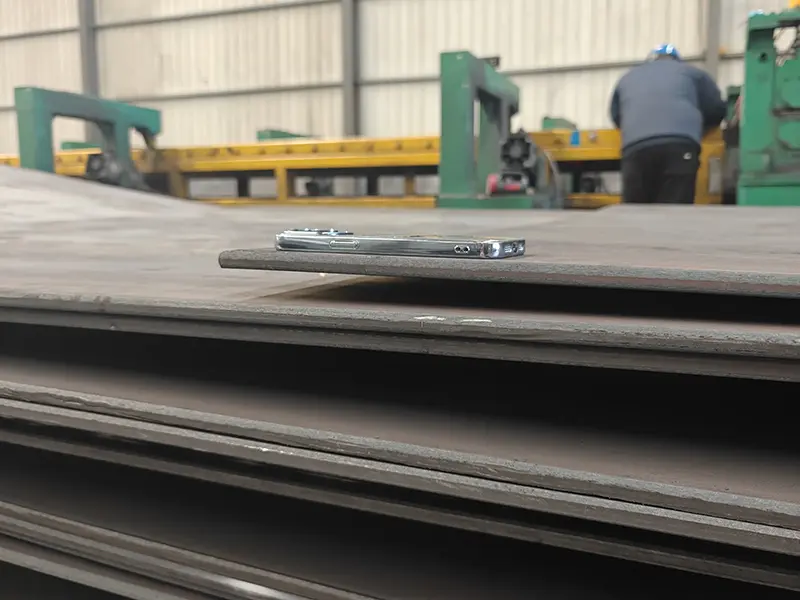
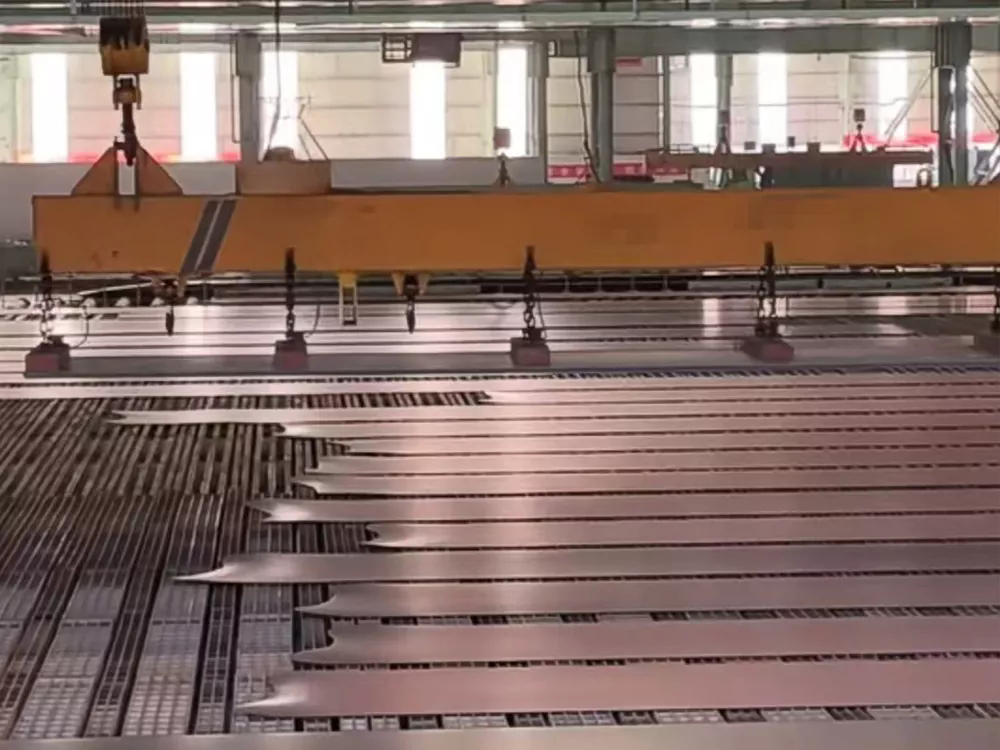
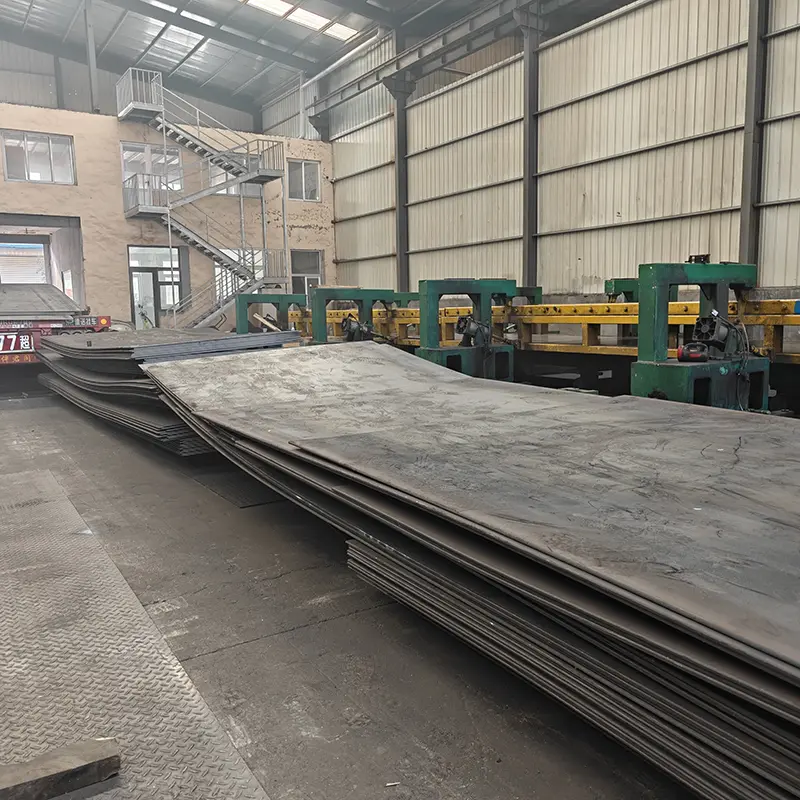
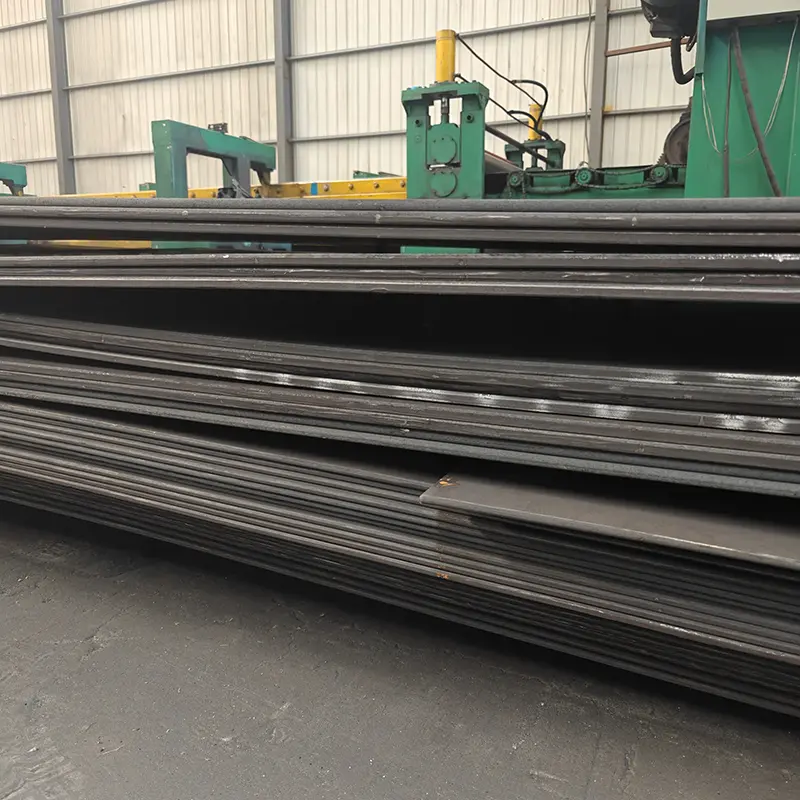
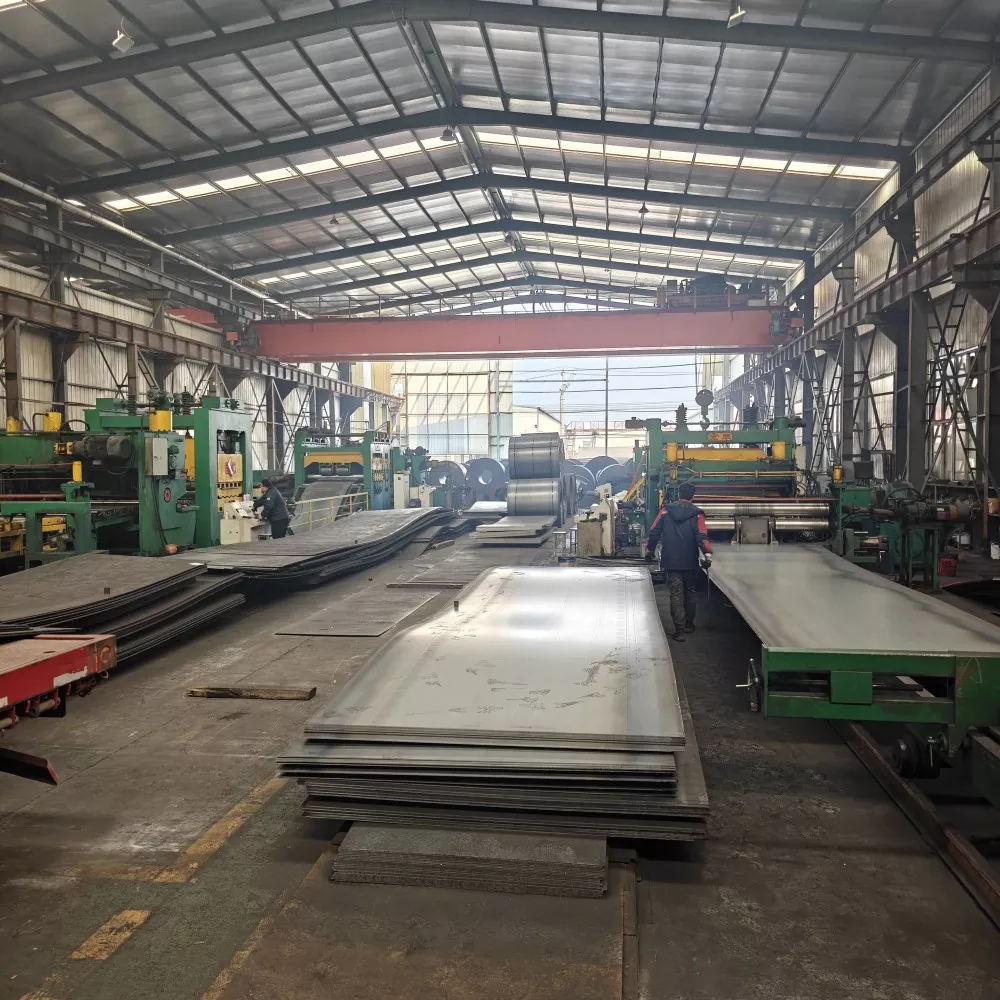
Low carbon steel plate, also known as mild steel plate, is a mainstream carbon steel material with carbon content below 0.25%. It boasts superior plasticity, toughness and weldability, easy for cutting, bending, punching and other deep processing, with stable mechanical properties and good surface finish. The Hot Rolled Low Carbon Mild Steel Plate has uniform thickness, flat surface, no rust spots, cracks or deformation, and is widely applicable for structural parts manufacturing, mechanical equipment processing, engineering construction, container manufacturing, automobile accessories and general industrial processing fields.
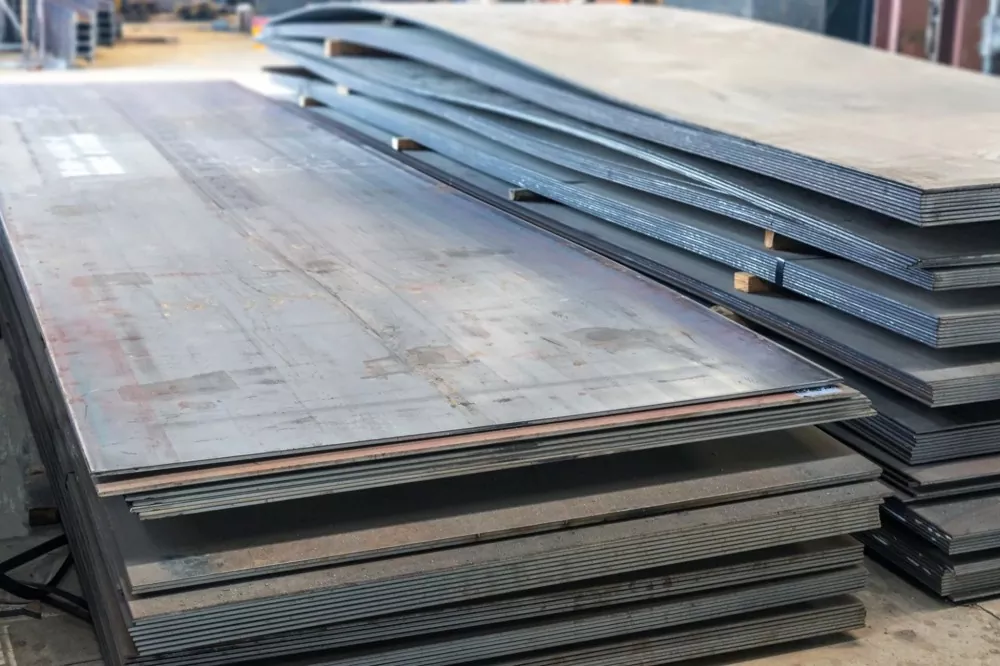
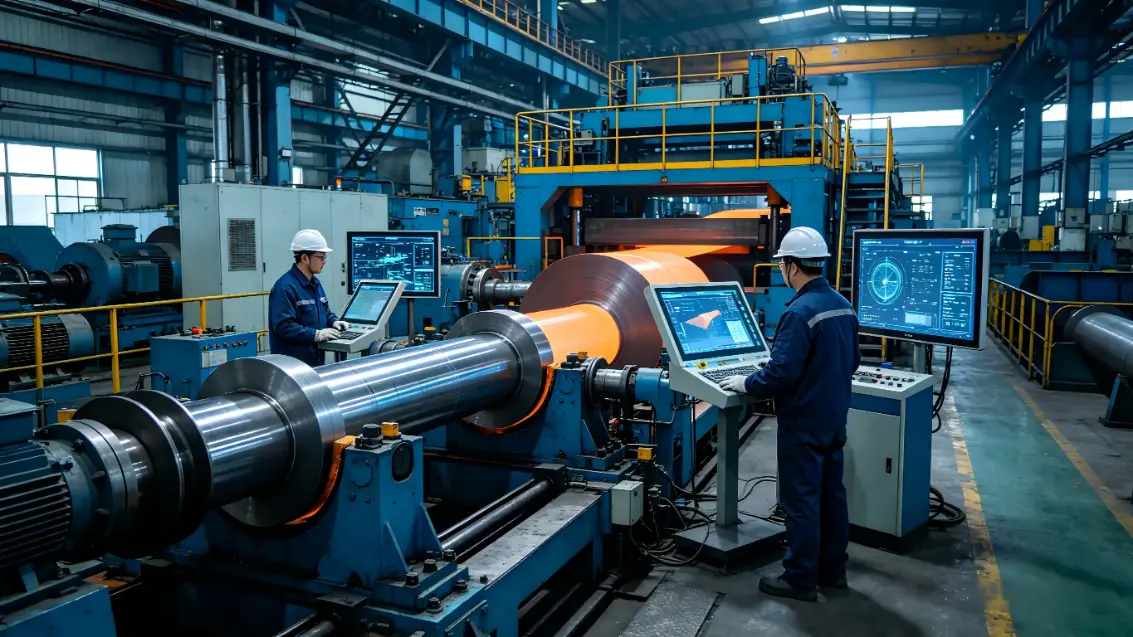
Sanhe Steel factory produces low carbon steel plates in complete specifications, supports customized size, thickness and surface treatment according to customer drawings and project demands. All products adopt standardized smelting and rolling processes, with stable chemical composition and reliable mechanical properties, fully meeting global industrial production and engineering application standards.
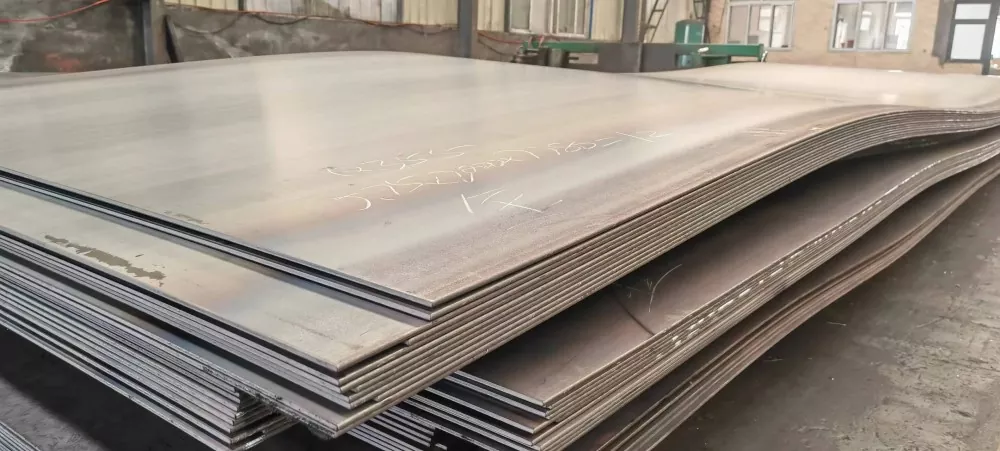
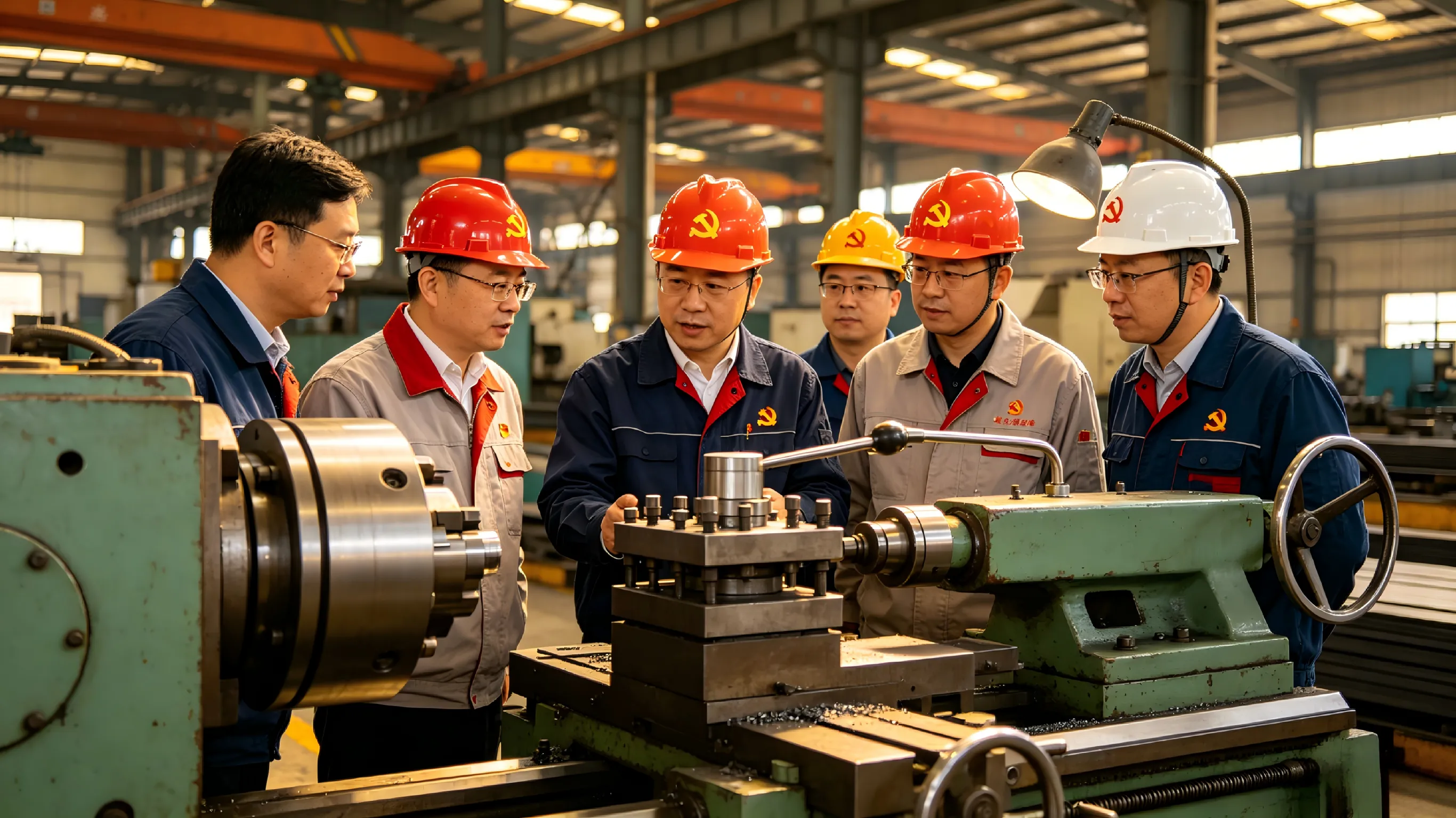
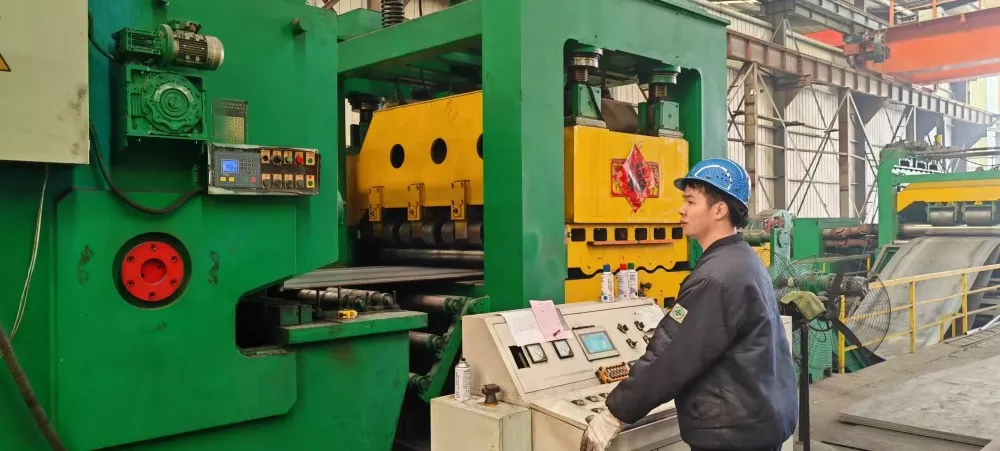
Custom Processing Services
1. Precision Cutting: Professional flame cutting and plasma cutting, strictly processed according to customer drawings to ensure accurate size and smooth incision.
2. Metal Forming & Drilling: Support bending, drilling, punching and other secondary molding processing to realize one-stop finished product customization.
3. Surface Treatment: Provide shot blasting treatment and anti-rust primer painting to enhance corrosion resistance and extend service life.
4. Deep Secondary Machining: Offer slitting and other fine processing services to support diversified finished product production demands.
Export Standard Packaging and Global Logistics
We fully comply with international sea transportation standards, focusing on product safety and integrity during long-distance overseas transportation, solving buyers' worries about cargo damage and moisture:
Professional Export Packaging
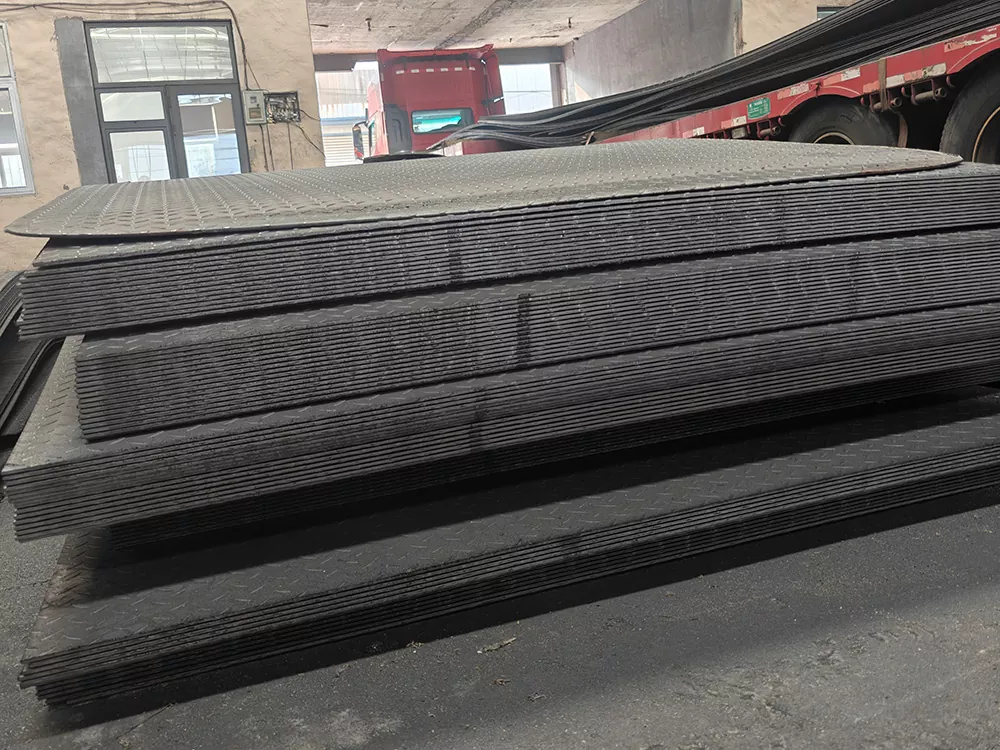
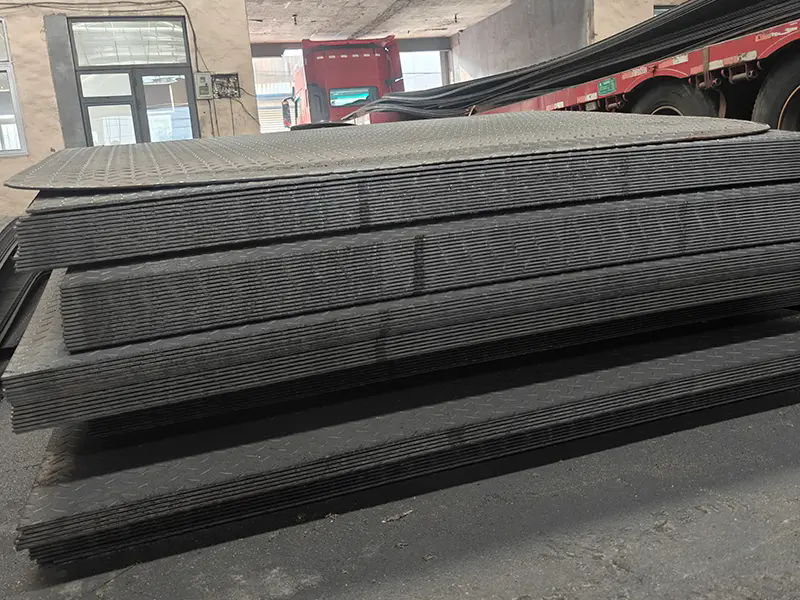
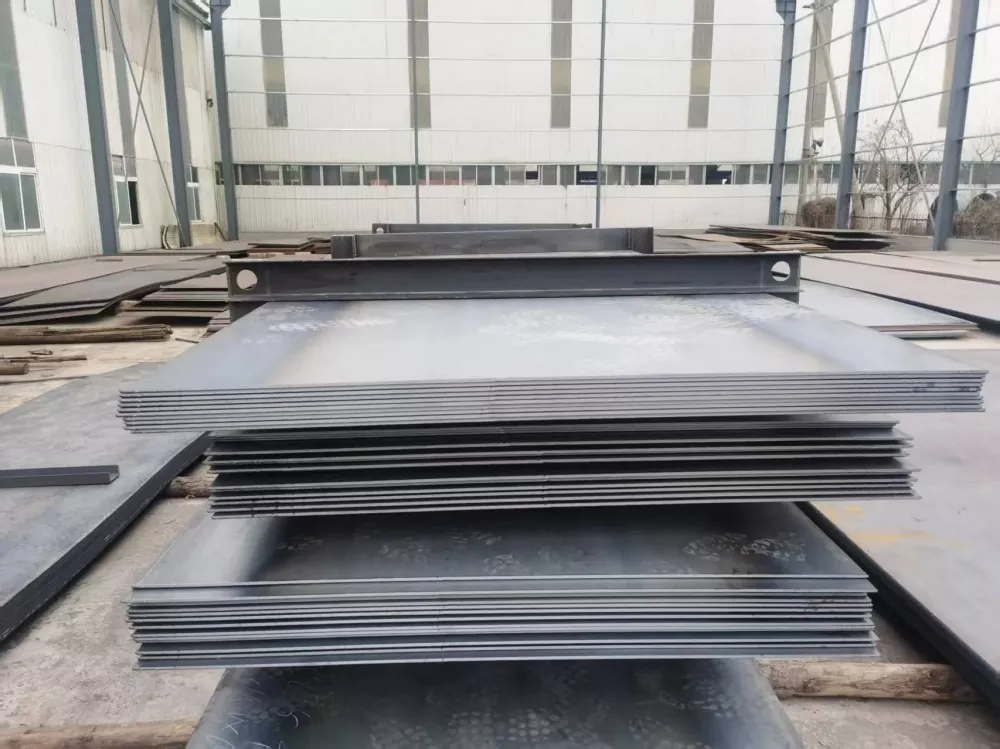
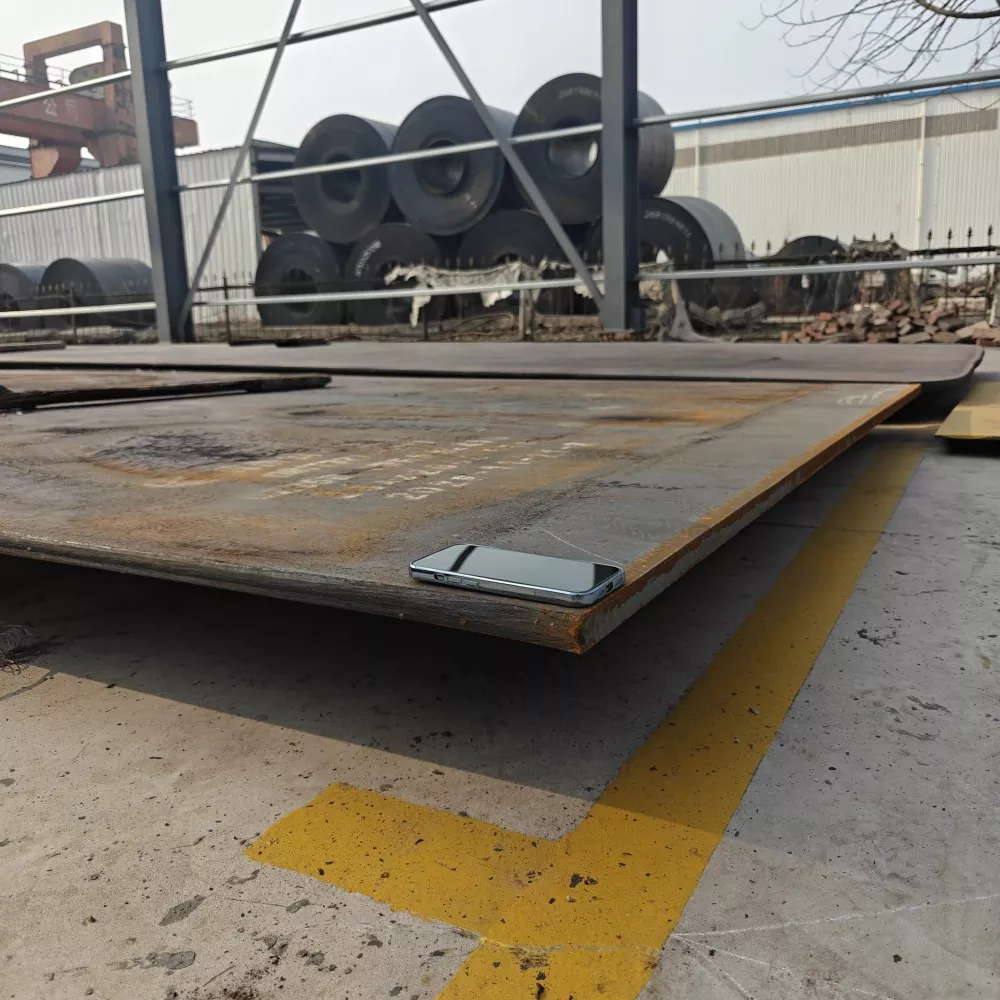
All Hot Rolled Low Carbon Mild Steel Plates are bundled with high-strength steel strips and fixed on sturdy solid wooden pallets. Adopt seaworthy integrated packaging technology, with multi-layer moisture-proof, dust-proof and collision-proof protection measures, effectively avoiding rust, deformation and damage during long-term sea transportation and transshipment.
Flexible Global Shipping
Support FCL full container load and LCL less than container load services, adapting to bulk wholesale and small-batch project orders.
Flexible shipping port arrangement according to customer's demand and regional logistics plan
Cooperate with mature international logistics companies to ensure stable delivery cycle and timely cargo tracking.
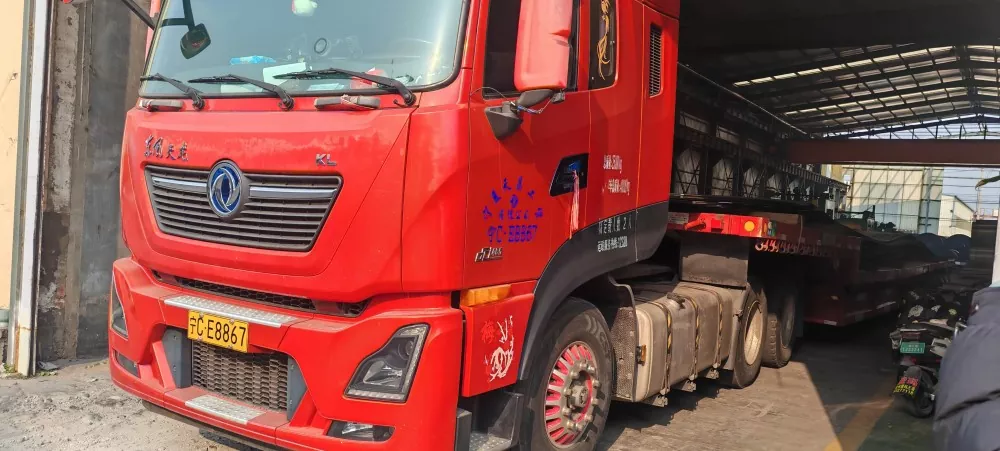
Quality Control
Quality and material traceability are paramount in every order we fulfill. We conduct strict raw material incoming inspections alongside comprehensive chemical composition analyses and mechanical property testing. Every batch of Hot Rolled Low Carbon Mild Steel Plates is supplied with an official Mill Test Certificate in full compliance with EN 10204 3.1 standards. Additionally, we fully support and welcome third-party inspections prior to shipment, giving overseas buyers complete confidence in material integrity and dimensional compliance.
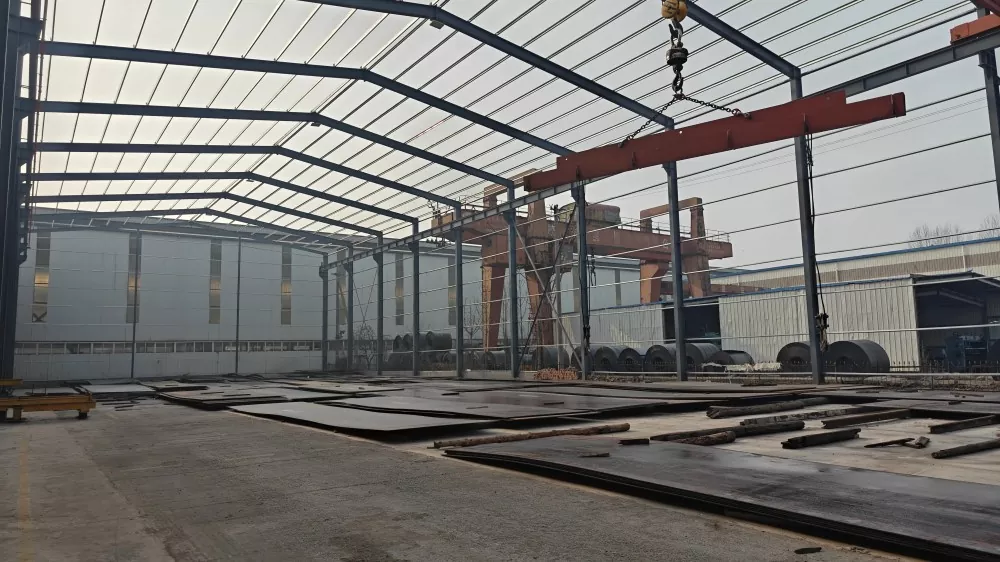
Why Choose Us
Partnering directly with our manufacturing plant offers significant competitive advantages over traditional trading intermediaries. We provide direct factory-bulk pricing, rich inventory reserves for standard sizes, and rapid quotation responses within 24 working hours. Backed by a professional export team experienced in international shipping and customs compliance, we support flexible MOQ requirements to accommodate both large-scale project contracts and trial orders.
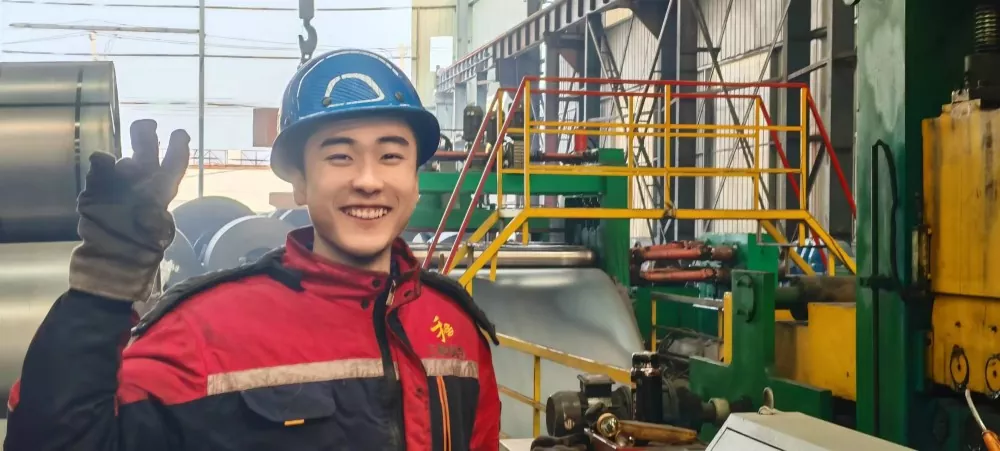
From raw steel plate production and custom processing to export packaging and global shipping, our factory delivers a reliable, one-stop manufacturing solution built for long-term international trade success.
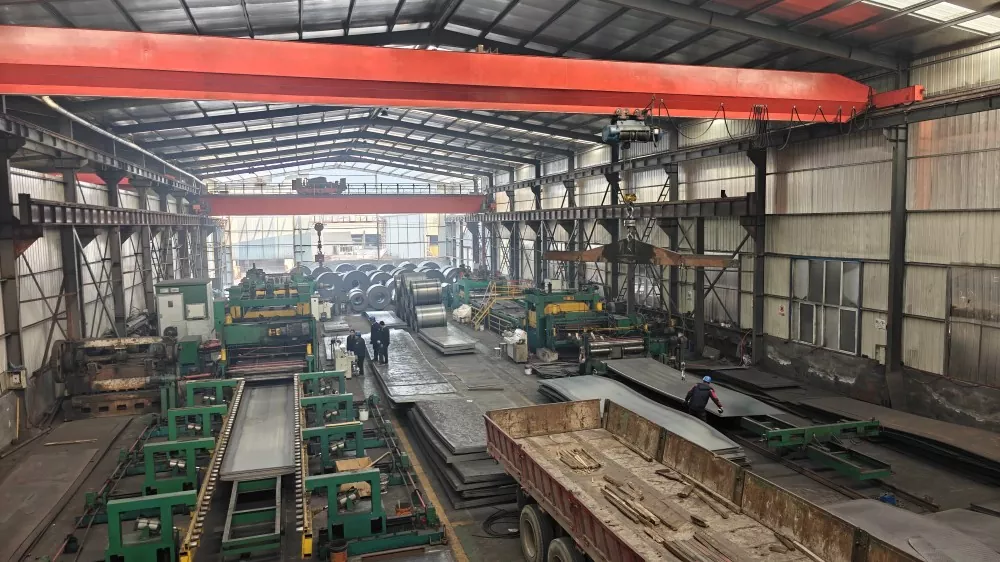
Structural Steel Plates for Southeast Asian Warehouse Project Real Case
Client: EPC General Contractor in Vietnam
Project Need: High-strength, weldable Q235B / ASTM A36 hot-rolled plates (8mm to 16mm thickness) for structural warehouse building frames.
Solution: We supplied 350 metric tons of prime hot-rolled carbon steel plates accompanied by EN 10204 3.1 Mill Test Certificates. To meet strict construction deadlines, we arranged staggered shipments and customized seaworthy bundling with reinforced wooden pallets and anti-moisture wrapping.
Result: Passed third-party SGS quality inspection on-site with 100% compliance in chemical composition and yield strength, successfully keeping the client's construction schedule on track.
FAQ
Q1: What is the maximum carbon content of your hot rolled low carbon mild steel plate, and how does it affect performance?
A1: Our low carbon steel plate has a carbon content strictly controlled below 0.25%, typically ranging from 0.06% to 0.22% depending on the specific grade. This low carbon level ensures excellent weldability (no preheating required for most thicknesses), superior formability for bending and stamping operations, and good machinability. The trade-off is slightly lower strength compared to medium or high carbon steels, but for general structural and fabrication applications, this balance is ideal.
Q2: What is the difference between hot rolled low carbon steel plate and cold rolled steel plate?
A2: Hot rolled low carbon steel plate is processed at high temperatures above recrystallization, resulting in a dark mill scale surface, looser dimensional tolerances (±0.3mm typical), and lower cost. Cold rolled steel is processed at room temperature, offering a smooth bright surface, tighter tolerances (±0.05mm), and higher strength through work hardening. Choose hot rolled for structural fabrication, welding projects, and applications where surface finish is not critical; choose cold rolled for precision parts, visible panels, and tight-tolerance stamping.
Q3: How does plate thickness affect the mechanical properties of low carbon steel plate?
A3: For our low carbon mild steel plate, yield strength and elongation decrease slightly as thickness increases. For Q235B grade, yield strength is ≥235MPa for thickness ≤16mm; it reduces to ≥225MPa for 16-40mm; and to ≥215MPa for 40-100mm. Elongation also reduces from ≥26% for thin sections to ≥21% for thicker plates. We recommend confirming the exact mechanical properties for your specific thickness requirement before final design.
Q4: Can hot rolled low carbon steel plate be directly galvanized without surface preparation?
A4: Not directly. The hot rolled surface has a layer of mill scale (iron oxide) that must be removed before galvanizing to achieve proper zinc adhesion. For galvanizing applications, we recommend specifying pickled and oiled (P&O) surface treatment, or we can arrange shot blasting at our facility before shipment to ensure the surface is properly prepared for your galvanizing process.
Q5: What welding processes are most suitable for low carbon mild steel plate, and is preheating required?
A5: Hot rolled low carbon mild steel plate is compatible with all common welding processes including MIG (GMAW), TIG (GTAW), stick welding (SMAW), and submerged arc welding (SAW). Due to its low carbon content (<0.25%), preheating is generally NOT required for plates up to 25mm thickness at ambient temperatures above 10°C. For thicker sections or cold weather conditions, we recommend preheating to 50-100°C to prevent hydrogen-induced cracking. Post-weld heat treatment is typically not required for this material.
Q6: What cutting methods are recommended for low carbon mild steel plate?
A6: Our low carbon mild steel plate supports multiple cutting methods. For plates up to 25mm, plasma cutting offers fast, clean cuts with minimal heat-affected zone. Laser cutting delivers the highest precision for thinner gauges (≤12mm) with smooth, burr-free edges. For thicker plates (≥25mm to 100mm), oxy-fuel flame cutting is the most cost-effective option. We also provide CNC shearing services for straight-line cutting on plates up to 25mm thickness. All our custom cutting services maintain tight tolerances (±1mm for flame/plasma, ±0.5mm for laser).
Q7: How does the hot rolling process affect the surface quality and dimensional accuracy of the plate?
A7: Hot rolling forms the plate at temperatures above 1100°C, which creates a natural dark oxide layer (mill scale) on the surface. This mill scale provides short-term rust protection during storage and transit but must be removed before painting or galvanizing. Standard dimensional tolerances for hot rolled plates are ±0.3mm for thickness (varies by thickness range) and -0/+5mm for width and length. If your application requires tighter tolerances or a cleaner surface, we recommend cold rolled steel, or we can provide surface preparation services (shot blasting) at our facility.
Q8: Is low carbon mild steel plate suitable for outdoor structural applications?
A8: Low carbon mild steel plate is suitable for outdoor applications ONLY when properly protected against corrosion. It does not contain corrosion-resistant elements like chromium or copper. For outdoor use, we strongly recommend either hot-dip galvanizing after fabrication (preferred for long-term 20+ year protection) or applying a proper paint system over a shot-blasted surface. Without protection, rusting will begin within weeks of outdoor exposure. We can provide shot blasting and anti-rust primer coating services to prepare your plates for outdoor installation.
Hot Tags:
Send Inquiry
Contact Info
-
Address
No. 1188, Lanzhou West Road, Jiaozhou City, Shandong Province, China
-
Tel
-
E-mail
Welcome to our website! For inquiries about our products or pricelist, please leave your email to us and we will be in touch within 24 hours.