Q355 Hot Rolled Plate for Construction
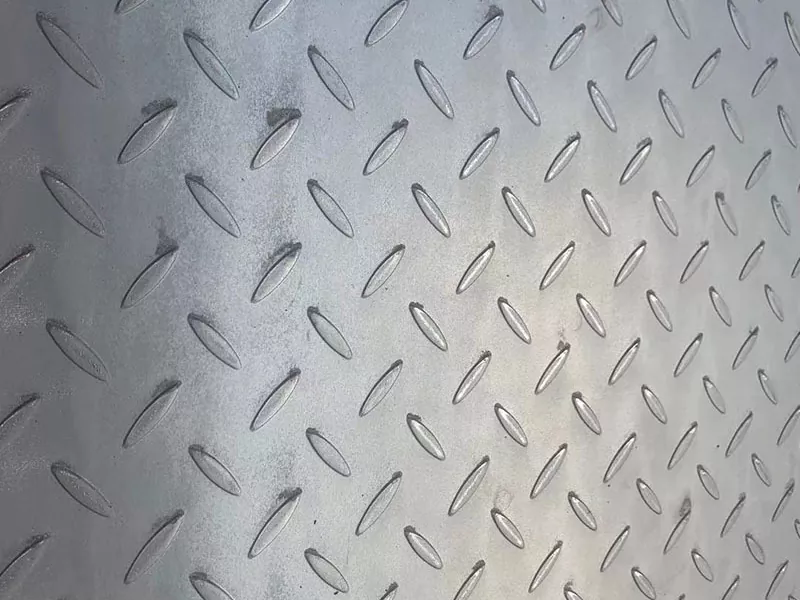
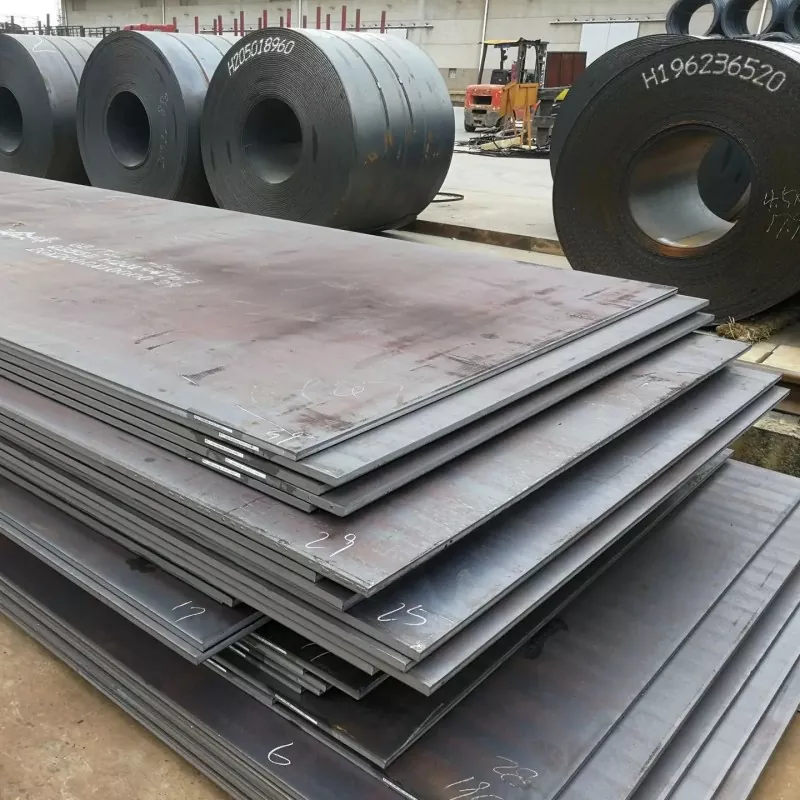
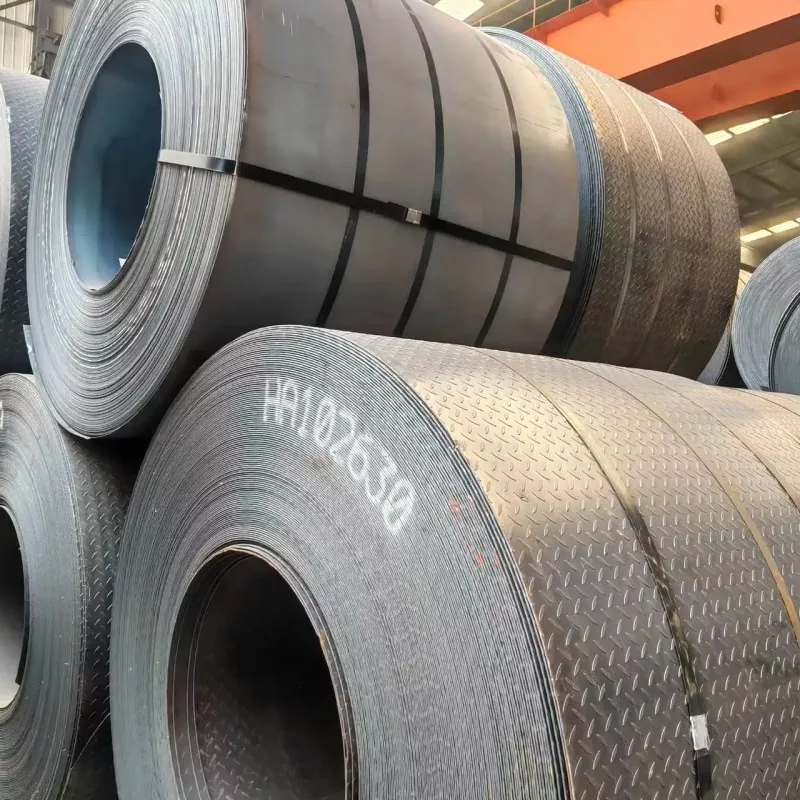
Sanhe Steel is a China manufacturer and supplier of Q355 hot rolled plate for construction, held to GB/T 1591 in grades Q355B, Q355C and Q355D. Minimum yield is 355 MPa up to 16 mm and steps down through the thickness bands, with tensile strength of 470-630 MPa. Ask for a quotation with the grade, thickness and cut sizes.
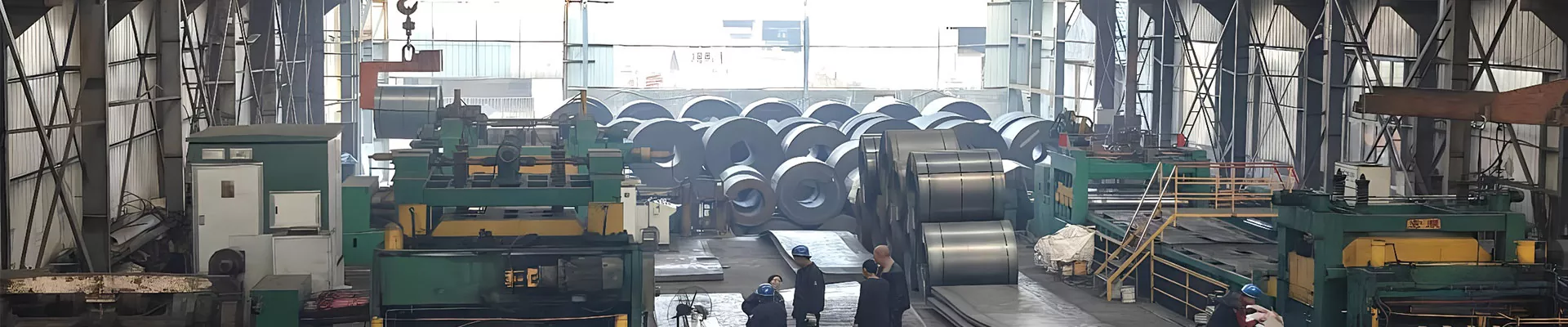
Sanhe Steel is a Q355 hot rolled plate for construction manufacturer and factory supplier in China,. Grade, thickness band and standard are written on the quotation, so the design value matches the plate that arrives. Cut-to-size blanks, shot blasting and shop priming are carried out at the works, which removes a second supplier from the schedule. Each batch is tested in the CNAS-accredited in-house laboratory and ships with a mill test certificate; EN 10204 3.1 or 3.2 and third-party inspection are available where a project requires them. Bulk orders are packed for the transport route and documented for customs. MOQ, lead time and price list follow the specification: stock plate ships in 7-15 days, processed or specially rolled material in 15-35 days from Qingdao.
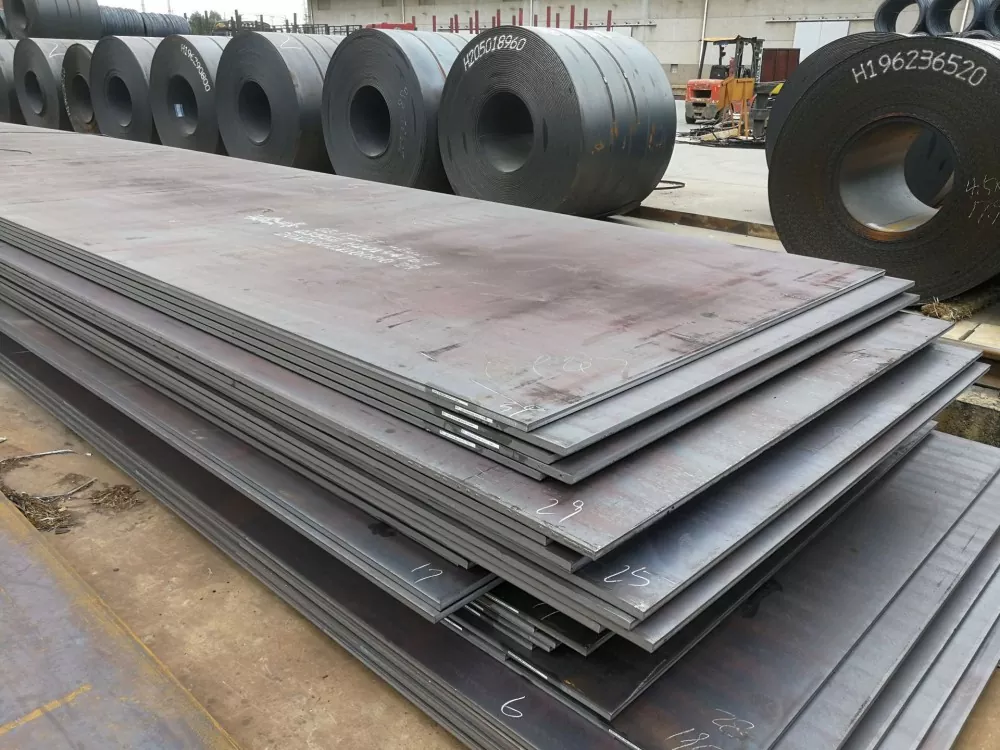
What This Grade Is
Q355 is a low-alloy structural steel defined by GB/T 1591, the Chinese standard for high strength structural steels. The number is the minimum yield strength in megapascals for the thinnest section, and 355 MPa puts it a step above ordinary carbon structural steel such as Q235.
Phosphorus and sulphur are held low, and small alloy additions of manganese, silicon, niobium, vanadium and titanium raise the strength without the plate becoming brittle. The result is a plate that carries more load at the same thickness, which is why it replaces Q235 in columns, beams, crane girders and platform structures where the design is governed by strength rather than by stiffness.
For an export project the practical question is equivalence. Q355B corresponds closely to S355JR under EN 10025-2 and to ASTM A572 Gr.50 in strength terms, with the impact test temperature being the difference that matters. The tables below set out what each grade actually guarantees.
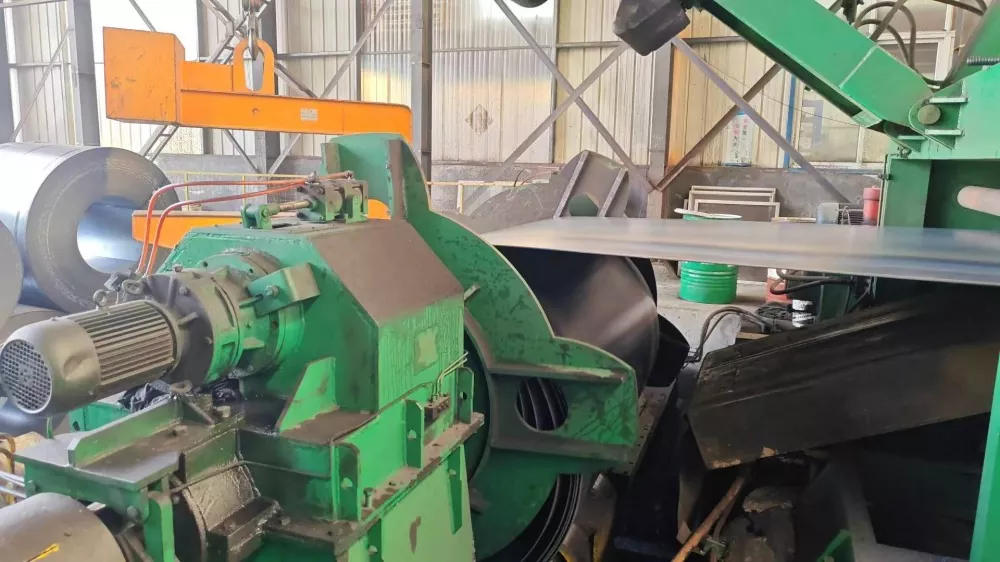
How This Grade Compares With Q235 and S355
|
Property |
Q235B |
Q355B |
S355JR (EN 10025-2) |
|
Minimum yield (up to 16 mm) |
235 MPa |
355 MPa |
355 MPa |
|
Tensile strength |
370-500 MPa |
470-630 MPa |
470-630 MPa |
|
Elongation (min) |
26% |
21% |
22% |
|
Impact test |
Not required as standard |
+20 C on request |
+20 C |
|
Carbon content (max) |
0.20% |
0.20% |
0.22% |
|
Typical use |
General frames, light platforms |
Columns, girders, heavy platforms |
European structural projects |
The trade-off is straightforward. Q235 is cheaper per tonne and welds easily, and it remains the right answer for light structures. Q355 costs more per tonne and saves weight, which is why it is specified when the structure has to be lifted, shipped or carried on a lighter foundation.
Yield Strength Steps Down With Thickness
Yield strength in Q355 is stated per thickness band, which is why the grade alone is not enough information to quote from.
|
Thickness band |
Minimum yield strength |
Minimum tensile strength |
|
Up to 16 mm |
355 MPa |
470-630 MPa |
|
Over 16 mm to 40 mm |
345 MPa |
470-630 MPa |
|
Over 40 mm to 63 mm |
335 MPa |
470-630 MPa |
|
Over 63 mm to 80 mm |
325 MPa |
470-630 MPa |
|
Over 80 mm to 100 mm |
315 MPa |
470-630 MPa |
Designers should quote the band they are working in rather than the headline figure. If a connection is calculated on 355 MPa and the plate is ordered at 50 mm, the actual value is 335 MPa and the margin has quietly changed.
Specifications
|
Item |
Range |
Notes |
|
Grades |
Q355B, Q355C, Q355D |
Other grades on request |
|
Standard |
GB/T 1591 |
Equivalent grades quoted to EN / ASTM |
|
Thickness |
3 mm - 300 mm |
Band stated on the certificate |
|
Width |
1,000 mm - 4,500 mm |
Cut to width available |
|
Length |
6,000 / 12,000 mm or cut to size |
Cut-to-length blanks |
|
Impact test |
-20 C to +20 C depending on grade |
Charpy V-notch |
|
Carbon equivalent |
CEV to the grade and thickness |
Stated on the MTC |
|
Surface |
Black hot rolled |
Pickled and oiled on request |
|
Certificates |
MTC per batch, EN 10204 3.1 / 3.2 on request |
Third-party inspection available |
|
Processing |
Cut to size, shot blasting and priming |
Drawings required for shaped parts |
Where It Is Used on Site
· Factory and warehouse frames: columns, roof beams and crane girders where load is high and section depth is limited. Where a Q355 hot rolled plate for construction is used in a crane girder, the design normally checks fatigue as well as static strength.
· Steel platforms and mezzanine floors, including equipment platforms and maintenance walkways.
· Building structures: transfer beams, bracing and heavy connection plates in multi-storey steel frames.
· Infrastructure: bridge girders, gantry frames, sign gantries and toll structures.
· Equipment bases and supports, where vibration and cyclic loading require strength with ductility.
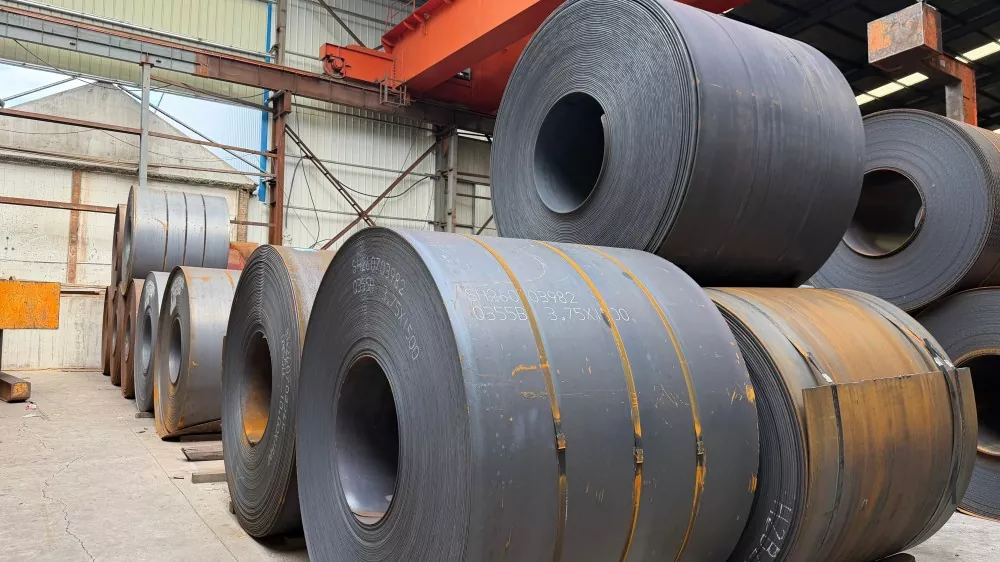
Weldability and Carbon Equivalent
Q355 is welded with common processes: shielded metal arc, gas metal arc, submerged arc and flux-cored arc. Two numbers control the welding procedure. Carbon content is held to 0.20 percent maximum in Q355B and 0.18 percent in Q355C and Q355D, and the carbon equivalent value is limited by grade and thickness, which is what keeps the heat affected zone from hardening too far.
For thick plate, preheat is required. The exact temperature depends on thickness, carbon equivalent, ambient temperature and the process used, and the welding procedure specification should state it rather than leave it to the shop floor. On site, two habits keep Q355 work sound: keep the joint dry and clean, and do not run a procedure written for Q235 without checking the preheat requirement.
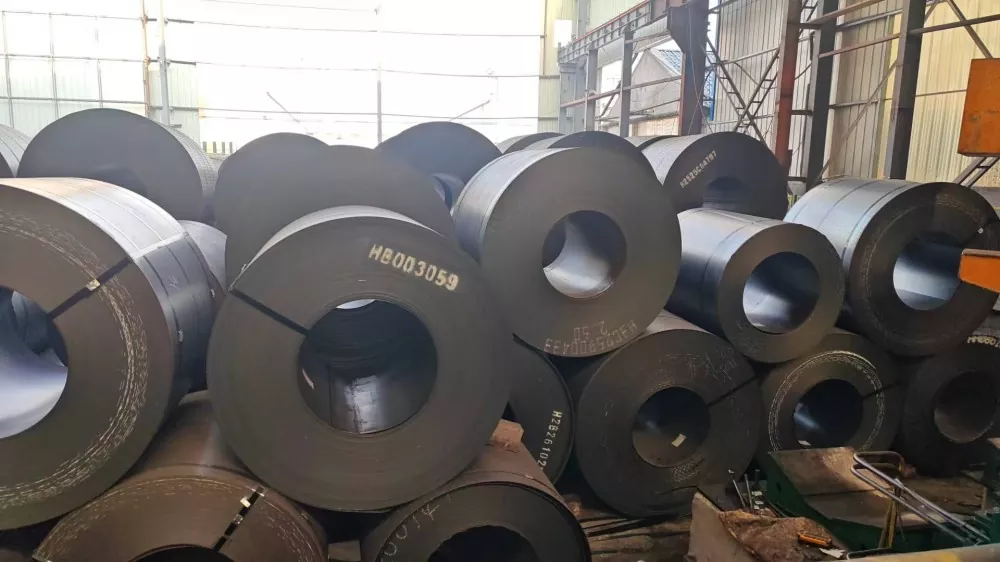
Quality Documents and Processing
Every batch ships with a mill test certificate stating chemical composition, yield and tensile strength, elongation, impact energy where required, and the carbon equivalent value. EN 10204 3.1 or 3.2 certification is available, as is third-party inspection before shipment. For a Q355 hot rolled plate for construction order, the certificate states the thickness band the plate was rolled in, which is the value the design was checked against.
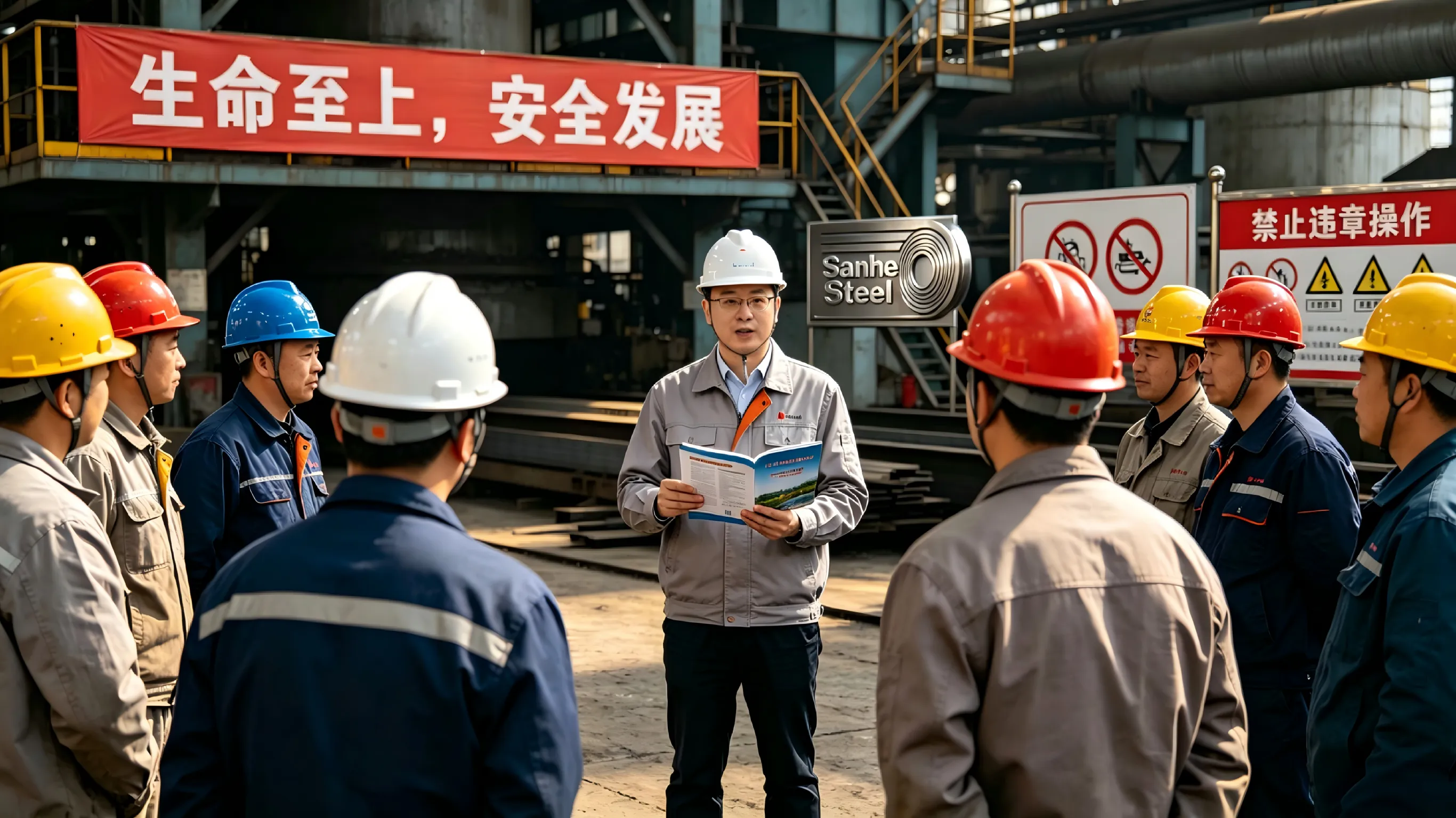
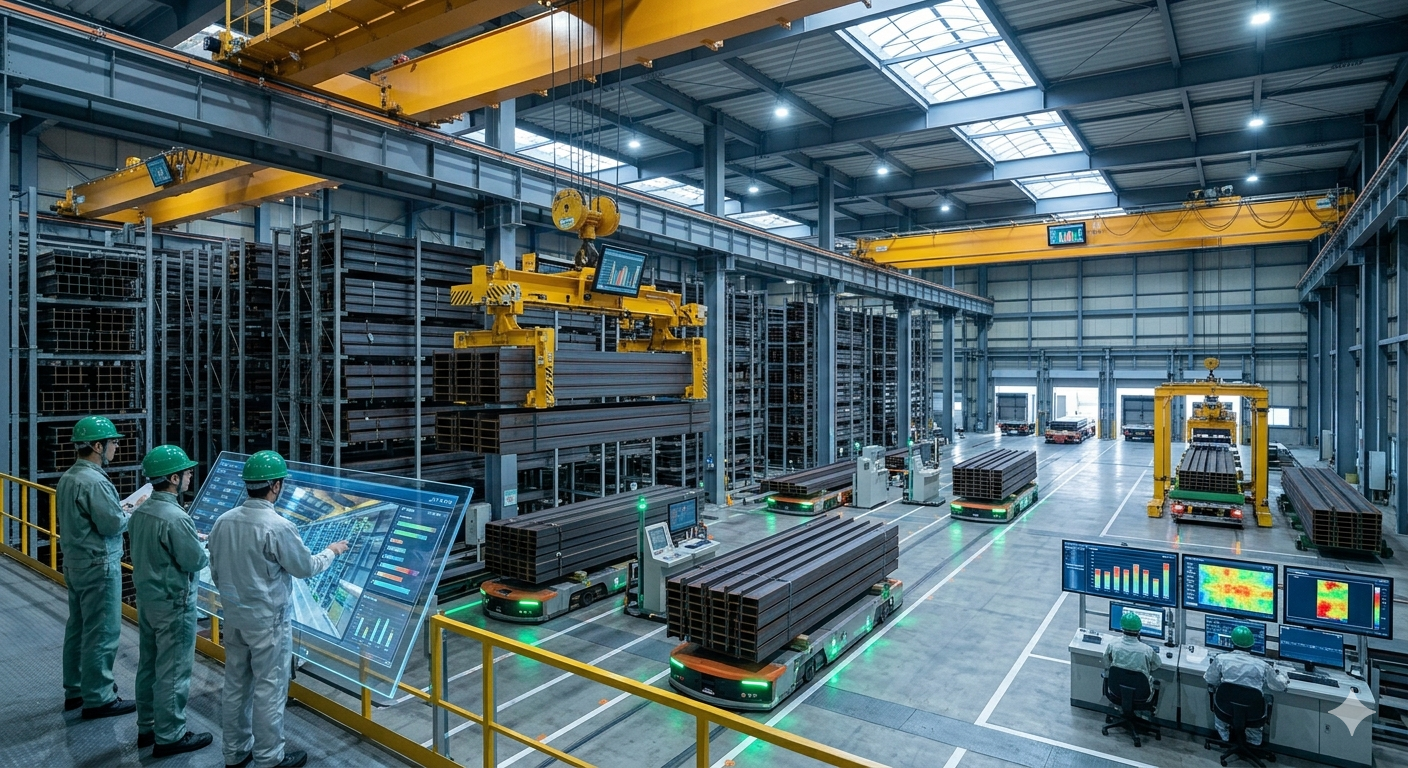
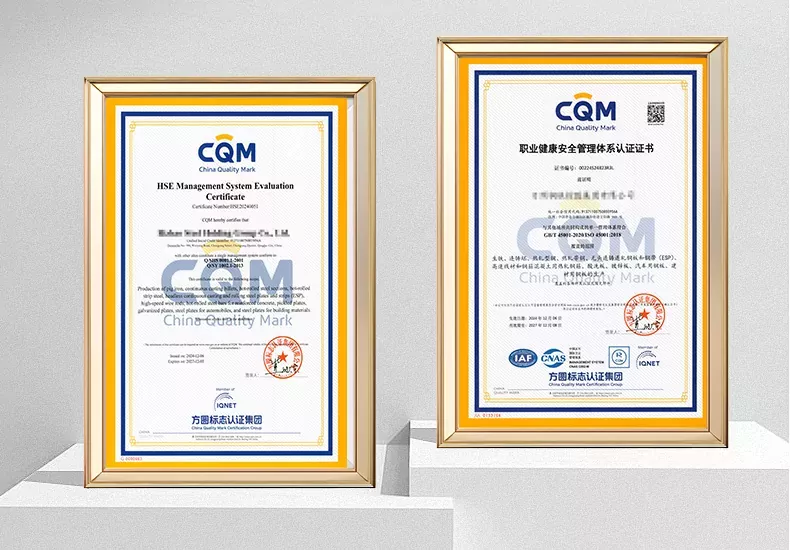
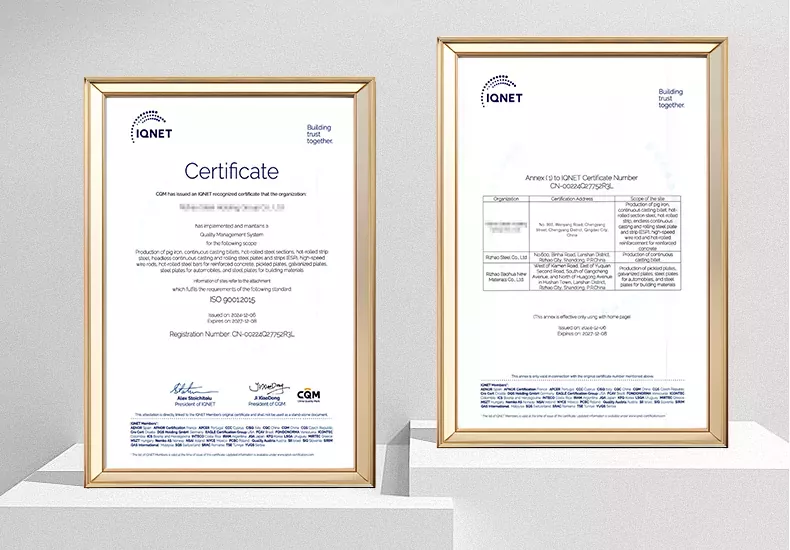
Processing at the works covers cut-to-size blanks, shot blasting and priming for anti-corrosion systems, and shaped parts to drawing. The company holds ISO 9001, ISO 14001, ISO 45001 and CQM certification, with material tested in a CNAS-accredited in-house laboratory. Stock ships in 7-15 days; cut and processed orders run 15-35 days.
FAQ
Q1: Is Q355 the same as S355?
A: They are close equivalents in strength. Q355 follows GB/T 1591 and S355 follows EN 10025-2, and the differences are in tolerance, impact test temperature and certification, so state which standard the project works to.
Q2: Can Q355 replace Q235 without redesign?
A: Q355 hot rolled plate for construction can carry the same load in a thinner section, but the design still has to be checked, particularly for stiffness, buckling and weld detailing.
Q3: What impact grades are available?
A: Q355B is tested at +20 C, Q355C at 0 C and Q355D at -20 C. The grade for cold-climate structures is normally D or an equivalent with verified low-temperature toughness.
Q4: Do you supply cut-to-size Q355 plate?
A: Yes. Plate is cut on CNC equipment to the size on the drawing, and shaped parts are quoted against a DXF or PDF drawing.
Q5: What certification is issued?
A: A mill test certificate per batch, with CQM on request and third-party inspection if the project demands it.
Ordering
To quote Q355 hot rolled plate, send the grade, the thickness, the width and length or the drawing, the quantity, the surface condition required and the standard the project follows. State the destination port. Contact: Qingdao Sanhe Steel Co., Ltd., No. 1188, Lanzhou West Road, Jiaozhou City, Shandong, China | sales08@sanhesteels.com | +86-13376423291. A Q355 hot rolled plate for construction order can be quoted from stock or rolled to size.
Send Inquiry
Contact Info
-
Address
No. 1188, Lanzhou West Road, Jiaozhou City, Shandong Province, China
-
Tel
-
Email
Welcome to our website! For inquiries about our products or pricelist, please leave your email to us and we will be in touch within 24 hours.
News Recommendations