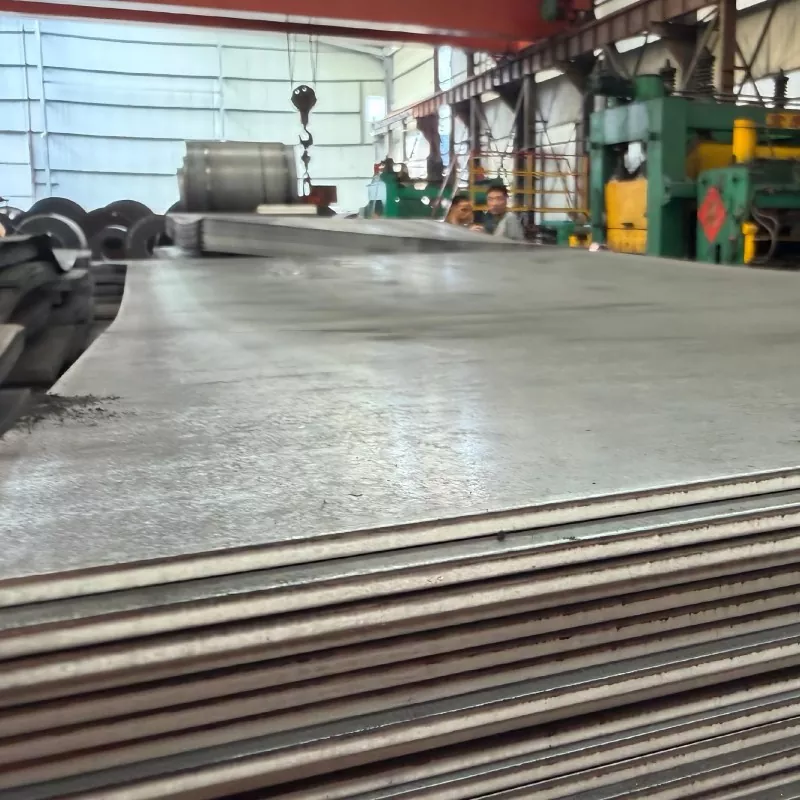
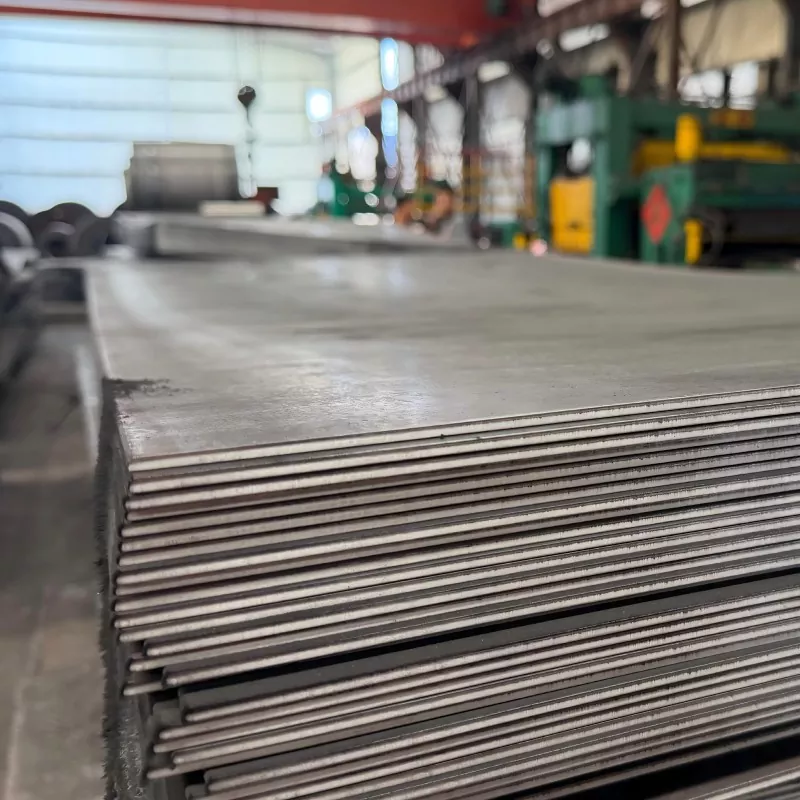
Marine Grade Medium and Heavy Plate
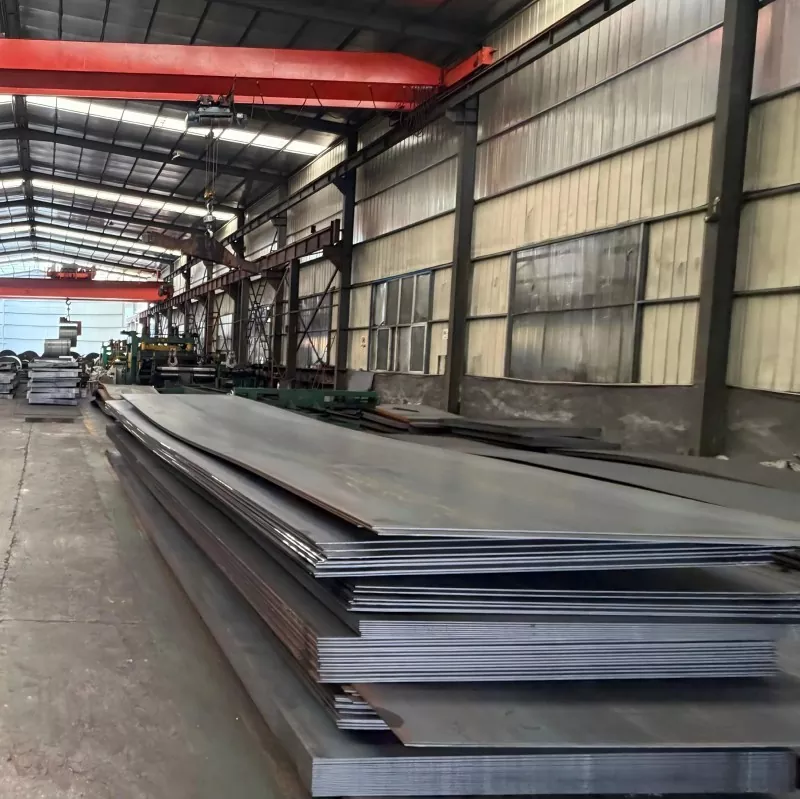
Sanhe Steel is a China manufacturer and supplier of marine grade medium and heavy plate in 6-80 mm, rolled to classification society requirements with verified Charpy impact toughness from 0 C down to -40 C. TMCP rolling keeps the carbon equivalent low, and Z-direction grades are available. Set out the grade and the class rule and we return a quotation.
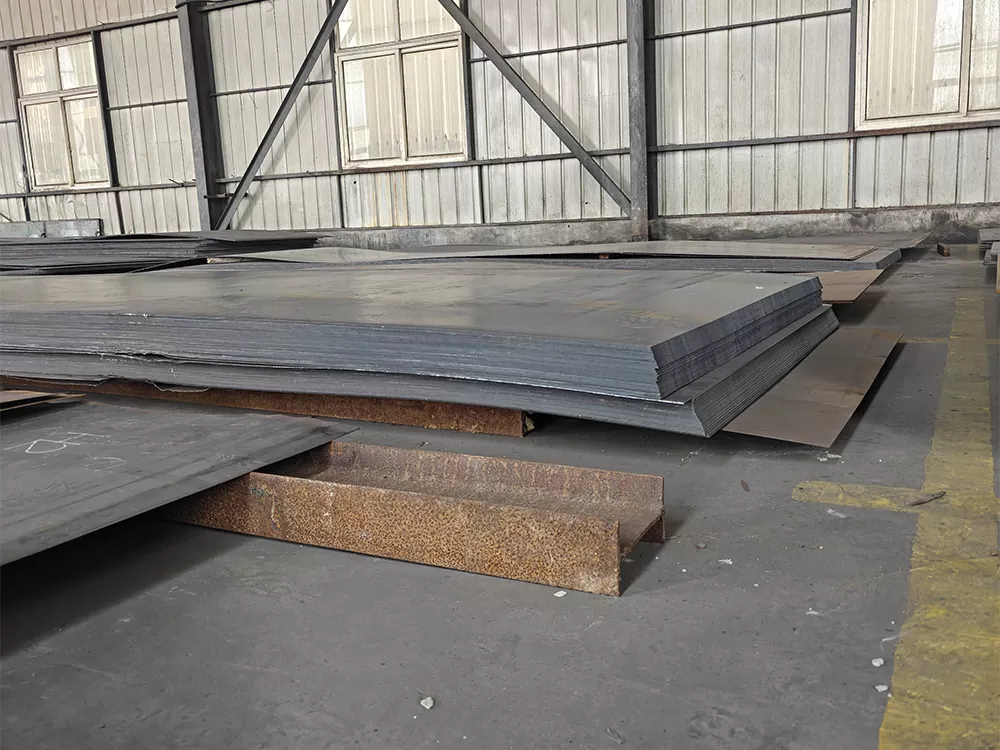
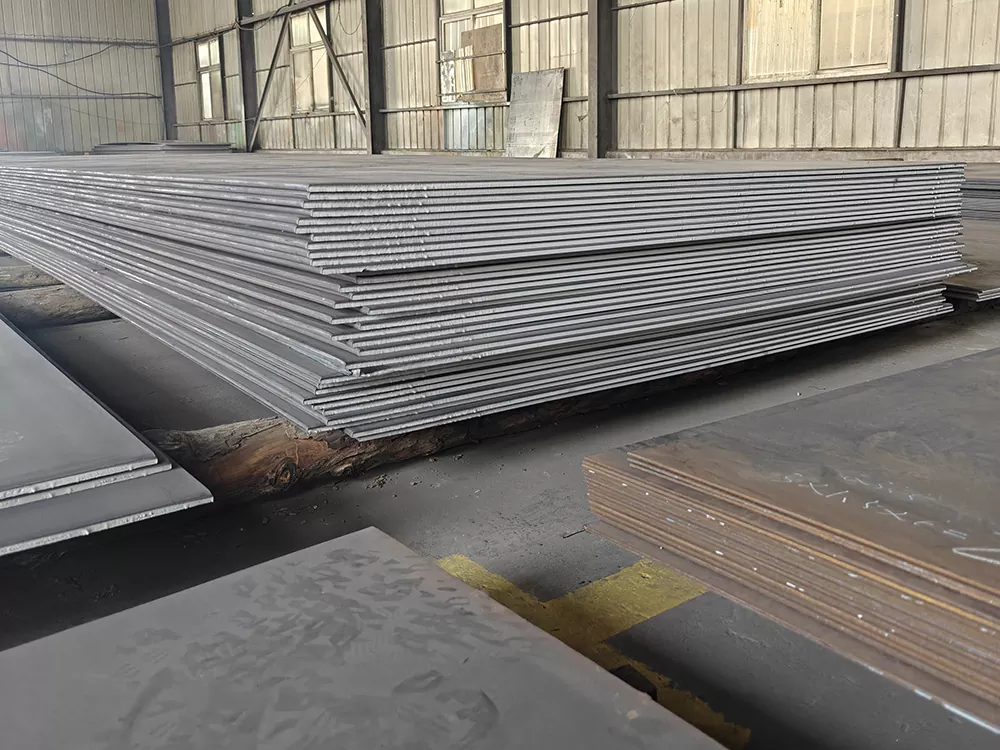
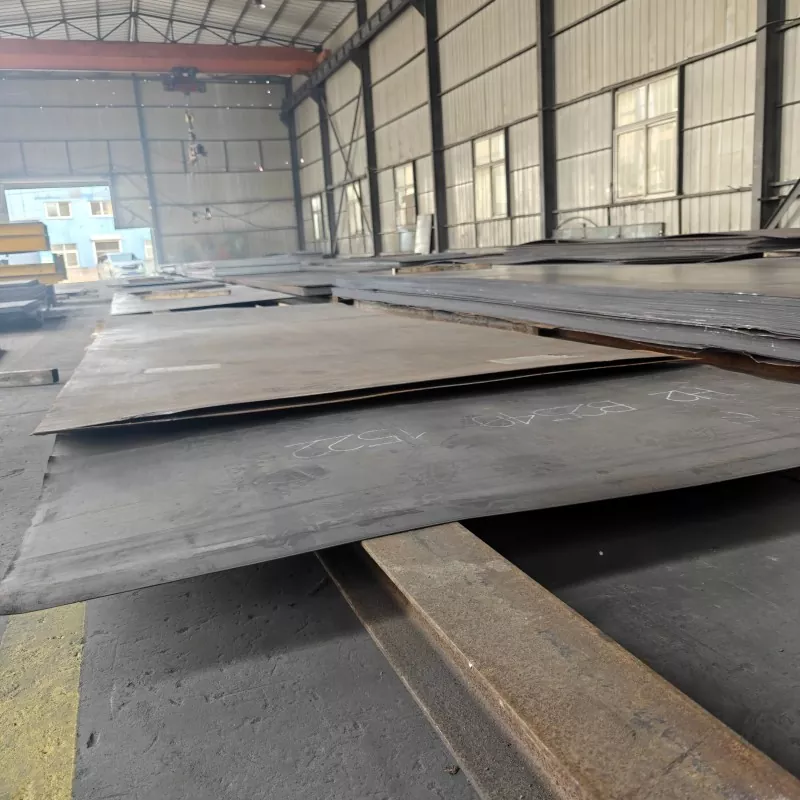
Sanhe Steel Marine Grade Medium and Heavy Plate
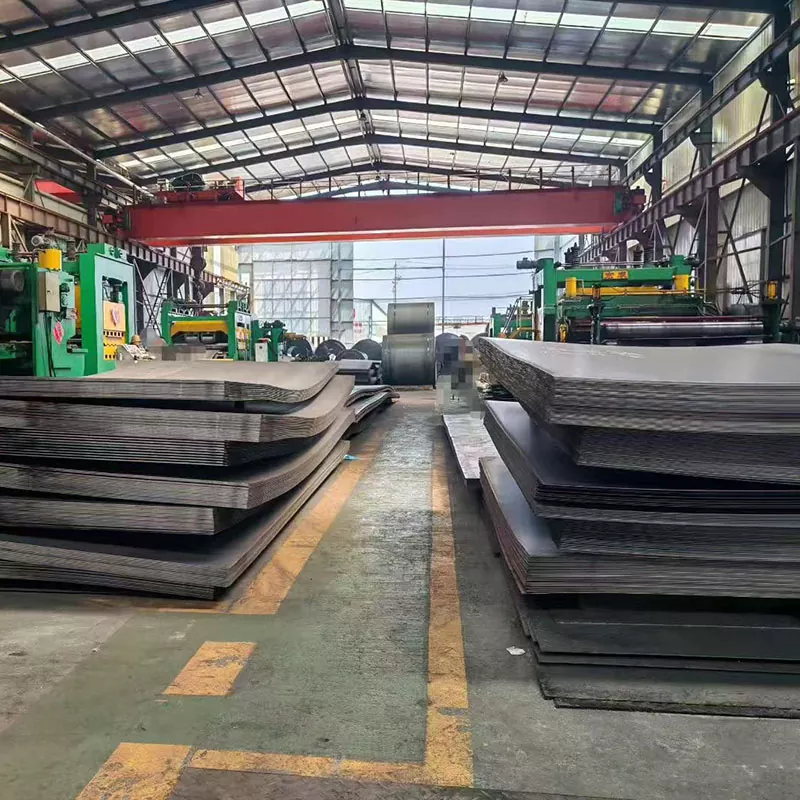
Sanhe Steel is a marine grade medium and heavy plate manufacturer and supplier in China. Grade, impact class and class society are confirmed at enquiry stage. Z-direction grades with verified through-thickness testing, shot blasting and shop priming are available, and documentation is prepared before loading rather than after. Every consignment carries mill test certificates with impact energy results, and class society certification plus third-party inspection can be arranged. For repeat programmes the same grade and rolling route are kept, so approved welding procedures stay valid.
What This Material Is and Why the Rules Matter
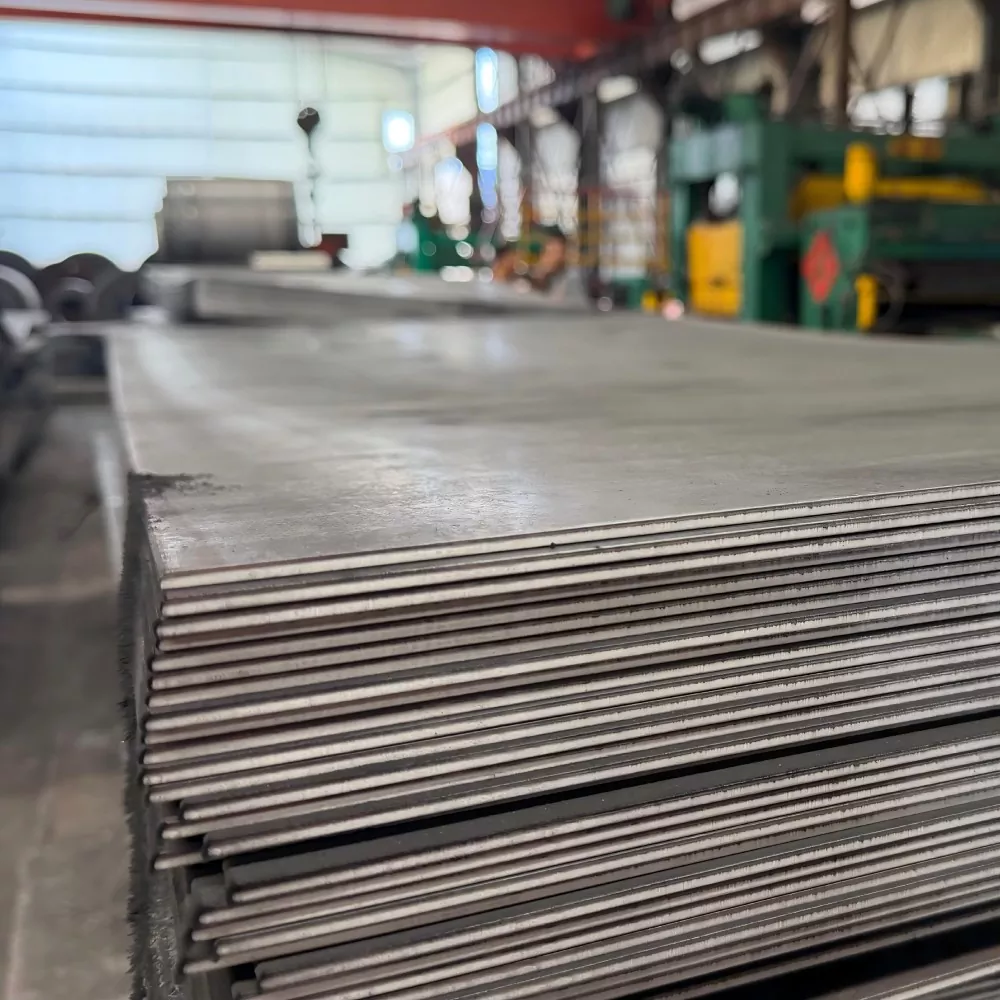
The marine grade medium and heavy plate is structural steel specified for hulls, decks, offshore platforms and port structures. It is not ordinary structural plate with a different label. The grade system is tied to classification society rules, the impact test temperature and the welding conditions the yard will use, and the plate is accepted or rejected against those rules.
Two environments drive the specification. The sea gives continuous salt exposure and cyclic wave loading, which is a corrosion and fatigue problem. The yard gives high heat input welding on thick sections, which is a metallurgical problem: a plate that is strong but sensitive to welding heat will crack in the heat affected zone regardless of its tensile strength.
Chinese production normally follows GB/T 712 for ship hull structural steel with class society approval, and the corresponding international grades are ASTM A131 and the rule requirements of Lloyd's Register, ABS, DNV, BV and NK. Which of those applies is decided by the yard and the flag state, and it should be stated at enquiry stage rather than after rolling.
Impact Classes and Service Temperature
The letter in the grade marks the impact test temperature, and that is usually what decides which plate a project can use.
|
Grade family |
Impact test temperature |
Typical service |
|
Grade A / AH32 / AH36 |
0 C |
Hull and deck plate in temperate service |
|
Grade B / BH32 / BH36 |
0 C with higher toughness requirement |
Hull plating, general structures |
|
Grade D / DH32 / DH36 |
-20 C |
Northern routes, decks, offshore structures |
|
Grade E / EH32 / EH36 |
-40 C |
Ice-class vessels, cold-region offshore work |
Impact energy requirements rise with the grade and are verified by Charpy V-notch testing on each batch, with the results recorded on the certificate. For a project operating in ice or in winter service, the difference between D and E grade is the difference between a design that is accepted and one that is not.
TMCP, Low Carbon Equivalent and High Heat Input Welding
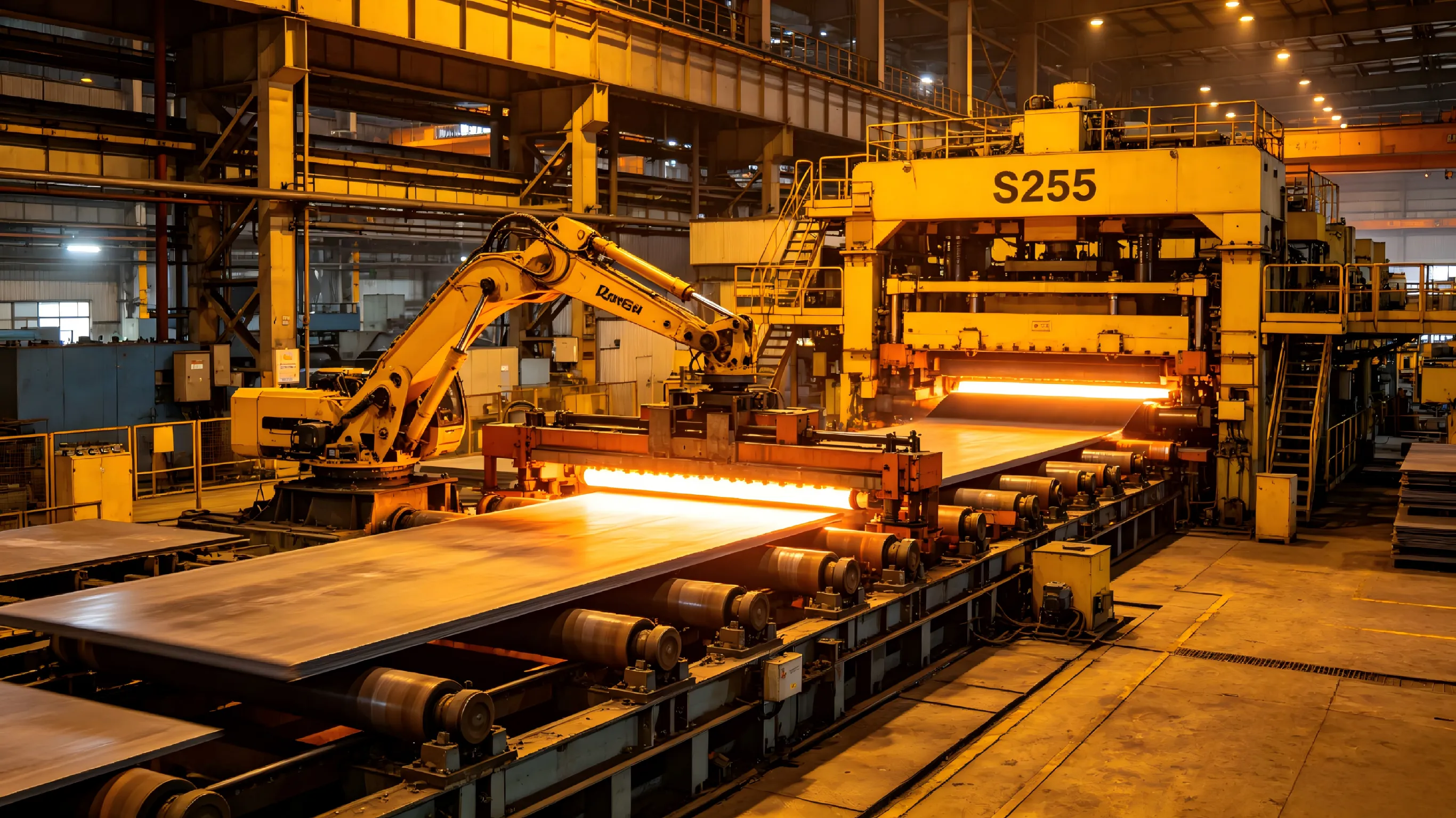
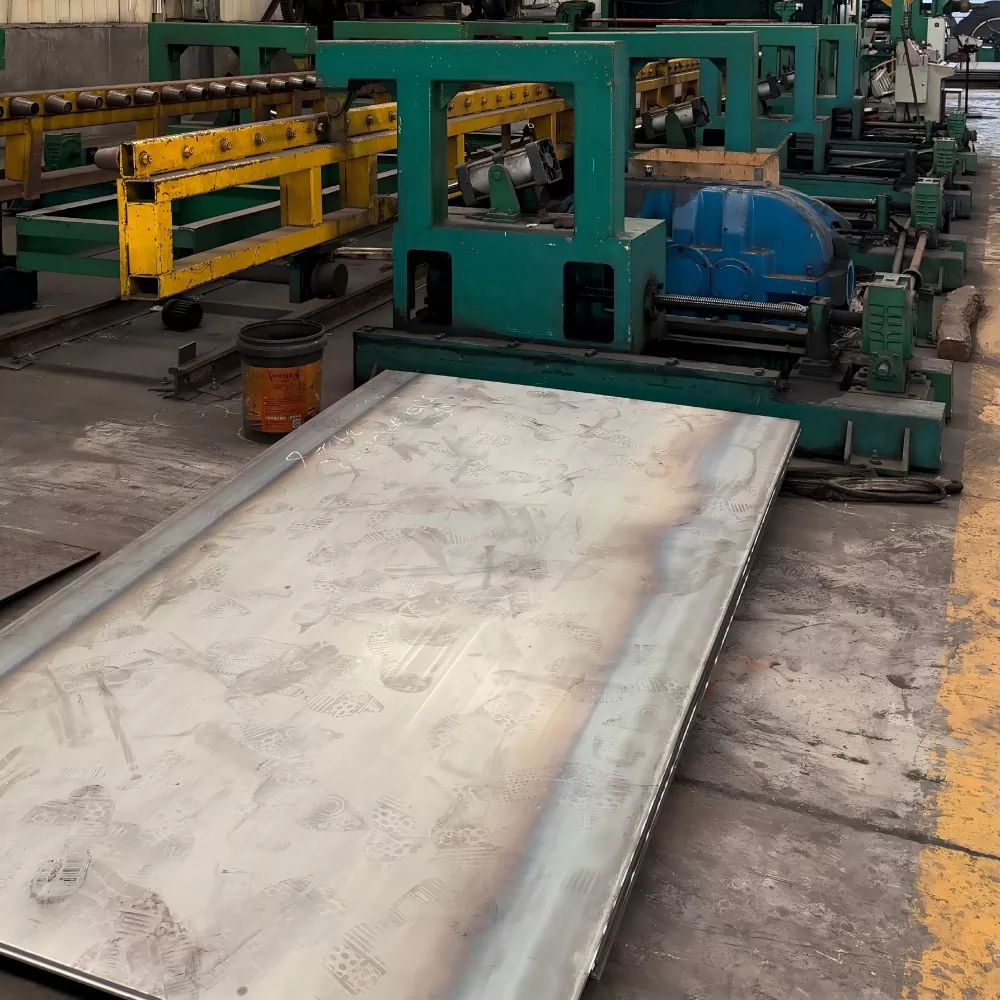
Sanhe's marine plate by thermo-mechanical controlled processing rather than by normalising alone. Rolling temperature and controlled cooling are used to refine the grain structure, which delivers the required toughness while keeping the carbon equivalent value low.
That matters to the yard. A low carbon equivalent plate accepts high heat input welding, such as submerged arc welding and flux-cored arc welding, with less risk of a hardened heat affected zone. On thick deck and hull sections, that is what allows the yard to weld at the productivity its schedule assumes, without an extra post-weld heat treatment step.
Through-Thickness Performance
Where a marine grade medium and heavy plate is welded into a stiff joint and restrained in three directions, the risk is lamellar tearing: a crack that opens parallel to the plate surface under through-thickness stress. Offshore nodes, wind turbine jackets and heavy connection plates are the usual locations.
For those joints, plates are ordered in a Z-direction grade with a verified through-thickness reduction of area, commonly Z25 or Z35. Production uses vacuum degassing and calcium treatment to control sulphide inclusion shape, which is the mechanism that governs through-thickness ductility. The test result is stated on the certificate; a plate ordered with Z35 without the test is only a claim.
Specifications
|
Item |
Range |
Notes |
|
Grade families |
A, B, D, E and AH / DH / EH 32, 36 |
To class society rules |
|
Thickness |
6 mm - 80 mm |
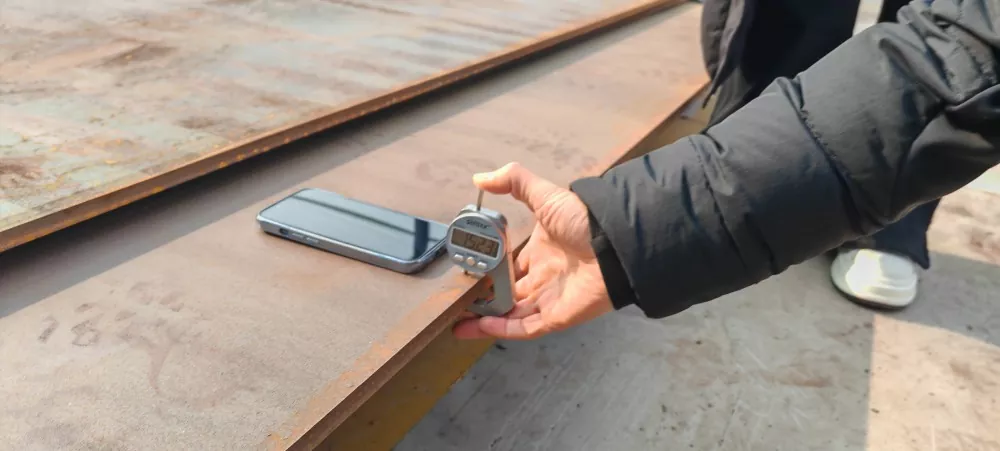
Quoted per grade and thickness |
|
Impact test |
0 C down to -40 C |
Charpy V-notch, energy per rule |
|
Production route |
TMCP with controlled cooling |
Normalised on request |
|
Carbon equivalent |
Controlled low CEV |
Stated on the certificate |
|
Z-direction |
Z25 / Z35 available |
Vacuum degassed, calcium treated |
|
Length |
2,000 mm - 12,000 mm |
Cut-to-size available |
|
Surface |
Hot rolled black |
Shot blasting and painting optional |
|
Documents |
MTC, third-party inspection acceptable |
Class society certificates as required |
Applications
· Shipbuilding: hull plating, deck plate, cabin and bulkhead support structures, machinery foundation plates. A marine grade medium and heavy plate order is quoted against the class rule, with the impact class stated on the certificate.
· Offshore platforms: jacket structures, deck panels, support frames and connection nodes.
· Offshore wind: foundation and transition piece plate, support steelwork.
· Port and terminal works: wharf steel structures, trestles, fender and collision structures.
· Marine machinery: dredger structures, crane bases, deck equipment supports.
Documents, Inspection and Delivery
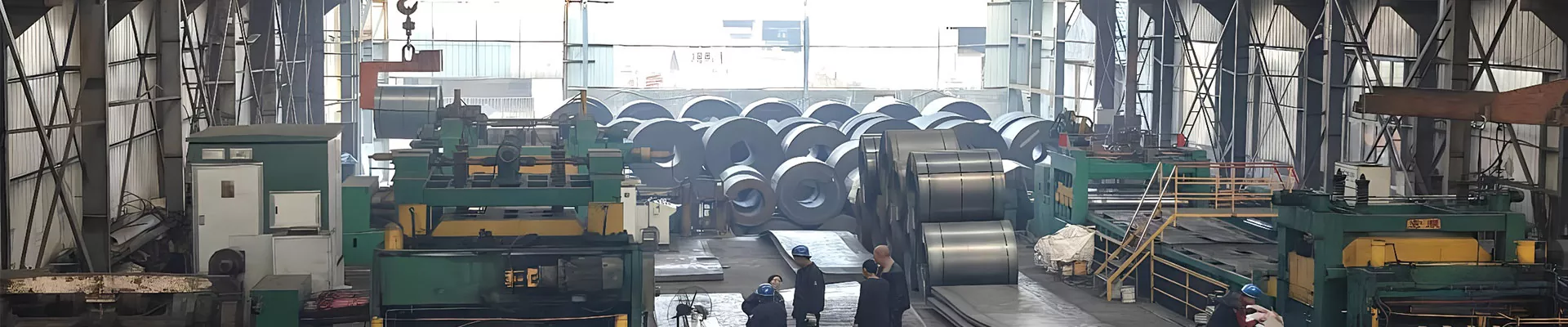
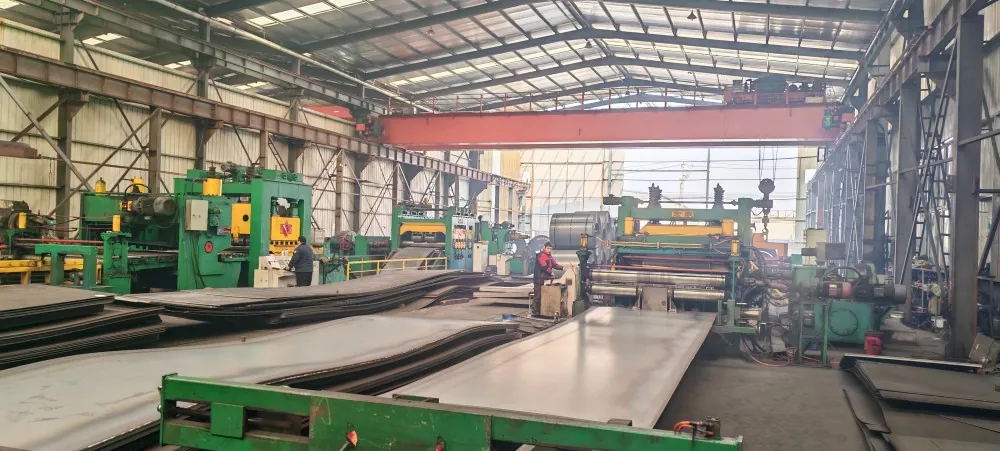
Every consignment ships with mill test certificates covering chemical composition, mechanical properties and impact energy, with class society certification arranged where the contract requires it and third-party inspection available before loading. Production is monitored through a digital process system from billet screening to final finishing, so process data is traceable to the batch. For a marine grade medium and heavy plate consignment, the impact energy results are printed on the certificate rather than summarised.
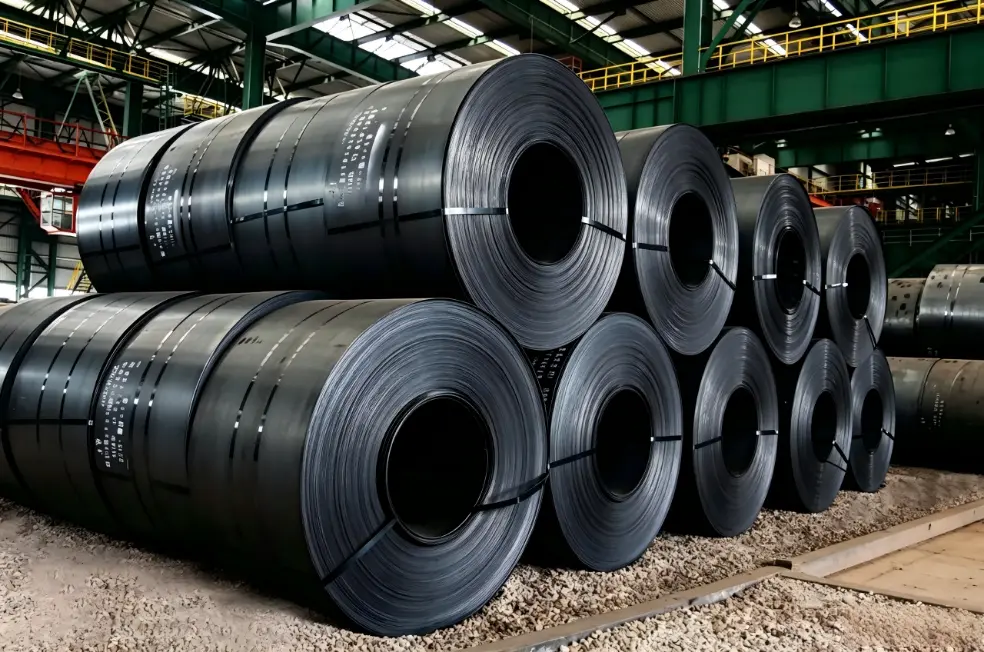
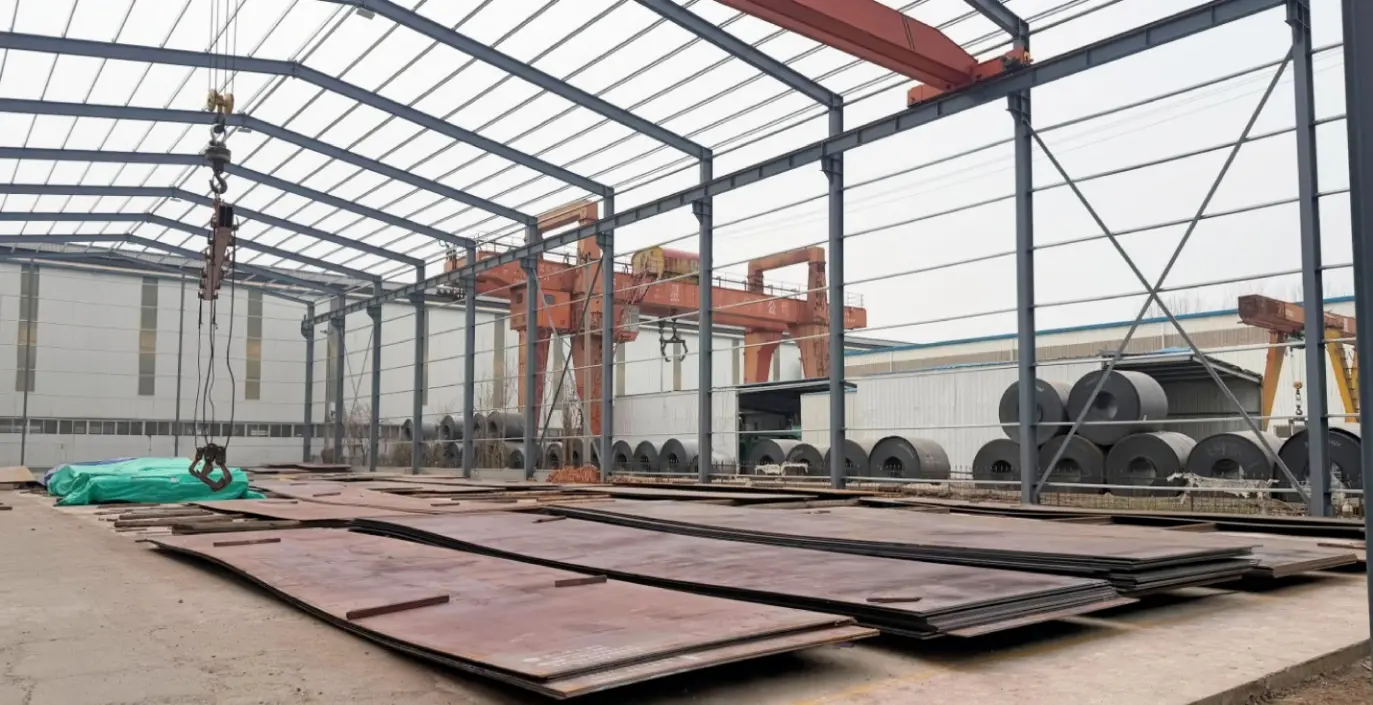
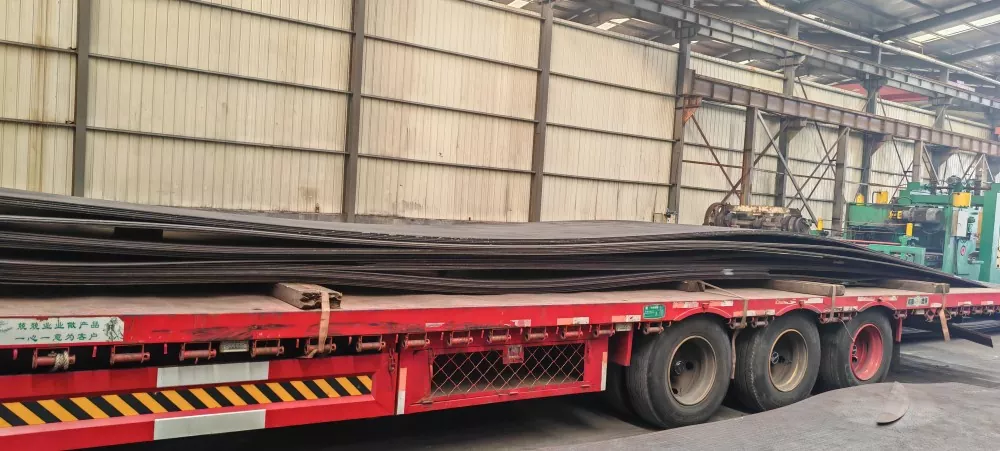
Plate is supplied hot rolled black, or shot blasted and painted where the yard prefers primed material. Standard stock ships in 7-15 days; rolled or certified orders run 15-35 days depending on grade and quantity.
FAQ
Which marine grade should be specified?
The class society rule for the vessel or structure decides it. State the class, the service temperature and the welding process, and we quote the matching grade rather than a general-purpose plate.
What is the difference between AH36 and DH36?
Both are 36 kg class high strength marine grades. AH36 is impact tested at 0 C and DH36 at -20 C, so DH36 is chosen for colder service.
When is a Z-direction grade needed?
Where the joint is restrained through the plate thickness, such as offshore nodes and heavy connection plates. Z25 or Z35 is ordered with a verified through-thickness test.
Can the plate be supplied pre-blasted and primed?
Yes. Shot blasting and shop priming are available, which reduces work at the yard and protects the surface during transport.
What documents come with the shipment?
Mill test certificates per batch, class society certificates where required, third-party inspection reports if ordered, plus export packing and customs documents.
Ordering
To quote marine grade medium and heavy plate, send the grade and impact class, the classification society, the thickness and sizes, the quantity, the surface condition and the destination port. State whether a Z-direction grade or a pre-blasted finish is required. Contact: Qingdao Sanhe Steel Co., Ltd., No. 1188, Lanzhou West Road, Jiaozhou City, Shandong, China | sales08@sanhesteels.com | +86-13376423291.
Send Inquiry
Contact Info
-
Address
No. 1188, Lanzhou West Road, Jiaozhou City, Shandong Province, China
-
Tel
-
Email
Welcome to our website! For inquiries about our products or pricelist, please leave your email to us and we will be in touch within 24 hours.
News Recommendations