
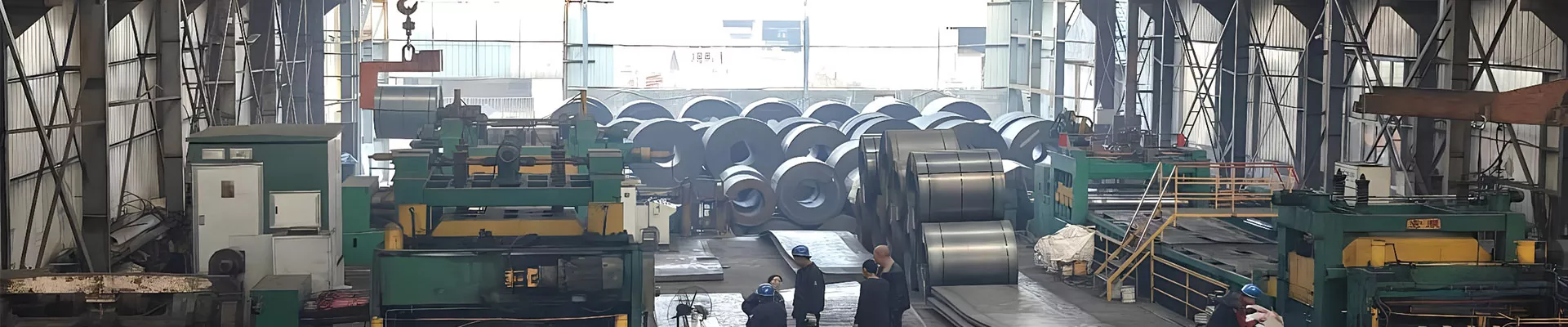
Checkered Steel Stair Tread Plate
Sanhe Steel supplies Checkered Steel Stair Tread Plates — the anti‑slip step surface that combines permanent slip resistance with structural strength for industrial stairs, fire escapes, and access platforms. As an ISO 9001, IATF 16949, and CE certified manufacturer, we operate a modern 80,000m² processing facility in Jiaozhou, equipped with CNC shearing, leveling, and slitting lines capable of handling steel from 1.5mm to 25mm thickness. Since our founding in 2008, we have served construction, manufacturing, and infrastructure clients across Europe, Southeast Asia, the Middle East, and the Americas, delivering over 100,000 tons of steel products annually.
What Makes the Checkered Pattern Unique?
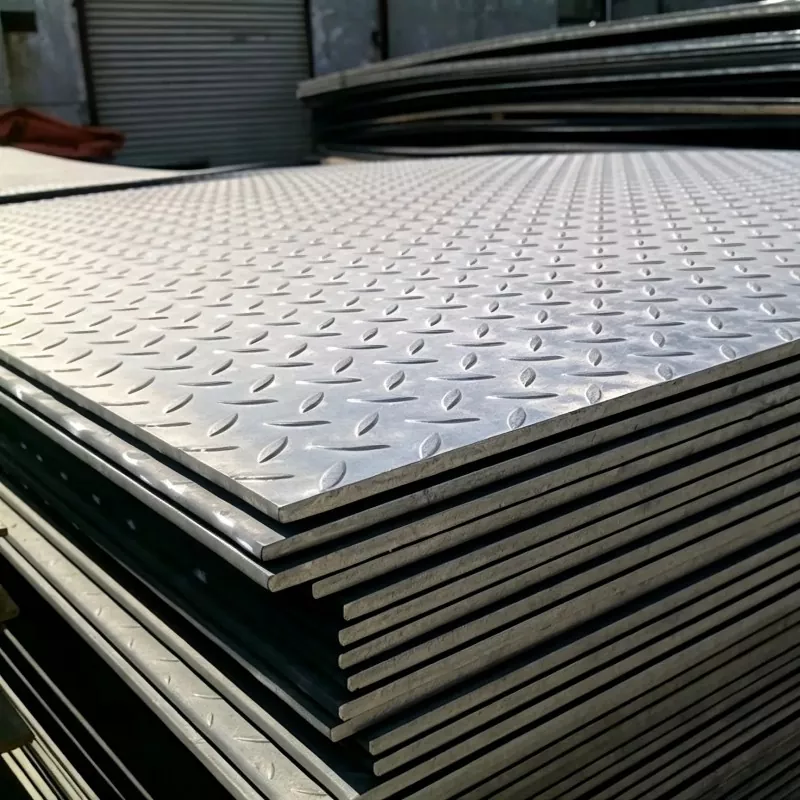
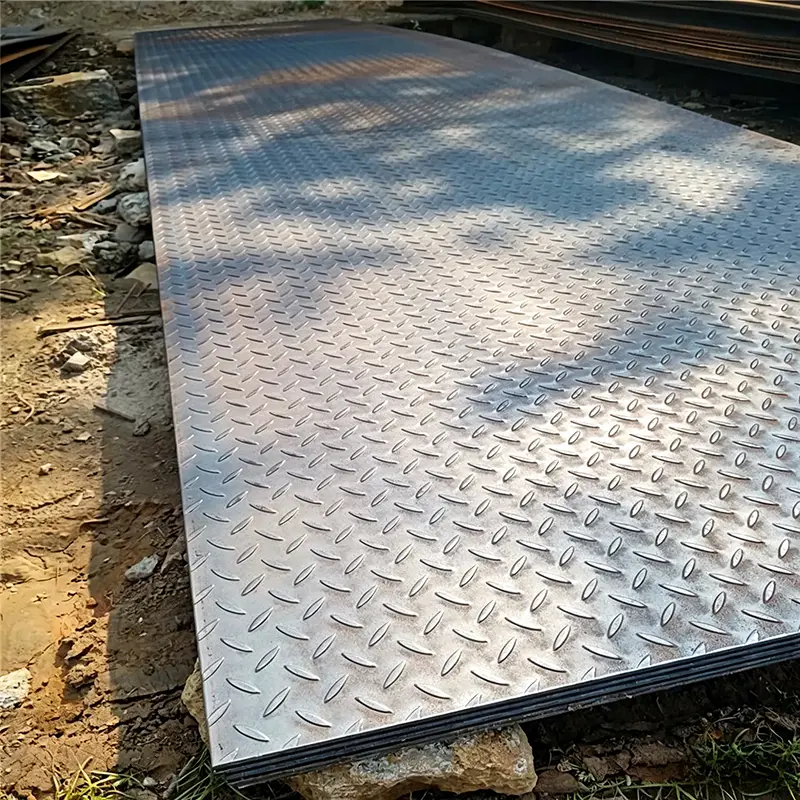
The raised diamond or lentil pattern on a Stair Tread Plate is not a surface coating — it is rolled directly into the steel during hot‑rolling, creating a permanent texture that never wears off. This integral design offers distinct advantages over glued-on strips, painted grit, or serrated bars.
Key pattern benefits:
1. Unlimited service life — the pattern is part of the steel itself; foot traffic cannot smooth it out, and there are no consumable parts to replace.
2. Consistent friction coefficient — tested at ≥0.6 (per EN ISO 14122) under dry, wet, and oil‑contaminated conditions, the pattern maintains grip throughout the tread's life.
3. Self‑draining design — the open channels between diamonds allow water, grease, and debris to fall through, preventing puddles and ice formation on outdoor stairs.
4. Visual and tactile warning — the distinctive checkerboard appearance and raised texture alert users to the change in walking surface, reducing accident risk.
5. No maintenance cost — unlike painted‑on anti‑slip coatings that require reapplication, the checkered pattern demands zero upkeep.
For stairs in food processing plants, chemical facilities, and outdoor fire escapes, this permanent anti‑slip surface is the most reliable and cost‑effective choice over a 20‑year horizon.
Grade Selection Guide
Choosing the right steel grade for your Checkered Steel Stair Tread Plate depends on the expected foot traffic, equipment loading, and environmental conditions. We offer three primary grades, each with clear performance boundaries.
1. Q235B (yield ≥235 MPa) — the standard choice for pedestrian stairs in offices, warehouses, and light industrial settings. Supports regular foot traffic and occasional light cart loads. Economical and readily available.
2. Q355B (yield ≥355 MPa) — recommended for heavy‑duty industrial stairs, mezzanines serving fork trucks, and platforms where pallet jacks or maintenance vehicles cross. The higher yield strength resists deflection under concentrated loads.
3. SS400 (JIS equivalent) — similar to Q235B, but specified for projects following Japanese Industrial Standards. Often required in Southeast Asian and Japanese‑funded projects.
All grades are supplied with Mill Test Certificates (MTC) that list actual chemical composition, tensile properties, and impact values. For critical infrastructure, we can also provide EN 10204 Type 3.1 certification and independent third‑party inspection reports from SGS or Bureau Veritas.
|
Parameter |
Standard Range |
|
Grades |
Q235B, Q355B, SS400 |
|
Thickness |
4mm / 5mm / 6mm / 8mm |
|
Tread Width |
200mm – 1,200mm (custom) |
|
Tread Depth |
150mm – 500mm (custom) |
|
Pattern |
Diamond / Lentil, height 1.0–1.2mm |
|
Yield Strength |
≥235 MPa (Q235B); ≥355 MPa (Q355B) |
|
Anti‑Slip Coefficient |
≥0.6 (EN ISO 14122) |
|
Finish |
Galvanized ≥85μm / Painted / Black / Oiled |
|
Options |
Nosing bend, pre‑drilled fixing holes, notched corners |
|
Standards |
GB/T 33974, EN ISO 14122, JIS G3101 |
Dimensional Customization Explained
Every stair stringer layout is different. That is why we do not offer “standard” tread sizes — we cut each Checkered Steel Stair Tread Plate to your exact dimensions, including complex geometries.
Customization options we routinely handle:
1. Width and depth — from 200mm to 1,200mm wide, and 150mm to 500mm deep. We can accommodate any measurement within these ranges, with tolerances of ±1mm.
2. Angled cuts — for stairs that turn or have winders, we cut treads at precise angles to match your stringer slope.
3. Corner notching — we can remove corners to fit around stringer flanges or support posts, avoiding field cutting.
4. Nosing bends — a rounded front edge (nosing) improves safety and aesthetics. We form these on hydraulic press brakes with consistent radius.
5. Pre‑drilled holes — for bolt‑down installation, we drill holes to your bolt pattern, saving labour and ensuring alignment.
6. Serrated nosing — upon request, we can add a serrated edge at the front for extra grip on steep stairs.
We accept drawings in DXF, DWG, PDF, or even hand sketches. Our engineering team verifies each dimension before production, and we provide a shop drawing for your approval prior to cutting.
Surface Finish Comparison
The finish you choose for your plate determines its corrosion resistance, lifespan, and maintenance schedule. We offer four standard finishes, each with a clear value proposition.
1. Hot‑dip galvanized (≥85μm) — the premium option for outdoor and corrosive environments. The zinc coating provides cathodic protection — even if scratched, the surrounding zinc corrodes first, preventing rust on the steel. Service life exceeds 20 years with zero maintenance. Ideal for fire escapes, coastal plants, and chemical facilities.
2. Painted (epoxy or polyurethane) — suitable for indoor applications where colour coding or aesthetics matter. Available in any RAL colour. However, painted surfaces require touch‑up every 2‑3 years, especially at cut edges and holes. Best for climate‑controlled factories and warehouses.
3. Black mill finish (uncoated) — the most economical choice for temporary stairs, or for treads that will be installed and then coated on‑site. Provides no corrosion protection; only recommended for dry, indoor, low‑traffic areas.
4. Oiled — a thin oil film applied for short‑term rust prevention during shipping. Suitable for treads that will be installed and painted within weeks of arrival.
We provide clear guidance based on your project's location, exposure, and budget. For most outdoor projects, the total cost of ownership of galvanized treads is significantly lower than painted alternatives over 10‑20 years.
Installation Best Practices
Proper installation ensures your Checkered Steel Stair Tread Plate delivers its full safety and structural potential. Based on our experience with thousands of projects, we recommend the following practices.
1. Stringer preparation — ensure stringers are level, plumb, and correctly spaced. The tread should bear on both stringers with full contact. Use shims if necessary.
2. Welding vs. bolting — welding provides a permanent, rigid connection, but requires skilled labour and may distort thin treads. Bolting (using our pre‑drilled holes) is faster, allows future replacement, and avoids heat‑induced distortion. For galvanized treads, bolting preserves the coating integrity.
3. Edge clearance — leave a small gap (3‑5mm) between the tread edge and any wall or guardrail to allow for thermal expansion.
4. Nosing alignment — the nosing bend should project 15‑20mm beyond the riser for a comfortable step and to reduce tripping.
5. Anti‑slip verification — after installation, test the friction with a pendulum tester or simple surface roughness gauge to confirm the pattern is clean and effective.
6. Torque settings — for bolted treads, use anti‑vibration nuts and torque to manufacturer recommendations (typically 80‑100 N·m for M12 bolts).
We provide detailed installation guides and, upon request, can arrange on‑site technical support for large projects.
Real‑World Case Study: Hamburg Logistics Centre
To illustrate the performance of our plates, consider a recent project in Hamburg, Germany.
Project: Exterior emergency and inspection staircase upgrade for a large logistics centre.
Challenge: The original smooth metal treads became dangerously slippery during Hamburg's frequent rain and humid conditions, causing several near‑miss incidents during night shifts.
Solution: Sanhe Steel supplied Checkered Steel Stair Tread Plates in 6mm Q235B, hot‑dip galvanized (≥85μm), with serrated nosing and pre‑drilled bolt holes. The treads were cut to match the existing stringer spacing and installed via bolted connections to avoid on‑site welding.
Result: The new treads delivered friction coefficient of 0.65 in wet tests. The logistics centre reported zero slip incidents in the 18 months following installation. The galvanized finish requires no maintenance, even through winter salting.
This case demonstrates how the right tread specification — integral pattern, galvanized finish, and custom dimensions — directly improves workplace safety and reduces lifetime costs.
Quality and Certification Framework
Sanhe Steel's Stair Tread Plates are backed by a comprehensive quality system that ensures every tread meets or exceeds international requirements.
1. ISO 9001:2015 — certified quality management covering raw material sourcing, production, inspection, and delivery.
2. IATF 16949:2016 — automotive‑grade quality standard, reflecting our high‑reliability production processes.
3. CE marking (EU CPR) — mandatory for construction products in the EU, confirming compliance with EN performance standards.
4. ISO 45001:2018 — occupational health and safety management.
5. CNAS‑accredited in‑house laboratory — we perform tensile, hardness, impact, coating thickness, and pattern geometry tests on every batch. Test reports are included with each shipment.
6. Third‑party inspection — we welcome SGS, Bureau Veritas, TÜV, or any accredited agency to inspect production and test samples at your request.
All orders include a Mill Test Certificate (MTC) with full traceability to the original coil. EN 10204 Type 3.1 certification is available at no extra charge.
Logistics and Delivery
We understand that timely delivery is critical to your project schedule. Our logistics process is designed for reliability and transparency.
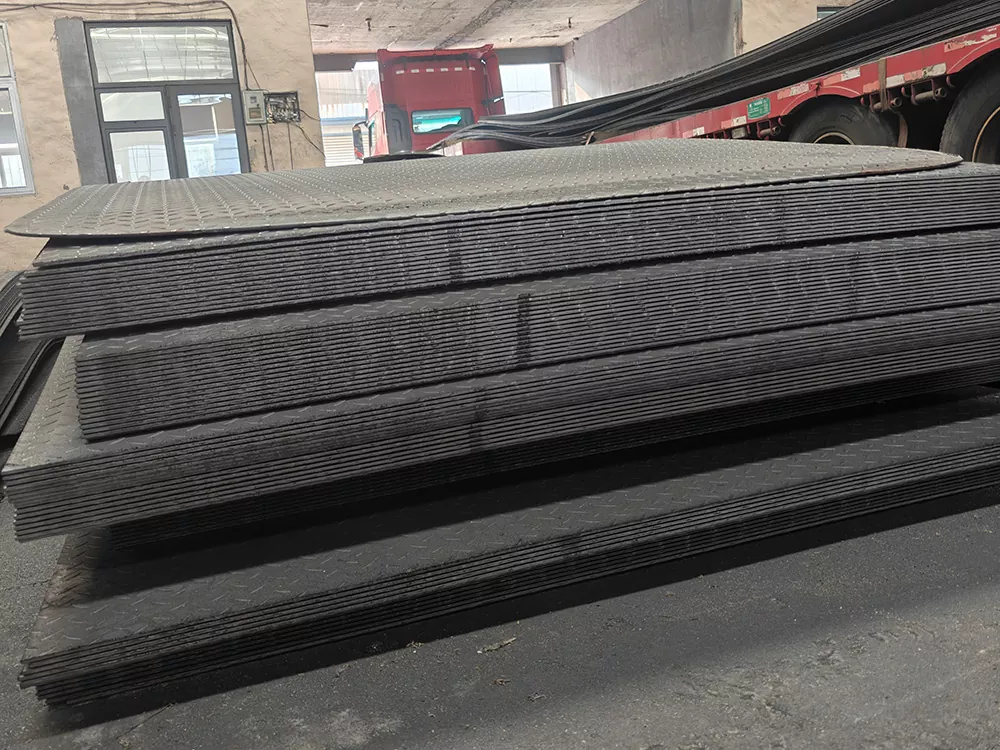
1. Packaging — treads are stacked flat with protective interleaving, edge guards on corners, and steel banding on wooden skids. This prevents damage during container loading and sea transit.
2. Port — all shipments depart from Qingdao Port, with frequent sailings to major destinations worldwide.
3. Shipping modes — FCL (full container load) for bulk orders, LCL (less than container) for smaller quantities, and breakbulk for oversized or heavy loads.
4. Incoterms — we offer FOB, CIF, CFR, and DDP. Payment options include T/T, L/C, and D/P.
5. Lead time — standard orders are ready in 7‑15 days after confirmation. For rush orders, we can expedite to 5‑7 days (subject to production capacity).
6. Documentation — we provide Commercial Invoice, Packing List, Bill of Lading, Certificate of Origin, Mill Test Certificate, and, upon request, insurance and EN 10204 3.1.
We track each shipment and provide real‑time updates. For large infrastructure projects, we can coordinate with your freight forwarder to ensure seamless delivery.
FAQ
Q: How do I determine the right thickness for my Checkered Steel Stair Tread Plate?
A: For pedestrian stairs with stringer spacing up to 1.5m, 4‑5mm Q235B is sufficient. For stairs serving heavy equipment (fork trucks, pallet jacks) or with wider stringer spacing, use 6‑8mm Q355B. Send us your stringer spacing and maximum expected load, and we will calculate the required thickness.
Q: Can you match my existing stair drawings exactly?
A: Yes. We accept DXF, DWG, PDF, or hand sketches. We will produce shop drawings for your approval before cutting. Our CNC machines hold tolerances of ±1mm, ensuring a perfect fit.
Q: Is galvanizing always better than painting?
A: For outdoor or humid environments, galvanizing is almost always the better long‑term investment. Painted treads need recoating every 2‑3 years, while galvanized treads last 20+ years with no maintenance. The upfront cost difference is usually recovered within 5‑7 years through avoided maintenance.
Q: Do you supply just the treads, or complete stair assemblies?
A: We supply treads, stringer plates, angles, and handrail materials. For fully welded assemblies, we can coordinate with our fabrication partners. Most clients prefer to buy pre‑cut treads and structural members separately for on‑site assembly.
Q: What test reports and certificates do I receive?
A: Every order includes a Mill Test Certificate (MTC) with chemical composition and mechanical properties. We also provide coating thickness measurements for galvanized treads. EN 10204 Type 3.1 and third‑party inspection reports (SGS, BV, etc.) are available upon request.
Q: How long does it take to get a quotation?
A: We respond to all inquiries within 24 hours. For detailed quotations, please provide your dimensions, grade, finish, quantity, and delivery port. We will provide a competitive factory‑direct price.
Q: Can I order a small trial quantity first?
A: Absolutely. We welcome trial orders of any size. Samples can be produced and shipped for your approval before committing to bulk orders.
Related Products
Hot Products
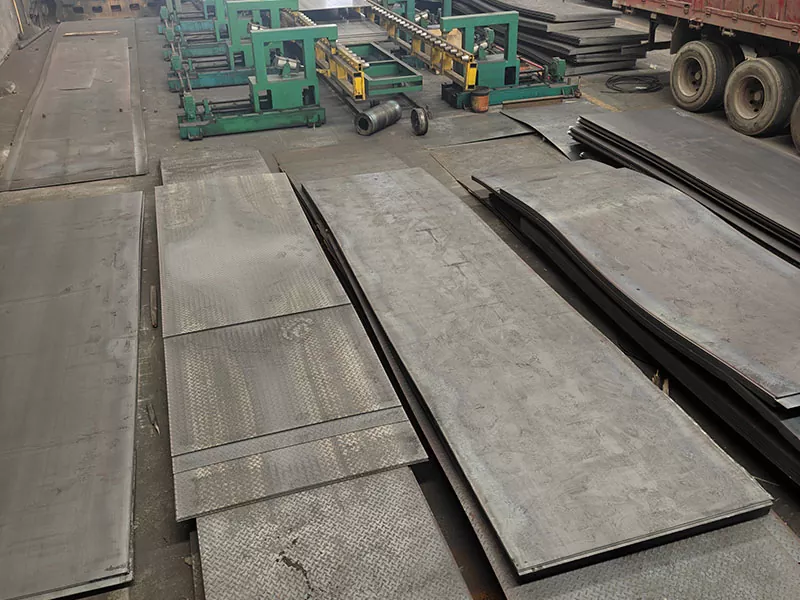
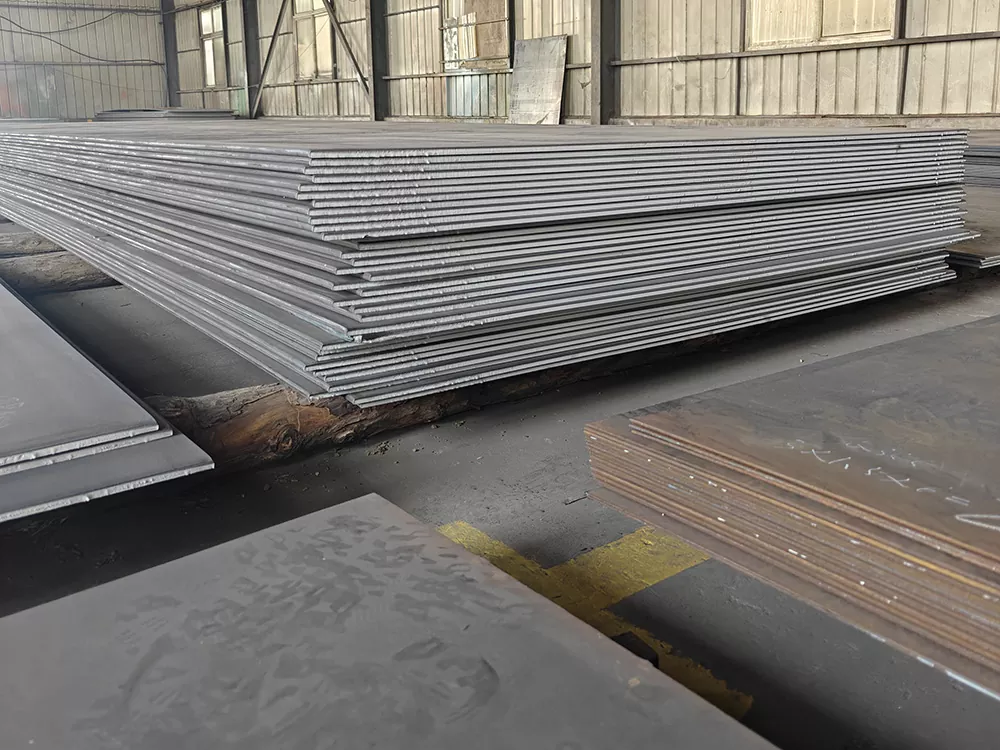
SS400 Hot Rolled Steel Plate
SS400 Hot Rolled Steel Plate from Sanhe Steel, a professional China supplier with over 15 years of industry experience, delivers JIS G3101 certified general structural steel with 400-510MPa tensile strength and ≥245MPa yield strength. Featuring excellent weldability, reliable durability, and cost-efficient performance, our plates serve construction, machinery, marine, and transportation industries with full quality traceability and custom cutting services.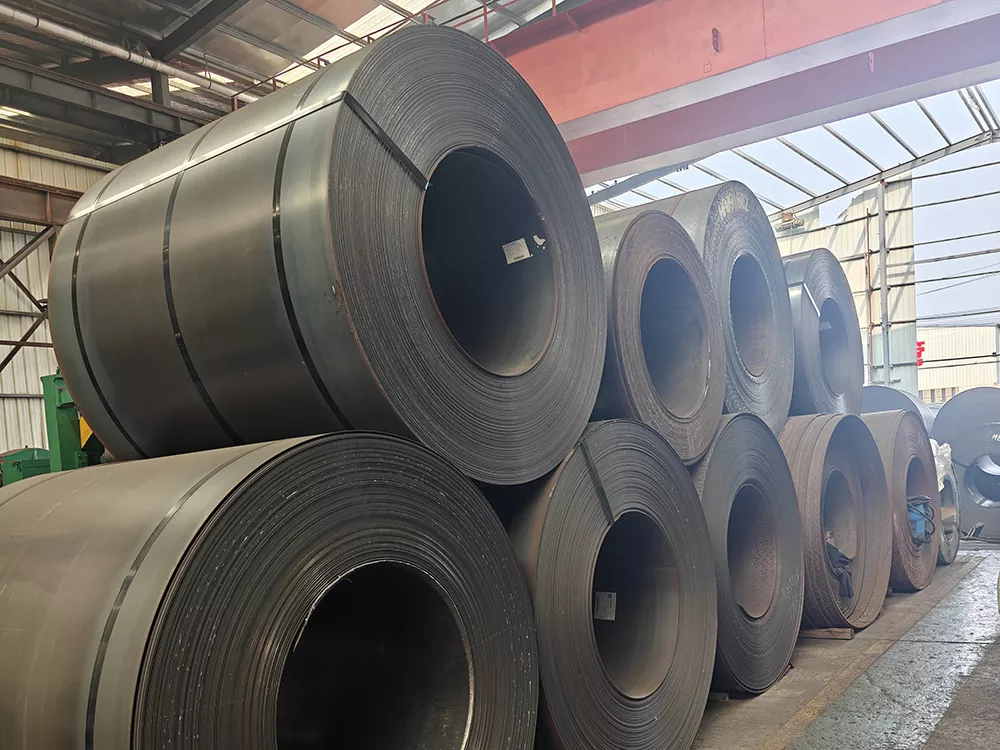
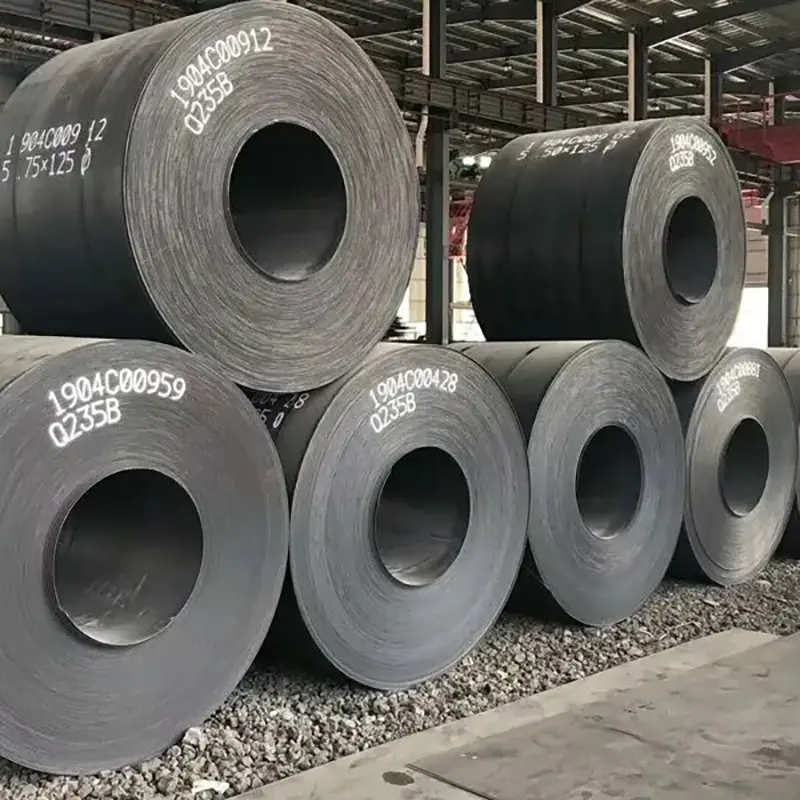
Hot Rolled Coil
Hot Rolled Coil is produced through continuous high-temperature rolling above the steel's recrystallization temperature, featuring excellent ductility and reliable weldability across ASTM, DIN, JIS, EN, and GB/T international standards including grades Q235B, Q355B, SS400, S235JR, A36, and SAE1006/1008. Available in thickness from 1.2mm to 25.4mm and width from 600mm to 2000mm with standard inner diameters of 508mm, 610mm, and 760mm at 15 to 30 tons per coil, it comes in original black mill scale, pickled, and pickled & oiled surface finishes. This versatile material format supports precision slitting and cut-to-length processing, serving as essential feedstock for pipe manufacturing, cold rolling, automotive structures, construction, and general industrial fabrication with consistent mechanical properties throughout the full coil length.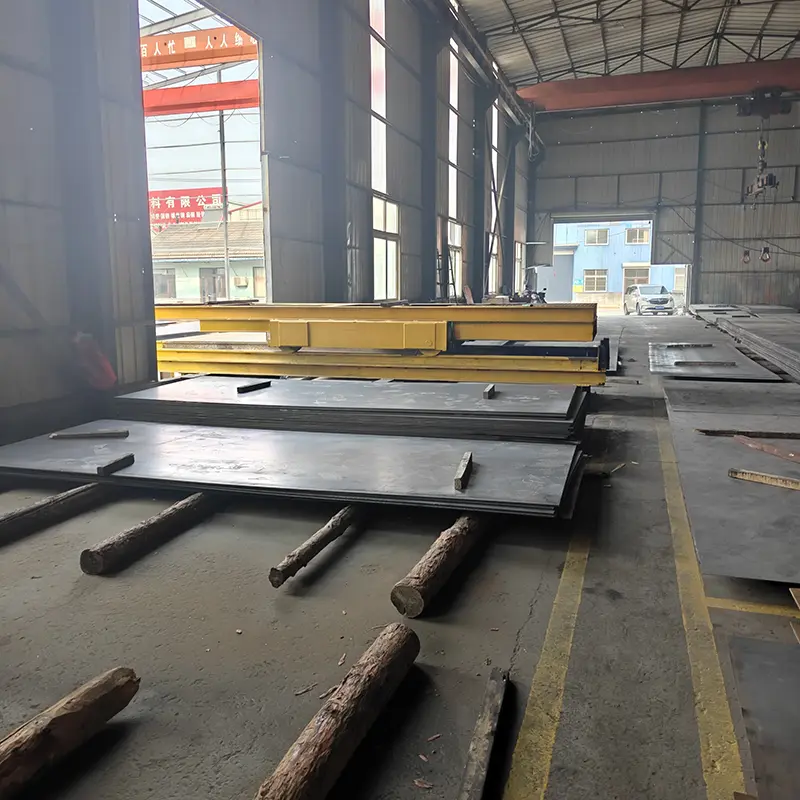
S355 Medium Heavy Plate
Sanhe Steel Plate is a professional and reliable manufacturer of S355 Medium Heavy Plate, specializing in EN 10025-compliant low-alloy high-strength hot-rolled structural steel plates. These products adhere to the Eurocode Ⅲ design system—the global standard for steel structures—and serve as versatile high-strength sheets widely used in steel structures, construction machinery, offshore engineering, and wind power applications worldwide.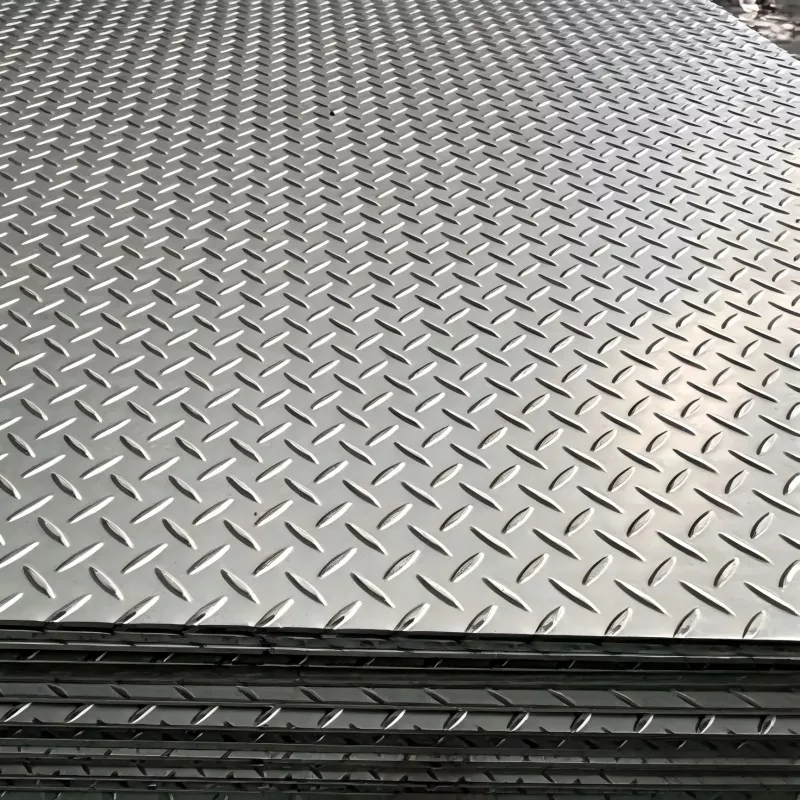
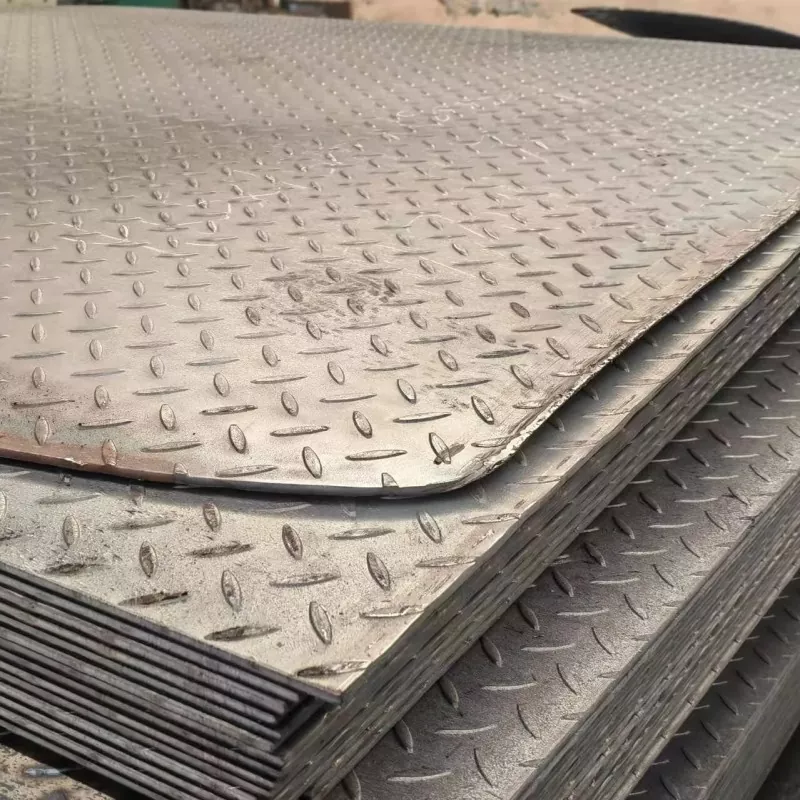
Stair Tread Steel Plate
Stair Tread Steel Plate is the anti-slip step surface that keeps people safe on industrial stairs, fire escapes, and access platforms. The checkered steel cut to exact step dimensions. Sanhe Steel supplies treads in Q235B and Q355B, galvanized or painted.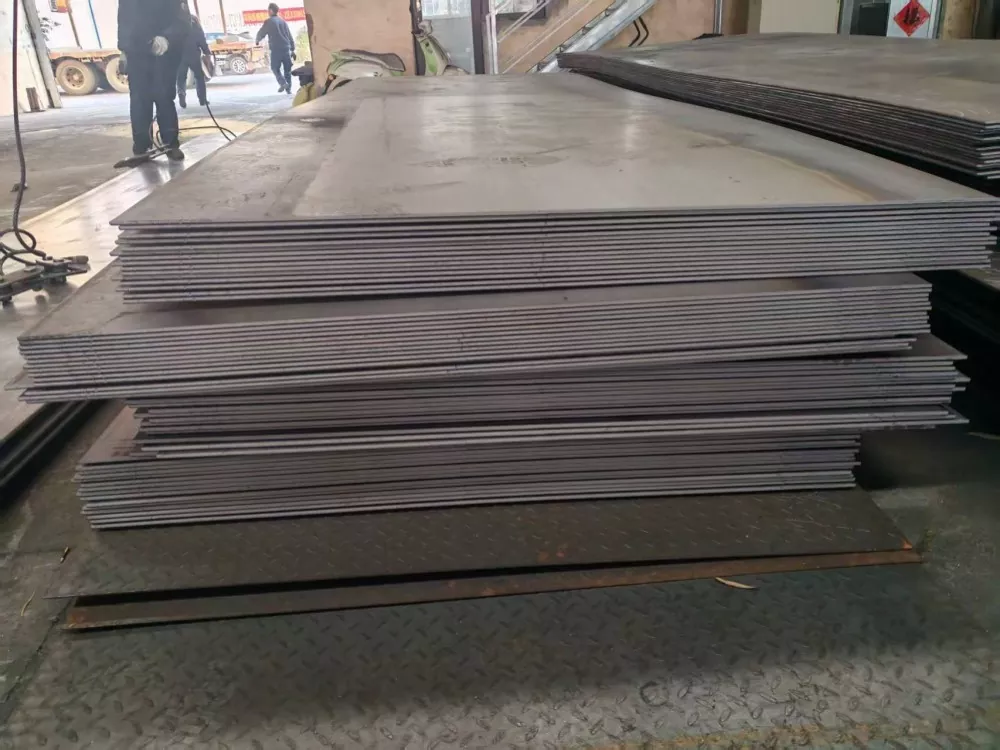
Q235 Steel Plate
If you are looking for a reliable manufacturer of Q235 Steel Plates, please choose Sanhe Steel. As a leading supplier in the industry, Sanhe Steel always has tens of thousands of tons of stock available, ensuring efficient delivery. The Q235 steel plate material is a common low-carbon steel. This material, due to its excellent comprehensive performance, has become the preferred material for general welded structural components and load-bearing components.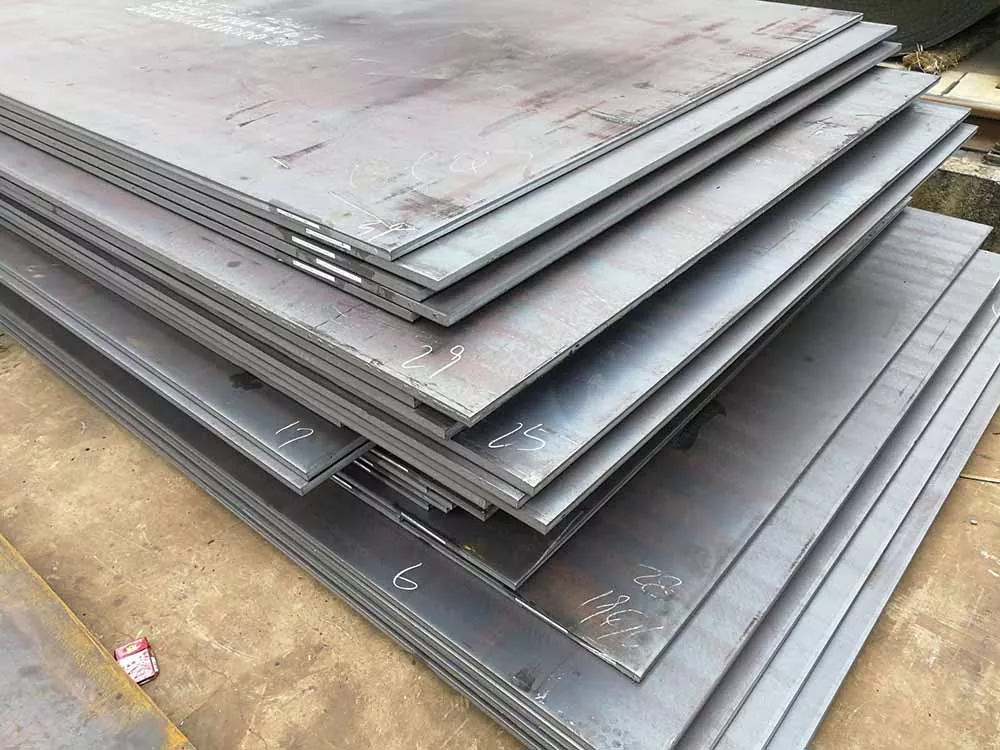
S355 Hot Rolled Steel Plate
S355 Hot Rolled Steel Plate supplied by Sanhe Steel, meets strict EN10025 European standards in S355JR, S355J0, and S355J2 grades for low-temperature heavy-load applications. Featuring minimum 355MPa yield strength and 470-630MPa tensile strength across 6mm to 200mm thickness ranges, our plates undergo CNC precision shearing with internal quality controls tighter than EU specifications.We provide custom cutting, bending, and drilling services with port-advantaged ocean freight delivery and 24-hour after-sales response for bridge construction, offshore engineering, and heavy machinery buyers worldwide.
- Related Blog
- Reviews