
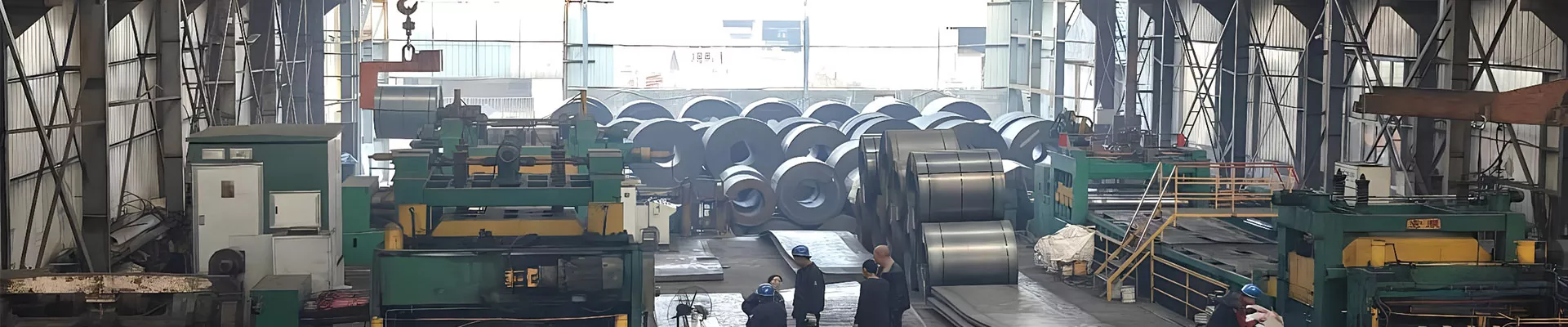
Industrial Steel Stair Tread Plate For Platforms
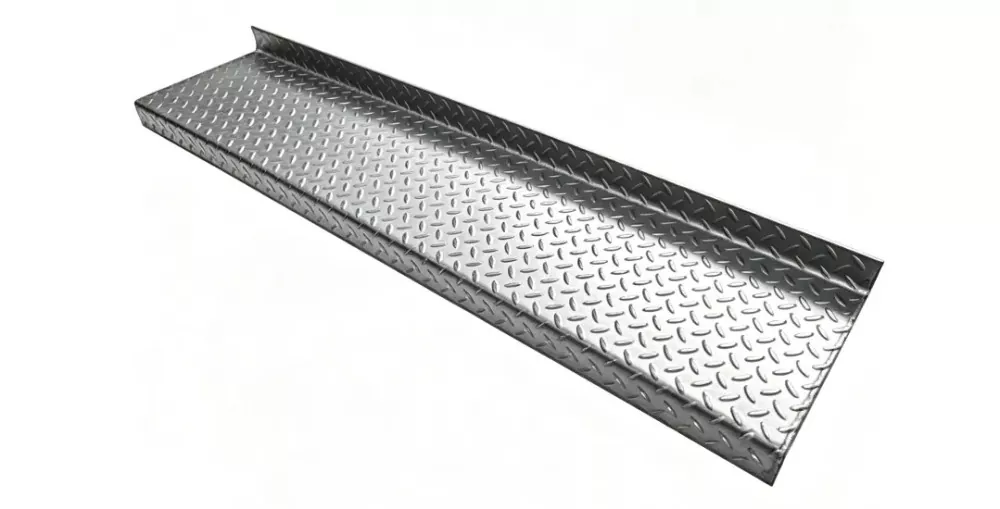
When industrial facilities require reliable access between different working levels, choosing the right Industrial Steel Stair Tread Plate For Platforms is essential for maintaining safe movement around equipment areas, production lines, and elevated structures. Sanhe Steel supplies steel tread solutions manufactured from checkered steel plate, providing stable walking surfaces with anti-slip performance for factories, warehouses, and outdoor platforms.
Unlike ordinary flat steel plates, industrial platform stair treads are designed according to practical working conditions. The raised pattern on the plate surface helps increase friction under shoes, while customized cutting and fabrication allow the tread plates to match different steel stair structures. From equipment inspection platforms to maintenance access stairs, Sanhe Steel provides solutions based on project requirements.
For industrial environments, factors such as load requirements, moisture exposure, installation method, and maintenance conditions directly influence material selection. Sanhe Steel supports customers with suitable steel grades, thickness options, and finishing methods to help create durable access systems.
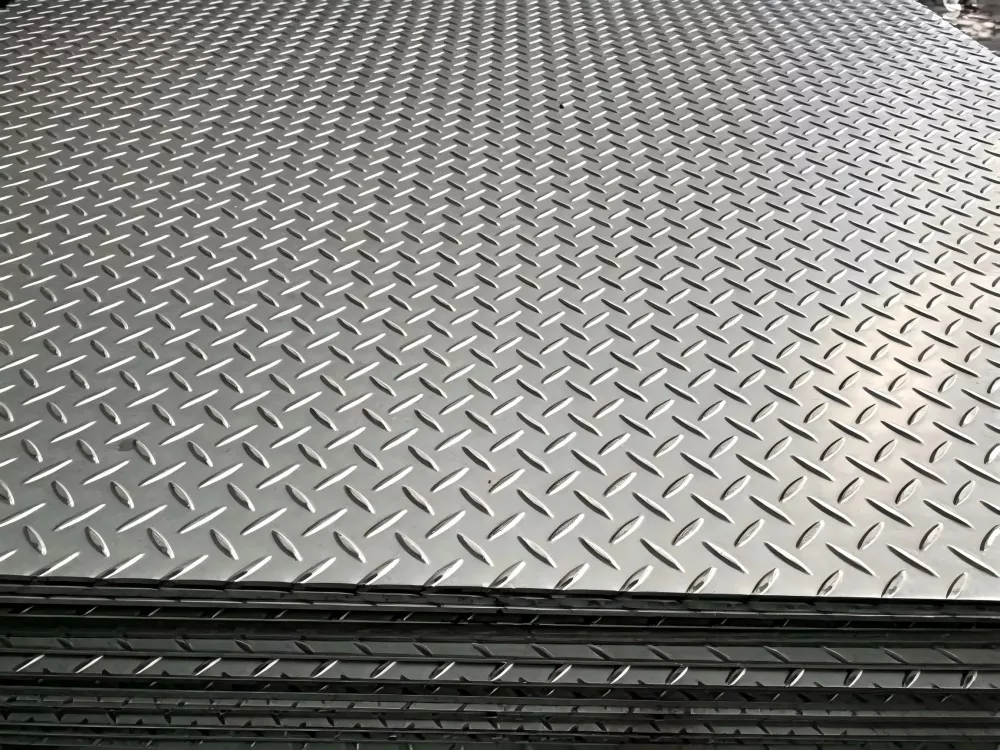
Industrial Platform Access
Industrial platforms are commonly used for equipment inspection, production line operation, warehouse management, and facility maintenance. The stair system connecting these platforms needs to provide dependable support during frequent worker movement.
Sanhe Steel produces stair tread plates according to industrial application requirements. The plates can be processed into suitable widths and depths according to project drawings, helping customers integrate them with existing steel structures.
Common industrial platform applications include:
● Equipment maintenance platforms: Provide stable access for inspection and repair work around machinery.
● Factory production areas: Suitable for steel stair systems connecting different operation levels.
● Warehouse access structures: Used with platforms and walkways where workers require regular climbing access.
● Outdoor steel platforms: Combined with suitable surface treatment for environments exposed to weather conditions.
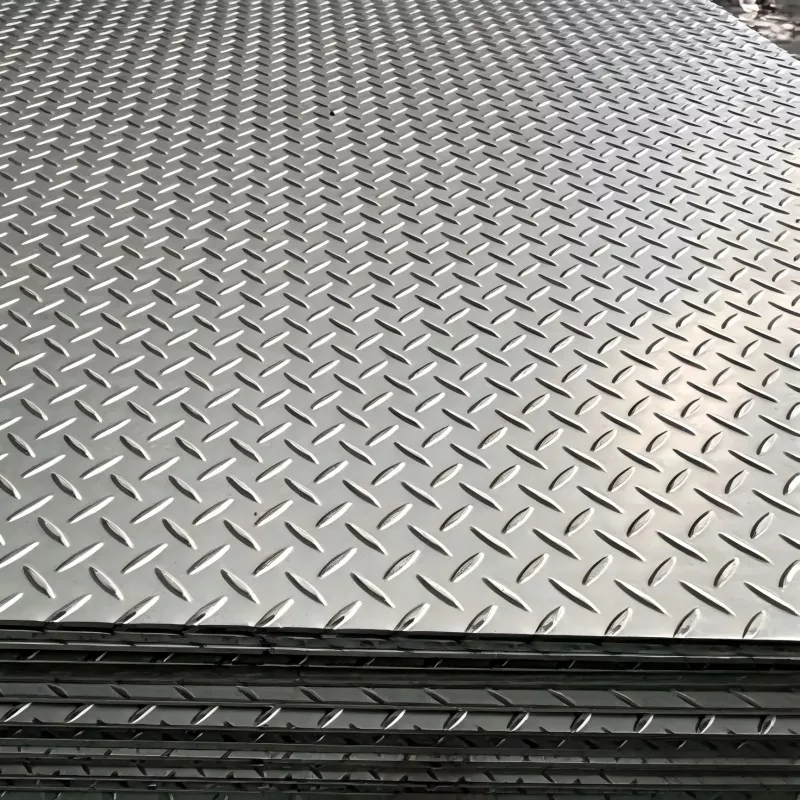
The checkered surface design helps reduce slipping risks caused by dust, water, or oil contamination. This makes steel tread plates suitable for many industrial locations where safety and durability are important considerations.
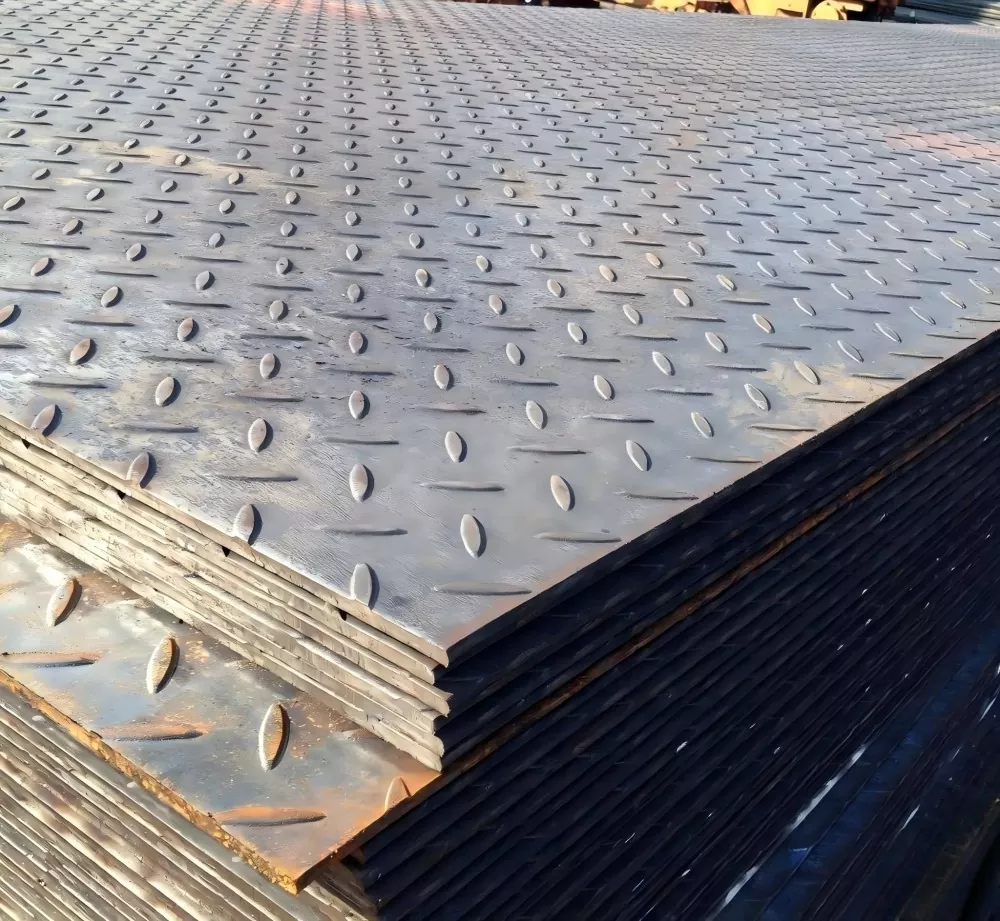
Anti Slip Structure
A reliable stair tread surface depends not only on steel strength but also on surface design. Sanhe Steel uses patterned steel plates with raised diamond or lentil patterns, creating additional contact points between footwear and the tread surface.
The anti-slip design is especially important for industrial platforms because working environments may include moisture, dust, lubricants, or outdoor exposure. The raised pattern helps break the water film between the surface and footwear, improving walking stability.
Key structural advantages include:
1. Integrated surface pattern: The diamond pattern is formed during steel production, providing long-term wear resistance without additional adhesive anti-slip strips.
2. Drainage capability: The raised surface structure allows water and liquid to move away from the walking area more effectively.
3. Strong load support: Steel grades such as Q235B and Q355B provide options for different industrial platform requirements.
4. Flexible fabrication: Plates can be cut, drilled, bent, and finished according to project drawings.
For outdoor platforms, Galvanized Steel Stair Tread Plate options can provide additional corrosion resistance. For indoor factory applications, painted or oiled finishes may meet different protection requirements depending on the working environment.
Steel Selection Guide
Selecting the correct steel grade and thickness is an important step when designing industrial platform stair systems. Different working conditions, traffic frequency, and structural requirements may require different material solutions. Sanhe Steel provides commonly used steel grades including Q235B, Q355B, and SS400 for different project applications.
The material choice influences the strength, service performance, and overall reliability of the stair structure. Customers can select suitable options according to platform design drawings, support spacing, and expected usage conditions.
|
Parameter |
Available Range |
|
Steel Grade |
Q235B, Q355B, SS400 |
|
Thickness |
4mm / 5mm / 6mm / 8mm |
|
Tread Width |
200mm – 1,200mm (customized according to requirements) |
|
Tread Depth |
150mm – 500mm (customized) |
|
Pattern Type |
Diamond / Lentil pattern, height 1.0–1.2mm |
|
Yield Strength |
≥235 MPa (Q235B); ≥355 MPa (Q355B) |
|
Anti-Slip Coefficient |
≥0.6 |
|
Surface Finish |
Galvanized ≥85μm / Painted / Black / Oiled |
|
Additional Options |
Nosing bend, pre-drilled fixing holes, notched corners |
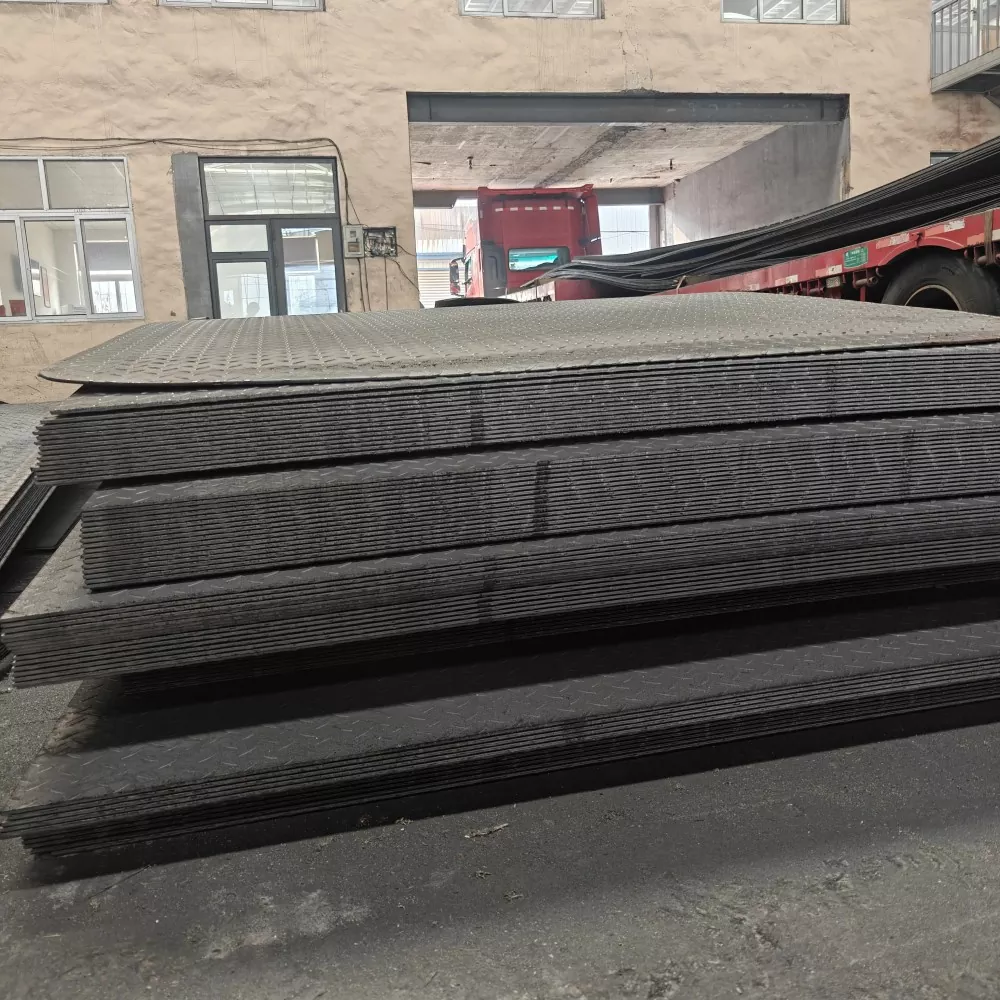
Platform Stair Solutions
Industrial facilities often include multiple working levels, and safe access between these areas is an important part of steel structure design. The right stair tread plate helps create a stable connection between platforms while supporting continuous worker movement.
Sanhe Steel supplies patterned steel tread plates for various industrial access systems, including:
● Factory platforms: Used around production equipment, processing lines, and workshop structures where workers need frequent access.
● Inspection walkways: Suitable for maintenance areas requiring stable stepping surfaces during equipment checks.
● Warehouse platforms: Applied in logistics facilities and storage areas with steel stairs and elevated working spaces.
● Plant room access stairs: Designed for connection between different equipment levels and service areas.
● Outdoor steel structures: Suitable for platforms exposed to rain and changing weather conditions when combined with appropriate surface protection.
Compared with standard smooth steel plates, patterned tread plates provide a more practical solution for industrial environments. The surface design, customized dimensions, and available finishing options allow the product to adapt to different project requirements.
Manufacturing Quality Control
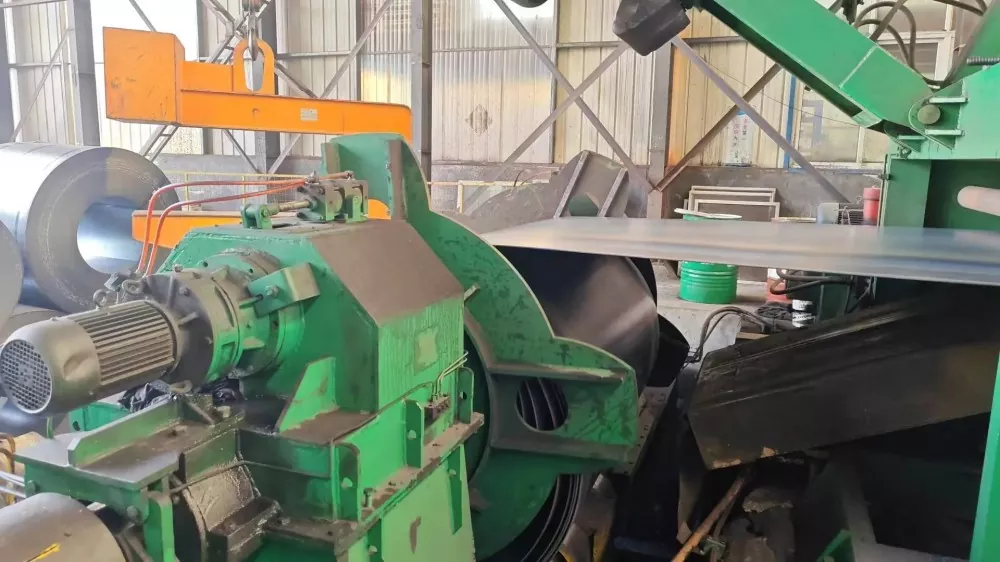
Sanhe Steel focuses on providing processed steel products with consistent dimensions and reliable quality. During production, Industrial Steel Stair Tread Plate For Platforms are prepared according to customer requirements, including cutting, drilling, edge processing, and surface treatment.
The manufacturing process generally includes:
1. Material preparation: Suitable checkered steel plates are selected according to grade and project requirements.
2. Precision cutting: Plates are processed into required tread sizes according to drawings and specifications.
3. Surface processing: Edges are treated for safer handling, and optional finishes such as galvanizing or painting are applied.
4. Quality inspection: Finished products are checked for dimensions, pattern condition, and surface quality before shipment.
Sanhe Steel’s production facilities and export experience support customers requiring customized steel components for industrial construction projects. Product documentation and inspection support can be provided according to order requirements.
Project Application
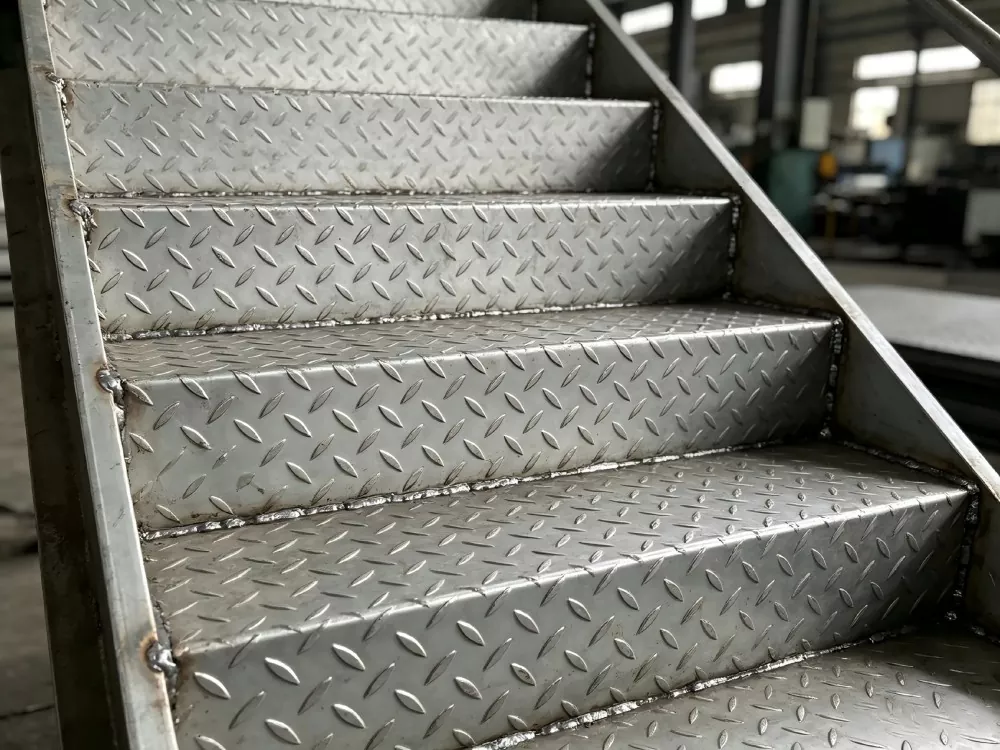
Industrial stair systems are widely used in facilities where workers need safe access to elevated working areas. A suitable tread plate design helps improve operational safety while reducing maintenance problems caused by unsuitable walking surfaces.
A typical application example involves upgrading outdoor inspection stairs in an industrial facility. In environments with frequent rain exposure, smooth steel steps can become slippery and increase safety risks during daily operations. Replacing traditional flat surfaces with patterned steel tread plates provides a more stable walking area.
Sanhe Steel supports projects requiring customized tread dimensions, surface treatment selection, and fabrication according to customer drawings. The combination of steel strength and anti-slip pattern design makes the product suitable for industrial access structures.
Order And Delivery
For international industrial projects, product quality and delivery coordination are both important factors. Sanhe Steel prepares Industrial Steel Stair Tread Plate For Platforms according to order specifications and provides export support for different shipment requirements.
The packaging and delivery process includes:
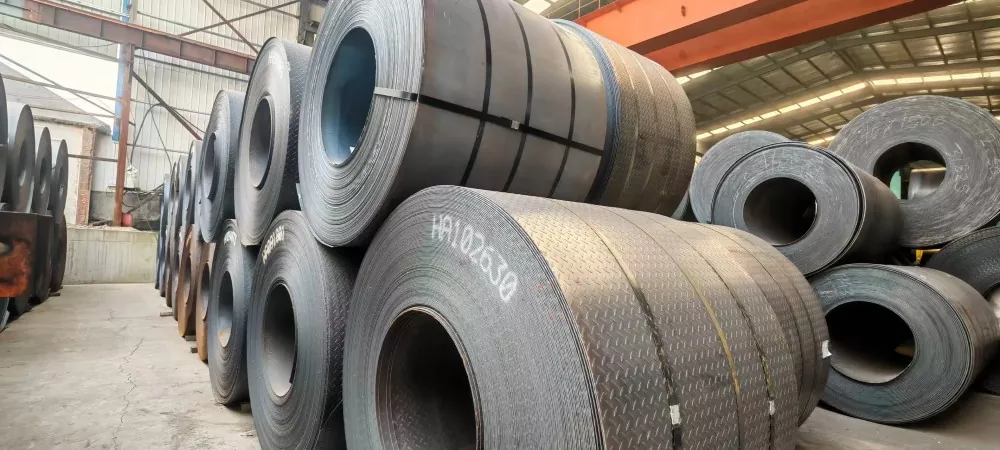
1. Protection before shipment: Tread plates are stacked flat with protection materials between layers to reduce surface damage during transportation.
2. Secure loading: Products are bundled on skids with edge protection to maintain stability during container loading.
3. Export documentation: Commercial Invoice, Packing List, Bill of Lading, Certificate of Origin, and Mill Test Certificate can be provided according to order needs.
4. Shipping options: Available solutions include FCL, LCL, and breakbulk shipment according to project requirements.
Sanhe Steel works with customers worldwide and provides support for projects requiring reliable steel products, customized processing, and export service.
FAQ
Q: What steel grades are available for industrial stair tread plates?
A: Sanhe Steel provides commonly used steel grades including Q235B, Q355B, and SS400. The suitable grade depends on the platform structure, load requirements, and working environment. Customers can provide drawings or project information for material selection suggestions.
Q: Can the tread plates be manufactured according to my platform dimensions?
A: Yes. The tread plates can be processed according to customer drawings or required dimensions. Options include customized tread width, depth, fixing holes, notched corners, and nosing bends to match different steel stair structures.
Q: Which surface finish is suitable for outdoor industrial platforms?
A: For outdoor applications exposed to rain or humid conditions, galvanized finishing is commonly selected because it provides additional corrosion resistance. Painted, black, or oiled finishes can also be considered according to the specific application environment.
Q: How do I choose the thickness of a steel stair tread plate?
A: Thickness selection depends on factors such as stair structure, support spacing, and expected usage conditions. Common options include 4mm, 5mm, 6mm, and 8mm. For heavier industrial applications, customers usually consider thicker plates and higher-strength steel grades.
Q: Can you provide inspection documents for exported orders?
A: Yes. Sanhe Steel can provide related product documents according to order requirements, including Mill Test Certificates and other quality documents to support project inspection and acceptance.
Q: What industries commonly use these steel tread plates?
A: They are commonly used in manufacturing plants, warehouses, equipment maintenance areas, steel platforms, plant rooms, and other industrial facilities requiring safe vertical access.
Why Choose Sanhe Steel
Choosing a suitable stair tread supplier requires attention to material reliability, processing capability, and delivery support. Sanhe Steel combines steel product manufacturing experience with customized processing services to provide solutions for industrial platform access projects.
With suitable steel grades, flexible dimensions, and multiple finishing options, Industrial Steel Stair Tread Plate For Platforms can be adapted to different industrial environments. From initial specification confirmation to final shipment, Sanhe Steel supports customers with practical steel solutions based on project requirements.
Related Products
Hot Products
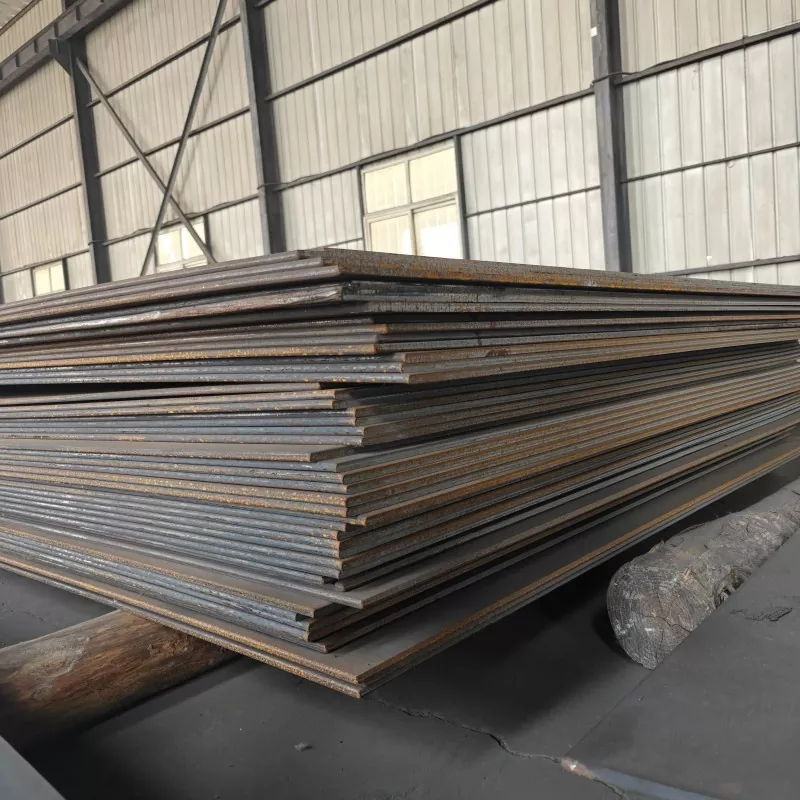
Automotive Structural Steel Plate
An automotive structural steel plate is the load-bearing skeleton of vehicles. The chassis frames, cross members, and reinforcements that absorb crash energy for the life of the vehicle. Sanhe Steel supplies automotive-grade plate under IATF 16949, from HSLA to advanced high-strength steels.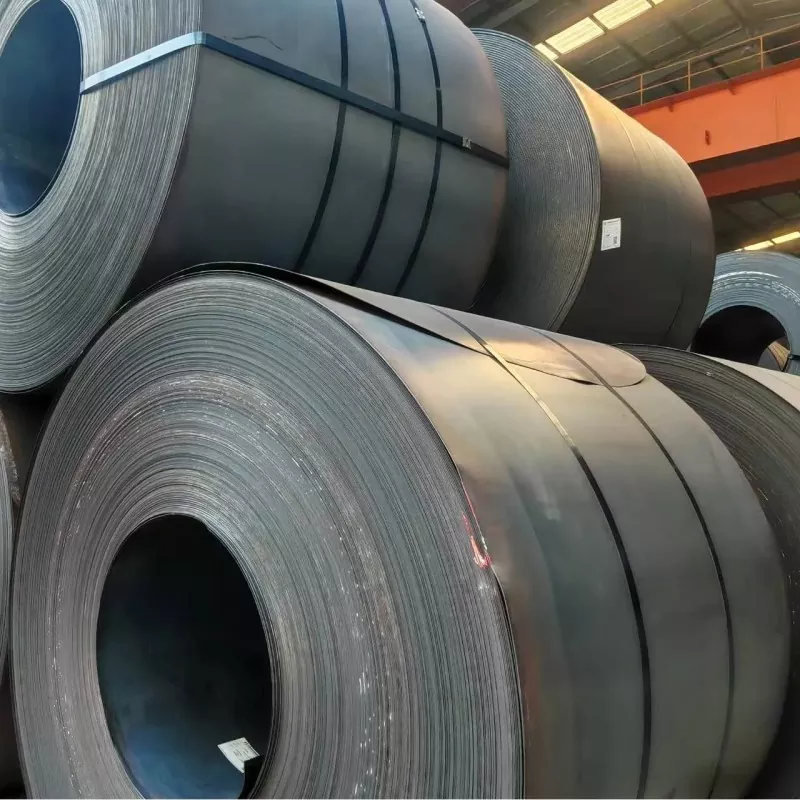
Pickled and Oiled Steel Plate
As a China supplier, Sanhe Steel provides medium pickled and oiled steel plates with excellent mechanical properties. The Q235 pickled and oiled steel material is a common steel. This plate widely serves automobile, home appliance, construction and general machinery manufacturing for medium-precision stamping, bending and welding structural parts.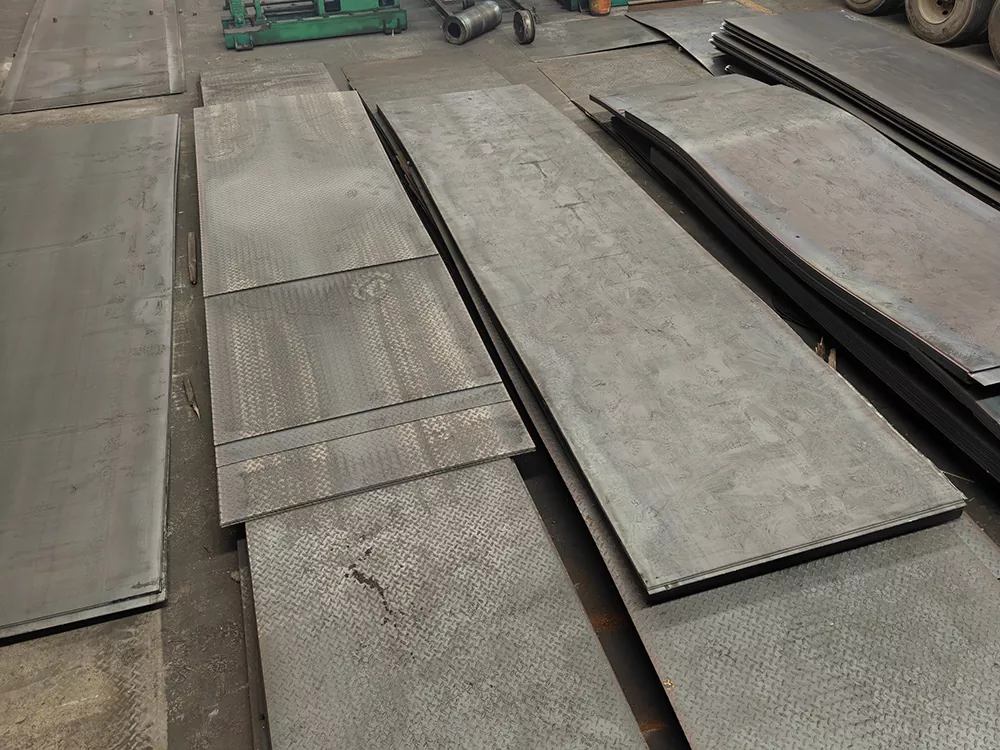
1045 Steel Plate
1045 Steel Plate is manufactured by Sanhe Steel Precision. As a senior supplier, we provide medium carbon steel plates with excellent mechanical properties. With its optimal balance of strength and toughness, it is a go-to material for mechanical processing, delivering reliable performance in demanding environments.
Galvanized Mild Steel Pipe
As a professional steel manufacturer, Sanhe Steel provides premium galvanized mild steel pipe for global customers. We guarantee reliable after-sales service and efficient, on-time delivery for every order. Sanhe Steel is a trustworthy and professional supplier of steel pipes, offering high-quality products compliant with mainstream international standards.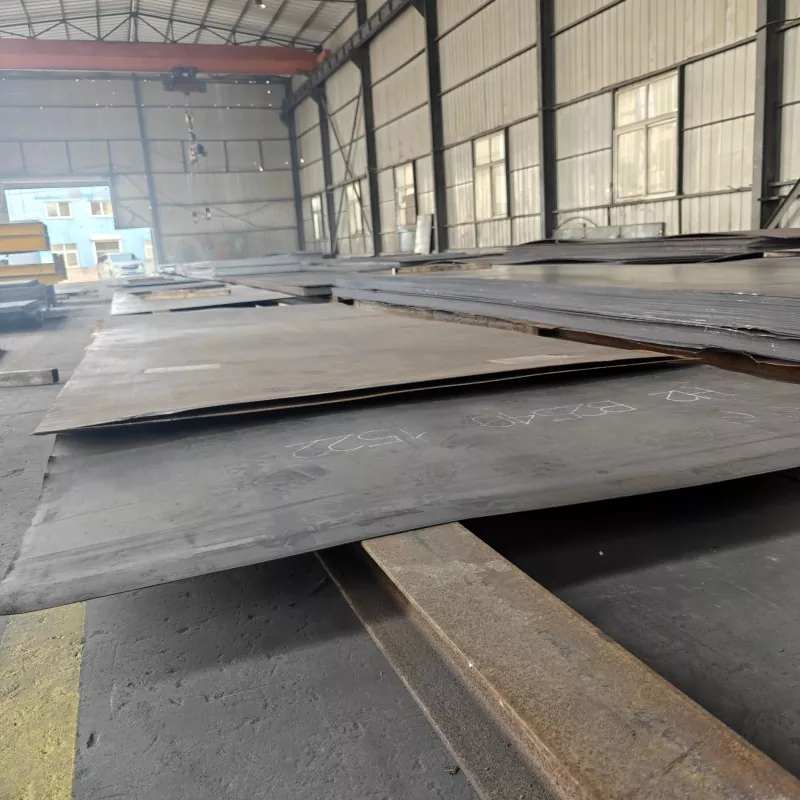
Heavy Duty Steel Plate
Sanhe Steel, a professional heavy duty steel plate factory based in China, delivers sturdy plates with reliable tensile strength, great versatility and smooth weldability, covering fabrication, construction, equipment repair and heavy machinery fields. Sanhe Steel supplies thickness options ranging 3mm to 200mm with full cut-to-size customization.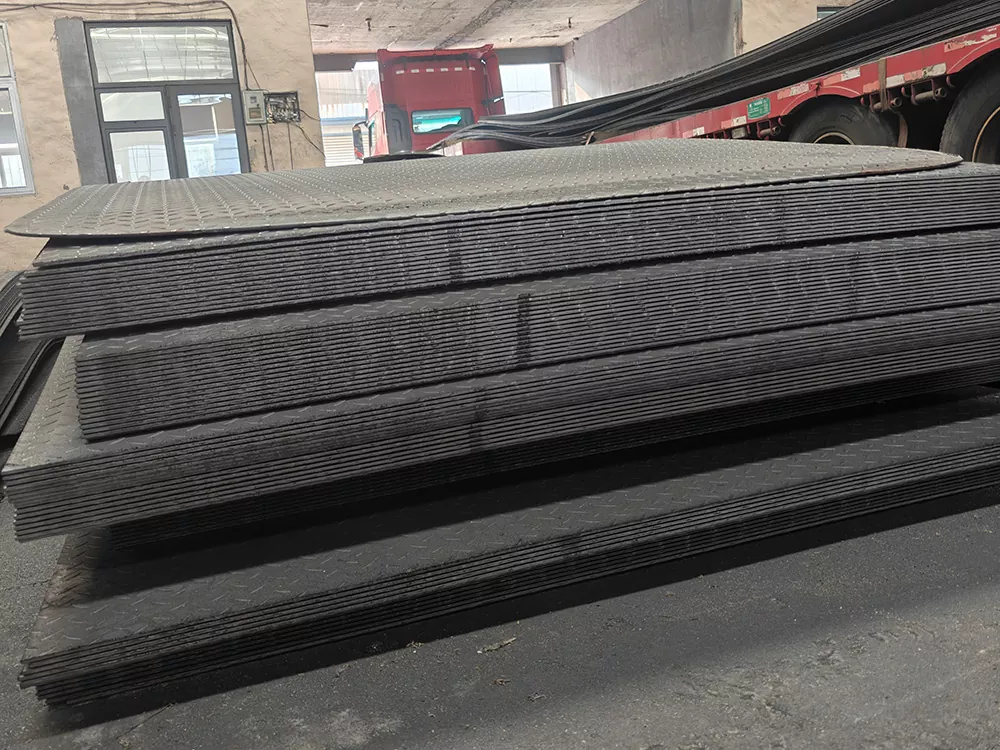
65Mn Steel Plate
As a professional manufacturer of high-quality Steel Plate, Sanhe Steel is committed to providing high-performance steel for the mechanical manufacturing industry. The 65Mn Steel Plate we supply has become the preferred choice for making saw blades, springs, and various wear-resistant parts due to its extremely high hardenability and excellent resilience.
- Related Blog
- Reviews