
Heavy Duty Steel Stair Tread Plate For Industrial Stairs
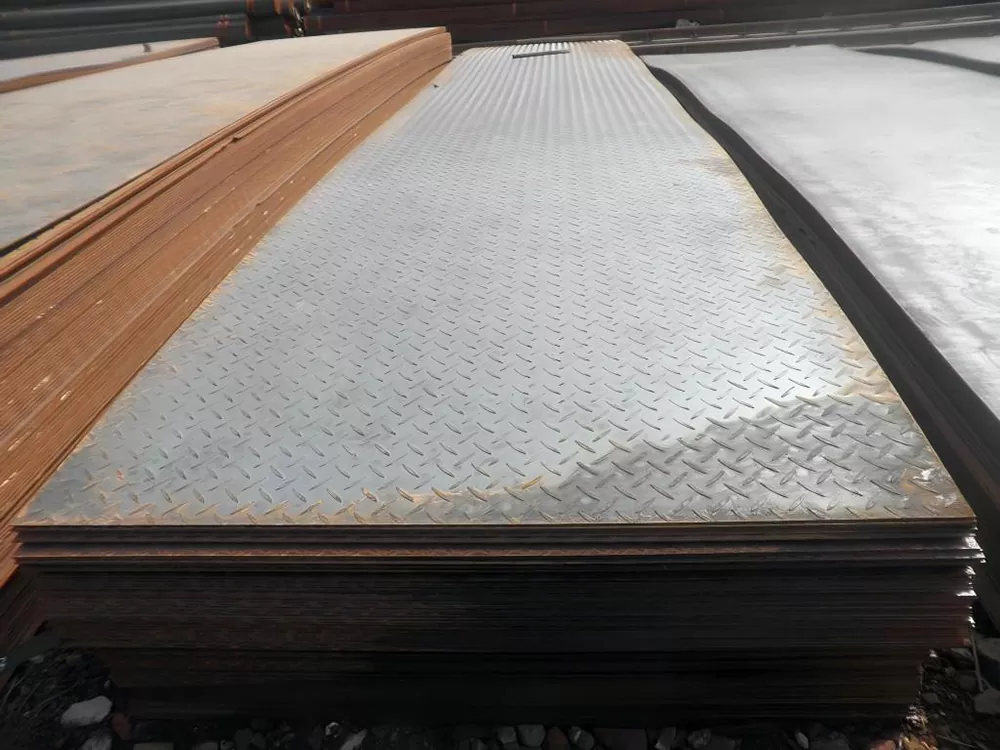
Industrial stair systems are often exposed to repeated pedestrian traffic, maintenance activities, and demanding working conditions. Heavy Duty Steel Stair Tread Plate For Industrial Stairs supplied by Sanhe Steel is produced from checkered steel plate and designed for projects where ordinary stair materials may not provide enough structural support.
The performance of a heavy-duty stair tread is influenced by several factors, including steel grade, thickness, tread size, support structure, and installation method. Selecting the correct combination helps ensure the stair system matches the actual working environment.
Sanhe Steel provides steel tread solutions based on customer drawings and project requirements. Processing options include cutting, drilling, notched corners, and nosing bends, allowing the tread plates to fit different industrial staircase designs.
Heavy Duty Design Logic
Heavy-duty stair systems are mainly used in places where stairs are not only for occasional access but also part of daily industrial operations. Workers may frequently move between floors, platforms, and equipment areas, which creates higher requirements for stair components.
The design considerations of heavy-duty tread plates include:
1. Repeated Load Resistance: Industrial stairs must maintain stable performance during continuous daily use. Suitable steel grades and thickness selections help match different structural requirements.
2. Industrial Environment Adaptation: Production areas may include dust, moisture, oil, or outdoor exposure. Surface treatment options help customers select suitable protection according to application conditions.
3. Structural Matching: The tread plate needs to work together with stair stringers and supporting structures. Customized dimensions help improve installation compatibility.
4. Long-Term Maintenance Consideration: Steel tread components are selected for projects where durability and stable access are important factors.
Strength Comparison Guide
Choosing the correct steel grade is an important step when purchasing industrial stair components. Different materials provide different strength levels and application characteristics. Sanhe Steel supplies Q235B, Q355B, and SS400 steel options according to project requirements.
|
Comparison Factor |
Q235B |
Q355B |
SS400 |
|
Material Position |
Common structural steel option |
Higher strength structural option |
General steel structure material |
|
Yield Strength |
≥235 MPa |
≥355 MPa |
According to SS400 standard requirements |
|
Suitable Application |
Normal industrial stair structures |
Projects requiring higher strength |
General fabrication projects |
|
Main Selection Point |
Balanced performance and application range |
Higher strength requirement |
Compatibility with common steel structures |
Factors Affecting Load Performance
The load performance of an Heavy Duty Steel Stair Tread Plate For Industrial Stairs is not determined by one factor alone. Material grade, thickness, dimensions, and installation details all influence the final application result.
|
Factor |
Available Options |
Application Consideration |
|
Thickness |
4mm / 5mm / 6mm / 8mm |
Select according to stair structure and usage requirements |
|
Tread Width |
200mm – 1,200mm |
Match the designed stair width |
|
Tread Depth |
150mm – 500mm |
Confirm according to stair layout |
|
Surface Pattern |
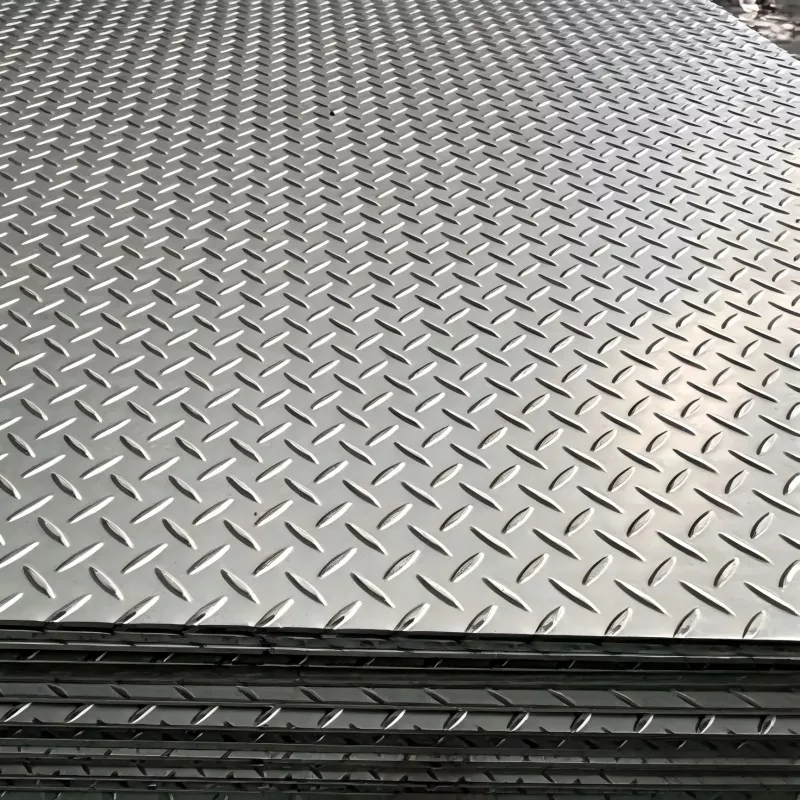
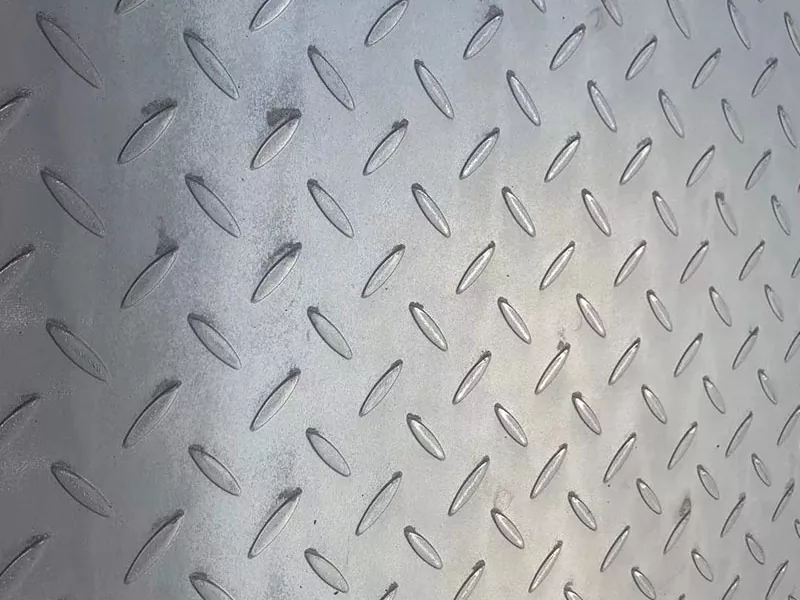
Diamond / Lentil pattern, height 1.0–1.2mm |
Provides textured walking surface |
|
Surface Finish |
Galvanized ≥85μm / Painted / Black / Oiled |
Select according to environment requirements |
Industrial Stair Problems Solved
Industrial stair projects often face practical challenges during long-term operation. The choice of stair tread material directly affects safety, maintenance requirements, and the overall reliability of the access system. Sanhe Steel provides steel tread solutions designed around these common industrial requirements.
Problem 1: Frequent Traffic Causes Structural Stress
Factory stairs, maintenance platforms, and equipment access stairs may be used many times every day. Compared with light-use stairs, these locations require tread plates with suitable thickness and steel strength to maintain stable performance during continuous operation.
Solution: Sanhe Steel offers different material grades and thickness options, including Q235B, Q355B, and 4mm–8mm thickness ranges, allowing customers to select suitable specifications according to project requirements.
Problem 2: Different Projects Require Different Dimensions
Industrial stair structures are rarely identical. Different equipment layouts, building designs, and installation conditions may require different tread widths, depths, and connection methods.
Solution: The tread plates can be processed according to customer drawings, including customized dimensions, fixing holes, notched corners, and nosing bends.
Problem 3: Working Conditions Affect Surface Selection
Indoor production areas, outdoor platforms, and exposed steel structures may face different environmental conditions. The surface finish needs to match the actual installation location.
Solution: Sanhe Steel provides galvanized, painted, black, and oiled surface options according to customer requirements.
Customized Manufacturing Details
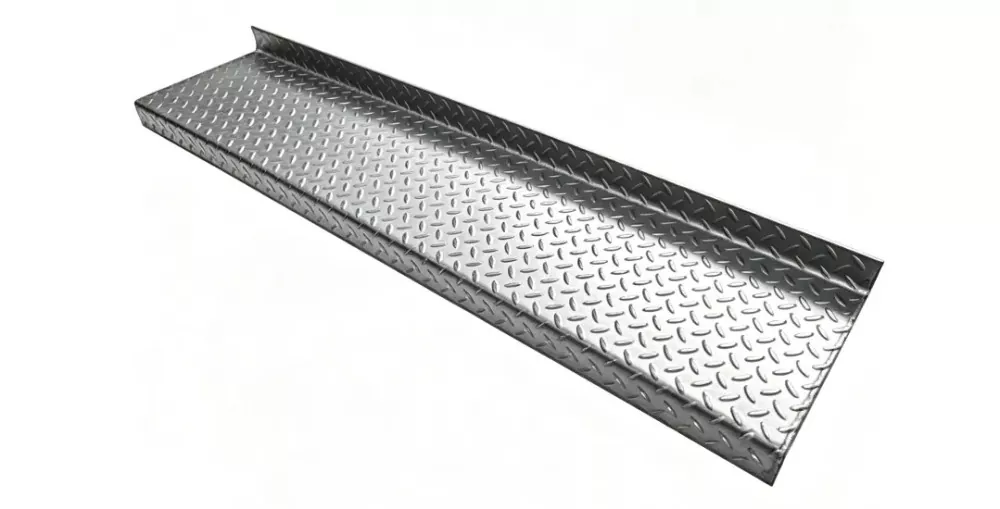
Every Heavy Duty Steel Stair Tread Plate For Industrial Stairs project has its own structural requirements. Instead of using only standard-size products, customers can provide drawings or technical information, and Sanhe Steel can process the tread plates according to the required specifications.
The customization options include:
1. Dimension Adjustment: Tread width and depth can be produced according to project requirements. Reference ranges include 200mm–1,200mm width and 150mm–500mm depth.
2. Connection Preparation: Pre-drilled fixing holes can be added according to installation methods, helping improve installation efficiency.
3. Special Edge Processing: Notched corners and nosing bends can be manufactured when required by the stair structure.
4. Surface Treatment Selection: Customers can choose galvanized, painted, black, or oiled finishes based on application conditions.
The customization process helps ensure the tread plate matches the existing steel structure and reduces additional modification work after delivery.
Manufacturing Accuracy Control
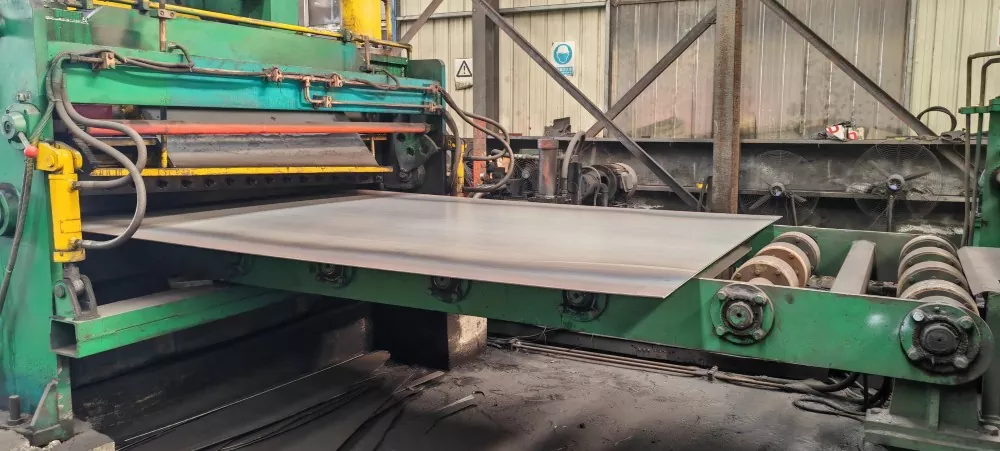
For industrial steel components, production accuracy is important because incorrect dimensions may affect installation and project progress. Sanhe Steel controls each processing step from material preparation to final inspection.
The manufacturing procedure includes:
1. Material Confirmation: Steel grades are selected according to customer requirements, including Q235B, Q355B, and SS400 options.
2. Cutting Process: Steel plates are cut according to required tread dimensions to match project drawings.
3. Fabrication Processing: Additional machining such as drilling and edge processing is completed according to order requirements.
4. Surface Treatment: Suitable finishing methods are applied according to the specified requirements.
5. Inspection Before Delivery: Production batches are checked for dimensions, pattern height, and finish quality before packing.
Project Preparation Guide
Before purchasing industrial stair tread plates, confirming technical information helps avoid specification differences during production and installation. Customers can provide the following details for communication with Sanhe Steel.
1. Stair Drawing: Provide stair layout drawings or tread details if available, including dimensions and connection requirements.
2. Material Requirement: Confirm preferred steel grade, thickness, and surface finish according to the working environment.
3. Installation Method: Share whether the tread plates will be welded or fixed by bolts so suitable processing can be arranged.
4. Delivery Information: Confirm quantity, shipping requirements, and required documentation before order production.
FAQ
Q: What information should I provide when ordering heavy duty stair tread plates?
A: Customers can provide stair drawings, tread dimensions, required steel grade, thickness, surface finish, quantity, and installation requirements. These details help Sanhe Steel confirm suitable specifications before production.
Q: How do I choose between Q235B and Q355B steel for industrial stairs?
A: The choice depends on the structural requirements of the stair system. Q235B is commonly used for general industrial structures, while Q355B provides higher yield strength and can be considered when higher strength requirements are needed.
Q: What thickness options are available for industrial stair tread plates?
A: Sanhe Steel supplies thickness options including 4mm, 5mm, 6mm, and 8mm. The suitable thickness depends on stair design, support conditions, and expected usage requirements.
Q: Can the tread plate be manufactured according to our stair drawings?
A: Yes. Sanhe Steel can process tread plates according to customer drawings or technical requirements. Customized services include cutting, fixing holes, notched corners, and nosing bends.
Q: Are these stair tread plates suitable for equipment maintenance platforms?
A: Yes. The Heavy Duty Steel Stair Tread Plate For Industrial Stairs can be used for industrial access areas such as maintenance platforms, factory stairs, equipment inspection areas, and steel structure walkways where stable access is required.
Q: What surface finishes can be selected for different environments?
A: Available finishes include galvanized, painted, black, and oiled surfaces. Customers can select suitable treatment methods according to indoor, outdoor, or corrosion protection requirements.
Q: What steel standards are available for the tread plates?
A: Sanhe Steel supplies steel tread plates according to commonly used material requirements, including Q235B, Q355B, and SS400 steel grades. Product information and material documents can be provided according to order requirements.
Q: How are the tread plates protected during transportation?
A: The tread plates are stacked flat with protection materials, fixed on skids with banding, and protected at edges before shipment. Shipping options can be arranged according to customer requirements.
Q: Can Sanhe Steel support international orders?
A: Yes. Sanhe Steel provides export support including commercial documents, packing documents, shipping arrangements, and material certificates required for overseas projects.
Related Products
Hot Products
6mm Black Hot Rolled Plate
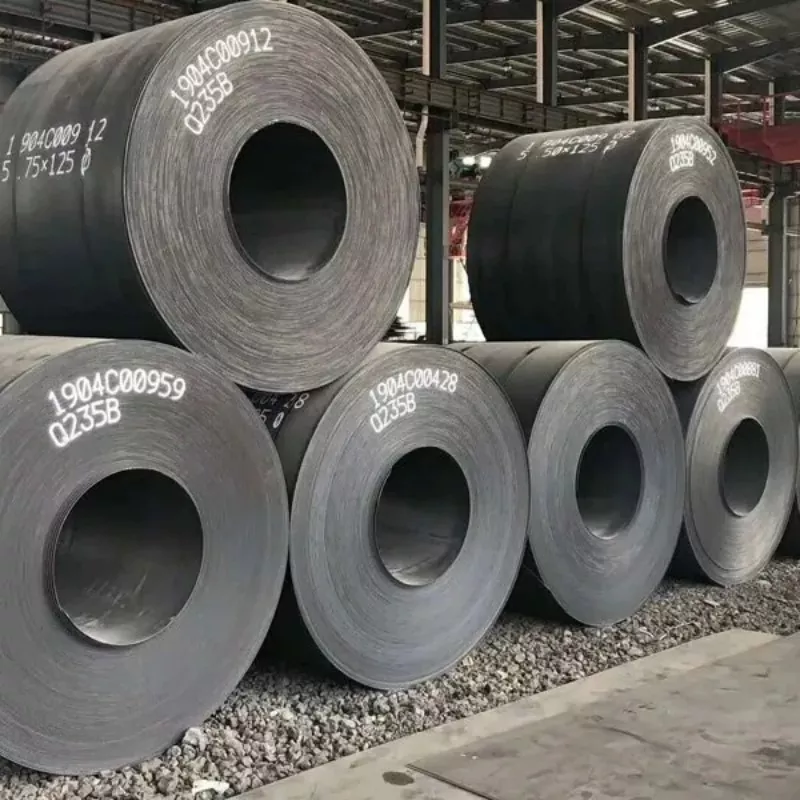
Sanhe Steel, a professional steel processing factory in Qingdao China, supplies standard 6mm black hot rolled plate with full CNC cutting and shearing customization service. Our hot rolled steel sheet owns stable flatness, precise dimensional tolerance and great coating adaptability for galvanizing treatment. The plates fit construction, machinery, fire protection and solar bracket projects, all finished goods pass full pre-shipment inspection before delivery.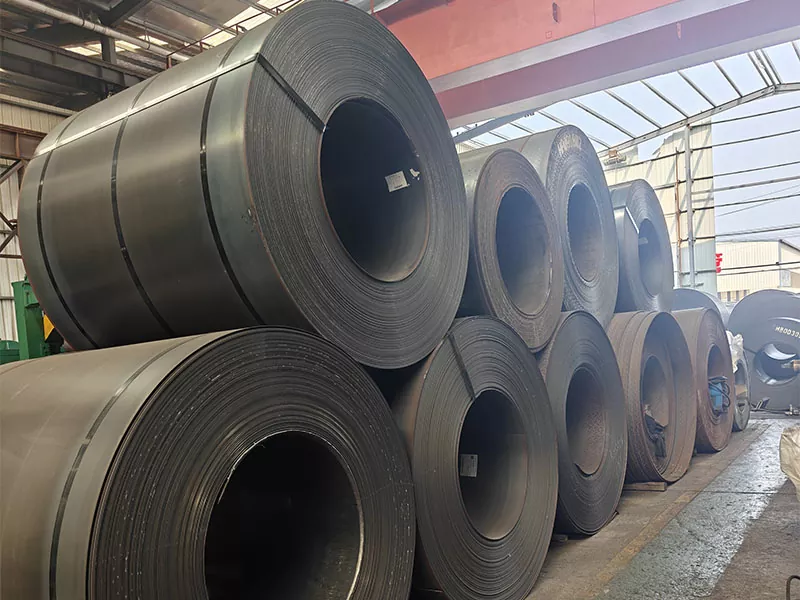
Q235 Hot Rolled Steel Plate
Q235 Hot Rolled Steel Plate from Sanhe Steel, a trusted China manufacturer with over 17 years of industry experience since 2008, delivers exceptional structural performance and unbeatable cost-efficiency for global B2B buyers. Featuring yield strength of 235MPa and excellent weldability, this carbon structural steel plate supports thickness ranges from 1.2mm to 200mm with full ISO 9001 and IATF 16949 certified quality control. Backed by strategic partnerships with Baowu and Hebei Steel, we ensure stable supply, fast 7-15 day delivery, and one-stop processing services including cutting, bending, and drilling to meet your diverse engineering and manufacturing needs.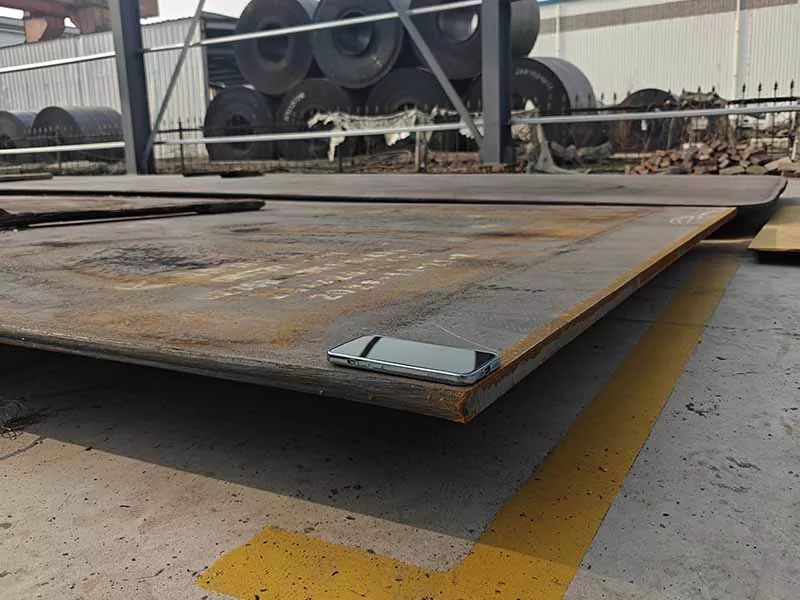
ASTM A36 Hot Rolled Steel Plate
ASTM A36 Hot Rolled Steel Plate supplied by Sanhe Steel meets strict ASTM A36/A36M American standards with minimum 250MPa yield strength and 400-550MPa tensile strength across an extensive 3mm to 500mm thickness range, delivering exceptional weldability and formability for general structural applications. Featuring controlled chemical composition with lower phosphorus and sulfur impurities under enhanced internal quality controls, this versatile carbon structural steel plate supports plasma, laser, and flame cutting methods with excellent bending and machining characteristics. Ideal for building frameworks, bridge components, machinery fabrication, and industrial infrastructure, it comes with complete mill test documentation and custom dimension cutting services to support efficient project implementation for global buyers.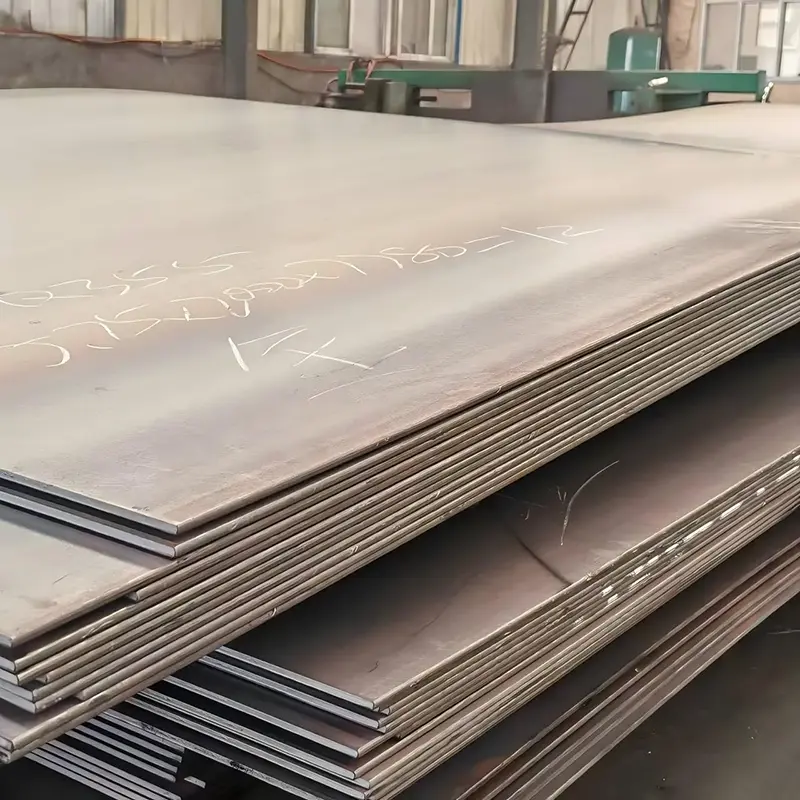
Structural Steel Plate
As a steel plate manufacture, Sanhe Steel delivers precision-processed structural steel plate solutions engineered to meet rigorous performance thresholds across multiple sectors. Sanhe Steel industrial-grade portfolio serves high-stress environments, including municipal infrastructure projects, heavy machinery manufacturing, bridge building, and maritime shipbuilding.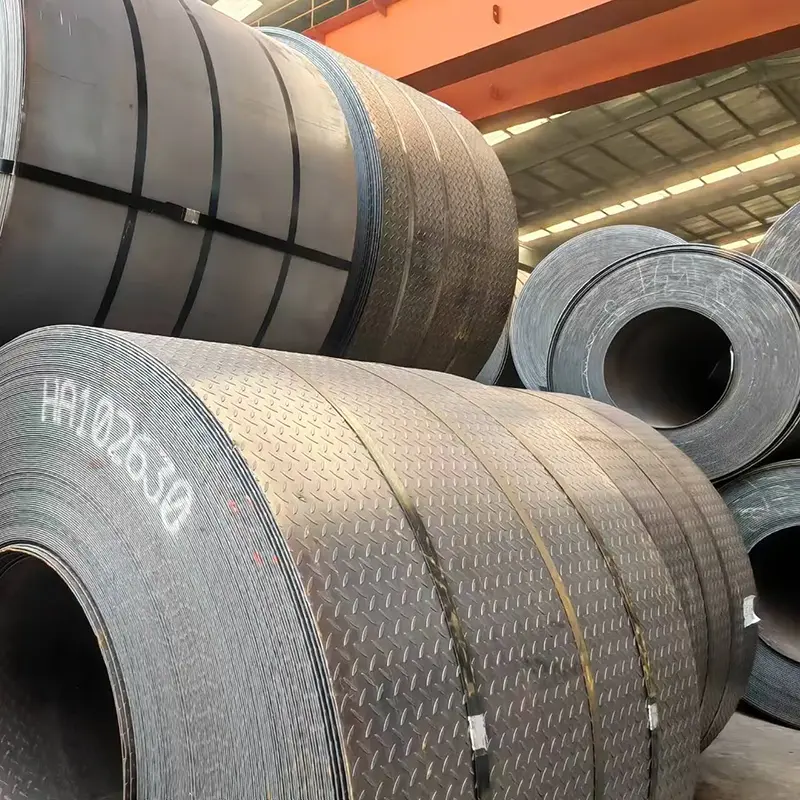
Galvanized Checkered Steel Plate
Sanhe Steel is a professional manufacturer of steel plate, providing custom sizes, pattern styles, and surface treatment solutions for global engineering buyers. Our Galvanized Checkered Steel Plate for Industrial Applications is available in base thicknesses from 2.0mm to 12.0mm. We support custom processing and bulk factory supply to meet diversified industrial and construction anti-slip projects.
Boiler Steel Plate
Boiler Steel Plate is the core steel raw material independently produced by Sanhe Steel. As the core substrate for boiler and pressure vessel manufacturing, Boiler Steel Plate has stable high temperature and high pressure resistance, strong welding and processing adaptability, and can directly meet the raw material needs of equipment production in industries such as power and petrochemicals. Its quality has been widely recognized by industry customers.
- Related Blog
- Reviews