Industry News
 20 2026-08
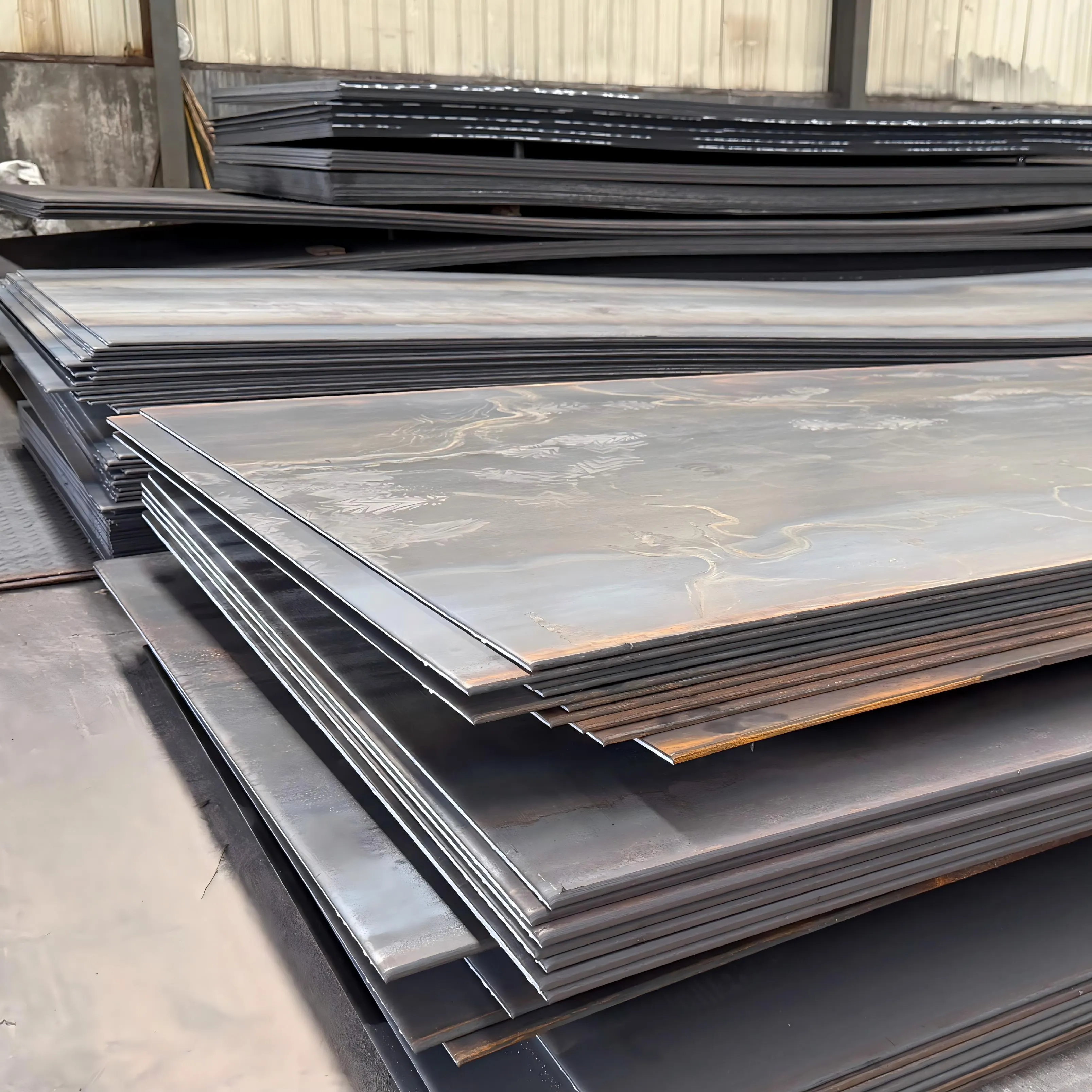
 What Should You Know About Steel Plate Bending and Forming Before Ordering?
Steel Plate bending and forming is one of the most common fabrication processes for structural steel projects. Many purchasing teams encounter unexpected production issues, including cracking, spring-back, and dimensional deviation, after material arrival.
 20 2026-08
 How to Select the Right Wear-Resistant Plate?
Many procurement and engineering teams default to specifying the hardest available wear resistant plate for mining, bulk handling and heavy equipment projects. Yet higher hardness does not always equal the best overall performance. Improper material selection can lead to welding cracking, bending failure, expensive rework and unnecessary material cost, even when wear resistance looks impressive on paper.
 17 2026-08
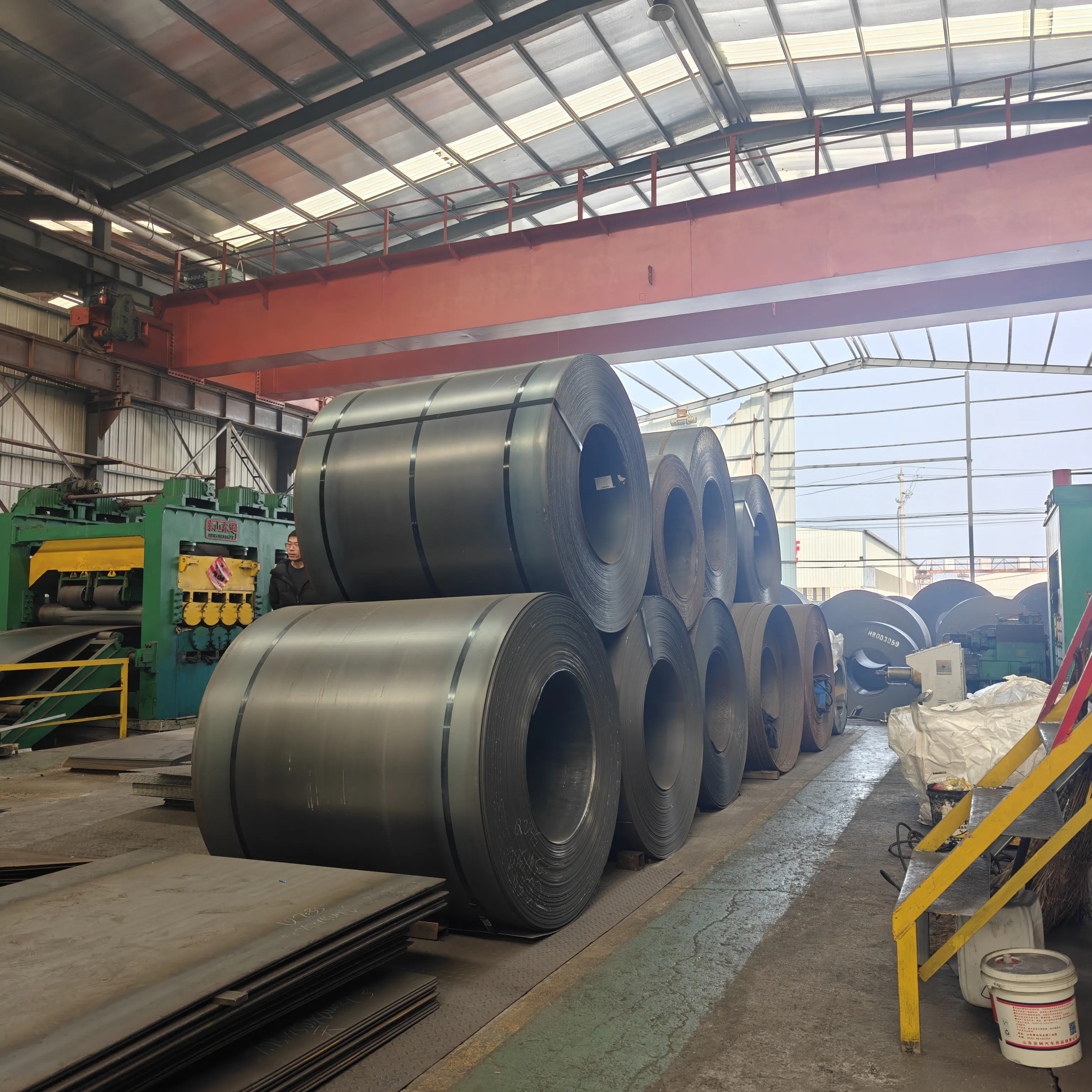
 How Does Hot Rolled Plate Support Modern Industrial Manufacturing?
Hot Rolled Plate is one of the most widely used steel materials in construction, machinery manufacturing, transportation, energy projects, and heavy industrial applications. However, many buyers face challenges when selecting hot rolled steel plates, including inconsistent quality, unsuitable grades, dimensional problems, delivery delays, and difficulties in customization.
 30 2026-07
 What Is Q235 Cold Rolled Steel Plate?
In the industrial manufacturing sector, Q235 cold rolled steel sheet acts as a universal base raw material. It is widely used across auto spare parts, agricultural machinery hardware, stamping fabrication and many other product lines.
 20 2026-07
 China's Steel Industry Transformation: Replacing Traditional Scale Dividends with Quality Dividends
Over the past two months, the domestic steel market has exhibited a structural divergence characterized by "intense competition in mass-market products under pressure and strong demand for high-end special steels," vividly demonstrating that China's steel industry has completely moved beyond the era of relying solely on production expansion and low-price competition for scale, and has fully entered a new phase focused on quality dividends driven by high-quality customized steel products and technical support services. The article addresses the core challenges faced by purchasers of engineering, machinery, and export-oriented steel products, providing an objective overview of the industry's thriving transformation and upgrading process.
 10 2026-07
 Comparison of welding performance between low carbon steel and high carbon steel
The weldability of steel primarily depends on its chemical composition. Among these components, carbon has the greatest impact, meaning that the amount of carbon in the metal determines its weldability.