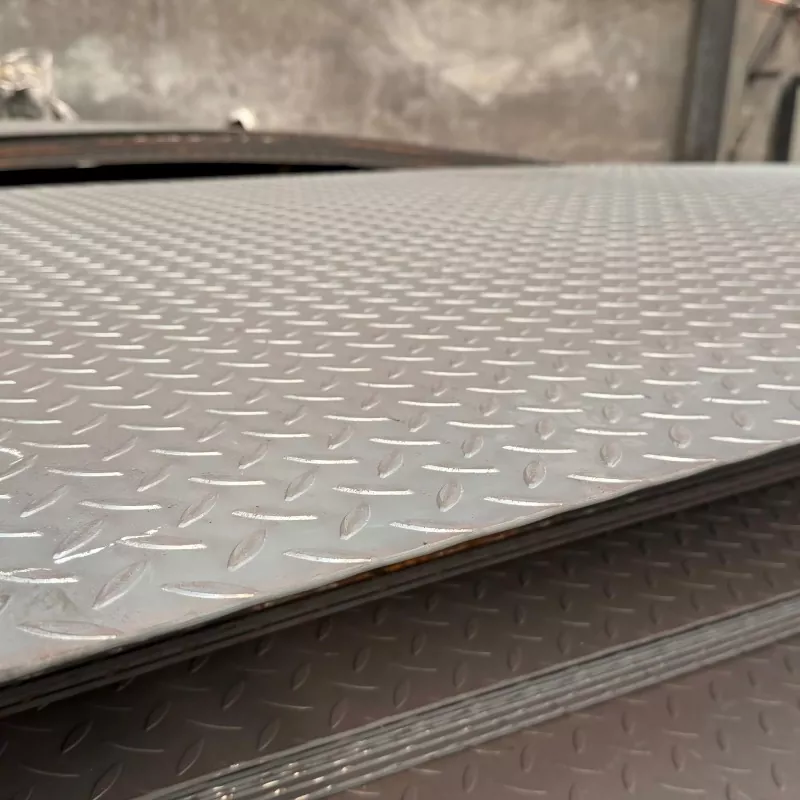
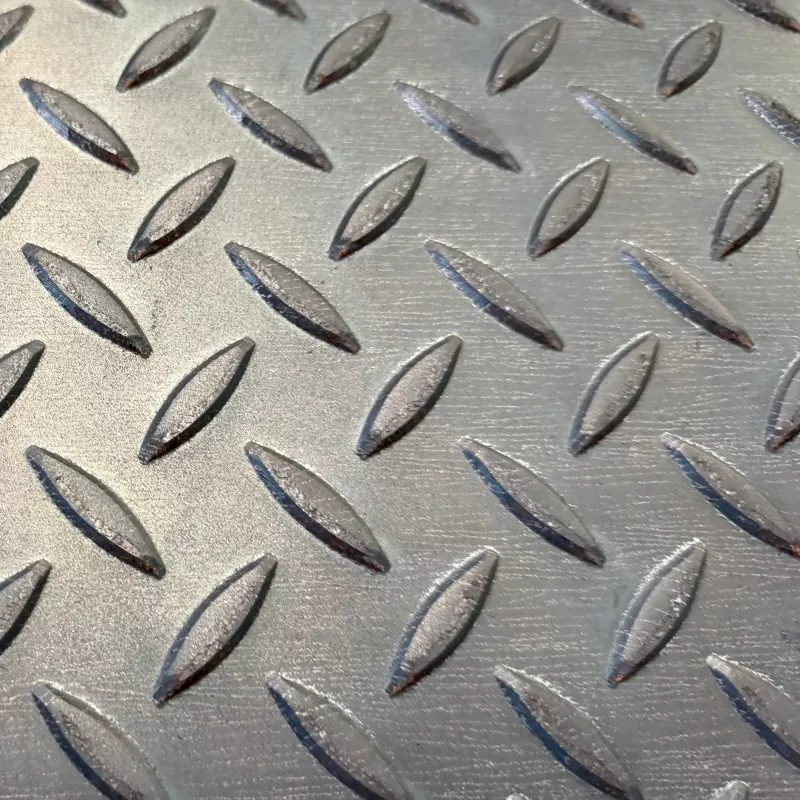
Polished Stainless Steel Checkered Plate
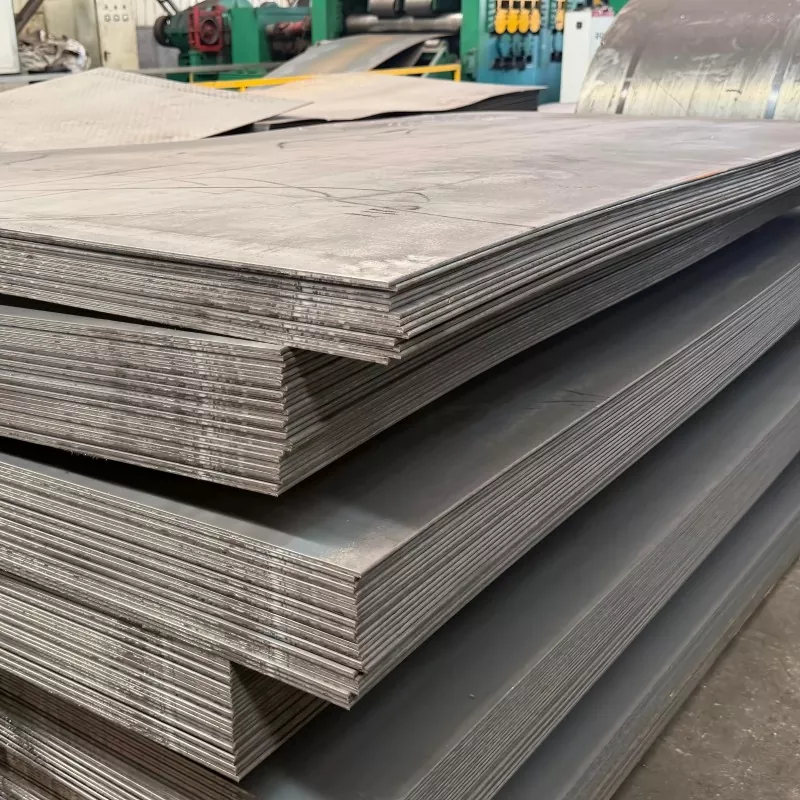
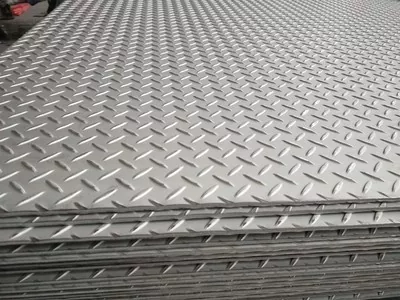
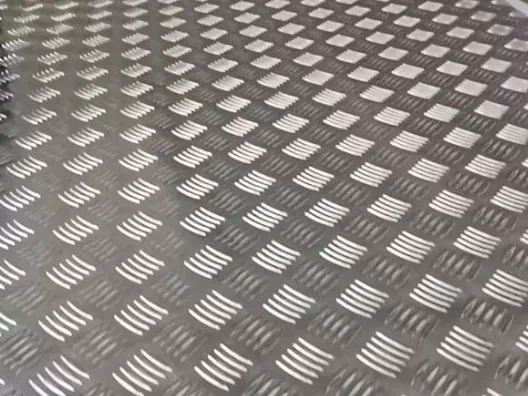
Sanhe Steel is a China manufacturer and supplier of polished stainless steel checkered plate in 304 and 316L, with the anti-slip pattern rolled into the plate and the surface finished to satin, bright annealed or mirror polish. The polished face is what allows the plate to be used on food, pharmaceutical and kitchen floors. Send the grade, finish and sizes for a quotation.
Sanhe Steel Polished Stainless Steel Checkered Plate
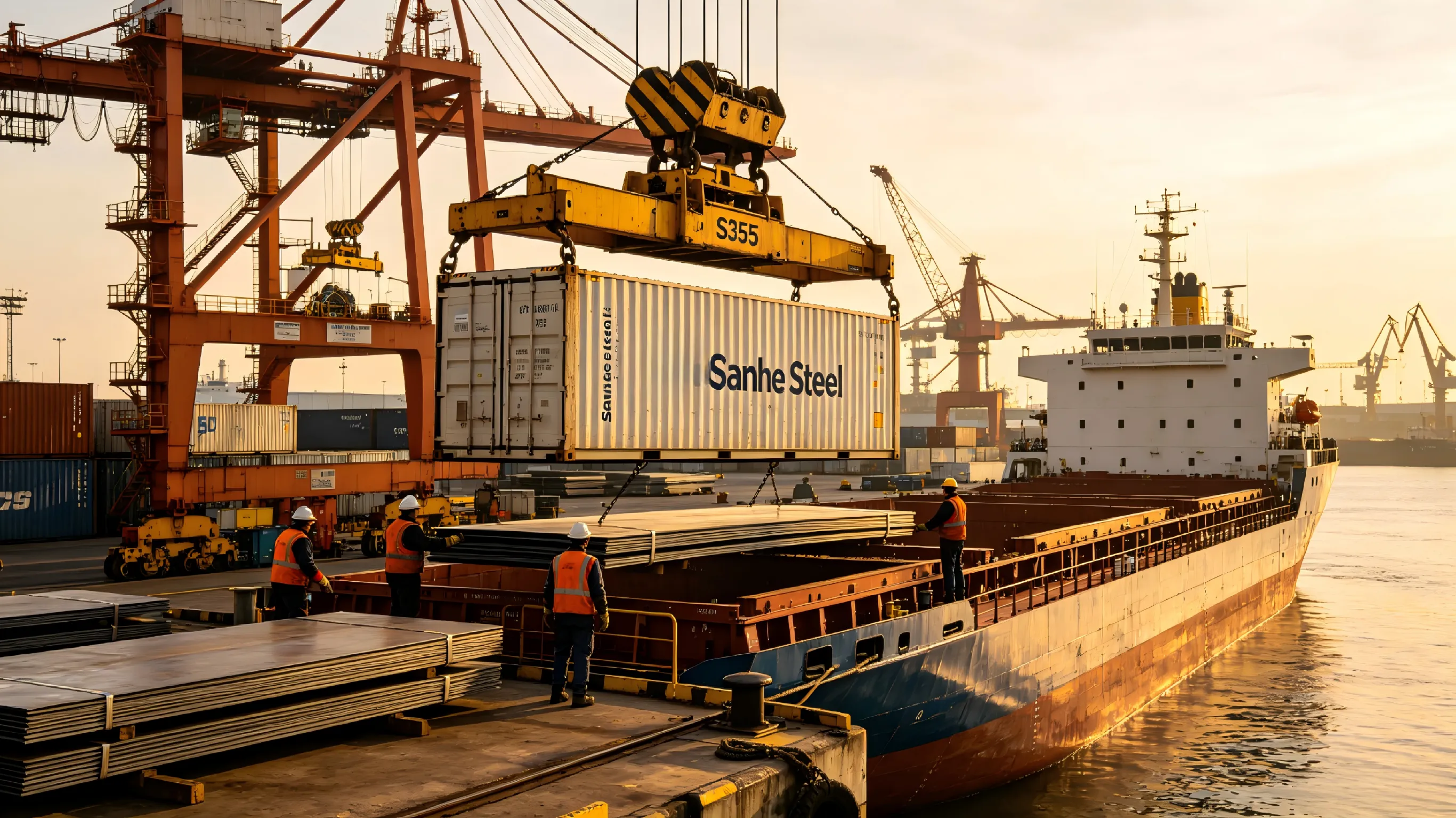
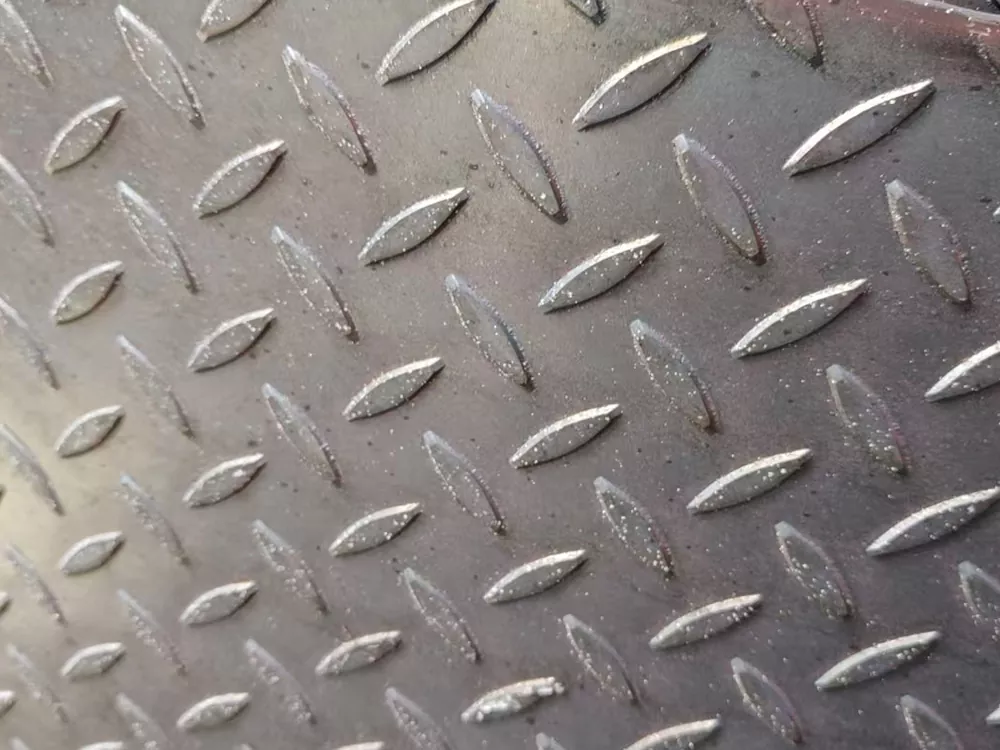
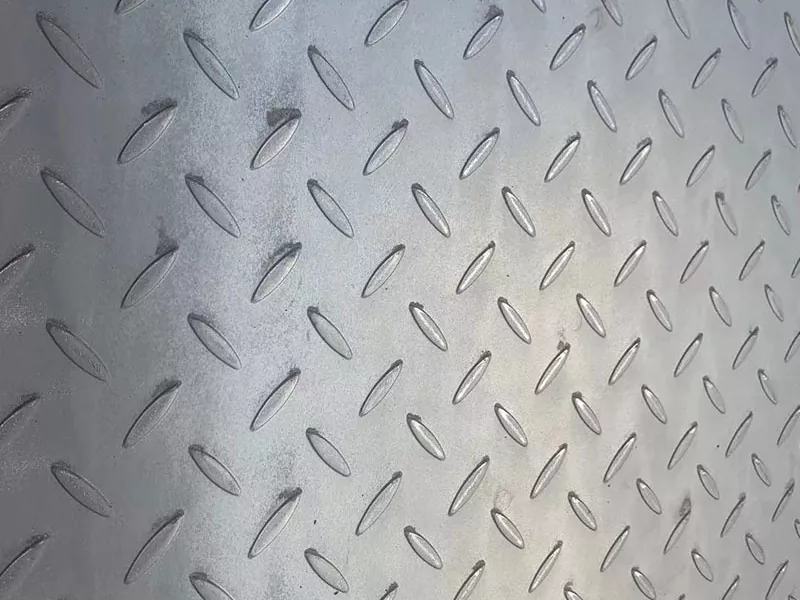
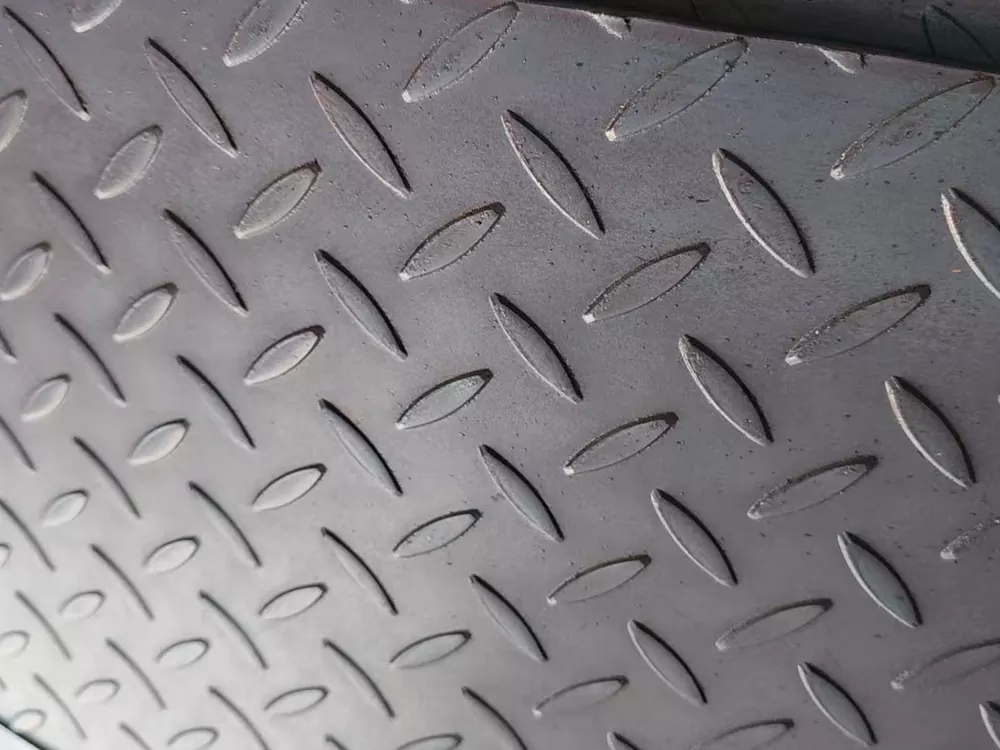
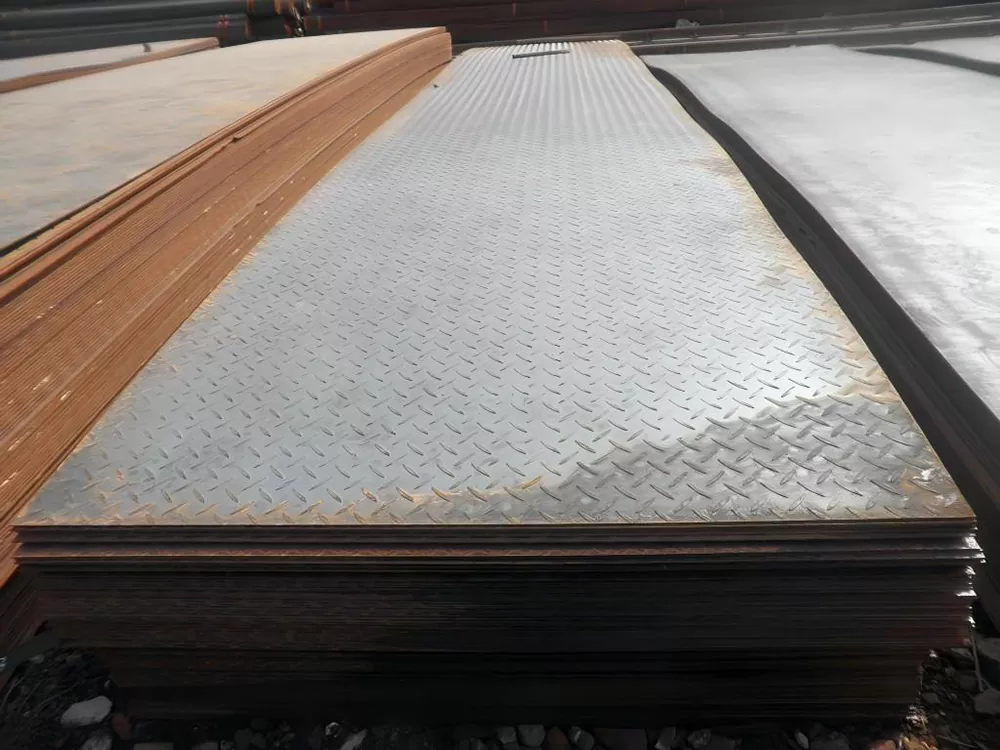
Sanhe Steel is a polished stainless steel checkered plate manufacturer and supplier in China. Grade and finish are matched to the working environment: 304 for general food and kitchen service, 316L where chlorides are present. Samples are produced at the agreed roughness and pattern height, so the wet friction figure can be checked before bulk production starts. Cutting, edge finishing and packing are handled in house, with protective film applied to polished faces for sea freight. Each batch is issued with a mill test certificate, EN 10204 3.1 or 3.2 on request, and CE documentation under the EU Construction Products Regulation. MOQ, lead time and price list are quoted per grade and finish: stock sits in 7-15 days, cut-to-size and finished orders take 15-35 days from Qingdao.
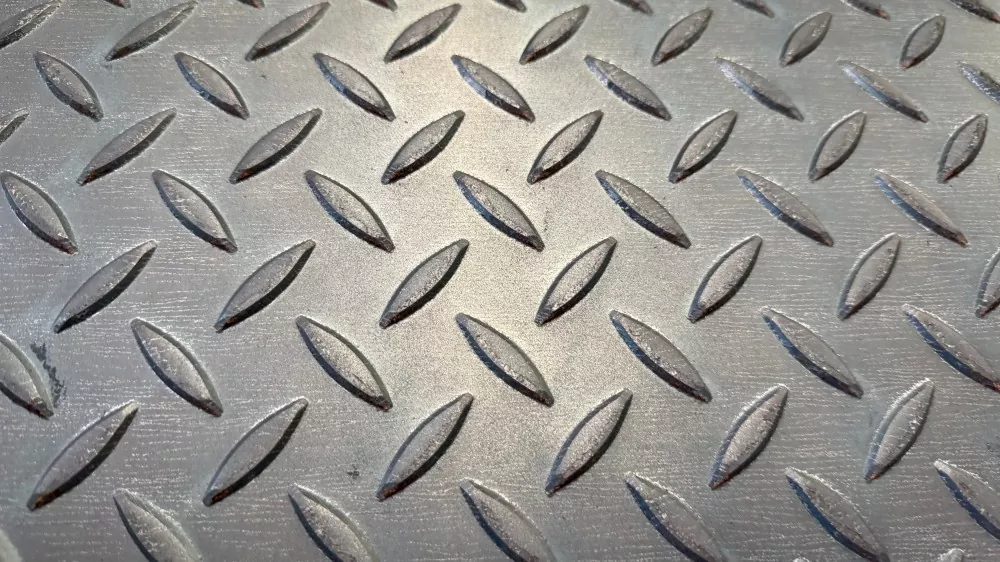
Grades and Polish Finishes
|
Finish |
Typical appearance |
Roughness (typical) |
Where it is used |
|
No. 4 satin |
Uniform brushed lines, low reflection |
Ra 0.4-0.8 um |
Commercial kitchens, food halls, service counters |
|
Bright annealed (BA) |
Bright, reflective, smooth |
Ra 0.1-0.3 um |
Pharmaceutical areas, clean rooms, dairy plant |
|
8K mirror |
Full mirror reflection |
Ra below 0.05 um |
Architectural fronts, display floors, lift interiors |
|
Pickled and passivated |
Matte, oxide free, weld-ready |
Ra 1.0-2.0 um |
Fabricated structures welded on site |
What This Product Is and Where It Belongs
A polished stainless steel checkered plate is an anti-slip plate made from stainless rather than carbon steel, with the surface finished after rolling. Two properties come together in the product: the raised pattern provides grip, and the stainless substrate with its polished finish resists corrosion and can be cleaned repeatedly without rusting.
The difference from a mill finish is not cosmetic. On carbon steel checkered plate the pattern traps dirt and water in the valleys, and the surface rusts in wet service. A polished stainless plate has no oxide layer to fail, and its valleys can be flushed clean. That combination is why this material is specified where hygiene rules and slip resistance both apply, such as food processing halls and hospital kitchens.
A word of caution that belongs in any honest description: polishing changes the surface condition, and the wet slip performance of a polished pattern depends on the pattern family and the finish used. We fix both on a sample before the order is rolled, and we state the friction coefficient for the agreed combination.
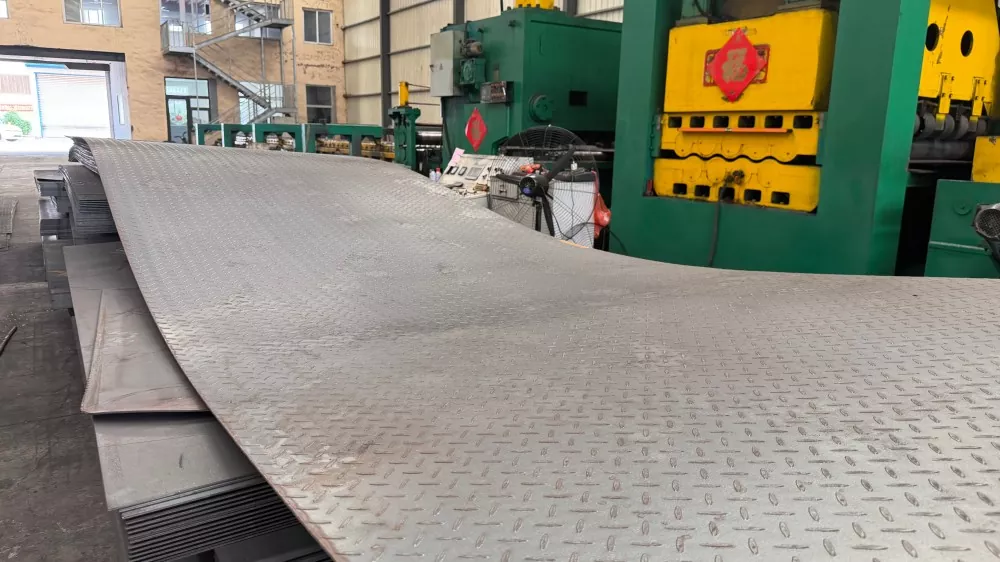
Why Polished, Not Mill Finish
· Cleanability: a polished surface releases cleaning chemicals rather than holding them in the pattern valleys.
· Corrosion: stainless with a passive surface does not produce the rust streaks that appear on carbon checkered plate in wet areas.
· Chemical resistance: 316L resists chloride attack, which is the usual failure on carbon steel in wash-down zones.
· Long service life: the polished stainless steel checkered plate can be scrubbed, steam-cleaned and disinfected daily without losing the pattern or the finish.
· Appearance: the plate can be left exposed on counters, ramps and public areas rather than covered later.
Specifications
|
Item |
Range |
Notes |
|
Grades |
304, 316L |
Other grades on request |
|
Pattern |
Diamond, lentil (teardrop), dot |
Rolled, integral with the plate |
|
Pattern height |
0.6 mm - 1.5 mm |
Fixed per order |
|
Finish |
No. 4, BA, 8K mirror, pickled and passivated |
Matched to the agreed sample |
|
Thickness |
Common stock 1.5 mm - 8 mm |
Heavier sections quoted on order |
|
Width |
1,000 / 1,220 / 1,250 / 1,500 mm |
Other widths to order |
|
Length |
2,000 mm - 6,000 mm |
Cut-to-length blanks available |
|
Tolerance |
Thickness and flatness to the agreed standard |
Stated on the MTC |
|
Certificates |
MTC per batch, EN 10204 3.1 / 3.2 |
CE marking under EU CPR |
Applications
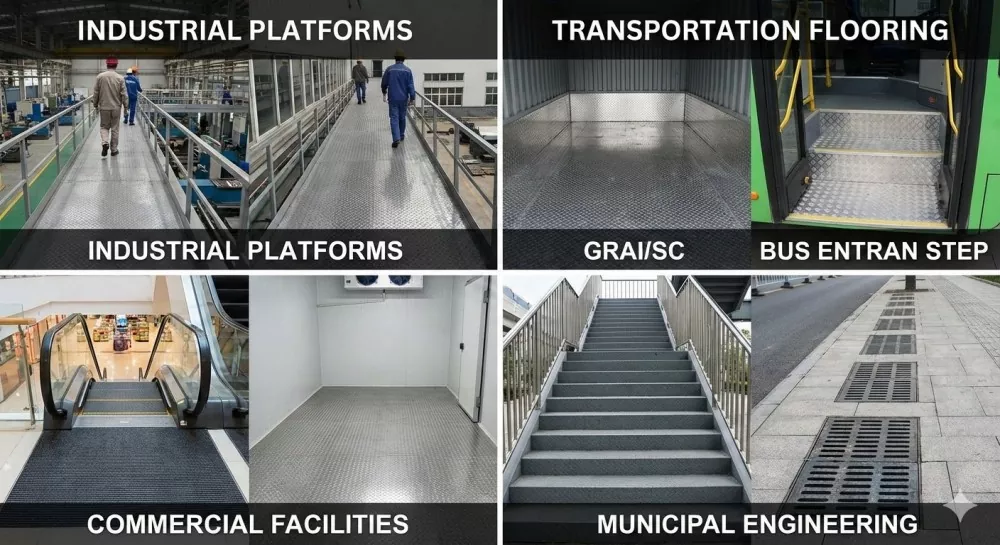
Food processing floors, drains surrounds and wash-down areas where hygiene rules require a cleanable surface. Commercial kitchens and hospital kitchens, including counters, service ramps and trolley routes. Pharmaceutical and dairy areas where bright annealed or pickled finishes are used for cleaning validation. Marine and coastal fit-out, where 316L is chosen for chloride exposure. Architectural and display floors where the plate stays visible. A polished stainless steel checkered plate is also used where the surface stays visible, such as counters, trolley ramps and public circulation areas. Where a polished stainless steel checkered plate is used on a wet process floor, the pattern and the finish are confirmed together on a sample before the order is rolled.
Fabrication, Cleaning and Passivation
Stainless checkered plate fabricates like other austenitic stainless: it can be sheared, plasma cut, bent and welded. Two rules matter on site. Carbon steel tooling and grinding dust must be kept away from the surface, because embedded carbon particles start rust spots that look like material defects. Welds on 304 use 308L filler, and on 316L use 316L filler, followed by pickling and passivation to restore the passive layer.
Cleaning is routine: warm water with a neutral detergent, a soft brush into the pattern, and a rinse. Abrasive pads and chloride-bearing cleaners are avoided, and standing water is cleared rather than left on the surface.
FAQ
Q1: Is 304 or 316L the right grade for a kitchen floor?
A: 304 covers general kitchen and food service. 316L is specified where chlorides are present, such as coastal sites or heavy sanitising chemical use.
Q2: Does polishing reduce slip resistance?
A: It changes the surface, so the wet friction figure depends on the pattern and finish combination. We confirm both on a sample and state the coefficient for the agreed specification.
Q3: Can the pattern be supplied in a mirror finish?
A: Yes, 8K mirror is produced, and it is usually chosen for visible architectural work rather than for wet industrial floors.
Q4: How is the polished stainless steel checkered plate protected during shipping?
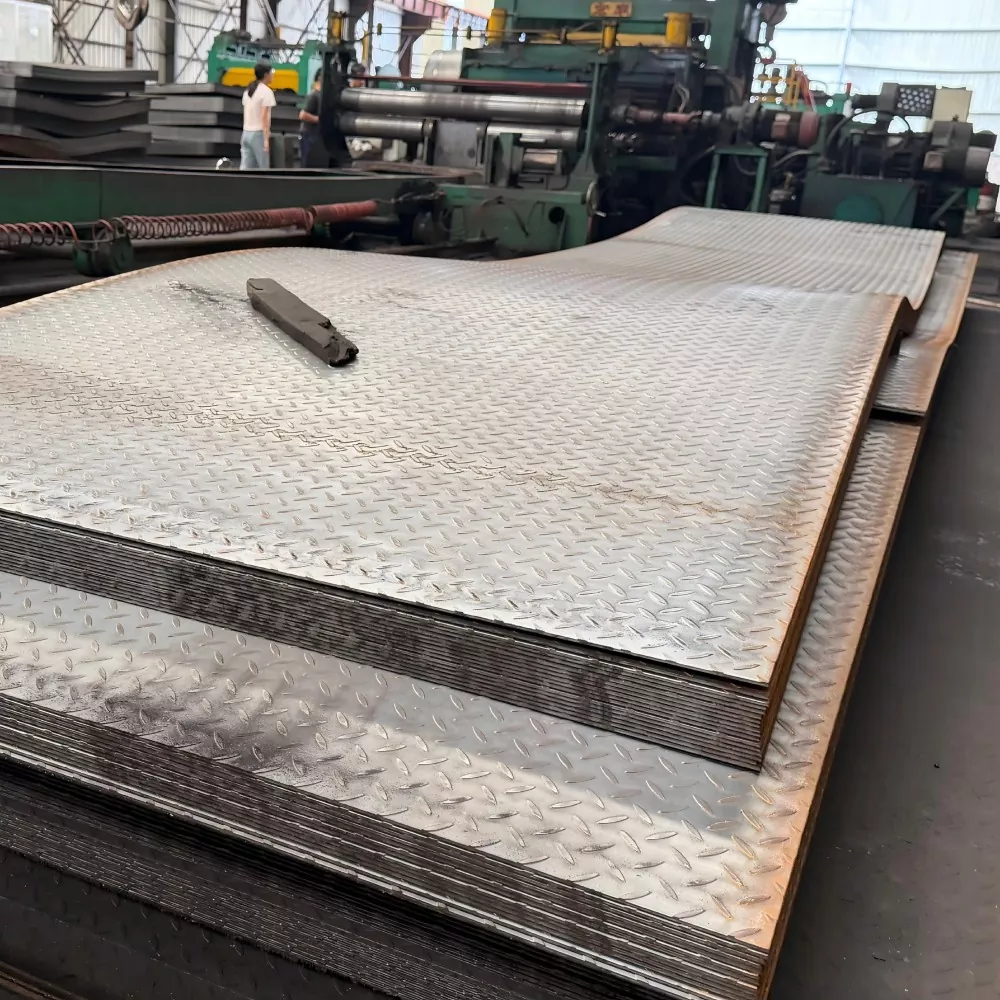
A: Surface protection film on polished faces, interleaved packing and steel-strapped bundles, with crating for export orders.
Q5: What documents arrive with the goods?
A: Mill test certificates per batch, EN 10204 3.1 / 3.2 on request, third-party inspection reports if ordered, plus export packing list and customs documents.
Send Inquiry
Contact Info
-
Address
No. 1188, Lanzhou West Road, Jiaozhou City, Shandong Province, China
-
Tel
-
Email
Welcome to our website! For inquiries about our products or pricelist, please leave your email to us and we will be in touch within 24 hours.
News Recommendations